

 Lifestyle & Wellness Desk
Kisarazu: What to Know About the Japanese City Now Officially a Hometown for Nigerians
The government of Japan has designated Kisarazu City in Chiba Prefecture as the official hometown for Nigerians. The announcement was made during the ninth Tokyo International Conference on African Development (TICAD9), alongside a special visa scheme to attract skilled workers, students, and professionals from Nigeria.
For Nigerians planning to relocate or simply curious about this new “hometown,” here are key things to know about Kisarazu.
A Coastal City Near Tokyo
Located about 70 km from Tokyo, Kisarazu is connected to the capital through the Tokyo Bay Aqua-Line, a 23.7 km bridge-and-tunnel route that makes commuting to Tokyo fast and convenient.
Olympic Ties With Nigeria
Kisarazu has a history with Nigeria. During the Tokyo 2020 Olympics, Nigerian athletes trained in the city, helping to lay the foundation for today’s official hometown partnership.
Population and Development
With a population of roughly 136,000 (as of 2020), Kisarazu faces an aging population like many Japanese cities. The Nigerian exchange programme is expected to boost the local workforce and add cultural diversity.
Safety and Security
Japan is ranked among the world’s safest countries, and Kisarazu reflects that reputation. Violent crime is rare, and community policing keeps the city calm and secure. Petty crimes like pickpocketing exist but remain uncommon.
Fashion and Clothing
Residents dress in modern, casual attire such as jeans, shirts, and jackets. Traditional Japanese wear like kimono and yukata are reserved for cultural festivals. Nigerians may easily blend Western clothing with African prints for cultural events.
Food Culture
Kisarazu is famous for clams from Egawa Beach and a wide variety of seafood. Other staples include ramen, udon, takoyaki, and taiyaki. For Nigerians moving there, mixing Japanese dishes with familiar African cuisine could be part of the cultural adjustment.
Business and Economy
Situated in the Keiyō Industrial Zone, Kisarazu is home to industries in steel, chemicals, and electronics. It also boasts the Mitsui Outlet Park, a large retail hub. Agriculture and fishing remain important parts of the local economy.
Festivals and Culture
The city comes alive with festivals such as the Yassai Mossai dance parade and the Kisarazu Minato Port Festival, which features fireworks and street performances. The TV drama Kisarazu Cat’s Eye also helped popularise the city.
Landmarks and Attractions
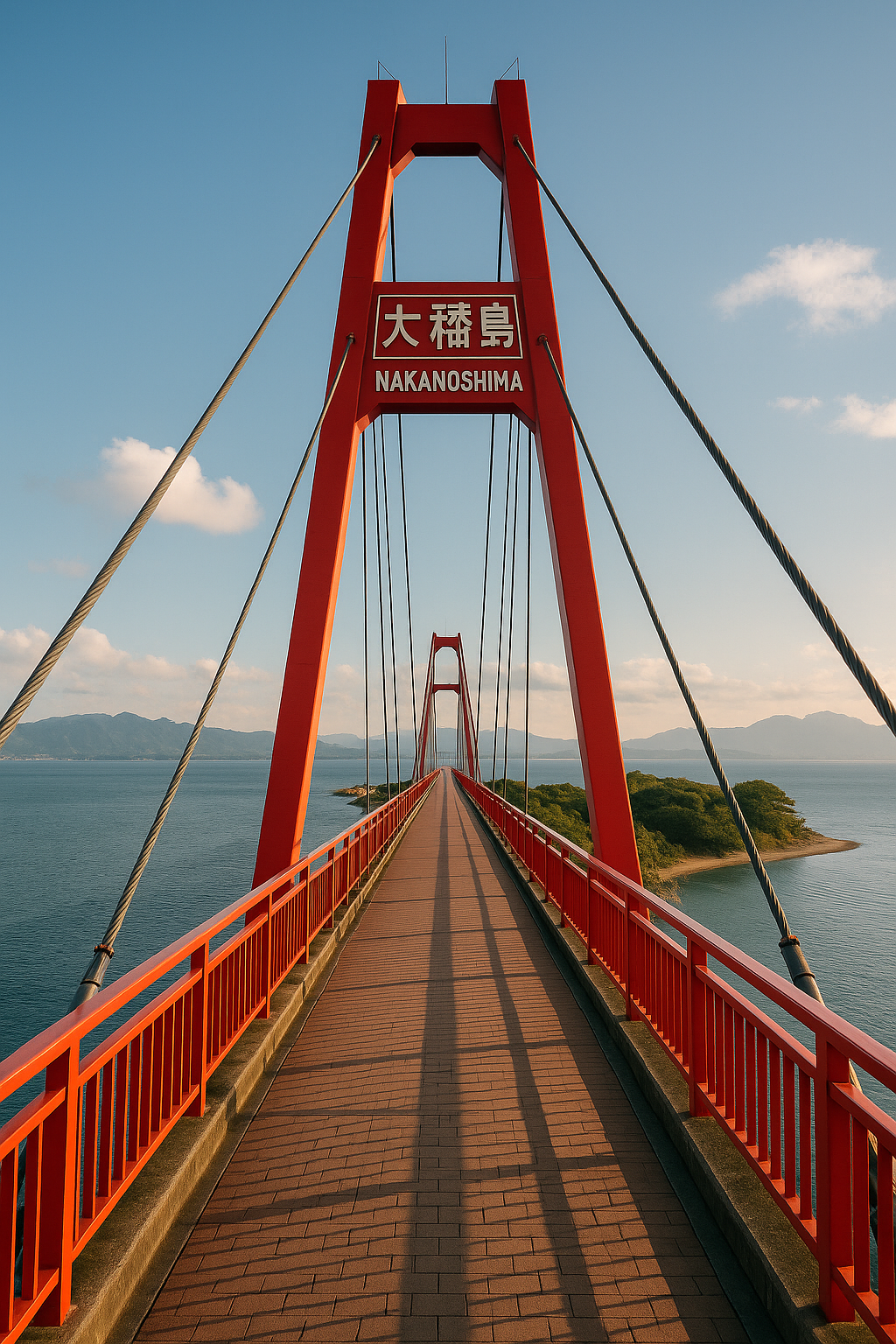
- Nakanoshima Bridge: Japan’s tallest pedestrian bridge, offering sweeping views of Tokyo Bay and Mount Fuji on clear days.
- Kōzō-ji Temple: A historic temple dating back to the 1500s.
- Egawa Beach, Kurkku Fields, Nakanoshima Park, Aeon Mall, Umihotaru, and Mitsui Outlet Park are other popular attractions.
Marriage Laws
Marriage must be registered at the city hall to be legally recognized. The minimum legal age is 18 for both men and women, and polygamy is not permitted. Nigerians marrying in Japan must present proof of single status at registration.
Currency in Use
Like the rest of Japan, Kisarazu uses the yen (¥). Banknotes are available in ¥1,000, ¥5,000, and ¥10,000 denominations, while coins range from ¥1 to ¥500.

