

 Tech & Tools Desk
‘We Do It for Passion, But It Doesn’t Pay the Bills’ — Nigerian Teachers Living Below Minimum Wage
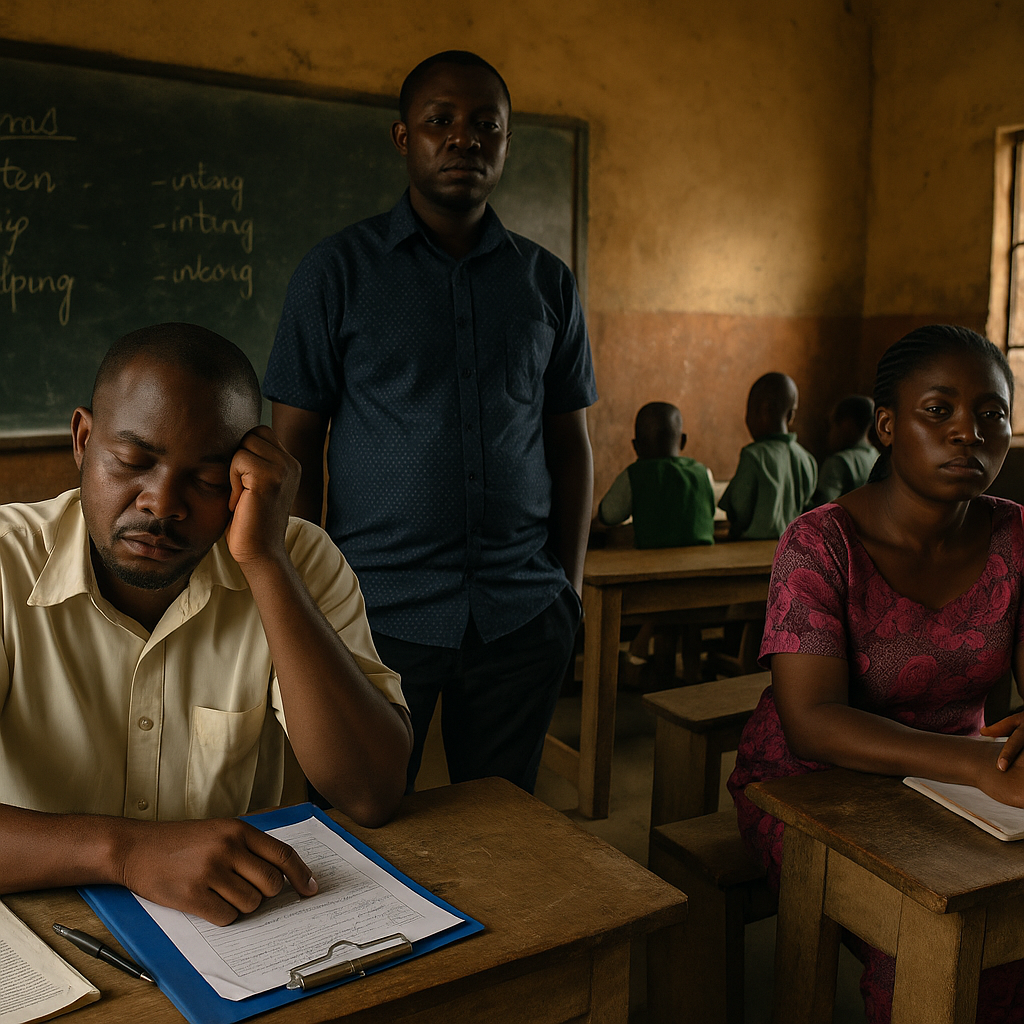
Every morning, Blessing Uchechi walks into his classroom in the Federal Capital Territory with a smile for his students. But once he remembers his monthly pay, the smile fades. At ₦30,000, his salary falls far short of the national minimum wage of ₦70,000 — a poor reward, he says, for the effort he invests in shaping young minds.
Teaching was never his dream. He had once hoped to become a pilot in the Nigerian Air Force, but his parents’ modest earnings as teachers could not cover the costs of the Defence Academy or aeronautical school. “My ambition was never to be a teacher,” he admits with a sigh.
In Lagos, another teacher, Bidmus Adam, echoes the same story. He too did not plan to teach, yet today he earns just ₦30,000 a month.
Teachers Paid Below the Minimum Wage
In 2024, President Bola Tinubu raised the minimum wage from ₦33,000 to ₦70,000 in a bid to provide workers with a “living wage.” Yet many teachers in private schools remain excluded from this adjustment.
Entry-level private school teachers typically earn between ₦25,000 and ₦60,000, while even mid-level teachers often take home less than the mandated minimum. Some reportedly earn as little as ₦15,000 a month, regardless of years of experience.
For Uchechi, passion keeps him in the classroom, but the reality is stark. “When you look at the amount of money you are getting, you won’t be motivated to put in your all. It will feel like you are working for the money, not the people,” he said. “I enjoy teaching, but passion doesn’t pay the bills.”
Adam agrees. “If I look at the stress, time, and energy I put into teaching, I should be earning far more. Passion grew along the way, but it cannot sustain you,” he noted.
Side Hustles to Survive
With inflation and soaring fuel prices eroding already meagre salaries, many teachers juggle multiple jobs just to get by. After hours in crowded classrooms, they sell clothes, food, or hijabs, run online businesses, or take on private tutoring to pay rent and school fees.
Uchechi works as a digital marketer and advertiser, while also learning skills in the travel industry. Adam takes online classes and engages in side hustles to supplement his pay. In Zaria, Ummulkhulthum Daiyab Bature, who has taught for 10 years, sells shoes and hijabs. “I am shy to mention my salary in public,” she said. “I know I deserve more.”
Why Wages Remain Low
According to Hassan Hamzat, a retired government teacher now serving as a private school principal, proprietors often prioritise profit over quality. “Most private schools were established for financial gain, not to pay teachers their worth. Sometimes they don’t even employ qualified teachers,” he explained.
He also noted that many private school teachers are barred from joining unions like the National Union of Teachers (NUT), which limits their ability to demand better pay.
The Bigger Picture
Education experts warn that poor wages not only demotivate teachers but also affect students’ learning outcomes and well-being. Research suggests that teacher pay plays a key role in motivation, retention, and the overall quality of education delivered in classrooms.
Despite the hardship, teachers like Adam and Uchechi stay because of their love for the profession, and their students. Yet they hold out hope that one day, private school proprietors — and Nigeria as a whole will value teachers enough to pay wages that reflect their true worth.
“I hope private school owners can do better,” Adam said quietly.

