

 Lifestyle & Wellness Desk
UBEC: Over 60% of Public School Teachers Lack Basic Digital Skills
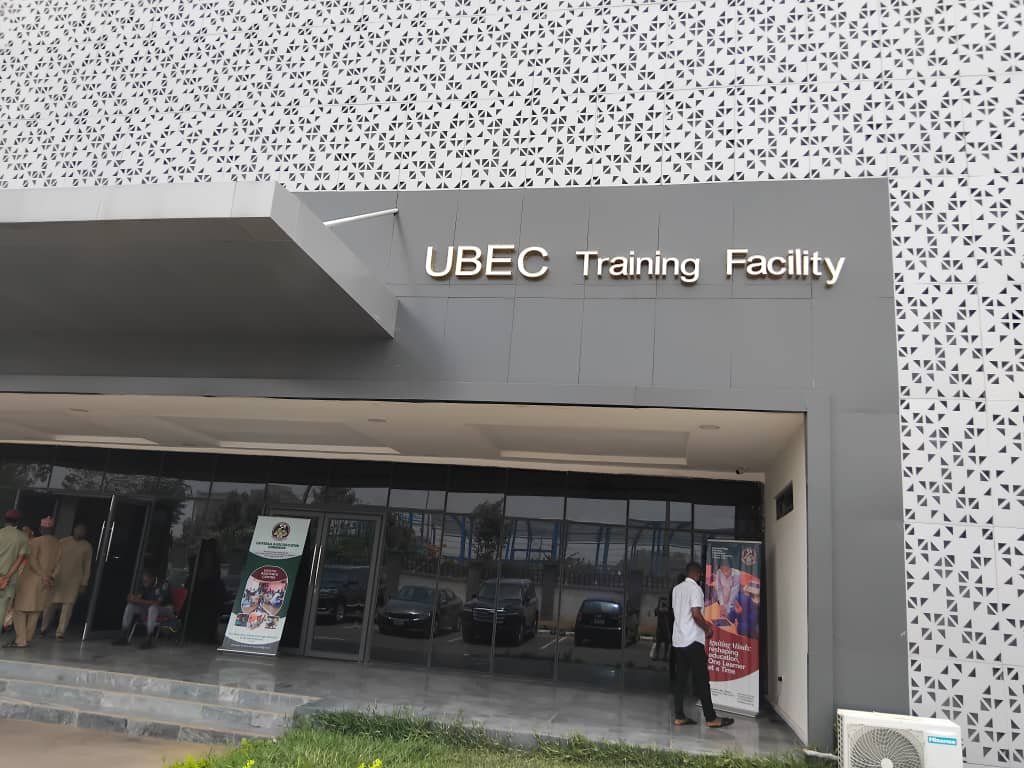
More than 60 per cent of public primary school teachers in Nigeria lack basic digital literacy, the Executive Secretary of the Universal Basic Education Commission (UBEC), Aisha Garba, has disclosed.
She made this known in Abuja at the closing ceremony of the first phase of the Nigeria–Korea Smart Education Project, an initiative providing modern digital infrastructure, teacher training, and locally developed educational content across six pilot states.
Background and Challenges
Garba recalled that when the project commenced in 2021, Nigeria was faced with alarming figures: over 10.1 million out-of-school children, 70 per cent of enrolled pupils without foundational learning skills, and more than 60 per cent of public school teachers without basic digital competence.
“These statistics were not just challenges, but also opportunities to bridge the digital divide and empower teachers for the future of learning,” she said.
International Partnership
The project, implemented by the Korea International Cooperation Agency (KOICA) in partnership with UBEC, is currently being piloted in Kano, Bauchi, Nasarawa, Ekiti, Cross River, and the Federal Capital Territory (FCT).
The Minister of Budget and Economic Planning, Senator Abubakar Atiku Bagudu, praised the Nigeria–Korea partnership, describing it as respectful, mutually supportive, and focused on shared prosperity. He noted that KOICA’s interventions aligned with Nigeria’s federal system, where education responsibilities are shared across federal, state, and local governments.
Next Steps and Expansion
Prof. Dae Joon Hwang, Manager of the Project Management Consulting company UBION Consortium, stressed the importance of sustainability and urged stronger parental and community involvement. He confirmed that the second phase of the Smart Education Project, which will expand the model to 37 smart schools nationwide, will begin soon.
According to KOICA Country Director Eunsub Kim, represented by the agency’s Manager David Nkwa, the initiative adopts a blended learning approach, shifting classrooms from traditional teacher-led models to student-centred learning.
“The national curriculum remains the same, but teaching methods and delivery are being reimagined to boost engagement and outcomes,” Kim explained.

