
Author: Lifestyle & Wellness Desk

Untitled-design.png

2min23530
The US State Department has withdrawn more than 6,000 international student visas citing legal violations, overstays, and security risks, the agency confirmed to the BBC. According to officials, the majority of cases involved offenses such as assault, burglary, and driving under the influence (DUI). Some were linked to what the department described as “support for terrorism,” though it did not provide a clear definition. The crackdown is part of broader immigration restrictions under the Trump administration. Officials have also scrutinized students accused of expressing support for Palestine, claiming their protests reflected antisemitic conduct. Of the revoked visas, roughly 4,000 were tied to criminal activity, while an estimated 200–300 fell under “terrorism” provisions in the Immigration and Nationality Act (INA 3B), which defines terrorism broadly as acts endangering human life or violating US law. Earlier this year, the Trump administration paused visa interviews for foreign students before resuming them in June with stricter vetting. Applicants are now required to provide access to their social media accounts, which are checked for signs of hostility toward the United States, its people, or its institutions. Officers have also been directed to flag individuals linked to designated foreign terrorist organizations or involved in unlawful antisemitic activity. Secretary of State Marco Rubio told lawmakers in May that “thousands” of visas had already been rescinded since January and suggested more could follow. “We’re going to continue to revoke the visas of people who are here as guests but are disrupting our higher education facilities,” Rubio said. Democrats have condemned the move as an infringement on due process and a targeted attack on international students. Despite the revocations, the US remains a leading destination for global education, hosting more than 1.1 million students from over 210 countries in the 2023–24 academic year, according to Open Doors, an international education data organization.

Peter-Obi-1-1200x900-1.jpg

3min12380
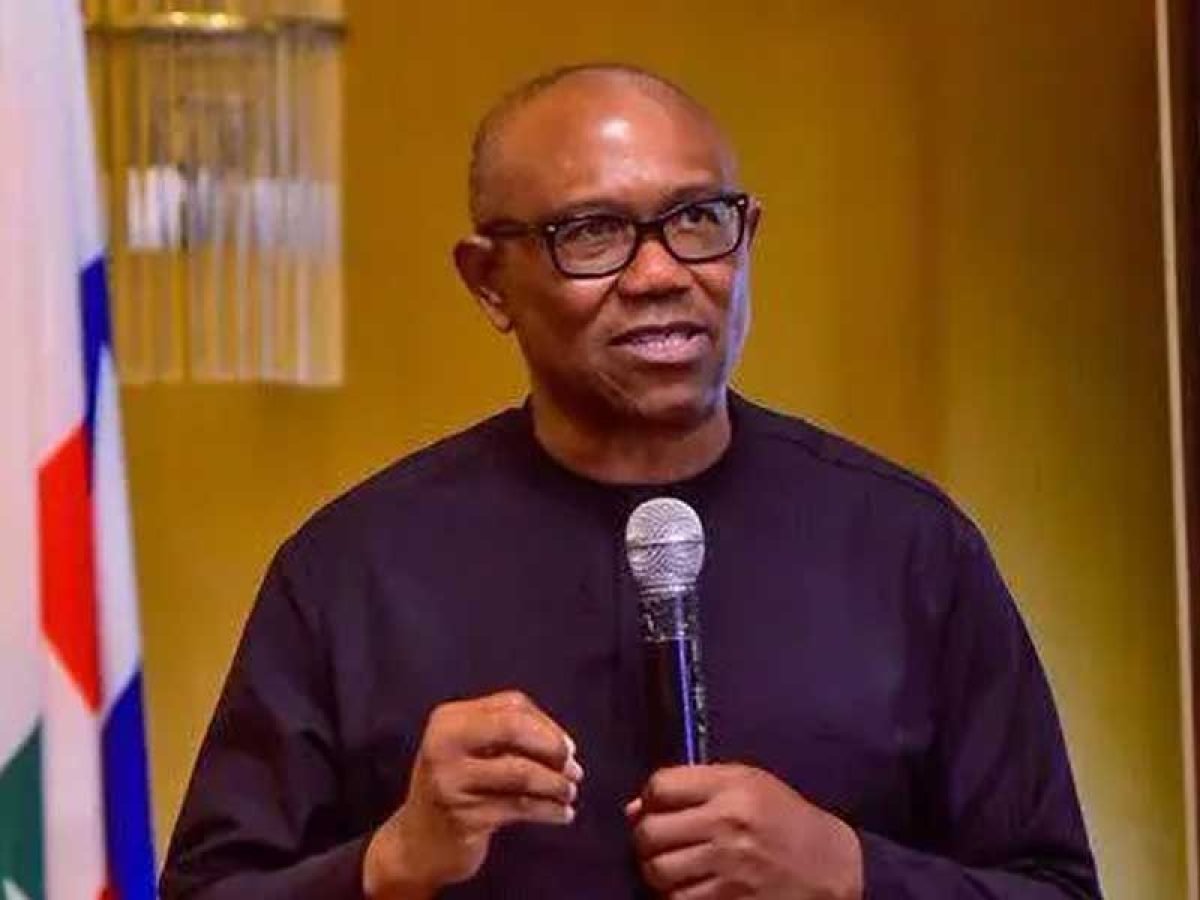
Former Labour Party presidential candidate, Peter Obi, has applauded Nigeria’s security forces for a major breakthrough in the fight against terrorism following the arrest of two top commanders of the Ansaru terrorist group. The National Security Adviser, Nuhu Ribadu, announced over the weekend that the arrests were the result of a months-long, intelligence-led counter-terrorism operation carried out between May and July 2025. High-Profile Terror Leaders Captured Among those detained is Mahmud Muhammad Usman, known as the self-styled Emir of Ansaru. Authorities described him as the coordinator of terrorist sleeper cells nationwide and the mastermind of several high-profile kidnappings and robberies used to bankroll the group’s activities. Also arrested was his deputy, Mahmud al-Nigeri, leader of the “Mahmudawa” cell operating around Kainji National Park, spanning Niger and Kwara States and stretching into the Benin Republic. According to Ribadu, the two leaders were linked to notorious attacks including the 2022 Kuje prison break, the raid on a Niger uranium facility, the 2013 abduction of French engineer Francis Collomp, and the 2019 kidnapping of Alhaji Musa Umar Uba, the Magajin Garin Daura. Their networks also maintained ties with extremist groups across the Maghreb region, particularly in Mali, Niger, and Burkina Faso. Obi’s Reaction In a statement on his official X handle, Obi hailed the security agencies for their courage and professionalism, noting that many officers operate under difficult and dangerous conditions. “Our gallant officers have shown uncommon courage,” he wrote. “Their sacrifices remind us that Nigeria can—and must—be safe for all its citizens. I salute their commitment and urge that they be better equipped, trained, and motivated to sustain these gains.” While commending the arrests, Obi warned against complacency. He emphasized the importance of accountability, stressing that terrorism thrives when arrested suspects escape justice. “Justice must take its full course so that impunity is not encouraged,” he said. Security as the Foundation of Development Obi further highlighted that national security remains the bedrock of development. He called on leaders to provide the resources and political will needed to strengthen counter-terrorism efforts and safeguard the nation. “Let this victory remind us that security is the foundation of every meaningful development,” he noted. “A secure Nigeria is possible if we support our security agencies with the right leadership, resources, and political will.” The former Anambra governor reaffirmed his vision of building a new Nigeria anchored on peace, justice, and sustainable growth.

Parental_Leave_equality.jpg

4min10320
Lagos, Nigeria — A new report has shed light on Nigeria’s deepening paternity crisis, revealing that one in four men who undergo DNA testing are not the biological fathers of the children in question. According to the 2025 Annual DNA Testing Report by Lagos-based Smart DNA Nigeria, 25 per cent of paternity tests conducted between July 2024 and June 2025 returned negative results. Although slightly lower than the 27 per cent recorded in 2024, the figures highlight what the company described as a “worrying and consistent trend.” Trust, Family, and Social Implications Smart DNA’s Operations Manager, Elizabeth Digia, noted that the findings extend beyond science. “These results tell us something profound about trust, relationships, and the legal and economic realities of Nigerian families today. Our role is to provide certainty while encouraging sensitive handling of the life-changing information clients receive,” she said. The report also revealed that firstborn children, particularly sons, were most affected, with firstborn boys recording a 64 per cent exclusion rate—far higher than later-born siblings. Emigration Fuels DNA Testing Demand Immigration-related DNA tests surged to 13.1 per cent of all cases, reflecting Nigeria’s escalating emigration wave, popularly known as the “Japa” phenomenon. Many families now require DNA documentation as part of relocation or dual-citizenship processes. “Many of our clients are dual-citizenship families processing DNA documentation for children, often as part of long-term emigration plans,” the report noted. Who Is Testing? The study found that men initiated 88.2 per cent of paternity tests, while women accounted for only 11.8 per cent. Older men, especially those aged 41 and above, represented nearly half of all clients, underscoring the influence of financial stability in pursuing verification. Children aged 0 to 5 years made up 58.6 per cent of those tested, up from 54 per cent in the previous year, showing a growing desire among parents for early clarity. Where the Tests Happen Lagos State accounted for the majority of tests (69 per cent), with demand shifting from the Mainland to the Island. Lekki (20.3%), Yaba (15.8%), Ajah and Ikorodu (10.5% each), and Surulere and Ikeja (9% each) ranked as the top testing hubs. Ethnic distribution revealed that Yoruba families dominated (53%), followed by Igbo families (31.3%). Participation among Hausa families remained minimal at 1.2 per cent, pointing to cultural differences in perceptions of paternity testing. Motives Behind Testing A vast majority — 83.7 per cent of tests — were carried out for “peace of mind,” while court-mandated tests accounted for just 1.4 per cent. Male children were tested slightly more than females (53.8 per cent), reflecting cultural emphasis on verifying male lineage, particularly for inheritance and family name preservation. A Call for Policy Framework Digia stressed that while the figures reflect only families with pre-existing doubts, the trend highlights the need for structured policy. “We’re seeing more people come forward with doubts they’ve harboured for years. Some of these cases involve emotional trauma and even financial exploitation. A policy framework is overdue,” she said.

new-jamb-office-1280x985.jpg

3min24640
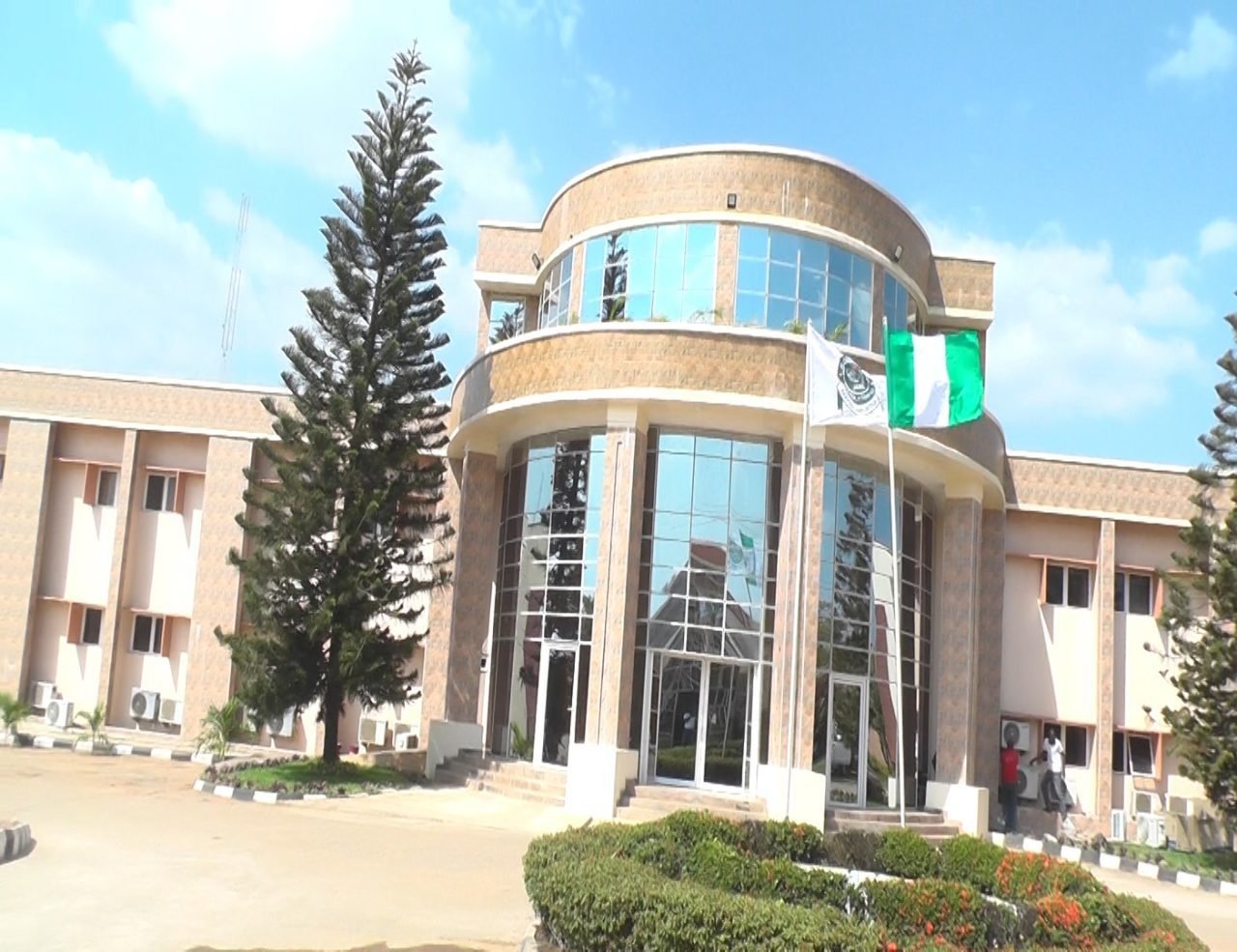
Abuja, Nigeria — The Joint Admissions and Matriculation Board (JAMB) has rolled out fresh conditions for admitting exceptional but underage candidates into Nigerian tertiary institutions, in line with the government’s minimum age policy. The federal government previously set 16 years as the minimum admission age for universities, polytechnics, and colleges of education. However, exemptions exist for gifted candidates who demonstrate exceptional ability. Stricter Criteria for Gifted Candidates Speaking during a virtual meeting with university vice-chancellors, JAMB Registrar Professor Is-haq Oloyede said underage candidates will only qualify if they meet tough academic requirements. These include: Minimum UTME score of 320 out of 400 At least 80% in the post-UTME conducted by the admitting university Minimum of 80% in SSCE results Additionally, candidates in the sciences must excel in Mathematics, while those in the arts must excel in English Language. Oloyede added that underage candidates must undergo a special post-UTME screening dedicated to them, even in universities that no longer conduct post-UTME exams. He emphasized that the new measures are designed not just to test intelligence but to ensure candidates are psychologically, emotionally, and socially mature enough for the demands of higher education. Only 599 Candidates Qualify Nationwide Data from JAMB showed that out of 1.9 million candidates who sat for the 2025 UTME, 41,027 registered as gifted students. Of these, only 17,025 candidates scored above 300, while just 599 met the 320 benchmark required to proceed as gifted applicants. According to Professor Taoheed Adeoja, chair of JAMB’s subcommittee on underage admissions, this means over 40,000 candidates were disqualified for failing to meet the cut-off. The 599 successful candidates will face further screening from 22 to 26 September in Lagos, Abuja, and Owerri. The process will involve written tests and oral interviews to assess not only academic excellence but also emotional and social readiness under the affective domain of learning. Balancing Talent with Readiness Oloyede stressed that the policy balances the need to nurture exceptional talent with the responsibility of safeguarding young learners. “These measures are not to discourage brilliance,” he said, “but to ensure candidates are truly ready for the exposure and responsibilities that come with university life.”

Otedola-Main.png

4min17300
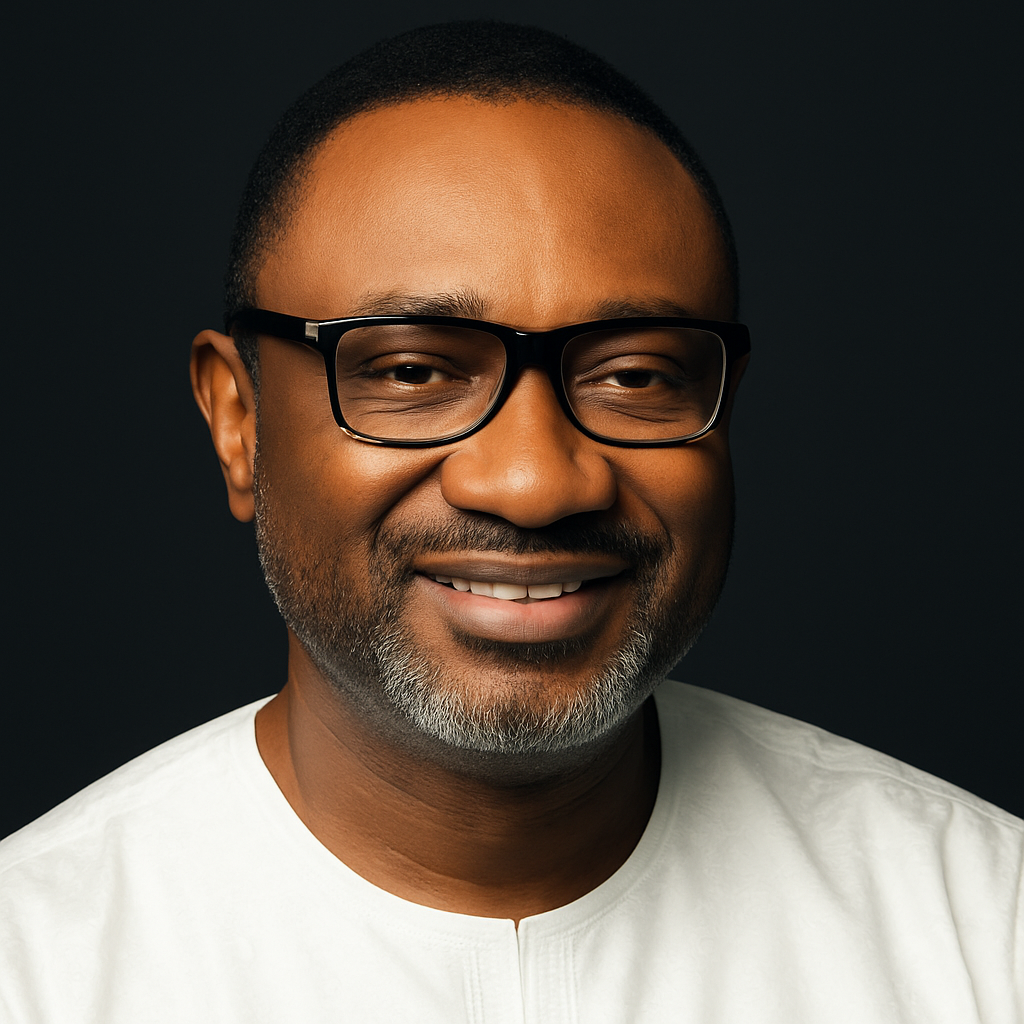
Lagos, Nigeria — Billionaire businessman Femi Otedola has revealed that his rise to fortune came without the academic qualifications many assume he had. In his newly released 286-page memoir, Making It Big, the 62-year-old energy mogul recounts how poor performance in school pushed him out of the classroom and into the world of business, where he would go on to build one of Nigeria’s largest empires. Early Struggles with Schooling Otedola began his education in 1968 at the University of Lagos Staff School, where he admits he consistently ranked at the bottom of his class. “There was something about academia and me; we were not compatible,” he writes, noting that his interests simply did not align with the rigors of academic life. He later attended Methodist Boys’ High School, Lagos, and then Olivet Baptist High School, Oyo, but his performance failed to improve. Despite his parents’ efforts to help him catch up, including moving him to boarding school, his passion remained elsewhere. Choosing Business Over Classrooms By the late 1970s, Otedola had grown fascinated with his father’s printing business, Impact Press, in Surulere. He immersed himself in the mechanics of printing machines and began helping with business correspondence. Eventually, despite his mother’s protests, he abandoned school altogether to work full-time with his father. At just 25 years old, he became Managing Director of Impact Press in 1987. Though he thrived in the role, Otedola soon sought independence. His father allowed him to take on a commission-based sales role, a decision Otedola describes as his “significant break.” He invested in cars for marketing outreach and began bringing in printing jobs from major companies and advertising agencies, particularly calendars and diaries. From Printing to Power and Oil By the early 1990s, Otedola had sharpened his entrepreneurial instincts. After his father turned to politics, Otedola struck out on his own. In 1994, he founded Centre Force Ltd. with ₦10 million in capital, setting in motion the foundation of what would become a vast business empire. Over the years, Otedola expanded into oil and gas, shipping, real estate, finance, and power, rising to become chairman of Forte Oil and later investing heavily in Geregu Power Plc. Today, he chairs FirstHoldco Plc, one of Nigeria’s largest financial groups. Lessons Beyond the Classroom For years, speculation persisted that Otedola held a degree from the University of Lagos. His memoir corrects that record, stressing that his real classroom was the business floor, not a lecture hall. “I never returned for my Upper Sixth. All I wanted was to get involved in business,” he writes. That decision, once met with his mother’s tears, became the foundation of a career that has made him one of Africa’s most influential entrepreneurs. A Message of Determination In Making It Big, Otedola offers a candid lesson: while formal education eluded him, discipline, persistence, and vision propelled him to the top. His story underscores that success can come from unconventional paths — provided one is willing to take risks, learn fast, and commit to hard work.

US-Envoy-Main-1280x720.jpg

3min23290
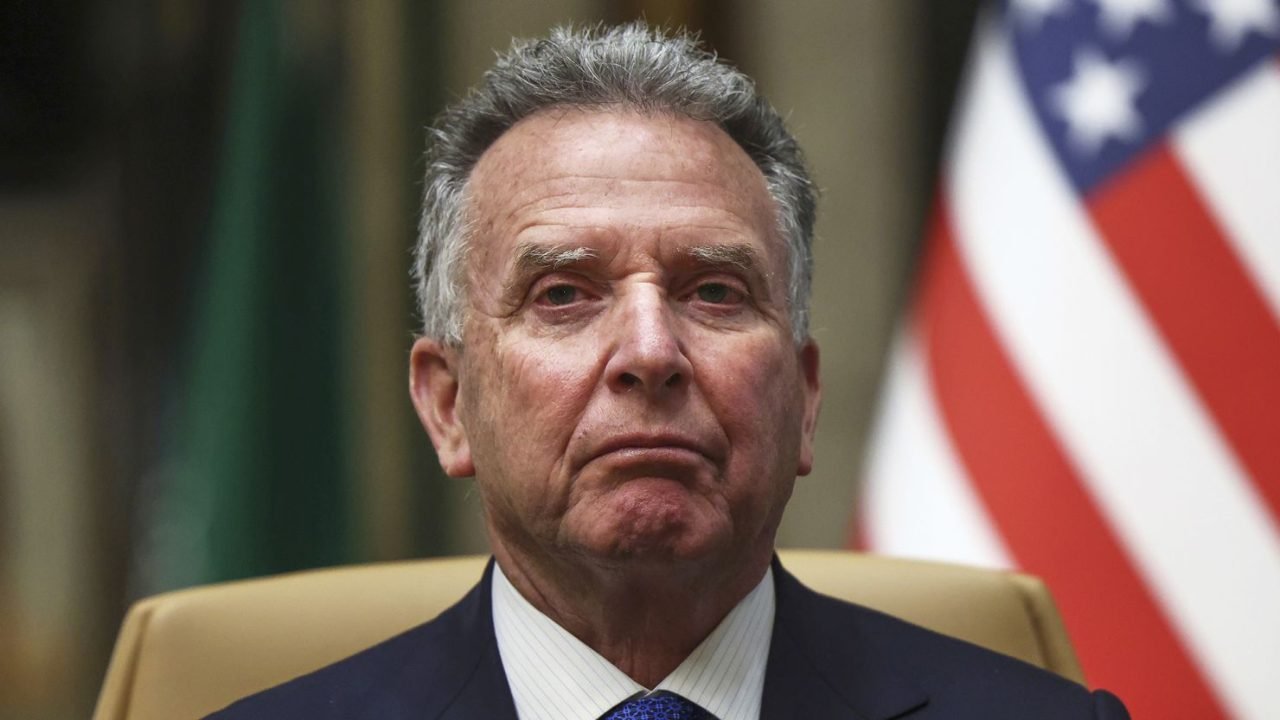
Russian President Vladimir Putin has reportedly agreed to provisions for “robust” security guarantees for Ukraine as part of potential peace negotiations — a move that could reshape the dynamics of the ongoing war. According to US envoy Steve Witkoff, the guarantees would include a collective defense arrangement involving the United States and European allies. Under such a plan, if Russia were to invade Ukraine again, Washington and Europe would be obligated to respond — echoing the principle of NATO’s Article 5. A Workaround to NATO Membership Witkoff explained that the arrangement was designed as a compromise to Russia’s long-standing opposition to Ukraine joining NATO. Instead of full membership, Ukraine would receive legally binding security commitments. He added that Moscow had signaled readiness to enshrine a pledge — through legislation — not to invade Ukraine or any other European country in future peace agreements. So far, the Kremlin has made no public mention of such a deal. Echoes of Trump’s Proposal The reported framework mirrors proposals discussed over the weekend in calls between former US President Donald Trump and European leaders. European officials confirmed that part of the talks included “Article 5-type” guarantees for Ukraine — but without NATO’s direct involvement. Article 5 is the cornerstone of NATO’s treaty, which states that an attack on one member is considered an attack on all. Extending such a principle to Ukraine — even outside NATO — would mark a significant shift in Western security policy. Skepticism and Reluctance Trump has previously downplayed Kyiv’s repeated requests for binding security guarantees, warning against commitments that could entangle the US in prolonged conflicts. European powers have floated the idea of a “reassurance force” for Ukraine, but they stress it would require US backing. For now, Trump has been reluctant to commit US troops or significant resources, leaving questions about how far Washington is willing to go in backing such guarantees. What It Means If implemented, the arrangement could offer Ukraine the protection it has long sought, while allowing Russia to claim it blocked NATO expansion. For Europe and the US, it would mean walking a delicate line: protecting Ukraine without formally enlarging NATO. CNN

Student.jpg

2min12600
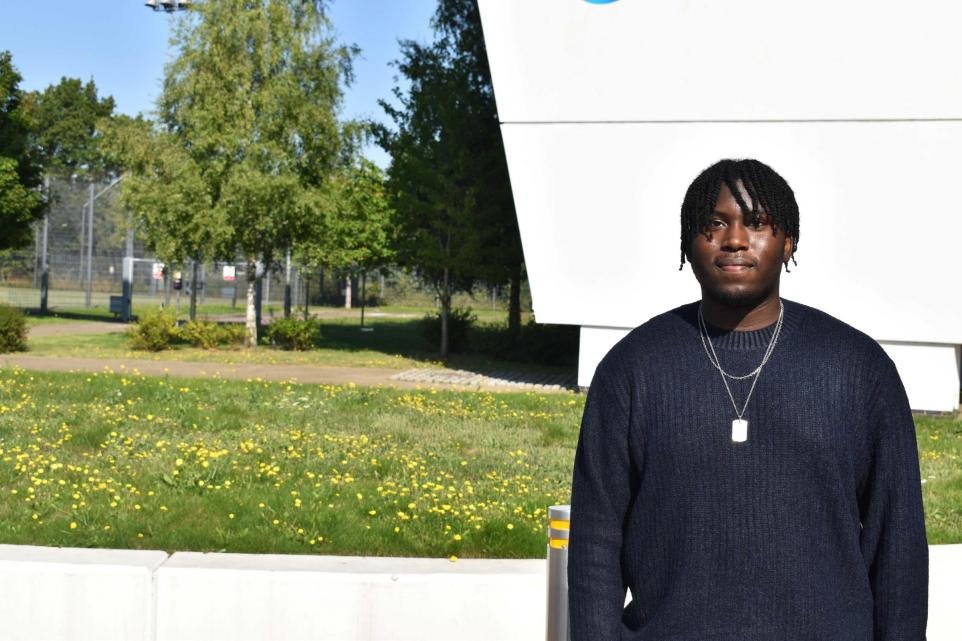
An 18-year-old Nigerian-born student in Ipswich, Abiola Abidoye, has achieved a remarkable academic milestone by securing the highest A Level law grade in the entire United Kingdom. Abidoye, a student at One Sixth Form College, earned A* grades in Mathematics, Further Mathematics, Law, and Physics. Although he considered law his “weakest subject,” his exceptional score of 224 out of 240 across three exam papers earned him national recognition. Passion Meets Hard Work Speaking after the results were released, Abidoye expressed both pride and surprise at his outstanding performance. “I have maths and physics which are my strong suit. I did law because it’s my passion. I wasn’t expecting to do so well,” he said. He revealed that his success was the product of intense effort and discipline: long study hours, late-night revision sessions, and consistent focus. “I put in an immense amount of work into this. I was staying up to ungodly hours studying. It was very difficult, but I am pretty happy with the outcome,” he added. Teacher Support and Next Steps Abidoye credited his teachers at One Sixth Form College for providing the guidance and encouragement that contributed to his success. Looking ahead, he plans to pursue a degree in Mathematics, with ambitions to build a career in banking or finance. A Source of Pride Abidoye’s achievement stands as a source of pride for the Nigerian community in the UK and beyond, highlighting the impact of dedication, passion, and resilience among African students in the diaspora.

Gemini_Generated_Image_m11nwim11nwim11n-1-1280x1280.png

2min11100
A total of 3,516 students on Saturday sat for the entrance examinations into the Federal Capital Territory (FCT) Science and Technical Senior Secondary Schools. The Director of the FCT Education Resource Centre (ERC), Dr. Neemat Abdulrahim, said the highly competitive assessment, conducted across five centres in Abuja, would admit only the best candidates strictly on merit. Admission Based on Standards and Merit Dr. Abdulrahim stressed that successful candidates must have at least five credits, including English Language, Mathematics, and core science subjects, in their Basic Education Certificate Examination. She noted that the ERC had put in place effective coordination and monitoring systems to guarantee the integrity of the exams. Subject specialists were engaged to ensure questions aligned with the national curriculum and reflected fairness and relevance. Inclusive Education Highlighting inclusiveness, the ERC Director explained that provisions were made for candidates with special needs to ensure equal opportunity. “No child should be disadvantaged or excluded from the process,” she emphasised. Security and Infrastructure Support The ERC commended the role of security agencies, including the Police, Nigeria Security and Civil Defence Corps (NSCDC), and the FCT Directorate of Road Transport Services, in maintaining security, controlling crowds, and ensuring smooth vehicular movement at the exam centres. Dr. Abdulrahim also lauded FCT Minister Nyesom Wike for ongoing renovations and upgrades in public schools, which she said were creating more conducive environments for teaching and learning. She further praised continued investments in invigilator training to strengthen monitoring and enhance transparency in examinations. “The ERC remains committed to upholding the highest standards of fairness, integrity, and credibility in our education system,” she said. NAN

Umahi-1.jpg

2min6560
Nigeria’s Minister of Works and former Governor of Ebonyi State, David Umahi, has declared that all governors in the South-East region are firmly behind President Bola Tinubu’s re-election bid in 2027. Umahi made the remarks in a video shared on Sunday by Ebonyi 1st Choice News Media via Instagram, stressing that the region’s governors had aligned with Tinubu’s leadership. “All the governors of the South-East are supporting the president for 2027, and there’s no governor in the South-East that is not supporting the president,” Umahi said. Umahi Positions Himself for Future Presidency Beyond pledging loyalty to Tinubu, Umahi also staked a claim to future political leadership in the region. He argued that when the presidency eventually rotates to the South-East, he should be at the forefront of the contest, citing his performance as both governor of Ebonyi State and minister of works. “I’ve asked for a debate with anybody who feels otherwise. I created something out of this state. God used me to do it,” he said. Umahi insisted his record stands tall compared to his peers, pointing to infrastructure development in Ebonyi and his ongoing role in national projects as proof of his leadership credentials. Call for Political Strategy, Not Sentiment On the South-East’s path to eventually producing a president, Umahi urged the region to avoid emotional politics and instead build stronger alliances. “My advice for our people is to re-engage. We can’t get to the presidency by sentiment. We have to re-engage; we have to support other regions. And at the time of God, nobody will stop it. It will come to us,” he said. He hinted that when that moment comes, he could be the one best positioned to carry the South-East’s banner at the national stage.

Awkaibom.jpg

1min9160
No fewer than 15,000 applicants are competing for 3,000 vacancies in the Akwa Ibom State civil service, Governor Umo Eno has disclosed. Speaking during a monthly prayer service in Uyo on Sunday, the governor assured residents that the recruitment exercise would be fair, transparent, and strictly merit-based. “The selection will be through a computer-based test that gives instant results. There are no slots and no favouritism,” Eno said, allaying fears of political influence in the process. The state government had earlier announced that 1,000 workers would be recruited into each of the teaching, health, and core civil service sectors. Past recruitment exercises in the state had been dogged by allegations of favouritism, raising concerns among job seekers. Akwa Ibom, according to the National Bureau of Statistics, posted a 34.9 percent unemployment rate in 2023, with independent studies showing that more than half of its youth population remain jobless. To address the crisis, the government has launched several initiatives, including the ARISE Youth Employment Portal and the Dakkada Skills Acquisition Scheme, aimed at boosting job creation and equipping young people with employable skills.