Author: Lifestyle & Wellness Desk

BRECOMA-1-1280x960.jpg

2min4760
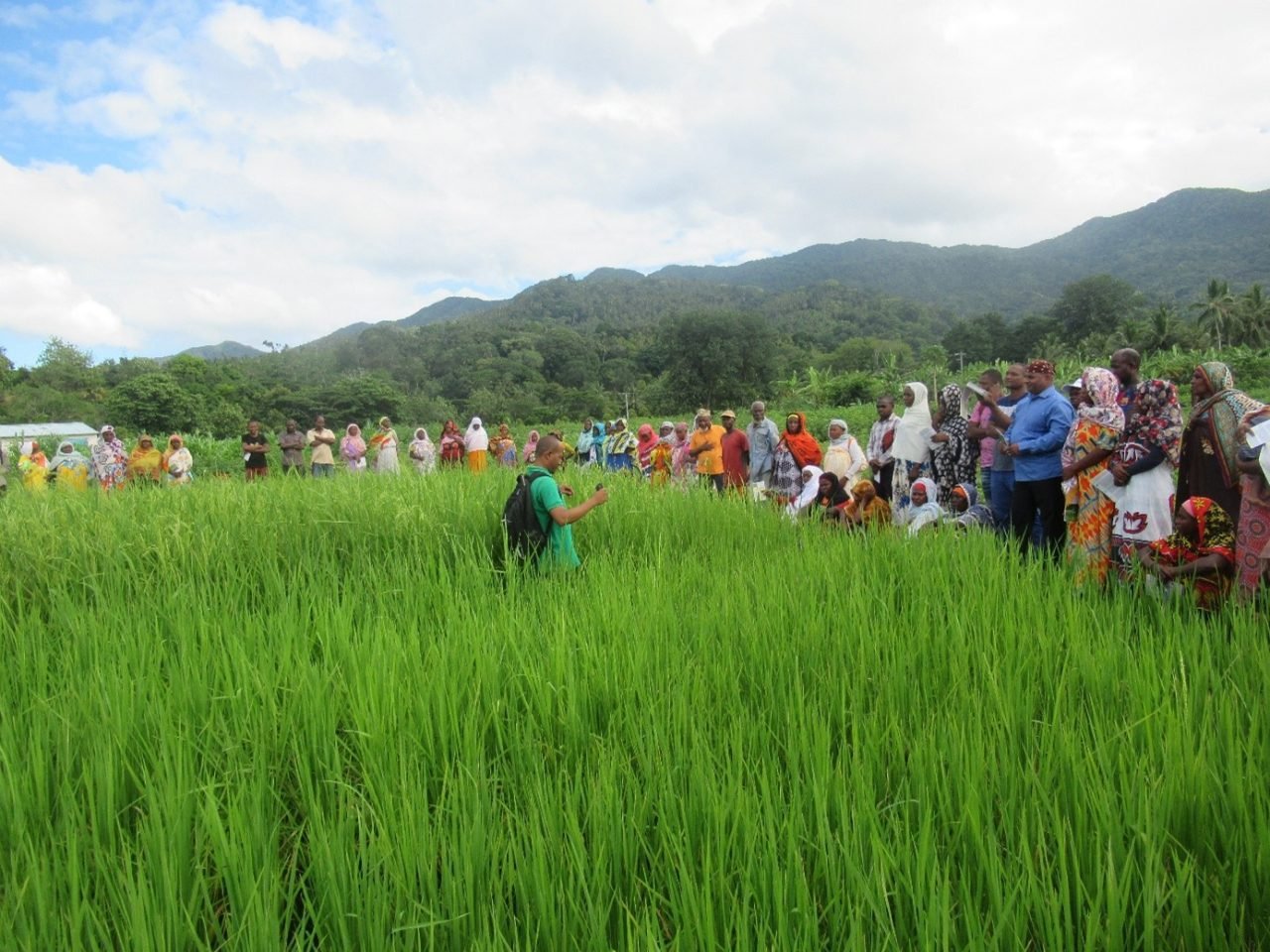
Leaders of rice farmers’ associations in Nigeria have attributed the persistent rise in rice prices to the activities of cartels, unscrupulous farmers, and middlemen who they say are undermining government interventions. In interviews with the News Agency of Nigeria (NAN) on Sunday in Lagos, the Vice Chairman of the All Farmers Association of Nigeria (AFAN), Mr. Sakin Agbayewa, said artificial manipulations were driving up prices despite government support. “Some farmers empowered by government failed to cultivate, while others exploit shortages by rebagging local rice in foreign sacks to sell at higher costs. A cartel has deliberately created scarcity to frustrate government’s efforts,” Agbayewa alleged. He noted that although the Federal Government had granted waivers for rice imports to crash prices, some importers hoarded supplies, pushing prices up once the waiver ended. Similarly, the Chairman of the Rice Farmers Association of Nigeria (RIFAN), Lagos chapter, Mr. Raphael Hunsa, called on government to engage genuine local farmers directly. “The price will continue to rise unless interventions reach real farmers. Policies should be designed with input from those on the ground. That is the only way to stabilise rice prices,” Hunsa said. He also urged farmers not to sell off government inputs but to use them for production continuity. Dealers in Lagos confirmed the surge. At Oja Oba Market, Agege, rice dealer Mustafa Aliu said a 50kg bag now sells for between N70,000 and N80,000, up from N45,000–N55,000 just two months ago. At Iddo Market, trader Temitayo Hakeem noted some brands of foreign rice sell for as high as N145,000 to N150,000 per bag. NAN reports that a 50kg bag of local rice currently goes for N65,000–N80,000 depending on the variety.
Putin-1.png

1min3220
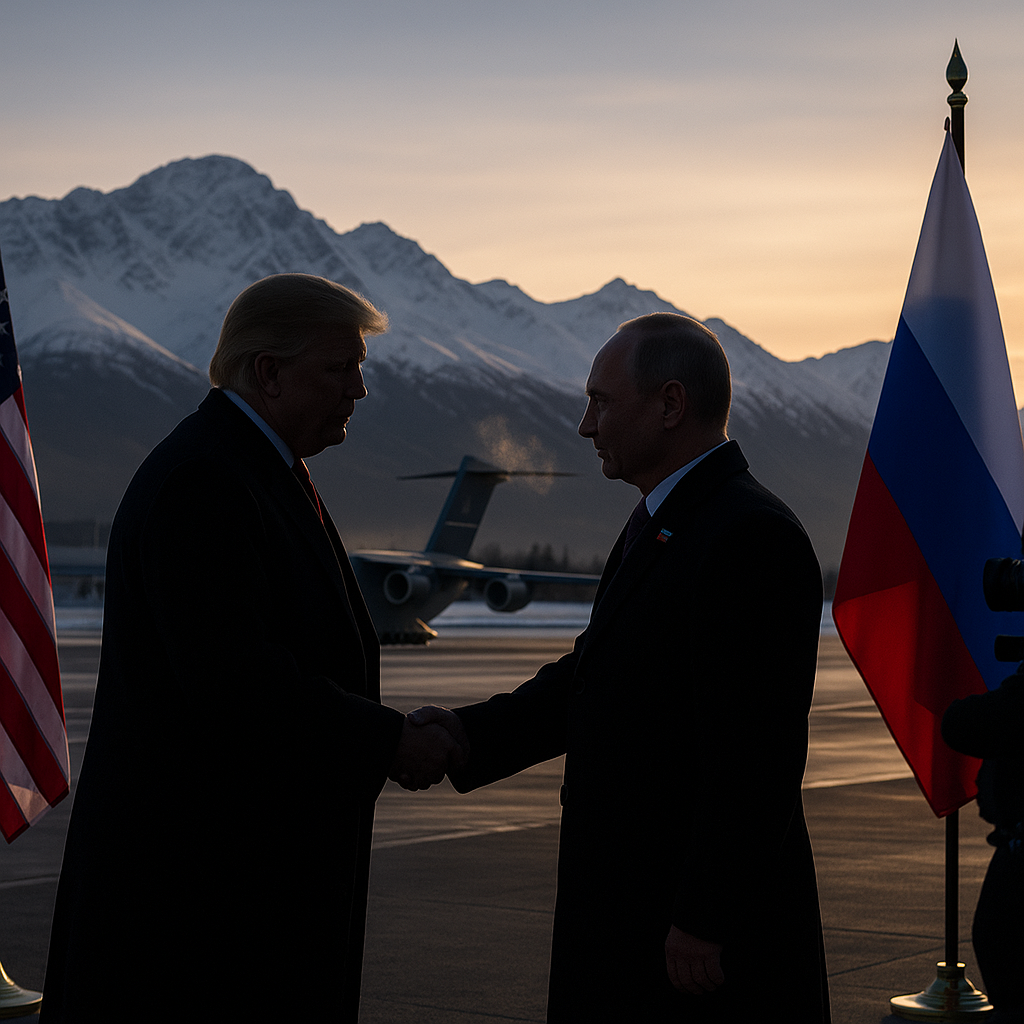
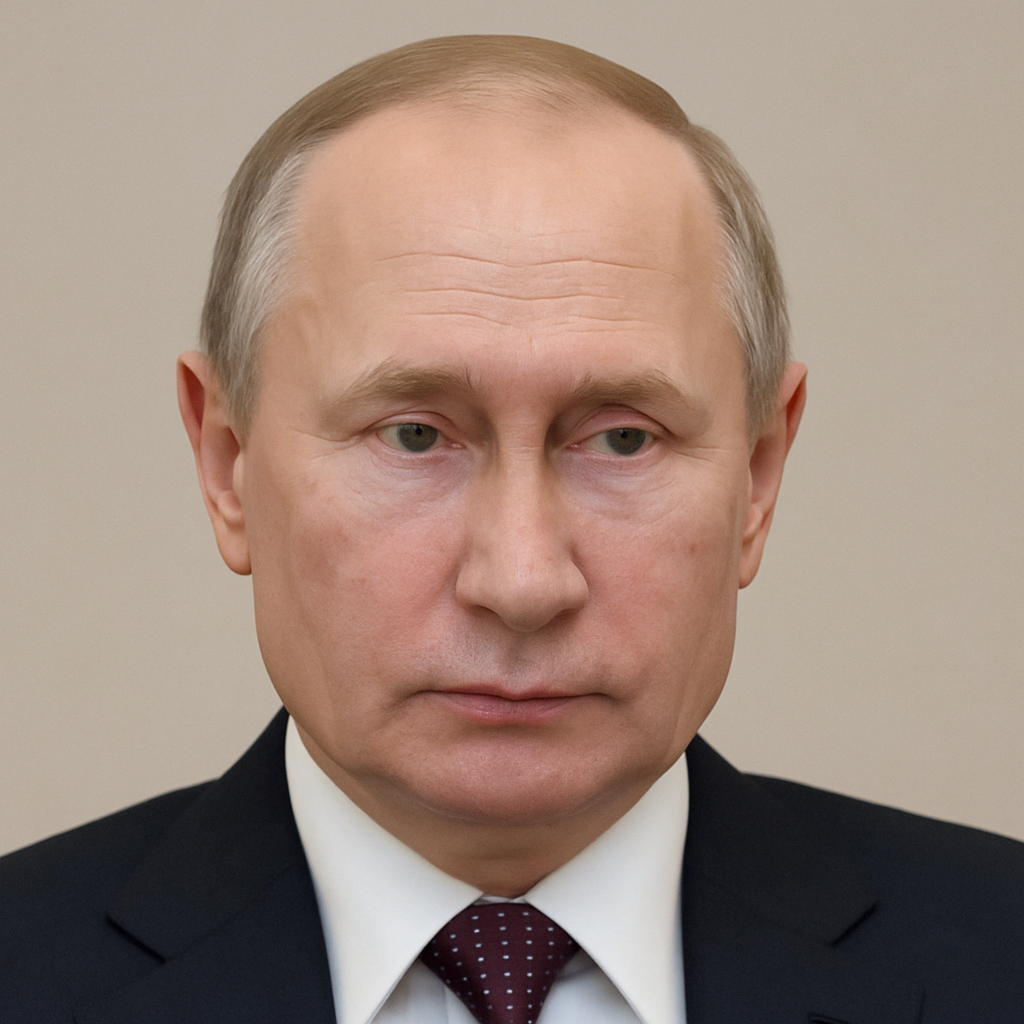
ANCHORAGE, Alaska — Aug. 16, 2025: At a joint appearance after their Alaska summit, Russian President Vladimir Putin said the full-scale war against Ukraine would not have begun if Donald Trump had been U.S. president in 2022, aligning with Trump’s longstanding assertion. Putin added that any path to peace must address the “root causes” of the conflict. The leaders met for nearly three hours at a military base in Anchorage but announced no truce or formal agreement. Trump described the talks as “very productive” and said pursuing a comprehensive peace agreement—not a ceasefire—was the preferred route, yet no timeline or framework was unveiled. Coverage of the tightly managed press event noted that neither leader took questions and that Ukraine remained central but unresolved. Putin reiterated that Ukraine’s security “must be ensured,” while pressing his view of underlying grievances; observers said the meeting produced symbolism more than substance. Trump is expected to meet Ukrainian President Volodymyr Zelenskyy in Washington on Monday for follow-on talks.

INEC.png

2min4430
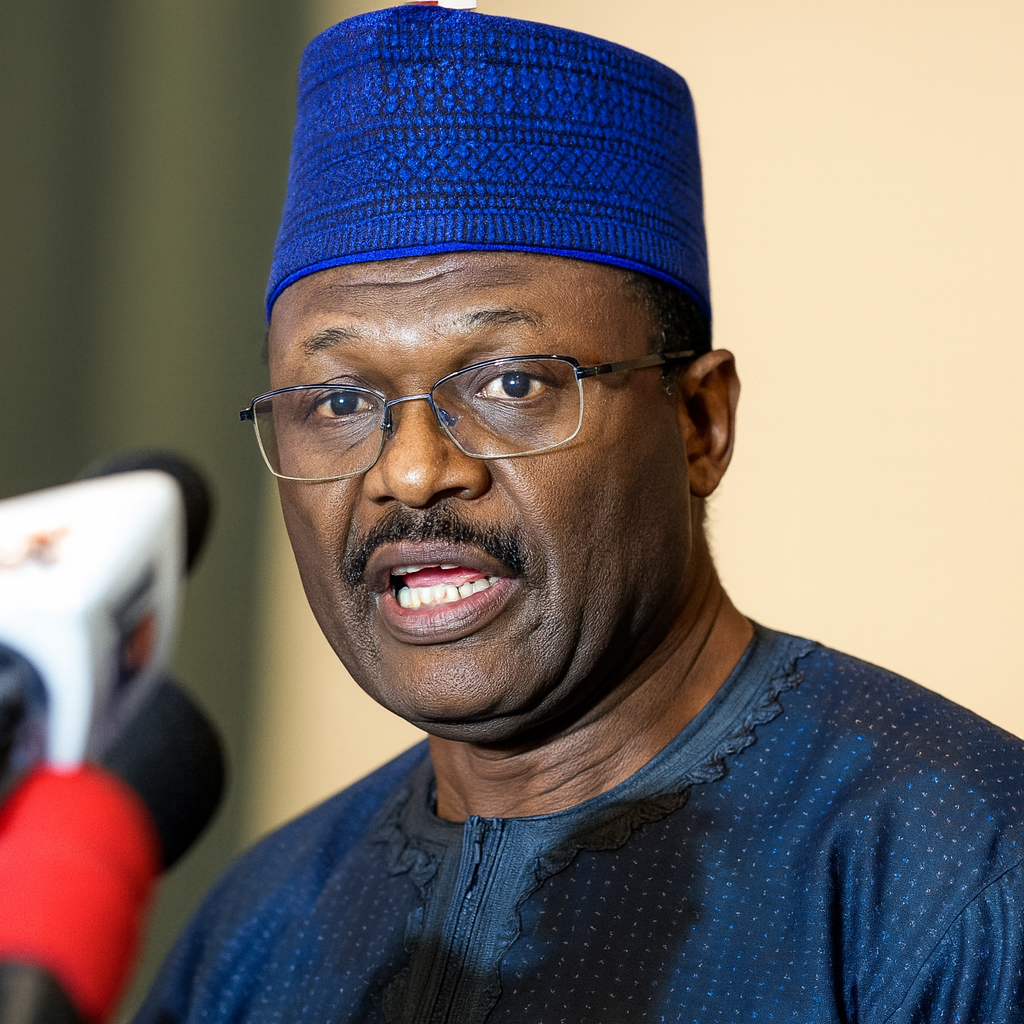
ABUJA — Aug. 16, 2025: Nigeria’s road to the 2027 general elections faces fresh uncertainty as nearly half of the Independent National Electoral Commission’s (INEC) top leadership is due to retire between December and next year, sparking fears of a destabilising transition. At a YIAGA Africa roundtable on “Safeguarding the Independence of INEC,” Executive Director Samson Itodo warned that poorly handled replacements could weaken the commission and erode election quality. He urged President Bola Tinubu to adopt a transparent process—publishing a shortlist, inviting public objections, and conducting rigorous interviews before Senate confirmation—so that appointments are based on competence, experience, and integrity. Kole Shettima, Director of the MacArthur Foundation’s Nigeria office, called for civil society mobilisation on the looming vacancies and urged Tinubu to emulate former President Umaru Musa Yar’Adua, who commissioned an independent electoral reform panel after acknowledging flaws in the 2007 polls, to bolster public trust ahead of 2027. Former INEC National Commissioner Festus Okoye criticised the limited civic engagement during previous screenings and challenged civil society to move from reactive criticism to proactively recommending qualified nominees. Itodo also pressed the National Assembly to conclude pending electoral amendments by October, noting that—with 554 days to the next general elections—delays amid early politicking could heighten tensions. The meeting ended with a shared resolve: protecting INEC’s independence is crucial to credible polls and democratic stability in 2027.

Ibom_Ahhhh_sleeves_red.jpg

2min4310
Public-interest lawyer Ayodele Ademiluyi has dragged the Federal Government and the Nigerian Civil Aviation Authority (NCAA) to the Federal High Court in Lagos over the handling of two aviation incidents involving musician King Wasiu Ayinde Marshal (Kwam 1) and passenger Ms. Comfort Emmanson. Filed as FHC/L/CS/1632/25, the suit names as respondents: the President of Nigeria, the Attorney-General of the Federation, the Minister of Aviation, NCAA, FAAN, Ibom Air, ValueJet, the Nigerian Correctional Service, King Wasiu Ayinde, the Nigeria Police Force, the Governor of Akwa Ibom State, the Akwa Ibom State Attorney-General, and the Airline Operators of Nigeria. At a press conference, Ademiluyi said the action seeks ₦500 billion in damages and is aimed at ensuring accountability in the aviation sector. He alleged a pattern of unequal treatment, claiming authorities failed to arrest or prosecute Kwam 1, while Emmanson faced swift sanctions. “Our aviation system needs a complete overhaul. We cannot allow impunity to thrive—or become a banana republic where someone stops a plane with bare hands and walks away without consequence,” he said. Ademiluyi further criticised the decision to make Kwam 1 a brand ambassador, arguing it undermines the sector’s integrity, and accused Aviation Minister Festus Keyamo of acting unprofessionally by appearing to defend an airline instead of enforcing regulations.

Trump-Putin.png

4min4320
Anchorage, Alaska — August 15, 2025. U.S. President Donald Trump and Russian President Vladimir Putin are set to meet today at Joint Base Elmendorf–Richardson in Anchorage for a high-stakes summit centered on a potential Ukraine ceasefire, with arms control and sanctions also expected on the agenda. The White House says the bilateral will begin around 11:00 a.m. Alaska time (1900 GMT), followed by a joint appearance to brief the press. The Alaska venue—chosen for both logistics and symbolism—marks Putin’s first visit to the United States in roughly a decade and the most consequential face-to-face between the two leaders since Trump returned to the White House in January. U.S. officials have framed the talks as a chance to test whether Moscow will accept a verifiable pause in hostilities, while signaling that failure to progress could carry serious consequences. What’s on the table A ceasefire package that could open the door to broader negotiations. Prisoner exchanges, Black Sea grain export security, and the contours of strategic arms control if battlefield tensions ease. Russia’s push for targeted sanctions relief and assurances on NATO posture, with Washington insisting any roadmap must uphold Ukraine’s sovereignty and be enforceable. Who’s in the room The U.S. delegation includes senior national security and economic officials, reflecting a dual track of security and commerce. Russia’s team features top policymakers and business envoys, signaling an effort to link de-escalation with economic normalization. A brief one-on-one is expected before expanded talks. Global reactions and stakes European leaders and Kyiv caution that no deal is credible without Ukraine’s direct participation, even as they cautiously welcome any pause that meets baseline conditions for sovereignty and security. Demonstrators gathered in Anchorage as both leaders traveled to the venue, underscoring the political sensitivity of any outcome perceived to reward aggression without concrete concessions. What to watch Ceasefire language: Independent monitoring, timelines, and conditions tied to troop movements and missile strikes. Follow-on format: Whether a trilateral track formally brings Ukraine into the room. Arms control signals: Any pathway to revive strategic dialogue after years of treaty erosion. Sanctions and trade: Hints of targeted relief in exchange for verifiable steps on the ground. With expectations tightly managed, today’s session could outline the first meaningful pause in Europe’s deadliest war in generations—or harden positions on both sides if talks falter. The joint press availability later today will be the clearest indicator of whether the Alaska gambit has moved the needle.

Kidnapperswe-1280x853.png

2min4220
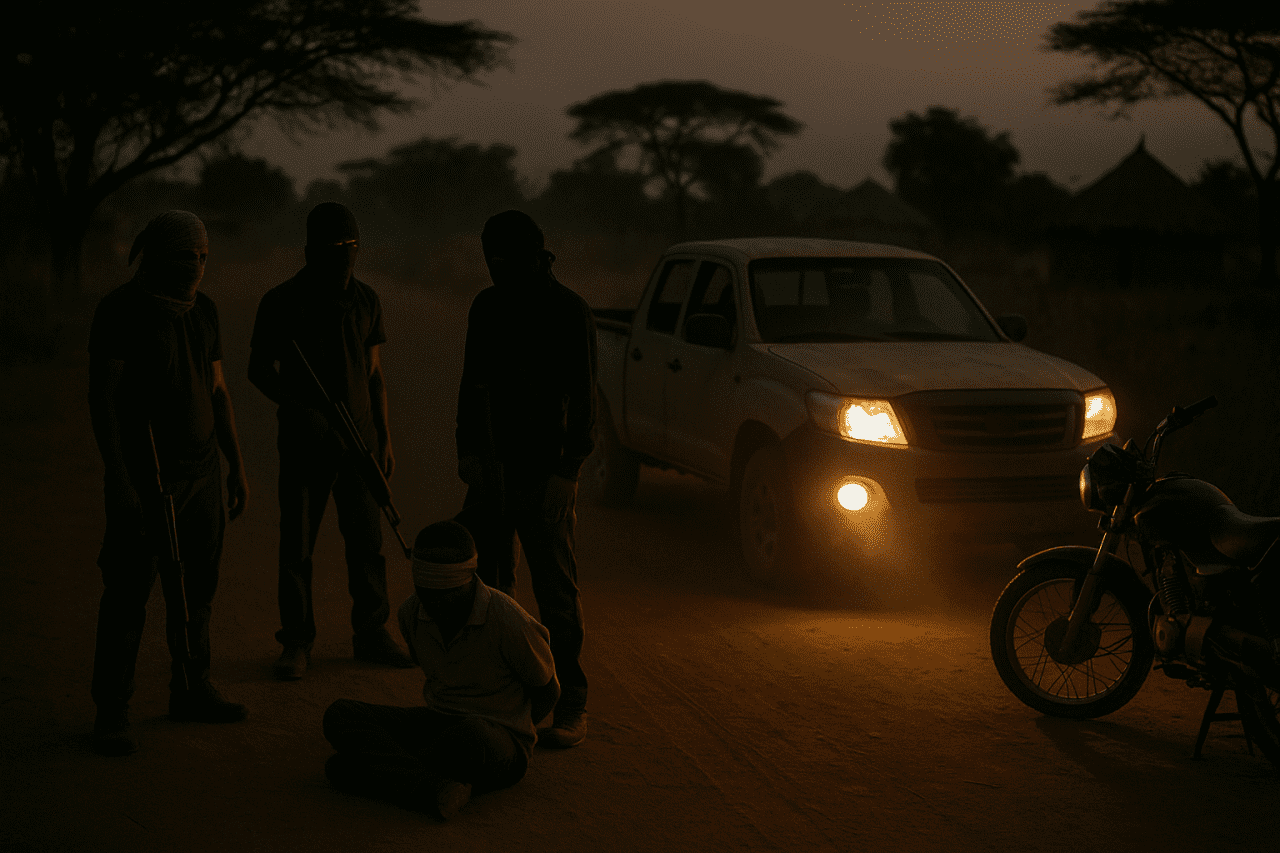
Owerri, Imo State — August 15, 2025. Cybersecurity expert Loveth Odozor has warned that kidnappers are increasingly exploiting social media and other digital tools to identify, monitor, and abduct targets with alarming precision, urging immediate adoption of stronger cyber hygiene across Imo State. “Kidnapping is no longer just a physical crime; it now has a strong digital component,” Odozor said, noting that criminals harvest personal details people share online—travel plans, location tags, family routines—and combine them with phone hacking and basic online surveillance. She flagged mainstream platforms such as Facebook, X (Twitter), and Instagram as rich sources of real-time intelligence for criminals, often supplied unwittingly by users themselves. To curb the trend, Odozor called for a statewide cybersecurity strategy built on public awareness, personal responsibility, and closer collaboration between law enforcement, technologists, and government agencies. Her recommendations include: Grassroots cyber-safety education for business owners, students, and rural communities. Promotion of strong passwords, two-factor authentication, and vigilance against phishing. Deployment of digital forensics and analytics to detect suspicious patterns and trace criminal behavior. Intelligence sharing with international cybersecurity organizations to access advanced tools. Odozor, who runs outreach programs in Nigeria and the United States, stressed that safety starts with everyday choices online. “With the right resources, knowledge, and community engagement, we can turn technology into a shield for our people, ensuring Imo State remains safe both physically and digitally.”

Tinubu-Departs.jpeg

2min5860
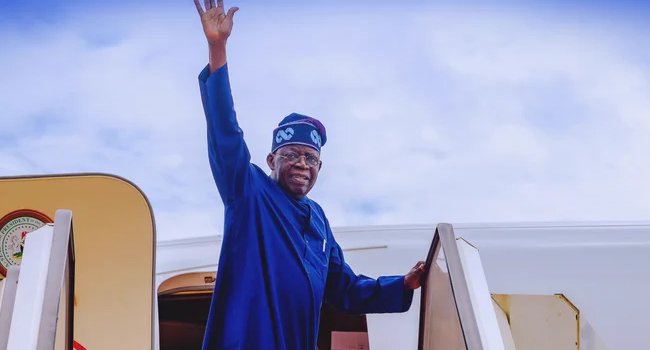
Abuja — August 15, 2025. President Bola Tinubu on Friday departed Abuja for a two-nation working trip that begins in Japan for the Ninth Tokyo International Conference on African Development (TICAD9) and continues to Brazil for a state visit. He left late Friday morning with a brief stopover scheduled in Dubai, United Arab Emirates, before flying onward to Yokohama. According to the Presidency, Tinubu will attend TICAD9 in Yokohama from August 20–22, participating in plenary sessions and holding bilateral meetings on the sidelines. He is also expected to engage chief executives of Japanese companies with existing or prospective investments in Nigeria. Following the Japan engagement, the President will travel to Brasília for a two-day state visit on August 24–25 at the invitation of Brazilian President Luiz Inácio Lula da Silva. While in Brazil, Tinubu will hold talks with his host and attend a business forum with Brazilian investors. Friday’s departure came after an earlier advisory indicated the trip would commence on Thursday; officials later confirmed the takeoff had been shifted to Friday. Itinerary at a glance Dubai (stopover) → Yokohama, Japan (Aug 20–22: TICAD9) → Brasília, Brazil (Aug 24–25: state visit).

APC-PDP.jpg

2min6040
Abuja — August 15, 2025. Nigeria’s two major parties, the Peoples Democratic Party (PDP) and the All Progressives Congress (APC), have condemned a June 17 ruling by the Federal Court of Canada that treated both parties as “terrorist organisations” for the purpose of immigration inadmissibility. The judgment, delivered by Justice Phuong Ngo, upheld an earlier Immigration Appeal Division decision denying asylum to Nigerian national Douglas Egharevba based on his decade-long membership in first the PDP (1999–2007) and then the APC (2007–2017). Canadian filings referenced allegations that the parties benefited from or failed to curb political violence and democratic subversion, including incidents tied to the 2003 and 2004 elections. The court further affirmed that, under Canadian law, membership alone in an organisation linked to terrorism or democratic subversion can trigger inadmissibility, even without proof of personal involvement. Reacting to the ruling, the PDP described the classification as “misinformed and unsupported,” arguing there is no credible basis for branding constitutionally recognised parties as terrorist entities. The party said any assessment of wrongdoing should be individualised, not applied wholesale to millions of members. The APC similarly rejected the decision as baseless and beyond the court’s remit, stressing that a foreign tribunal cannot determine the legal status of Nigerian political parties. The party maintained it is a democratic organisation operating within Nigeria’s constitutional framework and called the judgment a narrow, immigration-specific finding being miscast as a blanket designation. Prominent commentators warned the decision could invite broader consequences—heightened scrutiny of visa and asylum applications by Nigerians with political histories, diplomatic strain, and a chilling effect on legitimate political participation—if other jurisdictions adopt similar reasoning. Both parties urged Canadian authorities to focus on clear, case-by-case evidence of individual wrongdoing rather than sweeping classifications that risk distorting Nigeria’s democratic landscape and undermining civil liberties.

Phyna.jpeg

3min20680
Auchi, Edo State — August 15, 2025. Reality TV star Ijeoma “Phyna” Otabor has called for accountability after her younger sister, Ruth Otabor, underwent a leg amputation following a collision with a heavy-duty truck reportedly linked to the Dangote Group near Auchi Polytechnic on Wednesday, August 13. Ruth, who graduated from Auchi Polytechnic just six days earlier, was struck along the Auchi axis. Eyewitnesses say the truck crushed her leg before a bystander pursued and forced the vehicle to stop. The incident triggered an outpouring of support and outrage online, where the hashtag #JusticeForRuth swiftly gained traction as fans, celebrities, and concerned citizens demanded a transparent investigation and stricter enforcement of road safety standards. Phyna—winner of Big Brother Naija Season 7—has used her platform to press for justice, alleging negligence and urging authorities to prevent the matter from being “swept under the carpet.” Commenters across X, Instagram, and Facebook highlighted recurring safety risks along the Auchi corridor and raised concerns about driver training and licensing for operators of heavy trucks. In a statement issued on Thursday, the Dangote Group expressed sympathy to the Otabor family and said senior officials, alongside its insurers, visited the scene and Irrua Specialist Teaching Hospital, where Ruth is receiving care. The company said it is covering medical needs and providing compensation in line with its welfare policy, and is cooperating with law enforcement to facilitate a full investigation. It also reiterated its commitment to road safety and to supporting those affected. Authorities have yet to release a formal incident report. Meanwhile, advocates are calling for swift action: independent verification of the driver’s qualifications, a review of haulage safety practices in the area, and clear public communication on investigative steps. As Ruth continues treatment, the case has sharpened focus on the responsibilities of fleet operators, regulators, and law enforcement to ensure safer roads—and on the need for timely, victim-centered redress when tragedies occur.

ARMYN-OO.png

2min10860
Lafia, Nasarawa State — August 15, 2025. The Chief of Army Staff, Lt.-Gen. Olufemi Oluyede, has announced plans to establish a Special Forces School in Nasarawa State to strengthen Nigeria’s capacity for specialised counter-threat operations. Speaking during an official visit to Lafia, where he met Governor Abdullahi Sule and members of the state’s executive and security councils, Oluyede said the school will be sited within the Special Forces Command in Nasarawa. “The purpose of my visit is to lay the foundation for the establishment of a Special Forces School within the premises of the Special Forces Command here in Nasarawa,” he stated. “This school will serve as a vital training hub for specialised operations, enhancing our capacity to address emerging security challenges. It will also add strategic value to the state and the nation at large.” The Army chief commended the state government, traditional institutions, and residents for sustained cooperation with security agencies. “The Nigerian Army belongs to the people—we are drawn from every state and community, and we serve with the single purpose of protecting citizens,” Oluyede noted, urging continued public support for security operations. Governor Sule welcomed the plan, describing it as a project that will improve security while boosting socio-economic development. He highlighted ongoing agricultural and mining initiatives, including large-scale rice cultivation and a lithium processing plant, and praised the role of the Special Forces Command and Operation Whirl Stroke in maintaining stability despite challenges in neighbouring states. He pledged continued logistical and political support to the Army and other security agencies. Details on timelines and enrolment are expected to follow site assessments and inter-agency planning.