Author: Lifestyle & Wellness Desk

SS.jpeg

1min3630
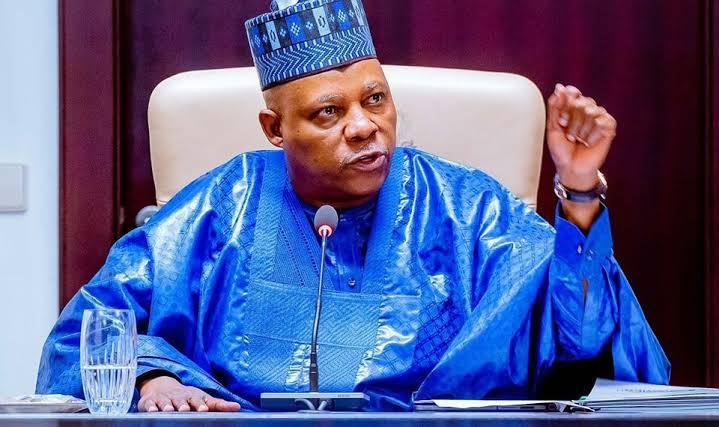
Vice President Kashim Shettima has arrived in London on the instruction of President Bola Tinubu, following the death of former President Muhammadu Buhari. Shettima touched down in London on Monday morning, accompanied by the President’s Chief of Staff, Femi Gbajabiamila. They were received by the Minister of Foreign Affairs, Yusuf Tuggar, and the Governor of Borno State, Babagana Zulum. According to the Vice President’s media aide, Stanley Nkwocha, President Tinubu confirmed the former leader’s passing on Sunday in London at around 4:30 pm. The President directed Shettima and Gbajabiamila to travel to the United Kingdom to oversee the return of Buhari’s remains to Nigeria. Buhari, aged 82, served as Nigeria’s President from 2015 to 2023, and was also a former military Head of State from January 1984 to August 1985. In honour of the late leader, President Tinubu has ordered that national flags be flown at half-mast. Buhari will be buried in his hometown of Daura on Monday, in accordance with Islamic traditions.

99.jpeg

4min7270
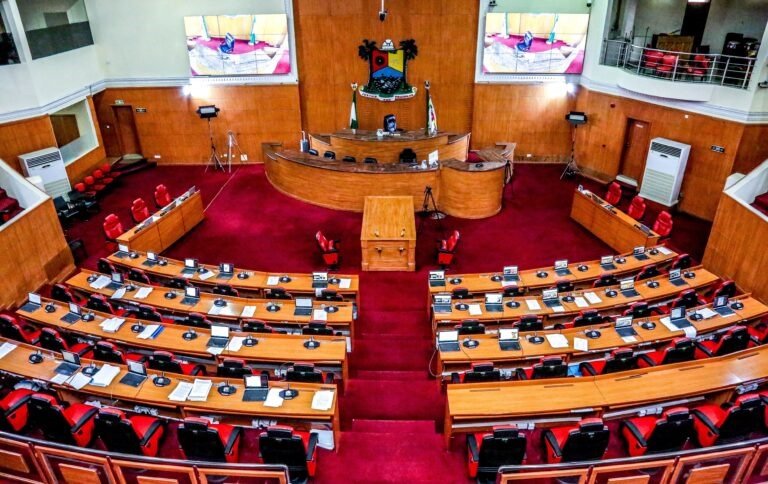
The Lagos State House of Assembly has taken a step toward improving relationships between landlords and tenants as a new tenancy bill passed its second reading on Thursday. During the session, the Speaker, Mudashiru Obasa, explained that the bill aims to create a clearer and fairer legal framework for tenancy agreements, including the rights and responsibilities of landlords, tenants, and agents, as well as procedures for eviction. The proposed law is titled “A Bill for a Law to Regulate the Relationship between Landlords and Tenants in Lagos State.” If passed, it will provide a better understanding of what is expected from each party involved in a tenancy agreement. Obasa encouraged lawmakers to keep in mind tenants who often rely on end-of-year bonuses or annual leave allowances to pay rent. He also noted the rising cost of building materials and the fact that many landlords depend on rent as their main source of income. He added that the government needs to revisit its promises on affordable housing and make sure they are fulfilled. After the discussions, the bill was referred to the House Committee on Housing for further review, with the committee expected to report back in three weeks. Speaking on the bill, Sa’ad Olumoh (Ajeromi-Ifelodun I) described it as essential, saying it would help bring order to rental matters. He said it defines how rent should be paid monthly or yearly and outlines clear steps for giving eviction notices. It also clearly states the roles of landlords, tenants, and agents to avoid confusion and disputes. Olumoh added that the bill provides legal guidance to help courts resolve tenancy issues fairly and quickly. Aro Moshood (Ikorodu II) called the bill timely and focused on the people. He suggested the inclusion of a body to enforce the law and monitor landlords who charge excessive rent beyond what is legally allowed. He said this would help ease pressure on tenants and allow them to plan their finances better. Stephen Ogundipe (Oshodi-Isolo I) praised the bill for covering all aspects of the rental process from how agents behave to rent agreements and how to handle disputes. Femi Saheed (Kosofe II) called the bill a welcome development. He said it protects landlords’ rights to collect levies such as tenement rates and land use charges while also ensuring tenants’ rights are respected. He added that the bill strengthens the authority of the courts in handling tenancy matters. Ajayi Oladele (Ibeju-Lekki II) said the bill would help reduce the common issues tenants face with estate agents. “For the first time, everyone will know their legal position clearly,” he said. Omolara Olumegbon (Lagos-Island I) praised the bill for promoting fairness, especially around rent payments whether monthly or yearly and how these relate to eviction rules.

88.jpeg

3min12350
The Nigerian Railway Corporation (NRC) has explained that it had to suspend train services on certain routes due to insecurity, bandit attacks, and damage to its rail tracks. An NRC official in Niger, John Otivere, shared this in Minna while speaking about the condition of railway infrastructure in different parts of the country. He spoke on behalf of the district rail superintendent in Minna, Blessing Okanezi. Otivere said that insecurity and vandalism had made it difficult to continue operations on some lines. He clarified that the narrow gauge tracks have not been abandoned, but that safety concerns have interrupted regular service. “Our trains still run from Lagos to Kano and back. The lines are not abandoned,” he said. He mentioned that the most affected areas include Gwada, Sarkin-Pawa to Kuchi in Niger State, and Gaddani towards Gwadada in Kaduna State. According to him, the train station at Gaddani a community on the border of Niger and Kaduna has remained closed for a long time due to frequent bandit attacks. Other areas facing similar problems include Wushishi, Pakara, and Akere, where the last train operated in December 2022. Femi Adewakun, the district internal auditor, also confirmed that the NRC in Niger continues to maintain its engines and inspect rail lines regularly. He spoke on behalf of the district manager, Suleiman Obafun, and stressed how important the railway system is to the country’s economy. “We operate narrow gauge lines here and we carry out daily maintenance and inspections,” he said. Akin Atanda, the district civil engineer, also shared how vandalism and security threats have seriously affected railway operations. He said some areas are now too dangerous to access, making it hard to maintain tracks or run trains. For example, vandals have been removing track fasteners in the Beji area. “Some of those involved have been arrested and are either in court or already in prison,” he said. He also mentioned that erosion had washed away some tracks in places like Mokwa, causing more damage. Atanda stressed that safety is the top priority and that these challenges must be addressed to restore smooth railway operations.

MAKINDE.jpg

1min12150
The Oyo State government has reiterated its ban on mobile phones, smartwatches, and Meta eyeglasses in schools, particularly during examinations, warning that anyone found violating the directive will face serious consequences. This was announced by the Commissioner for Education, Science and Technology, Olusegun Olayiwola, during a meeting with key education stakeholders, including Permanent Secretaries, Inspectors-General of Education, and departmental heads at the Ministry’s conference room. Olayiwola underscored the importance of discipline and upholding integrity in the conduct of examinations. He reminded attendees that an official directive is already in place prohibiting students from bringing mobile phones to school premises and examination halls. He urged school management and staff to enforce the policy strictly, without exceptions. In addition to mobile phones, he highlighted that smartwatches, Meta eyeglasses, and any other electronic devices that could aid exam malpractice are also not allowed. The commissioner also called on teachers, parents, and guardians to be vigilant and ensure that students comply with the rules, stating, “We must all work together to preserve the integrity of our education system and promote discipline in our schools.”

Education-Career.jpg

6min33300
“I want to be a doctor so I can fix people. But my uncle says girls in our house don’t go to school for long. They get married.” Those words, spoken by 9-year-old Hauwa during a visit to an elementary school in Kano, continue to echo in my heart. Bright, hopeful, and full of dreams, Hauwa embodies the reality of countless children across Nigeria and the African continent whose aspirations are dimmed before they even begin. Kano, a city known for its rich culture and resilience, also highlights the persistent challenges that keep too many children, especially girls locked in cycles of poverty and lost opportunity. The stark gap between Hauwa’s ambitions and the limitations around her reflects the urgency of the mission to protect and uplift children. Across Africa, more than 98 million children are currently out of school. Nigeria alone accounts for nearly 20 million of them, the highest number globally. Many of these are girls who face the burdens of early marriage, insecurity, economic hardship, and societal norms that prevent them from accessing education. This is more than an education crisis; it is a social and economic emergency. Without access to learning, children face higher risks of exploitation, malnutrition, and long-term poverty. In Nigeria, one in eight children dies before the age of five from preventable causes, and around 43% of children under five are malnourished. These aren’t just statistics they represent real lives, real futures, and real communities in distress. While progress is underway with expanded school feeding programs, learning centers in conflict-affected areas, and stronger advocacy for girls’ education these efforts are not yet enough. Too often, these interventions remain fragmented, underfunded, or unable to address deep-rooted issues like gender inequality, poor infrastructure, and health disparities. This is why child-focused organizations and development efforts are so critical. Their work is not about charity it’s about justice. It’s about ensuring every child gets the opportunity to live, to learn, and to shape their future. In my role on the Africa Advisory Board of an international children’s organization, I’ve been moved by the number of African companies and individuals rising to the occasion and investing in children. Yet more can and must be done. By 2030, nearly half of Nigeria’s population will be under the age of 15. The choices we make today will shape their tomorrow. Nigerian businesses, philanthropists, and community leaders have the power, knowledge, and resources to drive meaningful change. Their involvement is not optional it’s essential. With their leadership, we can address the structural problems holding children back and create lasting improvements in health, education, and protection. Whether it’s delivering life-saving vaccines, providing nutritious meals, rebuilding schools, or pushing for child-centered policy reform, those on the ground are leading the way. Together, efforts are underway to ensure that by 2030: No child dies from preventable causes before age five Every child has access to quality basic education Violence against children is no longer tolerated This is not just an ideal; it is a roadmap for justice. Meeting children like Hauwa in Kano reminded me that change does not only happen in strategy meetings or policy documents. It begins in classrooms, in clinics, and in conversations with families. My role is not just to bring expertise to the table, but to ensure the lived experiences of children, parents, and teachers shape the priorities we pursue. I left Kano both inspired and heavy-hearted. Inspired by the brilliance and hope I saw in every child. Heavy-hearted because I know that without bold and united action, their dreams could go unrealized. Children across Africa are facing overlapping crises conflict, displacement, hunger, climate change, and inequality. They don’t just need aid they need allies. It will take governments, civil society, businesses, parents, and everyday citizens working together to build systems that protect and empower them. We must amplify awareness of what African children truly face. We must speak out against child marriage, unequal access to education, and poor healthcare. We must recognize every Hauwa, and ensure she is seen, heard, and helped. The work being done today is more than a lifeline it is the foundation of a better future. My hope is that visits like the one to Kano will lead to deeper action, stronger partnerships, and long-term commitments focused on empowerment, not just temporary relief. Because no child anywhere should be denied the chance to dream because of where they are born, their gender, or their circumstances. And because when a girl like Hauwa says, “I want to be a doctor,” the world shouldn’t just listen. It should act.


tt.jpeg

3min6830
U.S. President Donald Trump has stated that the United States will resume sending weapons to Ukraine, following an earlier decision to pause certain critical military supplies. Speaking alongside Israeli Prime Minister Benjamin Netanyahu, Trump expressed dissatisfaction with Russia’s President Vladimir Putin, saying Ukraine was “getting hit very hard” and emphasizing the need for the country to defend itself. He confirmed that the U.S. would be sending mainly defensive weapons to support Ukraine’s efforts. The decision follows a recent pause in shipments of key military equipment, including Patriot air defense systems and precision artillery shells. Ukrainian President Volodymyr Zelensky had appealed for the continuation of these deliveries, describing the Patriot systems as vital to protecting lives amid increasing Russian missile and drone attacks. The White House previously said the pause was part of a broader review by the U.S. Department of Defense to prioritize American interests. However, as Russian strikes on Ukrainian cities intensified including a deadly barrage on Kyiv last Thursday Trump appeared to reverse course. “We’re going to send some more weapons. We have to… They’re getting hit very hard now,” he said during a press conference, adding that he was disappointed Putin had not backed down. The Pentagon released a short statement confirming the move, saying, “At President Trump’s direction, the Department of Defense is sending additional defensive weapons to Ukraine to ensure the Ukrainians can defend themselves while we work toward lasting peace and an end to the violence.” Ukraine had earlier warned that any interruption in arms support would leave it more vulnerable to ongoing attacks and Russian advances along the front lines. Zelensky confirmed he had spoken with Trump and that both agreed on the importance of boosting air defense capabilities. He said they would work together to improve the protection of Ukraine’s skies. The war, now in its third year since Russia’s full-scale invasion began in February 2022, shows little sign of ending. Ceasefire negotiations remain stalled, despite multiple efforts by Trump to mediate between the two sides. Following a recent call with Putin, Trump admitted that “no progress” had been made toward ending the conflict, saying, “I don’t think he’s looking to stop.” Shortly after that conversation, Ukraine reported one of the most intense waves of attacks, with Russia launching 539 drones and 11 missiles across several regions, including Kyiv, Sumy, Kharkiv, Dnipropetrovsk, and Chernihiv. Zelensky has renewed calls on international allies particularly the United States to increase pressure on Moscow through more sanctions and continued military support.

cc-1280x853.jpeg

3min3890
Across Nigeria, only about 915,913 teachers are available to cater to over 31.7 million pupils enrolled in public and private primary schools, according to figures from the Universal Basic Education Commission (UBEC). In 2024, it was revealed that 18 states across the country did not recruit any teachers between 2019 and 2024, covering a period of five years. This shortage is compounded by long-standing issues facing teachers, including delayed implementation of the national minimum wage and poor working conditions, particularly in various states and the Federal Capital Territory. Recently, teachers in the FCT went on strike due to the failure of local authorities to implement the minimum wage approved last year. In a related concern, the Teachers Registration Council of Nigeria (TRCN) highlighted the country’s growing deficit of qualified teachers, especially in underserved rural areas, which has worsened existing educational inequalities. The former registrar of the TRCN, Prof. Josiah Ajiboye, noted that the rapid growth in the population of school-age children and the increasing number of schools both public and private has put significant pressure on the education system. He emphasized that the supply of qualified teachers has not kept pace with rising demand, leading to an unfavorable teacher-to-pupil ratio in many schools. According to the latest data, Nigeria has at least 131,377 primary schools 65,529 public and 65,848 private. The pupil population in public primary schools stands at 24.2 million, while private schools account for 7.4 million learners. Titus Amba, President of the Nigeria Union of Teachers, expressed serious concern over the teacher shortage, warning that it has left many students, particularly in junior and senior secondary schools located in rural communities, in a state of “learning poverty.” He reported that in some rural schools, one or two teachers are left to manage entire classrooms or even multiple classes, severely affecting learning outcomes and the future prospects of pupils. Amba called on all levels of government to prioritize teacher recruitment, training, and support, stressing that every child in Nigeria deserves access to a well-trained and adequately supported teacher as a cornerstone of meaningful and sustainable educational development.

as-1280x853.jpeg

2min13240
Several branches of the Academic Staff Union of Universities (ASUU) have suspended academic activities due to the delay in the payment of June 2025 salaries. This action follows earlier warnings by the national leadership of the union, which stated that if salaries were not paid on time, the “no-pay-no-work” policy would be enforced against the Federal Government. As of now, many lecturers across the country’s public universities and tertiary institutions have yet to receive their June salaries. Similarly, the Academic Staff Union of Polytechnics has also issued a warning, threatening to go on strike if salary payments are not made soon. At the University of Jos, the local ASUU branch confirmed that its members have withdrawn from teaching and attending official meetings due to the continued delay in salary payments. According to the branch chairman, the decision aligns with a standing resolution by ASUU’s National Executive Council, which directs members to stop work if salaries are not paid by the third day of a new month. A strike monitoring team has also been activated to ensure full compliance. In Bauchi State, academic staff at Abubakar Tafawa Balewa University have also stayed away from campus. The local branch chair accused the government of intentionally delaying payments, noting that while other public-sector workers have been paid, university staff continue to be left out. He added that authorities often blame the delay on complications linked to the transition from the IPPIS platform, but many lecturers believe they are being unfairly treated compared to other government agencies. At the University of Abuja, only minimal academic activity was reported, with most lecturers staying off-campus due to unpaid wages. A staff member at Ahmadu Bello University, who preferred to remain anonymous, confirmed that many lecturers had agreed to stay away from work in line with ASUU’s national directive until the June salaries are paid.

16-1280x853.jpeg

5min3850
After nearly two years of conflict, hopes are rising for a new Gaza ceasefire as Israeli Prime Minister Benjamin Netanyahu meets with US President Donald Trump in Washington. Trump, speaking before the meeting, said he had been “very firm” with Netanyahu about ending the war and expressed optimism that a deal could be reached this week. “We are working towards the agreement that has been discussed under the conditions we have agreed to,” Netanyahu said before departing for Washington. “I believe this meeting with President Trump can help advance this goal, which we all hope for.” Ceasefire Talks Resume Indirect talks between Israel and Hamas on a US-backed 60-day ceasefire and hostage release deal resumed in Qatar on Sunday. But significant hurdles remain, with key differences still blocking a final agreement. While weary Palestinians in Gaza express cautious hope, many fear a temporary truce will only delay further violence. “We are tired of displacement, hunger, and thirst,” said Nabil Abu Dayah, who fled northern Gaza with his family. “We don’t just want a truce. We want the war to end completely.” Hostage Families Demand Action In Israel, families of hostages still held by Hamas staged large rallies over the weekend, urging the government to secure a deal. “This is the time to save lives,” said Ilay David, whose brother remains captive. “We need a comprehensive agreement to bring every hostage home.” Changing Political Landscape This marks Netanyahu’s third visit to the White House since Trump returned to power six months ago, but their first meeting since the US joined Israeli strikes on Iran and brokered a ceasefire between Israel and Iran. Analysts say the recent 12-day conflict with Iran has strengthened Netanyahu politically, giving him more leverage to pursue a Gaza ceasefire despite opposition from hardliners in his coalition. Hamas, weakened by the Iran strikes, may also be under more pressure to accept concessions. Trump, meanwhile, is eager to shift focus to other Middle East priorities, including border talks between Israel and Syria, normalisation efforts with Saudi Arabia, and the possibility of renewed nuclear negotiations with Iran. Details of the Ceasefire Proposal The latest proposal reportedly includes: A 60-day truce The release of 28 hostages by Hamas (10 alive, 18 dead) in stages Increased humanitarian aid into Gaza Gradual Israeli troop withdrawals from parts of Gaza Continued talks aimed at a permanent ceasefire In exchange, Israel would release large numbers of Palestinian detainees, as seen in past deals. Trump has called this the “final” proposal, saying Israel has already accepted the key terms. Hamas, while expressing a “positive spirit,” has voiced concerns over aid distribution, troop withdrawal timelines, and control of the Rafah border crossing with Egypt. Israel has rejected Hamas’ requested changes, insisting that the group must disarm — a demand Hamas has so far refused to discuss. Mounting Pressure at Home Public support for ending the war is growing in Israel, especially with over 20 soldiers killed in the past month. Israel’s military chief, Lt Gen Eyal Zamir, recently said war objectives are nearly complete and urged the government to decide between a deal to return hostages or preparing for the reoccupation of Gaza. Polls show around two-thirds of Israelis now support a ceasefire to secure the hostages’ release. Humanitarian Crisis Deepens In Gaza, the humanitarian situation is dire. Medical workers report widespread child malnutrition, and the UN warns that fuel shortages have crippled vital services, including healthcare, water, and communications. Israel launched its offensive in response to the October 7, 2023, Hamas-led attacks that killed about 1,200 people and led to 251 hostages being taken. Since then, more than 57,000 people in Gaza have been killed, according to the Hamas-run health ministry — figures widely cited by the UN and other international organisations. The coming days are seen as critical, with political decisions, the fate of the hostages, and worsening humanitarian conditions hanging in the balance.

17-1280x853.jpeg

3min3150
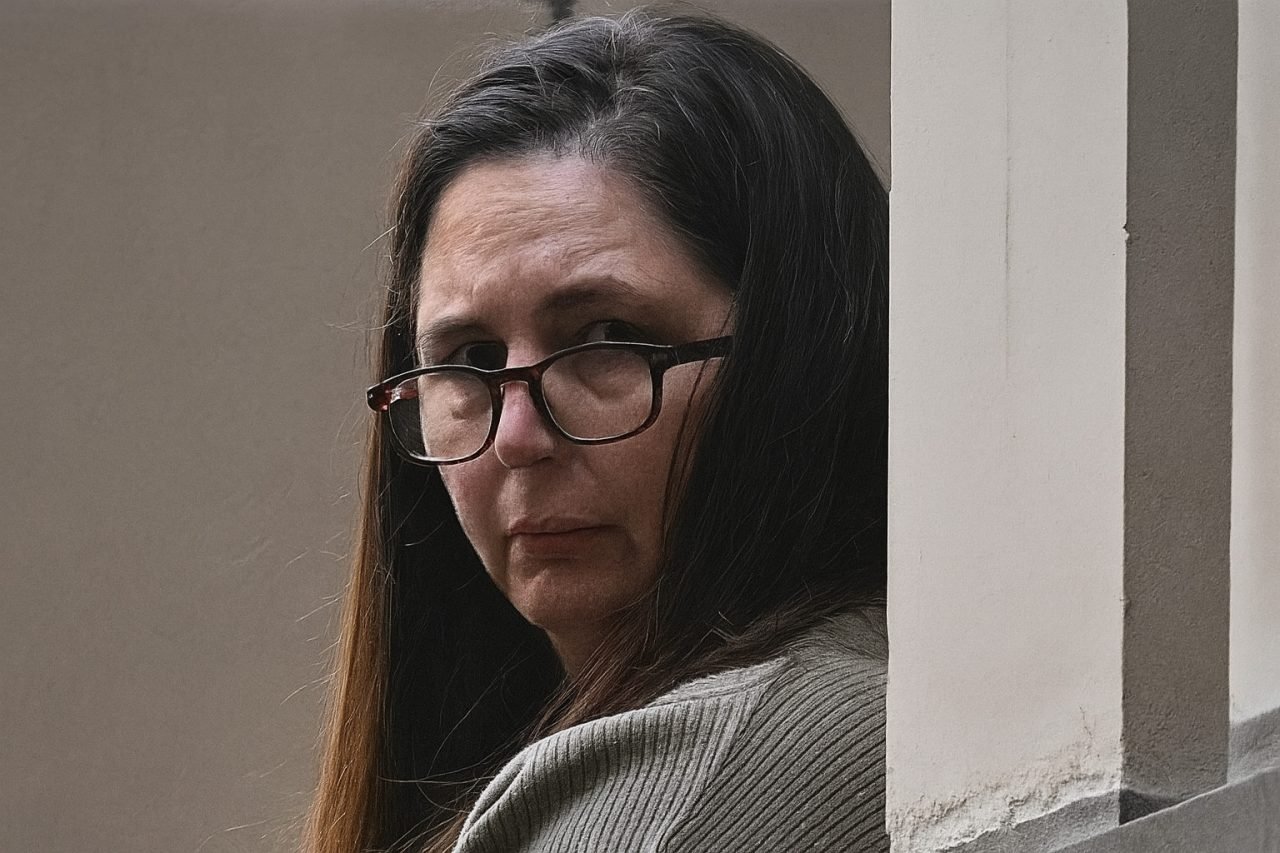
An Australian woman, Erin Patterson, has been found guilty of murdering three of her relatives by serving them a meal laced with deadly mushrooms. A jury in Victoria returned the verdict on Monday, also finding the 50-year-old guilty of the attempted murder of a fourth guest, the only survivor of the meal served in July 2023. The highly publicised trial revealed that Patterson had foraged death cap mushrooms, known for their extreme toxicity, from nearby towns and allegedly tried to cover her tracks by lying to police and disposing of evidence. The Deadly Lunch On July 29, 2023, Patterson hosted a lunch at her home that left her former in-laws, Don Patterson and Gail Patterson, both 70, and Gail’s sister, Heather Wilkinson, 66, dead within days. Heather’s husband, Ian Wilkinson, a local pastor, survived after weeks in hospital. Patterson’s estranged husband, Simon Patterson, was also invited but did not attend. Earlier accusations of attempted murder against him were dropped before the trial. The Case and Verdict During the nine-week trial, over 50 witnesses testified, including medical experts, detectives, and Patterson herself. Detectives described searching Patterson’s bins for leftover food, while prosecutors accused her of faking a cancer diagnosis to lure the guests to her home. Patterson admitted to lying to police about her mushroom foraging, discarding a food dehydrator used in preparing the meal, and wiping her phone. From the witness stand, she insisted the poisonings were accidental and that she loved her relatives. She claimed she may have mistakenly used dried wild mushrooms mixed with store-bought ones and explained her own mild symptoms by revealing she induced vomiting due to bulimia. The jury, however, was not convinced and found her guilty of all charges after a week of deliberation. Community Reaction The families of the victims were not present in court for the verdict. Their church, Korumburra Baptist Church, described the deceased as “very special people who loved God and loved to bless others.” Victoria Police Detective Inspector Dean Thomas urged the public to remember the victims and respect the families’ request for privacy. Patterson now faces the possibility of life in prison.