
Author: Lifestyle & Wellness Desk

kaduna-1280x853.png

4min5300
The Chairman of Kudan Local Government Area in Kaduna State, Dauda Abba, has proposed that couples intending to marry should first enroll in the state’s health insurance scheme under the Kaduna State Contributory Health Management Authority (KADCHMA). Speaking during the launch of a grassroots enrollment campaign, Abba emphasized that this move would not only boost participation in the scheme but also ensure that more families have access to affordable and quality healthcare. He explained that the requirement aims to promote better health outcomes, particularly for pregnant women, who would benefit from coverage that includes antenatal care, delivery, and postnatal services. According to him, the scheme offers protection against unexpected medical expenses, easing the financial burden on families. The chairman noted that an annual payment of ₦10,650 grants access to a broad range of healthcare services, making it a comprehensive solution for residents, especially women and children. He added that making the health insurance card a precondition for marriage would help increase awareness and enrollment across the state. To formalize the proposal, Abba announced plans to send an Executive Order to the local legislature for a by-law requiring prospective couples to present their KADCHMA cards before getting married. The proposed law would also require political aspirants in the LGA to be enrolled in the scheme, demonstrating commitment to community health initiatives. “We hope to pass the by-law within two to three weeks and share it with key stakeholders,” he said. Abba pledged to sponsor the enrollment of 1,000 individuals into the scheme, with plans to enroll an additional 1,000 once the first phase is complete. He called on traditional and religious leaders, as well as other community stakeholders, to help spread awareness and support implementation at the grassroots. Also speaking at the event, the Director-General of KADCHMA, Abubakar Hassan, reiterated that the goal of the scheme is to ensure universal access to affordable and quality health services across the state. He stressed that no resident should be denied healthcare due to financial constraints. Hassan pointed out that the campaign was launched to educate communities on the benefits of enrolling in the scheme, especially targeting local leaders to drive adoption and ensure sustainability. He described the health initiative as a step toward achieving Universal Health Coverage in Kaduna State. He also highlighted alarming maternal mortality rates, noting that the scheme has already supported over 50 cesarean deliveries at no extra cost to the women involved. “Health is no longer a privilege in Kaduna State, it’s a right,” he said, encouraging community leaders to serve as enrollment ambassadors by incorporating health promotion into their development plans and community outreach. The District Head of Kudan, Halliru Mahmood, also commended the initiative, describing it as a practical way to offer financial protection and improve access to healthcare for families, particularly those in rural areas. He stated that the enrollment fee was minimal compared to the health benefits it offers and expressed hope that the programme would help reduce maternal and child mortality. Community volunteers, ward development committees, and religious and traditional leaders were among the many stakeholders present at the event, which is expected to roll out across all 23 local government areas in the state.


tinubu-1280x631.jpg

4min6280
The Peoples Democratic Party (PDP) has criticized President Bola Tinubu’s leadership, stating that no patriotic Nigerian would support his bid for re-election in 2027. During a press briefing in Abuja, PDP National Publicity Secretary, Debo Ologunagba, asserted that his party remains the only viable alternative with the capacity to unseat the ruling All Progressives Congress (APC) in the next general election. He emphasized that despite ongoing political realignments, the PDP’s core remains strong and united. “We are the only party with the structure, spread, and support to defeat the APC. Every community in Nigeria has PDP members because we are truly the people’s party,” he said. “With the hardships Nigerians are facing under this administration  insecurity, economic decline, and overall hardship, no well-meaning citizen will support another term for President Tinubu. As people say, he’s a ‘bad market.’” Addressing recent defections from the PDP to the APC and other political groups, Ologunagba insisted that these shifts do not reflect the party’s true standing. “Our foundation is solid. People aren’t leaving because of hunger or insecurity, those who truly make up our base remain committed. Even non-partisan Nigerians are looking to the PDP for leadership,” he added. Citing a recent incident in which the PDP’s candidate in Anambra was attacked in Abuja, Ologunagba pointed to it as a sign of the growing insecurity in the country. “This government asks the people to sacrifice while it enjoys excess. It is insensitive and directionless,” he said. He also claimed that all PDP organs from the Board of Trustees to the Governors’ Forum and the National Assembly caucus are working closely to build a stronger and more effective platform ahead of the next elections. Commenting on the July 12 local government elections in Lagos, Ologunagba downplayed the APC’s victory, arguing that low voter turnout and internal admissions of voter apathy showed that the ruling party had lost popular support. “Only 6% of registered voters came out. Even their own leaders admitted the people didn’t vote for them and that’s in their stronghold,” he noted. Highlighting the PDP’s approach to internal governance, Ologunagba said the party thrives on diversity of opinions and constructive debate. “This is what sets us apart. We welcome different views and ideas without resorting to conflict. That’s how we stay connected to the people and live up to our name as the Peoples Democratic Party.” In response, APC Director of Publicity, Bala Ibrahim, dismissed the PDP’s comments, saying the party is no longer in a position to speak credibly on national matters. “The PDP is like a patient in intensive care in no condition to assess anyone else’s health. Right now, they’re not even managing their internal affairs properly, let alone offering solutions to national issues,” he said. Ibrahim defended President Tinubu’s leadership, saying it has brought renewed hope to Nigerians. “Under Tinubu, the APC is more united and focused. He is leading the country toward stability and prosperity, and millions of Nigerians stand with him as we look ahead to 2027,” he added. According to him, the APC remains the largest and strongest political party on the continent and is growing stronger under Tinubu’s leadership.

ukraine.jpeg

2min26950
  Ukrainian President Volodymyr Zelenskyy announced in his Monday evening address that another round of talks with Russia is set to take place on Wednesday. “I spoke with Rustem Umerov today about preparations for the prisoner exchange and the upcoming meeting in Turkey with the Russian delegation,” Zelenskyy said, adding that more information would be shared on Tuesday. Previous talks between both sides have led to significant prisoner exchanges, but have yet to make progress toward ending the war, which is now in its fourth year. Following the last round of negotiations, Russia released a list of demands to halt its military operations. These include Ukraine’s full withdrawal from Donetsk, Luhansk, Zaporizhzhia, and Kherson areas Russia claims as part of its territory as well as international recognition of regions it has controlled since 2014, including Crimea. Ukraine’s conditions for peace include a ceasefire to allow further dialogue, the return of abducted children, the release of civilians and prisoners of war held by Russia, and mutual exchanges of detainees. Earlier this month, US President Donald Trump said he is considering broad sanctions, including banking restrictions and tariffs, if Russia fails to move toward a peace agreement. In a message posted online, he warned that Russia is “absolutely pounding Ukraine on the battlefield” and urged both sides to resume negotiations promptly. Meanwhile, President Putin has so far rejected Zelenskyy’s invitation to meet in person for direct peace discussions, despite mounting international pressure to end the conflict.  

ff.jpeg

5min8830
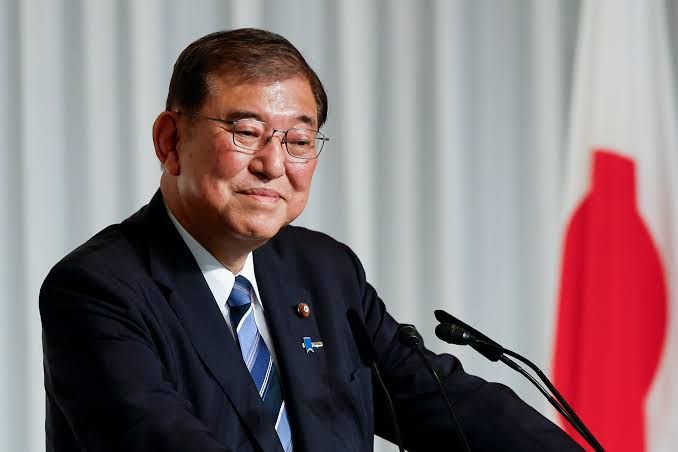
Japanese Prime Minister Shigeru Ishiba held on to power on Monday, despite a poor showing in recent elections that left his coalition without a majority in the upper house, and with the threat of new U.S. tariffs on the horizon. In Sunday’s vote, Ishiba’s ruling Liberal Democratic Party (LDP), which has dominated Japanese politics for decades, and its coalition partner, Komeito, failed to secure the 50 seats needed to maintain control of the 248-seat upper chamber. They reportedly fell short by three seats. Public frustration over inflation appears to have fueled voter support for alternative parties, particularly the right-leaning Sanseito, which gained ground with its nationalist and anti-globalist rhetoric. A 25-year-old voter, Kazuyo Nanasawa, who backed an ultra-conservative party, said she believed the ruling party deserved an even greater loss and called for Ishiba’s resignation. This electoral setback comes only months after the coalition also lost its majority in the more powerful lower house the worst performance for the LDP in 15 years. However, when asked if he planned to step down, Ishiba confirmed he would stay on. In a press briefing Monday, he acknowledged the coalition’s responsibility for the election results but emphasized his commitment to lead. He said, “To avoid political stagnation, I believe it’s my duty to continue serving as the leader of the party that won the most votes, while listening sincerely to the people.” He described the election outcome as “extremely regrettable.” Despite internal discontent, it remains unclear who might replace him, especially given the party’s frequent leadership changes in recent years. Some LDP supporters voiced doubts about launching a leadership contest. One supporter, Takeshi Nemoto, 80, said such a move would weaken the party further, especially as Japan prepares for critical trade talks with the U.S. Another citizen, Shuhei Aono, 67, stressed the urgency of stable leadership during diplomatic uncertainty, arguing Ishiba couldn’t afford to step aside now. A total of 125 seats were contested in the election. The LDP secured 39 and Komeito 8, totaling 47 three seats short of the majority needed. The main opposition party, the Constitutional Democratic Party of Japan, won 22 seats, followed by the Democratic Party for the People (DPP) with 17. Sanseito, with its populist and right-wing agenda, won 14 seats. Sanseito has advocated for tighter immigration policies, a review of gender-related policies, skepticism about climate initiatives, and a reassessment of vaccine strategy. The party recently denied any ties to Moscow after one of its candidates was interviewed by Russian media. Political analysts say the fragmented opposition makes it unlikely they can form a viable alternative government. While expanding the ruling coalition might be considered, it would likely depend on offering fiscal concessions such as tax cuts to potential partners like the DPP. In the meantime, Ishiba’s administration will likely need to seek support from opposition lawmakers on a case-by-case basis to pass legislation. Japanese households, already under pressure from rising prices since the 2022 invasion of Ukraine, are now facing even greater economic strain. The price of rice has doubled, eating into family budgets despite government support packages. Compounding public frustration is the lingering impact of an LDP funding scandal and looming U.S. tariffs. If no trade deal is reached, tariffs of 25 percent are expected to take effect on August 1. Japanese imports are already subject to a 10 percent levy, and the country’s crucial auto industry — which employs around 8 percent of the workforce is bracing for impact. On Monday, trade envoy Ryosei Akazawa departed for Washington for the eighth time in ongoing efforts to reach a deal. “We are working toward an agreement that benefits both sides, focusing on investment rather than tariffs,” Ishiba said.

IMG-20250720-WA0006.jpg

2min5040
The Lagos State Government has impounded over ten articulated trucks for violating access restrictions on the Third Mainland Bridge. The enforcement, which began over the weekend, was carried out by the Lagos State Traffic Management Authority (LASTMA) after months of public awareness campaigns and advisory notices. According to a statement released by LASTMA’s Director of Public Affairs and Enlightenment, Adebayo Taofiq, the operation is part of efforts to ensure compliance with traffic rules and protect public infrastructure. The Special Adviser to the Governor on Transportation, Sola Giwa, explained that the crackdown is in line with the state’s focus on public safety and road preservation. He noted that articulated vehicles are specifically prohibited from using the Third Mainland Bridge, a restriction backed by law. “This regulation is clear, and any violation will be met with firm consequences,” he said. “LASTMA officers have now begun full enforcement, and violators will be apprehended and penalised accordingly.” He added that the move follows extensive consultations and formal notices issued to truck drivers, especially those operating vehicles weighing over nine tonnes. These measures come after recent rehabilitation work on the bridge, prompting stricter oversight. Giwa also mentioned that advanced surveillance systems have been introduced to support enforcement. According to him, these tools are part of the broader efforts by the current administration to ensure road safety, prevent structural damage, and promote responsible driving, particularly on sensitive routes like the Third Mainland Bridge. He emphasized that the restriction on heavy-duty vehicles, especially during peak periods, remains in effect across certain bridges and roads. “This is not about punishment; it’s about preserving our roads and improving traffic conditions,” he said. However, he issued a strong warning to truck drivers and logistics operators, stating, “The grace period is over. Adequate awareness has been created, and the law is clear. Any truck caught violating the restriction will be impounded immediately, and legal action will follow.”

IMG-20250719-WA0017.jpg

2min7080
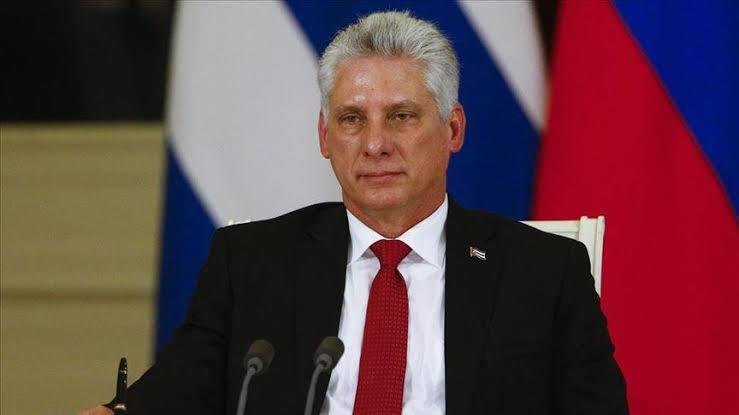
Cuba has removed the maximum age limit of 60 for presidential candidates as part of a constitutional reform recently approved by the country’s parliament. However, the existing rules requiring candidates to be at least 35 years old and limiting them to two five-year terms remain unchanged. According to the president of the national assembly, the new measure allows individuals to run for president regardless of age, provided they are physically and mentally fit, and have demonstrated loyalty and a strong revolutionary background. Former president Raúl Castro, who is 94 and still serves in the assembly, was the first to cast his vote in favor of the reform. The change is set to apply to the 2028 presidential elections. Cuba’s current leader, Miguel Díaz-Canel, now 65, was first elected in 2018 and re-elected in 2023. So far, no successor has been named publicly. When the 2019 constitution introduced term and age limits, it marked a major departure from nearly sixty years of leadership dominated by Fidel Castro and his brother Raúl. Fidel stepped down in 2006 due to health issues and passed away in 2016. Raúl officially became president in 2008 at the age of 76 and retired from his final leadership role in 2021, handing over to Díaz-Canel. Today, Cuba faces one of its most severe economic crises in decades, with widespread shortages, frequent power outages, and a significant wave of emigration.

seabed-1280x853.jpg

4min3540
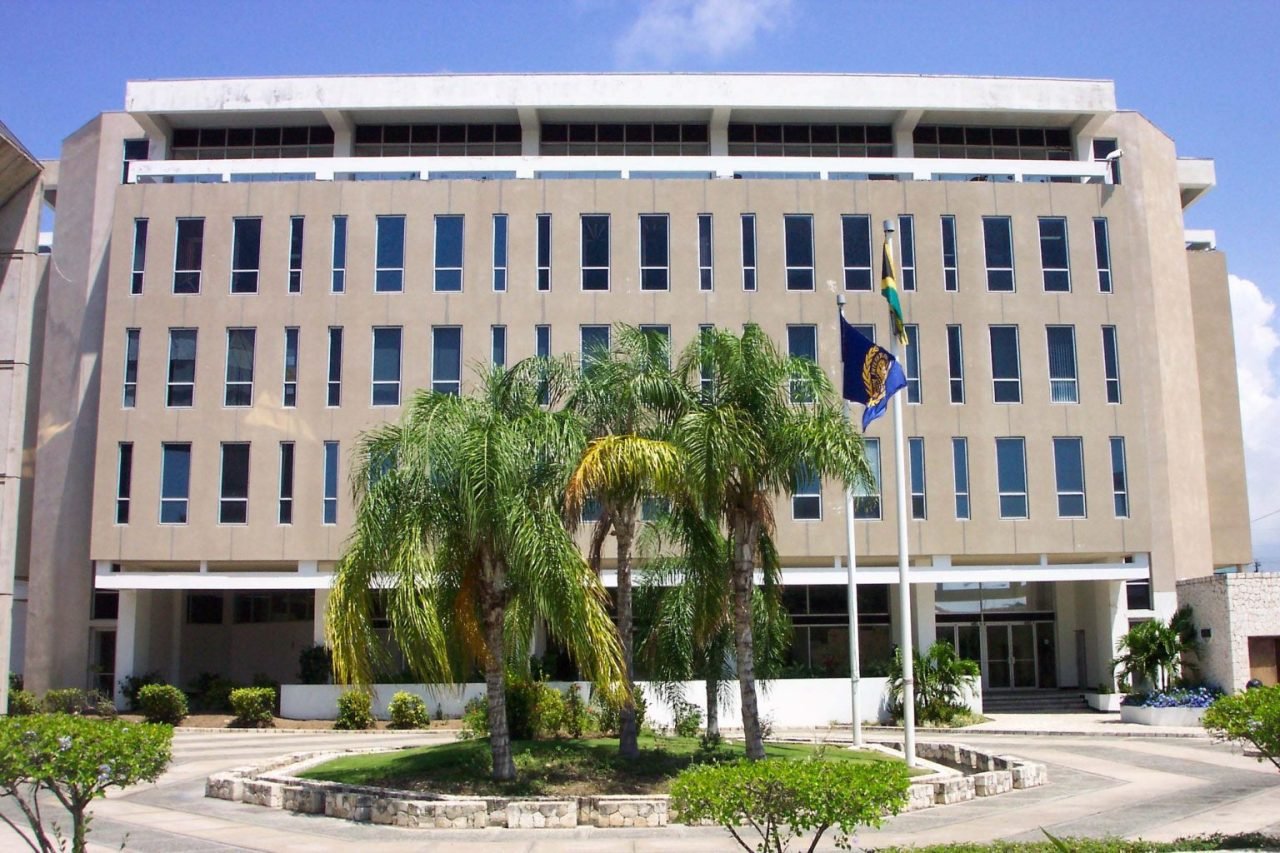
After two weeks of negotiations, international efforts to finalize rules for mining valuable metals from the ocean floor remain unresolved. Discussions continue under growing pressure, particularly in light of recent moves by the United States to fast-track the practice independently. Delegates of the International Seabed Authority (ISA), which met earlier this year and again this month in Jamaica, have now completed a detailed review of a proposed “mining code” consisting of over 100 regulations. These rules would govern how minerals like cobalt, nickel, and manganese used in electric vehicles and other technologies are extracted from international waters. “This is a major step forward,” said the president of the ISA council, receiving applause from delegates. However, even after more than a decade of talks, key areas especially those related to environmental protections remain far from agreement. Several countries have pushed back against calls to rush the process, arguing that more time is needed to ensure the rules are safe and fair. One representative, speaking on behalf of a group of nations calling for a moratorium on deep-sea mining, stressed that no activity should begin until the science is clear. “We can’t move forward without knowing the full environmental impact,” he told the assembly. The ISA’s secretary-general echoed the need for a cautious and science-based approach, emphasizing that effective ocean governance will depend on sound data, open dialogue, and responsible decision-making. As the current session continues next week with participation from all 169 member states, discussions have grown more urgent following an unexpected move by the U.S. government earlier this year. The U.S., which is not a party to the ISA or the UN Convention that created it, announced plans to expedite permits for deep-sea mining based on a decades-old domestic law. This sidestep has raised concerns among environmental groups and ISA members, especially since a Canadian mining firm quickly filed the first request to begin mining in international waters under the new U.S. guidance. Some ISA members have proposed a draft resolution urging the agency’s legal and technical team to examine whether companies are operating in violation of international law. The draft calls for any potential breaches to be reported and appropriate measures recommended. One Canadian company, through its subsidiary, has held an exploration contract in the Pacific Ocean since 2011, but that agreement expires next year. Originally hoping to secure the first commercial mining license through the ISA, the company has now shifted its application to the U.S. under the new fast-track option. Tensions have run high during the talks in Kingston. Some delegates expressed frustration over the format of the negotiations, including meetings held behind closed doors. Critics argue that discussions about ocean resources considered the “common heritage of humankind” should be transparent and inclusive. Environmental advocates have continued to raise alarms about the impact of deep-sea mining, warning that these unexplored ecosystems could face irreversible damage. Meanwhile, some governments and companies argue that the world urgently needs access to these metals to support clean energy goals and reduce reliance on fossil fuels.

pbss-1280x853.png

4min6770
Early Friday, U.S. Republicans approved a plan from President Donald Trump to eliminate $9 billion in funding, targeting foreign aid and public broadcasting. Lawmakers described the move as the first step in a broader effort to cut government spending. While the cuts represent only a small portion of the $1 trillion in annual savings once promised by tech billionaire Elon Musk who stepped away from his federal cost-cutting role in May supporters of the plan say it fulfills Trump’s campaign promise to reduce government waste. “President Trump and House Republicans pledged to bring fiscal discipline and improve government efficiency,” said House Speaker Mike Johnson shortly after the vote. “Today’s decision reflects that commitment.” With both chambers of Congress under Republican control, the bill passed narrowly in the House with a 216–213 vote just after midnight, following earlier Senate approval. It now heads to the president’s desk for signing. Trump praised the move, calling it a long-awaited victory: “REPUBLICANS HAVE TRIED DOING THIS FOR 40 YEARS, AND FAILED… BUT NO MORE. THIS IS BIG!!!” he posted online. The bill cuts funding for a range of programs, many of which support countries dealing with disease outbreaks, conflicts, and natural disasters. It also eliminates $1.1 billion previously allocated to the Corporation for Public Broadcasting over the next two years. That funding supports more than 1,500 local public TV and radio stations, including national networks. Critics of the cuts argue these outlets provide vital services and unbiased information, while some conservatives have claimed the coverage has shown political bias. Originally, the bill included $400 million in reductions to a global AIDS program known for saving millions of lives. However, pushback from moderate Republicans preserved that funding. For supporters, the vote marks a win for Trump-aligned fiscal conservatives and the mission of the federal cost-cutting office once led by Musk. Opponents argue it undermines bipartisan budget decisions already made, noting that the funds being withdrawn had already been approved by Congress. Democratic leaders responded with sharp criticism, saying the move disregards national priorities and could set the stage for future budget conflicts. “Instead of protecting the health, safety, and well-being of the American people, House Republicans have chosen to rubber-stamp a reckless and extreme plan,” said Minority Leader Hakeem Jeffries in a joint statement with other top lawmakers. With a September deadline looming to pass a full government funding bill, Democrats warned that the vote could jeopardize future negotiations. They suggested the rescissions package increases the risk of a government shutdown, given that Republicans will eventually need bipartisan support to approve any long-term spending plan. Though Democrats are in the minority, they hold influence in the Senate, where at least 60 votes are needed to pass budget legislation and Republicans control only 53 seats. One Senate leader called the cuts a blow to communities that rely on public broadcasting during emergencies like hurricanes and floods. Meanwhile, a top White House budget official said more funding rescission proposals may be on the way.

tk.jpeg

4min4680
The Turkish government has raised concerns about the presence of members of a group it considers a terrorist organization referred to as the Fethullah Terrorist Organisation (FETO) in Nigeria, as well as in various other countries. Speaking at a dinner event in Abuja marking Turkey’s Democracy and National Unity Day, the Turkish Ambassador-designate to Nigeria, Mehmet Poroy, said the group remains active globally. The annual event commemorates the failed coup attempt in Turkey on July 15, 2016, which Turkish authorities blame on followers of the Gülen movement, led by Fethullah Gülen. According to the Turkish government, the attempted coup was thwarted by the combined resistance of the military, security forces, and citizens who stood in support of President Recep Tayyip Erdoğan’s administration. Ambassador Poroy emphasized that individuals linked to the Gülen movement are still being apprehended in various countries, describing the group’s international operations as a serious threat. “They are still being captured and arrested today. The presence of such an organisation poses a threat to every country in which it operates,” he said. He added that the group remains active in Nigeria, particularly in education and healthcare sectors, and stressed the importance of vigilance. “We consistently inform our Nigerian friends about the nature and dangers of this organisation and urge them to remain cautious.” According to Poroy, through international cooperation, Turkey has disrupted many of the group’s global networks. In several countries, Turkish authorities have taken over institutions particularly schools once linked to the movement. Despite these efforts, Poroy noted that the group’s international networks have not been fully dismantled. “The fact that investigations and arrests continue shows that this fight must go on with unwavering determination,” he said. He warned that in places like Nigeria, the group often operates under the guise of humanitarian aid, education, healthcare, and interfaith dialogue. “Behind this humanitarian appearance lies an organisation that seeks to infiltrate the political and bureaucratic systems of host countries,” he cautioned. The Gülen movement also known as Hizmet, meaning “service” in Turkish was founded in the late 1950s and is known for its involvement in education, religious activities, and social initiatives. Its founder, Fethullah Gülen, passed away in October 2024 at the age of 83 while living in exile in the United States. Turkey holds Gülen responsible for the 2016 coup attempt, which claimed more than 250 lives, and has officially designated his movement as a terrorist organisation. The group, however, denies involvement and rejects the terrorism label. Since the coup, Turkish authorities have intensified efforts to shut down the group’s operations worldwide, seizing or freezing assets, including schools, foundations, and businesses linked to the movement. Some international bodies and countries, including the Organisation of Islamic Cooperation, the Gulf Cooperation Council, Pakistan, and Northern Cyprus, have also designated the group as a terrorist entity.

IMG-20250715-WA0005.jpg

3min3210
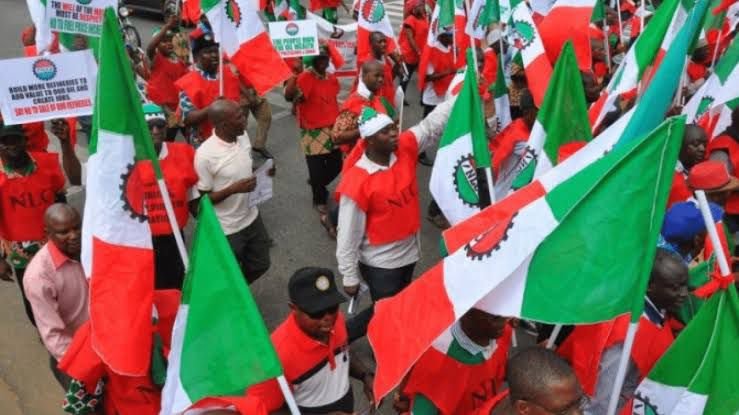
Organised labour in Ogun State, including the Nigeria Labour Congress (NLC), Trade Union Congress (TUC), and Joint Negotiating Council (JNC), has directed all state workers to embark on an indefinite strike beginning midnight, Tuesday, July 15, 2025. This decision follows the failure to remit N82 billion in contributory pension deductions over a 14-year period. In a jointly signed statement, labour leaders said the resolution was reached during a statewide congress held on Monday. Workers voted to suspend their services indefinitely, citing the ongoing violation of the Ogun State Pension Reform Law of 2008, which was amended in 2013. The law established the Contributory Pension Scheme (CPS), mandating both the employer and employees to contribute 7.5% each of the employee’s basic salary to a pension fund managed by licensed administrators. However, the unions stated that, since the law was enacted 17 years ago, the scheme has been poorly implemented, with only 34 months’ worth of contributions remitted far below the expected 204 months. They alleged that for the past 14 years, deductions have consistently been made from workers’ salaries, but these funds were never transferred to their respective Pension Fund Administrators (PFAs). As a result, the potential investment returns and other benefits tied to the scheme have been lost, leaving workers shortchanged. The unions also referenced the 2022 Adekunle Hassan Pension Reform Committee, saying its findings and recommendations were never made public, nor was any action taken to address the concerns it raised. Numerous letters and appeals to the state government have gone unanswered, they added. Workers have now demanded the total cancellation of the contributory scheme, which is scheduled to take full effect on July 1, 2025, under the amended version of the law. Two weeks prior, labour had called on the state government to suspend the CPS or revert to the previous pension system. According to the unions, the scheme signed into law in 2008 by former Governor Gbenga Daniel was flawed from the start, with his administration reportedly failing to remit 25 months of deductions before leaving office in 2011. They further stated that although Daniel’s successor, Senator Ibikunle Amosun, amended the law in 2013 and scheduled the scheme’s full implementation for July 2025, he only remitted nine months’ worth of contributions during his eight-year tenure. Labour leaders also accused the current administration, under Governor Dapo Abiodun, of failing to remit any pension deductions during his six years in office. They expressed frustration over the government’s prolonged silence, despite repeated efforts to raise the issue through official correspondence.