
Author: Lifestyle & Wellness Desk

IMG-20250727-WA0003.jpg

5min7510
Israel announced on Sunday that it is temporarily pausing military operations in parts of the Gaza Strip to allow humanitarian aid deliveries, following growing international concern over rising deaths from malnutrition and widespread hunger linked to restrictions on aid access. According to the Israel Defense Forces (IDF), “humanitarian corridors” will be established to allow safe movement for aid trucks, particularly those operated by the United Nations. These “humanitarian pauses” will take place daily from 10 a.m. to 8 p.m. in specific areas where the military is not currently active, including Al-Mawasi, Deir al-Balah, and Gaza City. The pauses will remain in effect until further notice. In addition, the IDF said secure routes would be available from 6 a.m. to 11 p.m. to facilitate the flow of humanitarian convoys, and that they are ready to increase the scale of these operations if needed. Aid trucks began entering Gaza from Egypt shortly after the announcement, with over 100 trucks reportedly carrying more than 1,200 tons of food. Despite the temporary pause, reports from Gaza indicated that at least 25 people were killed by Israeli military fire on Sunday morning, including 11 individuals who were reportedly trying to access aid in central Gaza. Airstrikes were also said to be ongoing in other parts of the territory. The World Food Programme welcomed the humanitarian corridors, noting that it has enough supplies in the region or en route to feed the entire population of Gaza for three months. The agency estimates Gaza requires more than 62,000 tons of food aid each month. Israel also confirmed that it had conducted seven aid airdrops into Gaza and has invited other countries to do the same. However, several aid organizations have criticized airdrops as ineffective, arguing that they divert attention from the core issue: overland access remains the only way to deliver food and supplies at the scale required. One aid official described the airdrops as a “grotesque distraction,” emphasizing that they cannot meet the volume, regularity, or quality of assistance that is urgently needed on the ground. According to Gaza’s health authorities, an additional six people have died from malnutrition in the past 24 hours, bringing the total number of reported starvation-related deaths to at least 133, 87 of them children. Humanitarian groups warn that the broader population of 2.2 million faces the risk of mass starvation, pointing to severe obstacles in the aid delivery system, including delays, red tape, and inconsistent permissions. Thousands of aid trucks remain stalled outside Gaza’s borders, awaiting clearance. While Israeli authorities say aid distribution inside Gaza is the responsibility of U.N. agencies, humanitarian organizations say Israeli restrictions are so complex that only a small fraction of aid makes it through. The IDF has urged aid agencies to improve the efficiency of aid distribution and to ensure that assistance does not reach armed groups. Israel has maintained that its controls are aimed at preventing Hamas from diverting supplies. However, independent reviews, including one from within the U.S. government, have found no evidence of widespread theft by Hamas in recent months. The United Nations and the World Food Programme have also reported no confirmed cases of systematic diversion of aid. In May, Israel lifted a near three-month blockade on aid, allowing a limited number of relief organizations to operate. Israeli officials continue to insist that claims of widespread hunger are exaggerated, stating that there is no starvation in Gaza and labeling such reports as misinformation. Nonetheless, humanitarian agencies, hospitals, and medical groups have consistently reported worsening food insecurity and hunger throughout the region. One senior international aid official described the crisis as a humanitarian catastrophe, warning that even those providing care are not receiving enough food to stay healthy themselves.

IMG-20250727-WA0001.jpg

2min5850
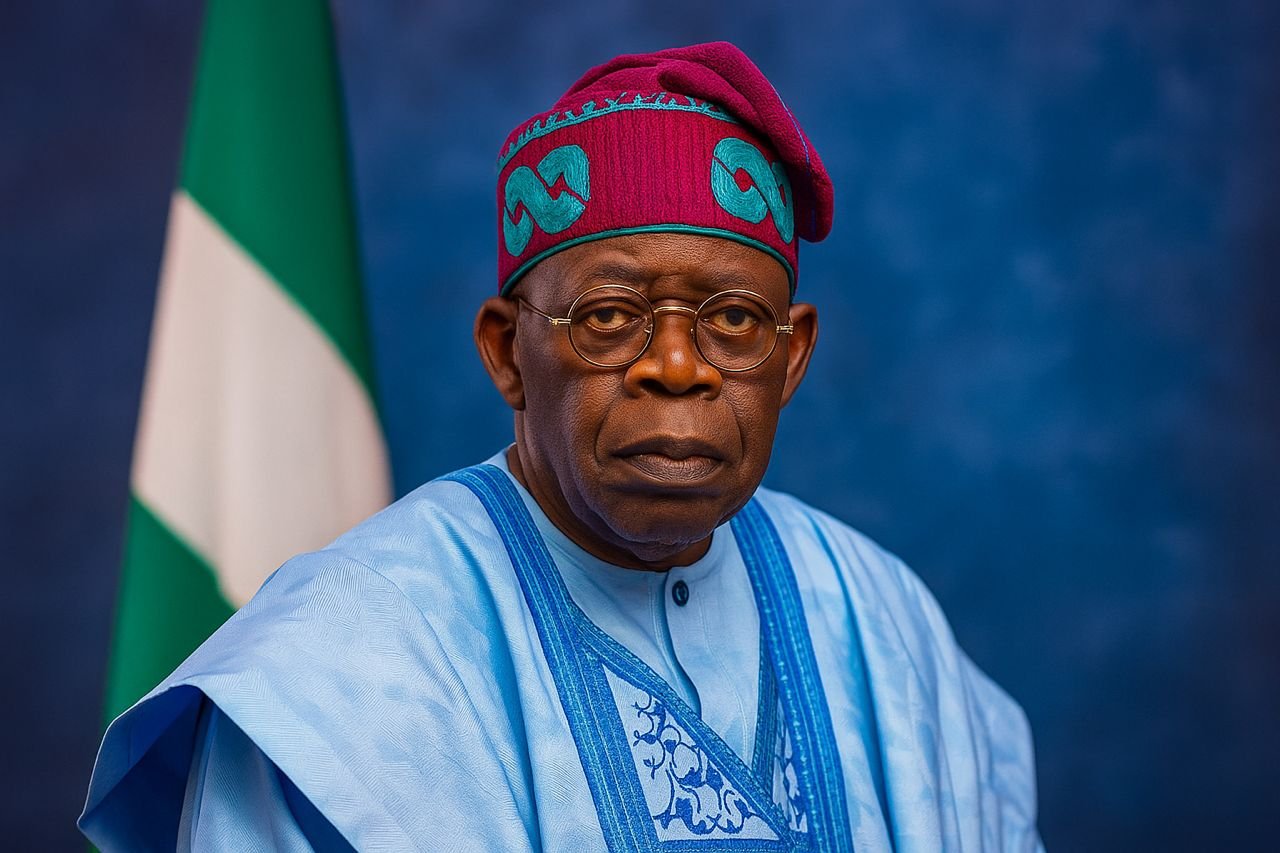
President Bola Tinubu has promised the Super Falcons a grand celebration on their return from Morocco, where they clinched their 10th WAFCON title on Saturday. In a dramatic final at the Olympic Stadium in Rabat, the Super Falcons came from two goals down to defeat hosts Morocco 3–2 and secure the 2024 championship. Morocco took the lead early on, with Ghizlane Chebbak scoring in the 12th minute, followed by a second goal from Sanaâ Mssoudy in the 24th minute. Nigeria bounced back in the second half with a spirited performance. Esther Okoronkwo converted a penalty in the 64th minute, then assisted Folasade Ijamilusi for the equaliser in the 71st. Jennifer Echegini sealed the comeback in the 88th minute, finishing off a well-placed free kick from Okoronkwo. Following the victory, President Tinubu joined a video call with the players and coaching staff, expressing pride in their achievement. “As a team, we are very proud of you. The entire nation is proud. You’ve lifted our spirits,” he said. “You will be celebrated. I congratulate the coaches, team officials, and all who contributed to this success. Achieving this record 10th title is no small feat for our country and the continent.” He also wished the team a safe return and encouraged them to enjoy the moment while staying injury-free. Team captain Rasheedat Ajibade thanked the President for approving the payment of their bonuses and said the team would present the trophy in Abuja. In response, Tinubu said he looked forward to receiving them. Earlier, the President described the team’s victory as a reflection of Nigerian resilience and determination, highlighting their comeback against a tough Moroccan side playing in front of a home crowd. “With hard work, dedication, and tenacity, you’ve delivered a result the entire nation hoped for. Congratulations! Nigeria is proud of you,” he said. This latest win adds to the Falcons’ previous WAFCON titles from 1998, 2000, 2002, 2004, 2006, 2010, 2014, 2016, and 2018.

IMG-20250726-WA0005.jpg

2min3880
The Academic Staff Union of Universities (ASUU) at the University of Maiduguri has strongly opposed the Federal Government’s decision to rename the institution after former President Muhammadu Buhari, stating that it plans to challenge the move in court. In a statement released on Friday and jointly signed by Chairperson Abubakar Mshelia and Assistant Secretary Peter Teri, the union said the decision came after an emergency congress held on July 24, 2025. The meeting was attended by ASUU members, representatives of the Student Union Government, and other key stakeholders. After thorough deliberations, the congress unanimously called for an immediate and unconditional reversal of the renaming directive. The union stated that renaming the institution after five decades of existence disregards university autonomy, disrupts established academic traditions, and undermines the collective identity of the university community. ASUU-UNIMAID described the decision as arbitrary and lacking in proper consultation with the university, its alumni, stakeholders, and the broader public. It expressed concern over what it sees as a serious breach of due process and a failure to engage those directly affected. The union added that it had authorized its executive committee to take all necessary legal steps to contest the name change and protect the university’s original identity. It further called on other ASUU chapters, the national leadership, civil society groups, students, and the National Assembly to resist any legislative effort aimed at formalizing the name change. ASUU emphasized that public universities must be allowed to function independently, free from political influence.

IMG-20250726-WA0004.jpg

5min3110
President Bola Tinubu has called on electricity generation companies (GENCOs) to grant the Federal Government time to verify and validate claims regarding longstanding debts owed to them, as part of efforts to resolve the power sector’s persistent liquidity crisis. Speaking during a meeting with top executives from the Association of Power Generation Companies at the Presidential Villa in Abuja, Tinubu acknowledged the legacy debts inherited by his administration but emphasized the need for thorough audit and transparency. “I accept the assets and liabilities of my predecessors, but that acceptance must be based on credible grounds,” the President said. “We must verify and authenticate the claims. This is a support structure for national development, not a burden to be passed along unchecked.” To address the financial shortfall in the electricity market, Tinubu granted anticipatory approval for a N4 trillion bond issuance, designed to settle verified liabilities owed to GENCOs. The measure aims to prevent potential foreclosures that could destabilize the sector. The Federal Government’s outstanding obligations to power producers have built up over the years due to partial payments by the Nigerian Bulk Electricity Trading Company (NBET), exacerbated by under-recovery of tariffs, unpaid subsidies, and gas supply constraints. The Special Adviser to the President on Energy, Olu Verheijen, disclosed that as of April 2025, the government’s verified debt exposure to GENCOs stands at N4 trillion, with only N1.8 trillion of that amount validated so far. She noted that the final debt figure remains subject to downward adjustment pending full verification. “Only debts that are validated through due process will be included in the bond programme,” Verheijen clarified. Meanwhile, Minister of Power Adebayo Adelabu praised the President for prioritizing reforms in the power sector. He highlighted achievements under the current administration, including the signing of the Electricity Act 2023, the launch of Nigeria’s first Integrated National Electricity Policy in over two decades, and the attraction of over $2 billion in new private capital. He also reported a 70% increase in sector revenue, growing from N1 trillion in 2023 to N1.7 trillion in 2024, and a reduction in government subsidy obligations by over N700 billion. Adelabu further revealed progress in energy delivery, including an increase in installed generation capacity from 13,000MW to 14,000MW, with a peak daily energy delivery of over 120,000MWh achieved in March 2025. The minister also noted that there has been no grid collapse so far in 2025, attributing this to ongoing interventions under the Presidential Power Initiative. Efforts to close the national metering gap are also underway, with 300,000 smart meters already distributed under the Presidential Metering Initiative and the World Bank-supported DISREP project. However, despite these gains, Adelabu warned that the sector remains under severe financial strain. “The liquidity crisis threatens to unravel the progress made so far. We need urgent financial intervention to prevent a collapse in power generation,” he said. Business leaders in attendance, including Tony Elumelu and Kola Adesina, echoed the call for swift government action. “We’ve come to you as a last resort,” Elumelu told the President. “The debt owed to GENCOs is stifling our ability to operate. Power is essential to Nigeria’s development, and this issue must be resolved to unlock our full economic potential.” Adesina emphasized the urgent need to resolve gas supply issues, particularly in the Afam power corridor. He proposed that the government facilitate the release of 800 million cubic feet of gas via the Nigeria LNG (NLNG) to power affected plants. President Tinubu, while reaffirming his commitment to a market-driven electricity sector, appealed for patience and collaboration. He urged banks to avoid foreclosures and support the government’s ongoing verification process. “This is a long-standing issue, and we are finally addressing it. Let’s work together to stabilize the sector,” he said. Also present at the meeting were the President’s Chief of Staff, Femi Gbajabiamila; Coordinating Minister of the Economy and Finance Minister, Wale Edun; Minister of Information, Mohammed Idris; and other senior government officials and stakeholders signaling the high-level attention being given to resolving the sector’s financial bottlenecks.

UK.jpg

2min3330
Thousands of doctors in the United Kingdom began a five-day strike on Friday following the collapse of pay negotiations with the government. The strike, led by junior doctors, those below consultant level was launched after last-minute talks on Thursday failed to produce an agreement. Picket lines were formed outside hospitals as medical professionals voiced frustration over what they describe as years of “pay erosion.” The latest industrial action follows a previous agreement last September, where junior doctors accepted a 22.3 percent pay increase spread over two years, shortly after the current government took office. Despite that, many in the profession argue their real-terms earnings have fallen by over 21 percent since 2008, while their workload has not decreased. In a joint statement, leaders of the British Medical Association’s junior doctors’ committee said, “We’re not working 21 percent less hard, so why should our pay suffer?” Prime Minister Keir Starmer appealed to the doctors on Friday, warning that the strike could put patients at risk and further strain the already burdened National Health Service (NHS). “Everyone loses if this strike goes ahead,” he said, urging doctors not to “follow” their union “down this damaging road.” Health Minister Wes Streeting echoed the concerns, stating in an open letter that the government cannot offer more on pay this year due to financial constraints. Last year, similar strikes led to widespread disruption across the NHS, with tens of thousands of appointments cancelled and treatments delayed. The strikes were part of broader industrial actions across various sectors in response to rising living costs and inflation. While the government has reached agreements with other public sector workers, including teachers and train drivers, officials insist there is no further room to manoeuvre on doctors’ pay at this time.  

Atiku-1280x853.png

3min3860
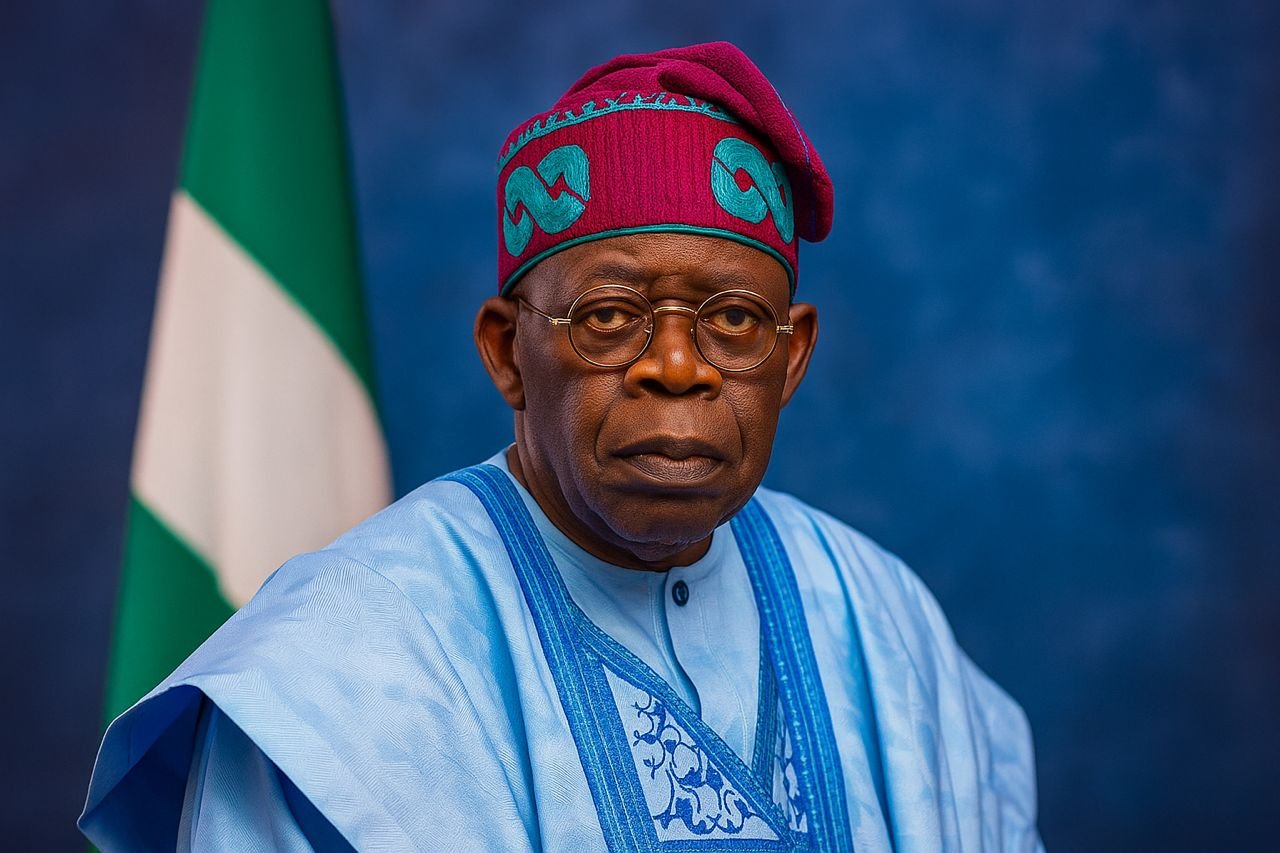
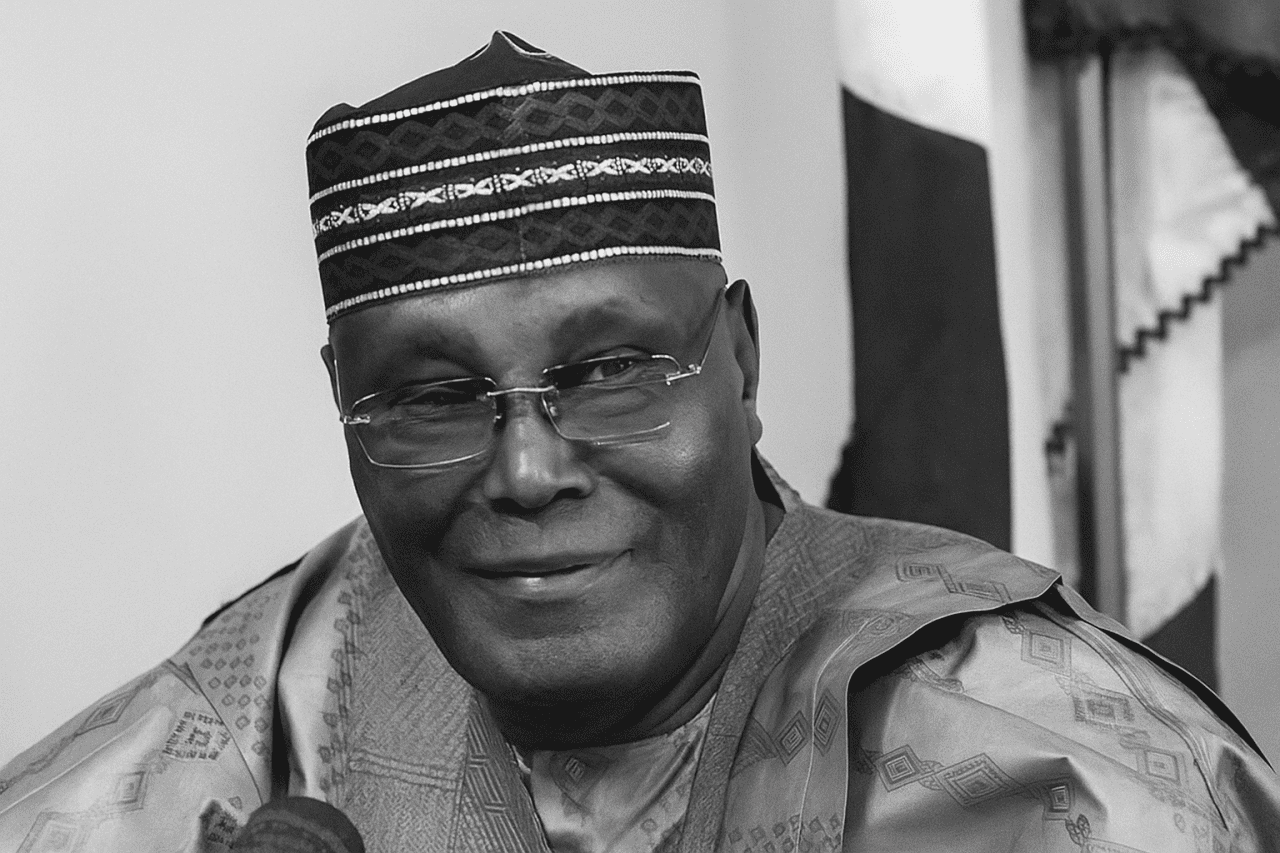
Abuja – Former Vice President Atiku Abubakar has criticized President Bola Tinubu and the ruling All Progressives Congress (APC) for allegedly meddling in the affairs of opposition parties, instead of addressing the country’s deepening economic and security challenges. In a statement issued by his media team, Atiku accused the president of prioritizing political power games over governance. The statement followed recent remarks made by President Tinubu at a high-level APC meeting, where he reportedly took a jab at the African Democratic Congress (ADC). According to Atiku’s camp, the presidency is using government resources and institutions to weaken opposition parties and steer the country toward a one-party system. The statement further accused President Tinubu of focusing more on his 2027 re-election ambitions than on solving the nation’s pressing issues. “President Tinubu should first address the evident strain in his relationship with Vice President Kashim Shettima and fix the country’s struggling economy before interfering in the internal matters of other parties,” the statement read. “It’s concerning that public funds are being used to create division and suppress alternative political voices.” The statement also alleged that recent tensions between supporters of Atiku and Peter Obi within the opposition coalition were deliberately incited by the presidency. However, it claimed those efforts had failed and that the coalition remains united and stronger. Atiku described the current administration as out of touch with the realities faced by citizens, citing worsening insecurity, poverty, and hunger as evidence. “While Nigerians grapple with insecurity and economic hardship, the president is busy playing politics and plotting for the next election instead of fulfilling the promises of his current mandate,” the statement said. He further accused the presidency of using anti-corruption agencies to intimidate opposition figures into defecting to the ruling party. “There is now a pattern of using state institutions to harass opposition leaders. But this tactic will not work. The coalition is prepared and determined to offer Nigerians a genuine alternative,” the statement added. Atiku concluded by urging President Tinubu to shift focus from political distractions and concentrate on governing the country effectively. The coalition, he reaffirmed, remains committed to providing a credible and united alternative for Nigerians.

Igbosere-Magistrate-960x594-1.jpg

2min37200
A 59-year-old woman, Rakiyat Musa, was arraigned on Thursday at the Igbosere Magistrate’s Court in Tinubu, Lagos Island, for allegedly posing as a Nigerian Customs officer and fraudulently collecting over ₦34 million under false pretences. Musa appeared before Magistrate B. I. Amos on a four-count charge, including conspiracy, obtaining money by false pretence, stealing, impersonation, and conduct likely to cause a breach of peace. According to the prosecution, led by Inspector Cyriacus Osuji, the defendant and others still at large allegedly conspired to defraud several individuals between April and July 2025. Osuji told the court that Musa collected ₦13.48 million from Damilare Sodiq, the President of Power House Cooperative in Kosofe, Lagos, claiming she would supply bags of rice and groundnut oil. She also allegedly received ₦5.35 million from Chukwudi Joshua, ₦2.6 million from Mathew Nworie, and ₦2.69 million from Okereke Johnson under similar pretences. To support her claims, Musa allegedly presented a fake Nigerian Customs identity card to convince the victims of her supposed status. The prosecution said she knew her claims were false and also stole an additional ₦10 million from the complainants. The offences are said to be in violation of Sections 411, 314, 287, and 380(1) of the Lagos State Criminal Law, 2015. Musa pleaded not guilty to all charges. Magistrate Amos granted her bail in the sum of ₦2.5 million, with two sureties in the same amount. The sureties must reside in Lagos, be gainfully employed, and present proof of tax payments to the state government. Their addresses will also be verified. In addition, Musa is required to deposit ₦500,000 as part of her bail conditions. The case was adjourned to August 11, 2025, for mention.

UNWSCO-1280x853.jpg

4min3040
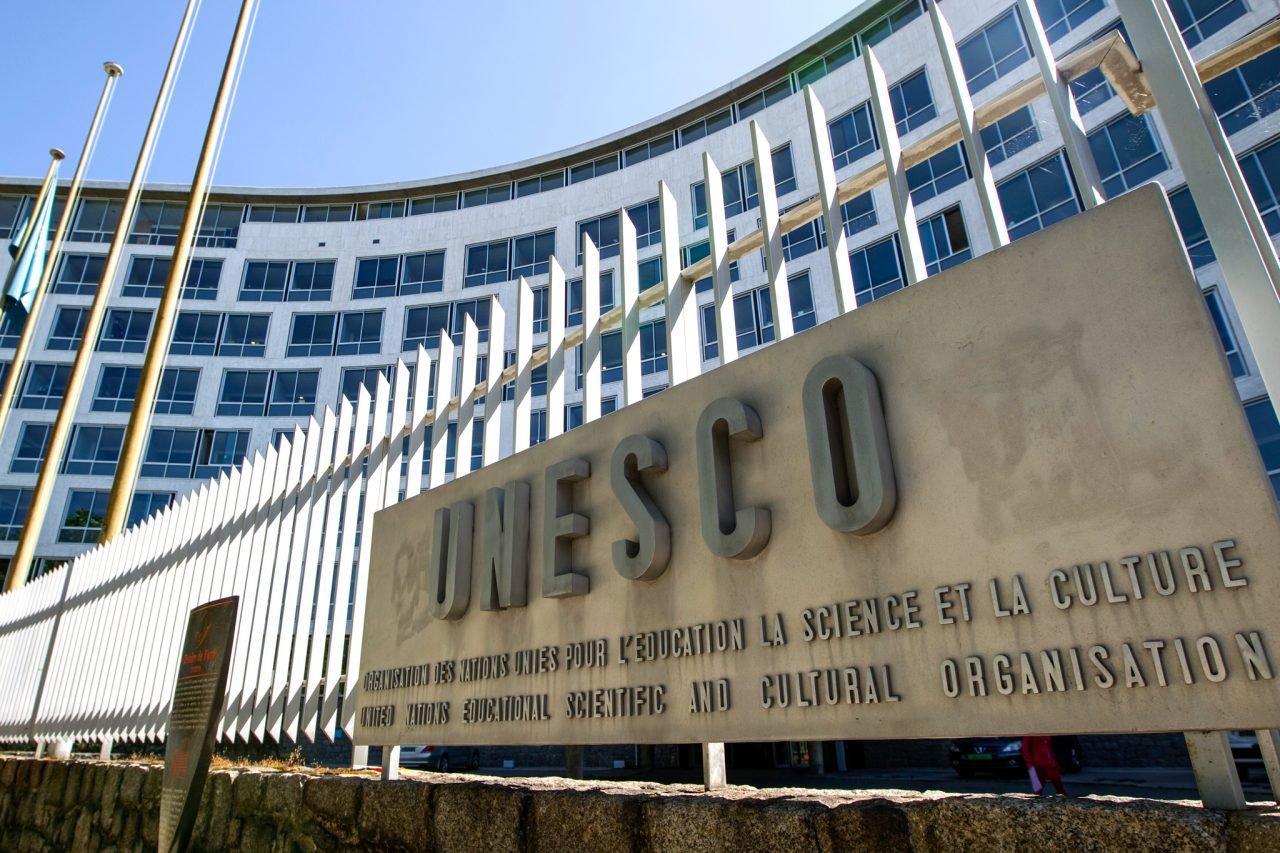
China has criticized the United States for abandoning its responsibilities as a leading global power following former President Donald Trump’s renewed decision to pull the U.S. out of the United Nations Educational, Scientific and Cultural Organization (UNESCO). The decision, which stems from concerns over alleged pro-Palestinian and pro-Chinese bias, as well as opposition to the organization’s emphasis on diversity, equity, and inclusion, marks the third time the U.S. has withdrawn from the Paris-based agency. The move has sparked backlash from Beijing, which accused Washington of undermining international cooperation. A spokesperson for China’s foreign ministry reaffirmed Beijing’s support for UNESCO and condemned the U.S. for failing to meet its financial commitments to the organization. “This is the third time the U.S. is pulling out of UNESCO, and it has long failed to clear its arrears. This is not behavior expected of a major world power,” said ministry spokesperson Guo Jiakun during a press briefing in Beijing. He called on all nations to recommit to multilateralism and uphold the United Nations-led global framework. Tensions between China and the U.S. have remained high, with trade disputes and competing global interests already straining relations. The latest development is expected to further widen that divide. Recent global surveys have also indicated rising approval for China and President Xi Jinping, while support for the U.S. and its former leader has seen a slight decline. The Trump administration previously exited UNESCO in 2018, citing similar concerns. That decision was later reversed by President Joe Biden, who rejoined the agency to counter growing Chinese influence and reestablish U.S. leadership in multilateral forums. The new withdrawal, scheduled to take effect on December 31, 2026, could significantly affect the agency’s work, especially in cultural preservation and global education. UNESCO is known for its World Heritage Sites program and efforts in science and education advancement. The agency’s Director-General, Audrey Azoulay, expressed disappointment over the move, saying it goes against the spirit of multilateralism and could impact many U.S.-based partners. She noted that while the withdrawal was anticipated, measures were already in place to mitigate its financial and operational impact, including diversifying funding sources. “UNESCO today offers a rare platform for practical, consensus-based multilateral action,” Azoulay said. “The reasons given for this decision are outdated and do not reflect the organization’s ongoing work, particularly in Holocaust education and the fight against antisemitism.” Azoulay also emphasized that UNESCO has been instrumental in helping over 85 countries implement educational tools and train teachers to combat genocide denial, hate speech, and disinformation. Despite the anticipated reduction in resources, she affirmed the agency’s commitment to its global mission. In a statement, the U.S. government defended the decision, criticizing the agency for prioritizing what it described as a divisive ideological agenda, including heavy focus on the UN’s Sustainable Development Goals. It also reiterated long-standing opposition to UNESCO’s recognition of Palestine as a member state, which it said has led to increased anti-Israel rhetoric within the organization. Until the withdrawal takes effect in 2026, the U.S. will remain a full member of UNESCO.

adc.jpg

3min7120
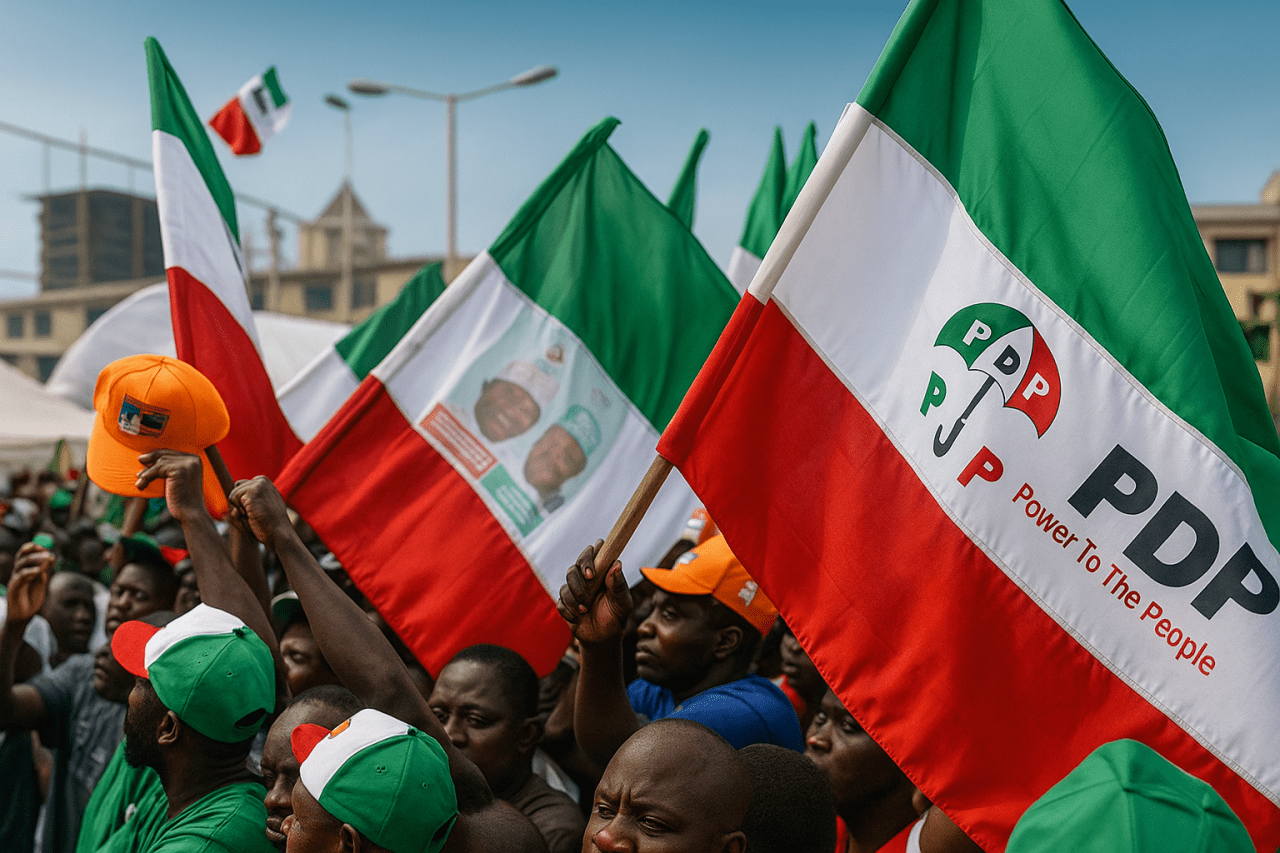
The political atmosphere in Osun State intensified on Tuesday following a major development: Governor Ademola Adeleke, alongside former Governor Olagunsoye Oyinlola and top figures within the Peoples Democratic Party (PDP), publicly declared support for President Bola Tinubu’s re-election bid in 2027. The endorsement was contained in a communiqué released after a stakeholders’ meeting involving prominent PDP leaders in the state. The gathering also put to rest rumours about Adeleke’s possible defection to the All Progressives Congress (APC), affirming his commitment to remain with the PDP. This move, however, sparked criticism from the African Democratic Congress (ADC), which accused the governor of lacking political consistency and argued that his support for Tinubu wouldn’t shield him from defeat in the upcoming Osun governorship election. The statement released after the meeting featured attendance by key figures including ex-Governor Oyinlola, Deputy Governor Kola Adewusi, Senator Lere Oyewumi, Osun PDP chairman Sunday Bisi, and former PDP National Secretary Prof. Wale Oladipo, among others. “The PDP in Osun State acknowledges that President Bola Tinubu hails ancestrally from Osun, and thus sees him as a son of the state,” the communiqué stated. “Accordingly, the PDP in Osun hereby endorses President Bola Ahmed Tinubu for re-election in the 2027 presidential election.” The stakeholders also threw their weight behind Adeleke’s candidacy for a second term in 2026, urging all members of the party to remain united under the PDP banner. “The PDP in Osun State reaffirms its endorsement of Governor Ademola Adeleke as the party’s sole candidate for the 2026 governorship election. Party leaders across the state are expected to communicate this resolution at all levels,” the statement added. Responding to the development, ADC Chairman in Osun State, Charles Omidiji, said Adeleke’s refusal to switch to the APC would not spare him from losing in 2026. He expressed confidence that the ADC would emerge victorious in the next election. “Not joining the APC may only narrow the margin of his defeat,” Omidiji said. “Had he defected, it would’ve spelled the end for both APC and PDP in Osun. Regardless, the ADC is poised to win the next governorship election.” The communiqué also addressed why Adeleke chose not to defect to the APC, citing internal opposition within the party. “Many APC members in Osun strongly opposed Governor Adeleke’s potential defection, a move that wasn’t even initiated by him,” the statement noted. “Some APC figures showed open hostility, using both social media and national platforms to attack him. Similarly, while PDP members weren’t in favor of his defection, many had vowed to follow him out of loyalty, had he chosen that path.”    

PDP-1280x853.png

2min2770
The lawmaker representing Ife Federal Constituency in the House of Representatives, Taofeek Ajilesoro, has announced his resignation from the Peoples Democratic Party (PDP), citing ongoing internal disputes and divisions within the party. His resignation letter, dated July 22, 2025, was addressed to the ward chairman in Ilare Ward II, Ife Central Local Government Area of Osun State. In it, Ajilesoro said persistent legal battles and internal strife made it difficult for him to remain a member of the party. “This decision, though not an easy one, became necessary due to the unending internal crises, deep-rooted divisions, and the constant legal tussles that now define the party,” the letter stated. “These issues have made it increasingly difficult to align my political journey with my vision for effective governance.” He thanked the party for the opportunity to serve and expressed hope that his decision would be respected in good faith. Ajilesoro is the latest in a string of PDP lawmakers from Osun State to exit the party. Others who have recently stepped down include Wole Oke, representative of Obokun/Oriade Federal Constituency, along with Senators Francis Fadahunsi (Osun East) and Olubiyi Fadeyi (Osun Central). The PDP had a sweeping victory in the 2023 general elections in Osun State, securing all three senatorial seats, all nine House of Representatives seats, and 25 out of 26 seats in the state assembly.