

 Lifestyle & Wellness Desk
Tinubu Seeks Verification Period for N4tn Debt Claims by GENCOs
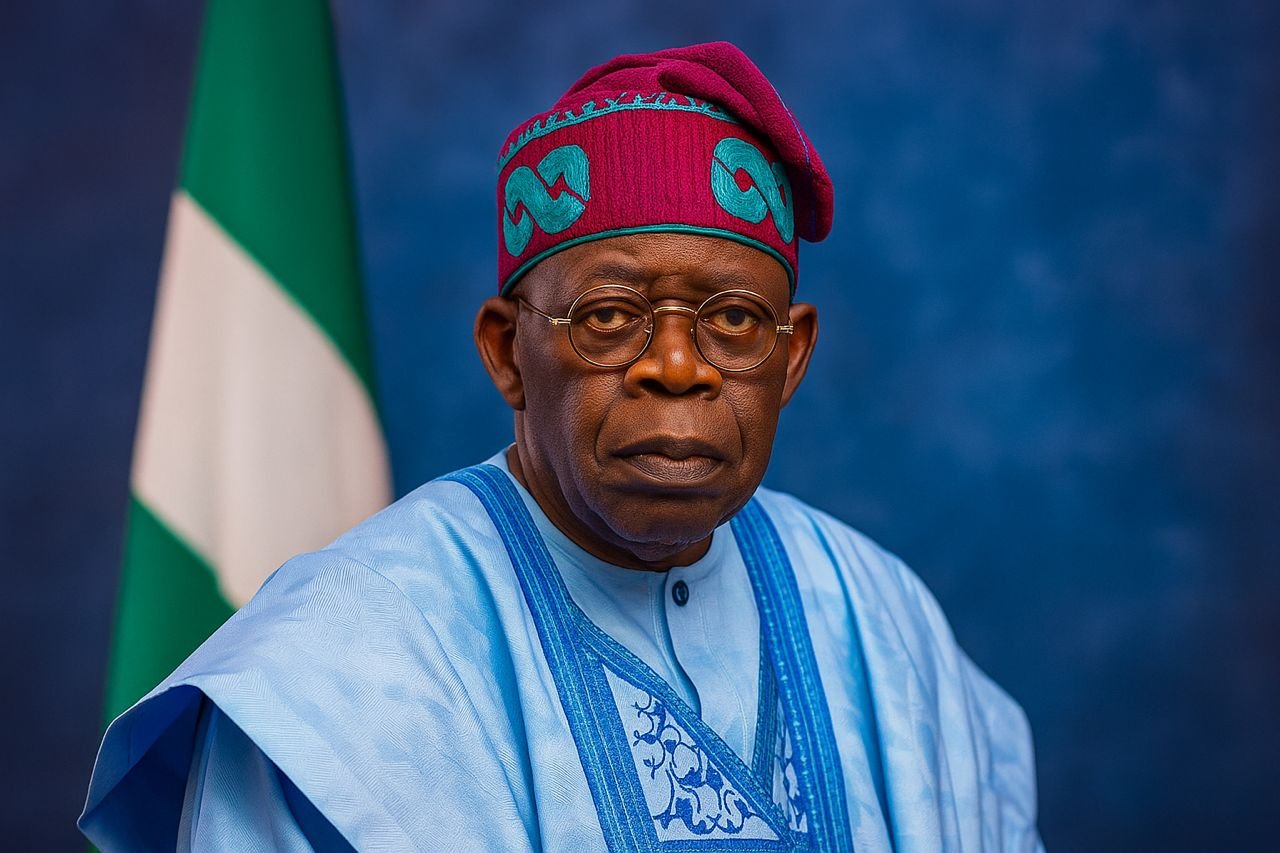
President Bola Tinubu has called on electricity generation companies (GENCOs) to grant the Federal Government time to verify and validate claims regarding longstanding debts owed to them, as part of efforts to resolve the power sector’s persistent liquidity crisis.
Speaking during a meeting with top executives from the Association of Power Generation Companies at the Presidential Villa in Abuja, Tinubu acknowledged the legacy debts inherited by his administration but emphasized the need for thorough audit and transparency.
“I accept the assets and liabilities of my predecessors, but that acceptance must be based on credible grounds,” the President said. “We must verify and authenticate the claims. This is a support structure for national development, not a burden to be passed along unchecked.”
To address the financial shortfall in the electricity market, Tinubu granted anticipatory approval for a N4 trillion bond issuance, designed to settle verified liabilities owed to GENCOs. The measure aims to prevent potential foreclosures that could destabilize the sector.
The Federal Government’s outstanding obligations to power producers have built up over the years due to partial payments by the Nigerian Bulk Electricity Trading Company (NBET), exacerbated by under-recovery of tariffs, unpaid subsidies, and gas supply constraints.
The Special Adviser to the President on Energy, Olu Verheijen, disclosed that as of April 2025, the government’s verified debt exposure to GENCOs stands at N4 trillion, with only N1.8 trillion of that amount validated so far.
She noted that the final debt figure remains subject to downward adjustment pending full verification. “Only debts that are validated through due process will be included in the bond programme,” Verheijen clarified.
Meanwhile, Minister of Power Adebayo Adelabu praised the President for prioritizing reforms in the power sector. He highlighted achievements under the current administration, including the signing of the Electricity Act 2023, the launch of Nigeria’s first Integrated National Electricity Policy in over two decades, and the attraction of over $2 billion in new private capital.
He also reported a 70% increase in sector revenue, growing from N1 trillion in 2023 to N1.7 trillion in 2024, and a reduction in government subsidy obligations by over N700 billion.
Adelabu further revealed progress in energy delivery, including an increase in installed generation capacity from 13,000MW to 14,000MW, with a peak daily energy delivery of over 120,000MWh achieved in March 2025. The minister also noted that there has been no grid collapse so far in 2025, attributing this to ongoing interventions under the Presidential Power Initiative.
Efforts to close the national metering gap are also underway, with 300,000 smart meters already distributed under the Presidential Metering Initiative and the World Bank-supported DISREP project.
However, despite these gains, Adelabu warned that the sector remains under severe financial strain. “The liquidity crisis threatens to unravel the progress made so far. We need urgent financial intervention to prevent a collapse in power generation,” he said.
Business leaders in attendance, including Tony Elumelu and Kola Adesina, echoed the call for swift government action.
“We’ve come to you as a last resort,” Elumelu told the President. “The debt owed to GENCOs is stifling our ability to operate. Power is essential to Nigeria’s development, and this issue must be resolved to unlock our full economic potential.”
Adesina emphasized the urgent need to resolve gas supply issues, particularly in the Afam power corridor. He proposed that the government facilitate the release of 800 million cubic feet of gas via the Nigeria LNG (NLNG) to power affected plants.
President Tinubu, while reaffirming his commitment to a market-driven electricity sector, appealed for patience and collaboration. He urged banks to avoid foreclosures and support the government’s ongoing verification process.
“This is a long-standing issue, and we are finally addressing it. Let’s work together to stabilize the sector,” he said.
Also present at the meeting were the President’s Chief of Staff, Femi Gbajabiamila; Coordinating Minister of the Economy and Finance Minister, Wale Edun; Minister of Information, Mohammed Idris; and other senior government officials and stakeholders signaling the high-level attention being given to resolving the sector’s financial bottlenecks.

