

 Lifestyle & Wellness Desk
Disagreements Stall Deep-Sea Mining Rules Despite U.S. Push
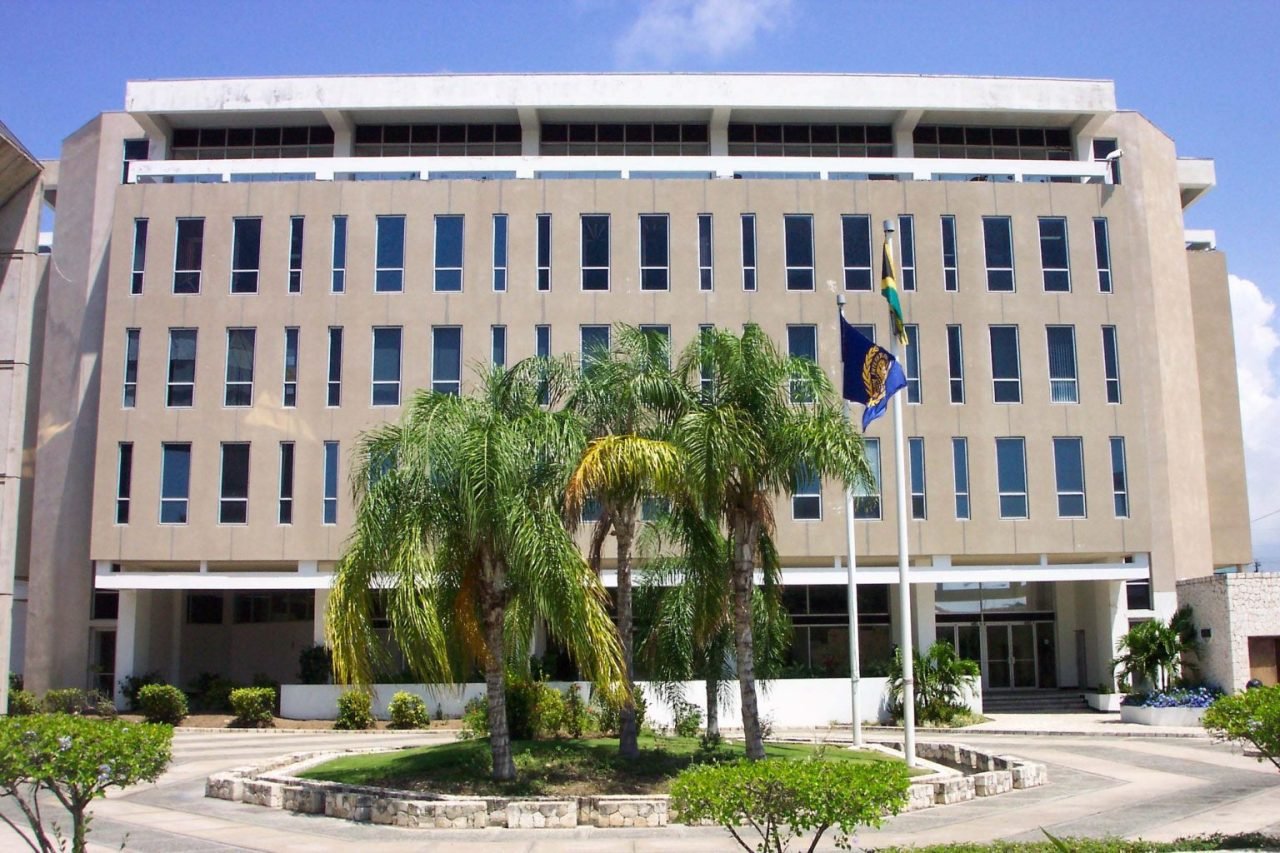
After two weeks of negotiations, international efforts to finalize rules for mining valuable metals from the ocean floor remain unresolved. Discussions continue under growing pressure, particularly in light of recent moves by the United States to fast-track the practice independently.
Delegates of the International Seabed Authority (ISA), which met earlier this year and again this month in Jamaica, have now completed a detailed review of a proposed “mining code” consisting of over 100 regulations. These rules would govern how minerals like cobalt, nickel, and manganese used in electric vehicles and other technologies are extracted from international waters.
“This is a major step forward,” said the president of the ISA council, receiving applause from delegates. However, even after more than a decade of talks, key areas especially those related to environmental protections remain far from agreement. Several countries have pushed back against calls to rush the process, arguing that more time is needed to ensure the rules are safe and fair.
One representative, speaking on behalf of a group of nations calling for a moratorium on deep-sea mining, stressed that no activity should begin until the science is clear. “We can’t move forward without knowing the full environmental impact,” he told the assembly.
The ISA’s secretary-general echoed the need for a cautious and science-based approach, emphasizing that effective ocean governance will depend on sound data, open dialogue, and responsible decision-making.
As the current session continues next week with participation from all 169 member states, discussions have grown more urgent following an unexpected move by the U.S. government earlier this year. The U.S., which is not a party to the ISA or the UN Convention that created it, announced plans to expedite permits for deep-sea mining based on a decades-old domestic law. This sidestep has raised concerns among environmental groups and ISA members, especially since a Canadian mining firm quickly filed the first request to begin mining in international waters under the new U.S. guidance.
Some ISA members have proposed a draft resolution urging the agency’s legal and technical team to examine whether companies are operating in violation of international law. The draft calls for any potential breaches to be reported and appropriate measures recommended.
One Canadian company, through its subsidiary, has held an exploration contract in the Pacific Ocean since 2011, but that agreement expires next year. Originally hoping to secure the first commercial mining license through the ISA, the company has now shifted its application to the U.S. under the new fast-track option.
Tensions have run high during the talks in Kingston. Some delegates expressed frustration over the format of the negotiations, including meetings held behind closed doors. Critics argue that discussions about ocean resources considered the “common heritage of humankind” should be transparent and inclusive.
Environmental advocates have continued to raise alarms about the impact of deep-sea mining, warning that these unexplored ecosystems could face irreversible damage. Meanwhile, some governments and companies argue that the world urgently needs access to these metals to support clean energy goals and reduce reliance on fossil fuels.

