Author: Lifestyle & Wellness Desk

14-1280x853.jpeg

3min31340
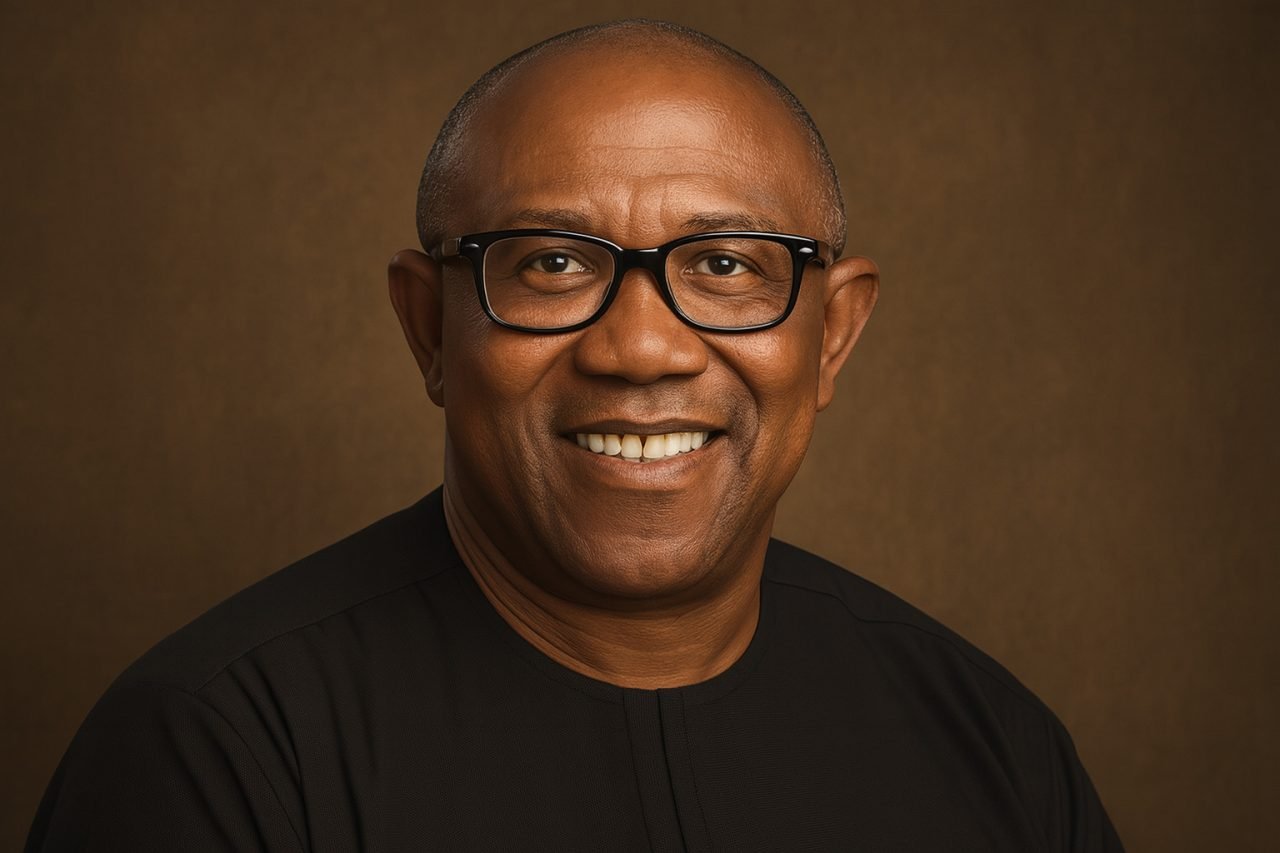
Former Anambra State Governor and Labour Party (LP) 2023 presidential candidate, Peter Obi, has clarified that his decision to align with the opposition coalition under the African Democratic Congress (ADC) does not amount to anti-party activity. Obi, who recently declared his intention to run for president in 2027, made the statement during an interview on Sunday Politics, a Channels Television programme. Background The push for a united opposition ahead of the 2027 general elections has gained momentum, with former Vice President Atiku Abubakar, the 2023 presidential candidate of the Peoples Democratic Party (PDP), championing the idea of a broad coalition to challenge President Bola Tinubu’s re-election. Last Wednesday, the National Opposition Coalition Group announced the adoption of the ADC as its platform for the 2027 elections. Peter Obi, a key figure in the opposition, is part of this coalition. Following his involvement, the Julius Abure-led faction of the Labour Party issued a 48-hour ultimatum asking Obi to resign from the party, accusing him of anti-party behaviour. However, the Nenadi Usman-led faction of the LP declared its support for Obi. Obi’s Position Speaking during the TV interview, Obi explained that the coalition is aimed at building a credible alternative for 2027 and does not conflict with his Labour Party membership. “Today, I am a member of the Labour Party. I remain in the Labour Party,” Obi affirmed. “But we have all agreed to work together as a coalition for the 2027 elections, and for that, we have adopted ADC as the platform. More parties and individuals will still come on board.” He emphasised that the coalition’s goal is to ensure better governance, promote competence, and bring capable leadership to Nigeria. When asked whether his alliance with the ADC amounts to anti-party conduct given his LP membership, Obi dismissed such claims. “No, there is no anti-party,” he said. “The coalition is for 2027. We are not yet in 2027; we are in 2025. It’s very clear.” Drawing an analogy, he added, “If I say I’ll be part of your dinner in the evening, that doesn’t mean I should abandon my breakfast and lunch. So, I have not abandoned the Labour Party.” Obi reiterated his commitment to working with the coalition to offer Nigerians a credible alternative ahead of the next general elections.

13.jpeg

3min15240
The Nigeria Data Protection Commission (NDPC) has imposed a fine of N766,242,500 on MultiChoice Nigeria for violating the Nigeria Data Protection Act (NDPA). This was disclosed on Sunday by the Commission’s Head of Legal, Enforcement and Regulations, Babatunde Bamigboye, in a statement issued in Abuja. According to Bamigboye, the fine followed an investigation launched in the second quarter of 2024 into suspected privacy breaches affecting MultiChoice subscribers and the unlawful transfer of Nigerians’ personal data across borders. “NDPC found that MultiChoice violated the privacy rights of its subscribers and even individuals associated with them who are not necessarily subscribers,” Bamigboye stated. The Commission also revealed that MultiChoice engaged in illegal cross-border transfers of personal data belonging to Nigerian citizens. “The extent of data processing by MultiChoice was found to be intrusive, unfair, unnecessary, and disproportionate — posing a serious threat to the fundamental right to privacy guaranteed under Section 37 of the 1999 Constitution,” he added. Bamigboye further explained that Nigeria has both the right and obligation to protect its citizens and ensure data sovereignty in line with national laws and international standards, given the implications for national security, economic growth, and the rule of law. During the course of the investigation, the NDPC directed MultiChoice to implement remedial measures in line with the NDPA’s standard procedures. However, the Commission found the measures taken by the company to be unsatisfactory. “As a result, MultiChoice has been directed to pay the sum of N766,242,500 for breaching the Nigeria Data Protection Act,” Bamigboye said. The National Commissioner of NDPC, Dr. Vincent Olatunji, also ordered that all platforms and channels through which MultiChoice collects personal data from Nigerian citizens be subjected to further investigations for compliance with the NDPA. Olatunji stressed that any entity found to be processing personal data in violation of the law would face appropriate penalties. The NDPC serves as Nigeria’s regulatory authority on data protection, with a mandate to enforce lawful data processing practices, including ensuring consent, legal obligation, or contractual necessity as the basis for collecting personal information. (NAN)

12.jpeg

1min3430
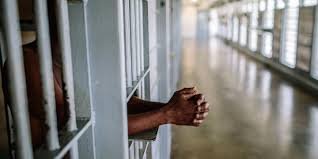
The Kano State Command of the Nigerian Correctional Service (NCoS) has announced that 58 inmates from its custodial centres are currently participating in the 2025 National Examination Council (NECO) Senior School Certificate Examination. This was disclosed in a statement on Sunday by the Command’s Public Relations Officer, Musbahu Kofar-Nasarawa. Kofar-Nasarawa revealed that the inmates’ participation was made possible through the payment of registration fees by the Kano State Government under the leadership of Governor Abba Kabir Yusuf. “The gesture reflects the government’s commitment to the welfare, rehabilitation, reformation, and reintegration of inmates in the state,” he stated. The Command expressed appreciation to Governor Yusuf for the support, noting that the initiative would motivate inmates and offer them a renewed opportunity to pursue education and build a brighter future. “We remain committed to providing a conducive environment for the rehabilitation and reformation of inmates. With the continued support of the Kano State Government, we believe these efforts will yield positive results,” the statement added.

IMG-20250706-WA0005-1280x853.jpg

3min4780
Eight OPEC+ nations have agreed to raise crude oil production by a combined 548,000 barrels per day starting in August, in response to what they describe as steady global economic conditions and healthy market fundamentals. Among the 12 core members of the Organization of the Petroleum Exporting Countries (OPEC), five Saudi Arabia, Algeria, Iraq, Kuwait, and the United Arab Emirates supported the production increase. They are joined by three non-OPEC allies Russia, Kazakhstan, and Oman in implementing the boost. Countries such as Iran, Venezuela, Congo, Equatorial Guinea, Gabon, Libya, and Nigeria did not back the output hike. The planned increase represents roughly 0.5% of global oil production. This follows an earlier production increase in April, when the group added 411,000 barrels per day. The latest decision aligns with OPEC+’s December 5 agreement to gradually and flexibly reintegrate 2.2 million barrels per day into the market beginning April 1. However, the group emphasized that these increases are not guaranteed and may be paused or reversed depending on market developments. “This flexibility allows OPEC+ to continue supporting stability in the oil market,” the group stated. Top Oil Producers Saudi Arabia is expected to produce 9.8 million barrels per day in August, maintaining its status as the group’s largest producer. Russia follows closely with 9.3 million barrels per day. Iraq ranks third with 4.1 million barrels per day. The United States, not a member of OPEC, produced an average of 13.4 million barrels per day in August 2024, according to the U.S. Energy Information Administration. Market Outlook Research firm Global Commodity Insights has projected that global oil supply will exceed demand by 1.25 million barrels per day in the second half of 2024. The additional supply comes as the summer driving season fuels demand for gasoline and energy use spikes due to heat waves in many parts of the world. Upcoming Decisions OPEC+ nations will meet again on August 3 to determine production targets for September. Political Considerations Analysts, cited by The New York Times, suggest that Saudi Arabia has been keen to raise production levels partly to strengthen ties with U.S. President Donald Trump, who has cultivated a close relationship with both Saudi Arabia and the UAE. Price Trends On Friday, August West Texas Intermediate (WTI) crude futures settled at $68.30 per barrel, down 50 cents. Oil prices hit a low of $57.13 on May 13, marking the weakest level since January 2021. Prices peaked at $120.67 in June 2022, with notable fluctuations in between.

IMG-20250706-WA0004.jpg

4min3970
The Joint Admissions and Matriculation Board (JAMB) is set to clear 4,845 individuals, including Jamiu Basola, a graduate of the Federal University of Technology, Akure (FUTA), who has been unable to register for the National Youth Service Corps (NYSC) due to issues with their admission status. Mr. Basola had faced challenges registering for NYSC as his admission was flagged as “fake” by the JAMB portal, despite claims by both the graduate and FUTA that the admission was valid. The university had formally written to JAMB to confirm his admission. Sources familiar with the matter disclosed that JAMB is finalising processes to resolve the cases of Mr. Basola and over 4,000 others with similar complaints. In particular, Mr. Basola and 12 other candidates with related issues will be required to make specific corrections on their JAMB portals to address the discrepancies that triggered the admission challenges. The 13 affected individuals are among the 4,845 candidates whose admissions were regularised by JAMB but later flagged due to omissions discovered during the review process. The list of affected candidates includes two from Bayero University, Kano (BUK), and one each from the University of Ilorin, Ekiti State University, Olabisi Onabanjo University, Ben Idahosa University, Obong University, Yaba College of Technology, Osun State Polytechnic, and Ramat Polytechnic, Maiduguri. The precise nature of the discrepancies affecting these candidates remains unclear. However, in a formal complaint submitted to the JAMB Support Centre on 10 February 2025, Mr. Basola admitted that he did not print his original JAMB result slip a document that could have helped clarify his admission status. “I acknowledge that this oversight may have contributed to the issue at hand,” he wrote, while affirming that he was properly admitted and completed his studies in Civil and Environmental Engineering at FUTA in December 2024. Due to the flag on his admission, his name was excluded from the JAMB matriculation list, making him ineligible for NYSC mobilisation. Despite presenting several documents, including his JAMB admission letter, UTME result, WAEC certificate, and university admission letter, the issue remained unresolved for several months. In a recent update, Mr. Basola expressed doubt that his failure to print the result slip was the root cause of the problem. According to sources, JAMB has received over 17,000 complaints related to admission issues nationwide. Following investigations, the board has so far cleared 6,908 candidates. Another 5,669 were determined to be outright cases of fraud, with some currently under investigation or prosecution. CAPS and Admission Regularisation In 2017, JAMB introduced the Central Admissions Processing System (CAPS) to streamline admission processes for tertiary institutions. Through CAPS, all admissions must be processed and approved by JAMB. Admissions granted outside the CAPS framework are regarded by JAMB as undisclosed or illegal. For the initial three years after its introduction (2017-2020), JAMB, with approval from the former Minister of Education, Adamu Adamu, assisted institutions in regularising such admissions through a waiver. It was during this regularisation exercise that the board flagged 13 candidates, including Mr. Basola, over identified omissions. However, since 2020, all admissions conducted outside of CAPS are deemed illegal and cannot be regularised.

IMG-20250706-WA0008-1280x862.jpg

4min4530
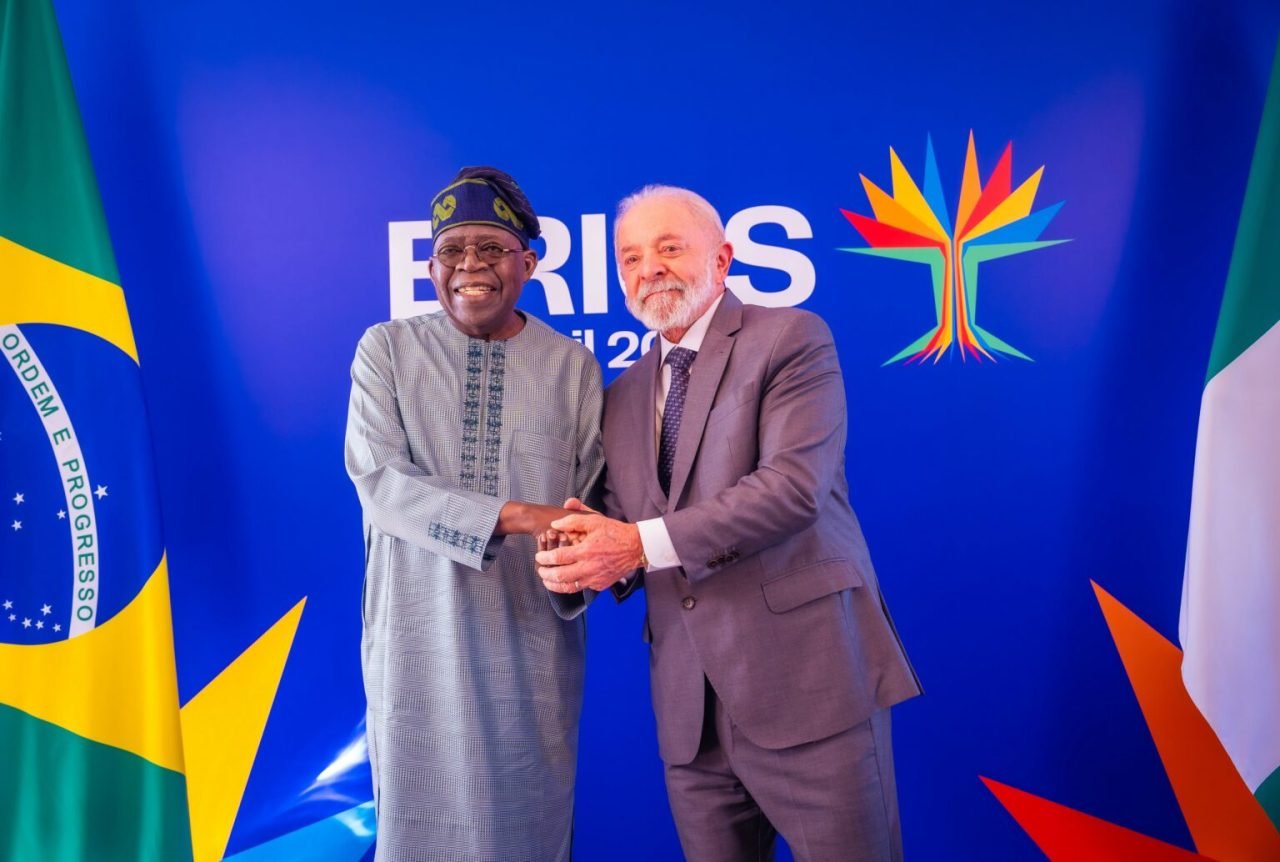
President Bola Tinubu has assured his Brazilian counterpart, Luiz Inácio Lula da Silva, that Nigeria is taking deliberate steps to eliminate obstacles hindering the growth of the country’s agricultural sector, with a particular focus on addressing bureaucracy that slows progress. Speaking during a bilateral meeting with President Lula at the Copacabana Forte, Tinubu emphasised that ongoing reforms are aimed at unlocking Nigeria’s agricultural potential to achieve food security and increase exports, especially in livestock production. The meeting was attended by members of both countries’ delegations. In a statement issued Saturday night, the Special Adviser to the President on Information and Strategy, Bayo Onanuga, explained that Tinubu outlined Nigeria’s economic reforms designed to enhance global competitiveness, particularly in agriculture, where the country already possesses a comparative advantage. Tinubu stated that technical aspects of agreements between Nigeria and Brazil would be simplified and accelerated to foster cooperation in key areas such as trade, aviation, energy transition, agriculture, mining, and natural resource development. The president also commended Brazil’s achievements in research and development, particularly in food production, describing them as a model for other countries. On livestock farming, Tinubu highlighted efforts by his administration to attract investment in poultry, cattle rearing, fisheries, and the blue economy, noting that these sectors offer significant opportunities for long-term collaboration between Nigeria and Brazil. He also emphasised the critical role of subnational governments in supporting food production and animal husbandry initiatives, complementing federal efforts to leverage agriculture as a key source of employment and economic growth. In response, President Lula pledged Brazil’s commitment to updating and finalising existing agreements with Nigeria, noting that outstanding Memoranda of Understanding (MoUs) would be signed during Tinubu’s next visit to Brazil. Lula stressed the importance of removing bureaucratic bottlenecks to facilitate swift implementation of joint initiatives, adding that Brazilian research and development institutions would work with Nigeria to enhance livestock production. Nigeria’s Minister of Agriculture, Senator Abubakar Kyari, noted that President Tinubu has consistently prioritised food security, and this objective will be advanced through both local and international partnerships. He also pointed out that Nigeria holds a competitive advantage in fertiliser production, which can be further developed. The Minister of Livestock Development, Idi Maiha, identified three key areas for collaboration with Brazil: animal health and disease management, sanitary services, and research on genetic materials and new breeds. Governors of Benue, Ogun, Niger, Delta, and Lagos states Hyacinth Alia, Dapo Abiodun, Mohammed Umar Bago, Sheriff Oborevwori, and Babajide Sanwo-Olu, respectively attended the bilateral meeting. Governor Abiodun expressed the readiness of state governments to align with the federal government’s strategy to revitalise the agricultural sector, adding that the inclusion of a business forum during Tinubu’s state visit to Brazil would generate new ideas and resources to drive agricultural transformation. Also present at the meeting were Nigeria’s Minister of Foreign Affairs, Yusuf Tuggar, and the Director General of the National Intelligence Agency, Mohammed Mohammed.

IMG-20250706-WA0007.jpg

2min6110
The Oyo State Police Command has announced the deployment of officers to strategic locations across the state ahead of the annual Founders’ Day celebration of the Neo-Black Movement of Africa, also known as the Aiye Confraternity or Black Axe. The development was disclosed in a statement issued on Sunday by the state Police Public Relations Officer, Adewale Osifeso, in Ibadan. The Founders’ Day, which is marked annually on July 7, is scheduled to take place on Monday, July 7, 2025. According to Osifeso, intelligence reports indicate the possibility of violent clashes involving rival groups during the celebrations, prompting the need for heightened security measures. “Our intelligence-led policing efforts and collaboration with community members have revealed that there are credible threats of large-scale retribution and violence during this event,” he stated. To mitigate the risks, the command has concluded arrangements for the deployment of police personnel across key locations to ensure public safety and rapid response where necessary. Osifeso also noted that the police have held several sensitisation meetings with critical stakeholders, including hotel operators, lounge owners, and managers of short-let apartments, as part of proactive efforts to maintain law and order. He urged these business operators not to allow their premises to be used for gatherings linked to cult groups or individuals known for violent activities. “Our intelligence indicates that the movement could use this occasion to orchestrate actions that may trigger public disorder, including attacks on rival groups,” Osifeso added. The police spokesperson appealed to parents, guardians, community leaders, and other influential individuals to support efforts aimed at preventing violence. “It is important to engage our young people on the dangers of cultism and the serious legal consequences associated with involvement in unlawful or violent gatherings,” he said.

IMG-20250705-WA0003-1280x853.jpg

1min3770
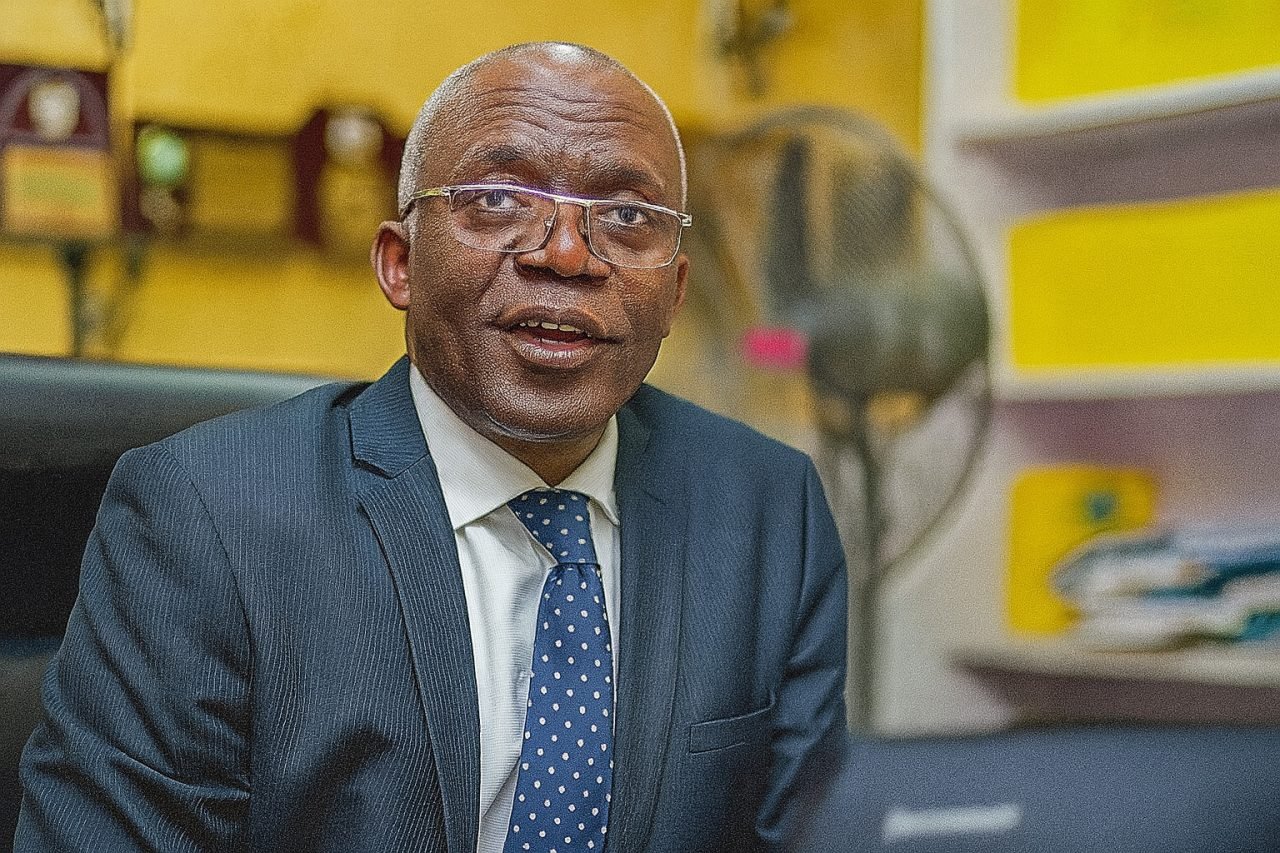
Prominent human rights lawyer, Femi Falana, SAN, has urged African leaders to exercise greater caution when entering into international agreements to avoid compromising the continent’s long-term interests. Speaking at the International Conference on Law and Career, organised by the Law Students Society of Obafemi Awolowo University (OAU), Ile-Ife, Osun State, Falana expressed concern that many global agreements imposed on African countries often undermine the continent’s development. He noted that such agreements frequently reinforce neocolonial structures and called on legal professionals across Africa to rigorously scrutinise the terms of such deals before they are adopted. In his address, Osun State Governor, Ademola Adeleke, represented by his deputy, Kola Adewusi, commended the leadership of the OAU Law Students Society for organising the event. The President of the Society, Kayode Taiwo, explained that the conference was designed to inspire future legal professionals and encourage reforms within Nigeria’s legal system.

IMG-20250705-WA0006-1280x853.jpg

3min4300
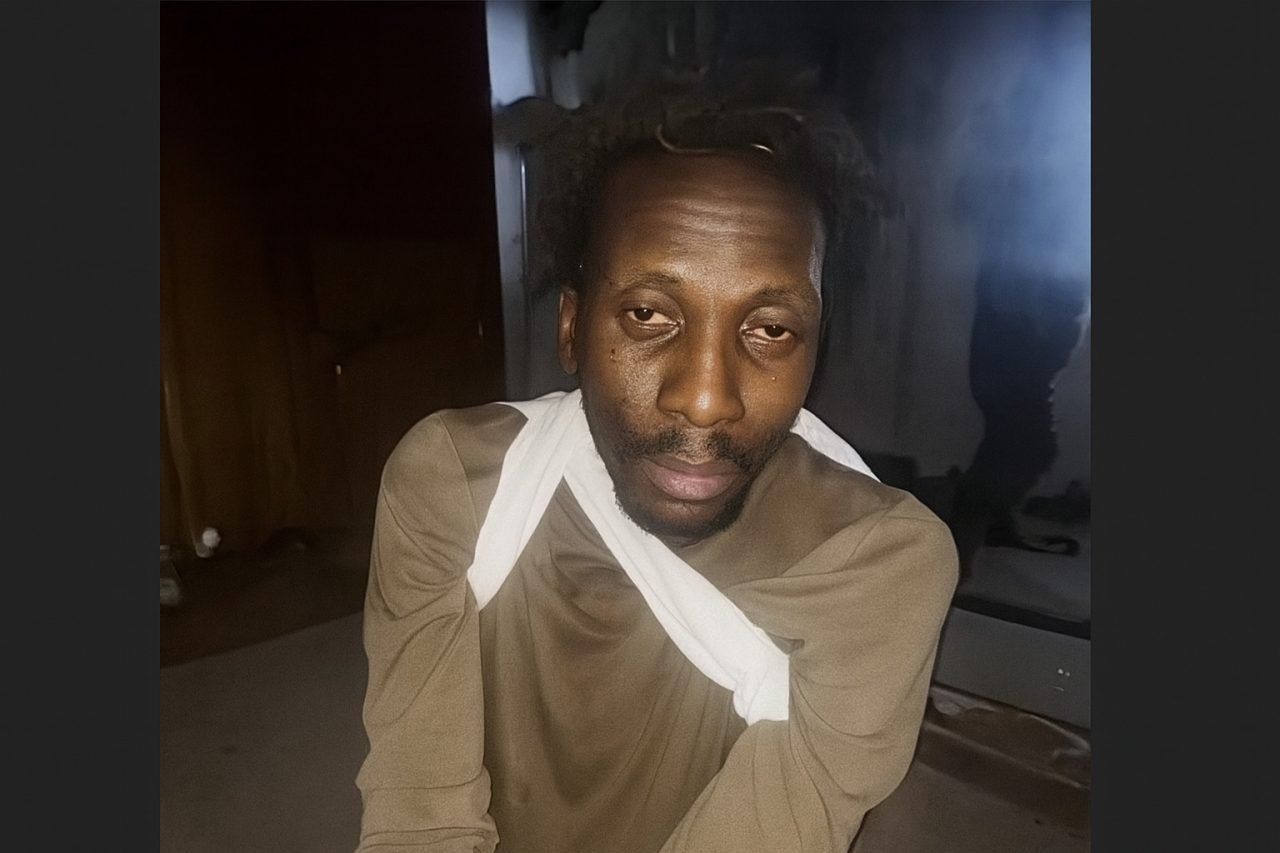
A Nigerian national, Kehinde Oluwagbemileke, has been captured by Ukrainian forces while fighting for the Russian military in the ongoing conflict between Russia and Ukraine. Oluwagbemileke, 29, was apprehended by the Freedom of Russia Legion, a unit made up of Russian fighters who have aligned themselves with Ukraine. His capture occurred in the Zaporizhzhia region, where he had been serving with Russian troops for the past five months. According to information from Ukraine’s “I Want to Live” project, Oluwagbemileke had been living in Russia for four years prior to his arrest on drug-related charges. In exchange for a reduced prison sentence, he agreed to join the Russian military under Article 228 of the Russian Criminal Code. The organisation stated that Oluwagbemileke is among thousands of foreign nationals recruited by the Russian Defence Ministry to fight in Ukraine. “We have already documented nearly 7,000 foreign fighters from 14 countries, but this represents only a portion of the foreigners deployed by the Kremlin,” the group noted. A recent video released by the Freedom of Russia Legion featured an interview with Oluwagbemileke, during which he confirmed his participation in the war. He disclosed that he had accepted military service as a means to shorten his prison sentence. During the recorded interaction, he stated that his family, who reside in Nigeria, were unaware of his involvement in the conflict. He also expressed regret for his decision to join the military, describing his experience as devastating. Oluwagbemileke revealed that he had previously worked as a translator for English-speaking foreigners in Russia, assisting individuals from South America, Africa, and China. He mentioned that among the African group he encountered in Russia were nationals from Nigeria, Ghana, and Cameroon. He was captured with injuries, which are currently being treated by Ukrainian medical personnel. The Freedom of Russia Legion and other Ukrainian forces have reported capturing additional foreign fighters serving with the Russian military, including a 24-year-old Chinese national identified as Wang Wu, who was apprehended earlier in the week. Ukrainian authorities continue to highlight the presence of foreign recruits within Russian ranks, describing them as expendable manpower used to sustain Russia’s military campaign.

IMG-20250705-WA0002-1280x853.jpg

5min4900
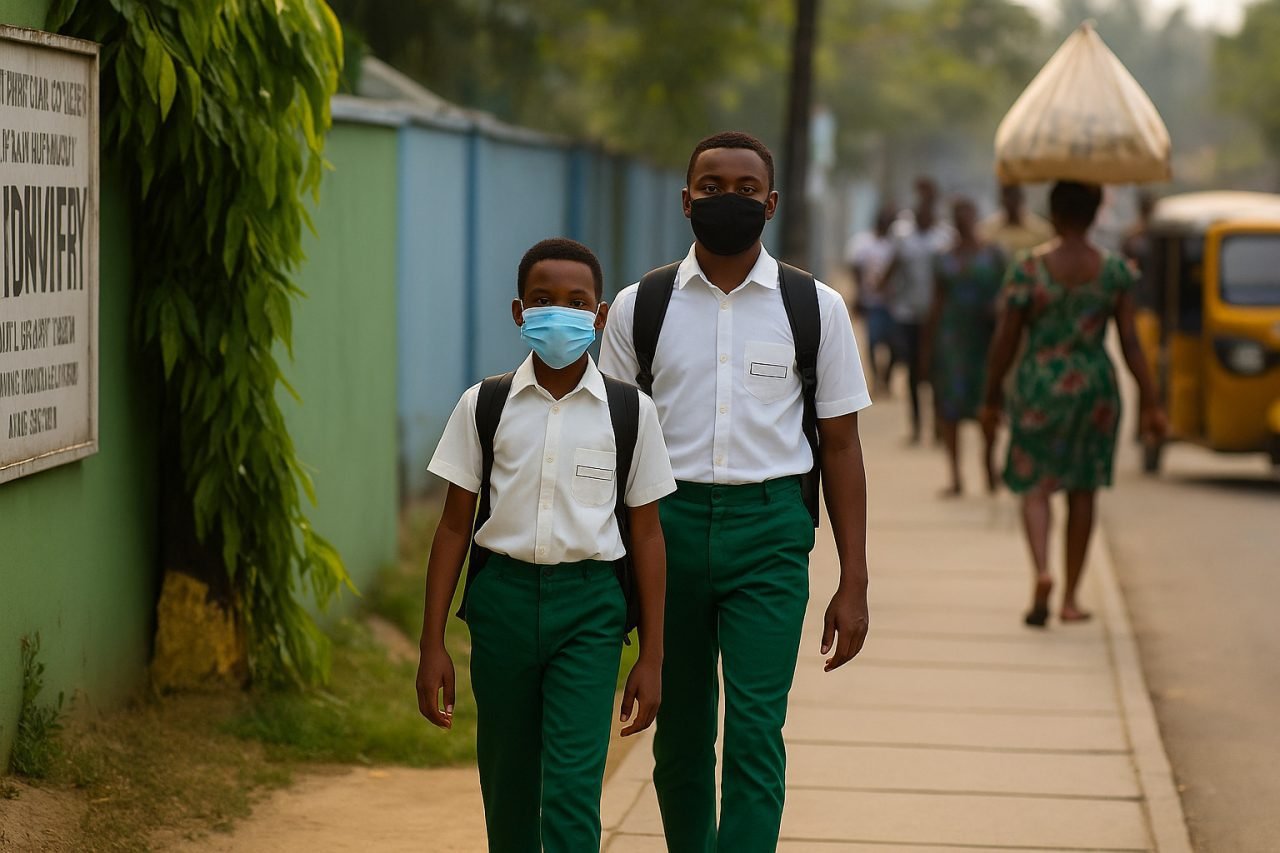
The ongoing strike by primary school teachers in the Federal Capital Territory has entered its fourth month, leaving thousands of pupils out of school and pushing many into street hawking, while teachers struggle to survive without pay. The industrial action, led by the FCT branch of the Nigeria Union of Teachers, marks the fourth strike since late 2023. The union is demanding the full implementation of a tripartite agreement signed on December 11, 2024, which includes a ₦70,000 minimum wage for teachers. Other demands include the payment of 25 to 35 per cent salary arrears, a 40 per cent peculiar allowance, the ₦35,000 wage award recently announced by the Federal Government, and outstanding promotion benefits from previous years. The prolonged strike, which has now stretched into the third academic term, has drawn criticism from parents, civil society groups, and other labour unions, with growing concern over its impact on children’s education and welfare. Pupils Resort to Hawking With no resolution in sight, many pupils have taken to hawking in markets and on the streets across Abuja. Children who should be in classrooms are now seen selling snacks, drinks, and other items in locations such as Jabi and Wuse markets, or loitering without supervision. In some cases, parents have encouraged their children to engage in petty trading as a means of staying occupied during the strike. “My mum takes me to the market to help sell provisions and food items. I miss school and my friends,” said eight-year-old Blessing (surname withheld). “I should be preparing for my common entrance exams, but we’ve been at home since March,” said 11-year-old John, who now sells drinks at a park while his mother works at Utako Market. For others, the absence of structured learning has left them with little to do. “I come here to play football every day,” said 10-year-old Ibrahim, a Primary 4 pupil from a government school in Bwari. Parents Seek Alternatives In response to the ongoing disruption, some parents have transferred their children to private schools, despite the financial burden. “I had to borrow money to enrol my son in a private school,” said Favour Onwudiwe, a resident of Lugbe. “The fees are high, and there are extra charges, but I can’t let him sit at home for months.” Another parent, Mr. Chukwuemeka Ifeanyi from Bwari, shared a similar experience. “During the last strike, which lasted six weeks, I decided to move my children to a private school. It’s more expensive, but at least their education continues.” Meanwhile, some parents have been unable to make such arrangements. An FCTA employee, Mr. Jimoh Dauda, expressed frustration over the situation. “My children have been at home since the strike began. If I could afford to homeschool them, I would, but that also requires money,” he said. Teachers Turn to Private Tutoring With months of unpaid salaries and no clear end to the strike, many teachers are also seeking alternative sources of income. “I’ve started offering private lessons for families,” said Mrs. Sandra Anyebe, a teacher with over 15 years of experience. “It’s not much, but it helps us manage. Some of my colleagues have taken up small businesses or are considering moving abroad.” Peter Afolayan, a representative of the FCT Universal Basic Education Board and the Academic Staff Union of Secondary Schools, reiterated the teachers’ demands. “The minimum wage for other sectors in the FCTA has been implemented. Teachers face the same economic realities and deserve the same consideration,” he stated. Another teacher, Anke James, raised concerns about delays in salary payments and the lack of promotion opportunities since 2023. “Teaching is not a profession where you can easily earn outside your salary. We are simply asking for timely payment and the implementation of our entitlements,” he said. Despite calls for dialogue, the impasse between the teachers and relevant authorities remains unresolved, leaving pupils, parents, and educators in a state of uncertainty.