Author: Zara Lianne

Zara Lianne20 May 2025
meal-1280x744.jpg

3min29460
In a bold move to promote healthy lifestyles among young learners, the Welsh Government has announced new school meal guidelines for primary schools, set to roll out in the 2026–27 academic year. Under the proposed standards, children in Wales will see more fruits and vegetables on their lunch trays, while fried foods and sugary items will be served less frequently. The goal is to encourage better eating habits and tackle the growing issue of childhood obesity. What’s Changing on the Menu: More Fruits and Vegetables: Schools will be required to serve a wider variety of fruits and vegetables every day, aligning with health campaigns that recommend five portions daily. Cutting Back on Fried and Processed Foods: Popular but less healthy options like fried chips, pizza, and macaroni cheese will be limited to once or twice a week. Healthier Carbs: White bread and other refined carbohydrates will be replaced with more nutritious wholegrain options. Controlled Portions: Age-appropriate portion sizes will be introduced for both infants and juniors to help manage calorie intake. Less Sugar and Salt: Meals high in sugar, saturated fats, or salt will be scaled back as part of a broader effort to improve children’s health. These changes are part of Wales’ wider strategy, Healthy Weight: Healthy Wales, which aims to make long-term improvements in children’s wellbeing through better nutrition and lifestyle habits. Local Produce, National Impact The initiative also supports local agriculture through pilot projects like “Welsh Veg in Schools,” which brings organically grown Welsh vegetables into school kitchens. Campaigns such as “Eat Them to Defeat Them” are also being used to make healthy eating fun and appealing for children. Have Your Say The government has opened a public consultation to gather feedback on the new school meal standards. Parents, educators, and health advocates are encouraged to participate and help shape the future of school meals in Wales.

Zara Lianne20 May 2025
4-5-1280x744.jpg

3min6130
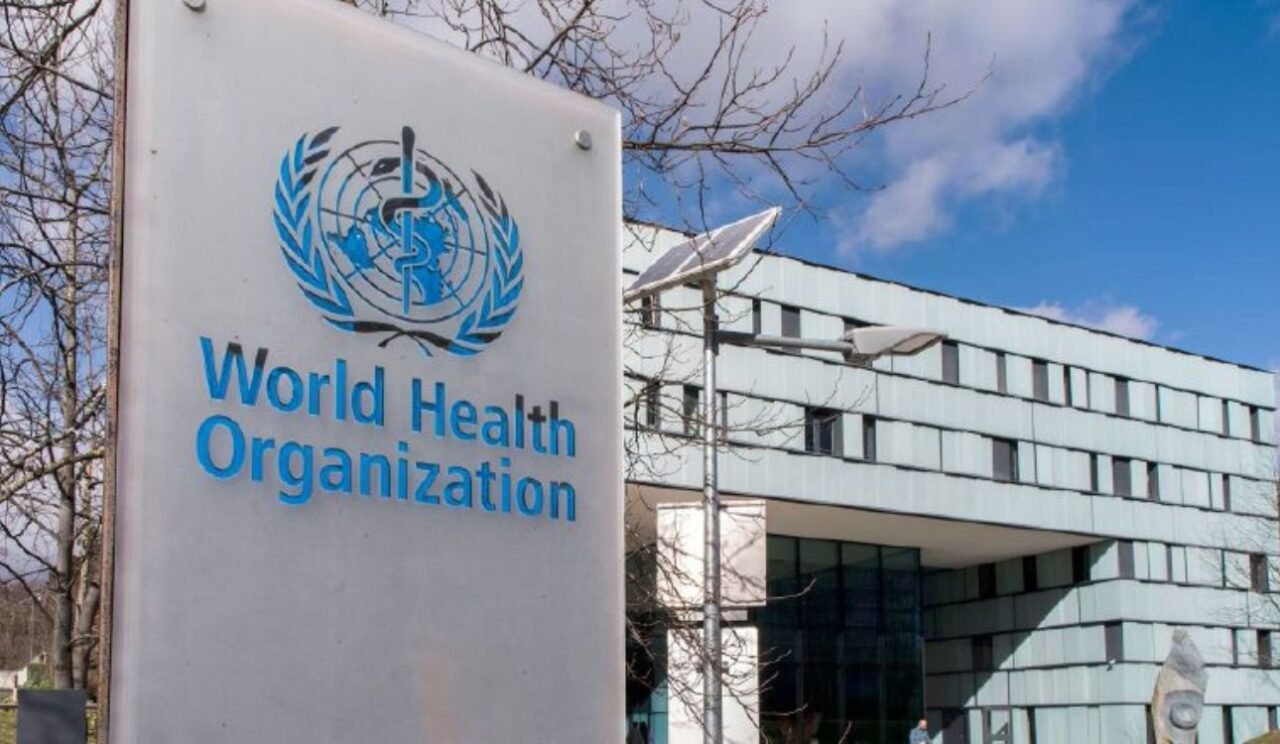
The World Health Organization (WHO) has officially adopted a groundbreaking global Pandemic Agreement aimed at improving how the world prepares for and responds to future health emergencies. The move follows over three years of intense negotiations triggered by the global fallout from the COVID-19 pandemic. Adopted at the 78th World Health Assembly in Geneva on May 20, 2025, the agreement represents a major international commitment to strengthening global health systems, ensuring fairness in access to medical resources, and preventing a repeat of the chaotic COVID-19 response. Key Highlights of the Agreement: Fair Access to Medical Supplies: Countries that share virus samples are now required to provide up to 20% of the resulting vaccines, tests, or treatments to the WHO. This ensures that low-income countries are not left behind during health crises. National Control Maintained: While the agreement encourages global cooperation, it clearly states that the WHO cannot enforce lockdowns, vaccine mandates, or any health measures on individual countries. Each nation retains full control over its health policies. Equity Through Data Sharing: A new “Pathogen Access and Benefit-Sharing System” (PABS) will help ensure that data and discoveries related to viruses are shared fairly—and so are the benefits, such as treatments or vaccines. This part is still being finalized and will be reviewed again by May 2026. Emergency Response Tools: The agreement sets out plans for a global network to coordinate emergency supplies and funding when outbreaks happen, improving speed and efficiency during future health threats. Voting and Participation: The agreement passed with overwhelming support—124 countries voted in favor, with 11 abstaining. Countries like Russia, Iran, and Italy chose not to back it at this stage. Notably, the United States did not take part, having withdrawn from the WHO earlier in 2025. What’s Next? For the agreement to fully take effect, at least 60 countries must ratify it over the next two years. WHO Director-General Dr. Tedros Ghebreyesus hailed it as a “historic” achievement and urged countries to act quickly to turn words into action.

Zara Lianne19 May 2025
website-images-3-1280x744.jpg

7min8670
Teaching is one of the most challenging and rewarding professions, yet it is often accompanied by moments of frustration, disappointment, and perceived failure. Maybe a lesson did not engage your students, a new teaching strategy flopped, or classroom management felt out of control. But what if those failures were not signs of defeat, but crucial steps toward becoming a better teacher? This is the idea behind “failing forward” — turning every setback into a step toward mastery. What Does “Failing Forward” Mean? The phrase “failing forward” was popularized by leadership expert John C. Maxwell, who encourages us to “fail early, fail often, but always fail forward.” In essence, failing forward means viewing failure not as an endpoint but as feedback — a chance to learn, reflect, and improve. In teaching, this mindset is especially powerful because no two classrooms or students are the same. Each lesson that doesn’t go as planned provides valuable clues about how students learn, engage, and respond. Instead of shying away from failure, teachers who fail forward use it to fuel their growth. The Science Behind Failing Forward Growth Mindset in Action Psychologist Carol Dweck’s research on growth mindset shows that people who believe intelligence and abilities can grow through effort are more resilient when facing challenges. When teachers model this mindset — openly acknowledging their struggles and persistence — students are more motivated to take risks and learn from mistakes themselves. Reflective Practice: Learning from Experience Donald Schön, an influential thinker on professional learning, highlighted the importance of reflection-in-action (thinking on your feet during teaching) and reflection-on-action (reviewing your lesson afterward). These reflections help teachers move beyond “just doing” to continuously improving their craft. Real Stories of Failing Forward The Rookie Teacher’s Classroom Chaos A first-year teacher tried a group project but was overwhelmed by noise and off-task behavior. Instead of giving up, she videotaped the session and used quick exit tickets to gather student feedback. She discovered unclear roles caused confusion. The next week, she introduced role cards for each group member, which boosted participation and focus — a clear example of how failure guided effective change. The Veteran’s Tech Tool Setback An experienced teacher experimented with a new polling app, only to have it crash during class. Instead of abandoning the idea, he organized a peer “failure forum” where teachers shared tech mishaps and solutions. Together, they developed backup plans, and subsequent lessons ran smoothly. This collaboration turned one failure into collective success. The Innovator’s Project-Based Learning Flop A seasoned educator tried a cross-subject project-based learning unit, but students produced shallow work. Reflecting carefully, she realized students lacked research skills. By adding mini-lessons on evaluating sources and organizing information, the quality of student projects greatly improved. This shows how iterative reflection refines teaching. Tools to Help You Fail Forward You don’t have to figure this out alone. Here’s a simple toolkit to help turn teaching setbacks into growth opportunities: Reflect with PurposeAsk yourself after each lesson: What went well? What didn’t go as planned? Why? What will I try next time?Keeping a “Lesson Post-mortem” journal can make this reflection easier and more focused. Gather Quick FeedbackUse exit tickets — short, informal questions at the end of class — to find out what students understood or struggled with. This data gives clues on what to adjust. Record and ReviewIf possible, video parts of your lessons. Watching yourself teach can reveal things you missed in the moment. Build Supportive NetworksJoin or start “Failure Forums” with other teachers where sharing challenges is safe and solutions are crowd-sourced. Use an Iterative CyclePlan a lesson, teach it, observe what happens, reflect, revise your approach, then try again. Why It Matters Failing forward is not just about improving teaching skills, it models resilience and lifelong learning for students. When teachers show that setbacks are normal and valuable, students feel safe to take risks, ask questions, and deepen their understanding. Take the Next Step Every failure you encounter in teaching is a stepping stone, not a stumbling block. Embrace these moments as part of your journey to mastery. Start today by reflecting on a recent lesson that didn’t go as planned; what can you learn from it? Try using exit tickets or recording a class next week. Share your experiences with colleagues or join online groups where you can exchange ideas and support.


Zara Lianne19 May 2025
website-images-3-1-1280x744.png

3min4820
Search and rescue efforts have been temporarily halted in Indonesia’s Papua region due to heavy rainfall, following a tragic landslide that struck a small-scale gold mine. The disaster, which occurred in the Arfak Mountains of West Papua province, has so far claimed six lives, with four others injured and 14 still missing. According to local officials, the landslide hit late Friday night, burying several temporary shelters used by miners. Rescue operations have been severely hampered by the remote location and damaged access roads, requiring a 12-hour journey through rugged terrain to reach the site. Dangerous Conditions at Unregulated Mining Sites The affected mine is part of an informal mining setup, a common practice across many mineral-rich regions in Indonesia. These small-scale operations often lack proper safety measures, leaving workers vulnerable to environmental disasters like landslides, especially during the rainy season. Indonesia has seen several similar incidents in recent years. In September 2024, a landslide at an illegal gold mine in West Sumatra led to the deaths of at least 15 people, raising ongoing concerns about mining safety in the country. Hope Amid Challenges Rescue teams say operations will resume once weather conditions improve. Local authorities remain on high alert, and there are fears the death toll could rise as the search continues. The Indonesian government is under renewed pressure to regulate informal mining activities and enforce safety standards to protect the lives of workers in these high-risk environments.

Zara Lianne19 May 2025
website-images-2-2-1280x744.png

3min7580
The United Kingdom’s Legal Aid Agency (LAA) has confirmed that a major cyberattack has compromised a large volume of sensitive data belonging to individuals who applied for legal aid as far back as 2010. According to official reports, the breach involved the unauthorized access and theft of personal data, including names, dates of birth, contact information, National Insurance numbers, financial details, and in some cases, criminal records. The data breach is being described as “significant” and could affect millions of people. Government Responds with Urgent Investigation The LAA, a division of the Ministry of Justice, has taken its affected systems offline and launched an investigation in collaboration with the National Crime Agency and the National Cyber Security Centre. Officials say work is underway to contain the breach and prevent further damage. “We understand the serious impact this may have on those affected,” said a spokesperson from the Ministry of Justice. “We are taking every necessary step to secure our systems and support those whose data may have been accessed.” Rise in Cyber Threats to the Legal Sector This breach comes at a time when cyberattacks against public institutions are on the rise in the UK. The legal sector, in particular, has seen a spike in targeted attacks, with data breaches increasing by 39% in recent years. What You Should Do If you applied for legal aid in England or Wales since 2010, it’s advisable to: Monitor your financial accounts for suspicious activity Change passwords on sensitive accounts Be cautious of scam calls, emails, or phishing messages Contact the Ministry of Justice for updates and support The Ministry has not yet confirmed the exact number of individuals affected but says it will release further details as the investigation progresses.

Zara Lianne19 May 2025
website-images-1-1280x744.png

3min30440
Chinese tech giant Xiaomi is gearing up to officially launch its highly anticipated electric SUV, the Xiaomi YU7, on Thursday, May 22, 2025, during a special event marking the company’s 15th anniversary. The YU7 will be Xiaomi’s first electric SUV, expanding its presence in the electric vehicle (EV) market following the earlier release of the SU7 electric sedan. Industry analysts expect the YU7 to compete directly with popular models like Tesla’s Model Y, especially in China’s fast-growing EV segment. What to Expect from the Xiaomi YU7 Leaked specifications suggest that the YU7 will be available in both single-motor rear-wheel-drive and dual-motor all-wheel-drive versions. The vehicle is expected to deliver power outputs ranging from 235 kW to 508 kW and feature battery options such as a 96.3 kWh LFP pack and a 101.7 kWh NMC pack. These configurations could offer an estimated driving range of 670 km to 835 km, based on China’s CLTC test cycle. In addition to the YU7 SUV, Xiaomi is also expected to unveil several new tech products, including the Xring O1 mobile chip and the Xiaomi 15S Pro smartphone, further showcasing the company’s multi-industry innovation. Launch Amid Challenges The launch comes amid challenges for Xiaomi’s EV division, including a recent decline in SU7 orders following a fatal accident and increased regulatory scrutiny over its autonomous driving technology. Despite these setbacks, Xiaomi is doubling down on its automotive ambitions, with plans to invest at least $6.9 billion in chip design over the next 10 years. A Bold Step into the Future The unveiling of the YU7 marks a bold step forward in Xiaomi’s journey from consumer electronics leader to major automotive player. As competition in the EV market intensifies, all eyes will be on how Xiaomi’s first SUV performs against established brands. Stay tuned for more updates following the official launch on May 22. photo credit: Xiaomi YU7 Electric

Zara Lianne19 May 2025
eksu-1280x744.jpg

3min7140
Ekiti State University (EKSU), Ado-Ekiti, has recorded a major academic breakthrough with the full accreditation of 18 of its academic programmes by the National Universities Commission (NUC). This development follows the NUC’s October/November 2024 accreditation exercise. The newly accredited programmes cut across several faculties, including Engineering, Sciences, Social Sciences, Arts, Education, and Management Sciences. Some of the programmes include: Engineering: Civil Engineering, Computer Engineering, Electrical and Electronic Engineering Sciences: Geology Social Sciences: Psychology Arts: Arabic Studies, Islamic Studies, Philosophy Education: Christian Religious Studies Education, Building and Woodwork Technology Education, Metal and Auto Mechanic Technology Education, Electrical and Electronic Technology Education Management: Finance, Master of Public Administration, Master of Business Administration These programmes now hold full accreditation status valid for five years, after which they will be reassessed by the NUC. Speaking on the achievement, EKSU Vice Chancellor, Professor Joseph Babatola Ayodele, described the accreditation as a testament to the university’s relentless drive for academic excellence. He praised the efforts of staff, students, and stakeholders in raising the university’s standards and reaffirmed EKSU’s commitment to quality education. Professor Ayodele also credited the success to the support from the Ekiti State Governor, Mr. Biodun Oyebanji, who is also an alumnus of the university, as well as the institution’s Chancellor, Dr. Tunji Olowolafe, and Pro-Chancellor, Professor Akin Oyebode. This accreditation milestone comes on the heels of EKSU’s recognition as the best state university in Nigeria in the latest Times Higher Education 2025 rankings, positioning the institution as a leader in quality higher education.

Zara Lianne18 May 2025
website-images-6-1280x744.png

2min7990
The U.S. Food and Drug Administration (FDA) has recently granted conditional approval for the Novavax COVID-19 vaccine, after it was previously delayed. This time the FDA id allowing its use in individuals at high risk of developing severe COVID-19 complications. This decision expands the available vaccination options, particularly benefiting those who may have concerns or contraindications with existing mRNA vaccines. Novavax’s vaccine employs a traditional protein subunit technology, which differs from the mRNA-based vaccines produced by Pfizer-BioNTech and Moderna. The vaccine contains purified spike protein particles combined with an adjuvant to boost the immune response, providing robust protection against COVID-19. The FDA’s conditional approval follows extensive clinical trials demonstrating the vaccine’s safety and effectiveness, especially in older adults and those with underlying health conditions that increase vulnerability to the virus. This approval also comes amid ongoing efforts to tailor vaccination programs to evolving variants and public health needs. Health experts emphasize that offering multiple vaccine options is critical to increasing vaccination coverage and protecting communities, especially those most at risk. The Novavax vaccine now provides a valuable alternative for individuals seeking a non-mRNA vaccine option to protect themselves against COVID-19.

Zara Lianne18 May 2025
4-5-1280x744.jpg

4min28430
This week, officials, donors, and diplomats from around the world are gathering in Geneva for the annual World Health Assembly, but the mood is tense. The World Health Organization (WHO) is confronting a major financial crisis following the planned exit of its biggest funder, the United States. A $600 Million Gap as US Backs Out The U.S. government, under the Trump administration, began a formal process to withdraw from the WHO in January 2025, a move set to take full effect by early 2026. The exit would leave a massive $600 million hole in the WHO’s budget and could reduce overall funding by 21% over the next two years. With this looming deficit, the WHO is being forced to review its operations, possibly cutting back on certain programs and staffing levels, especially in wealthier countries. Rising Concerns Over Ongoing Health Emergencies The funding shortfall comes at a critical time. The WHO is currently responding to multiple public health emergencies, including rising cases of mpox (formerly known as monkeypox) and deadly cholera outbreaks. Mpox Crisis: In Central Africa, a dangerous strain of mpox has been spreading rapidly, with over 29,000 suspected cases and more than 800 reported deaths in 2024 alone. The Democratic Republic of Congo is among the worst affected, and WHO officials warn that limited resources could hinder containment efforts. Cholera Resurgence: Cholera cases have more than doubled in recent years, with over 700,000 reported globally in 2023. Many outbreaks are fueled by poor access to clean water, sanitation issues, and climate-related disasters. China Set to Fill the Gap? With the U.S. stepping back, China is expected to become the WHO’s largest contributor. Under a revised funding model, China’s share of the organization’s core budget could rise to 20%, signalling a shift in global health influence. However, some experts warn that over-reliance on a few nations could affect WHO’s neutrality and effectiveness. Searching for New Funding Models In response to the crisis, the WHO is urging other member countries and private partners to step up their contributions. The organization says it remains committed to leading the global fight against infectious diseases, ensuring vaccine access, and supporting health systems — but warns that consistent, reliable funding is essential. What’s at Stake? The decisions made in Geneva this week could determine the WHO’s ability to manage current outbreaks and prepare for future global health threats. The world is watching, and so are the communities most vulnerable to disease and disaster.

Zara Lianne18 May 2025
website-images-1-1-1280x744.jpg

4min11260
The United Kingdom is expected to host a major summit on Monday aimed at resetting its relationship with the European Union, with a focus on closer collaboration in defence, security, and key areas like trade and mobility. British Prime Minister Keir Starmer will welcome EU leaders in London to explore opportunities for rebuilding trust and establishing new agreements nearly a decade after Brexit. A New Era of UK-EU Cooperation At the heart of the proposed reset is a plan to establish a structured defence and security partnership. This could see the UK participating in EU-led military and security missions, as well as contributing to joint funding initiatives, including the €150 billion European security action fund. The goal is to bolster collective resilience in the face of rising global threats, including Russian aggression and growing pressure on NATO forces. Other Areas of Negotiation The talks will also cover several critical areas: Trade and Environment: Both sides may agree to merge carbon emissions trading systems, which could lead to lower energy bills and streamlined regulation for industries. There’s also hope for an agreement on food safety and border checks, potentially easing trade friction. Youth Mobility Scheme: The UK is proposing a youth exchange plan for individuals aged 18–30, allowing them to work and study across both regions. This would revive cross-border opportunities that many young people lost post-Brexit. Travel and Immigration: Simplified passport checks and smoother travel processes for British and EU citizens are on the table, aimed at reducing long wait times at border crossings. Fisheries and Market Access: Discussions will also touch on fishing rights, with the UK possibly offering the EU greater access to its waters in exchange for more cooperation in other sectors. Not a Brexit Reversal While the talks mark the strongest move yet toward repairing ties since the UK left the EU, officials have emphasized that this is not a step toward rejoining the bloc. Instead, it’s a pragmatic approach to improve cooperation on shared interests while respecting the political realities of Brexit. The summit is expected to produce a roadmap for future agreements, with both sides expressing cautious optimism about turning a new page in UK-EU relations.