Author: Zara Lianne

Zara Lianne18 May 2025
website-images-2-1280x744.jpg

5min9230
In a significant move affecting global manufacturing and trade, China has introduced anti-dumping duties of up to 74.9% on a specific type of plastic known as polyoxymethylene (POM) copolymers, imported from the United States, the European Union, Japan, and Taiwan. The announcement was made on Sunday, May 18, 2025, by China’s Ministry of Commerce, following the conclusion of an anti-dumping investigation that began in May 2024. The investigation found that foreign exporters were selling POM copolymers in the Chinese market at unfairly low prices, undercutting local manufacturers and causing substantial economic harm to domestic producers. What Are POM Copolymers? POM copolymers are a category of engineering plastics known for their strength, stiffness, and resistance to wear and chemicals. These materials are widely used across several industries—particularly in automotive components, electronics, precision machinery, and medical devices—often serving as lightweight and durable alternatives to metals like copper and zinc. Breakdown of the New Duties The anti-dumping tariffs vary based on the country and specific companies involved: United States: A blanket duty of 74.9% has been imposed on all relevant imports. European Union: Subject to a uniform duty rate of 34.5%. Japan: Most Japanese suppliers face a 35.5% duty, except Asahi Kasei Corporation, which received a reduced rate of 24.5% due to lower dumping margins. Taiwan: General imports are hit with a 32.6% duty. However, Formosa Plastics Corporation and Polyplastics Taiwan Co. secured lower rates of 4.0% and 3.8%, respectively, owing to their cooperation and pricing practices. Context and Global Implications This development comes against the backdrop of escalating trade frictions between China and some of its major trading partners, especially the United States, which recently raised tariffs on Chinese exports such as electric vehicles and semiconductors. Although both countries have made gestures toward de-escalation—including a temporary truce on some tariff increases—this move by Beijing signals that tensions remain high. Industry analysts warn that the new tariffs could disrupt supply chains and increase production costs for manufacturers globally, particularly those in sectors that depend on POM copolymers for high-performance components. What This Means for Global Trade China’s decision reflects a growing trend of strategic economic defense as nations seek to protect domestic industries from foreign price undercutting. For exporters in the U.S., EU, Japan, and Taiwan, this may require a reassessment of pricing strategies or even a shift in market focus. As the global trade landscape becomes increasingly complex, such protectionist measures are likely to shape the flow of raw materials and components across industries in the years to come.

Zara Lianne18 May 2025
3-8-1280x744.jpg

3min6770
Guyana’s Parliament has passed a landmark bill that will make oil companies and vessels fully liable for damages caused by oil spills, marking a major shift in the country’s approach to environmental protection. The new law, officially titled the Oil Pollution Prevention, Preparedness, Response and Responsibility Bill 2025, was approved on Friday, May 16, by a majority voice vote. President Irfaan Ali is expected to sign it into law soon. Under the bill, oil companies operating in Guyana—including those involved in offshore drilling—will be held strictly responsible for any pollution caused by their activities. This includes environmental damage, property loss, income disruption, and harm to marine life. Importantly, the bill also extends liability to vessels involved in transporting oil. To strengthen enforcement, companies will be required to show proof of financial capability to cover potential spill-related costs. Without this assurance, they risk losing their operating licenses. Oversight will be managed by the Civil Defence Commission (CDC), which will now serve as the national authority for oil spill preparedness and response. The bill also calls for the creation of a National Oil Spill Committee and mandates regular drills, a response framework, and a public National Oil Spill Contingency Plan. While government officials have praised the legislation as a proactive move to safeguard Guyana’s environment and economy, some opposition members have raised concerns. They argue the law may not go far enough in ensuring that parent companies of oil subsidiaries are also held liable for spills. Guyana, which has one of the world’s fastest-growing offshore oil industries, is expected to produce over 900,000 barrels of oil per day this year. The new law signals the country’s growing focus on responsible resource management as its energy sector expands.

Zara Lianne16 May 2025
3-1280x744.jpg

2min5050
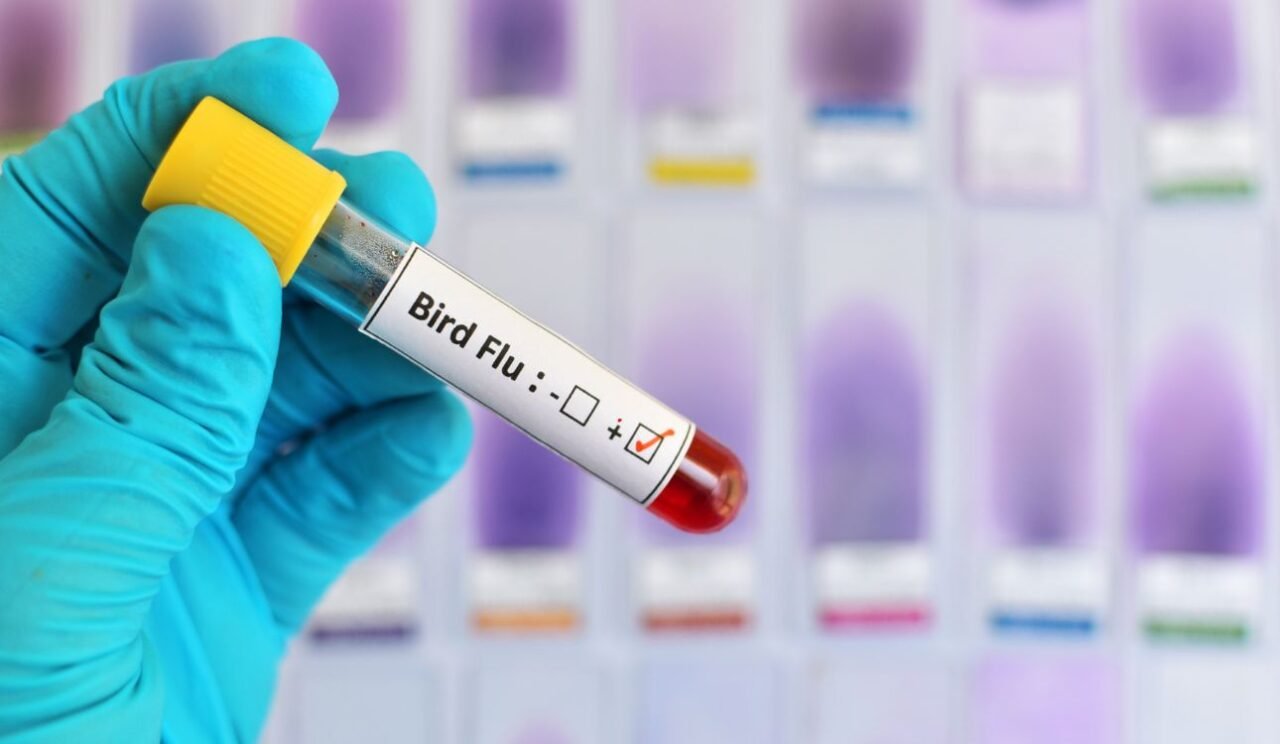
Brazil, the world’s top poultry exporter, has confirmed its first-ever case of bird flu (H5N1) on a commercial farm. The outbreak was detected in the city of Montenegro, in the southern state of Rio Grande do Sul, and marks a shift from previous cases, which had only affected wild birds and backyard flocks. The Brazilian Ministry of Agriculture acted swiftly, notifying the World Organization for Animal Health (WOAH) and key trading partners. Authorities have launched containment and surveillance measures in the area to prevent further spread. Officials have emphasized that poultry meat and eggs from Brazil remain safe for consumption. The risk to humans, they say, is minimal and mainly concerns people who come into direct contact with infected birds. Brazil plays a vital role in global poultry supply, accounting for over a third of the world’s chicken meat exports. The industry, worth around $10 billion in 2024, supplies more than 150 countries, with major producers including BRF SA and JBS SA. While there are concerns that the outbreak could lead to export restrictions from some countries, Brazil’s Ministry of Agriculture has reassured global partners of its strict biosecurity standards. Veterinary services in the country have been trained and prepared for such scenarios since the early 2000s. This incident serves as a reminder of the importance of ongoing surveillance, disease preparedness, and robust safety protocols to protect public health and maintain confidence in Brazil’s poultry sector.

Zara Lianne16 May 2025
nissan-1280x744.jpg

2min6260
As part of its global business overhaul, Japanese carmaker Nissan has announced it is open to sharing its production facilities with Chinese state-owned partner Dongfeng Motor. The move is aimed at improving efficiency and competitiveness amid major shifts in the global auto industry. One key site under consideration is Nissan’s plant in Sunderland, UK. Though the facility is not facing closure, it is currently operating far below its capacity. Nissan’s Chief Planning Officer, Ivan Espinosa, revealed that partnering with Dongfeng to co-produce vehicles at Sunderland could help boost output and secure local jobs—so long as the plant remains competitive and receives necessary support from the UK government. This collaboration is part of Nissan’s broader effort to restructure operations worldwide, especially as the company scales back production in underperforming locations. Nissan has already announced plans to stop vehicle production at its Wuhan plant in China by 2026, following poor performance there. Despite this, the Nissan-Dongfeng alliance remains strong. The partners are investing in new strategies to remain competitive in the fast-growing electric vehicle (EV) market. They plan to launch ten new electrified models by 2026 and begin exporting 100,000 vehicles annually starting in 2025. Additionally, Dongfeng Nissan is accelerating its shift to electric vehicles, aiming to release four new EV models in 2025. The company is also collaborating with Chinese tech giants like Huawei and Baidu to introduce smart driving technologies in future models. Nissan’s willingness to share factories with Dongfeng signals a more flexible, innovation-driven approach as it navigates the rapidly evolving automotive landscape.

Zara Lianne16 May 2025
polio-1280x744.png

2min7090
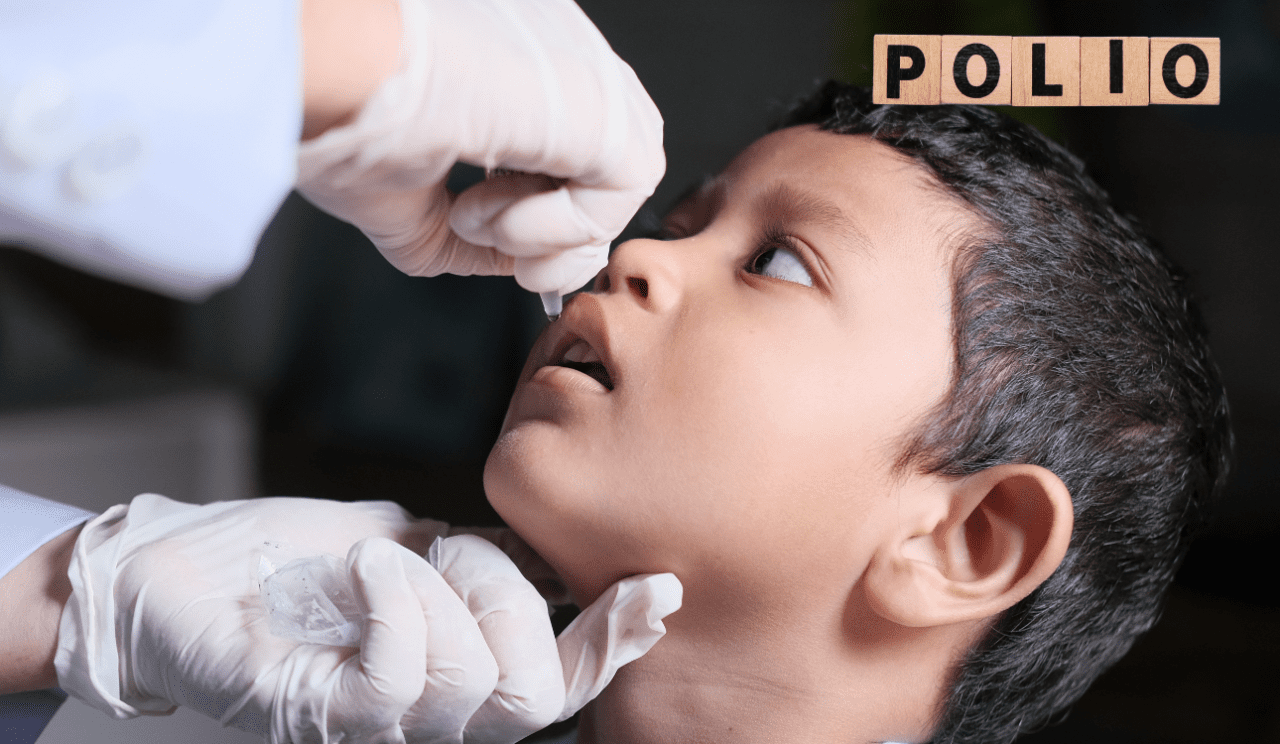
The World Health Organization (WHO) has confirmed a new outbreak of polio in Papua New Guinea, sparking global concern and prompting an urgent call for mass vaccination. Two children in the city of Lae recently tested positive for type 2 poliovirus, despite showing no symptoms. Further testing revealed traces of the virus in wastewater samples from both Lae and the capital city, Port Moresby—signs that the virus is actively spreading in communities. This is the first confirmed polio outbreak in the country since 2018. Alarmingly, national immunization rates are low, with some regions reporting coverage as poor as 8%. Experts have linked the current virus strain to one found in Indonesia, raising fears of international spread. WHO’s representative in PNG, Dr. Sevil Huseynova, warned, “Polio anywhere is a threat everywhere,” emphasizing the global implications. In response, the government of Papua New Guinea, in partnership with WHO, UNICEF, and international donors, has launched a nationwide emergency vaccination campaign. The initiative aims to vaccinate around 3.5 million children under the age of 10. Health officials are working closely with local communities to raise awareness and counter misinformation about the vaccine. UNICEF is supporting logistics, including vaccine supply and delivery. Papua New Guinea’s Health Minister, Elias Kapavore, has committed to reaching full immunization coverage by year’s end. “Polio is a serious disease,” he said. “We must act fast and protect our children.

Zara Lianne16 May 2025
jamb-1280x744.jpg

6min31860
In what should have been a turning point for Nigeria’s educational technology system, the 2025 Unified Tertiary Matriculation Examination (UTME) has instead become a cautionary tale. Over 78% of students who sat for this year’s JAMB exam scored below 200, and more than 379,000 candidates were asked to retake the exam due to errors linked to the computer-based testing (CBT) system. For a generation that was promised digital transformation in education, this was a devastating blow. The Joint Admissions and Matriculation Board (JAMB) has acknowledged technical and human errors across 157 CBT centers. Some students couldn’t log in; others watched helplessly as the systems shut down mid-exam. For an exam that largely determines access to higher education, these failures are not just technological, they are deeply personal, affecting the hopes, emotions, and future of hundreds of thousands of young Nigerians. Technology: A Tool or a Trap? When JAMB moved fully to CBT in 2015, it was celebrated as a bold leap toward modernizing education. Computer-based testing was supposed to reduce cheating, standardize assessments, and speed up result processing. But what we’ve seen is that technology, when poorly deployed, doesn’t just fail — it punishes. Most of the affected students did everything right. They studied hard. They showed up early. They trusted the system. Yet they are now being told to retake exams they had already mentally moved past, not because of incompetence, but because of infrastructure failures and poor oversight. The CBT model was not the problem. The problem was the lack of readiness and accountability among the tech providers and centers contracted to carry it out. Systems crashed. Power fluctuated. Logins failed. And yet, students were the ones who bore the consequences. The Digital Divide is Still Real One of the most disturbing revelations from this crisis is how deeply unequal access to EdTech remains. In urban areas, students may have computers and internet to practice CBT simulations. But in rural and underserved areas, many students took their first-ever computer-based exam at the JAMB center. Imagine walking into an exam that could determine your future and not knowing how to use a mouse. JAMB currently does not provide any standardized or approved CBT practice platform for students. This leaves thousands at the mercy of third-party apps, most of which are either paid, unreliable, or misaligned with the real test structure. How can we push for a tech-driven exam without providing tech-driven preparation? A Wake-Up Call for EdTech in Nigeria This year’s UTME result isn’t just a setback for students, it’s a wake-up call for Nigeria’s education system. Technology is only as good as the planning, investment, and policy behind it. And right now, that foundation is shaky. It’s time for EdTech stakeholders, JAMB, and the Ministry of Education to: Audit and certify all CBT centers, ensuring only credible ones are allowed to operate. Provide a free, JAMB-approved CBT simulation platform that works on low-end devices and offline. Train students and teachers, especially in public schools, on basic digital literacy well before exam season. Establish a grievance redress system that gives students a real voice when things go wrong. Moving Forward Nigeria’s young people deserve better. They deserve an education system that doesn’t just demand excellence, but supports it. Technology has the power to transform access, inclusion, and efficiency but only if it is backed by serious investment in infrastructure, policy, and human capacity. If we continue to deploy digital solutions without digital readiness, we will keep seeing heartbreaks like this year’s UTME. And for a country with as much potential as Nigeria, that’s not just a failure of systems, it’s a failure of leadership.

Zara Lianne15 May 2025
harvard-1-1280x744.png

1min6580
Harvard University has pledged $250 million from its own resources to sustain vital research efforts after the U.S. federal government, under the Trump administration, froze nearly $3 billion in research grants and contracts. The freeze, which has disrupted funding across multiple academic institutions, has hit Harvard’s research community particularly hard, especially projects in the medical and scientific fields. In a swift response, the university announced internal support measures to cushion the impact and keep essential research programs running. To manage the financial strain, Harvard is also implementing a hiring freeze and announced a voluntary 25% salary cut by interim President Alan Garber. In addition, the university is taking legal action, challenging the federal government’s decision and arguing that the funding freeze threatens academic freedom and scientific progress. The $250 million lifeline aims to ensure continuity for critical research, maintain staff, and secure ongoing studies while the institution explores alternative funding and awaits the outcome of its legal challenge.

Zara Lianne15 May 2025
oill-1280x744.png

1min6490
UK convenience food giant Greencore Group has announced a major move to acquire Bakkavor Group, a leading supplier of fresh prepared foods, in a deal valued at £1.2 billion (approximately $1.59 billion). Under the terms of the proposed acquisition, Bakkavor shareholders will receive 85 pence in cash and 0.604 new Greencore shares for each Bakkavor share, an offer that values Bakkavor at 200 pence per share and represents a significant premium over its recent market value. If approved, the merger will create one of the largest fresh food companies in the UK, with combined annual revenues nearing £4 billion and a workforce of over 30,000 people. Greencore expects to achieve at least £80 million in annual cost savings within three years of completing the deal. The transaction is still subject to regulatory approval and a vote by shareholders from both companies. The acquisition comes as Bakkavor continues its efforts to streamline operations across the UK, U.S., and China, amid rising costs and evolving consumer demands.

Zara Lianne15 May 2025
1-1-1280x744.jpg

2min7240
The European Union has formally accused TikTok of violating key provisions of the Digital Services Act (DSA), marking a significant move in the bloc’s push to regulate major tech platforms. On Thursday, the European Commission announced that TikTok failed to meet transparency requirements under the DSA, specifically for not providing a fully functional advertisement repository. This repository is meant to allow users and researchers to access detailed information about ads on the platform, including who is behind them and how they are being targeted. The Commission’s findings suggest that TikTok’s shortcomings could make it easier for misleading or harmful content (such as scams and disinformation campaigns) to spread unchecked, particularly during sensitive periods like elections. If found guilty, TikTok could face fines of up to 6% of its global annual revenue. The platform, owned by Chinese tech company ByteDance, has yet to respond to the charges publicly. This case is one of the first major enforcement actions under the DSA, a law designed to ensure safer and more transparent digital spaces within the EU. It signals the Commission’s growing determination to hold tech giants accountable for the content and advertising they host.

Zara Lianne15 May 2025
website-images-1-1280x744.jpg

2min11770
The academic community in Taraba State has been thrown into mourning following the death of a lecturer at the Taraba State College of Health Technology, Takum. The deceased, identified as Samson Philip, was found lifeless in his home on Tuesday morning in Bete, located in the Takum Local Government Area. According to reports, the circumstances surrounding his death point to a suspected suicide. His body was discovered with a rope around his neck, alongside a bottle containing an unknown substance, raising concerns that he may have ingested poison before taking his life. The police have launched an investigation into the incident to determine the exact cause of death and the events that led to the tragedy. Philip was laid to rest later that same day in Bete. His passing has sparked conversations about the growing mental health crisis and the need for more robust support systems, particularly within academic environments. A local pharmacist, Henry Kasimu, who was present at the burial, expressed deep concern about the societal stigma surrounding mental health, noting that many people suffer in silence due to a lack of understanding and support. This unfortunate event serves as a sobering reminder of the importance of mental health awareness and the urgent need to provide accessible help for those in emotional distress.