Author: Zara Lianne

Zara Lianne15 May 2025
mind-1280x744.jpg

7min8180
In today’s fast-paced world, students and teachers are juggling stress, distractions, and pressure to perform. One powerful tool gaining ground in classrooms around the world is mindfulness: the practice of paying attention to the present moment without judgment. But how does something as simple as breathing and noticing thoughts actually help in schools? What Is Mindfulness? Mindfulness means focusing on what’s happening right now (your thoughts, body, breath, and surroundings) without reacting or overthinking. It’s being fully present. It is not about zoning out or thinking positively. It is about noticing what’s going on inside and around you, calmly and clearly. Why It Matters for Students Research shows that when students practice mindfulness, even for just a few minutes a day, it can lead to real, measurable benefits: Less Stress and Anxiety: Breathing exercises and meditation help calm the nervous system. Studies have found mindfulness can reduce anxiety and even symptoms of depression in children and teens. Better Focus: Mindfulness trains the brain to concentrate. One study found that just a few minutes of daily breathing exercises helped students perform better in math. Improved Behavior: Practicing mindfulness boosts self-control and emotional regulation. Students are more likely to pause before reacting, solve problems peacefully, and get along better with peers. Academic Gains: Indirectly, these improvements help students stay on task, learn more effectively, and do better in school. Teachers Benefit Too Teaching is one of the most stressful jobs. But when educators practice mindfulness, the benefits are huge: 🌿 Lower Stress and Burnout: Teachers who take mindfulness training report feeling calmer, more energized, and less emotionally drained. 🌿 Stronger Classroom Presence: Mindful teachers are more patient, focused, and responsive. Their classrooms tend to be more positive and productive. 🌿 Better Relationships: Mindfulness helps teachers connect with students, build empathy, and respond thoughtfully to challenges. Easy Mindfulness Practices for the Classroom You do not need incense or hour-long meditations. Just a few minutes a day makes a difference. Here are quick practices teachers and students can try: Breathing Breaks: 2–5 minutes of slow, deep breaths. Focus on the rise and fall of the belly. Body Scan: Gently bring awareness to different parts of the body, noticing sensations. Mindful Listening: Listen silently to a sound (like a bell) until it fades completely. Guided Visualization: Imagine a calm, peaceful place. Picture every detail. Mindful Movement: Slow stretches or yoga-inspired poses that combine breath and movement. These can be done at the start of the day, between lessons, or whenever stress levels rise. Real Results A growing number of studies support the use of mindfulness in schools: Students show improved attention, self-regulation, and academic performance. Teachers report less stress and better classroom management. Programs like MindUP and Inner Explorer have been adopted in thousands of schools globally. Still, success depends on how it is introduced. Quick fixes don’t work. For the best results, schools should train teachers, integrate practices into daily routines, and make mindfulness part of the school culture. A Word of Caution Mindfulness isn’t magic. Some studies (like the UK’s MYRIAD trial) found limited results when mindfulness was taught poorly or practiced inconsistently. It works best when it is voluntary, engaging, and adapted to each age group. Also, mindfulness should complement other support systems and not replace them. It is a valuable tool, not a cure-all. Final Thought In a noisy world, teaching kids and teachers how to pause, breathe, and focus might just be one of the most powerful lessons of all.


Zara Lianne14 May 2025
website-images-1280x744.png

3min8320
The Federal Polytechnic, Bauchi has achieved a significant milestone after securing full accreditation for all its academic programmes from the National Board for Technical Education (NBTE). In addition to this success, the NBTE has granted approval for the institution to introduce eight new academic programmes designed to meet current industry demands and national development goals. According to a statement by the Polytechnic’s Director of Information and Public Relations, Rabi’u Wada, the newly approved courses include: HND in Artificial Intelligence HND in Cybersecurity and Data Protection HND in Crime Management HND in Strategic Communication and Media Studies HND in Film and Multimedia Production HND in Taxation HND in Cooperative Economics and Management ND in Urban and Regional Planning The Rector, Alhaji Sani Usman, described the approval as a testament to the institution’s commitment to academic excellence and innovation in technical education. He reaffirmed the Polytechnic’s readiness to equip students with practical and relevant skills aligned with global standards. While the NBTE commended the Polytechnic for its growth, it also noted areas that require further improvement — including infrastructure, operational costs, and equipment for the new programmes. The newly introduced courses will undergo full accreditation when their pioneer students reach the fourth semester.

Zara Lianne14 May 2025
drug-1280x744.jpg

2min11620
Several American biotech companies are exploring options to move early-stage clinical trials of new drugs outside the United States, citing growing concerns over delays at the U.S. Food and Drug Administration (FDA). Recent policy changes and large-scale layoffs under the Trump administration have affected key FDA departments responsible for reviewing new treatments. Executives and industry experts say these disruptions could slow down the drug approval process, prompting some firms to consider more stable regulatory environments in countries like Australia and those in the European Union. Traditionally, the FDA has been the gold standard for regulatory approval due to its global reputation and access to the lucrative U.S. market. But the current uncertainty is pushing smaller biotech companies to diversify their trial locations to avoid delays and ensure continued progress in drug development. Industry consultants have reported a noticeable rise in inquiries about setting up clinical trials abroad. Some firms are already initiating parallel studies in other countries to minimize risks and maintain development timelines. U.S. Health Secretary Robert F. Kennedy Jr. is expected to defend the changes as part of a broader plan to improve agency efficiency and reduce conflicts of interest. However, the shake-up could have long-term implications for America’s role in the global pharmaceutical landscape.

Zara Lianne14 May 2025
minerals-1280x744.jpg

2min6970
Ethiopia has signed investment agreements worth more than $1.7 billion to boost its energy and minerals sectors, with the bulk of the deals involving Chinese companies. This move is part of the country’s ongoing efforts to attract foreign investment and unlock the potential of its rich natural resources. Among the major agreements is a partnership with China’s Poly-GCL Petroleum Group for the development of natural gas reserves in the Ogaden Basin, a project seen as key to expanding Ethiopia’s energy capacity and reducing fuel imports. In addition, other Chinese firms are contributing to the country’s hydropower expansion, continuing their involvement in projects like the Genale Dawa III and Gilgel Gibe III dams. These ventures are helping Ethiopia strengthen its renewable energy base. There are also innovative plans to use flared gas (waste gas usually burned off during oil production) to power artificial intelligence-focused data centers. This initiative is being led by China’s GCL Energy Investment in collaboration with UAE-based Hodler Investments, aligning with Ethiopia’s digital transformation goals. These strategic deals highlight Ethiopia’s growing role as an investment hub in East Africa and mark a significant step forward in its energy and industrial development agenda.

Zara Lianne14 May 2025
svot-1280x744.jpg

2min7060
In a historic move, the Scottish Parliament has given initial approval to a bill that would legalise assisted dying for terminally ill adults. The Assisted Dying for Terminally Ill Adults (Scotland) Bill passed its first vote on May 13 with 70 MSPs in favour and 56 against. If passed into law, the bill will allow mentally competent adults diagnosed with a terminal illness, expected to lead to death within six months, to request medical help to end their lives. The process would involve assessments by two independent doctors and a mandatory 14-day reflection period. Individuals must self-administer the life-ending medication, ensuring the act is voluntary. The bill, introduced by Liberal Democrat MSP Liam McArthur, includes strong safeguards against coercion and allows health professionals to opt out on moral or religious grounds. Supporters of the bill argue it offers a compassionate option for those facing unbearable suffering, while critics, including some high-profile political leaders, warn of ethical risks and the potential pressure on vulnerable individuals. The legislation now moves to Stage 2 for detailed scrutiny and possible amendments. If it becomes law, Scotland would be the first part of the UK to legalise assisted dying—though some legal questions remain, particularly around Westminster’s authority over medicine regulation.

Zara Lianne13 May 2025
3-4-1280x744.jpg

3min7130
Following widespread concerns over the conduct and outcome of the 2025 Unified Tertiary Matriculation Examination (UTME), the Joint Admissions and Matriculation Board (JAMB) has reportedly enlisted the help of education technology specialist and CEO of Educare, Alex Onyia, to lead an independent review of the exam. Reports emerged of numerous technical issues and incomplete test questions during the computer-based examination, sparking complaints from candidates and their parents across the country. These issues have added to public outrage after JAMB disclosed that over 1.5 million out of the 1.9 million candidates scored below 200 marks out of a possible 400. The announcement triggered nationwide reactions, with many education stakeholders and concerned citizens calling for a transparent investigation into the circumstances surrounding the mass failure. Reacting to the controversy, the Minister of Education, Dr. Tunji Alausa, defended the results, stating that the poor performance reflected JAMB’s improved efforts to curb exam malpractice. However, his remarks were met with skepticism by many Nigerians who insist the process should still be thoroughly examined. On Tuesday, Alex Onyia confirmed via a post on X (formerly Twitter) that he had received an official invitation from JAMB to conduct an in-depth, transparent audit of the examination. He revealed that the review is scheduled for Thursday. “I received a formal invitation from JAMB for us to transparently conduct a thorough review of the 2025 JAMB exam. The review date is next tomorrow (Thursday),” Onyia wrote. Promising transparency and reassurance to worried candidates, Onyia added: “After our review, I will publicly share my findings. If you have been troubled, keep calm. I’m hopeful that something positive will come out of it. You burnt candles, had sleepless nights, and had high hopes. We will not fail you!” The education community now awaits the outcome of the review, which many hope will restore confidence in Nigeria’s tertiary admission system.

Zara Lianne13 May 2025
drugs.jpeg

2min7040
U.S. President Donald Trump on Monday signed a sweeping executive order aimed at reducing prescription drug costs by aligning them with the prices paid in other countries. The order sets a 30-day deadline for pharmaceutical companies to meet targeted price reductions, warning that additional measures will follow if “meaningful progress” is not achieved. While the directive initially sparked concern, market analysts, investors, and industry experts later noted that the order was less severe than anticipated. Shares of major drug-makers, which had dipped due to fears surrounding a potential “most favored nation” pricing model, rebounded after the announcement. During a press briefing, Trump emphasized the need for pricing parity between the U.S. and other developed nations, where prescription drugs often cost significantly less. He cited potential price reductions ranging from 59% to 90% and threatened to impose tariffs on pharmaceutical imports if domestic prices remain disproportionately high. “Everyone should be paying the same price,” Trump stated, highlighting the disparity in global drug pricing, with the U.S. frequently paying nearly three times more than other countries. The new order revives Trump’s earlier efforts during his first term to tackle high drug costs, attempts that were previously blocked by the courts. If pharmaceutical companies fail to meet the new pricing goals, the administration is prepared to implement formal regulations, explore options such as importing drugs from other advanced economies, and consider limiting exports, according to the order. Additionally, the directive calls on federal agencies to explore the creation of direct-to-consumer programs that would offer medications at internationally benchmarked prices.

Zara Lianne13 May 2025
samsung-1280x744.jpg

3min8350
Samsung Electronics unveiled its slimmest flagship model to date, the S25 Edge, on Tuesday, featuring advanced artificial intelligence capabilities. The company aims to capitalize on the growing demand for more portable smartphones, particularly among consumers in their 20s and 30s. Analysts believe the timing of the launch is a strategic move to stay ahead of Apple, which is anticipated to release a thinner iPhone later this year. Ryu Young-ho, a senior analyst at NH Investment & Securities, explained that Samsung’s decision to introduce the S25 Edge months before Apple’s expected release could help the company capture a segment of consumers seeking thinner smartphones. “By launching ahead of Apple, Samsung could influence consumer choices and attract those looking for a more portable device,” he said. The S25 Edge will be available in South Korea starting May 23 and in the United States on May 30. It will also be rolled out to around 30 countries, including China and several European nations. The model starts at $1,099, featuring a 6.7-inch screen and a body thickness of just 5.8 millimeters. While larger than the standard S25, the S25 Edge is only slightly heavier. One of the standout features of the S25 Edge is its latest AI functionality, including multimodal AI that allows users to interact with the device through both voice and vision, enabling real-time queries via the camera. Despite concerns about performance and heat management due to its slim design, Samsung addressed these issues at the launch event. Moon Sung-hoon, Samsung’s Executive Vice President, reassured consumers that the device would not face overheating problems. “We’ve developed a thinner vapor chamber to accommodate the slim profile, and we’ve engineered the phone to ensure optimal performance,” he said. Samsung has not revealed the production location for the new model. Image Credit: tech space Africa

Zara Lianne13 May 2025
UK-Visa-Application-Process-in-Nigeria-Undergoes-Major-Overhaul-1280x720.jpg

3min10470
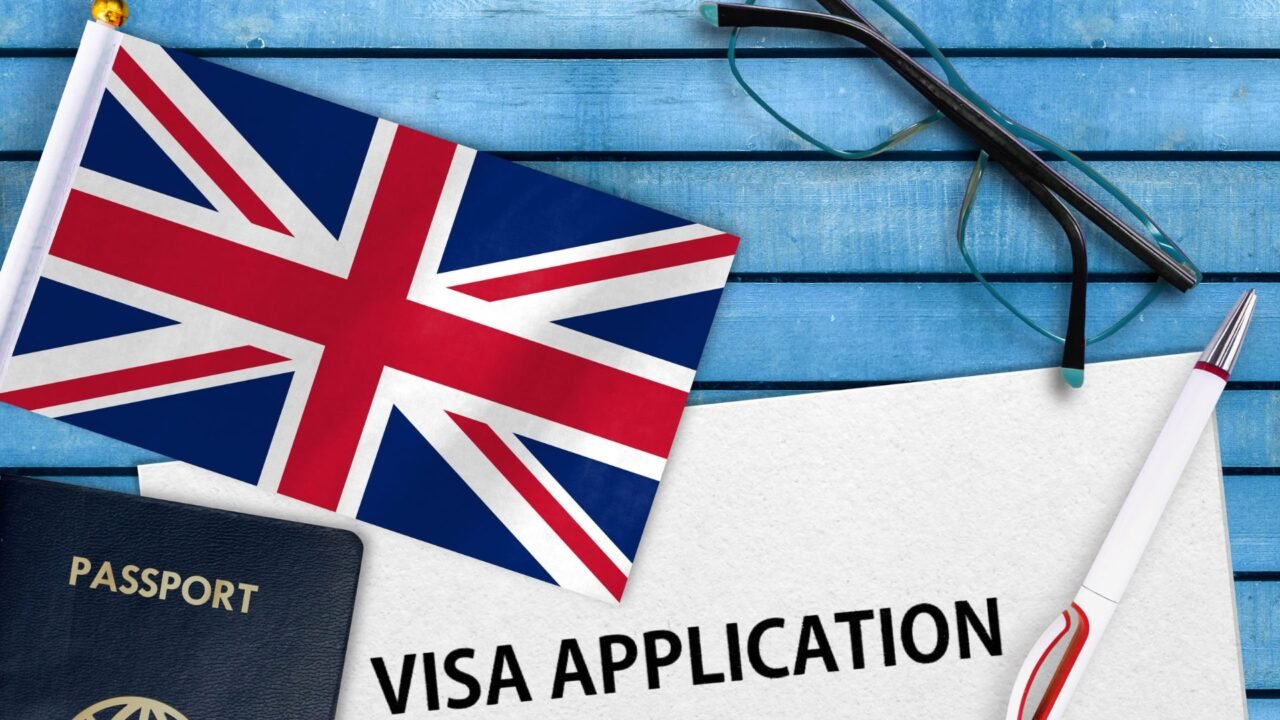
The British government has announced a reduction in the graduate visa route, cutting the duration from two years to 18 months, effectively limiting the time international students can remain in the UK after completing their studies. In addition, the government has extended the qualifying period for foreign nationals to apply for indefinite leave to remain, raising it from five years to 10 years. These changes are part of a broader overhaul of the UK’s immigration system, which aims to address what the government has described as widespread misuse of student and work visa pathways. The Home Office, in its White Paper released yesterday, stated that the graduate visa route had deviated from its original purpose and was being exploited as a loophole for unsponsored work. The new regulations require educational institutions recruiting international students to meet stricter compliance standards. Universities with low rates of student progression to employment or those found guilty of misleading recruitment practices will face penalties, including suspension of their sponsorship license. Furthermore, the UK government revealed plans to increase the immigration skills charge paid by companies sponsoring migrant workers by 32%. Additionally, skilled worker visas will now require applicants to hold a university degree. The government also stated that for jobs below this qualification level, access to the immigration system will be limited and subject to proof of labour shortages. The government emphasized its intention to reverse the trend of prioritizing international recruitment over skills and training. It also outlined plans to increase opportunities for highly skilled workers through targeted routes for global talent, aiming to foster growth in key industries and ensure the UK remains competitive on the world stage. In response to the immigration reforms, the British High Commission in Nigeria issued a statement expressing its continued commitment to Nigeria. The commission highlighted the strong ties between the two countries, noting that the UK remains a top destination for Nigerians to study, work, and settle. A spokesperson also stated that the commission would collaborate with the Nigerian government once further details on the implementation of the White Paper are available. “The UK White Paper outlines changes to the legal migration system, aiming to restore control, fairness, and promote economic growth,” the spokesperson said. “We will work with the relevant Nigerian authorities once we have more information on the next steps.” More details on the white letter

Zara Lianne13 May 2025
maaun-1280x744.jpg

2min4400
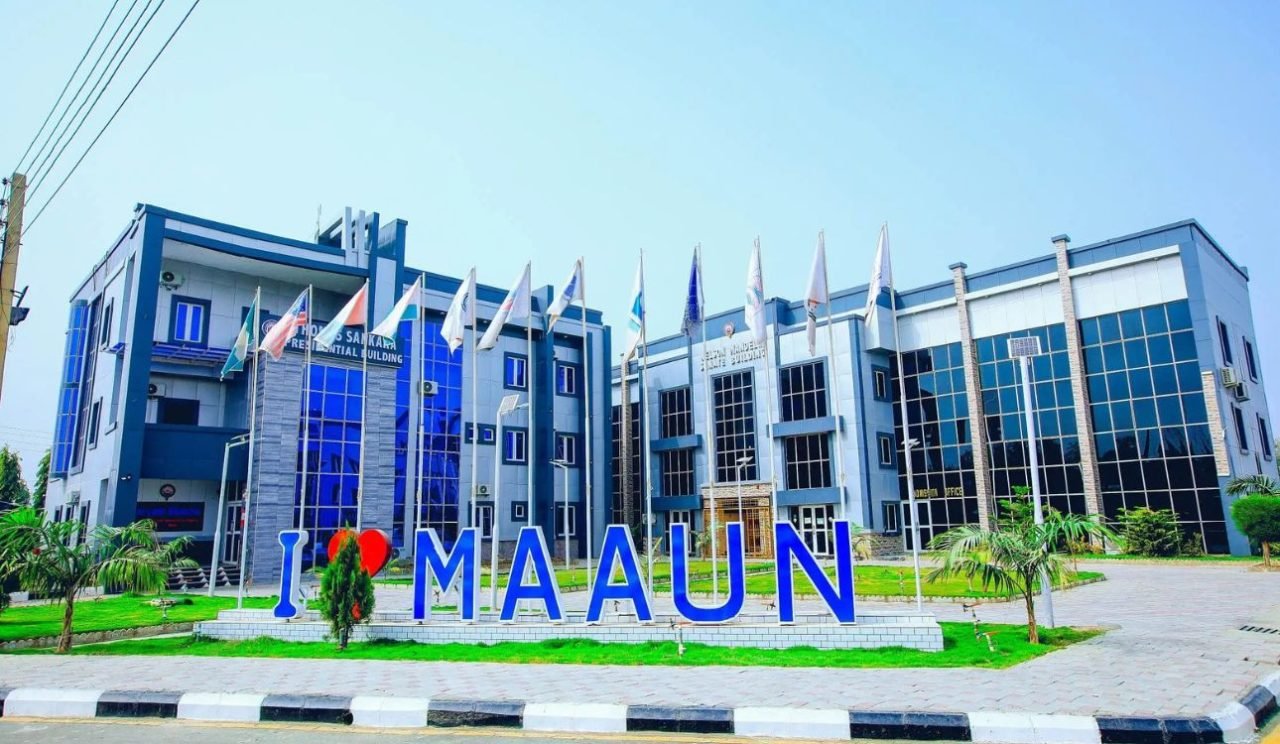
The management of Maryam Abacha American University of Nigeria (MAAUN) has announced the immediate closure of the Al-Ansar Indabo female student hostels, located on Hotoro and UDB Road in Kano, due to safety and disciplinary concerns. The university’s Vice President for Campus Life, Dr. Hamza Garba, made the announcement on Monday in an official statement. He explained that the institution had withdrawn its approval for the hostels after discovering several violations of university regulations concerning private student accommodations. The issues cited include reports of immoral behavior, inadequate water and electricity supply, incidents of student violence, unauthorized movements during the night, and the sharing of facilities with unverified tenants. Dr. Garba emphasized that these concerns had raised serious safety risks for the students residing in these hostels. As a result, the university has ordered that all students currently staying in the affected hostels vacate the premises immediately after their semester exams. The university also cautioned students against any future affiliation with the hostels for their own safety. The institution is collaborating with local security agencies to ensure full enforcement of the directive. Parents and students have been directed to contact the Office of the Vice President, Campus Life, at vp-campuslife@maaun.edu.ng for assistance in finding approved and secure accommodation. The university stressed that it would not be held liable for any issues arising from non-compliance with this directive and underscored its commitment to providing safe and morally responsible housing for all its students.