Author: Zara Lianne

Zara Lianne12 May 2025
learn-1280x744.png

8min7130
Every teacher and parent dreams of one thing: children who genuinely love to learn. Not just to pass exams or make grades, but because they find joy in discovery, growth, and curiosity. In today’s world, where distractions are many and attention spans are short, helping students fall in love with learning may seem difficult, but it is absolutely possible. Whether you are a teacher, school leader, or parent, these strategies (backed by solid educational research) can transform how children see learning. 1. Spark Their Curiosity Curiosity is the gateway to learning. Research shows that when students are curious, they are more motivated, more focused, and actually retain information better. One study even found that curiosity activates the brain’s reward system also making learning feel as good as winning a prize. How to do it: Start lessons with a mystery, a big question, or an intriguing problem. Allow students to ask their own questions and build lessons around them. Celebrate “I wonder…” moments in your classroom. When students feel like they are on a learning adventure, they will naturally want to know more. 2. Give Them a Voice and Choice Students thrive when they feel in control of their learning. According to multiple studies, even small choices like; picking a book to read or deciding how to present a project can significantly boost motivation. How to do it: Let students choose from a range of assignments or topics. Allow them to set personal learning goals. Offer flexible formats for expressing what they have learned (videos, posters, presentations, etc.). Giving students autonomy builds ownership, and ownership builds love. 3. Make Learning Relevant If students do not see the point of what they are learning, they switch off. But when content connects to their real lives, interests, or future goals, they tune in and engage. How to do it: Relate topics to current events, pop culture, or student hobbies. Use real-world problems and scenarios in lessons. Link school subjects to everyday life like math in sports, science in cooking, history in family stories. The more students understand the “why,” the more they will care about the “what.” 4. Create a Safe and Supportive Environment Students can not love learning if they fear being wrong. A classroom where mistakes are welcome and effort is celebrated helps students take academic risks without shame. How to do it: Praise effort and progress, not just correct answers. Normalize mistakes as part of learning. Build strong relationships and get to know each child and show them you care. Research confirms that students do better when they feel respected, valued, and safe. 5. Incorporate Play and Creativity Learning does not have to be serious all the time. Play, even in older grades can make learning joyful and memorable. Creative tasks help students engage deeply and express themselves. How to do it: Use games, simulations, or storytelling in your lessons. Let students build, draw, or act out concepts. Encourage imaginative thinking and open-ended projects. Play and creativity are not just fun; they are powerful learning tools backed by science. 6. Promote a Growth Mindset Many students believe they’re “just not good at” certain subjects. But when they learn that intelligence and ability can grow with effort, they begin to embrace challenges rather than fear them. How to do it: Teach students that the brain grows when they learn. Praise strategies, persistence, and progress. Use phrases like “Not yet” instead of “You’re wrong.” A growth mindset fosters resilience, confidence, and long-term academic success. Final Thoughts Loving learning isn’t just about the content, it’s about the experience. When students feel seen, heard, challenged, and supported, learning becomes something they crave, not something they avoid. The good news? You do not need fancy tools or perfect conditions. Just curiosity, compassion, and a commitment to creating moments that matter. Because when students love learning, they don’t just succeed in school but also thrive for life.


Zara Lianne12 May 2025
638649-700x364-1.jpg

3min8470
South African food giant Tiger Brands has taken a major step toward resolving the long-standing legal battle stemming from the 2017–2018 listeriosis outbreak. On Monday, the company announced a proposed settlement to compensate victims affected by the deadly foodborne disease. Background on the Outbreak The listeriosis outbreak, one of the most severe in global history, was traced to processed meats produced by Tiger Brands’ subsidiary, Enterprise Foods. The outbreak led to more than 1,000 confirmed infections and nearly 200 deaths across South Africa, prompting widespread public concern and a class action lawsuit against the company. Details of the Compensation Plan Attorneys representing Tiger Brands’ lead insurer, QBE Insurance Group, have submitted a formal settlement offer on behalf of the company. The proposal includes full compensation for verified claimants who suffered health and personal losses due to the outbreak. Privacy-Protected Process: While the total payout amount has not been disclosed, Tiger Brands has committed to keeping all settlement details confidential to protect the privacy of affected individuals. Damage Assessment Underway: A structured process for determining individual compensation amounts is currently being developed, with legal teams working to assess and verify each claim. Court Approval Required: The proposed settlement will be reviewed by the High Court to ensure it meets legal standards and serves the best interests of the victims. Previous Interim Relief Earlier this year, in February 2025, Tiger Brands had already initiated interim payments to individuals facing urgent medical or financial needs, despite the fact that legal liability had not yet been established. A Milestone in Accountability Commenting on the proposal, Tiger Brands CEO Tjaart Kruger called it a “milestone” in the journey toward resolution and reaffirmed the company’s commitment to addressing the suffering caused by the outbreak. While this offer marks significant progress, the class action remains active, and a final ruling on Tiger Brands’ legal liability is still pending. Image Credit: businesslive

Zara Lianne12 May 2025
business-2stock-1280x853.jpg

3min11730
European stock markets rallied on Monday following a breakthrough agreement between the United States and China to reduce tariffs on each other’s goods. The deal, which introduces a 90-day pause on most existing tariffs, has raised hopes that a full-blown trade war may be avoided. Key Developments: Tariff Reductions Announced: Under the new agreement, the U.S. will reduce tariffs on Chinese imports from 145% to 30%, while China has committed to cutting tariffs on U.S. goods from 125% to 10%. The move is seen as a major de-escalation in trade tensions between the two global powers. Positive Impact on European Markets: The announcement sent a wave of optimism through global financial markets, with European stocks leading the charge. The pan-European STOXX 600 index climbed by 0.9%, Germany’s DAX rose 1.1%, France’s CAC 40 gained 1.3%, Spain’s IBEX added 0.7%, and the UK’s FTSE 100 edged up 0.5%. Sector Winners: Export-driven companies and those with strong ties to global trade benefited the most. Major gains were seen in shares of Adidas, Puma, Maersk, and Hapag-Lloyd, as investors bet on improved trade flows and lower costs in the months ahead. Market Sentiment Improves The tariff truce has been widely welcomed by investors who had feared that rising trade tensions could dampen global growth. With the temporary deal in place, analysts are cautiously optimistic that more permanent solutions could follow in future negotiations. Looking Ahead While the 90-day agreement offers short-term relief, the path to a lasting resolution remains uncertain. Both Washington and Beijing have indicated a willingness to continue discussions to address deeper issues, including technology transfer and market access. For now, however, the agreement has provided a much-needed boost to global markets and signaled a potential thaw in trade relations that have been strained for years.

Zara Lianne12 May 2025
12-1280x744.jpg

3min16600
In a positive development for global trade relations, the United States and China have agreed to a deal that will significantly reduce the import tariffs both countries have imposed on each other’s goods. This agreement, set to last for 90 days, marks a temporary pause in the ongoing trade tensions between the world’s two largest economies. Key Points of the Agreement Tariff Reductions: As part of the deal, the U.S. will slash tariffs on Chinese goods from a hefty 145% to 30%. Similarly, China will reduce tariffs on U.S. imports from 125% to 10%. Suspension of Additional Tariffs: Both nations have also agreed to suspend additional tariffs, alleviating some of the financial strain on businesses and consumers. The truce will see the cancellation of 91% of existing tariffs and the suspension of 24% of others during the 90-day period. Effective Date: The tariff reductions are expected to take effect by May 14, 2025, marking a significant shift in U.S.-China trade dynamics. Market Reactions Global financial markets have reacted positively to the news, with stock futures in the U.S. and other international indices seeing notable gains. Investors have expressed optimism that this reduction in trade tensions could lead to a more stable economic environment, at least in the short term. Ongoing Issues Despite the progress made, analysts warn that the agreement is only temporary and that deeper, unresolved trade issues still exist between the two countries. There are concerns about whether this truce will pave the way for a more comprehensive and long-term resolution or whether trade tensions will flare up again once the 90-day period expires. The Path Forward Both the U.S. and China have committed to continuing negotiations in the hope of reaching a more permanent solution. The 90-day period is seen as an opportunity to address broader concerns, including intellectual property rights, technology transfers, and market access, which have long been points of contention in U.S.-China trade relations. This new deal between the U.S. and China represents a hopeful step toward alleviating trade tensions and boosting economic stability. However, with major issues still on the table, the outcome of future negotiations remains uncertain.

Zara Lianne12 May 2025
chris-1280x744.jpg

2min12120
The Academic Staff Union of Universities (ASUU) has elected Professor Chris Piwuna as its new National President, marking a significant leadership transition within Nigeria’s foremost academic union. The announcement was made at the union’s 23rd National Delegates Congress held at the University of Benin in Edo State. Prof. Piwuna, a consultant psychiatrist and the Dean of Student Affairs at the University of Jos, emerged victorious after a competitive election against Professor Adamu Babayo of Abubakar Tafawa Balewa University, Bauchi. Until his election, Piwuna served as the Vice President of ASUU, bringing years of experience and deep involvement in the union’s leadership. He takes over from Professor Emmanuel Osodeke, who had led the union since 2021. Under Osodeke’s leadership, ASUU engaged in multiple negotiations and industrial actions focused on university funding, autonomy, and academic staff welfare. Piwuna’s emergence comes at a critical period for Nigerian public universities. The system continues to grapple with underfunding, brain drain, unpaid Earned Academic Allowances, and demands for improved infrastructure and academic freedom. As the 14th president of ASUU, Prof. Piwuna is expected to steer the union’s engagements with the Federal Government and other stakeholders toward meaningful reforms in the university system. Members of the academic community and observers of Nigeria’s education sector are watching closely, hopeful that the new leadership will advocate effectively for the revitalization of higher education in the country.

Zara Lianne11 May 2025
trade-talk-1280x744.png

3min9160
Former U.S. President Donald Trump has declared a “total reset” in trade relations between the United States and China following high-level discussions between both countries in Geneva, Switzerland. The talks, which marked a major step toward easing one of the world’s most closely watched economic tensions, were described by Trump as “very good” and “constructive.” The meeting, held at the U.S. ambassador’s residence, brought together U.S. Treasury Secretary Scott Bessent and Chinese Vice Premier He Lifeng. It was the first face-to-face dialogue since both nations escalated tariffs in early 2025, with the U.S. imposing a 145% tariff on Chinese imports and China responding with a 125% levy on American goods. Trump, in a social media post following the first day of the talks, said that “change was negotiated in a friendly, but constructive, manner,” emphasizing the positive tone of the discussions. He also hinted at a potential softening of tariff rates, saying a reduction to 80% was under consideration though no firm agreement has been reached. The Geneva talks are part of ongoing efforts by both sides to defuse tensions that have disrupted global trade, shaken investor confidence, and affected supply chains across key industries. While no immediate breakthroughs were announced, both delegations agreed to continue negotiations in the coming weeks. Chinese state media confirmed the talks but stressed that Beijing would not accept any deal that compromises its core national interests. Analysts view this stance as a signal that, while dialogue has resumed, both sides remain cautious and firm on key trade issues such as market access, intellectual property rights, and subsidies for domestic industries. International observers have welcomed the renewed engagement, noting that a stable U.S.-China trade relationship is vital to the health of the global economy. With inflation, supply chain disruptions, and geopolitical tensions all playing a role, the outcome of these negotiations will be closely monitored by governments and businesses worldwide. As talks continue, expectations remain high for tangible results that could lead to a rollback of tariffs and pave the way for more balanced and sustainable trade between the world’s two largest economies.

Zara Lianne11 May 2025
piv-1280x744.png

3min7330
At least 62 people have lost their lives and dozens more are missing after powerful floods swept through a village in eastern Democratic Republic of Congo (DRC) in the early hours of Friday, May 9, 2025. The disaster occurred in Kasaba, a small community in the Ngandja sector of South Kivu province, located along the shores of Lake Tanganyika. The flooding followed a night of intense rainfall, which began around 5 a.m. and quickly overwhelmed the village. Torrents of water washed away homes, farmlands, and infrastructure, leaving a trail of destruction in a region already struggling with years of instability and humanitarian crises. According to Théophile Walulika Muzaliwa, the provincial health minister for South Kivu, 62 bodies have been recovered so far, while at least 50 people remain unaccounted for. Many survivors have been left homeless and traumatized, and the true scale of the disaster may not be known for days. Access to the affected areas remains difficult. Roads have been damaged or cut off entirely, and communication networks are down, severely limiting the ability of emergency services to reach victims. Local authorities and Red Cross teams are currently leading rescue and relief efforts, but resources are limited. “This is a tragic situation. Families have been wiped out, and survivors are in urgent need of shelter, food, and medical care,” said Muzaliwa. “We are appealing to the national government and international partners to provide immediate support.” Flooding and landslides are becoming increasingly common in eastern DRC due to deforestation, poor infrastructure, and the impact of climate change. This latest tragedy underscores the urgent need for investment in disaster preparedness and climate-resilient infrastructure in vulnerable communities. Humanitarian agencies have begun mobilizing, but response efforts are expected to face significant challenges due to the region’s ongoing conflict and displacement issues. As search and rescue operations continue, officials are urging citizens in nearby areas to remain alert and take precautionary measures. Relief efforts are ongoing, and donations and support are being coordinated by both governmental and international humanitarian organizations.

Zara Lianne11 May 2025
website-images-5-1-1280x744.png

2min9330
In a major policy shift, the UK government has announced that care workers will no longer be recruited from overseas. The decision is part of a wider crackdown on migration aimed at reducing the number of lower-skilled workers entering the country through visa routes. Home Secretary Yvette Cooper confirmed the change during an interview with the BBC, stating that employers must now prioritize hiring from the existing pool of care workers already residing in the UK. The care worker visa route will be officially closed, marking a significant change for the health and social care sectors that have relied heavily on international staff. The move is part of a broader plan to lower net migration figures, which stood at 728,000 in 2024—down from a record 906,000 in 2023. The government hopes to bring this number down by at least 50,000 annually through a series of reforms. Additional measures include raising English language requirements, introducing higher qualification thresholds for skilled worker visas, and tightening asylum rules. A formal Immigration White Paper will be released soon to provide further details. While the government believes these changes will encourage investment in domestic training and reduce reliance on foreign labour, care sector leaders have voiced serious concerns. They warn the decision could worsen already critical staffing shortages across the UK’s care system.

Zara Lianne11 May 2025
Untitled-design-1280x744.jpg

2min6450
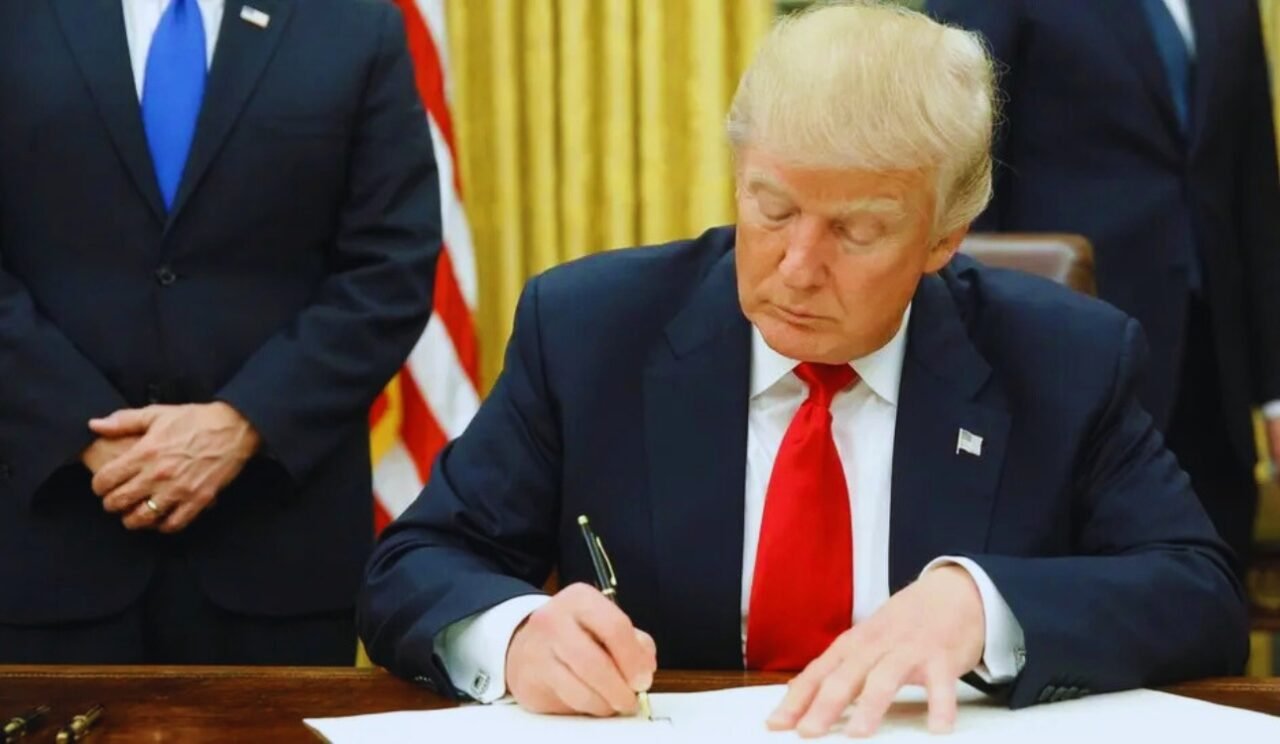
In a bold move to tighten immigration enforcement, former U.S. President Donald Trump has ordered the Department of Homeland Security (DHS) to recruit 20,000 new immigration officers. This directive, if implemented, would more than triple the current Immigration and Customs Enforcement (ICE) workforce, which currently stands at about 6,000 agents. The announcement is part of a broader immigration strategy called “Project Homecoming,” which offers undocumented migrants an incentive to leave the U.S. voluntarily. Under the plan, those who choose to self-deport are promised a $1,000 stipend and a government-paid flight back to their home countries. Additional support, including airport concierge services, is also being provided to ease their departure. However, migrants who refuse to leave voluntarily could face stricter consequences such as fines, detention, or forced deportation. The Trump administration is also considering expanding the controversial Migrant Operations Center at Guantanamo Bay to hold up to 30,000 people, particularly those considered high-risk or whose home countries are unwilling to receive them. These developments have sparked criticism from civil rights groups and legal experts, who warn about the potential for wrongful detentions and violations of migrants’ rights. Some cases have already emerged involving the detention or deportation of legal residents and even U.S. citizens under the new enforcement measures. The sweeping policy changes have triggered protests across the country and drawn opposition from various state and local officials. Legal challenges are expected to follow as the administration pushes forward with its immigration crackdown.

Zara Lianne10 May 2025
visa-1280x744.png

4min6490
The Chinese Embassy in Nigeria has responded to mounting criticism following the failure of Nigeria’s athletics team to participate in the 2025 World Athletics Relays held in Guangzhou. The Athletics Federation of Nigeria (AFN) had blamed visa delays by Chinese authorities for the team’s inability to attend the crucial event, which also served as a qualifier for the upcoming Olympic Games. In an official statement released on Saturday, the Chinese Embassy strongly denied any wrongdoing, stating that it acted promptly once it received the necessary documentation. According to the Embassy, Nigeria’s National Sports Commission only made a formal request for visa assistance on April 24. Furthermore, the complete visa application documents were not submitted to the China Visa Application Centre until May 6. The Embassy emphasized that despite the tight timeline, it activated an expedited process and issued the visas by May 8. “The Chinese side attached great importance to the matter and provided assistance accordingly,” the statement read. “Visa issuance is a matter of national sovereignty, and while we remain committed to supporting cooperation with Nigeria in all areas—including sports—adequate time must be allowed for proper processing.” However, the Athletics Federation of Nigeria tells a different story. In multiple press briefings, the AFN claimed it had started the visa process as early as February and had followed all required procedures. Federation officials allege that unexpected delays, last-minute requests for additional documents, and bureaucratic bottlenecks on the Chinese side caused the athletes to miss their flights and, ultimately, the competition. “We were ready. Our athletes were in top shape and prepared to represent the country. Unfortunately, the visas arrived too late for us to travel and participate,” an AFN representative stated. “It’s a huge setback, especially since the relay event was also a gateway to Olympic qualification.” The situation has sparked public outcry in Nigeria, with many questioning the coordination between the country’s sports authorities and foreign missions. Social media users and sports analysts have called for better planning, early engagement with host countries, and stronger diplomatic support for athletes representing Nigeria on the global stage. Despite the controversy, the Chinese Embassy expressed regret over the incident and reiterated its commitment to friendly relations with Nigeria. “China values its longstanding relationship with Nigeria and remains open to future collaboration and exchanges, including in the area of sports development,” the Embassy stated. Both sides have hinted at the possibility of further dialogue to prevent a recurrence of such issues. There are calls within the Nigerian sports community for a comprehensive review of administrative processes to ensure timely visa applications and better inter-agency coordination ahead of future international competitions.