Author: Zara Lianne

Zara Lianne10 May 2025
website-images-4-1-1280x744.png

2min8430
European Commission President Ursula von der Leyen has thrown her support behind a proposed 30-day ceasefire in the Russia-Ukraine war, calling for an unconditional halt to hostilities. Speaking on Saturday, she made it clear that the European Union stands ready to impose tougher sanctions on Russia if it violates the terms of the ceasefire. “The time for peace is now,” von der Leyen posted on X, urging Moscow to take responsibility for ending the violence. The proposal, backed by key international players, aims to create a window for humanitarian relief and diplomatic negotiations. Her statement comes as European leaders from France, Germany, Poland, and the UK visited Kyiv in a show of unity with Ukraine. The leaders held talks with President Volodymyr Zelenskyy and joined a joint call with U.S. President Donald Trump to discuss efforts to de-escalate the war. Ukraine has agreed to the proposed ceasefire, provided that it is respected by Russia and properly monitored. However, the Kremlin has responded cautiously, saying any ceasefire must come with a stop to Western military support for Ukraine. The EU, together with its allies, is poised to enforce a new wave of economic sanctions if Russia undermines the peace deal. These measures are intended to increase pressure on the Kremlin and encourage meaningful engagement in the peace process.

Zara Lianne10 May 2025
website-images-1-5-1280x744.png

2min9950
In a move to tighten control over advanced technology exports, U.S. Senator Tom Cotton has introduced a new bill aimed at stopping unauthorized transfers of powerful AI chips to countries like China. The proposed legislation, called the Chip Security Act, would require companies exporting AI chips and related products to install built-in location tracking systems. These mechanisms would help detect if the chips are diverted, smuggled, or tampered with after leaving the U.S. Under the bill, exporters would also be legally required to report any such suspicious activity to the U.S. Department of Commerce. The goal is to strengthen oversight and prevent foreign militaries—particularly China’s—from gaining access to cutting-edge U.S. technology. The bill comes amid growing concerns over reports that restricted chips from companies like Nvidia have been making their way into China through unauthorized channels. The legislation also tasks the Commerce and Defense Departments with exploring additional safeguards within a year of the bill becoming law. A similar bill is expected to be introduced in the U.S. House of Representatives, signaling strong bipartisan support for protecting America’s technological edge.

Zara Lianne9 May 2025
website-pictures.zip-39-1280x744.jpeg

1min9050
The U.S. Food and Drug Administration (FDA) has announced that it will begin deploying artificial intelligence (AI) across all its centers immediately, with full integration set for June 30, 2025. This move follows the successful completion of a pilot program that used generative AI to assist scientific reviewers. The integration of AI is aimed at streamlining the drug review process, reducing time-consuming tasks, and increasing efficiency. The FDA’s goal is to enhance its ability to assess and approve drugs faster, ensuring better outcomes for patients while maintaining high regulatory standards. Jeremy Walsh, the FDA’s Chief AI Officer, will oversee the rollout, which involves unifying the agency’s AI systems to improve workflow, security, and usability. With this new AI-driven approach, tasks that once took days can now be completed in minutes, speeding up the overall review process. As the initiative progresses, the FDA plans to refine its AI tools based on user feedback and will continue to provide updates on its development.

Zara Lianne9 May 2025
nhs-1280x744.png

2min5910
NHS England is facing a severe budget shortfall of £6.6 billion for the 2025–26 fiscal year and is set to implement a series of drastic cuts to balance the books. These cuts, which have been described as “previously unthinkable,” are part of a financial reset intended to address the growing deficit. Despite receiving an additional £22 billion in government funding, NHS trusts are being instructed to make significant savings, including up to 12% of their budgets. Among the proposed measures are the closure of rehabilitation centres, reductions in end-of-life care beds, cuts to mental health services, and the elimination of up to 1,500 staff positions, including clinical roles. The decision to pursue these cuts has raised concerns from NHS leaders, with many warning that the reductions could negatively impact patient care and exacerbate waiting times. The British Medical Association (BMA) has urged the government to reconsider, highlighting the risks of worsening workforce shortages and increasing pressure on healthcare professionals. Sir Jim Mackey, interim CEO of NHS England, acknowledged the financial strain and emphasized the need for challenging decisions. He also pointed out the systemic issues within the NHS, such as the normalization of subpar patient care, and called for a cultural shift focused on improving care standards. With over 132,000 unfilled vacancies and a waiting list of more than 7 million, the NHS Confederation warned that these cuts could lead to a crisis of unprecedented scale, undermining patient safety and further destabilizing the already overburdened healthcare system. As the government seeks to balance fiscal responsibility with the need for quality healthcare, the NHS faces tough choices ahead in preserving its ability to provide care for millions of people.

Zara Lianne9 May 2025
3-8-1280x744.jpg

2min11070
The U.S. government has imposed sanctions on two small Chinese oil refiners and three port operators in Shandong Province for allegedly importing Iranian crude oil. The move is part of Washington’s broader strategy to limit Iran’s oil revenue and pressure Tehran over its nuclear program, according to sources. The sanctions, announced by the U.S. Treasury Department, have caused significant disruptions for the affected Chinese companies. The refiners are now struggling to receive crude supplies, and some have resorted to selling their products under new corporate names to avoid detection. Port operations have also been hit hard, with tankers being diverted and major Chinese state banks withdrawing financial support from the sanctioned firms. This has forced them to rely on smaller, less secure financial institutions. The refiners targeted are part of China’s “teapot” refinery sector—smaller, independent processors that buy discounted oil. Many of these firms had been importing Iranian oil through disguised routes, often labeled as coming from countries like Malaysia. Though China officially opposes unilateral U.S. sanctions, the latest measures have already started to deter other independent refiners from dealing with Iran, highlighting the effectiveness of Washington’s pressure campaign. This action is the latest in a series of sanctions aimed at crippling Iran’s oil trade, which remains a key source of funding for the regime.

Zara Lianne9 May 2025
nzl-1280x744.png

2min11080
In a major move toward justice and reconciliation, the New Zealand government has announced NZ$774 million (approximately US$457 million) in its 2025 national budget to compensate survivors of abuse suffered in state and faith-based care. This decision comes after a sweeping inquiry revealed that around 200,000 children, young people, and vulnerable adults were subjected to abuse between 1950 and 2019 while in the care of state institutions and religious groups. Many of the victims were Indigenous Māori, who were disproportionately affected. The government’s redress package includes an increase in average compensation payouts from NZ$19,000 to NZ$30,000, with additional support available for victims of severe abuse. The new system aims to speed up claims processing starting in 2027. Prime Minister Christopher Luxon had earlier issued a formal national apology in November 2024, acknowledging the state’s failure and the deep harm inflicted on survivors and their families. While the funding currently covers state care survivors, the government says it is still reviewing redress for victims of abuse in schools, churches, and other non-state-run institutions. This initiative marks a significant step in addressing one of the darkest chapters in New Zealand’s history, with hopes of bringing healing and closure to those affected.

Zara Lianne9 May 2025
website-images-2-1-1280x744.png

8min14300
The classroom is evolving. From chalkboards and textbooks to tablets and AI tutors, education is undergoing a major transformation. Around the globe, artificial intelligence (AI) is increasingly being used to support teaching, offering personalized learning, round-the-clock support, and data-driven insights. But as AI grows in influence, educators and stakeholders are asking a critical question: can it replace the role of human teachers, or should it only support them? The Rise of AI Tutors AI tutors, like chatbots, learning apps, and adaptive platforms, are designed to deliver customized instruction. Unlike traditional lessons where all students receive the same material at the same pace, AI tutors analyze a learner’s progress in real time and adjust content to suit their strengths and weaknesses. Globally, tools like ChatGPT, and Squirrel AI (China),are helping students tackle subjects ranging from math to writing. In India, AI-assisted tutoring apps have significantly improved student performance in rural areas. In the United States and the UK, schools are using AI to provide instant feedback on essays and homework, allowing students to practice more and improve faster without increasing teachers’ workload. One of the biggest advantages of AI tutors is accessibility. In underserved regions with teacher shortages, such as parts of Sub-Saharan Africa and rural Asia, AI is helping bridge gaps. Students with internet access can now learn without needing a physical classroom or teacher present. This is particularly helpful in regions where class sizes are large and quality instruction is scarce. The Irreplaceable Human Element Despite these advancements, AI still falls short in areas where human connection matters most. Teachers do far more than deliver facts. They inspire, guide, motivate, and understand the emotional needs of students. They detect when a child is struggling (not just academically, but personally as well) and they respond with empathy. Human teachers adapt their methods based on mood, classroom dynamics, and socio-cultural factors. They teach life skills like teamwork, empathy, and ethics – areas AI simply cannot master. In fact, many educators believe the true power lies in blending AI with human instruction. By letting AI handle repetitive tasks like grading or quiz generation, teachers can focus on what machines can’t do; that is mentoring, relationship-building, and fostering creativity. Global Trends and Mixed Outcomes Worldwide, AI in education is being embraced unevenly. In developed nations, especially in Europe and North America, schools are integrating AI into lesson plans, marking schemes, and student tracking systems. In developing regions, AI’s impact is growing rapidly, sometimes even leapfrogging traditional systems. For example, China has adopted AI-based platforms on a national scale to reduce performance gaps between urban and rural schools. In Africa, edtech startups are customizing AI tools to deliver math and literacy lessons over low-bandwidth mobile networks. However, access remains a barrier. Millions of students still lack electricity, internet access, or digital devices. These students risk being left behind in the AI revolution. Additionally, many educators lack training in how to use AI tools effectively, raising concerns about misuse or over-dependence on technology. Winners, Losers, and the Equity Question So who wins in the AI-human education shift? Winners include: Students in low-resource settings who now have access to expert-level practice via AI. Independent learners who thrive with self-paced, tech-supported study. Schools that use AI to improve teaching efficiency and personalize learning. Losers could include: Students in offline communities without access to devices or internet. Young children and special-needs learners who require close human supervision. Schools that adopt AI without a clear understanding of its limits. Another risk lies in bias and ethics. AI tools are only as fair as the data they are trained on. If not carefully designed, they may misinterpret diverse learner needs or reinforce stereotypes. There are also concerns about privacy. Student data collected by AI platforms must be safeguarded against misuse. The Future: Collaboration, Not Competition Rather than a battle between man and machine, the future of learning may lie in partnership. AI tutors can offer personalized support and scale education, while human teachers provide emotional intelligence and ethical guidance. For this to work, educators must be trained in AI literacy. Policymakers must ensure equitable access. And AI developers must prioritize transparency and inclusiveness. As AI reshapes education, the most successful models will be those that combine the precision of machines with the compassion of humans. Teachers are not being replaced rather, they are being reimagined as mentors, facilitators, and creative guides in an AI-enhanced world.


Zara Lianne8 May 2025
mersk-1280x744.png

3min12540
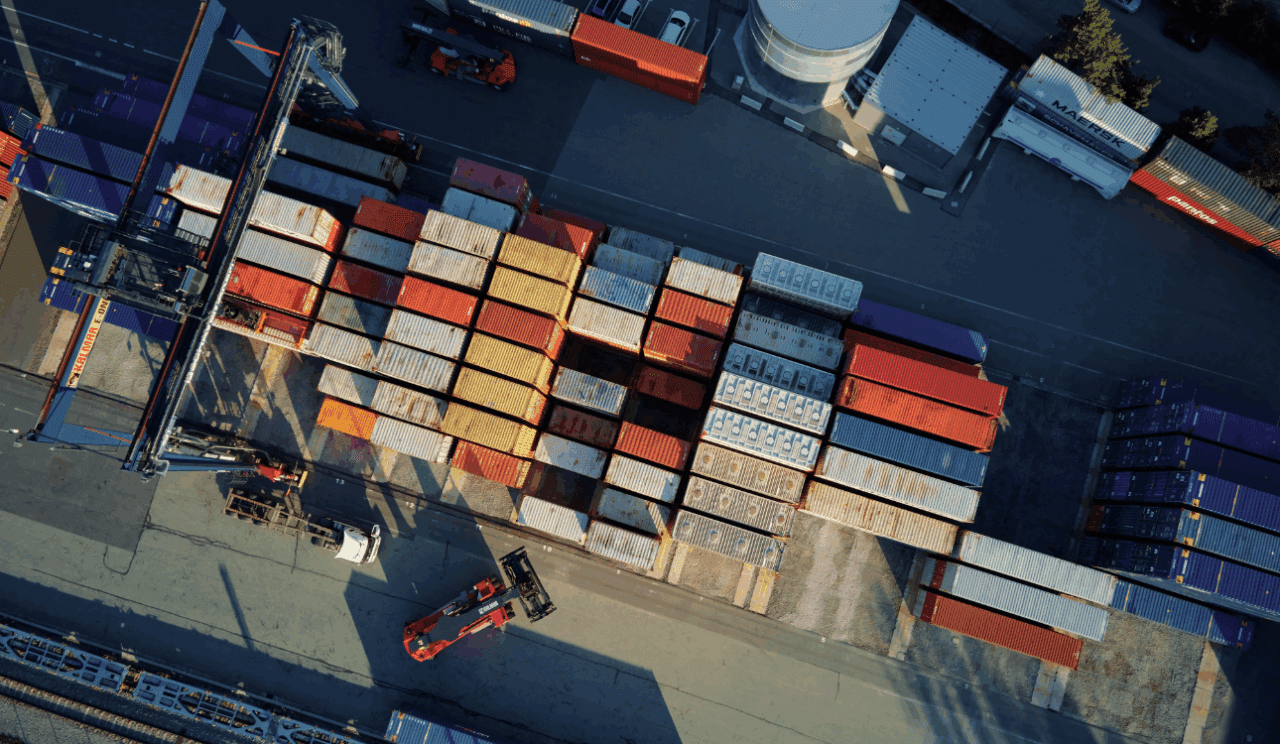
Shipping giant Maersk has reported a significant drop in container volumes between the U.S. and China, with shipments plunging by 30-40% in April due to escalating trade tensions between the two largest global economies. The decline comes as both nations continue to impose tariffs and trade restrictions, prompting shifts in global shipping patterns. In response, Maersk has adjusted its operations by re-routing a portion of its capacity to other emerging markets in Asia to mitigate the loss. Despite the challenges, the company has maintained its full-year profit outlook, projecting operating profits between $0 and $3 billion. In the first quarter of 2025, Maersk saw a remarkable 70% year-on-year increase in earnings, reaching $2.71 billion. However, Maersk has cautioned that if the trade war persists, it could lead to a global contraction in container volumes. The company has revised its growth forecast for global container volumes, lowering its previous estimate of a 4% increase to a more conservative range of a 1% decline to 4% growth. The impact of the trade tensions is already being felt at U.S. ports, particularly at the Port of Los Angeles, which is expecting a 30.4% drop in weekly container arrivals. Major retailers and logistics companies are facing disruptions, with canceled orders and shipping delays, raising concerns about supply chain bottlenecks and the potential for an economic slowdown. In addition to the trade conflict, Maersk is also grappling with geopolitical challenges, including attacks on shipping routes in the Red Sea by Houthi militants. These attacks have led to a 90% decrease in container shipments through the region, forcing vessels to reroute around the Cape of Good Hope, which significantly increases both travel time and operational costs. Despite these hurdles, Maersk continues to operate its trans-Pacific sailings, albeit with some vessel downsizing, and is actively monitoring global trade and geopolitical developments to adjust its strategy accordingly.

Zara Lianne8 May 2025
vul-1280x744.png

2min4840
In one of the worst wildlife poisoning incidents in recent memory, more than 120 endangered vultures have died in South Africa’s Kruger National Park after feeding on the carcass of a poisoned elephant believed to have been killed by poachers. Wildlife officials confirmed that the elephant had been laced with toxic pesticides, a tactic increasingly used by poachers to avoid detection, as vultures circling overhead often expose illegal activity. The mass death included critically endangered white-backed and hooded vultures. At least 123 vultures were found dead at the scene, while 83 others were rescued and are currently being treated by conservation groups. The timing is particularly tragic, as it coincides with the vultures’ breeding season, threatening an already fragile population. Vultures are essential to ecosystems, acting as natural cleaners by consuming decaying animal matter and preventing the spread of disease. Conservationists are calling for urgent action, including tighter controls on toxic substances, stronger anti-poaching measures, and increased efforts to educate the public about the critical role vultures play in nature. Kruger National Park, one of Africa’s most iconic wildlife reserves, continues to be under severe threat from poaching syndicates targeting high-value species like elephants, rhinos, and now, indirectly, vultures.

Zara Lianne8 May 2025
riot-1280x744.png

2min7120
New York police have arrested over 80 pro-Palestinian demonstrators at Columbia University after protesters occupied the historic Butler Library on campus. The protest, led by the student group Columbia University Apartheid Divest (CUAD), was staged to demand that the university cut financial ties to organizations they say support Israeli military operations. The group renamed the library space the “Basel Al-Araj Popular University”, in tribute to a Palestinian writer killed by Israeli forces in 2017. Wearing masks and keffiyehs, the protesters were eventually removed by the NYPD after refusing to vacate the premises. Columbia’s interim president, Claire Shipman, stated that law enforcement was called in when protesters ignored multiple warnings and two campus safety officers were injured. Those arrested face charges including trespassing and failure to disperse. The incident is part of a wave of pro-Palestinian demonstrations on U.S. campuses in response to the ongoing Israel-Hamas conflict. The protests have sparked national debate, with U.S. Secretary of State Marco Rubio calling for a review of the visa status of foreign students involved in the occupation, labeling them “pro-Hamas thugs.” Tensions remain high on campuses across the country as students continue to demand institutional divestment and solidarity with Palestinians.