Blog - Edupreneur Select

Bring to the table win-win survival strategies to ensure proactive domination. At the end of the day, going forward, a new normal that has evolved from generation.
3.jpeg

2min6330
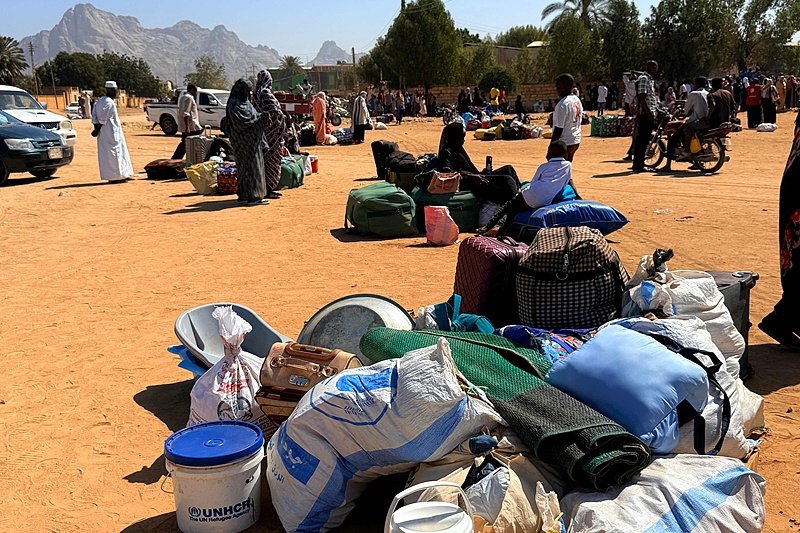
The Chairperson of the African Union Commission, Mahmoud Ali Youssouf, has strongly condemned reports of atrocities and alleged war crimes in El-Fasher, a key city in Sudan, calling for an immediate end to hostilities. Following an 18-month siege, the Rapid Support Forces (RSF) captured El-Fasher in October after intense battles with Sudan’s army, which have continued since April 2023. In a statement released on X (formerly Twitter), Youssouf expressed deep concern over the escalating violence and ethnically targeted killings of civilians, denouncing the reported war crimes in the city. He urged all parties to cease fighting immediately and allow the establishment of humanitarian corridors to deliver critical aid to affected populations. Emphasizing that there can be “no military solution” to the conflict, Youssouf called on both sides to engage in dialogue and commit to a peaceful, inclusive political process. The Sudanese army confirmed on Monday that its forces had withdrawn from El-Fasher, as the United Nations issued warnings about grave human rights violations attributed to the RSF. The fall of El-Fasher — a strategic city in western Darfur — marks a major turning point in Sudan’s ongoing war, which has killed tens of thousands and displaced nearly 12 million people since it began.

Tech & Tools Desk28 October 2025
2.jpg

5min4060
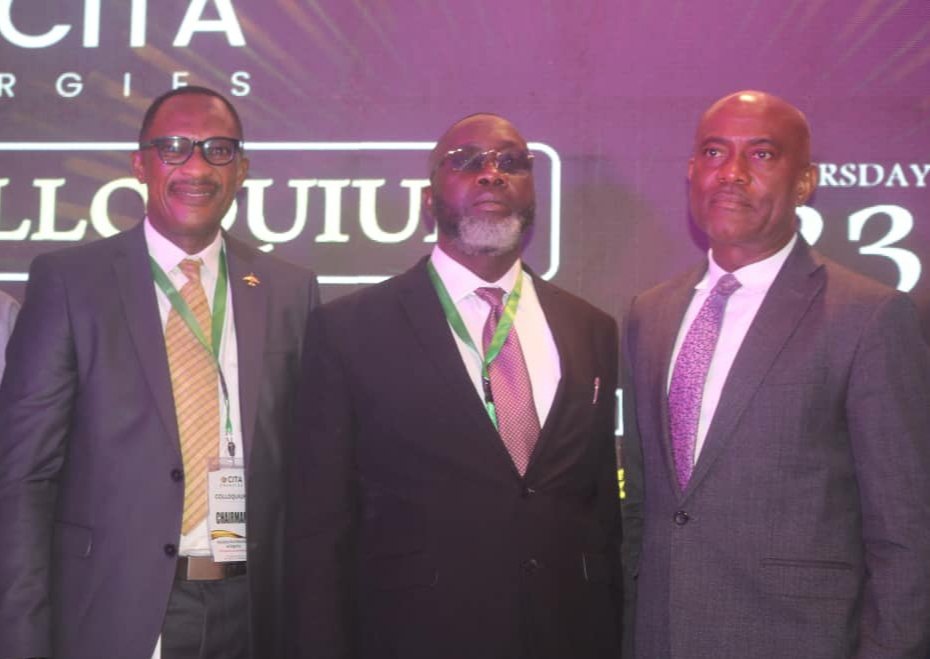
Aviation and oil industry experts have urged the Nigeria Civil Aviation Authority (NCAA) to take urgent steps to regulate the growing number of aviation fuel marketers supplying airlines across the country. They warned that the rapid increase in marketers has led to black market activities, raising serious safety concerns for the flying public. According to industry stakeholders, the sector once had only six licensed marketers, but the number has now surged to about 45 — a situation that has cast doubts on the quality of aviation fuel available. They called for stronger oversight to safeguard the industry from potential risks. Speaking at a forum hosted by CITA Energies over the weekend, the company’s Managing Director, Dr. Thomas Ogungbangbe, expressed concern that aviation fuel marketers now outnumber operating airlines in Nigeria. He appealed to the NCAA to urgently review the number of licensed operators across airports, noting that poor control measures have created room for quality lapses. He said, “Our industry is growing, but we are struggling due to weak regulation. We used to have about six fuel marketers; now there are around 45. While competition is good, the growing number is affecting product quality.” Similarly, Chris Ndulue, Chairman of Ndano Energy and former Managing Director of Arik Air, decried the rising black market for aviation fuel, warning that if not curbed, it could pose a serious threat to flight safety. Ndulue explained that the low entry barriers in the market have allowed smaller, unqualified players to emerge, some of whom engage in illegal fuel diversion and resale. He emphasized the need for the NCAA to tighten its regulatory framework and closely monitor every stage of the supply chain — from procurement to delivery — to ensure product integrity. “The black market is growing because too many small marketers are entering the business without proper oversight,” he said. “We must ensure that aviation fuel operations guarantee safety, security, and quality. Regulations should be strengthened to protect both airlines and passengers.” He noted that some airports now have as many as 30 marketers, citing Enugu Airport as an example, where five operate — a number he described as excessive for its size. He also called for better collaboration among marketers to improve industry standards. Efforts to reach Michael Achimugu, spokesperson for the NCAA, were unsuccessful as he did not respond to calls or messages on the matter. In a separate position paper, the Federal Airports Authority of Nigeria (FAAN) pledged to improve standards in the aviation fuel sector by ensuring that only qualified and compliant players are licensed to operate. FAAN’s spokesperson, Henry Agbebire, stated, “We are working with regulators to streamline and accredit fuel marketers so that only competent operators remain in the Jet A-1 business. This will enhance transparency and create a fair operating environment. We also encourage collaboration among marketers to shift focus from competition for volume to cooperation for quality and sustainability.” He added that FAAN would continue providing essential infrastructure, including improved airside access and modern storage facilities, while exploring innovations such as Sustainable Aviation Fuel (SAF) in partnership with progressive marketers. “FAAN remains committed to being an enabler and partner in building a stronger, cleaner, and more resilient aviation fuel ecosystem in Nigeria,” Agbebire concluded.

James Obasi28 October 2025
1-2-1280x854.jpg

3min3950
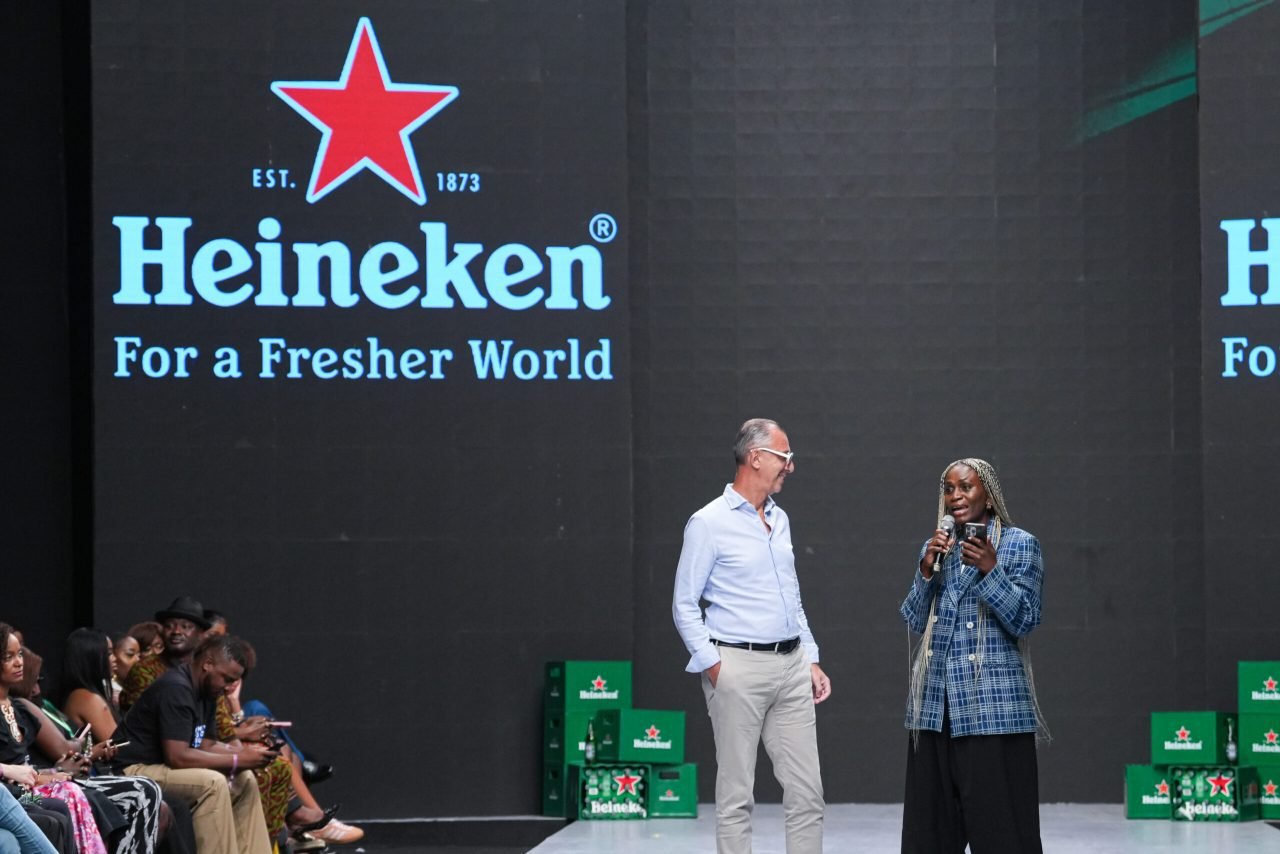
In Lagos — the vibrant city where taste and style thrive — Heineken is commemorating a decade-long partnership with Lagos Fashion Week, a collaboration that has shaped African fashion and amplified Lagos’ cultural presence on the global stage. The celebration kicked off with an exclusive press cocktail at Nomaada, Victoria Island, on Friday, October 24, bringing together designers, media personalities, and cultural influencers to honor Heineken’s enduring support and set the tone for the 15th edition of Lagos Fashion Week. Through its “City of Cities: Where Taste Rules” campaign, Heineken highlights a shared legacy — the fusion of global craftsmanship and local creativity that champions culture, innovation, and sustainability. From the runway to the bottle, this partnership tells a story of purpose and style. The 2025 edition, scheduled for October 29 to November 2, will once again unite Africa’s top designers, creatives, and fashion enthusiasts to showcase the continent’s distinctive talent. What began in 2015 as a sponsorship has grown into a strategic partnership that continues to empower African designers and expand the continent’s creative influence worldwide. As the title sponsor, Heineken has fostered innovation, sustainability, and collaboration, supporting notable projects like the Heineken Africa Inspired Collection by designers Lulu Mutuli and Azra Walji, and promoting African fashion on global stages. Beyond sponsorship, Heineken’s involvement has sparked cultural conversations, connected communities, and inspired a movement celebrating African authenticity, craftsmanship, and sustainable progress — further positioning Lagos among the world’s leading fashion capitals. Reflecting on the milestone, Sandra Amachree, Head of Marketing and Communications at Nigerian Breweries Plc, stated, “Heineken’s partnership with Lagos Fashion Week has always been a deliberate, long-term commitment to cultural innovation. For 10 years, we have championed sustainability, encouraged cross-industry collaboration, and supported the growth of African fashion with a vision for lasting cultural impact.” As Lagos Fashion Week marks its 15th anniversary, Heineken raises a toast to Lagos — the “City of Cities” — and to a new generation of African creatives redefining global fashion, carrying the vibrant spirit of Lagos from Africa to the world.

1.12.jpg

3min6750
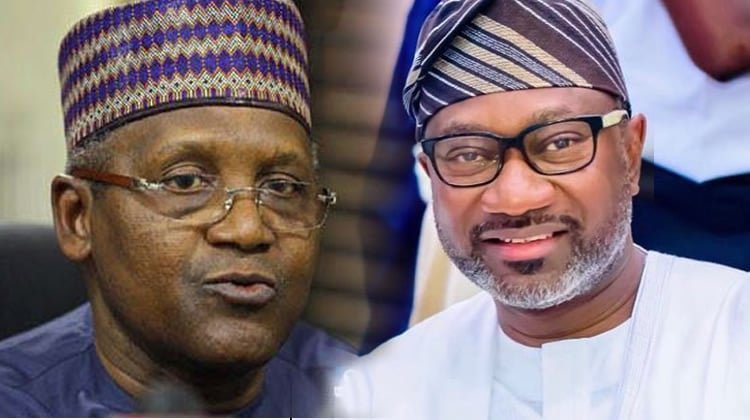
Otedola praises Dangote’s $20bn refinery expansion, calls it a legacy for future generations Business magnate Femi Otedola has applauded his longtime associate and Africa’s richest man, Aliko Dangote, following the announcement of a major expansion of the Dangote Petroleum Refinery. In a post on his X handle on Sunday, Otedola celebrated the refinery’s planned capacity boost from 650,000 to 1.4 million barrels per day, describing the project as a monumental achievement in global industrial development. He wrote, “My brother and Africa’s pride, Aliko Dangote, addressed a world press conference in Lagos where he unveiled the expansion of the Dangote Petroleum Refinery to 1.4 million barrels per day from 650,000 barrels per day. This makes it the largest refinery ever built in the world.” Commending Dangote’s vision, Otedola said his unwavering dedication to investing in Nigeria and Africa represents a generational legacy that will continue to shape the continent’s industrial and economic future. He added that Nigerians would soon have the opportunity to own part of the refinery, a move that underscores Dangote’s inclusive vision for national growth. “Aliko’s relentless commitment to investing in Nigeria and Africa will outlive him. These are legacy investments that will define generations. Soon, Nigerians will own part of this refinery — a powerful reminder that this vision is not just for Dangote, but for all Nigerians and Africans,” Otedola stated. He also commended President Bola Tinubu for his continued support of private sector-led initiatives driving the Renewed Hope agenda toward building a stronger, self-reliant Nigeria. Dangote, during the Lagos press briefing, announced that construction work on the expansion would begin immediately. The upgrade will increase the refinery’s power generation capacity from 500MW to 1,000MW and raise product quality from Euro 5 to Euro 6 standards. He disclosed that about 65,000 workers — 85 per cent of them Nigerians — would be engaged for the expansion project, which is expected to be completed within three years. Dangote further revealed plans to list the refinery on the stock exchange by 2026, allowing Nigerians to become shareholders in what will be the world’s largest refinery upon completion.

1.11.webp

3min8890
The Ogun State Government, in partnership with the Clinton Health Access Initiative, has established the Health Systems Sustainability Task Force to enhance resilience, strengthen coordination in service delivery, and reinforce government ownership of key health functions. During the inauguration held in Abeokuta, the Commissioner for Health, Dr. Tomi Coker—who chairs the task force—explained that the initiative was prompted by disruptions following the suspension of United States government global health funding earlier in the year. Coker, represented by the Permanent Secretary of the Ministry of Health, Dr. Kayode Oladehinde, said the task force would coordinate government and partner responses, promote accountability, and create sustainable mechanisms to address systemic challenges in areas such as workforce, service delivery, health financing, supply chain, and data management. She added that the multi-stakeholder platform would support decision-making for the governor and executive council, while also aligning state actions with national priorities. “The task force will champion high-level political commitment, assess the current state of the health sector, and set up technical subcommittees on service delivery, human resources, health financing, supply chain, data systems, and health security,” she said. Coker noted that the initiative underscores the state’s commitment to achieving sustainable health coverage for all Ogun residents through stronger coordination, improved financing, and accountability across all levels. The State Coordinator of the National Primary Health Care Development Agency, Mr. Solape Folarin, praised the initiative as vital to sustaining progress in ongoing health programmes, calling for active participation from all stakeholders. Similarly, the Executive Director of the Youth Future Savers Initiative, Mr. Tayo Akinpelu, speaking on behalf of Civil Society Organisations, pledged their support to ensure the task force effectively delivers on its mandate. Earlier this year, the US government temporarily suspended funding for certain health programmes in Nigeria for 90 days, though exemptions were made to allow life-saving medicines and essential health services—particularly HIV/AIDS treatment—to continue.

1.10.jpg

4min2970
The Socio-Economic Rights and Accountability Project (SERAP) has urged the Group Chief Executive Officer of the Nigerian National Petroleum Company Limited (NNPCL), Bayo Ojulari, to account for alleged missing oil funds totalling N22.3bn, $49.7m, £14.3m, and €5.2m reportedly unaccounted for in the company’s financial statements. In a letter dated October 25, 2025, signed by SERAP’s Deputy Director, Kolawole Oluwadare, the organisation stated that the missing funds were detailed in the 2022 annual report released by the Auditor-General of the Federation on September 9, 2025. SERAP called on the NNPCL boss to identify and hand over those responsible for the alleged diversion or mismanagement of the funds to the Economic and Financial Crimes Commission (EFCC) and the Independent Corrupt Practices and Other Related Offences Commission (ICPC) for prosecution. It also demanded that the funds be recovered and returned to the national treasury. “These serious allegations by the Auditor-General indicate a breach of public trust, constitutional provisions, anti-corruption laws, and Nigeria’s international commitments,” SERAP said. The group added that the Auditor-General’s findings exposed “deep-rooted corruption” within the NNPCL, which has hindered economic growth, deepened poverty, and denied Nigerians access to essential public services. SERAP noted that reports of unremitted or missing oil revenues have been a recurring issue, with citizens ultimately suffering the consequences. “Curbing corruption in the oil industry would help reduce poverty, improve access to public services, and strengthen Nigeria’s compliance with its anti-corruption and human rights obligations,” the group stated. It further argued that the unaccounted oil revenues reflected broader failures in transparency and accountability, contributing to the nation’s growing debt burden and deficit spending. “If these funds had been properly remitted, more resources would have been available for education, healthcare, and other critical sectors, reducing the need for excessive borrowing,” SERAP said. The organisation issued a seven-day ultimatum to the NNPCL to take action or face legal proceedings to enforce compliance. Citing details from the 2022 audited report, SERAP highlighted several financial irregularities, including a ₦292m abandoned contract for an Accident and Emergency Facility in Abuja, £14m allegedly spent on the London office without proof of work, and an unjustified $22.8m payment to a contractor for crude lifting. Other discrepancies included N2.3bn paid as car cash options to 100 staff without approval, ₦12.7bn in unremitted operating surplus for December 2020, and €5.1m paid for jetty operations without supporting documents. The Auditor-General reportedly warned that much of the unaccounted money “may have been diverted or misappropriated” and urged its recovery and remittance to the national treasury. SERAP also referenced Section 15(5) of the 1999 Constitution (as amended), which mandates public institutions to eliminate corrupt practices and abuse of power, calling on the NNPCL to uphold transparency and accountability in the public interest.

1.9.jpg

3min5170
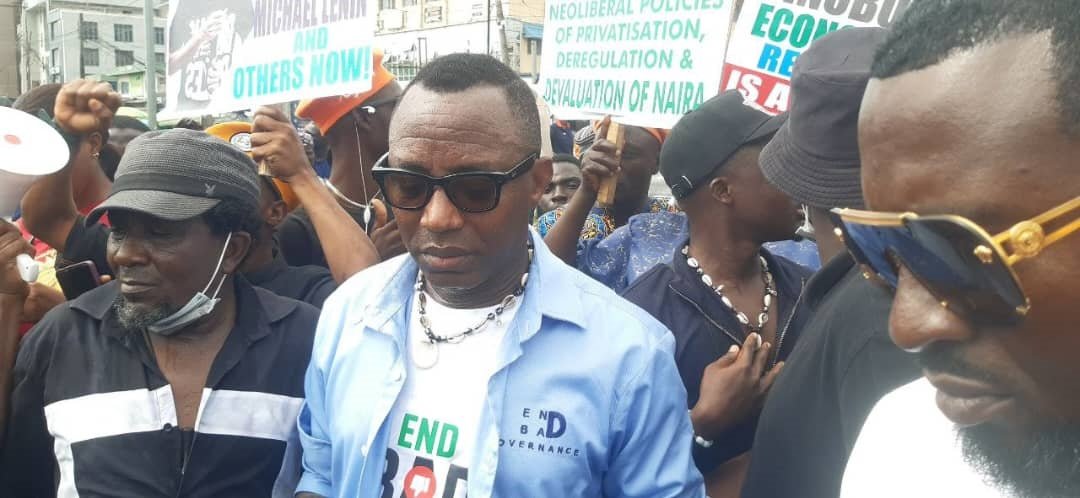
The Lagos State Commissioner of Police, Olohundare Jimoh, has cautioned activist Omoyele Sowore and others against mobilising demonstrations over the recent demolitions in the state. Speaking to journalists at the Iyana-Oworo area of the Third Mainland Bridge on Monday, Jimoh said the command had deployed personnel across the city to prevent protests that could result in public unrest. He stressed that the police would not tolerate any attempt to block major roads or disrupt peace in the state. “We are warning Sowore and his group to steer clear of Lagos or face the full weight of the law. The Third Mainland Bridge is too crucial to the economy and the safety of lives and property for anyone to attempt to obstruct it. Thousands rely on that route daily for their livelihood and emergencies,” he said. The commissioner explained that officers had been strategically positioned in key areas, including the Third Mainland Bridge, Maryland, Ojota, Gani Fawehinmi Park, Gbagada, Bariga, and Lekki Toll Gate, to maintain order. While acknowledging that the Constitution guarantees the right to expression and peaceful assembly, Jimoh emphasised that such activities must adhere to legal procedures and not infringe on others’ rights. “What we have seen recently are not protests but attempts to disturb public peace. Anyone involved will face the law,” he warned. Addressing the recent Oworonshoki demolition, Jimoh defended the government’s actions, stating that the cleared areas contained illegal structures and served as hideouts for criminals. “The government’s move was justified. Genuine residents were compensated, and this was verified in the media,” he noted. He accused some individuals of trying to exploit the situation for political or criminal motives and cautioned that the police would not permit chaos under the guise of activism. Jimoh assured law-abiding citizens of adequate security, urging them to go about their normal activities. “Lagos will remain peaceful, and we will not allow any form of criminality disguised as protest,” he added.

111.webp

3min2960
The Manufacturers Association of Nigeria (MAN) has reported a steep fall in demand for locally produced goods, driven by a sharp erosion in consumers’ purchasing power caused by rising inflation. This downturn resulted in unsold inventories surging by 87.72 percent to ₦2.14 trillion in 2024, up from ₦1.14 trillion in 2023. According to MAN’s Director General, Segun Ajayi-Kadir, who disclosed the figures in the association’s latest annual report, most consumers now spend over 70 percent of their income on transportation and energy, leaving little for other goods and services. He stated, “The manufacturing sector faced an alarming rise in unsold inventory, which climbed to ₦2.14 trillion in 2024 from ₦1.14 trillion in 2023. However, on a half-year basis, the inventory dropped by 27.99 percent — from ₦1.24 trillion in the first half of 2024 to ₦896.22 billion in the second half.” Ajayi-Kadir attributed the situation to inflationary pressures worsened by fuel subsidy removal, naira depreciation, and high borrowing costs. He also criticised the low patronage of locally manufactured goods, particularly by government agencies, which he said contributed significantly to the growing stock of unsold products. On investment trends, the MAN DG noted that the manufacturing sector recorded a decline in real investment in 2024, with total investment dropping to ₦658.81 billion — a ₦359.51 billion (35.30 percent) decrease from ₦1.02 trillion in 2023. However, he added that investment improved slightly in the second half of 2024, rising by ₦58.22 billion or 19.39 percent to ₦358.51 billion, compared to ₦300.29 billion in the first half. Ajayi-Kadir attributed the decline in overall investment to reduced confidence among manufacturers, escalating inflation, and the high cost of imported machinery. He further revealed that the average exchange rate rose to ₦1,535 per dollar in December 2024, up from ₦907.11 per dollar in December 2023.

Tech & Tools Desk27 October 2025
1.77.jpg

3min2670
The Association of Corporate Treasurers of Nigeria (ACTN) has called on the Central Bank of Nigeria (CBN) to reconsider its decision to invalidate $2.2 billion worth of forward contracts and ensure that the affected transactions are duly settled. Speaking at a press briefing to announce the upcoming 2025 Treasury360 Conference and Exhibition, ACTN President, Yinka Ogunnubi, explained that while the CBN had cleared a backlog of $7.5 billion in inherited forward contracts, $2.2 billion of these were declared invalid. He noted that the transactions in question were legitimate, carried out between ₦440 and ₦460 per dollar at the time. “It’s not that the transactions were fake — they were legitimate deals. Our appeal to the CBN is to review and revalidate these transactions, as the delay in resolution is causing financial losses for corporates who must now fund them at today’s rate of about ₦1,460 per dollar,” Ogunnubi stated. He further disclosed that although the CBN refunded part of the funds in naira, it was done at the old rate of ₦460 per dollar, which he described as unfair given the current exchange rate. The ACTN president also highlighted the forthcoming Treasury360 Conference, scheduled for November 6–7, 2025, in Lagos, with the theme “Navigating Treasury Challenges in Nigeria: Leveraging Digital Finance & AI for Efficiency.” According to him, the event will examine practical strategies for managing today’s economic challenges — including inflation, high interest rates, fiscal tightening, and liquidity pressures — while redefining the role of treasury professionals toward enterprise-wide financial risk management and capital optimisation. The conference will host top industry figures such as Dr. Olayemi Cardoso, Governor of the CBN, as Special Guest of Honour, and Dr. Emomotimi Agama, Director-General of the Securities and Exchange Commission (SEC), among others.

James Obasi27 October 2025
1.6.jpeg

3min5960
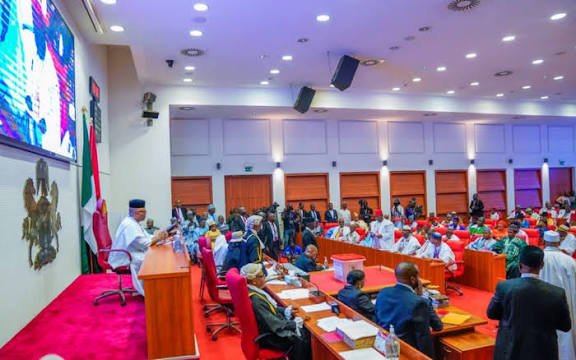
The Organised Private Sector of Nigeria (OPSN) has strongly opposed the Senate’s proposed amendment to the Nigeria Social Insurance Trust Fund (NSITF) Act, describing it as a dangerous attempt to politicise and take control of workers’ social protection funds. The OPSN—which includes the Manufacturers Association of Nigeria (MAN), Nigeria Association of Chambers of Commerce, Industry, Mines and Agriculture (NACCIMA), Nigeria Employers’ Consultative Association (NECA), Nigeria Association of Small and Medium Enterprises (NASME), and Nigeria Association of Small Scale Industrialists (NASSI)—warned that the move threatens the Fund’s transparency, accountability, and governance structure. In a joint letter to the Senate President, signed by the Directors-General of the member organisations, the OPSN urged lawmakers to stop the amendment process, which has already passed its second reading. The group argued that the proposal would undermine the NSITF’s tripartite management system and violate international labour standards. According to the letter, the NSITF was established on a tripartite foundation—representing government, employers, and labour—in accordance with International Labour Organisation (ILO) Conventions 102, 144, and 87, all of which Nigeria has ratified. These conventions emphasise participatory and transparent governance of social security systems, free from political interference. The OPSN warned that reducing the representation of employers and workers while increasing government control would erode good governance, accountability, and effective management of contributors’ funds. It added that the NSITF’s current management board ensures prudent oversight of workers’ resources and must not be replaced with a politically driven structure. The group further cautioned that creating parallel agencies or altering the Fund’s statutory framework could lead to confusion, mismanagement, and a breach of international standards. Expressing concern over legislative priorities, OPSN criticised the Senate for focusing on what it called an “unnecessary and damaging amendment” instead of passing the long-pending Nigeria Labour Law Bill—crucial for addressing workplace safety, labour relations, and dispute resolution. The OPSN called on President Bola Tinubu and Senate President Godswill Akpabio to intervene and halt the amendment process. It reaffirmed its commitment to collaborating with the government and labour unions to strengthen social protection systems, insisting that the NSITF must remain transparent, accountable, and free from political control.