

 Lifestyle & Wellness Desk
Ogun Launches Health Task Force Following Reduction in US Funding
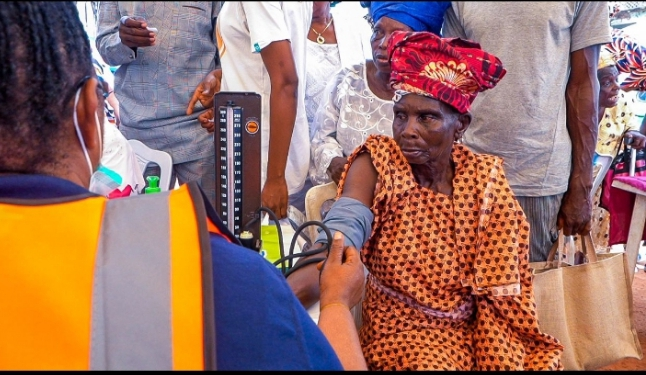
The Ogun State Government, in partnership with the Clinton Health Access Initiative, has established the Health Systems Sustainability Task Force to enhance resilience, strengthen coordination in service delivery, and reinforce government ownership of key health functions.
During the inauguration held in Abeokuta, the Commissioner for Health, Dr. Tomi Coker—who chairs the task force—explained that the initiative was prompted by disruptions following the suspension of United States government global health funding earlier in the year.
Coker, represented by the Permanent Secretary of the Ministry of Health, Dr. Kayode Oladehinde, said the task force would coordinate government and partner responses, promote accountability, and create sustainable mechanisms to address systemic challenges in areas such as workforce, service delivery, health financing, supply chain, and data management.
She added that the multi-stakeholder platform would support decision-making for the governor and executive council, while also aligning state actions with national priorities.
“The task force will champion high-level political commitment, assess the current state of the health sector, and set up technical subcommittees on service delivery, human resources, health financing, supply chain, data systems, and health security,” she said.
Coker noted that the initiative underscores the state’s commitment to achieving sustainable health coverage for all Ogun residents through stronger coordination, improved financing, and accountability across all levels.
The State Coordinator of the National Primary Health Care Development Agency, Mr. Solape Folarin, praised the initiative as vital to sustaining progress in ongoing health programmes, calling for active participation from all stakeholders.
Similarly, the Executive Director of the Youth Future Savers Initiative, Mr. Tayo Akinpelu, speaking on behalf of Civil Society Organisations, pledged their support to ensure the task force effectively delivers on its mandate.
Earlier this year, the US government temporarily suspended funding for certain health programmes in Nigeria for 90 days, though exemptions were made to allow life-saving medicines and essential health services—particularly HIV/AIDS treatment—to continue.

