Blog - Edupreneur Select

Bring to the table win-win survival strategies to ensure proactive domination. At the end of the day, going forward, a new normal that has evolved from generation.
aa-2.png

3min2550
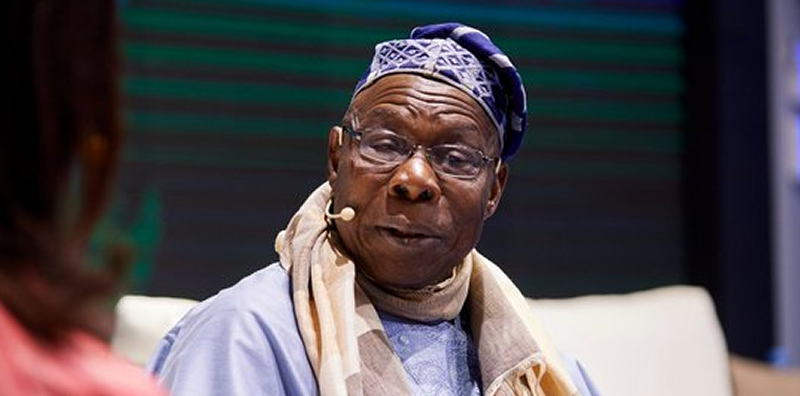
Former President Olusegun Obasanjo has revealed that he once turned down a proposal suggesting former Federal Capital Territory (FCT) Minister Nasir El-Rufai as his preferred successor at the end of his administration in 2007. Speaking on Friday at the Ajibosin Platform Annual Symposium in Abeokuta, Ogun State, Obasanjo said he rejected the idea because he believed El-Rufai was “not yet mature enough” to lead a complex nation like Nigeria. The former president made the comment while responding to a keynote address delivered by former Minister of Aviation Osita Chidoka, who had recalled how El-Rufai introduced him to Obasanjo in 2004 a meeting that led to his appointment as Corps Marshal of the Federal Road Safety Corps (FRSC). Interrupting Chidoka’s speech, Obasanjo humorously said, “He didn’t mention that when I was leaving government, he was pushing that his friend, El-Rufai, should be brought in as my successor.” Turning to Chidoka, he added, “No be so?” prompting a nod of agreement. Obasanjo continued, “I did not yield to the pressure. Later, he asked why I didn’t agree, and I told him El-Rufai needed to mature. Years later, after observing his performance, he came back and said, ‘You were absolutely correct El-Rufai needed to mature.’” Despite the lighthearted exchange, Obasanjo praised both El-Rufai and Chidoka, describing members of his former administration as “individuals with unique qualities” who played key roles in his government between 1999 and 2007. The former president also emphasized that effective leadership requires character, experience, and training. “It’s only in politics that I discovered there’s no training for leadership,” Obasanjo said. “Even among armed robbers, there’s apprenticeship but not in politics. That’s not good enough.” In his address, Chidoka argued that Nigeria’s biggest challenge is not the absence of ideas but the lack of strong institutions to ensure accountability and continuity in governance. “Leadership finds its true measure not in speeches or charisma, but in the systems it leaves behind,” he said. “Nigeria’s problem has never been the absence of ideas; it is the absence of systems strong enough to outlive their authors.” The symposium, themed “Leadership, Governance, and Institutional Renewal in Nigeria,” attracted political leaders, scholars, and civic advocates from across the country.

Tech & Tools Desk25 October 2025
Donald-Trump-2-1.webp

3min2790
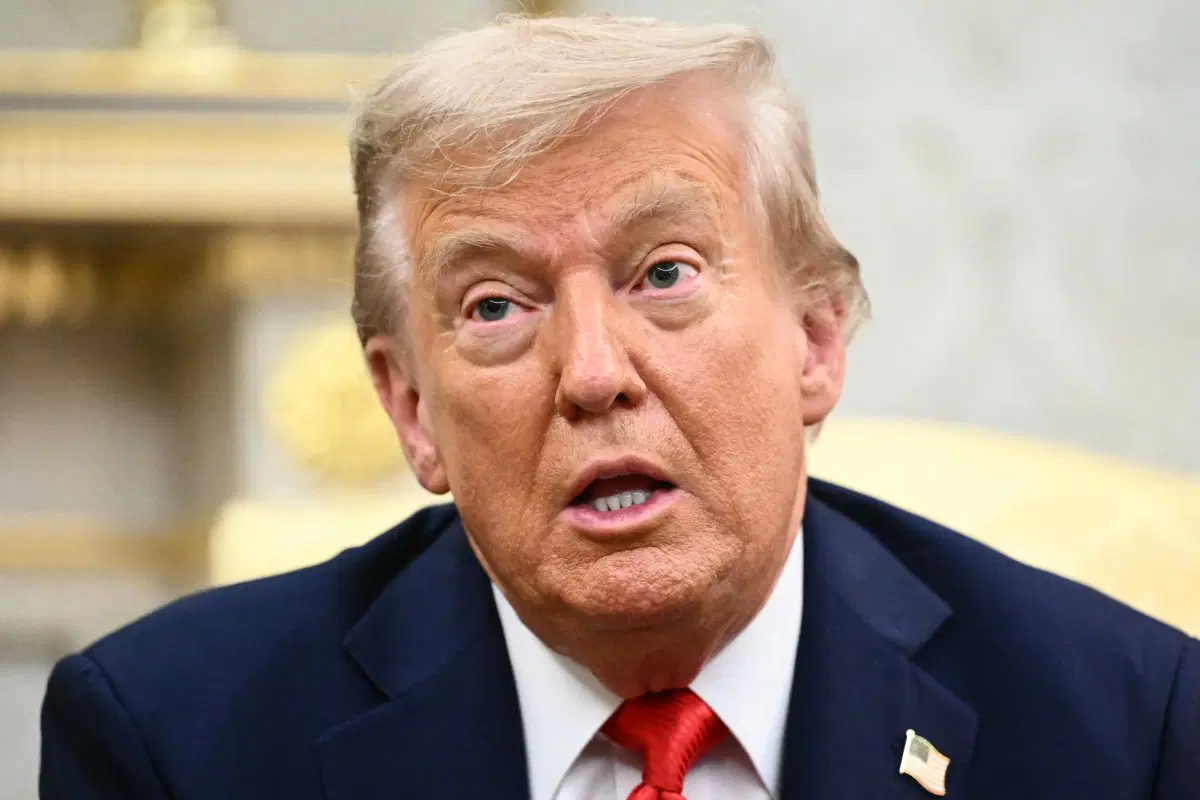
U.S. President Donald Trump departed for Asia on Saturday for a series of high-stakes meetings, including trade talks with Chinese President Xi Jinping, and hinted at a possible meeting with North Korean leader Kim Jong Un during the trip. Trump is expected to meet Xi in South Korea at the end of his regional tour in an effort to end the prolonged trade war between the world’s two largest economies. He told reporters aboard Air Force One that he anticipated a “very good meeting” with Xi and expected China to strike a deal to avoid the new 100% tariffs set to take effect on November 1. As he left Washington, Trump also fueled speculation about a potential meeting with Kim their first since 2019 saying, “I’m open to it. I had a great relationship with him.” When asked if he recognized North Korea as a nuclear state, Trump said, “They are sort of a nuclear power… They’ve got a lot of nuclear weapons, I’ll say that.” Kim has indicated willingness to meet Trump again if the U.S. drops its demand for Pyongyang to give up its nuclear arsenal. According to Seoul’s reunification minister, there is a “considerable chance” the two leaders could meet while Trump is in South Korea for the Asia-Pacific Economic Cooperation (APEC) summit. Trump’s tour begins in Malaysia on Sunday for the ASEAN summit, where he will sign a bilateral trade deal and witness a peace accord between Thailand and Cambodia. He is also expected to meet Brazilian President Luiz Inacio Lula da Silva on the sidelines. In Tokyo, Trump will meet Japan’s new Prime Minister Sanae Takaichi, the country’s first woman leader, whom he praised as a protégé of late former Prime Minister Shinzo Abe. The trip’s key focus, however, will be in South Korea, where Trump will meet President Lee Jae Myung, attend the APEC business luncheon, and host a dinner with U.S. tech executives in Gyeongju before his long-awaited meeting with Xi. Markets are closely watching the outcome, as both leaders face pressure to de-escalate trade tensions amid disputes over tariffs and Beijing’s rare-earth export restrictions. Trump said he also plans to discuss China’s role in curbing fentanyl trafficking and its links to Latin American drug networks.  AFP

James Obasi25 October 2025
aa-6.jpeg

5min3400
President Bola Tinubu has approved a major shake-up in the leadership of Nigeria’s Armed Forces as part of efforts to strengthen the country’s security architecture. A statement signed by the Special Adviser to the President on Media and Public Communication, Sunday Dare, announced the new appointments: General Olufemi Oluyede replaces General Christopher Musa as Chief of Defence Staff (CDS). Major General W. Shaibu becomes the Chief of Army Staff (COAS). Air Vice Marshal S.K. Aneke is the new Chief of Air Staff (CAS). Rear Admiral I. Abbas assumes office as Chief of Naval Staff (CNS). Major General E.A.P. Undiendeye retains his position as Chief of Defence Intelligence (CDI). The President expressed gratitude to the outgoing service chiefs for their “patriotic service and dedicated leadership,” charging the new appointees to “justify the confidence reposed in them” and uphold the professionalism and vigilance of the Armed Forces. All appointments take immediate effect. Reactions from Retired Military Generals Reactions have continued to trail the announcement, with retired military generals describing the move as timely and necessary for career progression and operational renewal within the military. General Anthony Atolagbe (rtd) hailed the decision, saying it would “bring excitement to the military” and restore the long-standing two-year rotation tradition for service chiefs. “It’s a welcome development. It encourages career growth and corrects the past practice of prolonged tenures,” he said. A former Theatre Commander noted that such reshuffles are routine and ensure continuity in leadership. “This is a normal change of guard. Service chiefs traditionally serve two years. It allows younger officers to advance and prevents stagnation,” he said, adding that the move restores “the ideal order of military progression.” Another former Air Component Commander in the North-East observed that the change aligns with efforts to improve security management. “Leadership shifts like this often happen when there’s a need for new strategies to tackle evolving threats such as insurgency and banditry,” he explained. Rear Admiral Dickson Olisemelogor (rtd) described the shake-up as “necessary and timely,” urging that the new chiefs be given full operational freedom. “The rejig is based on the President’s assessment. The new service chiefs are seasoned professionals. However, their success depends on the political class allowing them to act independently,” he said. Also reacting, Okechukwu Nwanguma, Executive Director of the Rule of Law and Accountability Centre (RULAAC), said the changes reflect the President’s constitutional prerogative. “Leadership renewal is good, but beyond symbolism, what matters is whether the new service chiefs will bring fresh strategy, integrity, and accountability to the fight against insecurity,” he stated. A serving senior officer who spoke anonymously added: “If the political class genuinely supports the military and provides clear directives, the insecurity challenges can be tackled decisively.” Profiles of the New Service Chiefs Chief of Army Staff – Major General Waidi Shuaibu Born in Olomaboro LGA of Kogi State, Major General Shuaibu was commissioned into the Nigerian Army Armoured Corps in 1994. An alumnus of the Nigerian Defence Academy (41st Regular Course), he holds degrees from the Universities of Calabar and Ibadan, the National Defence University (Washington), and the Harvard Kennedy School. He has served in key operational and instructional roles, including Brigade Commander, Director at the National Defence College, and GOC 7 Division, Maiduguri. Chief of Naval Staff – Rear Admiral Idi Abbas Born on September 20, 1969, in Kano State, Rear Admiral Abbas enlisted into the NDA in 1987 (40th Regular Course) and was commissioned in 1993. A specialist in Above Water Warfare, he has attended numerous local and international courses, including at the National Defence College, Abuja. He previously served as Chief of Naval Safety and Standards and Chief of Defence Civil-Military Relations before his appointment as CNS. With the new appointments, analysts and retired generals believe President Tinubu’s reshuffle could reinvigorate the Armed Forces and restore a merit-based progression system. The ultimate measure of success, however, will depend on how effectively the new team addresses Nigeria’s persistent security challenges.

a.jpg

3min3940
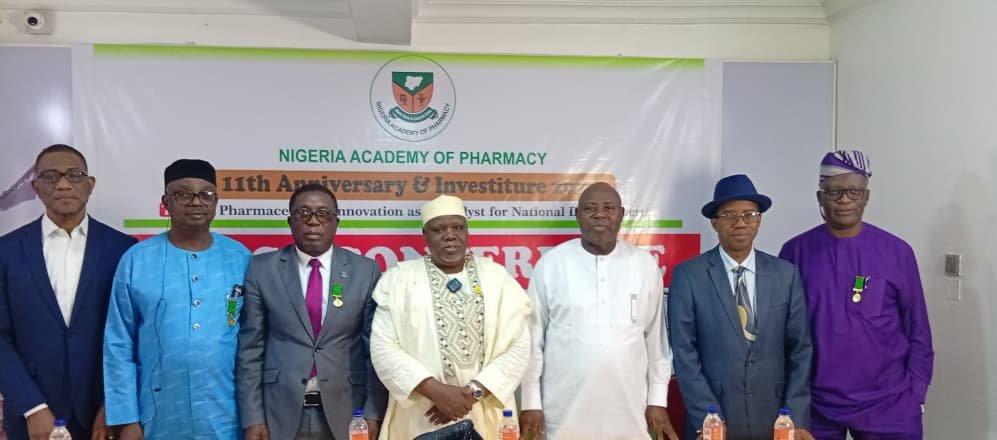
The Nigeria Academy of Pharmacy has emphasized the need for stronger collaboration among researchers, policymakers, and industry leaders to advance pharmaceutical innovation and promote national growth. In a statement issued after its 2025 Investiture and Public Lecture held in Lagos, the President and Chairman of the Governing Council, Prof. Lere Baale, highlighted the importance of unity in strengthening research, local manufacturing, and health security. “We must strive for self-reliance. Pharmaceutical innovation is not just about science — it encompasses governance, business, and, most importantly, nation building,” Baale said. The event, themed “Pharmaceutical Innovation and Nation Building,” brought together professionals from academia, industry, and regulatory bodies to discuss how innovation can transform Nigeria’s healthcare and pharmaceutical landscape. The Director-General of NAFDAC, Prof. Mojisola Adeyeye, noted that ongoing regulatory reforms are improving the quality and competitiveness of locally produced medicines. She revealed that Nigeria now has two WHO-prequalified medicine manufacturers and one WHO-prequalified medical device company, crediting collaboration with universities such as the University of Lagos and the Federal University of Technology, Minna for driving innovation and research. Delivering the keynote address, Group Managing Director of FBN Holdings, Mr. Wale Oyedeji, underscored that innovation and collaboration are key to repositioning Nigeria’s pharmaceutical industry. “We must invest more in research and development. India looked inward and became the world’s pharmacy — Nigeria can do the same,” he said. The event also featured a valedictory session honouring the late Pharm. (Chief) Oludolapo Akinkugbe, celebrated as a pioneer of modern pharmacy education in Nigeria. A total of 14 new Fellows were inducted, while six distinguished professionals were honoured for their outstanding contributions to healthcare, research, and the pharmaceutical sector. Recipients of the Lifetime Achievement Award included Chief Theophilous Adebowale Omotosho, Dr. Fidelis Ayebae, Pharm. (Dr.) Stella Okoli, and Prof. Gabriel Osuide.Honorary Fellowship Awards were also presented to Pharm. Elder Ebenezer Adeleke, Alhaji Sayyid Atana, Dr. Obiora Chukwuka, Pharm. Sir Alfred Osinoiki, Alhaji Auwalu Rano, and Chief Varkey Verghese (MFR) for their exceptional contributions to national development and the growth of the pharmaceutical profession.

z10.jpg

2min2500
According to the latest Quarterly Statistical Bulletin from the Central Bank of Nigeria (CBN), Nigerians spent approximately $4.74 million on foreign healthcare services between May 2023 and March 2025 — marking the first 22 months of President Bola Tinubu’s administration. This figure represents a 52% drop compared to the $9.83 million spent on medical tourism during the first 22 months of the previous administration. The decline reflects tighter foreign exchange policies and possibly a growing reliance on local healthcare facilities. From May to December 2023, medical tourism expenses totalled $2.28 million, while 2024 recorded $2.40 million. Spending remained minimal into early 2025, with just $0.06 million recorded in January and none in February or March. By contrast, between May 2015 and February 2017, Nigerians spent $9.83 million abroad on healthcare, with the highest monthly expenditure hitting $3.20 million in September 2015. The Nigerian Academy of Medicine has consistently expressed concern over the country’s reliance on medical tourism, warning that Nigerians spend over $1 billion annually on healthcare abroad — a pattern that drains foreign reserves and weakens investment in domestic health infrastructure.

z9.png

2min7920
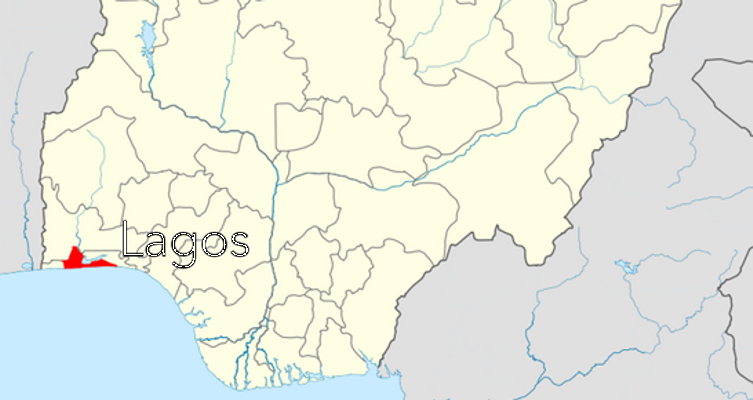
Industrial Development Organisation (UNIDO) and with funding support from the Government of Japan, has launched a focused initiative to prevent cholera outbreaks in flood-prone communities across the state. The project, titled “Emergency Capacity Building of Informal Food and Water Vendors and Waste Workers in Flood-Affected Lagos to Combat Cholera Outbreaks,” is backed by a grant of about $275,000. Speaking at a sensitisation programme in Lagos on Wednesday, LASEPA General Manager Dr. Babatunde Ajayi highlighted the critical role of informal food and water vendors, as well as waste workers, in safeguarding public health and ensuring environmental safety. He explained that their daily activities directly affect public health outcomes, environmental hygiene, and the general well-being of residents. The intervention, supported by the Government of Japan and UNIDO, aims to build the capacity of these groups through training in hygiene, sanitation, and safe handling practices. Ajayi noted that the funds would also provide hygiene supplies, awareness materials, and support systems for high-risk local government areas while strengthening monitoring and cooperation among government agencies, vendors, and waste-management operators. He added, “Together, we can ensure a safer, healthier, and more resilient Lagos.” UNIDO Project Assistant Wunako Elam described the project as a timely and practical step that not only responds to past cholera outbreaks but also enhances the state’s preparedness for future public health challenges.

Tech & Tools Desk24 October 2025
z88.jpg

2min2270
The Federal Ministry of Housing and Urban Development has announced standardised prices for housing units under its Renewed Hope Estate Programme across the country. In a statement issued in Abuja by the Ministry’s Director of Press and Public Relations, Badamasi Haiba, the initiative is part of the government’s ongoing efforts to make homeownership more affordable and inclusive for Nigerians. The housing units—comprising one-, two-, and three-bedroom semi-detached bungalows—will be sold at uniform prices nationwide: One-bedroom: ₦8.5 million Two-bedroom: ₦11.5 million Three-bedroom: ₦12.5 million According to Haiba, adopting a unified pricing structure promotes fairness, transparency, and accessibility, ensuring equal opportunities for citizens in all regions to benefit from the Renewed Hope Housing Programme. The Minister of Housing and Urban Development, Ahmed Dangiwa, stated that allocation priority will go to low- and middle-income earners, civil servants at all government levels, private sector employees with verifiable income, and Nigerians in the diaspora who wish to own homes locally. Providing additional details, the Permanent Secretary, Dr. Shuaib Belgore, said multiple payment options have been introduced to make ownership flexible and affordable. These include outright purchase, mortgage financing, rent-to-own arrangements, and instalment payment plans. He also disclosed that the sale of completed housing units across both northern and southern regions will commence soon. Interested applicants can apply through the Renewed Hope Housing online portal at www.renewedhopehomes.fmhud.gov.ng

James Obasi24 October 2025
z7.jpg

3min2640
LG Electronics Nigeria has entered into a partnership with Ecobank Nigeria to provide flexible financing options that make it easier for consumers to purchase LG’s latest range of AI-powered Smart TVs, washing machines, refrigerators, and air conditioners without paying the full amount upfront. Unveiled at Ecobank’s headquarters in Lagos under the theme “From Screens to Scenes with AI Smart TVs,” the initiative introduces an Easy Monthly Installment (EMI) scheme — a Buy Now, Pay Later model that allows customers to spread payments over a period of up to 24 months. Speaking at the event, Ecobank Nigeria’s Head of Distribution Channels and Sales, Dr. Adeola Ogunyemi, said the collaboration represents a bridge between technology and finance aimed at improving living standards. “We believe technology should be accessible to everyone, not just a few. Our partnership with LG is a major step toward making smart living attainable for more Nigerians through flexible payment plans. By combining Ecobank’s financial expertise with LG’s technological innovation, we are helping households embrace connected lifestyles without the strain of upfront costs,” Ogunyemi said. He added that the initiative is not only about financing but also about empowering Nigerians to experience modern living today. “As smart homes become the new norm, Ecobank is proud to support this transformation by providing affordable solutions that enhance comfort, convenience, and quality of life,” he stated. LG Electronics’ General Manager for Media Entertainment Solutions, TV Division, Mr. Choongbae Seok, highlighted that LG’s AI-driven products — including OLED, QNED, NanoCell, and UHD TVs, as well as intelligent home appliances — are designed to simplify everyday living and create smarter, more connected environments. “With AI at the core of our innovation, LG continues to redefine the smart living experience,” he noted. Also speaking at the event, Ecobank’s Head of SMEs, Partnerships, and Collaborations, Omoboye Odu, described the partnership as a reflection of creativity, innovation, and progress, adding that it sets the pace for more inclusive access to advanced technology in Nigeria.

z6.jpg

3min5710
United Bank for Africa (UBA) has partnered with Renewvia Solar Nigeria to deploy renewable energy systems across 25 of its branches in five Nigerian states, marking a major step forward in strengthening Nigeria–Norway collaboration on clean energy. The initiative was officially launched at a ribbon-cutting ceremony held at UBA’s Oba Akran 2 branch in Ikeja, Lagos, with the Nordic Ambassador to Nigeria, Mr. Svein Bæra, in attendance. The event featured a guided tour of the Inverter and Battery Room by the Renewvia team. According to UBA, the partnership underscores its growing commitment to sustainability, innovation, and responsible investment — a message echoed by UBA Group Chairman, Tony O. Elumelu, during the Norway-Africa Business Summit in Oslo, where he urged global investors to see Africa as a hub of opportunity rather than a destination for aid. “Africa needs partners, not charity,” Elumelu stated, calling for collaboration grounded in mutual respect, entrepreneurship, and shared growth. Under a 10-year Power-as-a-Service agreement, Renewvia will install advanced solar and battery hybrid systems across UBA branches to enhance power reliability, operational efficiency, and customer experience. Upon completion, the project will extend to 50 locations across 18 states, delivering 3 MWp of solar capacity and 7 MWh of energy storage. UBA’s Deputy Managing Director, Muyiwa Akinyemi, described sustainability as central to the bank’s vision, saying, “At UBA, we see sustainability not just as a responsibility but as a key pillar in building Africa’s future.” Renewvia Solar Nigeria’s Managing Director, Adebowale Dosunmu, described the collaboration as a major milestone in providing reliable and clean energy to commercial and industrial clients across Nigeria. Oladipupo Omodara, CEO of Incremental Energy Solutions (IES) Ltd, commended UBA’s management for its proactive approach in bringing the project to life, while Empower New Energy’s CEO, Terje Osmundsen, noted that his company is proud to serve as the financing partner supporting UBA’s clean energy vision. In his goodwill remarks, Ambassador Svein Bæra praised the partnership as “a shining example of what is possible when African ambition meets Nordic innovation and investment.”

z5-1280x731.jpg

4min2150
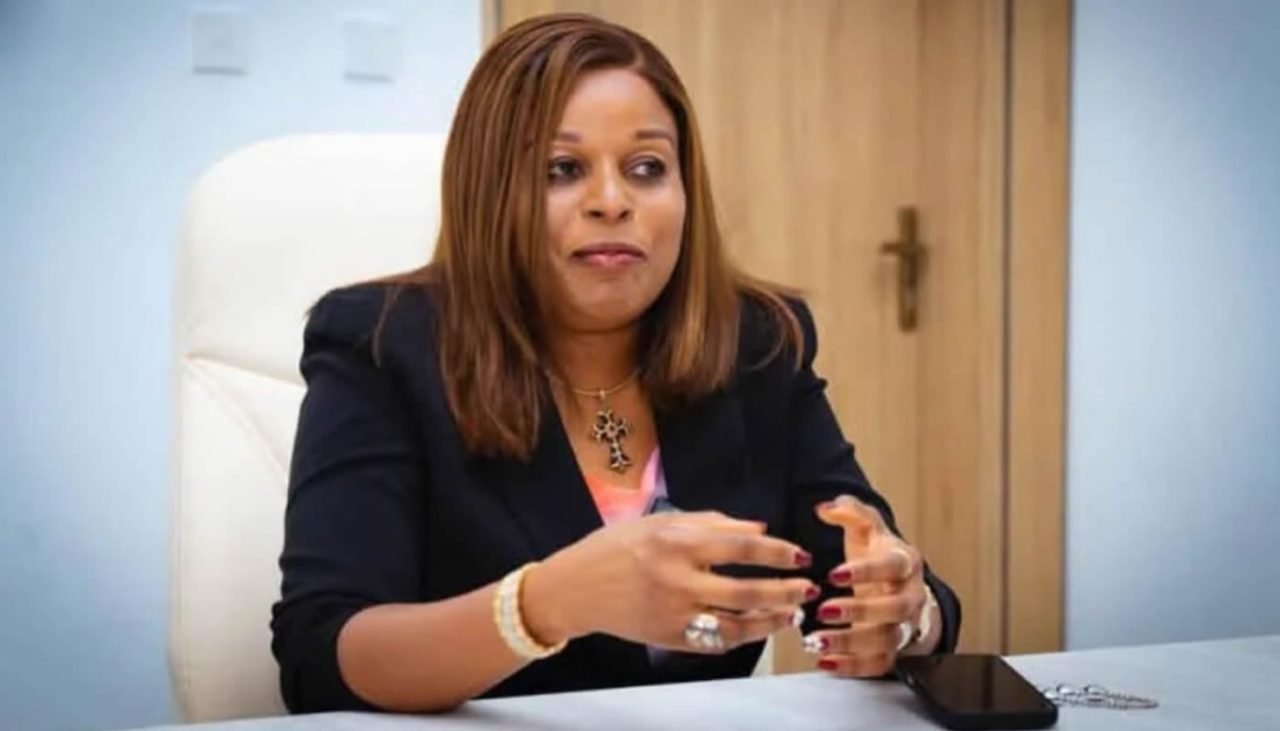
The wife of the Anambra State Governor, Dr. Nonye Soludo, has called for urgent and coordinated action to address the rising cases of Hepatitis B and C in Nigeria, warning that the situation demands immediate national attention. Dr. Soludo, who is also the founder of Healthy Living with Nonye Soludo, noted that an estimated 20 million Nigerians are currently infected with either or both forms of the disease, with more than 80 percent unaware of their status. Speaking at the 2025 National Hepatitis Summit in Abuja, she expressed concern that limited public awareness remains one of the major factors fuelling the spread of the disease. “A large majority of our people know very little or absolutely nothing about Hepatitis and how dangerous it can be,” she said. She emphasised that early detection and treatment are key to managing the disease, explaining that Hepatitis B can be treated if discovered early, while Hepatitis C can be cured with antiviral medicines when detected in its initial stages. Dr. Soludo urged increased public education and stronger collaboration among stakeholders to intensify the fight against the disease at both state and national levels. “Even though we are behind, progress is still possible if we act now,” she noted. Highlighting preventive measures, she pointed out that the Hepatitis B vaccine is already part of Nigeria’s routine immunisation schedule for children and encouraged adults to get vaccinated at accredited health facilities. “These vaccines are not only safe but also highly effective,” she added. She warned that failure to act promptly could lead to a public health crisis. “The numbers are frightening, but if we remain committed to education and strategic dialogue, we can prevent a much bigger problem in the near future,” she said. Dr. Soludo reaffirmed her commitment to advancing awareness and prevention through her Healthy Living campaign in Anambra State and beyond. As part of her broader health advocacy, she recently led a Healthy Living Walk across several Anambra communities to promote fitness, healthy eating, and disease prevention. The event, which started in Aroma, Awka, brought together government officials, health workers, students, and residents. Following the exercise, Dr. Soludo reiterated the importance of physical activity and nutrition, describing exercise as “medicine for healing and overall well-being.”