Blog - Edupreneur Select

Bring to the table win-win survival strategies to ensure proactive domination. At the end of the day, going forward, a new normal that has evolved from generation.
Tech & Tools Desk2 October 2025

Wale-Tinubu-.jpg

3min11900
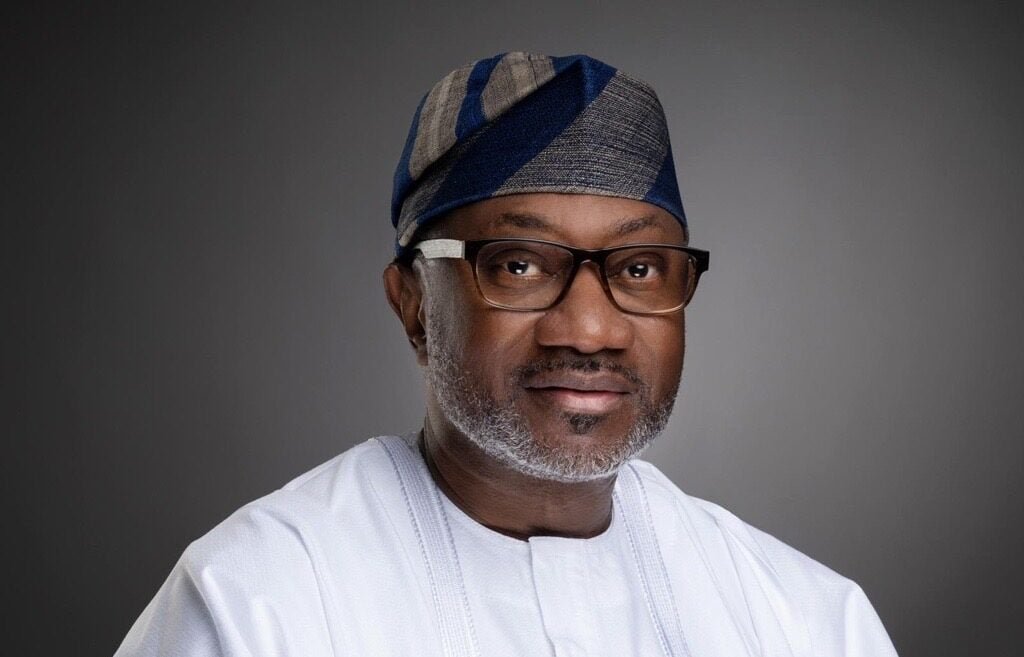
The Group Chief Executive of Oando Plc, Wale Tinubu, CON, has received the Lifetime Achievement Award at Africa Energy Week (AEW) 2025, held in South Africa. The recognition celebrates his role in transforming Oando into one of Africa’s foremost integrated energy companies and his enduring contributions to the continent’s energy sector. The Lifetime Achievement Award is conferred annually on leaders whose vision, resilience, and impact have shaped Africa’s energy landscape. In presenting the award, the Africa Energy Chamber commended Tinubu for his dedication to energy security on the continent, his ability to steer Oando through turbulent times, and his demonstration of how indigenous enterprises can drive growth, innovation, and energy independence. According to a statement by Oando, Tinubu has consistently championed Africa’s ability to harness its own abundant resources for the benefit of its people. Under his leadership, Oando evolved from a small downstream operator into a multinational energy group with a portfolio spanning oil and gas exploration, power, and renewables. The statement described him as “a firm believer that greatness can be achieved through vision, determination, and the right team,” noting that his leadership has positioned Oando as a continental leader while symbolising African ambition, ingenuity, and resilience. The award, regarded as a benchmark of excellence at AEW, honours individuals whose contributions over decades have left a lasting mark on the industry. Past recipients include Afreximbank President, Professor Benedict Oramah (2024); former Namibian President, Hage Geingob, and former Senegalese President, Macky Sall (2023); as well as Congo’s Minister of Hydrocarbons, Bruno Itoua (2022). Tinubu has previously been recognised for transforming Oando from a petroleum marketing firm into a fully integrated energy group. Beyond business, he has also been acknowledged for his roles in social enterprise and philanthropy. Earlier in 2025, Oando Energy Resources, the upstream subsidiary of Oando Plc, was awarded operatorship of Block KON 13 in Angola’s Onshore Kwanza Basin after a competitive bidding round. The block, located in one of Angola’s most prolific regions, holds an estimated 770 to 1,100 million barrels of prospective oil resources.

James Obasi2 October 2025
Femi-Otedola.jpg

4min1870
The call for the Federal Government to publish the full list of individuals and companies that siphoned Nigeria’s fuel subsidy funds has gained fresh momentum following recent comments by billionaire businessman Femi Otedola. For over a decade, the subsidy scandal has loomed over Nigeria’s finances, draining trillions, enriching a powerful cartel, and leaving citizens in the dark about who truly profited. Last week, Otedola reignited the debate when he alleged that marketers pocketed more than N2tn under the Goodluck Jonathan administration. His remarks triggered heated reactions and renewed demands for the release of the names of those who bled the system. When President Bola Tinubu assumed office in 2023, he removed fuel subsidies, declaring that the policy only served a corrupt elite. Although Tinubu had opposed subsidy removal in 2012, he later argued that the programme had outlived its usefulness, stressing that the trillions wasted could have been invested in health, education, security, and infrastructure. Despite this stance, the current administration has not ordered a probe, and anti-graft agencies appear reluctant to pursue the matter. Otedola, a former petroleum investor and member of Jonathan’s economic team, recently clashed with fuel marketers while accusing his former industry peers of orchestrating fraud. His claim that over N2tn was stolen sparked sharp rebuttals. Umar Sani, ex-spokesperson to former Vice President Namadi Sambo, accused Otedola of rewriting history and reminded Nigerians of his dominant role in diesel imports during the same era. Sani further recalled the infamous Farouk Lawan bribery scandal, in which Otedola admitted giving marked money to a lawmaker but claimed it was part of a security sting operation. Critics maintain the episode raised more questions about his motives. Unmoved, Otedola fired back, insisting that Zenon Petroleum and Gas Ltd never benefitted from subsidy payments since diesel had long been deregulated. He also reiterated that he was the first to alert authorities to the magnitude of subsidy fraud, insisting he acted as a whistleblower rather than a beneficiary. His most striking demand was for President Tinubu to publish the full Aigboje Aig-Imoukhuede report, which allegedly contains names of marketers indicted for submitting false subsidy claims. Although parts of the report have leaked, successive administrations have withheld the complete findings. Both Otedola and Sani now appear to agree on one point: Nigerians deserve full disclosure. Citizens, activists, and observers alike are demanding that the government finally expose those behind the subsidy heist, which has remained one of the country’s costliest financial scandals. Despite years of probes, reports, and panels, no major player has been publicly prosecuted or convicted. With subsidy removal now a reality, the pressure is on Tinubu’s administration to unmask those who enriched themselves at the expense of the nation. The lingering question is whether the government will finally release the names—or whether the long-suppressed report will remain buried.

cc.webp

3min2280
Snapchat has announced it will begin charging users for storing older photos and videos, sparking criticism from users with extensive archives saved in the app’s Memories feature. Since its launch in 2016, the Memories function has allowed users to save snaps that would otherwise disappear after 24 hours. But under new changes, users who exceed 5GB of stored content will now be required to pay for additional storage. Snap, the app’s parent company, did not disclose pricing details for UK users but said the policy would roll out gradually across global markets. A spokesperson told tech outlet TechCrunch that the initial paid plan will offer 100GB of storage for $1.99 (£1.48) per month. Users subscribed to Snapchat+ will get 250GB as part of their $3.99 (£2.96) plan. Those with more than 5GB of stored content will be prompted to upgrade. The company says it will provide a 12-month grace period for users over the limit to either download their data or move to a paid plan. “These changes will allow us to continue investing in making Memories better for our entire community,” Snap said in a blog post. “We understand it’s never easy to go from receiving a service for free to paying for it, but we believe the value will be worth the cost.” More than one trillion Memories have been saved globally since the feature launched. However, the update has triggered a backlash on social media, with users accusing the company of being “greedy” and “unfair.” Many longtime users claim they have accumulated well over 5GB of data over the years and now feel forced into paying to keep their digital memories. Screenshots of in-app messages warning users to pay or risk losing their saved content have gone viral, intensifying frustration. Snap insists the change won’t affect most users, noting that the majority store less than 5GB of Memories. Still, the move marks a significant shift in how the app handles data storage and a sign of broader changes across the tech landscape. Drew Benvie, CEO of social media consultancy Battenhall, called the shift “inevitable.” “The road to paying for storage on social media is inevitable,” he told the BBC. “In an era where we post less, but save more, this is the natural evolution for messaging and social platforms.” Snapchat, which now has over 900 million monthly active users, joins a growing list of tech companies looking to monetize features once offered for free especially as competition with platforms like Instagram and TikTok intensifies.

Nigerian-Police-Force-1.jpg

3min1270
The Federal Capital Territory (FCT) Police Command has confirmed that Arise News journalist Somtochukwu Maduagwu died after jumping from the top floor of her apartment building during an armed robbery in Katampe, Abuja, on Monday, September 29, 2025. This clarification follows earlier reports suggesting that her death may have been linked to alleged medical negligence at Maitama General Hospital, where she was taken after the incident. In an interview with Arise News on Wednesday, FCT Commissioner of Police Ajao Adewale confirmed that Maduagwu was found unconscious at the scene and was immediately rushed to the hospital. “Officers arrived at the scene to find her lying unconscious. She was taken to Maitama General Hospital, where doctors attempted resuscitation using CPR, but unfortunately, she did not survive,” Adewale stated. He explained that the attack occurred at Unique Apartments, a three-storey twin complex comprising 18 flats in the Gishiri area of Katampe, under the jurisdiction of the Mabushi Divisional Police. “Armed robbers gained access to the compound. Two private security guards were on duty. One of them was shot after attempting to confront the intruders,” Adewale said. “In the panic that followed, Sommie, who lived on the top floor, jumped from the third storey. Tragically, the fall proved fatal.” The police commissioner expressed condolences to the late journalist’s family, the Arise News team, and all Nigerians affected by the loss. He further disclosed that a dedicated investigation team, led by the Deputy Commissioner of Police (Investigation), had been formed to track the suspects. “We are working with all tactical units to pursue active leads. No stone will be left unturned until the perpetrators are brought to justice,” Adewale assured. Arise News had confirmed Maduagwu’s death on Tuesday, September 30, attributing the tragedy to the aftermath of a robbery and raising concerns over alleged lapses in emergency medical care. The incident has sparked widespread outrage across the country. The Nigerian Guild of Editors (NGE), media professionals, and civil society groups have condemned both the violent attack and the broader issue of insecurity. National figures including President Bola Tinubu, former Vice President Atiku Abubakar, and Lagos State Governor Babajide Sanwo-Olu have also expressed their condolences, calling for swift justice and better protection for citizens.

Tech & Tools Desk1 October 2025
bb.jpg

2min9030
The United States Embassy in Nigeria has assured the public that visa and passport services will remain operational despite the ongoing partial shutdown of the U.S. federal government. In a statement posted Wednesday on its official X (formerly Twitter) account, the embassy explained that although routine updates on its social media channels will be paused due to a lapse in government funding, consular services including visa and passport processing will continue “as the situation permits.” “Due to the lapse in appropriations, this X account will not be updated regularly until full operations resume, with the exception of urgent safety and security information,” the post read. “At this time, scheduled passport and visa services in the United States and at U.S. embassies and consulates overseas will continue during the lapse in appropriations.” The embassy clarified that while appointments and processing are expected to proceed, updates on social platforms will be limited strictly to critical safety and security information until funding is restored. The announcement comes amid concerns from Nigerians especially students, business travelers, and families worried that the U.S. shutdown might delay visa applications or impact travel plans. The current government shutdown, triggered by a budget impasse between Congress and the President, has forced several U.S. federal agencies to scale back operations. While essential services like military, mail delivery, and Social Security continue, many federal workers are furloughed without pay until a funding agreement is reached. U.S. government shutdowns occur when lawmakers fail to pass legislation to fund federal operations. In the meantime, Nigerians seeking information on visa appointments or passport services are advised to visit travel.state.gov for official updates and guidance.

James Obasi1 October 2025
aa.jpeg

3min1690
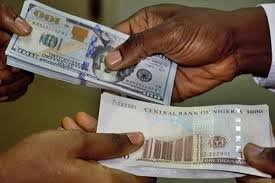
The Nigerian naira showed mixed but modest movements on Wednesday, recording slight gains in the parallel (street) market while slipping marginally in the official foreign exchange window. In the parallel market, the naira appreciated slightly, closing at ₦1,500 per US dollar—an improvement from ₦1,505 earlier in the week. This uptick reflects renewed activity among independent traders and a slight boost in dollar supply. Conversely, at the Nigerian Foreign Exchange Market (NFEM), the naira weakened mildly, ending the day at ₦1,478 per dollar, down from ₦1,480.15 the previous day. This resulted in a narrower gap between the official and street rates, now about ₦22—compared to the ₦25 spread observed earlier in the week. Exchange Rates for Other Major Currencies: Parallel Market: Pound Sterling: ₦2,075 Euro: ₦1,665 Official Market: Pound Sterling: ₦2,030.50 Euro: ₦1,620.45 These figures continue to highlight the modest divergence between Nigeria’s official and informal FX markets. Market analysts attribute the slight appreciation in the parallel market to improved dollar inflows from diaspora remittances, seasonal trade earnings, and independent supply sources. However, demand for dollars remains high, particularly from businesses, importers, students, and travelers who often rely on the parallel market due to limited access in the formal channel. The official market remains supported by Central Bank of Nigeria (CBN) interventions, which aim to contain volatility. The reduced disparity between the two markets suggests that recent policy adjustments and FX reforms may be yielding early signs of alignment. Outlook: Traders anticipate the naira will trade between ₦1,495 and ₦1,505 in the parallel market over the coming days, assuming dollar supply remains steady. The CBN is expected to continue its targeted interventions to smooth out volatility and reinforce market confidence. While recent trends are cautiously positive, long-term naira stability will depend on structural reforms—such as expanding non-oil exports, attracting significant foreign direct investment, increasing FX liquidity, and maintaining macroeconomic discipline.

community-pharmacists.jpg

3min6570
Pharmacists in Lagos State have urged the Federal and Lagos State governments to urgently reform Nigeria’s drug distribution system and incorporate pharmacy services into the national health insurance framework. They warned that the continued exclusion of pharmacists from health policy planning threatens public health and undermines the country’s drive toward achieving Universal Health Coverage (UHC). The call was made during the 2025 World Pharmacists Day celebration in Lagos, themed “Think Health, Think Pharmacist.” The event, held at the Association of Community Pharmacists of Nigeria (ACPN) Secretariat in Ogudu, featured a health walk, community outreach, media engagements, and capacity-building sessions to highlight the critical role of pharmacists in healthcare delivery. Chairman of the Lagos ACPN, Tolu Ajayi, described Nigeria’s drug distribution system as chaotic and unsafe, warning that without strict enforcement of the National Drug Distribution Guidelines, Nigerians would remain exposed to fake and substandard medicines. “No other healthcare professional is better trained to ensure the safety, authenticity, and quality of medicines than the pharmacist,” Ajayi said, stressing that pharmacists must be central to drug supply and monitoring systems if lives are to be protected. Also speaking, Chairman of the Lagos State chapter of the Pharmaceutical Society of Nigeria (PSN), Pharm. Babayemi Oyekunle, criticised the National Health Insurance Authority and the Lagos State Health Management Agency for sidelining pharmacists in health insurance design and implementation. He argued that an insurance scheme that excludes pharmacists is incomplete and undermines access to safe and affordable medicines. “The pharmacy is often the first point of contact for patients. Ignoring this reality weakens the healthcare system at its foundation,” he said. Immediate past Chairman of ACPN Lagos, Pharm. Lawrence Ekhator, added that pharmacists must invest more in media advocacy to challenge misconceptions about the profession. He stressed that pharmacists are not merely drug dispensers but critical healthcare providers whose expertise improves patient outcomes. The event brought together pharmacists, stakeholders, and zonal coordinators across Lagos, with participants marching in a health walk to the ACPN Secretariat in Ketu-Alapere, alongside community outreach and awareness programmes reinforcing their call for reform.

Tech & Tools Desk30 September 2025
heart-failur-50.webp

4min1870
Medical experts have raised alarm over the growing incidence of heart failure among young Nigerians, linking the trend to poor lifestyle habits, rising obesity, lack of exercise, and substance abuse. They expressed concern that the disease, often underdiagnosed and poorly managed, now claims lives faster than some cancers. Many patients, they said, die either during hospital admission or shortly after discharge, largely due to late presentation, poor access to treatment, and low public awareness. Cardiologists noted that unlike in Western countries where heart failure typically occurs from age 70, Nigerians are increasingly affected between ages 55 and 59, cutting down people in their most productive years and compounding the nation’s economic struggles. Statistics from the World Health Organisation show that cardiovascular diseases (CVDs) remain the leading cause of death globally, accounting for 17.9 million deaths annually. Four out of five CVD deaths are caused by heart attacks and strokes, while one-third occur prematurely in people under 70. Professor of Medicine and Consultant Cardiologist at the University of Ilorin Teaching Hospital, James Ogunmodede, described the situation as a looming epidemic if urgent interventions are not introduced. “Heart failure carries an unacceptably high mortality rate. More than 10 per cent of patients die during admission, and nearly 50 per cent within five years of diagnosis. These figures are worse than those of some cancers,” he warned. Ogunmodede called for aggressive reforms, including nationwide public health education, early screening for hypertension, routine medical check-ups in schools and workplaces, and government-backed subsidies for treatment. “Treatment should be made free. Many patients lose their earning capacity once diagnosed, while the cost of care remains high. If left unchecked, the burden of heart failure could overwhelm our health system,” he added. He also stressed the importance of lifestyle changes such as quitting smoking, limiting alcohol consumption, moderating salt intake, and regular exercise. Supporting his views, Dr. Ramon Moronkola, a Consultant Cardiologist at Lagos State University Teaching Hospital, highlighted the need to tackle modifiable risk factors such as hypertension, diabetes, high cholesterol, and obesity. “Healthy diets rich in fruits and vegetables, reduced saturated fat, and consistent physical activity can significantly reduce the risk of cardiovascular disease,” he said. Both experts urged Nigerians to embrace annual health checks, while calling on the government to strengthen primary healthcare, improve referral systems, and integrate preventive measures into community-level interventions.

Social-Media-Advertising.jpg.optimal.jpg

3min5840
The Minister of Budget and Economic Planning, Senator Abubakar Bagudu, has cautioned that social media narratives are distorting public perception of Nigeria’s progress, often comparing the country unfairly with advanced economies without considering its unique developmental challenges. Bagudu raised the concern in Abuja during a courtesy visit by a delegation of the United Nations Industrial Development Organisation (UNIDO), led by its Representative and Regional Director, Mr Philbert Johnson. His remarks were contained in a statement signed by the ministry’s Director of Information and Public Relations, Mrs Julie Osagie-Jacobs. The minister noted that overreliance on social media has clouded understanding of Nigeria’s economic journey, stressing the need to build awareness around the complexities of production, subsidies, and developmental stages. He urged stakeholders across sectors to contribute to the new National Development Plan (NDP 2026–2030), which is currently under review as the existing NDP 2021–2025 winds down. “Industrialisation remains a central pillar of this process because it offers the pathway to higher-quality jobs, inclusive prosperity, and stronger global competitiveness,” Bagudu said. He, however, criticised the global economic system for creating barriers to Africa’s industrial growth, noting that stronger economies often crowd out developing nations. Bagudu called on UNIDO to play a more active role in addressing these imbalances, stressing that Nigeria and other African nations need partners that can help design alternative pathways for industrial development despite protectionist global policies. In response, Johnson praised Nigeria’s commitment to industrialisation, confirming that UNIDO had signed a Programme for Country Partnership with the country six months earlier. He explained that the next step would be to establish a National Coordinating Body to guide its implementation, while reaffirming UNIDO’s support for renewable energy, circular economy projects, and small-scale industry development. Meanwhile, the National Bureau of Statistics reported that Nigeria’s Gross Domestic Product grew by 4.23 per cent year-on-year in real terms in the second quarter of 2025, compared with 3.48 per cent in the same period of 2024. The bureau said the rebased GDP, using 2019 as the base year, allowed better tracking of sectoral performance. However, labour unions, including the Nigeria Labour Congress, questioned the credibility of the figures, arguing that they do not reflect the worsening living conditions of workers and households.

James Obasi30 September 2025
nnpc-vs-dagote.jpg

3min8460
The Nigerian National Petroleum Company Limited (NNPC) has entered into a fresh two-year crude supply agreement with Dangote Petroleum Refinery, aimed at ensuring a steady flow of crude to the 650,000-barrel-per-day facility in Lekki, Lagos. The agreement, signed in August, forms part of the Federal Government’s plan to strengthen the crude-for-naira initiative. According to details from NNPC, about 82 million barrels of crude have been allocated to the refinery between October 2024 and October 2025, with 60 per cent—equivalent to 49.3 million barrels—sold in naira. The deal follows recent concerns after Dangote refinery temporarily halted petrol sales in naira, citing exhaustion of its crude-for-naira allocation. The intervention of the Naira-for-Crude Technical Committee restored naira-denominated petrol sales, with NNPC reaffirming its commitment to the initiative. NNPC spokesperson Andy Odeh confirmed that crude allocations continue to be reconciled with Dangote and the Nigerian Midstream and Downstream Petroleum Regulatory Authority to match delivery volumes with naira payments. He noted that three naira cargoes were supplied in August, with five allocated each for September and October. From October 2024 to October 2025, the refinery is set to receive a total of 82 million barrels, with the majority designated as naira cargoes. The Steering Committee of the Domestic Crude Oil and Refined Products Sales in Local Currency Initiative, chaired by the Minister of Finance and Coordinating Minister of the Economy, Wale Edun, assured Nigerians that the naira-for-crude arrangement remains intact and will not disrupt fuel supply. The committee, which includes representatives from NNPC, the Central Bank of Nigeria, Afreximbank, and the refinery, emphasised the government’s commitment to energy security and market stability. Oil marketers welcomed the development, noting that steady crude allocations to Dangote will reduce reliance on imports and ensure continuous supply of petroleum products. The Independent Petroleum Marketers Association of Nigeria also urged that modular refineries be factored into the domestic crude allocation framework. With the renewed agreement, the Dangote refinery is expected to receive increased local crude supply, boosting Nigeria’s drive to achieve energy security, stabilise fuel availability, and strengthen the naira.