Blog - Edupreneur Select

Bring to the table win-win survival strategies to ensure proactive domination. At the end of the day, going forward, a new normal that has evolved from generation.
zz.webp

3min4680
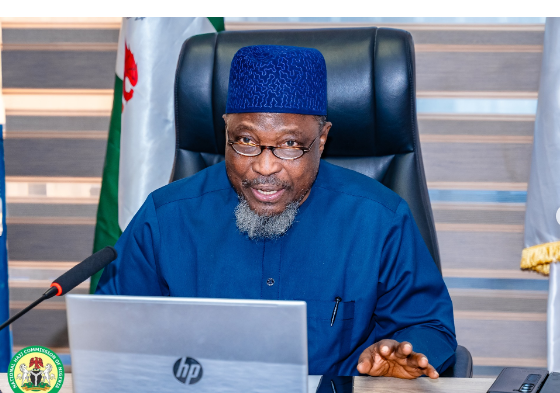
The Chairman and Chief Executive Officer of the National Hajj Commission of Nigeria (NAHCON), Prof Abdullahi Usman, has formally confirmed his resignation. In a statement issued on Tuesday in Abuja and signed by him, Usman said his decision to step down was taken for personal reasons, dismissing any suggestion of wrongdoing. His resignation comes amid reports that members of the NAHCON board had submitted a petition to President Bola Tinubu seeking his removal over alleged misconduct. The petition, dated January 19, 2026, and signed by 11 board members, expressed a vote of no confidence in the former chairman and accused him of financial indiscipline, lack of transparency and approving expenditures and contracts without board approval, allegedly beyond budgetary limits. The petition also claimed that such actions amounted to serious breaches of financial governance and noted that he was reportedly under investigation by the Economic and Financial Crimes Commission. It further alleged that some Hajj-related contracts were awarded in violation of the Bureau of Public Procurement Act and due process, exposing the commission to legal, financial and reputational risks. In his statement, Usman said his resignation takes effect from Monday, February 9, 2026. He stressed that the decision followed personal reflection and consultation with his family, and was made with respect for the responsibilities of public office. He added that, in line with the National Hajj Commission of Nigeria (Establishment) Act, 2006, he had submitted his resignation in writing to President Tinubu. Usman expressed gratitude to the President for the opportunity to serve, as well as to Vice President Kashim Shettima for his support during his tenure. He also thanked the NAHCON board, management and staff, state pilgrims’ welfare agencies, tour operators, aviation and service providers, and Nigerian partners in Saudi Arabia for their cooperation. Reiterating his position, Usman maintained that his resignation was solely for personal reasons and did not reflect dissatisfaction with the commission, the government or its mandate. Before stepping down, his last official engagement was the reception of Saudi Arabia’s Minister of Hajj and Umrah, Dr Tawfiq Al-Rabiah, in Abuja last week. Prof Usman was appointed chairman of NAHCON by President Tinubu in 2024.

zz-2.jpeg

2min3760
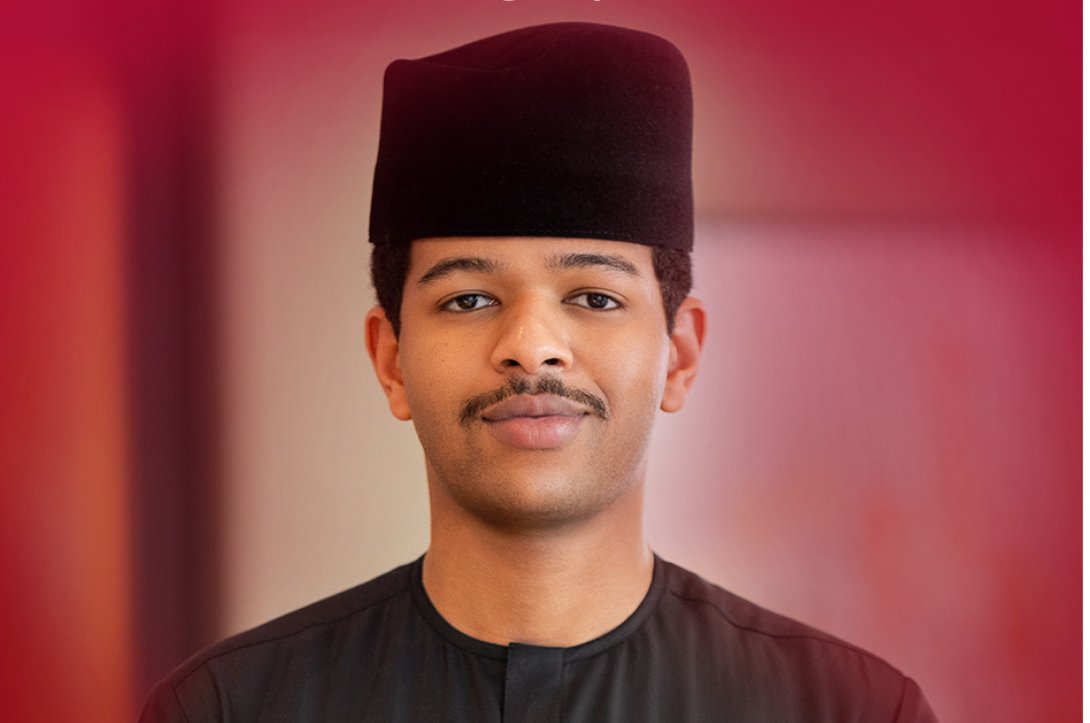
The Board of BUA Foods Plc has announced the appointment of Mr Isyaku Abdulsamad “Khalifa” Rabiu as Chief Officer, Global Procurement and Strategic Operations. In a statement issued on Wednesday, the company said the appointment marks a significant step in strengthening its leadership position in the market. The board described Rabiu as an experienced executive with a strong track record in driving strategic initiatives across multiple sectors. An expert in supply chain resilience and cost optimisation, Rabiu will oversee BUA Foods’ global procurement operations as the company expands its footprint in the food and fast-moving consumer goods (FMCG) segments. Management noted that his leadership is anchored on sustainable growth and operational efficiency. Rabiu has professional experience spanning the food, cement and animal feed industries, where he has focused on strengthening supply chains and reducing operational risks. Prior to his new role, he served as Director of Special Operations at BUA Group, where he was credited with stabilising raw material supply during periods of market volatility. According to the company, he played a key role in strengthening strategic raw material procurement, particularly wheat sourcing, which enhanced supply continuity for its flour business. He also led the establishment of a 40-metric-tonne-per-hour animal feed mill and contributed significantly to the group’s recent agribusiness expansion. BUA Foods further noted that Rabiu was instrumental in the commercial re-entry of BUA Rice Mills, overseeing the successful return of BUA rice products to the Nigerian market. Rabiu is a graduate of Regent’s University London, where he earned a degree in International Relations, and holds a Master’s degree in Management from Georgetown University’s McDonough School of Business. The company encouraged stakeholders to join in congratulating him as he assumes the new role in support of BUA Foods’ long-term growth strategy.

zz.png

3min7190
The Federal Government has directed the National Agency for Food and Drug Administration and Control (NAFDAC) to suspend all enforcement actions connected to the proposed ban on sachet alcohol and 200ml PET bottle alcoholic beverages. The directive also instructed the agency to immediately halt the sealing of factories and warehouses linked to the issue. This was disclosed in a statement issued on Wednesday in Abuja by the Special Adviser on Public Affairs to the Secretary to the Government of the Federation (SGF), Terrence Kuanum. According to the statement, the decision followed a joint intervention by the Office of the SGF and the Office of the National Security Adviser, which raised concerns about the security implications of continuing enforcement in the absence of a fully implemented National Alcohol Policy. As a result, all actions, decisions and enforcement measures related to the sachet alcohol ban are to remain suspended pending final consultations, full implementation of the policy and the issuance of further directives. Kuanum noted that while the National Alcohol Policy has been signed by the Federal Ministry of Health in line with the directive of President Bola Tinubu, both offices maintained that NAFDAC must refrain from enforcement until the policy is fully operational. The government said the suspended measures include factory shutdowns, warehouse sealing and public actions emphasising the ban. It warned that ongoing closures and what it described as a de facto ban, without a harmonised policy framework, were already causing economic disruption and creating security risks by affecting jobs, supply chains and informal distribution networks across the country. The statement added that the directive reaffirmed an earlier instruction issued by the SGF’s office in December 2025, which halted all actions on the proposed ban pending consultations and a final decision. Kuanum also disclosed that the SGF’s office had received a letter dated November 13, 2025, from the House of Representatives Committee on Food and Drugs Administration and Control, expressing concerns over NAFDAC’s planned enforcement actions and drawing attention to existing resolutions of the National Assembly on the matter. The Federal Government said it is reviewing legislative resolutions, public health considerations, economic implications and broader national interest issues surrounding the policy. It further noted that the involvement of the National Security Adviser underscored that the matter had moved beyond regulatory concerns, cautioning that premature enforcement without coordinated policy implementation could destabilise communities, worsen unemployment and heighten security challenges. The government assured Nigerians and industry stakeholders that a final decision would be communicated after consultations and inter-agency coordination, in line with public health goals, economic stability and national security interests.

Tech & Tools Desk11 February 2026
zz-1-1280x853.jpeg

2min3830
Britain’s government has drawn criticism from right-wing politicians after confirming it has replaced “His Majesty’s Government” branding with a “UK Government” logo in official communications. The UK government is formally known as His Majesty’s (HM) Government, a title linked to the reigning monarch, King Charles III. Until recently, government websites and public materials typically displayed the Royal Coat of Arms alongside the wording “HM Government”. However, a Labour government minister confirmed this week that a strategic decision had been taken to adopt “UK Government” as the main branding across all public-facing communications. The change, confirmed on Tuesday, was criticised by opposition Conservative figures, who described it as disrespectful to Britain’s history, culture and constitutional traditions. Conservative politician Alex Burghart accused Labour of attempting to erode long-standing customs, saying the move reflected a disregard for tradition. Under guidance issued by the previous Conservative administration, which remained in power until 2024, the Royal Coat of Arms and “HM Government” branding were to be used wherever possible. A government spokesperson said the new approach was intended to provide greater clarity in public communications. Anti-monarchy campaigner Graham Smith, head of the pressure group Republic, welcomed the change, saying it better reflected the government’s role in serving the public. He also pointed to what he described as declining support for the monarchy following the release of new documents last month detailing further links between Prince Andrew and the late US sex offender Jeffrey Epstein. A Savanta poll commissioned by Republic showed support for the monarchy at 45 percent, down from the 57 to 59 percent recorded by YouGov in mid-January. A separate YouGov poll for Sky News found that 45 percent of respondents believed King Charles III had done enough to distance himself from his brother, Prince Andrew, who lost his royal titles last year over his Epstein connections, while nearly 40 percent said the monarch should have done more.

zz.jpeg

2min4080
An Arik Air Boeing 737-700 operating a Lagos–Port Harcourt flight made an emergency diversion to Benin Airport on Wednesday after the crew detected a loud bang from one of the aircraft’s engines. The aircraft, registered as 5N-MJF and operating flight W3 740 from Murtala Muhammed Airport, Lagos, was descending into Port Harcourt when the crew heard the noise from the left engine. As a precaution, the pilots shut down the affected engine and diverted safely to Benin. Arik Air confirmed that all 80 passengers and crew members on board were safely evacuated after landing, with no injuries recorded. The airline said arrangements were made to transport passengers to their final destination and apologised for the disruption, stressing that passenger safety remains its top priority. The Nigerian Safety Investigation Bureau (NSIB) confirmed the incident, describing it as an in-flight engine anomaly. According to the bureau, abnormal engine indications prompted a precautionary shutdown and diversion to the nearest suitable airport. The aircraft landed without incident, and all occupants disembarked normally. Preliminary visual assessments at the diversion airport indicated significant damage to the affected engine. The NSIB said it has commenced a full investigation in line with its statutory mandate and international standards under ICAO Annex 13. A preliminary assessment team has been deployed to Benin to secure the aircraft, document evidence, interview relevant personnel and witnesses, and recover flight data and cockpit voice recorder information. A preliminary report is expected within 30 days, while a final report will be released at the conclusion of the investigation

99-2.webp

2min7280
Kenya has said it will engage Russia over reports that its citizens are being recruited to fight in the war in Ukraine, describing the practice as unacceptable. Foreign Minister Musalia Mudavadi said the Kenyan government has shut down illegal recruitment networks and will urge Moscow to enter into an agreement banning the conscription of Kenyan nationals. The government estimates that about 200 Kenyans have been recruited to fight for Russian forces, though the exact figure remains unclear as none are believed to have travelled through official channels. Mudavadi said Kenya’s discussions with Russia would focus on stopping illegal recruitment, reviewing visa policies, and strengthening bilateral labour agreements to exclude military service. Authorities have closed more than 600 recruitment agencies accused of deceiving Kenyans with promises of overseas employment. So far, 27 Kenyans who fought in Russia have been repatriated and are receiving psychological support to address trauma. The number of Kenyan casualties remains unknown, and Russian authorities have not formally responded to the reports. Mudavadi said efforts are ongoing, in coordination with Ukraine, to recover and repatriate the remains of Kenyans who died in the conflict. Public pressure has mounted on the Kenyan government following the discovery of more bodies of citizens recruited to fight for Russian forces. While some families have blamed authorities for failing to curb illegal recruitment, the government maintains it has acted decisively by dismantling such networks. Ukrainian intelligence estimates that more than 1,400 fighters from 36 African countries have been recruited by Russia. Ukrainian officials have warned that foreign nationals fighting for Russian forces will be treated as enemy combatants and advised surrender as the only safe exit.

99-1.jpg

3min4430
President Donald Trump has threatened to block the opening of a major bridge linking the United States and Canada, insisting that Washington must be “fully compensated” for what he described as long-standing imbalances in the relationship between the two countries. The Gordie Howe International Bridge, which connects Ontario in Canada to Michigan in the United States, would not be allowed to open until Ottawa treats the US with what Trump called “fairness and respect.” He made the remarks in a post on social media. Project details show that the bridge is being financed by the Canadian government, while ownership will be shared by Canada and the US state of Michigan. Michigan Senator Elissa Slotkin criticised the threat, warning that blocking the opening of what she described as a vital infrastructure project would harm the state’s economy. She said such a move could raise costs for businesses, weaken supply chains, and lead to job losses. It remains unclear how the US president could prevent the bridge from opening, though Trump said negotiations would begin immediately without providing further details. The bridge spans the Detroit River and is expected to open to traffic later this year, pending final testing and regulatory approvals. Construction began in 2018, following more than a decade of debate between both countries. The project is estimated to have cost about 6.4 billion Canadian dollars. Trump also argued that the United States should own at least half of the bridge, suggesting that Canada currently controls both sides of the structure. The agency overseeing the project, the Windsor-Detroit Bridge Authority, is wholly owned by the Canadian government. In his remarks, Trump accused Canada of seeking to take advantage of the United States and said he would not permit the bridge to open until compensation demands are met. He also blamed former President Barack Obama for allowing construction to proceed without the use of US-produced steel. Canadian officials rejected that claim, with Windsor Mayor Drew Dilkens dismissing it as inaccurate. The project has faced opposition in the past from the Moroun family, owners of the nearby Ambassador Bridge, who had argued that the new crossing would undermine their toll operations. During Trump’s first term, he and then-Prime Minister Justin Trudeau jointly described the bridge as a critical economic link between the two countries. Michigan Governor Gretchen Whitmer also pushed back against the threat, describing the bridge as a major driver of jobs and economic growth, and praising it as a product of bipartisan and international cooperation. Trump linked his position to broader trade disputes, criticising Canada’s dairy tariffs and warning against closer trade ties between Canada and China. Canadian authorities involved in the project had not issued immediate responses at the time of reporting.

99-1-1280x853.webp

3min5360
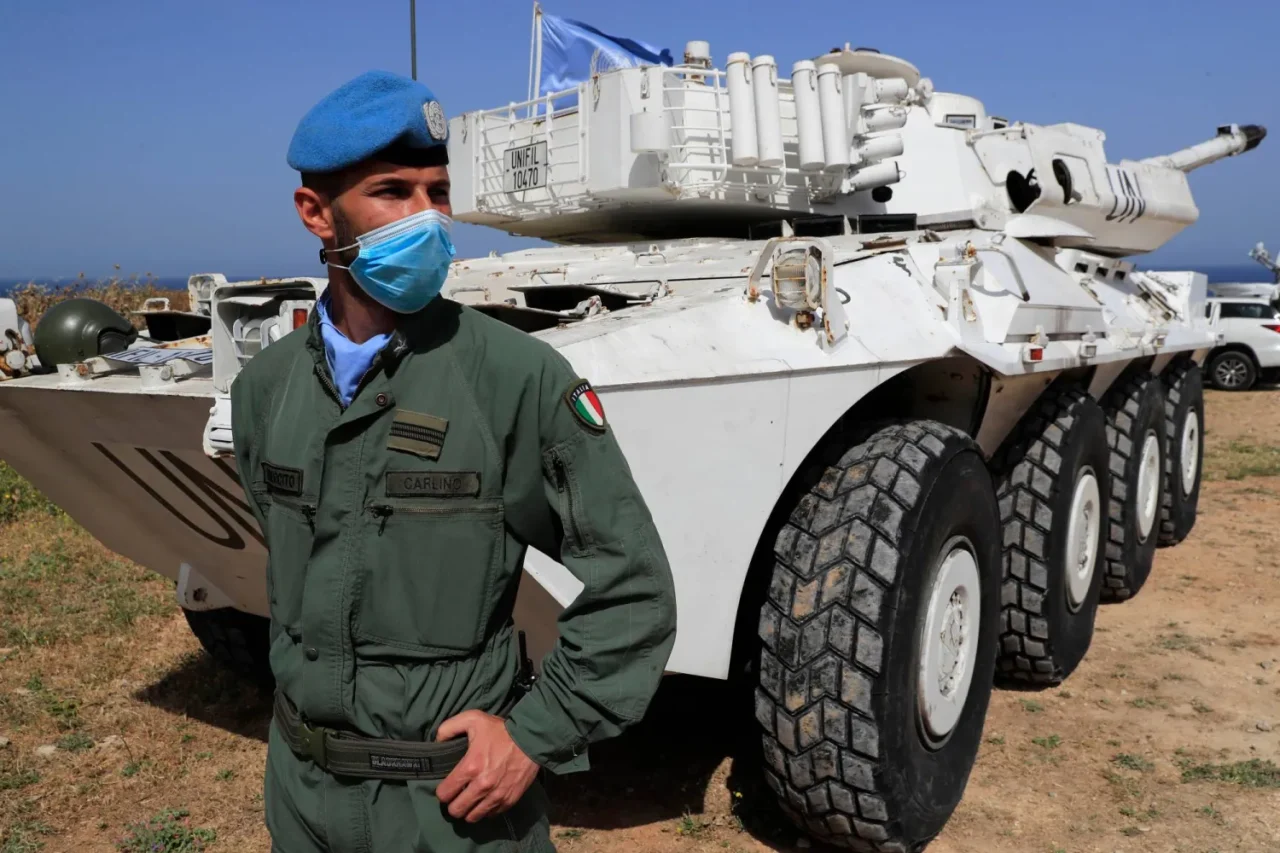
The United Nations Interim Force in Lebanon (UNIFIL) has announced plans to withdraw most of its troops by mid-2027, following the expiration of its mandate later this year. For decades, UNIFIL has served as a buffer between Israel and Lebanon and has supported the Lebanese army in dismantling Hezbollah infrastructure near the Israeli border after a recent conflict between Israel and the Iran-backed group. Last year, amid pressure from the United States and Israel, the UN Security Council voted to end UNIFIL’s mandate on December 31, 2026, approving an orderly and secure drawdown and withdrawal to be completed within one year. UNIFIL spokesperson Kandice Ardiel said the mission intends to withdraw all, or nearly all, uniformed personnel by mid-2027, with the full pullout expected to be completed by the end of that year. She explained that once operations formally end on December 31, the process of returning personnel and equipment and transferring UN positions to Lebanese authorities will begin. During the withdrawal period, the mission will be authorised to carry out only limited functions, including the protection of UN staff and facilities and oversight of a safe departure. Despite a ceasefire reached in November 2024 aimed at ending more than a year of hostilities with Hezbollah, Israel has continued to carry out strikes in Lebanon, saying it is targeting Hezbollah positions, and has maintained troops in five border areas. UNIFIL continues to patrol southern Lebanon and monitor violations of a UN resolution that ended the 2006 war between Israel and Hezbollah and underpins the current ceasefire. The mission has repeatedly reported incidents of fire at or near its personnel since the truce. Ardiel said UNIFIL has reduced its presence in southern Lebanon by nearly 2,000 peacekeepers in recent months, with several hundred more scheduled to leave by May. The force currently comprises about 7,500 peacekeepers drawn from 48 countries. She noted that the recent reduction in troop numbers was driven by a UN-wide financial crisis and cost-cutting measures affecting all missions, rather than the decision to end UNIFIL’s mandate. Lebanese authorities have expressed a desire for a continued international troop presence in southern Lebanon after UNIFIL’s withdrawal, even if at reduced levels, and have urged European nations to remain engaged. French Foreign Minister Jean-Noël Barrot said during a visit to Beirut this month that the Lebanese army should take over responsibilities once UNIFIL departs, while Italy has indicated it plans to maintain a military presence in Lebanon after the mission’s exit.

Tech & Tools Desk10 February 2026
99.webp

6min4280
The Corporate Affairs Commission (CAC) has revealed that it now processes nearly 10,000 business registration applications daily, a significant increase from the few hundred handled in its early years, following the full deployment of artificial intelligence across its service platforms. The commission, however, acknowledged that the transition to an AI-powered system came with challenges, including temporary disruptions to productivity and service delivery during 2025. The Registrar-General of the commission, Hussaini Magaji, disclosed this on Monday in Abuja at the opening ceremony of CAC’s 35th anniversary celebration, describing the milestone as a defining moment in Nigeria’s drive toward economic formalisation. The event, themed “Upholding Public Trust through Excellent Service Delivery,” highlighted the commission’s growth, resilience, teamwork, and institutional transformation since its establishment in 1991. CAC was created under the Companies and Allied Matters Act of 1990 to replace the former Company Registry and was further modernised by the enactment of CAMA 2020. As an autonomous agency, the commission is responsible for the incorporation and regulation of companies, business names, and incorporated trustees nationwide. In his address, Magaji explained that CAC has evolved into a fully digital, end-to-end registry that operates круглo around the clock and is accessible both within Nigeria and globally. He recalled that when the commission began operations in 1991, it functioned from a single office in Area 11, Garki, Abuja, serving the entire country through manual, paper-based processes. He noted that business owners were then required to travel long distances to Abuja to register entities, with service delivery constrained by geography and time. According to him, that modest beginning laid the foundation for what has become one of Africa’s most reform-driven corporate registries. “Today, our services are no longer limited to one physical location,” Magaji said. “This evolution from paper to portal, from queues to clicks, and from stress to seamless service defines our journey.” He attributed the sharp rise in registration volumes to tax reforms, government policies aimed at formalising informal businesses, and the rapid growth of digital and social media-driven enterprises. “To put this in context, CAC now receives close to 10,000 business registration requests daily, compared to only hundreds in the past,” he said. “In addition, our complaint management system processes an average of 5,000 inquiries every day through emails and call centres.” Magaji stressed that managing such volumes would be impossible through manual processes alone, noting that artificial intelligence is essential in complementing human capacity with speed, accuracy, and efficiency. He admitted that the transition year was particularly demanding, explaining that large-scale transformation often comes with initial setbacks. He thanked stakeholders and customers for their patience and understanding during the adjustment period. Magaji described the adoption of AI as inevitable, adding that CAC has already become a global reference point for name reservation and business registration, with turnaround times of as little as 10 minutes. To further strengthen its digital infrastructure, he announced the signing of a Letter of Collaboration between CAC and Google, describing the partnership as strategic to enhancing portal performance and improving the ease of doing business in Nigeria. He also unveiled a redesigned CAC website featuring AI-powered tools, including an AI Lawyer that provides instant guidance on CAC laws and procedures, and an AI Name Generator that allows users to generate and reserve scalable business names. As part of its 35th anniversary initiatives, the commission approved free business name registration for 3,500 small businesses across the 36 states and the Federal Capital Territory. Other initiatives include scholarships for the six best corporate law students from each campus of the Nigerian Law School in 2026, donations to internally displaced persons’ camps and orphanages, and a commemorative staff bonus of 25 per cent of one month’s gross salary. Special car and housing loan schemes, as well as board-recommended promotions for pioneer and retiring staff, were also announced. Delivering a goodwill message, the Chairman of the House of Representatives Committee on Commerce, Ahmed Munir, said CAC’s digital reforms have simplified business registration and empowered millions of entrepreneurs to transition from the informal to the formal economy. He pledged continued legislative support to strengthen the commission’s digital infrastructure and transparency. The Director-General of the National Information Technology Development Agency, Kashifu Abdullahi, also assured the commission of technical support, noting that the integration of ethical and responsible artificial intelligence is essential for modern institutional transformation. Established in 1991, the Corporate Affairs Commission remains central to the Federal Government’s efforts to improve Nigeria’s ease-of-doing-business ranking, expand the tax base, and formalise micro, small, and medium-scale enterprises.


ab-1.webp

2min6000
The United States Department of Homeland Security (DHS) has announced plans to deport an additional 18 Nigerians listed on its “worst-of-the-worst” criminal register, raising the total number of Nigerians scheduled for removal to 97. The announcement comes barely a week after authorities disclosed that 79 Nigerians convicted of various offences had been marked for deportation. A review of the DHS website on Monday showed that 18 more names had been added, indicating an expansion of the ongoing enforcement exercise. According to updated records, wire fraud, mail fraud, and identity theft are among the most common offences linked to the newly listed individuals. Those named in the latest update include Oluwaseyanu Akinola Afolabi, Olugbeminiyi Aderibigbe, Benjamin Ifebajo, Obinwanne Okeke, Kolawole Aminu, Oluwadamilola Olufunsho Ojo, and Franklin Ibeabuchi. Others are Alex Afolabi Ogunshakin, Joshua Ineh, Stephen Oseghale, Eghosa Obaretin, Adesina Surajudeen Lasisi, Ibrahim Ijaoba, Azeez Yinusa, Charles Akabuogu, Kelechi Umeh, Lotenna Chisom Umeadi, Donald Ehie, and Chukwudi Kingsley Kalu. The updated figures reflect the continued hardline approach of the Trump administration toward illegal and criminal immigrants across the United States, with several foreign nationals affected, including Nigerians. Earlier records had listed 79 Nigerians for deportation. Those previously named include Boluwaji Akingunsoye, Ejike Asiegbunam, Emmanuel Mayegun Adeola, Bamidele Bolatiwa, Ifeanyi Nwaozomudoh, Aderemi Akefe, Solomon Wilfred, Chibundu Anuebunwa, Joshua Ineh, Usman Momoh, Oluwole Odunowo, Bolarinwa Salau, and Oriyomi Aloba. Others are Oludayo Adeagbo, Olaniyi Akintuyi, Talatu Dada, Olatunde Oladinni, Jelili Qudus, Abayomi Daramola, Toluwani Adebakin, Olamide Jolayemi, Isaiah Okere, Benji Macaulay, and Joseph Ogbara.