Blog - Edupreneur Select

Bring to the table win-win survival strategies to ensure proactive domination. At the end of the day, going forward, a new normal that has evolved from generation.
Ifunanya Okafor29 January 2026
china-sentence-11-mafia-member-1280x720.jpg

4min10760
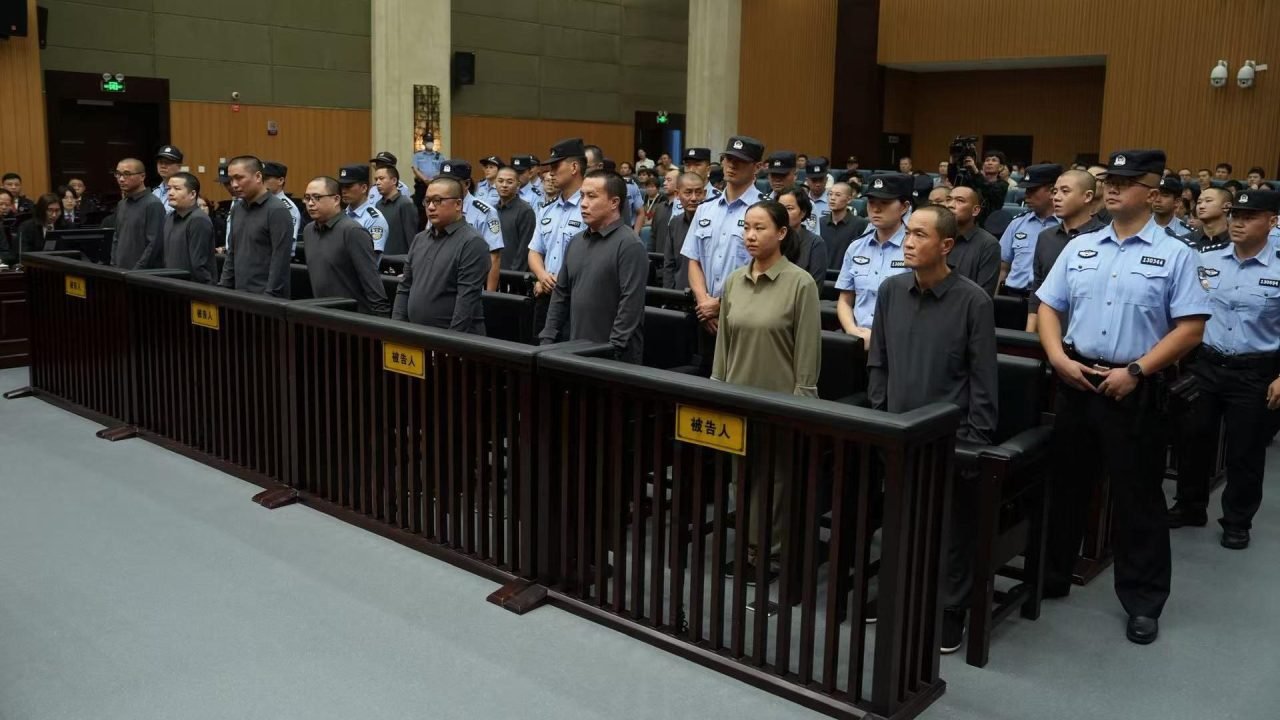
China has executed 11 members of a notorious mafia clan that ran scam centres in Myanmar near its north-eastern border, according to state media. The Ming family members were sentenced in September by a court in Zhejiang province for crimes including homicide, illegal detention, fraud, and operating gambling dens. The clan was among several that transformed the once-impoverished town of Laukkaing into a hub of casinos, red-light districts, and online scam operations. Their empire collapsed in 2023 when ethnic militias, who had seized control of Laukkaing during a conflict with Myanmar’s army, detained the gang and handed them over to Chinese authorities. The executions serve as a warning to other potential scammers. However, the scam operations have since shifted to Myanmar’s border with Thailand, as well as Cambodia and Laos, where China has less influence. The UN estimates that hundreds of thousands of people have been trafficked to work in online scams in Myanmar and across Southeast Asia. Many victims and perpetrators are Chinese, with billions of dollars lost to these schemes. Beijing, frustrated by the Myanmar military’s failure to curb the scam industry—which it likely benefited from—supported an offensive by an ethnic insurgent alliance in Shan State in late 2023. The alliance captured large territories and overran Laukkaing, a key border town. The 11 executed members of the Ming family are the first of the Myanmar-based scam bosses to face capital punishment in China. Others are expected to follow: five members of the Bai family received death sentences in November, and trials are ongoing for defendants from the Wei and Liu families. The Ming trial was held behind closed doors, though more than 160 people attended the sentencing last year, including victims’ relatives. Between 2015 and 2023, their operations reportedly generated over 10 billion yuan ($1.4 billion), according to China’s Supreme Court, which rejected their appeals in November. The court said their crimes led to the deaths of 14 Chinese citizens and injuries to many others. More than 20 additional Ming family members received prison sentences ranging from five years to life. Ming Xuechang, the family patriarch, died by suicide in 2023 while attempting to evade arrest, according to Myanmar’s military. Chinese state media have broadcast confessions from the arrested members to demonstrate the authorities’ determination to dismantle scam networks. The Mings were among a handful of dominant families that rose to power in Laukkaing in the early 2000s after the town’s former warlord was ousted by a military operation led by Min Aung Hlaing, who later became Myanmar’s military ruler following the 2021 coup. Ming Xuechang ran one of the most infamous scam centres, Crouching Tiger Villa. Initially, these families relied on gambling and prostitution for income but later expanded into online fraud, using kidnapped individuals forced to work the scams. Reports from former victims describe a culture of violence inside the sprawling, heavily guarded compounds, with routine beatings and torture.

western-leadeer.webp

6min6140
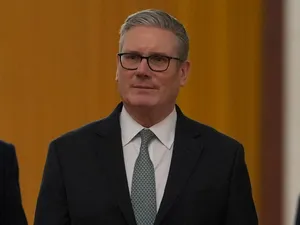
Britain’s Prime Minister, Keir Starmer, has become the latest Western leader to move toward warmer trade relations with China, a shift analysts attribute to pressure from US tariffs and uncertainty surrounding Donald Trump’s unpredictable policy approach. Starmer’s visit to Beijing this week, aimed at promoting what he described as “pragmatic” cooperation, follows similar outreach by leaders of Canada, Ireland, France and Finland. For many of them, it was their first trip to China in years, as they seek to reset ties with the world’s second-largest economy. According to Hosuk Lee-Makiyama, director of the European Centre for International Political Economy, there is intense competition among European leaders to secure meetings with Chinese President Xi Jinping. He said the push is driven by rivalry to attract investment and gain market access ahead of anticipated China–US summits scheduled for February and April. China is not the only option Western countries are exploring. On Tuesday, India and the European Union announced a major trade agreement after two decades of negotiations, reflecting efforts to diversify trade partnerships amid a strained global environment. Vietnam and the EU also pledged on Thursday to deepen cooperation in trade, technology and security. However, Lee-Makiyama noted that emerging markets such as India, Vietnam and South American economies are too small to absorb the export volumes of Europe’s highly trade-dependent economies. As a result, he said, European countries are effectively compelled to engage China, despite ongoing concerns about its human rights record and allegations of economic coercion. He added that global economic growth is largely driven by the United States and China, pointing out that the US is showing little sign of opening up its markets. Trump’s aggressive and unpredictable tariff policies, analysts argue, have raised doubts about the reliability of the United States as a long-term trading partner. William Alan Reinsch of the Washington-based Centre for Strategic and International Studies said Trump’s trade approach has contributed to the renewed momentum behind deals such as the EU–India free trade agreement, suggesting that US policies may have inadvertently pushed negotiations over the line after years of delay. During his meeting with Xi on Thursday, Starmer said it was “vital” for Britain to strengthen its relationship with China, a view echoed by the Chinese leader, who stressed the importance of closer ties amid growing geopolitical uncertainty. Britain and China previously enjoyed what was described as a “Golden Era” in their relations about a decade ago, but ties worsened after Beijing imposed a national security law on Hong Kong in 2020. Despite this, China remains the UK’s third-largest trading partner, and Starmer’s government is keen to stimulate economic growth. The European Union is also seeking closer engagement with China but remains concerned about the significant trade imbalance, with a deficit exceeding $350 billion in China’s favour. Irish Prime Minister Micheál Martin advocated for open trade during talks with Xi in early January, while French President Emmanuel Macron criticised the imbalance during his visit to Beijing in December. China and India are likewise adjusting to the impact of US tariffs aimed at boosting American manufacturing. Speaking at the World Economic Forum this month, Chinese Vice Premier He Lifeng criticised protectionist policies, warning against a global order where powerful nations act solely in their own interests. In some cases, US trade pressure has intensified. Trump has threatened additional tariffs, including a proposed 100 per cent levy on Canadian goods if Ottawa deepens trade ties with Beijing. Canadian Prime Minister Mark Carney, during a visit to China this month, announced what he described as a new strategic partnership and a preliminary trade agreement to reduce tariffs. Under the deal, China is expected to cut tariffs on Canadian canola products to about 15 per cent from the current 84 per cent, while Canada would import 49,000 Chinese electric vehicles at a preferential tariff rate. Vina Nadjibulla, vice-president of research and strategy at APF Canada, said Carney’s visit signalled a new approach by Ottawa in navigating a more fragmented and uncertain global landscape. However, she cautioned that the move could be misread as a weakening of Canada’s stance on national and economic security concerns linked to China. Reinsch predicted that the growing number of trade agreements excluding the United States could leave it at a disadvantage over time, noting that the deals themselves remain conventional. He said negotiations focused on lowering tariffs and reducing non-tariff barriers reflect long-standing global trade practices rather than a radical shift in approach.

house-of-rep.png

7min6760
Media executives on Wednesday held discussions on the Reserved Seats for Women Bill as it heads toward a critical vote in the National Assembly. The meeting, organised by TOS Foundation Africa, brought together editors-in-chief, senior editors, bureau chiefs and other media professionals to examine the status of the proposed legislation and recent developments in the lawmaking process. Opening the engagement, the Communication Lead at TOS Foundation Africa, Adejare Hammed, said the dialogue was inspired by patriotism and civic duty. He described it as a collective effort to deepen Nigeria’s democracy and strengthen inclusive representation across all segments of society. Speaking at the session, the Head of TOS Foundation Africa and convener of the Reserved Seats for Women Bill Campaign Coalition, Osasu Igbinedion-Ogwuche, said the Bill emerged from sustained citizen engagement, stressing that effective laws must reflect the realities of the people. She argued that the limited presence of women in governance had negatively affected national development, particularly in areas such as maternal health, infant mortality and social welfare. Osasu revealed that the initiative had already received significant political backing, including endorsements from President Bola Tinubu, First Lady Oluremi Tinubu, more than 50 senators, the Deputy Speaker of the House of Representatives, as well as a formal agreement with the Governors’ Spouses Forum. She cautioned that the Bill faced a tight legislative window, warning that failure to pass it by February could delay its implementation. Dismissing claims that the proposal was merely symbolic, she said the reserved seats were designed to create opportunities for competent and qualified women to serve in leadership roles. She also called on media leaders to sustain public engagement, noting that their role would be crucial in keeping attention on the Bill and influencing its successful passage. Providing policy insights, the Advocacy Lead and Senior Programme Manager at TOS Group, Andikan Umoh, described the Bill as a democratic correction rather than a government empowerment scheme. She highlighted what she termed a severe imbalance in representation, noting that although women make up nearly half of Nigeria’s population, they occupy only a small fraction of legislative seats, with some state assemblies having no female lawmakers. According to her, the Bill seeks to address a long-standing structural deficit in Nigeria’s democratic system. She added that evidence from other countries showed quota systems had contributed to improved governance outcomes, including gains in health, education and collaborative policymaking. She stressed that how the media frames the reform would shape public perception, urging that it be presented as an issue of justice and effective governance. In a separate contribution, the Managing Director of TOS Group, Kingsley Sintim, described the media as a critical partner in building public understanding of the reform. He advocated unified messaging, people-centred storytelling and sustained public education across cultural, regional and linguistic lines. He also pointed to the use of digital tools and data, including fact sheets and the 469Tracker, which provides constituency-level information on lawmakers’ positions on the Bill. During an interactive segment, participants raised concerns about political party involvement, grassroots mobilisation, cultural resistance in some regions and the timing of a constitutional amendment close to an election period. Questions were also asked about religious interpretations, legislative caucus dynamics and consultations with former and serving lawmakers. Responding, Osasu said engagements were ongoing across religious and regional divides, including outreach to Islamic clerics and the use of endorsements from traditional and religious leaders to address misconceptions. She added that caucus meetings had been held nationwide to address concerns, align views and encourage citizens to engage their representatives directly. She described the coming weeks as crucial, noting that the next 30 days would be decisive for the Bill’s success. According to her, consistent exposure to the social and economic benefits of inclusive governance was necessary to shift public attitudes. She warned that failure to pass the Bill at this stage could delay women’s representation for another electoral cycle. In closing, participants acknowledged discussions around alternative legislative routes, including possible executive sponsorship, while recognising the progress already achieved. Nigeria continues to grapple with significant gender imbalance in political representation, with women holding less than 10 per cent of seats in the National Assembly and similarly low numbers in most state legislatures. Factors such as cultural norms, party structures, limited campaign financing and restricted access to political networks have contributed to this gap. Over the years, efforts to improve women’s participation have included advocacy initiatives, civil society campaigns and international support for inclusive governance reforms. Supporters of the Reserved Seats for Women Bill argue that quota systems, which have been adopted in countries such as Rwanda, Sweden and India, are necessary to address systemic barriers and ensure women’s perspectives are reflected in policymaking.

seide-Police-and-Ahmad-Telecom-780x470-1.jpg

3min5180
The police have uncovered a cyber-enabled telecommunications fraud valued at ₦7.7bn, leading to the arrest of six suspects accused of unlawfully diverting airtime and data belonging to a telecoms company. The operation was carried out by the National Cybercrime Centre following a petition submitted by the affected firm, according to a statement issued on Wednesday by the Force Public Relations Officer, Benjamin Hundeyin. The company reported suspicious and unauthorised activities within its billing and payment systems. Investigations revealed that login credentials belonging to internal staff were compromised, giving the suspects illegal access to critical platforms. Hundeyin said the syndicate diverted large volumes of airtime and data, causing an estimated loss of more than ₦7.7bn. After weeks of intelligence gathering and planning, coordinated enforcement actions were conducted in October 2025 across Kano and Katsina states, with an additional arrest later made in the Federal Capital Territory. The suspects arrested were identified as Ahmad Bala, Karibu Shehu, Umar Habib, Obinna Ananaba, Ibrahim Shehu, and Masa’ud Sa’ad. Items recovered during the operation included two residential buildings in Kano, two mini-plazas, GSM and laptop sales outlets stocked with over 400 laptops and about 1,000 mobile phones, as well as a Toyota RAV4 vehicle. The police said the assets are believed to be proceeds of the alleged crime. Authorities also traced and recovered significant sums of money from the suspects’ bank accounts, noting that the individuals would be charged to court once investigations are concluded. Commending the officers involved, the Inspector-General of Police, Kayode Egbetokun, praised their professionalism and reaffirmed the police force’s commitment to protecting Nigeria’s digital and financial systems. He stated that the Nigeria Police Force, through the NPF–NCCC, remains resolute in dismantling cybercrime networks and ensuring that perpetrators are brought to justice, regardless of status or affiliation.

Tech & Tools Desk29 January 2026
naira-redesign.jpg

3min4500
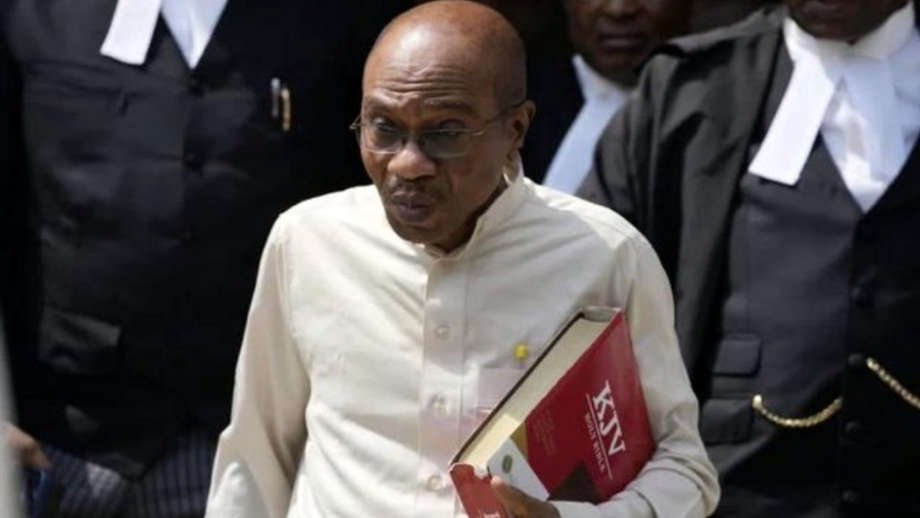
A High Court of the Federal Capital Territory in Abuja has scheduled ten additional hearing dates to wrap up the trial of former Central Bank of Nigeria Governor, Godwin Emefiele, over charges linked to the naira redesign brought by the Economic and Financial Crimes Commission. The trial judge, Justice Maryann Anenih, fixed the dates on Wednesday after both the prosecution and defence reached an agreement. The EFCC is represented by Rotimi Oyedepo (SAN), while Emefiele’s counsel is Olalekan Ojo (SAN). The hearings are slated for February 3 and 10; April 1 and 2; May 11, 12, 13, and 14; as well as June 9 and 10. The court indicated that the trial, which began in 2024, is expected to be concluded within this period. Justice Anenih urged both parties to strictly comply with the timetable, assuring them that the court would make necessary arrangements to ensure the proceedings run smoothly. At the resumed session on Wednesday, an EFCC witness, Emere Chinedu, testified that the naira redesign was approved by the Presidency during the administration of late former President Muhammadu Buhari. Chinedu, an EFCC operative who led the inter-agency probe panel investigating Emefiele, said the approval was formally communicated to the commission after its enquiry. He explained that the approval came with a condition that the redesigned naira notes must be printed locally, countering claims that the notes were produced outside the country under Emefiele’s leadership. “The State House approved the naira redesign, but with the proviso that it should be done locally,” he told the court. The witness further revealed that Emefiele made six extra-judicial statements before the probe panel on October 26, 27, 30, and 31, as well as November 1 and 2, 2023. During cross-examination, Chinedu declined to comment on Emefiele’s claim that a former EFCC chairman, Abdulrasheed Bawa, initially proposed the naira redesign to President Buhari. He maintained that the EFCC does not have the authority to recommend changes to the naira’s design, noting that any involvement by the commission would only be advisory. Chinedu also confirmed that video clips depicting hardship experienced by Nigerians during the naira redesign, which were presented by the EFCC, existed before the probe panel was set up. He said the videos were sourced online and submitted to illustrate the alleged impact of the policy, adding that staff of the television stations that produced the clips were not interviewed. Emefiele is facing trial under charge number FCT/HC/CR/264/2024 and has pleaded not guilty to the allegations.

Ifunanya Okafor29 January 2026
tinubu-turkissh.jpeg

4min4610
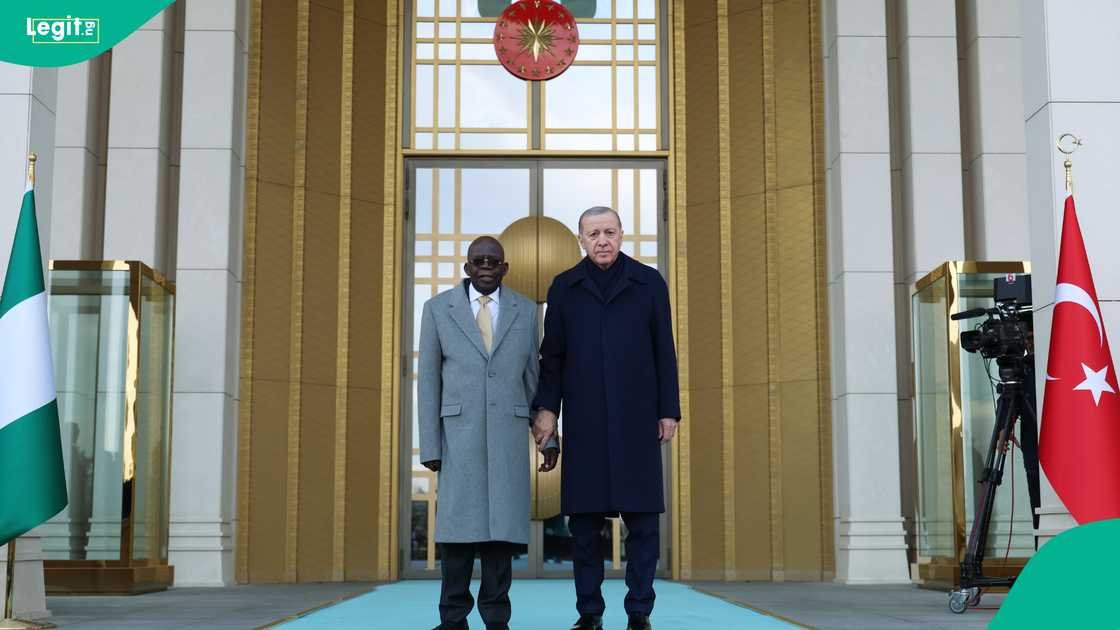
The controversy that arose in Nigeria over President Bola Tinubu’s brief stumble during his official visit to Türkiye has been described as “silly” by Turkish officials, according to the Chairman of the Nigerians in Diaspora Commission, Abike Dabiri-Erewa. Dabiri-Erewa made this known on Wednesday while responding to a post on X by a user, Oguntoye Opeyemi (Equityoyo), who commented on the reactions of Nigerian media to the incident. She said officials in Ankara were surprised that the moment had become an issue back home. “Exactly. On ground here in Ankara, their officials were shocked to learn that it was an issue in Nigerian media/blogs,” she wrote. According to Dabiri-Erewa, a Turkish official described the attention given to the incident as “silly and mischievous,” noting that the visit itself was being widely celebrated in Türkiye. She added that Turkish media focused on what they considered the success of President Tinubu’s visit, rather than the brief stumble. Opeyemi also observed that the incident did not feature in Türkiye’s mainstream media, stating that no Turkish television station reported it, as it was viewed as a non-issue. President Tinubu briefly stumbled on Tuesday during a ceremonial march-past organised in his honour at the parade ground in Ankara. The incident occurred as he joined the guard of honour and lasted only a moment before proceedings continued without interruption. A short video of the incident, shared by a Turkish digital news platform and later circulated on X, showed the President walking alongside Turkish President Recep Tayyip Erdoğan before momentarily losing his balance. He was promptly assisted by security personnel. Despite the video attracting attention in Nigeria, the Presidency has played down the incident. The President’s Special Adviser on Media and Public Communication, Sunday Dare, said Tinubu remained “hale and hearty” and went on with his scheduled engagements, including bilateral meetings with the Turkish President and other senior officials. Similarly, the Special Adviser on Information and Strategy, Bayo Onanuga, described the episode as minor, explaining that the President briefly lost his balance after stepping on a metal object on the floor. He stressed that it was a simple stumble and not a fall, accusing critics of trying to sensationalise a fleeting moment. The reception ceremony, which began around 5:00 pm local time, featured the rendition of both national anthems and a 21-gun salute. Afterward, Presidents Tinubu and Erdoğan held a closed-door bilateral meeting to discuss strategic issues between Nigeria and Türkiye. The visit, Tinubu’s first official trip to Türkiye, is focused on strengthening diplomatic ties and expanding cooperation in areas such as defence, trade, investment, energy, media, and scientific research. A business forum was also planned alongside the visit to link Nigerian and Turkish investors. Top Nigerian officials present at the event included the Attorney-General of the Federation and Minister of Justice, Lateef Fagbemi (SAN); Minister of Finance, Wale Edun; Minister of Solid Minerals Development, Dele Alake; and Minister of Defence, General Christopher Musa (retd.). The Presidency has urged Nigerians to ignore attempts to exaggerate the incident, insisting that the President remains fully engaged in his official responsibilities.

Ifunanya Okafor28 January 2026
SPRAY-1280x852.jpg

4min5040
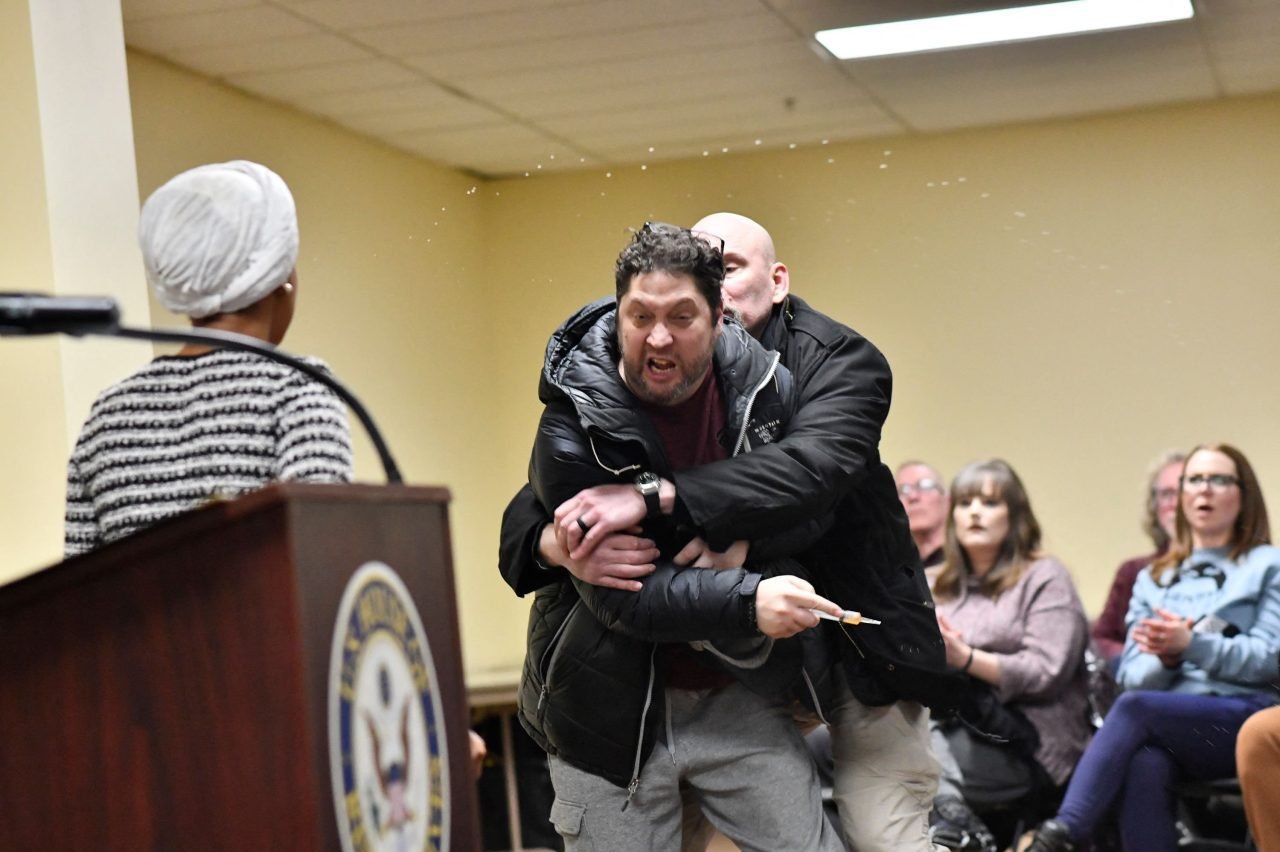
Minnesota Congresswoman Ilhan Omar was targeted with an unknown substance during an event she hosted on Tuesday, after an audience member used a syringe to spray liquid at her, Minneapolis police reported. Omar was unharmed and continued her remarks. “I’m ok. I’m a survivor, so this small agitator isn’t going to intimidate me from doing my work. I don’t let bullies win,” she later posted on X. Authorities have yet to determine the nature of the liquid. A journalist present at the event described it as having a sour chemical-like odor. The suspect, 55-year-old Anthony James Kazmierczak, has been charged with third-degree assault and is currently in custody, according to the local sheriff’s office. Omar, a Democrat, has been an outspoken critic of US President Donald Trump and his immigration policies in Minnesota, where two US citizens were recently fatally shot. In response to the second fatal shooting, Trump said his administration was “going to de-escalate a little bit.” During the event, Omar called for the abolition of Immigration and Customs Enforcement (ICE), which has faced scrutiny over its operations in the state. She also criticized DHS Secretary Kristi Noem, calling for her resignation or impeachment over recent incidents. Earlier this month, US citizen Renee Good was fatally shot by an immigration officer, followed by Alex Pretti, who was killed after being stopped by border agents, sparking local and national protests. It was after Omar’s comments on Noem that she was attacked. As Kazmierczak was removed from the venue, he reportedly said Omar was “pitting us against each other,” though it was unclear what he meant. The suspect was arrested immediately, and forensic investigations were conducted at the scene. Despite calls from officials to end the event, Omar continued speaking, telling attendees, “We will continue… we are Minnesota strong,” and later adding, “We’re gonna keep talking. Just give me ten minutes. Please don’t let them have the show.” One attendee, Alfred Flowers Jr., praised Omar’s courage, noting her determination to finish the town hall. Minneapolis Mayor Jacob Frey condemned the attack, stating, “Violence and intimidation have no place in Minneapolis. We can disagree without putting people at risk… This kind of behaviour will not be tolerated in our city.” The event drew around 100 attendees in a north Minneapolis basement, who came to discuss the presence of federal immigration officers and recent shootings. Omar, who became the first Somali-American and first African-born American woman elected to the US Congress in 2019, regularly hosts such town halls. Trump’s immigration operation in Minneapolis began in December after Somali immigrants were convicted in a large-scale welfare fraud case. The state has the largest Somali-American community in the country. Many locals have suggested the operation may be politically motivated, given Trump’s frequent personal attacks on Omar. Earlier this month, Trump wrote on Truth Social that Omar “should be in jail, or even face a worse punishment, sent back to Somalia,” adding that she could “help to MAKE SOMALIA GREAT AGAIN!”

TRAIN.avif

3min5710
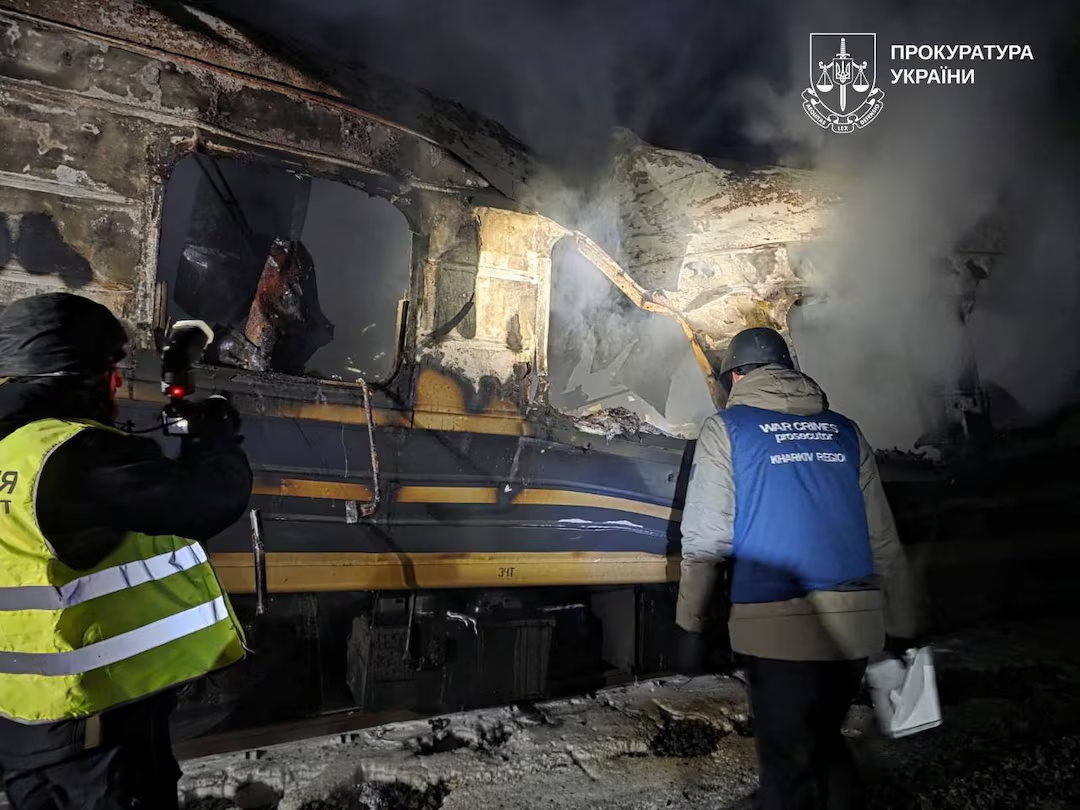
Ukrainian President Volodymyr Zelensky has denounced a Russian drone attack on a crowded passenger train in Kharkiv’s north-eastern region, calling it an act of “terrorism.” Local authorities reported that at least five people were killed and several others injured in the strike. Officials said more than 200 passengers were on the train when one carriage was hit by a drone, while two other drones exploded nearby on Tuesday. Zelensky noted that 18 people were inside the targeted carriage and stressed there was no “military justification” for attacking civilians. Russia has not commented on the incident but has escalated drone and missile attacks on Ukraine’s energy and transport infrastructure amid one of the harshest winters in years. In the southern port city of Odesa, dozens of drones struck overnight, killing three people and injuring many more. Energy facilities suffered significant damage, and city officials said attacks continued into Wednesday. In the Kyiv region, a couple were killed and their four-year-old child injured when a residential building near the capital was hit, according to police. Millions of Ukrainians have been left without heating, electricity, and water due to ongoing Russian strikes. Since launching a full-scale invasion in February 2022, Moscow now controls roughly 20% of Ukrainian territory. Zelensky, in a social media post on Tuesday, said: “In any country, a drone strike on a civilian train would be considered in exactly the same way—purely as terrorism.” Images and video released by Ukraine’s emergency services show at least one heavily damaged carriage still burning after the attack. Kharkiv’s regional prosecutor’s office said the train was struck near Yazykove village. The train had been traveling from the western border town of Chop to Barvinkove via Kharkiv, a route used by local residents and soldiers, along with their family members. In Odesa, authorities reported that Russia launched more than 50 drones overnight. After several floors of a residential building collapsed, three bodies were recovered, and multiple nearby buildings sustained damage. Russian aerial assaults continue despite the latest round of Ukraine-Russia peace talks, held last week in the United Arab Emirates with US mediators. While the discussions were described as constructive, major territorial disputes remain unresolved, and further meetings are planned for the weekend.

SOUTH-KOOREA.avif

3min4450
The wife of South Korea’s ousted former president has been sentenced to 20 months in prison for accepting bribes from the Unification Church. However, 52-year-old Kim Keon-hee was cleared of charges relating to stock price manipulation and receiving free opinion polls from a political broker ahead of the 2022 presidential election, which her husband, Yoon Suk Yeol, won. Yoon himself has been sentenced to five years in prison for abusing power and obstructing justice connected to his unsuccessful martial law attempt in 2024. This is the first time in South Korea’s history that a former presidential couple have been convicted simultaneously. On Wednesday, Judge Woo In-sung of the Seoul Central District Court said Kim “misused her position as a means of pursuing personal gain.” “The higher one’s position, the more consciously one must guard against such conduct… The defendant failed to reject solicitations and was preoccupied with self-adornment,” the judge added. A special counsel team investigating the case stated that Kim received 80 million won (approximately $56,000) in gifts—including a Graff diamond necklace and several Chanel handbags—from the Unification Church between April and July 2022, in exchange for political and business favors. The prosecution had requested a 15-year prison term and a fine of 2 billion won covering all three charges, but Kim was convicted of only one charge. The court noted she neither demanded nor solicited the bribes and had no significant criminal record. She was ordered to return 12.85 million won in cash, and the diamond necklace was also confiscated. Kim faces additional charges related to allegedly recruiting Unification Church followers to the conservative People Power Party and accepting gifts in return for government job appointments, which have yet to be heard in court. The former first lady denied all allegations, calling them “deeply unjust,” though she admitted to receiving the Chanel bags, which she claimed were later returned unused. She publicly apologized in August, stating, “I am truly sorry that a nobody like me has caused concern to the people.” Investigations into Kim’s ties to the Unification Church also led to the arrest of church leader Han Hak-ja. Beyond the criminal case, Kim has faced other controversies. Last year, Sookmyung Women’s University revoked an art education degree she earned in 1999 after an ethics panel determined she had plagiarized her master’s thesis.

trump-1.jpg

4min5900
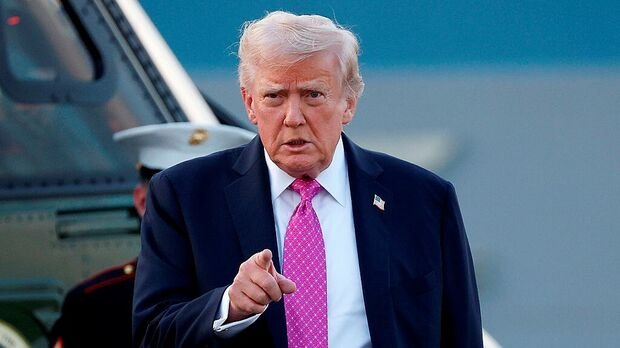
President Donald Trump said his administration plans to “de-escalate a little bit” in Minnesota following the second fatal shooting of a U.S. citizen by federal immigration officers in the state. “Bottom line, it was terrible. Both of them were terrible,” Trump said in a Fox News interview on Tuesday. In early January, Renee Good was fatally shot by an immigration officer. Over the past weekend, Alex Pretti, an intensive care nurse at a veterans’ hospital, was also killed during a stop by border agents. Pretti’s death sparked renewed protests locally and widespread public criticism, including from lawmakers across party lines. Trump’s comments indicate the administration is scaling back some of its operations in Minnesota. Speaking to reporters ahead of a rally in Iowa, he described Pretti’s death as “a very unfortunate incident.” When asked about reports labeling Pretti a “domestic terrorist,” Trump said, “I haven’t heard that,” while adding, “He shouldn’t have been carrying a gun.” Homeland Security Secretary Kristi Noem previously stated that Pretti “wasn’t there to peacefully protest” and accused him of “domestic terrorism,” claiming he was shot while brandishing a firearm. However, eyewitnesses and local officials have disputed that account, saying Pretti had a phone in his hand, not a weapon. Authorities also noted that the gun was legally registered and that Pretti was shot after the firearm was removed. A preliminary Customs and Border Protection report also appears to contradict the DHS account, stating only that two agents fired their weapons, without mentioning that Pretti reached for a firearm. Following the shooting, DHS removed the leader of the Minnesota mission, Border Patrol official Gregory Bovino, and deployed White House border tsar Tom Homan to oversee operations. Homan met with Minnesota Governor Tim Walz, Minneapolis Mayor Jacob Frey, and local law enforcement officials. Pretti’s death, coming two weeks after Renee Good was shot, reignited local anger and led to calls from state and city officials for the Trump administration to withdraw the 3,000 immigration agents stationed in the region. In the Fox News interview, Trump defended the Minnesota operation, saying it had removed “thousands of hardened criminals” and that crime numbers were improving. He added, “That’s all working out, we have Tom Homan there now,” before reiterating that the administration would “de-escalate.” White House aide Stephen Miller told CNN that DHS personnel deployed for Minnesota were instructed to focus on fugitive operations and maintain a buffer between arrest teams and protesters. Miller said the administration is reviewing why the Customs and Border Patrol team may not have fully followed the protocol. Several Republican leaders, including Vermont Governor Phil Scott and Senator Pete Ricketts of Nebraska, have called for an investigation into Pretti’s death. A federal judge has blocked DHS from destroying or altering evidence related to the incident. At his Iowa rally, Trump did not address Minnesota in detail but highlighted his broader immigration crackdown, citing a December Harvard Harris poll indicating that 80% of Americans support efforts to deport undocumented immigrants with criminal records.