Blog - Edupreneur Select

Bring to the table win-win survival strategies to ensure proactive domination. At the end of the day, going forward, a new normal that has evolved from generation.
NGX12.webp

2min4170
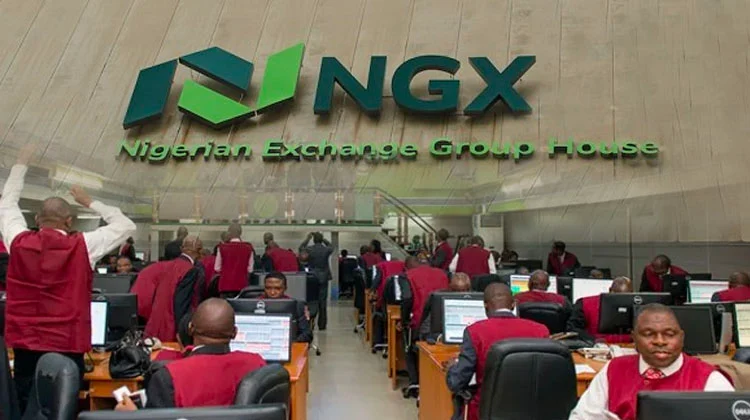
The Nigerian Exchange Regulation (NGX RegCo) has approved the admission of an additional 3.16 billion ordinary shares of United Bank for Africa Plc (UBA) to the Daily Official List of the bourse. In a confirmatory letter dated 12 January, signed by Godstime Iwenkehai, Head of the Issuer Regulation Department at NGX, the listing followed the completion of the bank’s N157.83 billion rights issue. The rights issue involved 3,156,869,665 ordinary shares of 50 kobo each, offered at N50 per share on the basis of one new share for every 13 held. With the listing, UBA’s total outstanding shares on NGX have increased from 41,039,305,642 to 44,196,175,307 ordinary shares of 50 kobo each. UBA’s Group Managing Director/Chief Executive Officer, Oliver Alawuba, welcomed the confirmation, noting that it demonstrates strong investor confidence in the bank’s capitalisation strategy and long-term prospects. “This successful listing highlights market trust in UBA’s financial strength, governance, and growth strategy. The additional capital will support our Pan-African and global expansion while enhancing our ability to deliver sustainable value to all stakeholders,” he said. The rights issue also positions UBA above the Central Bank of Nigeria’s minimum capital requirement for banks with international operations, bringing its combined share capital and share premium comfortably above the regulatory threshold. UBA remains one of Africa’s largest employers in the financial sector, with 25,000 employees serving over 45 million customers across 20 African countries, as well as in the United Kingdom, United States, France, and the United Arab Emirates.

ICANN.jpg

5min6720
Nigeria’s economy is beginning to show signs of stabilisation, though the recovery remains delicate, the Institute of Chartered Accountants of Nigeria (ICAN) said on Wednesday, stressing that accountability will be essential to sustaining fiscal reforms and driving long-term national development. The remarks were made at ICAN’s 2026 Economic Outlook, organised as part of its 60th anniversary celebrations in Lagos. The event convened policymakers, industry leaders, regulators, and professionals to discuss how transparency, sound institutions, and fiscal discipline can support sustainable economic growth. ICAN President and Chairman of Council, Mallam Haruna Yahaya, described the forum as both a moment of reflection and a platform for proposing practical solutions to Nigeria’s economic challenges. He noted that the outlook held particular significance as the institute marked six decades of existence, emphasising that ICAN was focused on the future rather than past achievements. According to Yahaya, accountability goes beyond governance ideals and is a core economic requirement, adding that countries with strong institutions, effective oversight, and transparent systems tend to outperform those constrained by weak governance. Yahaya explained that Nigeria’s economy showed signs of stabilisation in 2025, with real GDP growth exceeding four per cent in the second quarter, supported by improvements in manufacturing, trade, and services. He added that inflation, while still high, eased towards the mid-14 per cent range by the end of the year due to tighter monetary policy and improved supply conditions. He further noted that external buffers improved as foreign exchange reserves climbed to multi-year highs, driven by stronger exports and reforms in the foreign exchange market. Trade and current account balances also returned to surplus. Citing Purchasing Managers’ Index data of 57.6 points, Yahaya said business confidence had strengthened but cautioned that the gains remain fragile and must be protected through discipline, transparency, and accountability. Also speaking, ICAN Vice President and Chairperson of the 60th Anniversary Planning Committee, Hajia Queensley Seghosime, welcomed participants and highlighted the relevance of the Economic Outlook amid ongoing fiscal and economic reforms. She pointed to revenue mobilisation, tax restructuring, and improvements in public financial management as key pillars for achieving macroeconomic stability and inclusive growth. Seghosime said accountability is central to the credibility of fiscal reforms, ensuring that tax policies deliver tangible public value, public resources are efficiently utilised, and public trust in economic governance is restored. She warned that without accountability, reforms lose legitimacy, but with it, reforms can be sustained. Chairman of the session and Chairman of Alpine Investment Service Limited, Mohammed Hayatu-Deen, drew attention to the disconnect between macroeconomic stabilisation and everyday economic realities. He observed that despite moderating inflation, growth remains uneven, real incomes are only gradually recovering, and poverty and inequality persist. He questioned whether stability can be sustained and translated into outcomes that citizens can feel, stressing that effective execution is crucial. According to him, accountability determines whether budgets are realistic, revenues are properly collected, and debt levels remain manageable. Discussions at the forum also focused on tax reforms introduced in 2025, which were described as a major structural shift. Participants agreed that while the new laws signal improved transparency and rule-based governance, their success will depend on institutional capacity, professional competence, and compliance. ICAN used the occasion to highlight the changing role of accountants in Nigeria’s economy, noting that modern accountants now serve as custodians of fiscal credibility, governance, and sustainability, with responsibilities extending to digital systems, ESG compliance, and risk management. The Economic Outlook featured panellists including Dr Abiodun Adedipe, Dr Chinyere Almona, FCA, Abimbola Ogundare, FCA, and Segun Ajayi-Kadir, alongside keynote speaker Prof Taiwo Oyedele, FCA. Discussions focused on practical approaches to strengthening governance, improving accountability, and ensuring that economic reforms produce measurable results. Closing the session, Yahaya urged participants to engage actively, contribute bold ideas, and uphold transparency and accountability as Nigeria enters a critical phase of economic transformation. He said ICAN’s role goes beyond rhetoric, emphasising measurement, disclosure, and professional integrity, adding that accountability will remain central to both national prosperity and the institute’s continued relevance.


Aradel_Logo.webp

2min7790
Aradel Holdings Plc has announced that it achieved 10 million man-hours without a lost-time injury across its operations as of 21 December 2025. In a statement, the company said the achievement spans all its subsidiaries and was recorded during a period of increased operational activity. It attributed the milestone to a strong health, safety and environment (HSE) culture underpinned by structured safety programmes and proactive leadership. Aradel also recalled that in August 2025, it marked 20 years of uninterrupted production while sustaining what it described as an excellent HSE performance. The company noted that its annual HSE Week, now nearing its ninth year, has remained central to promoting vigilance and sustaining safety standards across the organisation. Aradel disclosed that it has obtained ISO 14001:2015 certification for environmental management and ISO 9001:2015 certification for quality management, and is progressing towards ISO 45001:2018 certification for occupational health and safety management systems. It also stated that it has deployed SAP EHS Management to digitally manage occupational health, workplace safety and environmental compliance. Commenting on the milestone, the Chief Executive Officer and Managing Director, Adegbite Falade, said safety remains the company’s foremost priority. He noted that the achievement reflects both the strength of Aradel’s systems and the depth of its safety culture, adding that recording 10 million man-hours without a lost-time injury underscores the discipline, collaboration and commitment of its workforce. He stressed that the company operates “at the speed of safety.” Aradel further highlighted its ‘Stop Work’ policy, which empowers employees and contractors to suspend any activity deemed unsafe, as a key element of its safety framework. The company said its Golden Safety Rules have been fully embedded across the organisation to reinforce a “see something, say something” mindset. The company reaffirmed its commitment to delivering sustainable energy solutions that support Nigeria’s economic growth, while enhancing operational performance and setting higher safety standards within the energy sector.

Tech & Tools Desk15 January 2026
crude-oil.jpeg

4min5160
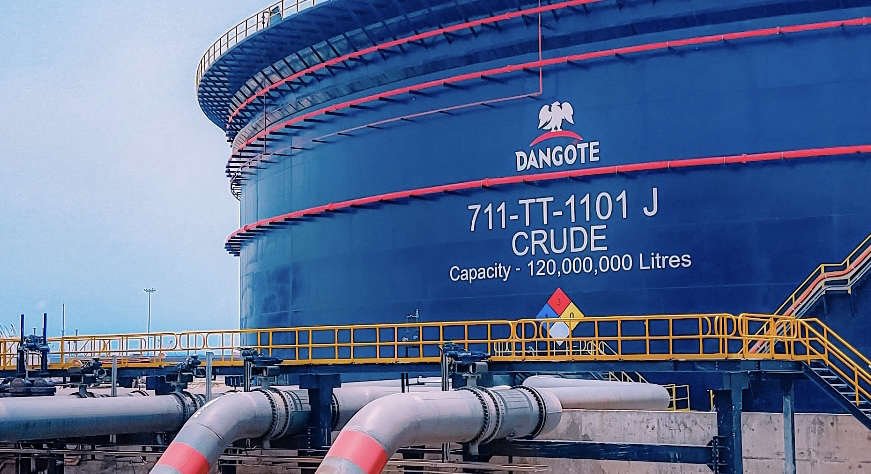
The cost of Premium Motor Spirit (petrol) and other refined petroleum products, including diesel and household kerosene, is expected to rise as crude oil, the primary feedstock for refined fuel, crossed $66 per barrel on Wednesday. Brent crude, the global benchmark, traded above $66, while other oil grades also gained, raising concerns that domestic fuel prices could increase in the coming days. Industry experts cited geopolitical instability in Iran and Venezuela, alongside recent actions by the United States concerning both countries, as key factors driving crude prices. They warned that crude costs may continue to rise unless stability is restored in these major oil-producing nations. Some oil marketers project that prices could hit $80 per barrel amid ongoing uncertainties in the international market. Crude oil remains the main input for producing refined petroleum products, while foreign exchange rates continue to influence the cost of imported fuel. Billy Gillis-Harry, National President of the Petroleum Products Retail Outlets Owners Association of Nigeria (PETROAN), confirmed that fuel consumers should prepare for potential price increases. He said, “Crude oil is the primary feedstock for refined petroleum products, so as its price rises, the cost of these products inevitably goes up. With only one major refinery currently operating in Nigeria, it is uncertain whether domestic prices can be maintained. Imported petrol will rise, and the same applies to locally produced fuel. Geopolitical instability in Iran and Venezuela is impacting global supply, and even US interventions may not lower international prices. Consumers should brace for higher fuel costs in the near term.” Gillis-Harry also noted that crude prices could reach $80 per barrel before the end of the month, which would generate more foreign exchange for the government but increase domestic fuel prices. Global oil markets have seen significant developments pushing prices above the $60 per barrel level. Recent drone attacks on Russia’s Novorossiysk terminal, a key export hub handling roughly 2% of global oil supply, and disruptions at the Caspian Pipeline Consortium in Kazakhstan have intensified supply concerns. Brent crude rose from $63 per barrel on Monday to around $65.14 on Tuesday, while US West Texas Intermediate climbed from $59 to $60.75 per barrel. Domestically, data from the Major Energy Marketers Association of Nigeria (MEMAN) shows that the landing cost of imported petrol remains above the Dangote Petroleum Refinery ex-depot price of N699 per litre. MEMAN’s latest bulletin recorded the landing cost at N754.96 per litre, slightly lower than last week’s N758. Oil marketers warn that both imported and locally refined fuel prices will rise if crude oil continues to increase. They urged the government to expedite the revamp of Nigeria’s refineries in Port Harcourt, Kaduna, and Warri under the management of the Nigerian National Petroleum Company Limited. Gillis-Harry emphasized, “These refineries must operate efficiently, as their performance is critical to stabilizing the oil sector and impacting domestic fuel pricing positively.”

James Obasi15 January 2026
gg-ff.jpg

3min5070
The Dangote Petroleum Refinery has begun night-time petrol loading operations, marking a transition to full 24-hour activities at Africa’s largest refinery. This move aims to sustain a daily supply of over 50 million litres of Premium Motor Spirit (petrol) across Nigeria. The expansion comes as the refinery ramps up production, improves logistics, and strengthens fuel security, addressing concerns about potential maintenance-related disruptions. Originally designed for daytime loading, the facility now operates around the clock to match rising output with continuous product evacuation. At a press briefing on Wednesday, Managing Director David Bird said the shift to round-the-clock loading was necessary to meet market demand and reduce turnaround time. “We are consistently meeting the 50 million litres daily requirement, with output exceeding 52 million litres on some days,” he noted. Bird highlighted that the refinery has already achieved nighttime loading, with over a thousand trucks processed daily through its gantry, reflecting improvements in logistics and evacuation efficiency. He stressed that maintaining high production requires not just output but efficient distribution. “Supply stability directly supports economic activity. Affordable and abundant fuel stimulates demand, which in turn drives growth,” Bird said. The refinery’s flexibility allows it to maintain output even during planned maintenance, producing petrol via multiple routes, including crude processing, intermediate feedstocks, or blending components. “This resilience ensures we can meet domestic demand while maintaining export capabilities, producing fuels compliant with Euro-5 standards,” he added. Bird also emphasized the impact of domestic refining on Nigeria’s fuel market. “We’ve moved from scarcity to abundance, providing cleaner, high-quality fuels and reducing dependence on imports, which shields the market from global price volatility,” he said. While exports remain an option, Bird noted that prioritising the domestic market is key to stabilising prices and supporting national economic activity. “Our commitment to 24-hour operations ensures consistent supply, fuel security, and market stability across Nigeria,” he concluded.

World-Bank.webp

4min7800
The World Bank has called on governments to revamp public works programmes, warning that short-term jobs are no longer sufficient to tackle unemployment and skills gaps. In its report, Innovations in Public Works: Rethinking Public Works for Jobs and Skills in a Changing World, the institution noted that traditional schemes, which typically offer temporary, low-skilled infrastructure work, fail to deliver lasting economic benefits or pathways into stable employment. Public works programmes are widely used in low- and middle-income countries as social protection tools, providing income to vulnerable populations. The World Bank recommends shifting these initiatives toward roles that equip participants with skills relevant to evolving labour markets shaped by digital technology and climate challenges. “A changing world calls for rethinking how public works can better support jobs and skills,” the report said, highlighting that demographic pressures, technological change, and climate risks are reshaping labour markets. Public works should not only provide short-term relief but also help participants develop skills aligned with growing sectors of the economy. The report identifies three emerging areas for public works programmes: care services, digital work, and green jobs. Care-focused public works involve participants providing services such as childcare, elder care, and home-based support instead of building physical infrastructure. In Burkina Faso and Rwanda, childcare programmes linked to public works have enabled more women to enter paid employment while gaining caregiving skills. In South Africa, similar schemes support vulnerable groups, including the elderly and people living with HIV/AIDS, while generating paid care jobs. Digital public works involve creating digital public assets, such as maps, datasets, and digitised records. In Kenya, young people have used smartphones to map buildings and collect urban planning data, while in Mali and Tanzania, participants trace infrastructure using satellite imagery. In Sierra Leone, youths in flood-prone areas digitise flood risk data to support disaster response. These programmes provide practical digital skills and are particularly accessible to women and young people, as many tasks can be completed remotely. Green public works combine job creation with environmental protection and climate resilience. Examples include land restoration and water management in India, coastal protection in Fiji, and flood-control projects in Malawi. These initiatives help communities adapt to climate change, provide steady income, and develop skills related to agriculture, environmental management, and conservation. The World Bank emphasizes that these innovative approaches make public works more adaptive, inclusive, and cost-effective. By focusing on skills development and long-term employability, such programmes can benefit women, youth, and residents of fragile or conflict-affected areas, while advancing policy goals such as climate resilience, digital transformation, and human capital development. The report was authored by Christian Bodewig, Practice Manager for Social Protection and Labour Global Engagement at the World Bank; Michael Weber, Senior Economist at the Human Capital Project; Marko Bucik, a social protection and labour consultant; and Aditi Lal, a consultant with the Human Capital Project. According to the World Bank, countries that invest in forward-looking public works programmes can maximise public spending, protect vulnerable populations in the short term, and prepare workers for the jobs of the future.

ffgg.webp

4min8320
The Federal Government has expressed concern over the slow progress of work on the Lokoja–Abuja highway, warning contractors handling sections of the route to improve performance immediately or face sanctions. Abiodun Essiet, the Presidency’s Senior Special Assistant on Community Engagement for the North Central region, made the warning during an inspection of federal road projects in Kogi State, describing progress on key parts of the highway as far below expectations. In a statement released by the Ministry of Works on Tuesday, Essiet said she was disappointed with the level of work completed, months after contractors were instructed to ramp up activity and accelerate construction. She recalled that the Minister of Works, Senator David Umahi, had terminated four road contracts in Kogi State last year due to poor performance and warned that similar measures could be taken if current timelines were not met. During the visit, two of the contractors were found to be behind schedule and had not deployed additional equipment as previously directed. Project managers acknowledged delays and challenges in meeting project milestones. Essiet stressed that the situation was unacceptable, noting that only a few months remain for project completion. She called on the Ministry of Works to intensify supervision and enforcement to ensure timely delivery. “This is a very busy road, and expectations are high. Nigerians expect tangible results. Contractors must deploy more equipment and collaborate where necessary to complete this project on time. The current progress is not encouraging,” she said. The Lokoja–Abuja highway is a major corridor linking the Federal Capital Territory to the North Central region and parts of the South. It has long suffered from traffic congestion, accidents, and insecurity due to poor road conditions and slow rehabilitation work. Regarding the dualisation of the Lokoja–Benin Road managed by CGC Nigeria Ltd, project engineer Abubakar Yaba attributed delays to funding constraints. He reported the project was about 38 per cent complete despite roughly 90 per cent of the project timeline having passed. He added that N59bn had been certified for the project, with only N54bn paid, leaving over N4bn outstanding. Delays in budgetary provision for 2025 and unsettled payments were said to have hampered progress. Essiet rejected the funding explanation, emphasizing that contractors were awarded projects based on proven financial capacity and that the Federal Government’s Renewed Hope intervention funds would be used to meet obligations. “If financial capacity was lacking, the contract would not have been awarded. Contractors must demonstrate capacity and deliver,” she said, urging them to explore all lawful funding options to sustain work on site, noting the road’s importance for safety, mobility, and economic activity. Kogi State Controller of Works, Patiko Musa, said contractor concerns had been forwarded to the ministry in Abuja and assured that requests regarding extensions and outstanding payments were being processed. During the visit, Essiet also commissioned a special intervention project addressing flood-related washouts along the Itobe–Ayingba axis. Musa said the 1.6-kilometre embankment rehabilitation at Utolu in Baruvi was completed at a cost of N972m as part of 260 nationwide emergency road interventions targeting critically failed sections. Representing the President, Essiet described the completed project as proof of the Federal Government’s commitment to restoring vital road infrastructure. Community leaders and professional bodies, including the Nigerian Society of Engineers, praised the intervention for improving safety and reducing accidents.

Gold-bar-707x424-1.jpg

4min7380
The Federal Government has announced the start of operations at a high-purity gold refining plant in Lagos, alongside three additional gold refineries at various stages of development across the country, and a $600 million lithium processing plant in Nasarawa State ready for commissioning. Minister of Solid Minerals Development, Dele Alake, made the disclosure on Tuesday, highlighting that these projects are tangible results of the government’s value-addition policy in the mining sector. According to Alake, the initiatives are positioning Nigeria as a leading minerals hub in Africa and a strategic global partner in critical minerals for the green energy transition. The announcement came during a meeting between Alake and Saudi Arabian Minister of Industry and Mineral Resources, Ibrahim Al-Khorayef, ahead of the Future Minerals Forum in Riyadh. The discussion focused on enhancing bilateral cooperation in solid minerals development and translating prior talks into actionable outcomes. Alake emphasized that the operational Lagos refinery and the upcoming lithium processing facility demonstrate the government’s commitment to moving Nigeria from exporting raw minerals to domestic processing and beneficiation. “Nigeria’s value-addition policy is producing tangible results, with a high-purity gold refinery now operational in Lagos, three other gold refineries under development, and a $600 million lithium processing plant in Nasarawa State ready for commissioning,” the minister stated. He further highlighted Nigeria’s eagerness to deepen its partnership with Saudi Arabia by leveraging comparative advantages in capacity building, training of mining professionals, technology transfer, and exploration. “There are areas where Saudi Arabia excels and others where Nigeria has strengths. We aim to structure agreements that enable meaningful and constructive engagement, especially in capacity building, professional training, technology transfer, and exploration,” Alake said. The minister also underscored Nigeria’s vast landmass and abundance of critical minerals and rare earth elements vital to the global economy. He stressed that the Future Minerals Forum should serve as a platform to establish partnerships based on fairness, equity, and mutual benefit. Recalling follow-up efforts after the 2025 forum, Alake noted that a joint working group of Nigerian and Saudi officials had been active over the past year and would submit its report before the end of the current forum. Key areas for collaboration include mineral traceability, Environmental, Social and Governance standards, and mine-pit remediation, with traceability highlighted as crucial for boosting investor confidence. Minister Al-Khorayef reaffirmed Saudi Arabia’s longstanding partnership with Nigeria and supported the development of practical, actionable agreements on solid minerals. He proposed that the working group draft a Memorandum of Understanding based on previous discussions for potential signing during the conference and encouraged Nigeria to use the forum to showcase investment opportunities in its mining sector while promoting advanced technologies across Africa. In recent years, Nigeria has intensified reforms in the mining sector, targeting illegal mining, attracting investment through incentives and improved regulation, and promoting local processing of solid minerals. Lithium, gold, and other critical minerals are central to the government’s plans to diversify the economy and support global energy transition value chains amid growing demand for battery and clean-energy resources.

Cavista-.jpg

2min10520
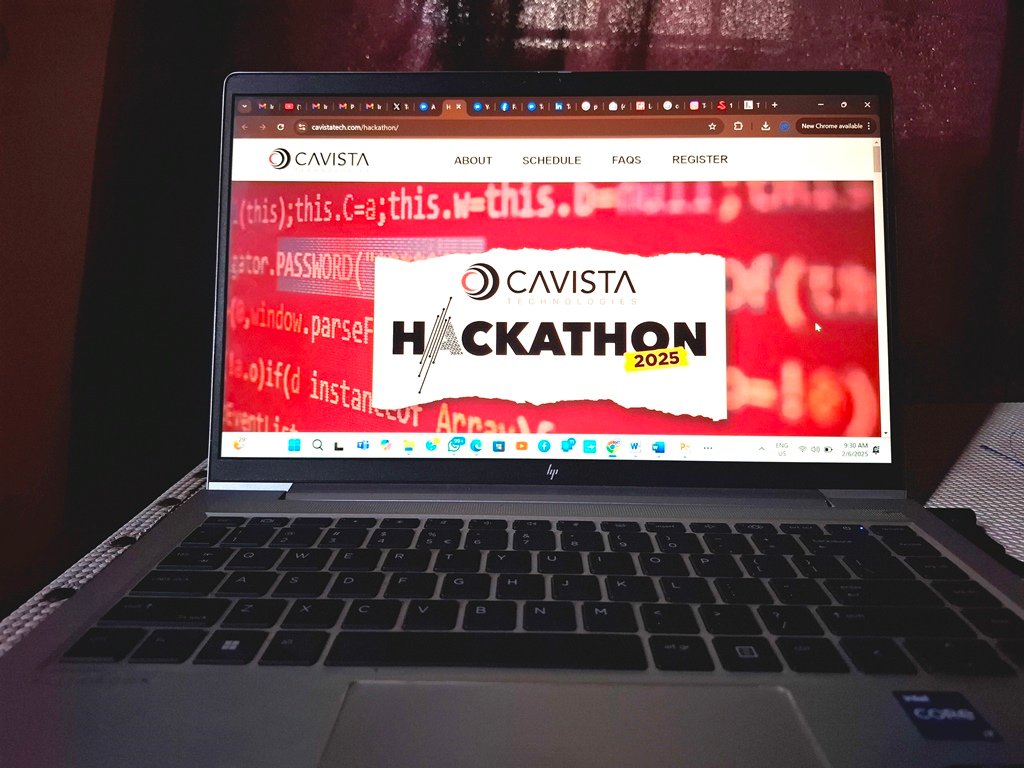
Cavista Technologies, a subsidiary of Cavista Holdings, has announced the return of its annual hackathon in Lagos, set to host the fourth edition aimed at discovering and nurturing Nigeria’s next generation of tech talent. The two-day event will take place on 21–22 February 2026 at the Welcome Centre Hotel, Ikeja, bringing together undergraduate students from selected tertiary institutions in Lagos State and surrounding areas. Participants will work in teams to develop innovative solutions to real-world challenges during a 24-hour hackathon spread across the event. Applications are open to undergraduates with technology skills and a passion for problem-solving. Interested students can apply through the Cavista Technologies website, with shortlisted candidates forming the competing teams. Winners and runners-up will share cash prizes worth millions of naira. Oyebola Morakinyo, General Manager of Cavista Technologies, said the 2026 edition would build on the success of previous events and expand to include students from six tertiary institutions in Lagos and nearby regions. “Our goal is to discover, empower, and celebrate Nigeria’s tech talents by providing a platform where young innovators can showcase creativity and problem-solving skills. This initiative promotes collaboration, entrepreneurship, and digital transformation,” Morakinyo said. The 2026 hackathon will feature mentorship from technology leaders, including Iyinoluwa Aboyeji, co-founder of Andela and Future Africa, and is supported by the Ministry of Youth Development. The event will also run simultaneously in Cavista Technologies’ offices in the United States, India, and Botswana. Key industry stakeholders expected at the Lagos event include Minister of Youth Development Ayodele Olawande, alongside technology experts and other industry leaders.

Tech & Tools Desk14 January 2026
multichoice-1.jpg

2min10000
MultiChoice Nigeria has named Kemi Omotosho as its new Chief Executive Officer, succeeding John Ugbe, the company announced on Monday. The appointment takes effect from January 2026, marking a leadership change at the pay-TV operator after nearly 15 years under Ugbe, who guided the business through major shifts in Nigeria’s media and entertainment industry. Ugbe retired following a tenure that saw MultiChoice Nigeria navigate rapid digital transformation, evolving consumer habits, and growing competition in the pay-TV and streaming sectors. Omotosho brings over 20 years of experience in media, telecommunications, and digital services across Nigeria and sub-Saharan Africa. She has held several senior positions within the MultiChoice Group, including Executive Head of Customer Value Management in Nigeria, Group Executive Head of Customer Value Management for the Rest of Africa, and most recently, Regional Director for Southern Africa, overseeing operations in seven countries. On her appointment, Omotosho highlighted Nigeria’s strategic importance to the Group and expressed enthusiasm for leading the business at a key moment. “It is a privilege to lead MultiChoice Nigeria at this critical time. Nigeria remains one of the Group’s most dynamic and strategic markets,” she said. “I look forward to working with our teams and partners to strengthen consumer relationships, promote local storytelling and the creative economy, and build a future-ready organisation that delivers sustainable value.” The company noted that the leadership transition followed a structured process to ensure continuity and stability in its Nigerian operations.