Blog - Edupreneur Select

Bring to the table win-win survival strategies to ensure proactive domination. At the end of the day, going forward, a new normal that has evolved from generation.
Tech & Tools Desk19 December 2025
aso-rockk.webp

5min5300
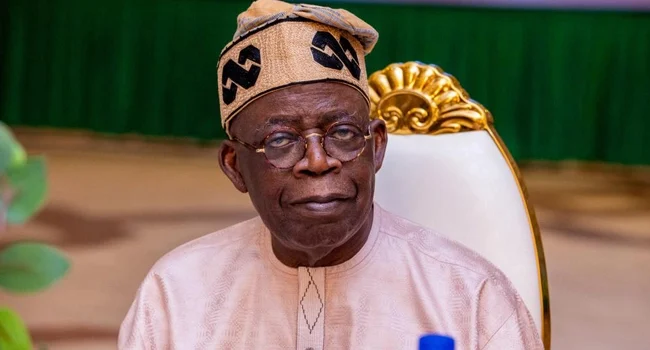
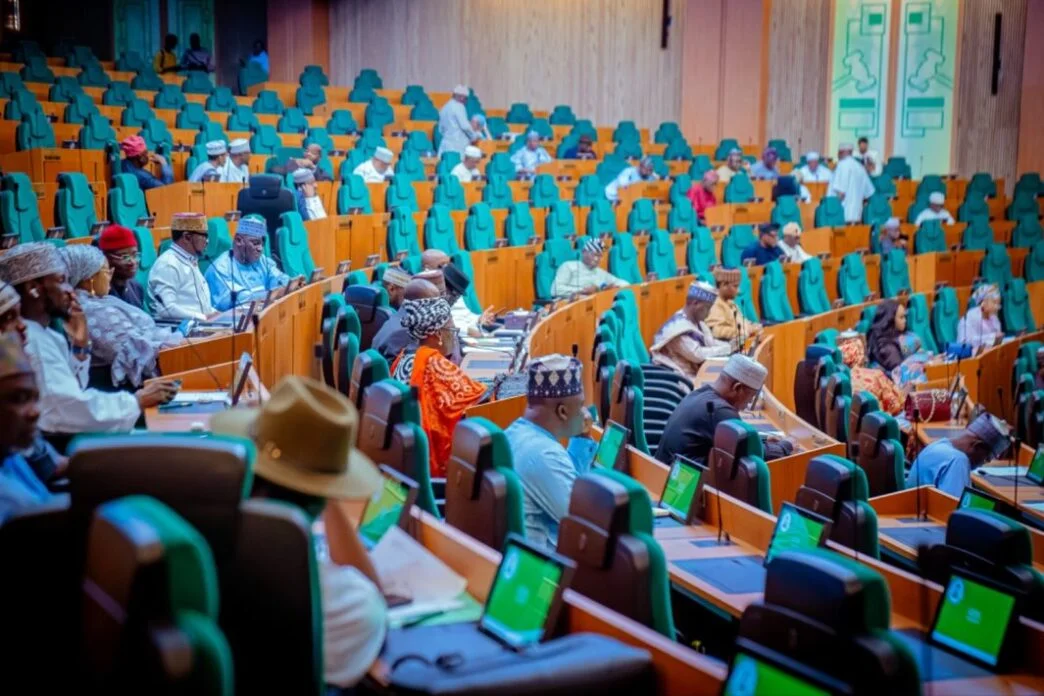
The House of Representatives on Thursday approved the 2026–2028 Medium Term Expenditure Framework (MTEF) and Fiscal Strategy Paper (FSP), adopting a crude oil benchmark of $64.85 per barrel for the 2026 fiscal year—higher than the $60 benchmark earlier approved by the Senate. Lawmakers also endorsed a total proposed federal expenditure of N54.46 trillion for 2026, made up of N31.83 trillion in Federal Government retained revenue and N20.38 trillion in new borrowings, covering both domestic and external loans. The approval followed the adoption of a report by the joint Committees on Finance and National Planning during plenary, after the House resolved into the Committee of Supply chaired by Deputy Speaker Benjamin Kalu. Under the approved framework, key fiscal parameters were retained, including debt servicing estimated at N15.52 trillion; pensions, gratuities, and retirees’ benefits amounting to N1.376 trillion; and a fiscal deficit of N22.63 trillion. Other approved figures include capital expenditure (excluding transfers) of N20.13 trillion; statutory transfers of N3.152 trillion; and a sinking fund projected at N388.54 billion. The House also sustained total recurrent (non-debt) expenditure of N15.27 trillion, alongside special intervention allocations of N200 billion for recurrent spending and N14 billion for capital projects. With the passage of the MTEF and FSP, all legislative requirements have now been completed, paving the way for President Bola Tinubu to present the 2026 budget estimates to a joint session of the National Assembly on Friday. Earlier, Speaker Tajudeen Abbas read a letter from the President confirming his readiness to personally present the budget in accordance with the 1999 Constitution (as amended). The letter stated that Tinubu, “in his capacity as President and Commander-in-Chief of the Armed Forces of the Federal Republic of Nigeria, will present the proposed 2026 budget estimates at 2 p.m. on Friday.” Ahead of the report’s consideration, Deputy Speaker Kalu disclosed that the joint committees made 10 recommendations, all of which were unanimously adopted by the House. In their report, the committees recommended sustaining projected crude oil benchmark prices of $64.85, $64.30, and $65.50 per barrel for 2026, 2027, and 2028, respectively. They also endorsed domestic crude oil production projections of 1.84 million barrels per day (mbpd) for 2026, 1.88 mbpd for 2027, and 1.92 mbpd for 2028. On exchange rate assumptions, the committees proposed maintaining projected rates of N1,512, N1,432, and N1,383 for 2026, 2027, and 2028, respectively, in line with the Central Bank of Nigeria’s policy to stabilise the naira and strengthen coordination between fiscal and monetary policies. Inflation projections of 16.5 per cent, 13 per cent, and 9 per cent for 2026, 2027, and 2028 were also sustained, reflecting efforts by monetary authorities to curb inflationary pressures. Economic growth projections were set at 4.68 per cent for 2026, 5.96 per cent for 2027, and 7.9 per cent for 2028. The report further recommended implementing a National Scanning Policy under the National Single Window of the Nigeria Revenue Services, noting that the initiative would enhance revenue assurance, improve trade facilitation, reduce leakages, and strengthen transparency and national security. Following the approval, Speaker Abbas announced that the House would reconvene on Tuesday, December 23, 2025, to consider the report of the House Committee on Appropriations on the repeal and re-enactment of the N43.56 trillion 2024 budget. Meanwhile, President Tinubu has transmitted the 2025 statutory budget proposal of the Niger Delta Development Commission (NDDC) to the National Assembly, just 13 days before the end of the year. In an accompanying letter, the President said the proposal was prepared in line with Section 121 of the 1999 Constitution and aligns with the Federal Government’s fiscal and development priorities under the Renewed Hope Agenda. He added that the budget reflects the 2024–2026 Economic Recovery Growth Plan and key assumptions of the 2025 Appropriation Act. According to Tinubu, the NDDC will prioritise youth employment and empowerment, energy and power supply, education, industrial and enterprise development, health security, and agricultural productivity to lift more Nigerians out of poverty.  

James Obasi19 December 2025
Sachet-alcohol_1_900x506.png

3min5000
The Office of the Secretary to the Government of the Federation (OSGF) has ordered an immediate suspension of all enforcement activities related to the proposed ban on sachet alcohol products until further notice. The directive follows a formal communication from the House of Representatives Committee on Food and Drugs Administration and Control regarding plans by the National Agency for Food and Drug Administration and Control (NAFDAC) to enforce the ban. In a statement released on Monday by the Special Adviser on Public Affairs, Terrence Kuanum, the OSGF disclosed that the correspondence—dated 13 November 2025 and signed by the committee’s Deputy Chairman, Uchenna Okonkwo—is currently under review. The statement noted that the matter is being considered in line with the OSGF’s statutory coordinating responsibility as Chairman of the Cabinet Secretariat. Consequently, the OSGF directed that all actions, decisions, or enforcement measures connected to the proposed sachet alcohol ban be put on hold pending the completion of consultations and the issuance of a final directive. It further clarified that any enforcement carried out by NAFDAC or other agencies without clearance and resolution from the OSGF is invalid and should be disregarded by the public until an official decision is announced. The office assured Nigerians that legislative resolutions, economic implications, public health concerns, and broader national interest considerations are being thoroughly examined to ensure a balanced, lawful, and well-coordinated outcome. It added that the public would be duly informed once a final position is reached. The development comes after NAFDAC announced plans to prohibit the production and sale of alcoholic beverages in sachets and bottles below 200 millilitres by December 2025. The agency’s Director-General, Mojisola Adeyeye, said the move was intended to curb the misuse of low-cost alcohol among youths and drivers. The SGF’s directive follows sustained pressure from the National Assembly, which has repeatedly urged NAFDAC to suspend enforcement in line with resolutions passed since 2024. A letter dated 1 December from the Permanent Secretary (General Services), Mohammed Danjuma, to the Coordinating Minister of Health and Social Welfare, Professor Muhammad Pate, and the NAFDAC Director-General highlighted concerns raised by the House Committee on Food and Drugs Administration and Control. The letter requested comments to enable the SGF to make an informed decision, referencing the House committee’s earlier correspondence on the planned enforcement of the ban. Earlier, the Senate had approved a 31 December 2025 phase-out deadline following a motion by Senator Asuquo Ekpenyong (Cross River South), who said the timeline was in line with global standards and aimed at reducing alcohol-related harm.  

labour.jpeg

5min2870
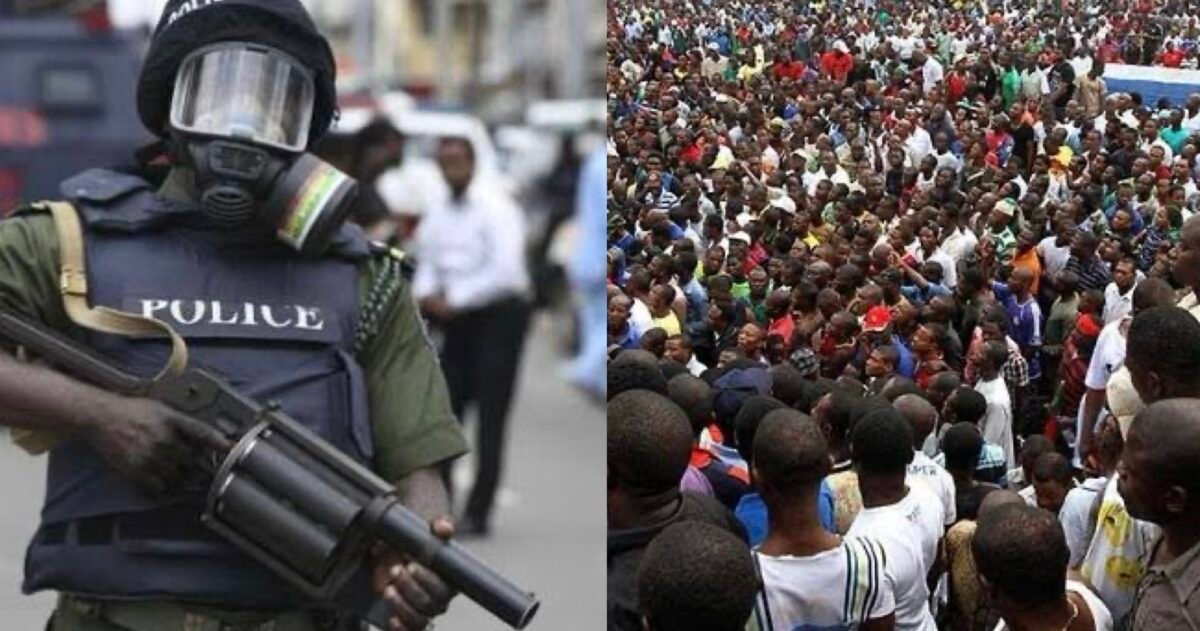
The Nigeria Labour Congress (NLC) yesterday staged nationwide protests over the worsening security situation in the country, urging the federal government to deploy “the full machinery of governance” to reclaim communities, protect workers, and restore public confidence. The union also called for the immediate arrest and prosecution of those funding insecurity. In Abuja, the protest ended abruptly after heavy security deployment prevented demonstrators from advancing beyond the Ministry of Finance, located just meters from the Labour House. The procession, which began between 11:15 a.m. and 11:39 a.m., saw the absence of NLC President Comrade Joe Ajaero and other top leaders, who were engaged in a closed-door meeting lasting several hours. Prior to the procession, Omoyele Sowore, leader of the Revolution Now Movement, visited the Labour House in solidarity with the NLC. Workers, union affiliates, civil society partners, and journalists arrived from early morning, but waited until after 11 a.m. for directives from union leadership. Ajaero clarified that the protest was not canceled despite the previous night’s meeting with President Bola Tinubu, stressing that the demonstration aimed to draw attention to both physical and financial insecurity. He explained that letters previously sent to the President, the Minister of Labour, the Chief of Staff, and the Secretary to the Federal Government had been acknowledged, but issues remained unresolved. During the protest, the NLC highlighted core concerns including security, strikes in tertiary institutions, and unpaid health workers. Ajaero noted that discussions with the President would continue, with a scheduled meeting with the NLC National Administrative Council (NAC) in January. Deputy General Secretary Comrade Ismail Bello emphasized that the protest served the broader interest of all Nigerians, not just workers, and called attention to the toll insecurity has taken on communities and livelihoods. NLC’s Head of International Department, Comrade Uche Ekwe, urged authorities to apprehend those funding insecurity. The NLC stated that insecurity has plagued Nigeria for nearly two decades, resulting in thousands of deaths, displacements, and destruction of schools and health facilities, particularly in the North-East. Labour attributed insecurity to socio-economic injustice, widening inequality, corruption, and underfunding of key sectors, citing losses of over ₦300 billion during the 30-day JOHESU strike alone. In Lagos, the NLC and civil society allies demanded urgent federal action to safeguard citizens, noting that insecurity persists despite Nigeria’s peacekeeping efforts abroad. Human rights activist Femi Falana, SAN, called for better-equipped security forces and prosecution of terrorism financiers arrested in 2021. He further stressed that addressing fiscal and social security issues, including youth employment and poverty alleviation, is essential to reducing insecurity. Protests also took place in Kebbi, Osun, Kano, Enugu, Delta, Abia, and Sokoto, among others. Demonstrators submitted letters to state Houses of Assembly demanding decisive action. In Kano, NLC Chairman Comrade Kabiru Inuwa called on the federal government to find lasting solutions to insecurity, while state representatives assured that security efforts were ongoing. In Sokoto, protesters marched to the state NLC Secretariat, highlighting attacks on villages, farms, and highways that have left residents displaced and unable to sustain livelihoods. Labour warned that persistent inaction would worsen the humanitarian and economic crisis nationwide. The nationwide demonstrations ended with resolutions demanding swift federal intervention to restore security across affected states and safeguard citizens’ lives and property.

UBA-United-Bank-for-Africa.jpg

3min1800
United Bank for Africa (UBA) Plc has launched a $100 million vehicle financing partnership with CIG Motors, Lagride, and the Lagos State Government, designed to transform urban mobility and promote financial inclusion in Nigeria. Branded “Drive to Own,” the initiative positions UBA as the principal financier, allowing beneficiaries to acquire a CIG/Lagride vehicle by paying just 10% of the total cost upfront, with the balance payable over 48 months. Unveiled at a ceremony in Alausa, Lagos, the scheme targets empowering 3,500 drivers in the state with opportunities for asset ownership, setting a new standard for structured credit in Africa’s mobility sector. UBA Group Managing Director/CEO, Oliver Alawuba, highlighted the bank’s commitment to inclusive economic growth, MSME development, and creating opportunities for younger Nigerians. He said, “This partnership with Lagride is transformational. It will drive inclusivity and economic growth for all. We are committed to supporting you, and this is only the beginning.” Alawuba added that UBA is focused on addressing immediate, real-world challenges, stating, “We are connecting this initiative to broader urban development. Lagos will change because of this program, and we plan to expand beyond the city.” Babatunde Ajayi, UBA Head of SME Banking, explained that the partnership redefines traditional banking models. “Not every business has a shop; some operate on wheels. Commercial drivers run businesses but have largely been outside formal finance. We designed credit to fit their realities, and that’s the UBA way,” he said. Lagride Chairman Diana Chen noted that the company has developed a data-driven, credit-ready mobility platform for drivers. “Transportation is key to Africa’s economic future. Lagride is now the most structured and data-driven mobility platform in Nigeria, enabling UBA to assess driver performance with accuracy and confidence, creating a new standard for bankable driver financing,” Chen said.

Donald-Trump.jpg

4min2120
Trump pledges economic surge, blames Biden for high prices in national address President Donald Trump vowed an economic boom for the United States in a national address on Wednesday, while attributing rising prices to the policies of his Democratic predecessor, Joe Biden. “Good evening, America. Eleven months ago I inherited a mess, and I’m fixing it,” the 79-year-old said during a live White House broadcast marking the end of his first year back in office. Despite his reassurances, many Americans remain concerned about the cost of living, prompting fears among Republicans about potential setbacks in the 2026 midterm elections. Trump asserted that prices for gas and groceries were “falling rapidly, and it’s not done yet. But boy, are we making progress.” In a surprise announcement, Trump said that 1.45 million U.S. service members would each receive a $1,776 “warrior dividend” bonus before Christmas, funded by revenues from tariffs. He noted that the amount commemorates the year of the nation’s founding, in celebration of the 250th anniversary next year. Trump also forecasted a record-setting economic surge in 2026, coinciding with the U.S., Canada, and Mexico co-hosting the FIFA World Cup. However, much of the speech focused on familiar targets. Trump repeatedly criticized Biden, the Democrats, and migrants, claiming they “stole American jobs.” Democrats responded sharply, with Senate Majority Leader Chuck Schumer stating that Trump “lives in a bubble completely disconnected from the reality everyday Americans are seeing and feeling.” He added, “The facts are that prices are going up. Unemployment is going up. And there’s no end in sight.” Trump’s remarks come after a year of high-profile policy moves, including stricter migration controls and actions targeting political opponents. Yet public concern remains on rising prices, partly driven by tariffs imposed on global trading partners. Polls reflect voter unease: a PBS News/NPR/Marist poll released Wednesday found 57 percent of Americans disapprove of Trump’s handling of the economy, while a YouGov survey showed 52 percent believe the economy is worsening under his leadership. Trump has also faced criticism from within his MAGA base for prioritizing foreign peace deals in Ukraine and Gaza, and tensions with Venezuela, over domestic economic issues. During Wednesday’s address, he highlighted the Gaza ceasefire, U.S. actions against Iran’s nuclear program, and efforts to combat drug trafficking. With midterm elections approaching in 2026, Trump has increased domestic travel to promote his economic agenda. Last week in Pennsylvania, he pledged to “make America affordable again,” and he is scheduled for another campaign-style rally in North Carolina on Friday. Vice President JD Vance, positioning himself for a potential 2028 presidential run, encouraged voters to remain patient in a speech on Tuesday.  

Tech & Tools Desk18 December 2025
Bola-Tinubu.webp

3min2530
Maritime Innovation Hub, in partnership with the Federal Ministry of Marine and Blue Economy, will host the Blue Economy Investment Summit from 9 to 11 March 2026 in Lagos. Princess Ronke Kosoko, CEO of the Maritime Innovation Hub, announced the summit during a media briefing in Abuja on Monday, providing details of the event. She stated that President Bola Tinubu will officially open the summit. Kosoko explained that the summit aims to attract investment and drive reforms across Nigeria’s maritime and coastal sectors. “With over 850 km of coastline and an exclusive economic zone exceeding 200 nautical miles, Nigeria holds significant untapped potential in the Blue Economy, spanning maritime transport, fisheries, aquaculture, shipbuilding, offshore energy, tourism, and marine biotechnology. Globally, the Blue Economy is expected to surpass $3tn by 2030. Nigeria’s strategic position as West Africa’s maritime hub provides opportunities for substantial socio-economic gains, but unlocking this potential requires coordinated efforts, investment promotion, stronger institutional frameworks, and reforms to address inefficiencies in port operations that raise logistics costs and hinder competitiveness,” she said. Kosoko noted that the sector currently contributes less than three per cent to Nigeria’s GDP and stressed the need for better data collection and coordination to accurately assess and grow its impact. “The sector’s GDP contribution remains below three per cent, far from its potential to support diversification, job creation, and industrialisation. Reliable data is essential for tracking progress and informing policy,” she said. Invitations have been extended to all 36 state governors and the Minister of the Federal Capital Territory to ensure alignment of state-level marine initiatives with federal policies. Other invited participants include the Nigerian Investment Promotion Commission, Nigerian Export Promotion Council, NEXIM Bank, the World Bank, African Development Bank, Nigerians in Diaspora Commission, Bank of Industry, Bank of Agriculture, and representatives from the Canadian and United States embassies. The summit will be formally opened by President Bola Tinubu.

James Obasi18 December 2025
ndic.jpg

3min4850
The Nigeria Deposit Insurance Corporation (NDIC) and the Nigeria Inter-Bank Settlement System Plc (NIBSS) are set to sign a Memorandum of Understanding (MoU) aimed at improving the efficiency of reimbursements for depositors in cases of bank failure. The NDIC disclosed this on Wednesday, with its Managing Director/Chief Executive, Mr Thompson Sunday, announcing the plan during a courtesy visit by the NIBSS Executive Management team, led by Managing Director/Chief Executive, Mr Premier Oiwoh, to the Corporation’s Abuja Head Office. The MoU comes a day after the NDIC began the liquidation of two mortgage banks, Aso Savings and Loans and Union Homes Savings and Loans, whose licences were revoked by the Central Bank of Nigeria. Deposit holders of the defunct banks will receive insured deposits of up to N2 million per individual, while claims above this threshold will be settled after the banks’ assets are liquidated. Mr Sunday praised NIBSS for its long-standing support in strengthening NDIC’s mandate of protecting depositors and promoting confidence in the banking system. He highlighted NIBSS’s role in digital verification processes, particularly through the Bank Verification Number platform, which facilitated smooth payments to depositors of the failed Heritage Bank Limited. “You have been a reliable partner, and NDIC remains committed to that collaboration. Without NIBSS’s support, achieving the milestone with Heritage Bank would have been difficult, even under the impromptu circumstances. This MoU will formalise and strengthen our partnership,” Sunday said. The MoU is expected to cover areas including real-time synchronisation of NDIC deposit records for swift account verification, expansion of payout channels to include Mobile Money Operators and a potential NDIC-branded mobile platform, and investment in Single Customer View and interoperability infrastructure to enable instant validation during bank resolutions. Sunday also commended NIBSS for advancing Nigeria’s payments system and strengthening fraud prevention. In response, NIBSS MD/CE Oiwoh expressed gratitude for the partnership and reaffirmed the organisation’s commitment to supporting NDIC in depositor protection. He stressed the importance of prompt reimbursements in maintaining public trust and financial inclusion and assured that NIBSS is collaborating with law enforcement to reinforce the safety and efficiency of Nigeria’s payment system. The MoU is expected to usher in a technology-driven, digitised, and responsive system for depositor payouts, bolstering confidence in the nation’s financial safety-net framework.

custommm.jpeg

3min1770
The Nigeria Customs Service has cautioned designated banks that any delay in remitting collected customs revenue will attract penalty interest set at three per cent above the prevailing Nigerian Interbank Offered Rate for the period of default. The warning follows reported cases of delayed revenue remittances by some designated banks after reconciliation of collections processed through the B’odogwu platform. In a statement issued on Wednesday, the National Public Relations Officer of the service, Abdullahi Maiwada, said such delays violate agreed remittance obligations and undermine the efficiency, transparency, and integrity of government revenue administration. He noted that, in line with the Service Level Agreement between the Nigeria Customs Service and designated banks, enforcement actions have commenced against institutions found to be in breach of remittance timelines. According to the statement, any designated bank that fails to remit collected customs revenue within the stipulated period will be charged penalty interest calculated at three per cent above the prevailing NIBOR for the duration of the delay. Affected banks will receive formal notices detailing the outstanding amount, applicable penalties, and deadlines for settlement. The service added that repeated or persistent non-compliance with the SLA could result in further regulatory and administrative sanctions, as provided under the agreement and relevant laws governing customs revenue collection. The NCS reiterated that prompt, accurate, and complete remittance of customs revenue is a core responsibility of designated banks. It warned that payments made into unauthorised accounts, whether intentionally or in error, would be treated as serious violations and handled in accordance with the SLA and applicable legal frameworks. Designated banks were therefore urged to strengthen internal controls, strictly observe remittance timelines, and fully comply with the terms of the SLA. The service reaffirmed its commitment to enforcing accountability, protecting government revenue, and promoting a transparent and predictable financial system in support of national economic development. Under the Nigeria Customs Service Act, all customs duties, excise taxes, and related charges are payable to the service. Any intermediary, including banks, that collects such revenues and fails to remit them appropriately may face prosecution and penalties, including fines or imprisonment, as provided by law.  

Cardoso-CBN-510x340-1.jpg

6min5000
Deposit money banks are reinforcing their capital positions as the Central Bank of Nigeria tightens regulatory oversight, deepening its focus on governance, transparency and risk management to safeguard financial system stability. The CBN Governor, Olayemi Cardoso, has said Nigeria’s banking system remains stable and resilient but noted that the regulator is staying alert to emerging risks, including cyber threats, credit concentration and operational weaknesses. According to him, these risks are being addressed through enhanced risk-based supervision and the transition to Basel III, which is expected to strengthen capital quality, boost resilience and improve liquidity monitoring as recapitalisation progresses. Members of the Monetary Policy Committee have also affirmed the soundness of the banking sector. At the 303rd MPC meeting in Abuja, the committee expressed satisfaction with the sector’s performance, noting that key financial soundness indicators remain within regulatory thresholds. They acknowledged notable progress in the recapitalisation programme, with 16 banks already meeting the revised capital requirements, and urged the apex bank to ensure the process is completed successfully. With fewer than four months to the end of the exercise, Cardoso confirmed that recapitalisation remains on track. Speaking at the recent Bankers’ Dinner in Lagos, he said several banks have already crossed the new capital thresholds, while others are making steady progress toward the 31 March 2026 deadline. “So far, 27 banks have raised capital through public offers and rights issues, and 16 have already met or exceeded the new requirements,” he said, describing this as evidence of the depth and resilience of Nigeria’s banking industry. He added that recent stress tests show the system remains fundamentally strong, with most prudential indicators meeting regulatory benchmarks. As part of efforts to protect the estimated N4.14tn being raised through recapitalisation, the CBN is overhauling the sector’s credit-risk framework. Cardoso said the apex bank is enforcing stricter governance, transparency and accountability standards to ensure the new capital is properly managed and to prevent a repeat of boom-and-bust cycles seen after past recapitalisation exercises. He explained that a newly established Compliance Department, now fully operational, is strengthening oversight in areas such as financial crime supervision, market conduct, enterprise security, corporate governance and environmental, social and governance issues. In addition, the CBN’s Credit Risk Management System has been upgraded to a web-enabled platform, allowing banks to conduct borrower checks and submit statutory returns more efficiently, with plans underway to integrate it into banks’ internal systems. A Deloitte report estimates that Nigerian banks will raise about N4.14tn by March 2026, noting that higher minimum capital requirements—ranging from N50bn to N500bn depending on licence type—are necessary to address inflation, high interest rates, exchange rate volatility and external shocks. The report said stronger capital buffers would enhance banks’ ability to absorb losses and support larger transactions. Cardoso reiterated that while the system is sound, vigilance remains essential. He added that the Basel III transition will further reinforce resilience, while operational discipline is being strengthened to improve efficiency across the financial system. Measures taken include a comprehensive review of the cash lifecycle, revised cash-printing models, tighter controls on ATM and branch closures, sanctions for cash-dispensing failures, and enhanced supervision of point-of-sale operators nationwide. These interventions align with the Federal Government’s ambition to grow Nigeria’s economy to $1tn by 2030. Cardoso stressed that a well-capitalised banking sector is critical to achieving this goal, warning that without decisive action, banks may lack the capacity to support such an expansion. The ongoing recapitalisation, he said, will position banks to finance growth, attract larger transactions and support economic development. The CBN has reassured depositors and the public that the sector remains secure, emphasising that it continues to monitor all financial institutions under robust early-warning and risk-based supervision frameworks. The recapitalisation programme, announced in March 2024, raised minimum capital requirements for banks based on licence categories, with full compliance expected by March 2026. Cardoso said the policy would promote inclusive growth by enabling banks to extend more credit to MSMEs and invest in technology and innovation, expanding digital financial services and access nationwide. He added that key indicators such as non-performing loan and liquidity ratios remain within regulatory limits, while stress tests continue to affirm the system’s overall strength. Industry leaders have also described the recapitalisation drive as timely, saying it will help banks withstand economic shocks and finance large-scale infrastructure and industrial projects. Under the CBN Act of 2007, the apex bank is mandated to promote financial system stability, a responsibility it continues to pursue through reforms, stronger governance standards and enhanced supervisory frameworks aimed at sustaining confidence in the banking system and supporting long-term economic growth.  

importt.avif

6min2520
Stakeholders have cautioned that lingering structural flaws and poor inter-agency coordination could expose importers and the broader economy to significant losses, warning that these challenges may undermine the effective rollout of the National Single Window (NSW). The concerns were raised on Wednesday in Lagos at the 10th annual seminar for maritime journalists and the unveiling of the Centre for Maritime Media and Capacity Development. The event, organised by First Mediacon Network Limited in collaboration with the Nigerian Shippers’ Council, was themed “A decade of collaboration for impact: Strengthening maritime journalism for the future.” Participants expressed fears that the NSW, slated to commence operations in 2026 to simplify port procedures, could face serious setbacks if the current overlap of regulatory interfaces is not addressed. Speaking at the forum, the National Vice President of the Association of Nigerian Licensed Customs Agents (ANLCA), Segun Oduntan, noted that despite the NSW framework, operators still navigate multiple platforms operated by different government agencies, alongside internal systems covering enforcement, scanning, gate operations and cargo clearance. Oduntan, represented by ANLCA’s Senior Special Adviser on Media, Suleiman Ayokunle, recalled earlier digital platform launches by regulatory agencies, which initially resulted in severe disruptions, including a near-total halt in cargo evacuation for about three weeks. While acknowledging that such challenges are common with technology-driven reforms, he warned that without proper management, the economic impact could be far-reaching. He further highlighted the financial consequences of regulatory overlaps, citing recurring disputes between the Nigerian Shippers’ Council and the Maritime Police. According to him, unless the NSW successfully harmonises agency roles and procedures, such losses could persist and erode the efficiencies the system is designed to deliver. Oduntan expressed optimism that the NSW would follow global best practices, offering a truly integrated platform that reduces delays, lowers costs and resolves long-standing inter-agency frictions at the ports. Adding to the discussion, a former acting Vice President of ANLCA, Kayode Farinto, said previous digital transitions in the maritime sector had come at a high cost. He recalled instances where connectivity failures delayed declarations and even properly submitted documents were not recognised by new systems. Farinto also drew attention to additional charges imposed by regulatory agencies, pointing to examination fees demanded by the Standards Organisation of Nigeria despite importers holding valid conformity certificates. He said such fees, ranging from N3,000 to N7,000 per container, discourage trade and promote avoidance practices. He further criticised police interventions in cleared cargo, warning that excessive or arbitrary enforcement could fuel extortion and weaken trade facilitation. The Executive Secretary and Chief Executive Officer of the Nigerian Shippers’ Council, Dr Pius Akutah, said the increasing complexity of the maritime sector—driven by digitalisation, evolving trade dynamics, regulatory reforms and global logistics changes—requires a more adaptive and informed media. Represented by the council’s Director of Special Duties, Moses Abere, Akutah reaffirmed the council’s commitment to efficiency, transparency and competitiveness as the port economic regulator. He described the event’s theme as a reflection of the importance of collaboration in building a stronger maritime industry, noting that maritime journalists have long played a critical role in highlighting sectoral challenges and opportunities. He added that the council views the media as vital partners in informing stakeholders, shaping public perception and strengthening accountability. In his opening remarks, the Chief Executive Officer of First Mediacon Network Limited, Sesan Onileimo, said maritime journalists must continually upgrade their skills amid the pressures of artificial intelligence, digitalisation and social media. He explained that the newly launched centre was created to help journalists remain relevant and competitive, regardless of their level of experience on the maritime beat. Onileimo added that the centre is open to partnerships with corporate stakeholders committed to collaboration and capacity building for the benefit of Nigeria’s maritime industry. The National Single Window is a trade facilitation platform designed to allow importers, exporters and other stakeholders to submit standardised trade information and documentation through a single electronic portal to meet all regulatory requirements for the movement of goods.