Blog - Edupreneur Select

Bring to the table win-win survival strategies to ensure proactive domination. At the end of the day, going forward, a new normal that has evolved from generation.
Tech & Tools Desk16 December 2025
human-trafficking.webp

4min4800
The Lagos State Government has inaugurated Local Government Focal Persons alongside Anti-Human Trafficking Desk Officers of the Lagos State Neighbourhood Safety Corps (LNSC), reinforcing its efforts to tackle human trafficking at the grassroots level. The officers were inaugurated on Monday by the Attorney-General and Commissioner for Justice, Lawal Pedro (SAN), at the Domestic and Sexual Violence Agency office in Alausa, Ikeja. He described the initiative as a proactive strategy aimed at preventing trafficking before it becomes entrenched within communities. Pedro stated that the administration of Governor Babajide Sanwo-Olu is determined to eliminate the institutional weaknesses and poor coordination that enable human trafficking to thrive. He stressed that Lagos would not allow such gaps to create safe havens for traffickers. According to him, the new approach deliberately brings anti-trafficking efforts to the local government level, where recruitment and operations often occur. Under the framework, heads of legal units across the state’s 20 local government areas and 37 local council development areas have been designated as Local Government Focal Persons for the Lagos State Task Force Against Human Trafficking. They will work closely with LNSC Anti-Human Trafficking Desk Officers assigned to their respective jurisdictions. Pedro noted that the structure strengthens coordination, defines responsibilities, and ensures accountability. He explained that while the heads of legal units provide legal and institutional leadership, the LNSC officers contribute community intelligence, field presence, and operational support, forming the first line of defence against trafficking at the local level. He urged the newly appointed officers to carry out their duties with diligence, integrity, and a strong sense of public service, adding that local councils must become environments where traffickers find no shelter and victims receive protection, support, and justice. In his remarks, the Solicitor-General and Permanent Secretary of the Ministry of Justice, Hameed Oyenuga, said the inauguration reflects a deliberate policy shift toward a coordinated, structured, and community-focused response to human trafficking. Also speaking, the Task Force Coordinator, Olamide Ibrahim, outlined the operational framework guiding the roles of the Local Government Focal Persons and LNSC Desk Officers. He emphasised the importance of clear role definition, respect for institutional mandates, and disciplined coordination. Ibrahim explained that while legal unit heads would lead on legal and administrative matters, LNSC Desk Officers would continue to function within the corps’ established command structure to maintain accountability. He added that all responses must remain victim-centred, confidential, and humane, particularly as many cases involve women and children. The National Agency for the Prohibition of Trafficking in Persons commended the state government for strengthening its anti-trafficking measures. Representing the Lagos Zonal Command, Mrs Hajarat Tunde-Osho described the initiative as a crucial step toward decentralised and multi-sectoral responses to trafficking. She noted that the move translates political commitment into concrete action and supports sustained prevention and outreach efforts across the state.  

James Obasi16 December 2025
sanw-food.jpeg

3min5340
The Lagos State Governor, Babajide Sanwo-Olu, has restated his administration’s dedication to promoting innovation and supporting individuals and groups working to strengthen the state’s food security system. The governor gave the assurance on Sunday at the 2025 Lagos Food Festival held at Muri Okunola Park, Victoria Island, themed “Taste Without Borders.” He noted that over the past 11 months, the state government, through the Ministry of Agriculture and Food Systems, has implemented several interventions and empowerment programmes that have positively impacted agribusiness entrepreneurs and stakeholders across the food value chain. According to Sanwo-Olu, the ministry has recorded significant achievements this year by empowering numerous entrepreneurs, as part of ongoing efforts to provide food business innovators and aggregators with opportunities to grow, become self-reliant, and thrive. He added that the festival also serves as a family-friendly platform where residents can experience and celebrate diverse food cultures and cuisines across Lagos. The governor highlighted the role of food as a powerful medium for storytelling, creativity, and cultural expression, noting that the event opens doors for young talents, supports businesses, and drives transformation within the sector. Speaking at the event, the Commissioner for Agriculture and Food Systems, Ms Abisola Olusanya, described the festival—now in its fifth edition—as a true reflection of Lagos’ identity, particularly its rich culinary heritage blended with entertainment. She explained that the festival provides an avenue for food entrepreneurs to connect, collaborate, and expand their businesses beyond local boundaries. Olusanya added that Lagos’ diversity and multicultural nature are well expressed through food, making the Lagos Food Festival an ideal platform to celebrate all actors within the state’s food value chain. She further noted that the initiative has helped spotlight emerging talents over the years, especially through the governor’s direct engagement with food entrepreneurs, which has inspired growth and innovation across the sector.

Dangote-Refinery.jpg

2min5610
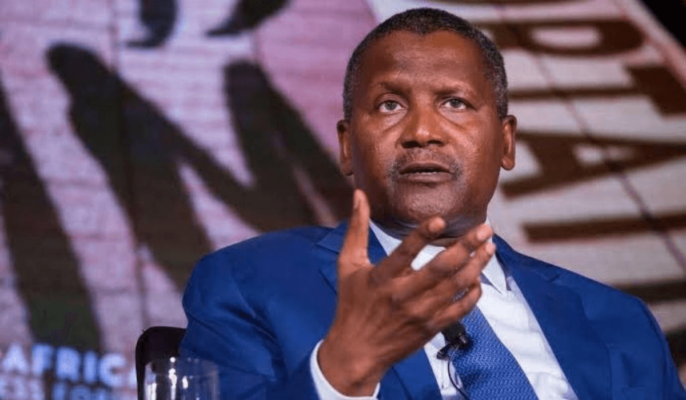
Nigerian billionaire Aliko Dangote, President of the Dangote Group, has said that Donald Trump is “more than happy” with the operations of the Dangote Refinery. Dangote rejected claims of US opposition, explaining that rather than being a rival, the United States is a major supplier of crude oil to the refinery and a key beneficiary due to the scale of trade involved. Speaking on Sunday at a press briefing at the Dangote Petroleum Refinery in Lekki, Lagos State, he said the refinery still relies on crude oil imports from Ghana and other countries because domestic production is insufficient. “Nigeria is not producing enough crude to meet our needs, so we buy from Ghana, a few other African countries, and also from the U.S.,” Dangote explained. He stressed that the United States is a significant supplier of crude oil to Nigeria and dismissed claims that former President Trump is dissatisfied with the refinery or its funding arrangements. “The U.S. has been one of our major crude suppliers. So when people say Trump is unhappy with our refinery, it’s not true. He is more than happy because of the scale of business involved,” Dangote said. He added that Nigeria imports at least 100 million barrels of crude oil from the U.S. annually, a figure that could rise to around 200 million barrels if supply is doubled. Dangote also noted that Nigeria exports aviation fuel and gasoline to the U.S., highlighting the mutually beneficial nature of the trade relationship.

nuccc.jpg

4min2780
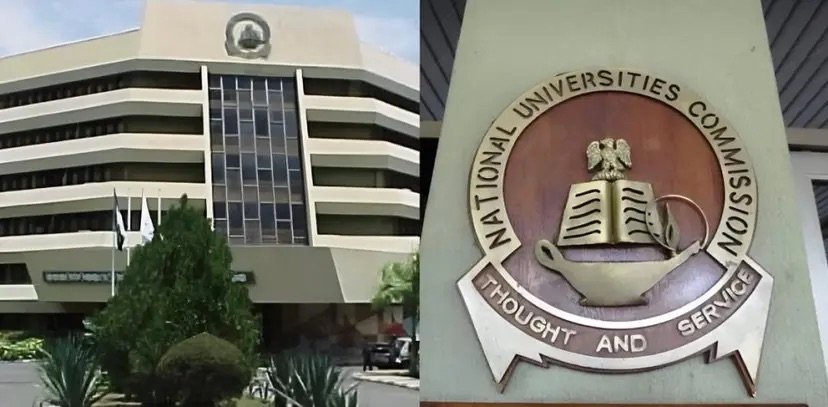
The National Universities Commission (NUC) has lifted the ban on the establishment and operation of foreign universities in Nigeria. NUC Ex ecutive Secretary, Professor Abdulahi Yusufu Ribadu, announced the decision over the weekend during the 10th Convocation of Gregory University, Uturu (GUU) in Abia State, stating that the move aims to attract foreign direct investment into the education sector and enhance the global competitiveness of Nigerian universities. Represented by Offor Chukwuemeka, Prof. Ribadu highlighted that the Commission has implemented broad reforms to ensure graduates from Nigerian universities are globally competitive. He explained that partnerships with foreign institutions can now take place through six models: franchise, branch campus, twinning/articulation, open and distance learning (ODL), acquisition, and teaching institutions. Prof. Ribadu also noted that NUC has introduced a governance code for private universities to standardise operations and embarked on curriculum re-engineering, shifting from Benchmark Minimum Academic Standards (BMAS) to Core Curriculum and Minimum Academic Standards (CCMAS). Under the new framework, 70% of core courses are provided by NUC and mandatory for graduation, while universities retain 30% flexibility to tailor courses to their unique strengths. The reforms aim to equip students with 21st-century employability skills, and NUC commended GUU’s management for its contributions to advancing education in Nigeria. In his remarks, Governor Alex Otti praised Professor Gregory Ibe, founder of GUU, for establishing an institution that has positively impacted many lives. Represented by the Commissioner for Tertiary Education, Professor Uche Eme Uche, Otti reaffirmed his commitment to driving educational development in the state. The Vice Chancellor of GUU, Professor Cele Njoku, said the university has grown from three to 12 colleges with over 53 departments in 13 years. She added that all eight courses submitted to NUC in 2024 received full accreditation, and new programs, including Artificial Intelligence (AI) and major foreign languages, have been introduced. The VC urged graduates to serve as ambassadors of the institution. Founder Professor Gregory Ibe, represented by the Pro-Chancellor, Professor Augustine Uwakwe, reiterated his vision of providing accessible, quality education. He expressed pride in the students’ achievements and encouraged graduates to contribute solutions to societal challenges. The overall best graduating student, Master Onyechere Chinedum Yadirichukwu, who earned a 4.91 CGPA, dedicated his achievement to his parents and emphasized the need to build the Nigeria they envision. Honorary doctorate degrees were awarded to former Enugu State Governor Ifeanyi Ugwuanyi, the Chairman of the Abia State Council of Traditional Rulers, HRM Eze Linus Nto Mba, and Dr. Okenze Sylvester Obinna, Chairman of the Manufacturers Association of Nigeria, Imo State.

parrtty.jpg

3min2820
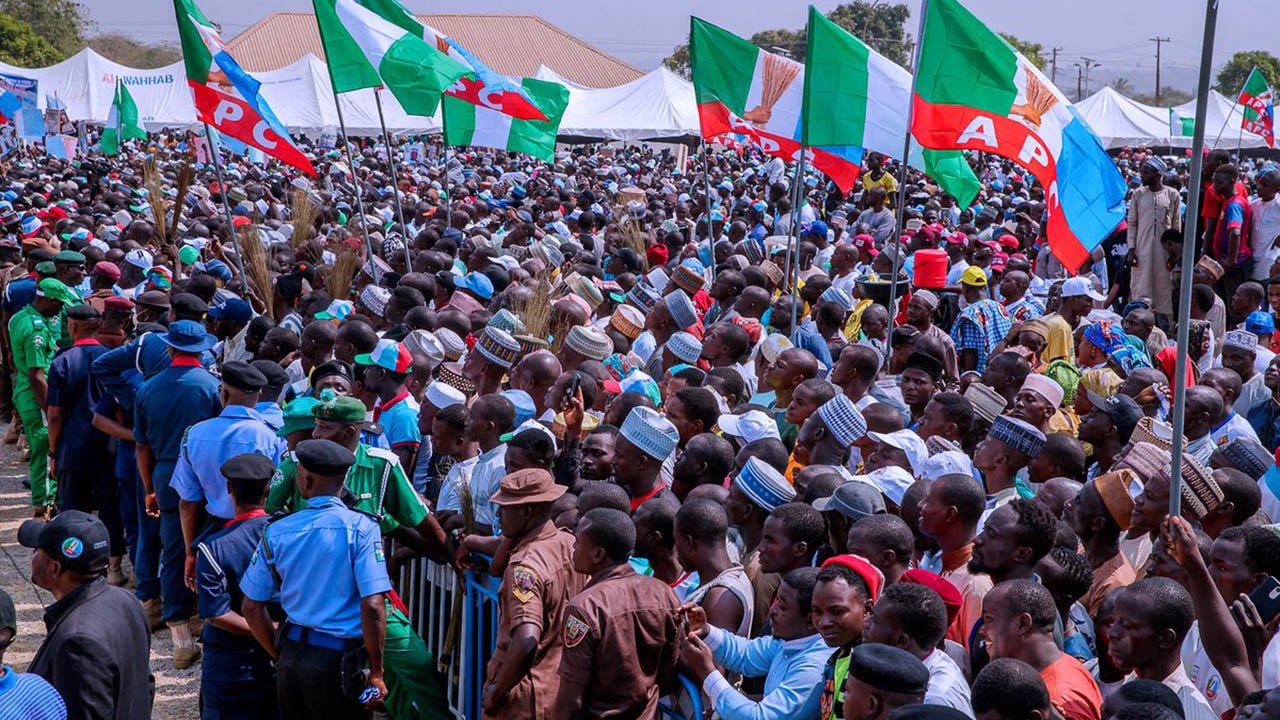
Prominent opposition leaders have sounded the alarm over what they describe as a deliberate effort by President Bola Ahmed Tinubu’s administration to weaken Nigeria’s multi-party democracy through the politicisation of anti-corruption agencies. In a joint statement released on Sunday, the leaders accused the Federal Government of using institutions such as the Economic and Financial Crimes Commission (EFCC), the Nigeria Police, and the Independent Corrupt Practices and Other Related Offences Commission (ICPC) to intimidate and target political opponents under the guise of fighting corruption. The statement was signed by former Vice President Atiku Abubakar; former Senate President and African Democratic Congress (ADC) National Chairman, Senator David Mark; Labour Party’s 2023 presidential candidate, Peter Obi; former Edo State Governor, Chief John Odigie-Oyegun; former PDP Deputy National Chairman (South), Chief Olabode George; and former Minister of State for Defence, Mallam Lawal Batagarawa. They warned that Nigeria is at risk of drifting toward a one-party state, alleging that opposition governors and political leaders are being pressured by anti-graft agencies to defect to the ruling All Progressives Congress (APC). “State power is being deployed not for a genuine fight against corruption, but for the systematic persecution of perceived political opponents ahead of the 2027 general election,” the statement said. The opposition figures accused the EFCC of selective enforcement, claiming that while opposition figures are subjected to aggressive investigations and media trials, allegations against ruling party members are ignored or quietly dropped. They pointed to public perceptions of unequal justice, including previous statements attributed to a former APC national chairman suggesting that defectors’ “sins are forgiven,” arguing that such narratives have eroded public trust in anti-corruption institutions. The leaders called for an independent review of federal, state, and local government accounts from 2015 to 2025 to expose selective prosecution and restore confidence in anti-graft efforts. They also proposed embedding anti-corruption operatives within government payment systems to prevent financial crimes and amending the EFCC Act to strengthen the agency’s independence and preventive mandate. Finally, the leaders urged Nigerians to remain vigilant in defending the country’s democratic space, warning that unchecked political injustice could threaten national stability.

Tech & Tools Desk15 December 2025
s2.png

5min1920
President and Chief Executive of Dangote Industries Limited, Aliko Dangote, has called for an investigation into the Chief Executive Officer of the Nigerian Midstream and Downstream Petroleum Regulatory Authority (NMDPRA), Engr. Farouk Ahmed, accusing him of economic sabotage that undermines domestic refining in Nigeria. Speaking at a press conference at the Dangote Petroleum Refinery, Dangote alleged that the NMDPRA leadership was colluding with international traders and fuel importers to frustrate local refining by continuing to issue import licenses for petroleum products. Dangote also claimed that Engr. Ahmed was living beyond his official means. The Dangote Group chairman, however, assured Nigerians that the pump price of Premium Motor Spirit (PMS) would fall further. He stated that petrol would sell for no more than N740 per litre from Tuesday, starting in Lagos, following the refinery’s reduction of the gantry price to N699 per litre. MRS filling stations would be the first to implement the new pricing. Expressing concern about the downstream sector, Dangote said Nigeria’s dependence on fuel imports was harming local production and discouraging investment in domestic refining. He revealed that import licenses for approximately 7.5 billion litres of PMS had been issued for the first quarter of 2026, despite significant domestic refining capacity. He added that modular refineries were already struggling under current policies and on the verge of collapse, with the continued issuance of import permits further weakening the sector. “I am not calling for his removal, but for a proper investigation. He should be required to account for his actions and demonstrate that he has not compromised his position to the detriment of Nigerians. What is happening amounts to economic sabotage,” Dangote said. “The Code of Conduct Bureau, or any other government body deemed appropriate, can investigate this matter.” He described the downstream petroleum sector as under severe strain, alleging entrenched interests profiting from fuel imports at the expense of national development. “There are powerful interests in the oil sector. It is troubling that African countries continue to import refined products despite repeated calls for value addition and domestic refining. The volume of imports being allowed is unethical and harms Nigeria,” he said. Dangote stressed the importance of separating regulatory oversight from commercial interests, warning that allowing traders to influence regulation would compromise the sector’s integrity. “The downstream sector must not be destroyed by personal interests. A trader should never act as a regulator. Forty-seven licenses have been issued, yet no new refineries are being built because the environment is not conducive,” he said. He added that Nigerians would ultimately benefit from local refining, even as fuel importers face losses. He reiterated his commitment to ensuring Nigerians enjoy the benefits of domestic refining, noting that the company was working to ensure that the recent reduction in gantry prices is reflected at retail outlets. From Tuesday, all MRS filling stations would sell PMS at no more than N740 per litre in Lagos. The refinery has also reduced its minimum purchase requirement from two million litres to 500,000 litres to allow more marketers, including members of the Independent Petroleum Marketers Association of Nigeria (IPMAN), to participate.  

James Obasi15 December 2025
bua-abdulsamad_rabiu.jpg

3min4630
Nigerian billionaire and BUA Group Chairman, Abdul Samad Rabiu, honoured long-serving employees of the conglomerate with cash gifts in recognition of their dedication and years of service. The rewards were presented on Friday, December 13, 2025, during the BUA Night-of-Excellence Long-Service Awards held in Lagos. Speaking at the event, Rabiu praised the commitment and resilience of the company’s workforce, calling employees the backbone of BUA Group’s success and growth. He emphasised that recognising loyalty and hard work is a core principle of the organisation, especially amid rising living costs and economic uncertainty. “Today is a very special occasion. We are not just celebrating long service, we are celebrating loyalty, commitment, resilience, and the extraordinary power of people,” Rabiu said. “No matter how big BUA becomes, its true strength has always been its people.” He added that the company’s achievements were built on the dedication of its employees, describing them as partners in BUA’s legacy. “You built the factories, developed the systems, managed the challenges, and defended the brand. Without you, there would be no BUA story to celebrate. BUA has never been just a business; it has always been a family, and each of you is a partner in this legacy.” Rabiu highlighted that the cash gifts were a gesture of appreciation, not a full measure of the employees’ contributions. “This token is not a payment for your sacrifice; no amount of money can fully reward the years of dedication, late nights, early mornings, personal sacrifices, and passion you have invested in this company. It is simply our way of saying, we see you, we value you, we appreciate you.” He concluded by assuring staff that as BUA grows, they would share in its success. “As BUA grows, you will grow. As BUA advances, you will advance. This legacy belongs to all of us. Thank you.”

tinubo56.webp

7min5860
President Bola Tinubu on Sunday called on West African leaders to unite against renewed threats to democracy, pointing to the recent attempted coup in Benin Republic and fresh political instability in Guinea-Bissau. Tinubu, who was represented by Vice President Kashim Shettima, made the call while delivering the opening address at the 68th Ordinary Session of the ECOWAS Heads of State and Government held at the State House in Abuja. His remarks came as Chabi Yayi, son of former Beninese president and current opposition leader Thomas Boni Yayi, was arrested at his residence early Sunday, according to relatives. No official reason was given for the arrest, which followed the foiled coup attempt in Benin a week earlier. Family members and associates said it was unclear whether the arrest was linked to the incident. Since the December 7 coup attempt, several arrests have been made in Benin, including that of former defence minister and prominent opposition figure Candide Azannai, who was detained on allegations of conspiracy against the state and incitement to rebellion. Authorities have also issued an international arrest warrant for pan-Africanist activist Kemi Seba, who responded defiantly in a video message on Sunday. Addressing leaders at the ECOWAS meeting, Tinubu said the region faced mounting external and internal threats that required collective action. He listed terrorism, violent extremism, unconstitutional changes of government, organised crime, arms proliferation, cyber insecurity, climate shocks, food insecurity and irregular migration as key challenges confronting West Africa. He warned that the region was most vulnerable not from external pressure but from internal divisions, stressing that ECOWAS is bound by shared history, culture and collective aspirations. According to him, persuasion, solidarity and dialogue—not force—should guide the bloc through its current difficulties. Tinubu noted that recent disagreements had strained regional unity but emphasised that ECOWAS can only succeed when member states uphold justice, fairness and democratic values within their borders. He urged leaders to speak with one voice on security, governance and economic issues, arguing that no country could achieve lasting stability in isolation. The meeting comes after years of turbulence in the region, marked by coups in Mali, Burkina Faso and Niger, which eventually led to the withdrawal of Niger, Mali and Burkina Faso from ECOWAS in early 2024. More recent concerns include the attempted coup in Benin on December 7, 2025, and renewed unrest in Guinea-Bissau, previously described by former Nigerian President Goodluck Jonathan as a “ceremonial coup.” Following the Benin incident, Tinubu approved the deployment of Nigerian jets and troops at the request of the Beninese government. The Nigerian Senate later endorsed the decision, authorising the deployment of troops to help restore stability. Benin’s foreign ministry has since confirmed that about 200 West African soldiers, mainly from Nigeria and Côte d’Ivoire, are supporting the country’s security efforts. ECOWAS Chair and Sierra Leonean President Julius Maada Bio praised the swift regional response, condemning unconstitutional power grabs and warning that instability in one country threatens the entire region. He reaffirmed ECOWAS’ zero tolerance for coups and commended Nigeria’s leadership role in the Benin intervention. Bio described the current moment as critical for the 50-year-old regional bloc, citing the spread of terrorism, violent extremism and organised crime. He outlined plans to operationalise the ECOWAS Standby Force for counter-terrorism, supported by a sustainable financing framework, with efforts underway to raise a 1,650-strong counter-terrorism brigade by the end of 2026. Beyond security, Bio called for deeper economic integration to strengthen democracy and public trust. He highlighted progress toward a single ECOWAS currency by 2027 and announced plans to reduce the cost of air travel across West Africa from January 1, 2026, including the removal of air transport taxes and a 25 per cent reduction in passenger and security charges. President of the ECOWAS Commission, Dr Omar Touray, also praised the bloc’s coordinated political and military response in foiling the Benin coup attempt. He noted that ECOWAS leaders had demonstrated both moral and military resolve in defending constitutional order. Touray said the Authority would take key decisions beyond routine matters as it confronts shifting global dynamics, security pressures and challenges to multilateralism that could affect the bloc’s Vision 2050 goals. He stressed the need to revitalise regional integration in light of changing geopolitical realities. He also announced the launch of the ECOWAS Business Council to strengthen private sector participation in regional integration, revealing that industrialist Aliko Dangote had accepted to serve as its pioneer chair. The council, he said, would serve as a platform for government–business dialogue and support regional investment, with plans for a West African economic investment summit in the future. Sunday’s session was described as a special debate focused on the future direction of the ECOWAS community.    

Ogun-map.webp

4min1600
Ogun State has secured a $400,000 healthcare leadership award after finishing as first runner-up in the South-West zone at the third edition of the Primary Health Care Leadership Challenge Award organised by the Nigeria Governors’ Forum. The award, which carries a $400,000 cash prize, aims to promote excellence, accountability and innovation in primary healthcare delivery across Nigeria. Commenting on the achievement, the Commissioner for Health, Dr Tomi Coker, described the recognition as an affirmation of the targeted investments and reforms introduced by the administration of Governor Dapo Abiodun, particularly within the primary healthcare sector. She said the government’s emphasis on strengthening healthcare at the grassroots had led to notable improvements in service delivery across the state, adding that Ogun’s performance reflected a strong commitment to the health and wellbeing of its people. “This award is dedicated to our hardworking governor, His Excellency Prince Dapo Abiodun, whose strategic health sector reforms have prioritised access to quality healthcare, especially at the primary level,” Coker stated. According to her, the rehabilitation, upgrading and equipping of primary healthcare centres across the state’s 20 local government areas have contributed to significant gains in maternal, newborn and child health outcomes. She also noted that the state had invested heavily in human capital through the recruitment and continuous training of doctors, nurses, midwives and community health workers to deliver efficient and patient-focused care. In addition, she said the expansion of the Ogun State Health Insurance Scheme had helped reduce out-of-pocket expenses while improving access to affordable healthcare, particularly for vulnerable and underserved groups. Coker added that the NGF-backed award would further motivate the state to sustain ongoing reforms and deepen investments geared towards achieving universal health coverage. In a separate remark, the Executive Secretary of the Ogun State Primary Health Care Development Board, Dr Elijah Ogunsola, said the honour reflected strong leadership, effective coordination and teamwork across the state’s primary healthcare system. He explained that the board had implemented key initiatives to revitalise primary healthcare centres, strengthen disease surveillance, improve routine immunisation and enhance community participation across the state. Ogunsola added that improvements in key health indicators were driven by data-informed planning, robust monitoring mechanisms, collaboration with local government chairmen and partnerships with development agencies and other stakeholders. The Primary Health Care Leadership Challenge Award recognises states that demonstrate innovation, accountability and political commitment to strengthening primary healthcare nationwide. Ogun State’s zonal runner-up position and accompanying $400,000 prize further underscore its growing profile as a model for sub-national leadership in healthcare delivery under the Abiodun administration.  

colonia-abuse.webp

3min2020
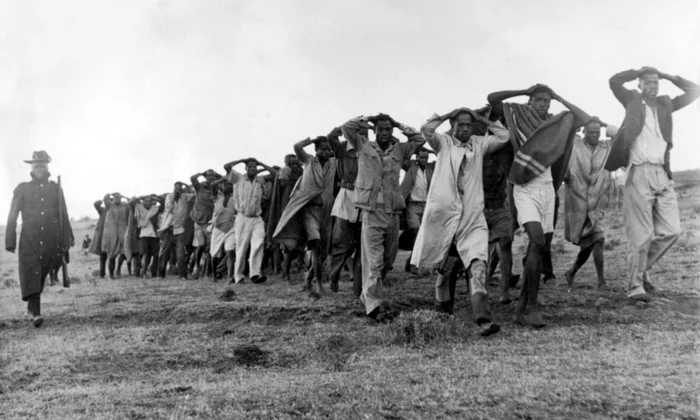
Fresh details have emerged on plans by a number of African leaders to pursue compensation from the United Kingdom over abuses committed during the colonial era. The initiative gained renewed momentum at a recent high-level meeting in Algiers, where African policymakers convened to develop a coordinated legal and diplomatic framework for seeking reparations from former colonial powers, with Britain identified as a key focus. Participants at the conference agreed that colonial-era violations must be formally acknowledged, treated as crimes, and addressed through reparative justice mechanisms. The discussions underscored a growing push for a united continental approach to reparations and historical accountability. The move builds on a resolution adopted earlier this year by the African Union, which calls for justice and compensation for victims of colonialism across Africa. At the AU summit held in February, leaders proposed designating colonisation as a crime against humanity and crafting a common continental position to advance reparation claims. Nigeria has taken a prominent role in the effort. In September, Senator Ned Nwoko submitted a formal claim to the British government, demanding $55 trillion in reparations for the economic, social and cultural damage Nigeria suffered under British colonial rule. The British government, however, has repeatedly rejected calls for colonial reparations. UK officials have described such demands as hypocritical and have maintained that Britain prefers to concentrate on contemporary partnerships with African countries rather than accept legal responsibility for historical actions. The campaign has also been fuelled by renewed public debate following the release of a documentary titled From Slavery to Bond, which examines the legacy of the British Empire. The film argues that colonial practices such as resource exploitation, imposed borders and cultural dispossession contributed significantly to many of Africa’s present-day political and economic challenges. Going forward, African leaders are expected to focus on aligning historical evidence, strengthening legal arguments and reaching consensus on the scale and structure of compensation claims.