Blog - Edupreneur Select

Bring to the table win-win survival strategies to ensure proactive domination. At the end of the day, going forward, a new normal that has evolved from generation.
Tech & Tools Desk17 December 2025
Dangote-Farouk-2.png

3min1930
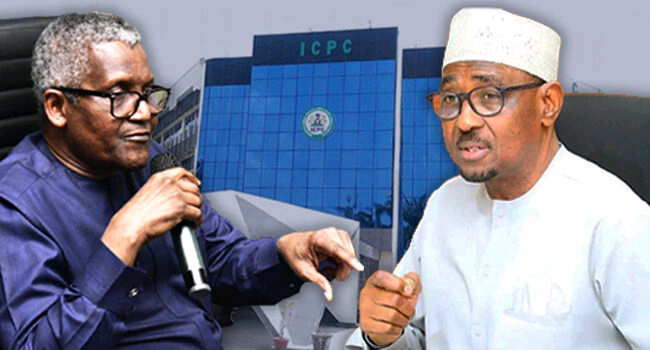
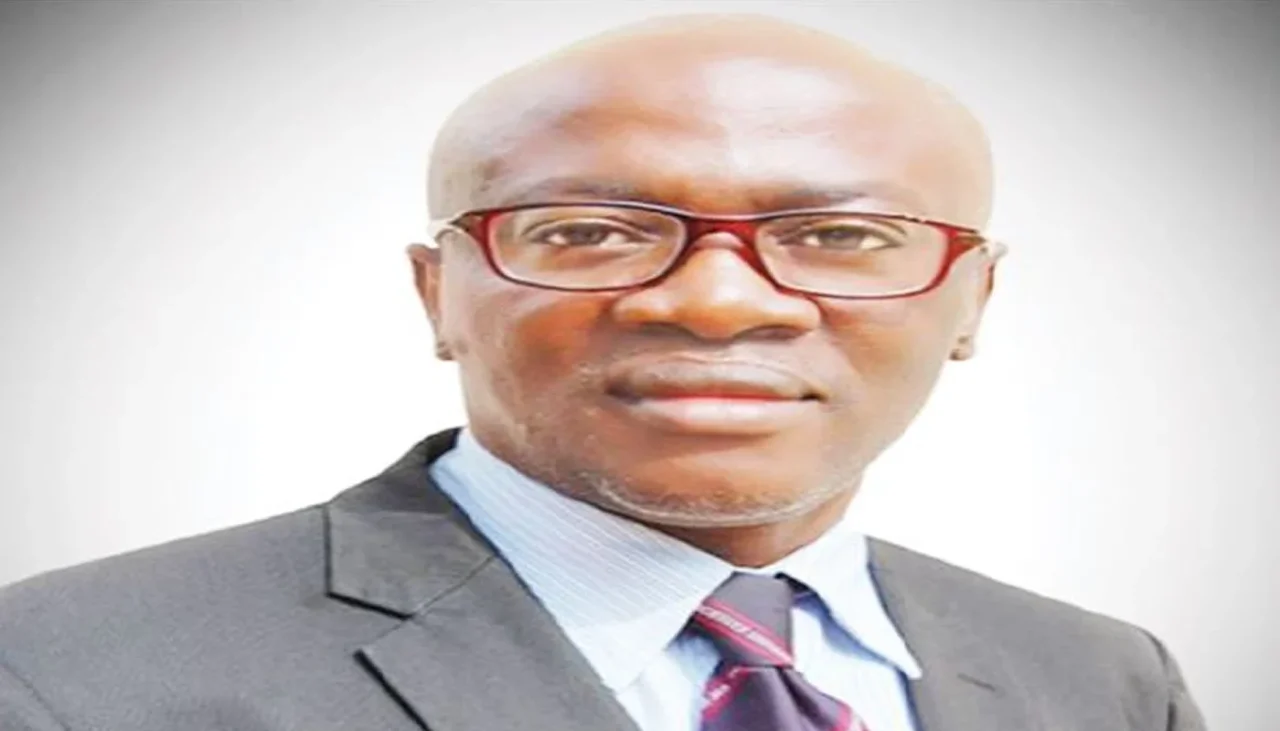
The Chief Executive of the Nigerian Midstream and Downstream Petroleum Regulatory Authority (NMDPRA), Farouk Ahmed, has denied authoring any statement in reaction to allegations made against him by the President of the Dangote Group, Alhaji Aliko Dangote. In a brief statement issued on Wednesday, Ahmed said he did not authorise the response currently circulating on social media, stressing that it did not originate from him. Speaking earlier at a press briefing at the Dangote Petroleum Refinery in Lekki, Lagos, Dangote had called for a thorough investigation into Ahmed’s sources of income and urged him to appear before the Code of Conduct Tribunal to publicly explain his finances. Dangote alleged that the cost of Ahmed’s children’s education abroad raised serious concerns, claiming that educating four children over six years reportedly cost about $5 million. He also submitted a petition to the Independent Corrupt Practices and Other Related Offences Commission (ICPC), calling for a probe into Ahmed’s financial dealings. Dangote further accused the regulator of actions he described as economic sabotage, warning that such conduct could erode public trust and discourage investment, particularly in relation to the issuance of fuel import licences. A statement purportedly signed by Ahmed later surfaced online on Tuesday, but officials of the NMDPRA described it as fake. Ahmed reaffirmed that he did not issue the statement and said he had deliberately refrained from responding publicly despite being aware of the allegations involving him and his family. “My attention has been drawn to a purported response attributed to me regarding the recent allegations. I state clearly that the statement did not come from me,” Ahmed said. He added that, as the head of a sensitive regulatory agency, he chose not to engage in public exchanges despite what he described as unfounded accusations. Ahmed welcomed the decision to refer the matter to the ICPC, expressing confidence that a formal investigation would allow the issues to be objectively examined and provide an opportunity for him to clear his name.

James Obasi17 December 2025
trump-restriction-of-nigeria.webp

4min3910
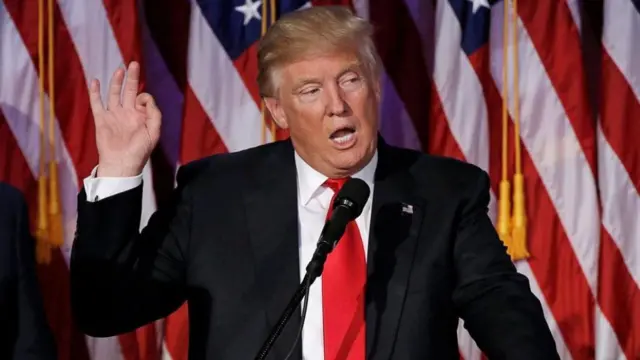
President Donald Trump on Tuesday unveiled expanded entry restrictions affecting foreign nationals from 24 countries, citing what he described as “persistent and serious shortcomings in screening, vetting, and information-sharing” that pose risks to U.S. national security and public safety. The decision was announced in a fact sheet released on the White House website titled “President Donald J. Trump Further Restricts and Limits the Entry of Foreign Nationals to Protect the Security of the United States.” According to the document, the new proclamation imposes a full suspension on eight countries and a partial suspension on 16 others. The measures affect both immigrants and nonimmigrants holding B-1, B-2, B-1/B-2, F, M, and J visas. The administration said the action is aimed at preventing the entry of individuals for whom the United States lacks sufficient information to properly assess potential risks, while also strengthening enforcement of immigration laws and advancing national security goals.   Countries Under Full Suspension The full suspension applies to the following, based on security concerns, high visa overstay rates, ongoing conflict, terrorism activity, or failure to accept repatriated nationals: Burkina Faso Laos Mali Niger Sierra Leone South Sudan Syria Travel documents issued or endorsed by the Palestinian Authority   Countries Under Partial Suspension (Applies to immigrants and nonimmigrants on B-1, B-2, B-1/B-2, F, M, and J visas) Angola Antigua and Barbuda Benin Côte d’Ivoire Dominica Gabon The Gambia Malawi Mauritania Nigeria Senegal Tanzania Tonga Zambia Zimbabwe In the case of Turkmenistan, restrictions on nonimmigrant visas were lifted after progress in identity management and information sharing, though immigrant entry remains suspended due to unresolved concerns.   Regional Breakdown Africa: Burkina Faso, Mali, Niger, Sierra Leone, South Sudan, Angola, Benin, Côte d’Ivoire, Gabon, The Gambia, Malawi, Mauritania, Nigeria, Senegal, Tanzania, Zambia, Zimbabwe Asia: Laos, Syria, Turkmenistan Caribbean/Oceania: Antigua and Barbuda, Dominica, Tonga Middle East/Palestinian Territories: Palestinian Authority–issued travel documents   Background and Broader Context The fact sheet emphasizes that the restrictions are necessary to protect U.S. citizens by limiting entry from locations where reliable risk assessment is difficult. The move follows a series of immigration actions taken during Trump’s second term, including expanded deportation efforts and heightened scrutiny of migrants from countries classified as security concerns. Earlier executive orders had already banned or restricted entry from several countries, while directing U.S. agencies to review compliance with new screening and information-sharing requirements. Officials say the latest proclamation reflects the outcome of those reviews and reinforces the administration’s hardline stance on migration and border security.   What Full and Partial Restrictions Mean Full suspension: Generally blocks entry and halts most new immigrant and nonimmigrant visas, with limited exceptions such as diplomats or lawful permanent residents. Partial suspension: Restricts specific visa categories, tightens vetting procedures, shortens visa validity, and imposes additional screening requirements before entry is approved.

us-tr.webp

3min1920
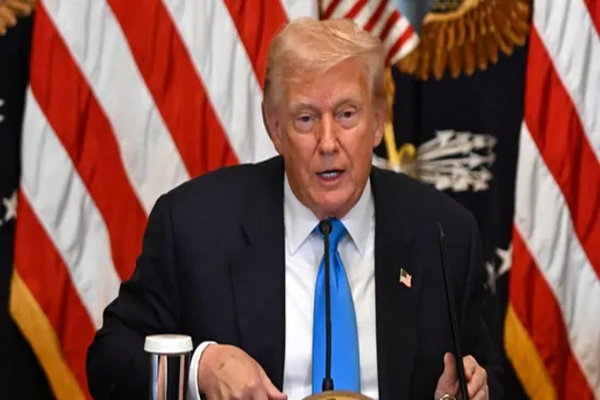
US President Donald Trump on Monday filed a lawsuit seeking at least $10 billion from the BBC over a documentary that allegedly misrepresented his 2021 speech to supporters ahead of the US Capitol riot. The lawsuit, filed in federal court in Miami, demands “damages in an amount not less than $5,000,000,000” for each of two counts against the broadcaster, citing defamation and violation of the Florida Deceptive and Unfair Trade Practices Act. Earlier on Monday, Trump, 79, had indicated that the lawsuit was imminent, claiming the BBC had “put words in my mouth,” suggesting they might have even used AI. The documentary aired last year on the BBC’s flagship current affairs program, “Panorama,” prior to the 2024 election. According to Trump’s legal team, the video edited two separate sections of his January 6, 2021 speech in a way that made it appear he explicitly urged supporters to attack the Capitol while lawmakers were certifying Joe Biden’s 2020 election victory. “The formerly respected BBC defamed President Trump by intentionally, maliciously, and deceptively doctoring his speech in a brazen attempt to interfere in the 2024 Presidential Election,” a spokesperson for Trump’s lawyers said. The statement also claimed the broadcaster “has a long pattern of deceiving its audience in coverage of President Trump, all in service of its own political agenda.” The BBC, whose audience spans far beyond the United Kingdom, faced renewed scrutiny last month after media reports highlighted the edited clip, prompting the resignation of its director-general and top news executive. Trump’s lawsuit asserts that the fabricated segment was aired one week before the 2024 Presidential Election in an attempt to influence the election outcome to his detriment. The BBC has denied the claims of legal defamation, though BBC chairman Samir Shah issued a letter of apology to Trump and acknowledged before a UK parliamentary committee that the broadcaster should have acted sooner after discovering the error. This lawsuit is the latest in a series of legal actions Trump has pursued against media organizations, several of which have previously resulted in multi-million-dollar settlements.    

elon-musk-10th-Annual-Breakthrough-Prize-Ceremony-13-April-2024_BLU_A93774470.jpg

2min2950
Elon Musk has become the first person ever to surpass a net worth of $600 billion, with Forbes estimating his wealth at $677 billion as of 12 p.m. U.S. Eastern Time on Monday. The jump in Musk’s fortune was largely driven by a sharp increase in the valuation of his private space company, SpaceX. Earlier this month, SpaceX completed a tender offer valuing the company at $800 billion, up from $400 billion in August, according to investors. Musk owns roughly 42% of SpaceX, meaning the higher valuation added around $168 billion to his net worth. The tender offer comes as SpaceX prepares for a potential IPO in 2026, which could value the company at about $1.5 trillion, potentially making Musk the world’s first trillionaire, even without factoring in his other holdings. Forbes estimates that SpaceX, at $336 billion, is Musk’s most valuable asset, surpassing his 12% stake in Tesla, worth approximately $197 billion. Tesla stock options from his 2018 CEO performance award, previously voided by a Delaware judge in January 2024, are currently valued at $69 billion, pending the outcome of Musk’s appeal to the Delaware Supreme Court. Musk’s AI venture, xAI Holdings, also contributes significantly to his wealth. The company is reportedly raising funds at a $230 billion valuation, more than double the $113 billion valuation cited when xAI was formed in March through its merger with Musk’s social media company X. Musk owns 53% of xAI Holdings, valued at about $60 billion. With an estimated $425 billion lead over the world’s second-richest person, Google co-founder Larry Page, Musk is closer to reaching $700 billion than losing his position as the world’s richest individual.  

US-VISA.webp

2min7210
The United States Embassy in Abuja has warned Nigerians about the serious repercussions of visa fraud, stressing that providing false information or submitting forged documents can result in permanent visa bans. In a post on X on Monday, the embassy stated: “Visa fraud has serious consequences. Lying or providing fake documents can lead to permanent visa bans under US immigration law. This means you will never go.” The advisory came alongside a meeting between US Ambassador Richard Mills and Nigerian Foreign Minister Yusuf Tuggar, during which both officials discussed areas of bilateral cooperation. “The United States looks forward to continuing to work together with Nigeria on issues of mutual concern,” the embassy added. The discussions also took place amid heightened diplomatic focus on Nigeria’s internal security challenges. In recent months, some US lawmakers have described attacks on communities—particularly in the North and Middle Belt—as serious violations of religious freedom, calling for stronger collaboration between the US and Nigerian governments to protect vulnerable populations.

Tech & Tools Desk16 December 2025
EXPERT.png

3min4140
Senior health experts and researchers have urged the integration of implementation research to ensure sustainable access to health interventions across Nigeria. They highlighted that embedding implementation research into health policies and programmes can help determine what works, for whom, and under what circumstances. Such insights, the experts said, would strengthen health systems, improve outcomes, and ensure that limited resources yield lasting benefits for the population. The call was made during the Project Dissemination and South-South Collaboration Workshop of the SAVING Consortium, recently held in Abuja and organised by the Academy for Health Development (AHEAD), Nigeria. Prof. Margaret Gyapong, Principal Investigator and Chair of the SAVING Consortium, emphasised the value of implementation research. She explained, “In practice, when effective disease control tools, strategies, or policies are scaled across entire systems, their health impact often falls short of expectations. Implementation research can help identify and overcome the bottlenecks and barriers responsible.” She added, “Implementation research enhances programme effectiveness within specific contexts, optimises resources, and promotes equity across diverse populations.” In a joint presentation titled “Overview of Implementation Research,” Professors Olumide Ogundahunsi and Tuoyo Okorosobo of the SAVING Consortium described it as “a systematic approach to understanding and addressing barriers to the effective and quality implementation of health interventions, strategies, and policies.” They noted that implementation research is demand-driven and conducted under real-life conditions. Prof. Evelyn Ansah, a Professor of Clinical Epidemiology and Public Health, highlighted the importance of building capacity in implementation research, stressing that training should be encouraged and institutionalised as a regular exercise. Prof. Adesegun Fatusi, President of AHEAD, noted that the next implementation research training workshop, scheduled for the first quarter of 2026, would offer a platform for interdisciplinary dialogue and the sharing of implementation challenges. He stressed that tailoring interventions to local cultural and health system contexts is crucial for success in health intervention delivery. Fatusi also emphasised the need for collaboration among stakeholders to maximise the impact of implementation research, ensuring that solutions are contextually relevant and sustainable. He concluded that integrating implementation research is essential for achieving efficient, equitable, and sustainable health outcomes.

James Obasi16 December 2025
BLADDER-1280x731.webp

4min3000
The President of the Association of Urological Surgeons of Nigeria (NAUS), Prof. Nuhu Dakum, has raised concerns over a rising number of cancer cases affecting the bladder and testicles, noting that these conditions, once considered rare, are increasingly being seen in clinics nationwide. He highlighted that while prostate cancer remains the most common cancer and leading cause of cancer-related deaths among men in Nigeria, cases of bladder and testicular cancers are emerging as a significant public health concern. Nigeria reportedly records around 127,000 new cancer cases each year, resulting in approximately 80,000 deaths, according to the Coordinating Minister of Health and Social Welfare, Prof. Muhammad Pate. Globally, the World Health Organization predicts over 35 million new cancer cases by 2050, representing a 77% increase from the estimated 20 million in 2022. Speaking on trends in urological cancers, Dakum, a professor of surgery at the University of Jos, said the rising incidence of bladder and testicular cancers is worrying, although exact statistics are not yet available. “We are increasingly seeing cancers of other urological organs, such as the bladder and testes, compared to what we used to encounter. The numbers are significant and growing,” he said. He explained that testicular cancer develops when malignant cells form in one or both testicles, which are the walnut-shaped glands responsible for producing sperm and testosterone. Bladder cancer, on the other hand, typically starts in the lining of the bladder, a small hollow organ that stores urine. Both cancers, he noted, require timely medical attention, although testicular cancer is highly treatable and often curable. While prostate cancer continues to dominate urological diagnoses in Nigeria, Dakum observed a steady rise in cases over the last five years, attributing the increase to heightened awareness and improved diagnostic facilities. “The positive development is that more cases are being detected earlier, allowing for effective treatment and even potential cures. Previously, most patients presented at very advanced stages when options were limited,” he said. Dakum urged men not to wait for symptoms to appear before seeking medical evaluation, recommending the Prostate-Specific Antigen (PSA) test for early detection. He stressed that routine check-ups are especially important for men with a family history of prostate cancer. On risk factors, he noted that age, race, family history, and genetics remain the primary determinants for urological cancers, with black men being particularly at risk. For prevention, Dakum encouraged Nigerians to adopt healthier lifestyles. “A balanced diet low in fats and animal protein, rich in fruits and vegetables, combined with regular exercise, supports overall health and prostate health in particular. Early detection remains crucial for successful outcomes,” he advised.  

Nailbitebad.jpg

8min3980
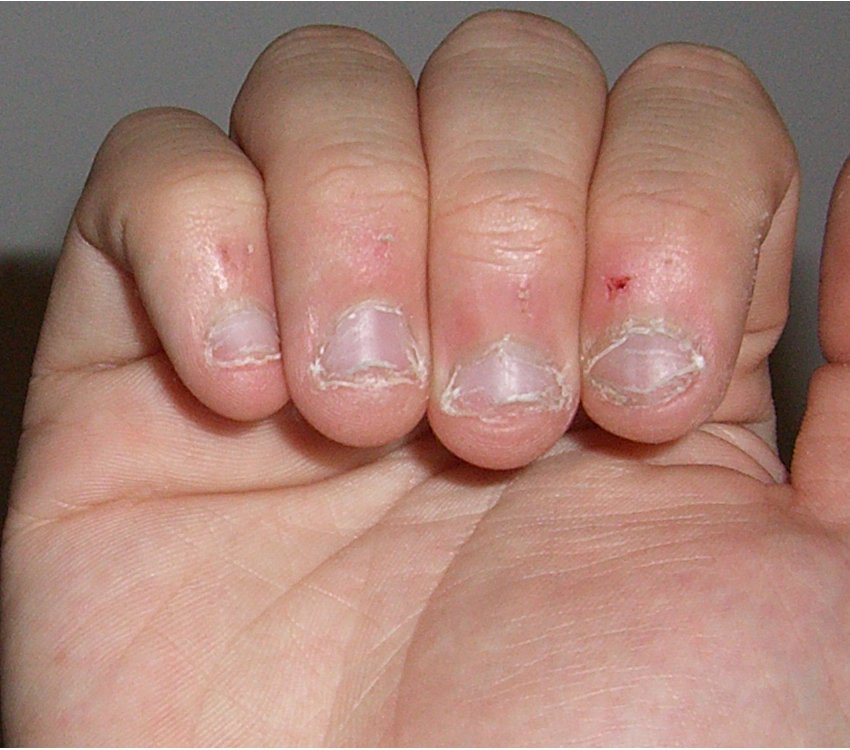
Health experts have cautioned that people who habitually bite their fingernails face a higher risk of stomach and gut infections, dental problems, and permanent damage to their nails. According to medical professionals, the habit—known clinically as onychophagia—creates a direct route for bacteria, viruses, and parasites to enter the body. Fingernails often trap germs that routine handwashing may not completely remove, making nail biting a significant health risk. The experts explained that persistent nail biting can lead to long-term complications, including damage to tooth enamel, jaw disorders, gum disease, and irreversible nail deformities. They advised individuals who struggle with the habit to consider behavioural modification techniques. Research shows that nail biting and nail trimming with the teeth are common behaviours among both children and adults, often done unconsciously without awareness of the associated health dangers. The American Academy of Dermatology Association notes that nail biting typically begins in childhood and can persist into adulthood if deliberate efforts are not made to stop. The association also warns that repeated nail biting can damage the nail growth tissue, resulting in abnormal nail appearance, while facilitating the transfer of harmful microbes from the fingers to the mouth and back again. Medical findings indicate that fingernails can harbour numerous strains of bacteria and parasites, increasing the risk of infections, diarrhoea, and food contamination—especially among individuals who keep long nails or eat with their hands. Health professionals have also warned parents against using their teeth to trim infants’ fingernails, describing the practice as unhygienic and capable of exposing babies to infections. Speaking on the issue, public health physician Dr Tuyi Mebawondu explained that nail biting is more than a bad habit, noting that it is classified as a Body-Focused Repetitive Behaviour and affects up to 30 per cent of the population. He said the behaviour often begins in early childhood and may persist into adulthood. Dr Mebawondu noted that while stress is a common trigger, studies suggest nail biting can also occur during boredom or intense concentration. Because the hands constantly interact with the environment, he explained that nail biting acts as a direct pathway for germs to enter the body through the hand-to-mouth route. He warned that nails trap dirt, bacteria, and viruses that may escape routine handwashing, and biting them transfers these germs directly into the digestive system. As a result, habitual nail biters are more likely to ingest harmful bacteria such as E. coli and Salmonella, which can cause diarrhoea, vomiting, and stomach infections. In some cases, parasites like pinworms may also be swallowed. The physician further identified paronychia—a bacterial or fungal infection of the skin around the nail—as a common complication, often causing redness, swelling, pain, and pus that may require medical treatment. He also warned that nail biting can spread viral infections, such as transferring warts caused by the human papillomavirus to the mouth, or spreading the herpes virus between the mouth and fingers, leading to painful conditions like herpetic whitlow. Beyond infections, Dr Mebawondu explained that chronic nail biting can cause lasting damage to teeth and nails. The repeated grinding of teeth against hard nails can chip enamel, misalign teeth, and strain the jaw joint, potentially resulting in temporomandibular joint dysfunction marked by pain and clicking sounds. Sharp nail fragments can also injure the gums, leading to inflammation or infection. He added that severe nail biting can damage the nail matrix—the root where the nail grows—causing permanent nail abnormalities such as ridges, bumps, shortening, or deformity. On the psychological aspect, the physician noted that while nail biting may simply be a boredom-related habit for some people, it can also be linked to emotional regulation and attention control. He said there is a strong association between nail biting and Attention Deficit Hyperactivity Disorder, as the behaviour may provide sensory stimulation that aids concentration. It is also recognised as a coping mechanism for anxiety or social stress, and in some cases, has links to conditions such as separation anxiety, oppositional defiant disorder, or, rarely, obsessive-compulsive disorder. Dr Mebawondu advised against punishing or shaming individuals who bite their nails, stating that such approaches are usually ineffective. Instead, he recommended identifying personal triggers by keeping a simple log of when and why the behaviour occurs. He suggested Habit Reversal Training, where individuals replace nail biting with a competing action such as clenching fists, squeezing a stress ball, or sitting on their hands when the urge arises. Other strategies include using bitter-tasting nail polish, wearing gloves or bandages during high-risk periods, and keeping nails neatly trimmed to reduce temptation. He emphasised that effective management should involve healthcare professionals, parental support where applicable, and a supportive environment. In a related view, public health expert Dr Michael Olugbile warned that keeping long nails increases the likelihood of harbouring harmful microbes, which can easily contaminate food and lead to infections—especially in people with weakened immune systems. He stressed the importance of proper hand hygiene and good nail care as simple but effective measures to reduce exposure to disease-causing organisms.


us-Riley-Moore.jpg

4min4380
The Convener of The Alternative, Otunba Segun Showunmi, has cited comments by United States Congressman Riley Moore, warning that Nigeria’s Presidency may be downplaying the seriousness of the country’s worsening security situation, particularly in the North, and that existing measures are inadequate. According to Showunmi, Moore stressed the importance of Nigeria being open and forthright with the United States in addressing its deepening security and humanitarian challenges. Showunmi disclosed this after a high-level engagement with senior U.S. lawmakers in the United States, including Congressman Moore, who is actively involved in congressional discussions on Nigeria’s security concerns. Speaking in Jos on Sunday after the meeting, he said the United States now views Nigeria’s internal crisis with exceptional seriousness, describing Washington’s stance as firm, focused, and deeply concerned. He explained that U.S. authorities have held extensive consultations with government officials and civil society actors both in Washington and Nigeria. Their assessment, he said, is that the situation in several areas—especially Benue, Plateau, Southern Kaduna, the Middle Belt, and parts of the North, including moderate Muslim communities—has gone beyond routine security challenges. Showunmi noted that the humanitarian consequences of the violence have attracted significant international attention, with the United States increasingly viewing the situation not as a political disagreement but as a structural crisis with wide-ranging implications. While the U.S. is willing to support Nigeria, he said it expects genuine commitment and seriousness from the government. He added that American officials are uninterested in political spin, denial, or internal blame-shifting, and are instead looking for clear, decisive actions taken within Nigeria. Showunmi expressed concern that the Nigerian Presidency may be underestimating the depth of the crisis, cautioning that the current approach risks widening the gap between official narratives and the lived experiences of citizens. He warned that inconsistencies in government communication are becoming more visible internationally, posing the danger of Nigeria losing control of its own narrative. He further highlighted internal issues weakening national credibility, including fragmented messaging, evasion of responsibility, rising ethnic rhetoric, and inconsistent communication, all of which he said are eroding public trust and damaging Nigeria’s image abroad. The convener called on the government to urgently review its communication strategy by adopting a unified national voice, openly acknowledging the crisis, clearly outlining its response strategy, and reducing internal political distractions. This, he said, is essential to prevent misinformation from shaping international perceptions of Nigeria. “If we lose control of both the narrative and the reality on the ground continues to worsen, external actors will define Nigeria’s situation for us,” he warned. While expressing faith in divine protection over the country, Showunmi emphasised that faith must be matched with responsibility, describing the current moment as more critical than many realise. He called for unity, clarity, and decisive action in confronting Nigeria’s security and humanitarian challenges.

Tinubu-1280x731.webp

4min1960
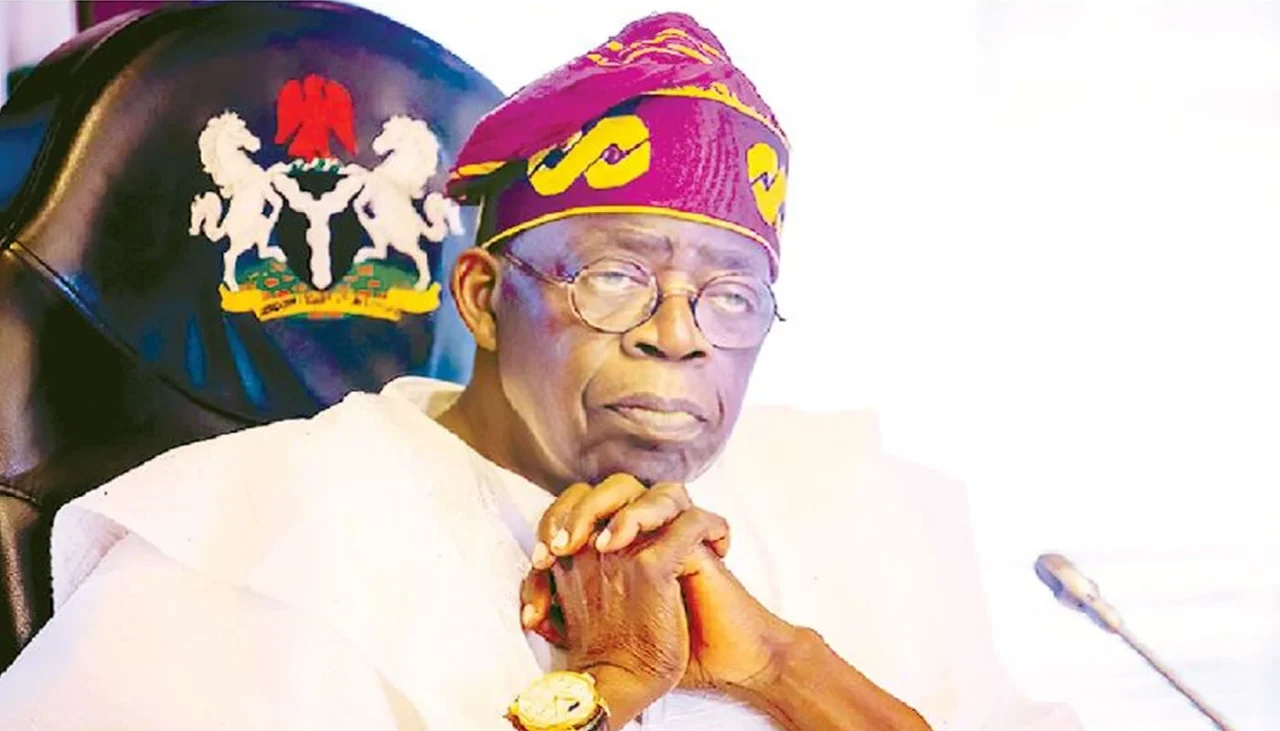
President Bola Tinubu on Monday evening held a closed-door meeting with the nation’s Service Chiefs at the Presidential Villa, Aso Rock, Abuja. The meeting commenced at about 6:01 pm, with the security chiefs arriving at the Villa’s forecourt before proceeding to the President’s office. It was Tinubu’s first engagement with the military high command since the swearing-in of General Christopher Musa (retd.) as Minister of Defence on December 4, 2025. Although details of the discussions were not made public, the meeting took place against the backdrop of growing security challenges nationwide. These include the continued captivity of 115 students abducted from a Catholic boarding school in November, as well as the Senate’s recent approval for the deployment of Nigerian troops to Benin Republic following an attempted coup. The meeting also coincided with intensified military operations, particularly a precision air interdiction mission carried out by the Nigerian Air Force on December 14, 2025, at Dabar Masara in the Southern Tumbuns of Borno State. The operation, executed by the Air Component of Joint Task Force Operation HADIN KAI, targeted a terrorist workshop and vehicles concealed under thick vegetation and identified as a major logistics hub. According to the Director of Public Relations and Information of the Nigerian Air Force, Air Commodore Ehimen Ejodame, post-strike assessments confirmed the destruction of the targeted vehicles and the neutralisation of terrorist elements. He noted that intelligence-led precision air operations remain vital to disrupting terrorist networks and improving security across the North-East. The Southern Tumbuns, a marshland area around Lake Chad, has long served as a key hideout for terrorist groups, with combined air and ground operations ongoing to weaken insurgent capacity. Meanwhile, troops of Joint Task Force Operation Enduring Peace recorded significant successes during operations conducted in Kaduna and Plateau states between December 11 and 13, 2025. The JTF spokesperson, Major Samson Zhakom, disclosed that several kidnappers were neutralised and multiple abducted victims rescued during the period. On December 11, troops carried out clearance operations in Dangoma and Godogodo villages in Jema’a Local Government Area of Kaduna State, eliminating three notorious kidnappers, while others escaped. On December 12, a covert operation in Plateau State led to the neutralisation of a suspected kidnapper and gunrunner linked to multiple crimes in Bassa and Jos North local government areas. Recovered items included a pistol, ammunition, a dagger, a mobile phone, and cash. On December 13, troops acted on intelligence about a planned attack in Gidan-Saki Village, Zangon Kataf LGA of Kaduna State, forcing the criminals to abandon their plan. Later that day, an ambush in Jengre, Plateau State, following the abduction of four persons at Rimi Village in Jere District, resulted in the rescue of all victims and the neutralisation of one kidnapper. An AK-47 rifle, a magazine, and 13 rounds of 7.62mm ammunition were recovered. Major Zhakom reaffirmed the task force’s resolve to maintain sustained operations against criminal groups and ensure the safety of residents within its areas of responsibility.