Blog - Edupreneur Select

Bring to the table win-win survival strategies to ensure proactive domination. At the end of the day, going forward, a new normal that has evolved from generation.
Zara Lianne20 March 2026
zz-8-1280x853.avif

2min2800
Ukrainian President Volodymyr Zelenskiy has reiterated that Kyiv will not surrender any territory in exchange for peace, but expressed readiness to work with U.S. President Donald Trump toward achieving a genuine and lasting resolution to the war. “Ukrainians will not give their land to the occupier,” Zelenskiy declared in a post on Telegram and X, describing any agreement reached without Ukraine’s participation as a “dead solution.” Trump announced on Friday that he will meet Russian President Vladimir Putin in Alaska on August 15, with Zelenskiy apparently excluded from the talks aimed at ending Russia’s invasion, now in its fourth year. According to sources, senior officials from Ukraine, the U.S., and Europe are expected to convene in the UK ahead of the Trump–Putin summit. Zelenskiy’s remarks mark his first response to reports that discussions between Washington and Moscow may involve a settlement that cements Russia’s control over territories seized during the conflict. Such a deal would reportedly require Ukraine to relinquish Crimea—illegally annexed by Russia in 2014—and the entire Donbas region, including the withdrawal of Ukrainian forces from parts of Luhansk and Donetsk still under Kyiv’s control. “Any decisions made without Ukraine are, in effect, decisions against peace. They will achieve nothing,” Zelenskiy said. “The answer to Ukraine’s territorial question is already enshrined in our Constitution. No one can, or will, deviate from that.” He reaffirmed Ukraine’s readiness to work with Trump and “all our partners” to secure “a peace that cannot be dismantled by Moscow’s ambitions.” Meanwhile, hostilities continue. Russia’s defense ministry reported shooting down 118 Ukrainian drones over its territory overnight, including two targeting Moscow. Ukraine’s air force said Russia launched 47 drones and two Iskander missiles, with Ukrainian air defenses intercepting one missile and 16 drones by early morning.

zz-7.avif

2min5050
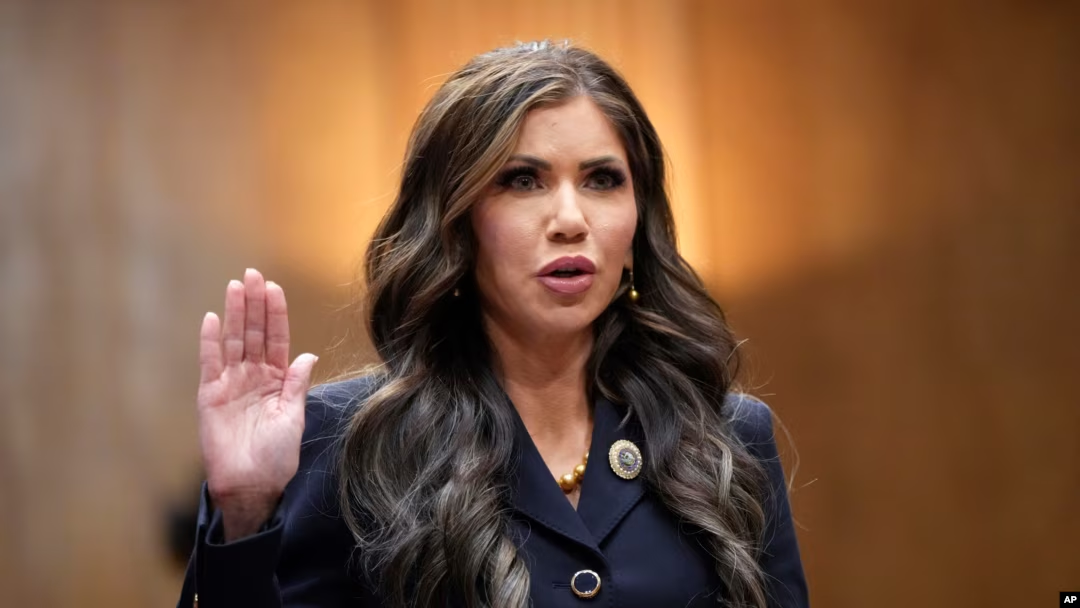
Markwayne Mullin, nominated by Donald Trump to head the Department of Homeland Security, is set to appear before a Senate committee on Wednesday. The Republican lawmaker will testify before the Senate Homeland Security and Governmental Affairs Committee at 9:30 a.m. ET in Washington as part of his confirmation process. Trump selected Mullin to replace Kristi Noem, who was dismissed earlier this month following criticism over her handling of immigration operations in Minnesota. If the committee advances his nomination, the full Senate is expected to vote later this month, where a simple majority will determine the outcome. Mullin would assume leadership of the department at a time when it is grappling with funding challenges that have led to staffing shortages among airport security personnel and increased delays for travellers. A former mixed martial artist known for his outspoken style, Mullin is serving his first term in the Senate after spending a decade in the House of Representatives. He has been a consistent supporter of Trump’s policies, including efforts to detain undocumented immigrants. Following his nomination on March 5, Mullin expressed readiness to advance the administration’s agenda, stating he looks forward to working with those responsible for national security to protect the country. The Department of Homeland Security, established in 2002 after the September 11 attacks, oversees agencies such as Customs and Border Protection, Immigration and Customs Enforcement, Transportation Security Administration, United States Coast Guard, United States Secret Service, and Federal Emergency Management Agency. The department has faced growing scrutiny in recent months, particularly after the deaths of two US citizens during protests in Minnesota. In the aftermath, Noem and border official Greg Bovino described the individuals as domestic terrorists, drawing backlash. Trump later replaced Noem with Tom Homan, who scaled back the Minnesota operation. Following a series of tense congressional hearings, Noem was reassigned to a newly created role as Special Envoy for “The Shield of the Americas,” a regional security initiative.

zz-24.webp

3min2620
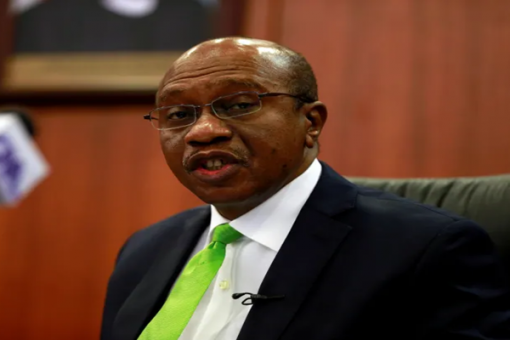
A High Court of the Federal Capital Territory in Maitama, Abuja, on Tuesday ordered Economic and Financial Crimes Commission to pay N500,000 for delaying the trial of former Central Bank of Nigeria governor, Godwin Emefiele. The trial judge, Hamza Muazu, imposed the cost after the prosecution failed to present its witness at the resumed hearing. While granting what he described as a final adjournment, the judge cautioned the prosecution to ensure its witnesses are present at the next sitting. Emefiele is facing a 20-count amended charge marked FCT/HC/CR/577/2023, bordering on alleged criminal breach of trust, forgery, abuse of office, conspiracy, and obtaining money under false pretences. Among the allegations is that he secured $6.23 million under the pretext of funding international election observers for the 2023 general elections. He is also accused of conferring undue advantages on two firms April 1616 Nigeria Ltd and Architekon Nigeria Ltd. At the hearing, prosecuting counsel, Abba Mohammed, informed the court that the prosecution’s witness, a Deputy Commissioner of Police, Elohor Okpoziakeo, was absent despite prior notification. He explained that the witness was attending another matter at the Gwagwalada Division of the FCT High Court involving a personal case against a commercial bank, where a garnishee order had been placed on his account. The prosecutor added that efforts had been made to secure the witness’s attendance, including writing to the Inspector General of Police through the Force Headquarters, and subsequently requested an adjournment. However, defence counsel, Matthew Burkaa, opposed the request, citing provisions of the Administration of Criminal Justice Act, 2015, which limit adjournments in criminal trials. He argued that the prosecution had already exceeded the allowable number, having obtained about eight adjournments since the trial began, and faulted its handling of the case. In his ruling, Justice Muazu acknowledged the legal limits on adjournments but held that the court retains discretion to grant them in the interest of justice. He noted that the absent witness, being an investigator in the case, was crucial and should not be excluded. Relying on Section 396(6) of the Act, the judge awarded N500,000 in costs against the prosecution for the delay and adjourned the matter to April 27 and 28 for continuation of the trial.

zz-6-1280x853.avif

3min7230
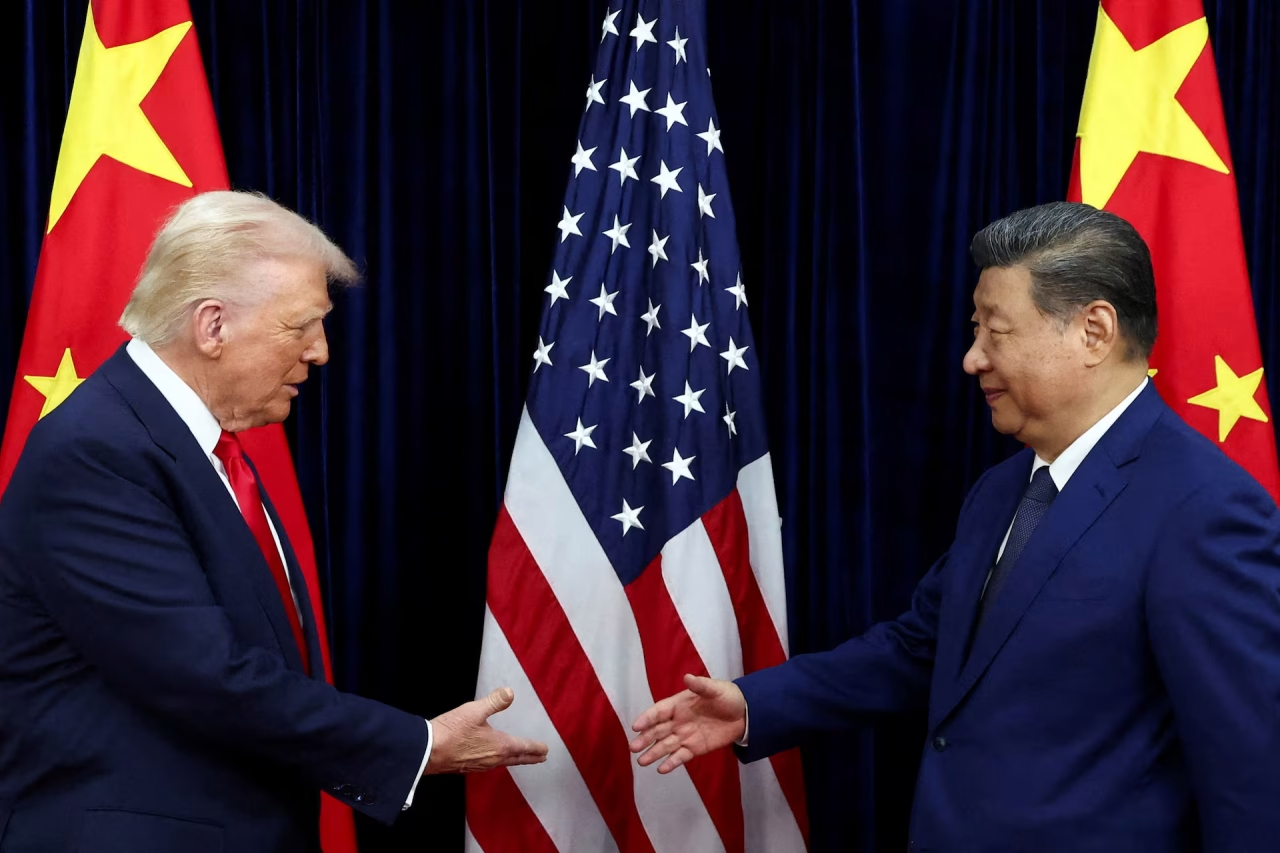
US President Donald Trump announced on Monday that he plans to postpone his high-profile visit to China later this month by roughly a month due to the ongoing war in Iran. “We’ve requested that we delay it a month or so,” Trump told reporters at the White House, emphasizing the importance of staying in the US to manage the conflict. The meeting with Chinese President Xi Jinping was originally scheduled for March 31 to April 2, following their last in-person talks in October of last year. Chinese foreign affairs spokesperson Lin Jian said on Tuesday that Beijing and Washington are discussing “the timing and related matters of President Trump’s visit to China.” The Iran war has overtaken many of Trump’s other foreign policy priorities, with the intensifying conflict and disruptions to global oil supplies threatening to push up energy prices in the US. Trump stressed that the delay was intended solely to ensure he could remain available to oversee the war. “I’m looking forward to being with him,” he said of Xi. “We have a very good relationship. There’s no tricks to it either… We’ve got a war going on. I think it’s important that I be here.” US Treasury Secretary Scott Bessent added that the postponement was not linked to any request for China to assist in the Gulf or trade disagreements. “The President wants to remain in DC to coordinate the war effort… Travelling abroad at a time like this may not be optimal,” he said. This comes a day after Trump indicated he might delay the trip if China did not help ensure safe passage through the Strait of Hormuz, a key route for Gulf energy shipments. He also called on other countries to assist with securing transit through the channel. The situation has heightened tensions between the world’s two largest economies. China, a major buyer of Iranian energy, has criticized US and Israeli military actions against the country. In parallel, Washington has announced plans to investigate trade practices in several countries, including China, following the Supreme Court’s February ruling against Trump’s tariff policy. US and Chinese officials recently met in Paris to discuss investments, tariffs, and economic sanctions. Chinese trade representative Li Chenggang said the talks produced agreement on some issues and that negotiations would continue. US officials updated their Chinese counterparts on changes to Washington’s tariff measures, while China expressed “serious concern” about potential trade probes and urged the US to maintain economic stability.

zz-49.jpg

3min5860
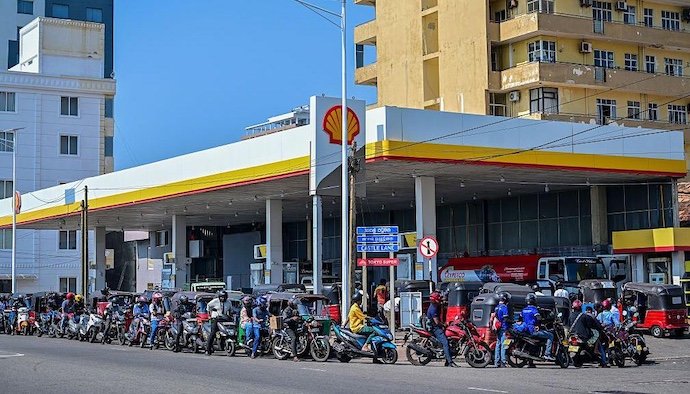
Sri Lanka has announced that all public institutions will close on Wednesdays to conserve fuel amid concerns over potential shortages following the US and Israel’s military actions against Iran. “We must prepare for the worst, but hope for the best,” President Anura Kumara Dissanayake said during an emergency meeting with senior officials on Monday. The move is part of a broader set of energy-saving measures being implemented across Asia after disruptions in the Strait of Hormuz, a key route for millions of barrels of oil from the Gulf to the region. Last year, nearly 90% of the oil and gas passing through the strait was destined for Asian countries, the world’s largest oil-importing region. Energy-saving measures in other Asian countries Thailand: Citizens are being encouraged to wear short-sleeved clothing to reduce dependence on air conditioning. Myanmar: Private vehicles are now allowed on the roads only on alternate days based on licence plate numbers. Bangladesh: Universities have moved up Ramadan holidays, and nationwide scheduled blackouts have been introduced. Philippines: Some government offices require staff to work from home one day a week, while non-essential public sector travel has been banned. President Ferdinand Marcos Jr also announced cash support of 3,000–5,000 pesos ($50–84) for tricycle drivers, farmers, and fishermen to offset rising fuel costs. Vietnam: Authorities are urging people to stay home when possible, ride bicycles, carpool, use public transport, and limit personal vehicle use. Measures in Sri Lanka The new four-day week will also include schools and universities, though essential services such as healthcare and immigration will continue operating. Officials chose Wednesday as the additional day off to avoid three consecutive days of closure for government offices. Sri Lanka has also introduced a National Fuel Pass, limiting fuel purchases to 15 litres for private cars and five litres for motorcycles. Some citizens have expressed dissatisfaction, saying the quotas are too low. The rationing system was first introduced in 2022 during Sri Lanka’s severe economic crisis, when the country ran out of foreign reserves and struggled to import essentials, including fuel. Oil prices have surged since the US and Israel launched attacks on Iran last month and are currently hovering around $100 per barrel.

zz-23.webp

2min5650
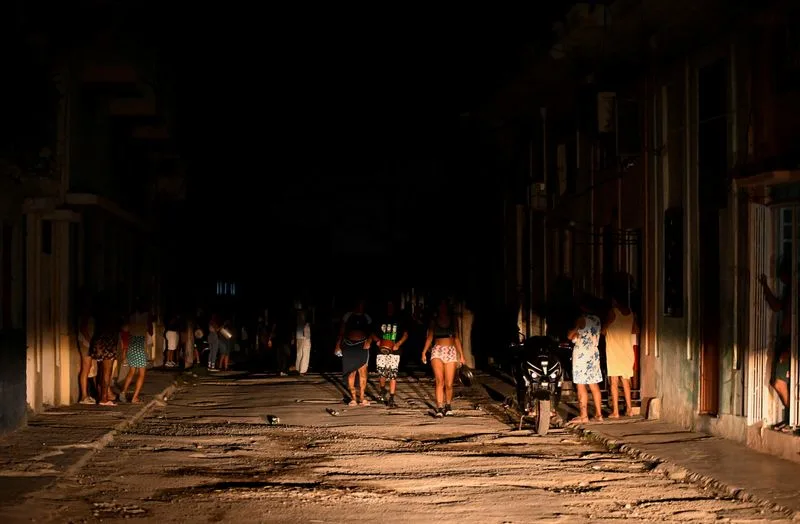
Millions of Cubans have been plunged into darkness after the country’s national power grid collapsed on Monday, according to its electricity operator. The outage is the latest in a series of widespread blackouts affecting the island, where persistent fuel shortages have been worsened by restrictions on oil supplies. Officials said efforts were underway to gradually restore electricity across provinces and major cities. Cuba, home to around 10 million people, has struggled with recurring power failures in recent years—an issue that has fuelled public frustration and sparked rare protests. The country depends heavily on imported fuel, with Venezuela previously supplying a significant share of its needs. However, those shipments have been disrupted, further straining energy production. Authorities confirmed that no oil deliveries have reached the island in the past three months, deepening the crisis. The United States has increased pressure by intercepting oil shipments bound for Cuba and warning of potential penalties for countries supplying fuel to the island. Meanwhile, recent comments from U.S. President Donald Trump suggested a hardline stance toward Cuba, even as reports indicate preliminary talks between both countries are underway to ease tensions. Frequent outages driven by fuel shortages and an ageing power infrastructure have continued to disrupt daily life, with residents increasingly forced to adapt to prolonged periods without electricity.

zz-48.jpg

4min10080
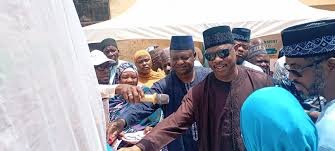
The United Nations Children’s Fund has delivered nutrition supplies valued at about N600 million to the Bauchi State Government to support efforts to treat and prevent malnutrition among children. The items include Ready-to-Use Therapeutic Food and Small Quantity Lipid-Based Nutrient Supplements, procured through the Child Nutrition Fund. Speaking at the handover ceremony in Bauchi on Saturday, the Chief of the UNICEF Bauchi Field Office, Dr Nuzhat Rafique, said the consignment consists of 4,562 cartons of RUTF and 15,419 cartons of SQLNS, aimed at tackling severe and moderate malnutrition in children. She noted that Bauchi remains among the states with a high prevalence of child malnutrition, stressing the importance of improving nutrition practices at the household level. According to her, about 16 per cent of children aged six months to three years in the state are undernourished. Rafique emphasised the need to complement therapeutic feeding with better awareness and proper child nutrition practices at home. She explained that the supplies were secured through a matching grant arrangement, with the Bauchi State Government contributing N300 million, matched by the Child Nutrition Fund through UNICEF, bringing the total to N600 million. Highlighting the situation among internally displaced persons, Rafique revealed that a recent assessment at an IDP camp in Kashere found more than 80 per cent of children to be malnourished, with many also suffering from anaemia and requiring urgent intervention. She called for immediate mobilisation of resources to support displaced residents, estimating that at least 200 cartons of RUTF and 100 cartons of SQLNS are needed to address urgent cases in the camp. Rafique also commended the state government for pledging N500 million for child nutrition programmes in 2026, expressing hope that the amount would be matched to boost the availability of life-saving nutrition supplies. Receiving the items on behalf of the government, Governor Bala Mohammed, represented by his deputy, Auwal Jatau, assured that the supplements would be properly utilised to address severe acute malnutrition among children. He explained that the RUTF would be used to treat children aged six to 59 months, while SQLNS would help prevent malnutrition among children aged six to 23 months. He described the donation as a strong indication of continued collaboration aimed at improving child health and wellbeing in the state. The governor added that the initiative aligns with efforts to strengthen primary healthcare, particularly in maternal, newborn, and child health, nutrition, and immunisation. He noted that the state had earlier contributed N300 million to the Child Nutrition Fund in 2025 and pledged increased investment in child nutrition. Mohammed also reaffirmed the government’s commitment to the Abuja Declaration, which recommends allocating at least 15 per cent of annual budgets to the health sector. He directed the state Primary Health Care Development Board, through the Ministry of Health, to set up a monitoring committee to ensure proper distribution and effective use of the supplies so they reach the intended beneficiaries.

zz-22.webp

3min3140
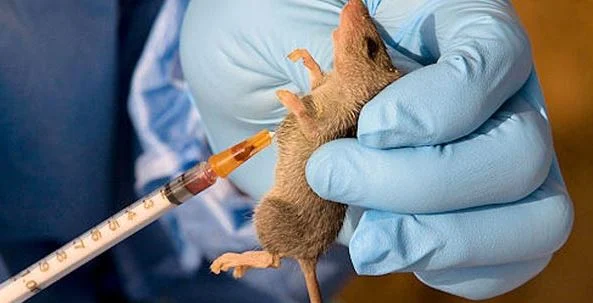
Lassa fever deaths in Nigeria have risen sharply from 99 to 109 within a week, exceeding figures recorded during the same period in 2025. The outbreak has also increasingly affected healthcare workers. Data from the Nigeria Centre for Disease Control shows that at least 37 health workers were infected in the first nine weeks of 2026, with six cases reported in a single week. The disease has spread across at least 18 states, each recording one or more confirmed cases. However, the majority of infections are concentrated in a few areas, with 86 per cent of confirmed cases reported in Bauchi, Ondo, Taraba, Benue, and Edo states. As of the ninth week of 2026, the country has recorded 109 deaths, with a case fatality rate of 23.2 per cent higher than the 18.7 per cent recorded during the same period last year. Breakdown of the figures shows Bauchi accounting for 28 per cent of cases, followed by Ondo at 22 per cent, Taraba at 19 per cent, Benue at 9 per cent, and Edo at 8 per cent, while the remaining 14 per cent are spread across 13 other states. Young adults between the ages of 21 and 30 remain the most affected group, with a male-to-female ratio of 1:0.8 among confirmed cases. Although the number of suspected and confirmed cases has declined compared to 2025, new infections among healthcare workers continue to raise concern. Health authorities have urged states to strengthen year-round public awareness campaigns and encourage early detection, advising healthcare workers to maintain a high index of suspicion. Efforts to contain the outbreak have included a national press briefing, updated infection prevention and control guidelines, and the activation of emergency response systems in several states, alongside field missions and data coordination with heavily affected regions. Challenges persist, including delayed hospital visits, poor health-seeking behaviour driven by treatment costs, and inadequate environmental sanitation in high-risk areas. Lassa fever is a zoonotic viral disease transmitted primarily through contact with food or household items contaminated by the urine or faeces of infected Mastomys rats. It remains endemic in Nigeria and several West African countries, with cases continuing to rise since a major outbreak in 2016.

zz-21.webp

5min3990
Nigeria is facing a deepening healthcare workforce crisis as the continued migration of medical professionals places increasing strain on an already fragile system, the Minister of State for Health and Social Welfare, Iziaq Salako, has said. Salako sounded the warning on Monday while delivering a keynote address at the 2026 United Kingdom Global Health Summit held at the Royal College of Physicians in London. He explained that the ongoing exodus of Nigerian health workers, widely known as “japa,” has worsened manpower shortages and intensified pressure on the country’s overstretched health sector. According to details of his address, Nigeria currently has about four doctors per 10,000 people well below the World Health Organisation’s recommended minimum of 10 per 10,000. Describing the situation as urgent, Salako said the global health workforce shortage is already a crisis, not a distant threat. He noted that although Africa bears more than a quarter of the world’s disease burden, it accounts for less than three per cent of the global health workforce. He added that the challenge is particularly severe in Nigeria, where shortages of doctors, nurses, midwives, and other health professionals have reached critical levels. The minister revealed that migration has significantly worsened the deficit, citing UK data showing that 13,609 Nigerian health workers moved there between 2021 and 2022, making Nigeria one of the leading sources of foreign-trained personnel. He also referenced a 2023 survey indicating that 57 per cent of Nigerian doctors had taken active steps to relocate abroad in search of better opportunities. Salako noted that each doctor trained in Nigeria represents a substantial public investment, often exceeding $200,000, warning that their departure effectively shifts limited resources from a constrained system to wealthier countries. He described the trend as a global equity issue requiring coordinated international action. Nigeria’s healthcare sector has long struggled with underfunding, weak infrastructure, and heavy reliance on out-of-pocket spending by patients. Despite a population exceeding 220 million, access to quality care remains limited, especially in rural areas. Experts have consistently cautioned that continued migration could further undermine service delivery in public hospitals. Highlighting ongoing reforms, Salako said the Federal Government under President Bola Tinubu has introduced the Nigeria Health Sector Renewal Investment Initiative to strengthen coordination of policies and funding. The strategy is built on the principles of “One Plan, One Budget, and One Conversation” to improve accountability and efficiency. He also pointed to broader global pressures on healthcare systems, including economic instability, climate change, and geopolitical tensions. With global growth projected at between 2.7 and 3.1 per cent in 2026, he warned that fiscal constraints could limit health spending. Climate-related impacts are already evident, with rising heat-related deaths and extreme weather contributing to food insecurity. In Nigeria, challenges such as desertification in the North, flooding in the South, and pollution in oil-producing areas are worsening health outcomes and displacing communities. To tackle workforce shortages, Salako said the government has expanded training capacity, with medical school admissions rising by about 160 per cent between 2023 and 2025. Training for nurses, pharmacists, and laboratory scientists has also been scaled up. He added that authorities are strengthening community health worker programmes and implementing task-shifting policies to improve access to care in underserved areas. The government is also engaging Nigerian health professionals in the diaspora. Salako disclosed that seven diaspora associations across the UK, United States, Canada, Germany, Australia, and South Africa will carry out a coordinated medical mission in Nigeria between April and July, focusing on skills transfer and institutional support. With more than 150,000 Nigerian health professionals abroad, many in senior roles, he described the diaspora as a strategic resource for bridging capacity gaps. The minister called for stronger international collaboration, including ethical recruitment practices and support for countries that train health workers who later migrate. He urged developed nations to fully implement the WHO Global Code of Practice on the International Recruitment of Health Personnel and advocated for bilateral agreements that allow professionals to gain experience abroad while ensuring knowledge transfer back home. “No country can tackle the global health workforce crisis alone. Future health emergencies will not respect borders. Strengthening healthcare systems in developing nations is not charity it is a matter of global security,” he said.


zz-47.jpg

2min3480
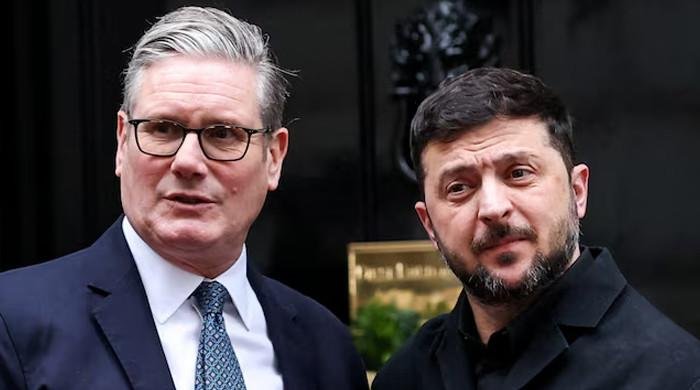
Britain and Ukraine are preparing to sign a defence partnership focused on countering the growing threat posed by low-cost drones, Downing Street said ahead of a visit by Ukraine’s president on Tuesday. Since the escalation of tensions between the United States, Israel, and Iran last month, Tehran has largely deployed ballistic missiles against Israel while using drones to target locations in Gulf countries. According to the British government, the agreement is intended to strengthen global defence capabilities against the spread of affordable, high-tech military equipment, particularly drones. The partnership will draw on Ukraine’s extensive experience in countering drone attacks during its prolonged conflict with Russia, alongside the UK’s industrial capacity, to develop, manufacture, and supply drones and other advanced technologies. Prime Minister Keir Starmer noted that drones, electronic warfare, and rapid battlefield innovation have become critical to both national and economic security, a trend further intensified by the conflict in the Middle East. He added that closer defence cooperation would enhance Ukraine’s ability to resist ongoing Russian attacks while helping the UK and its allies better prepare for future threats. The agreement also includes £500,000 ($670,000) in funding to establish an AI Centre of Excellence within Ukraine’s Ministry of Defence. President Volodymyr Zelensky’s visit to London comes amid his concerns that the global focus on the Middle East crisis could divert attention from Ukraine’s war with Russia. Despite this, European allies have reaffirmed their commitment to supporting Kyiv, even as the United States eases some sanctions on Moscow in response to rising oil prices linked to the Middle East conflict.