

 Edupreneur Insights Desk
Sri Lanka institutes Wednesday public holidays as Asian nations seek to conserve fuel
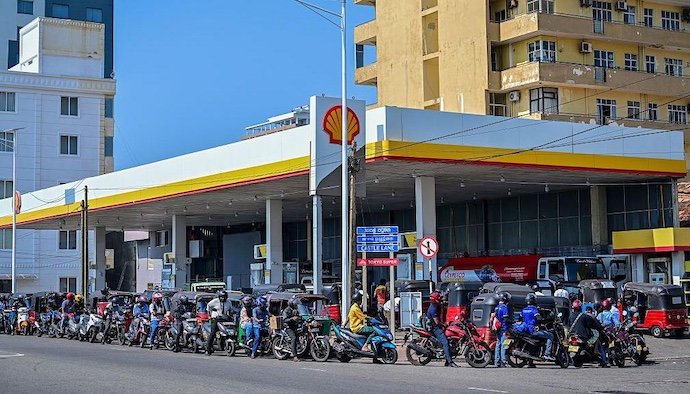
Sri Lanka has announced that all public institutions will close on Wednesdays to conserve fuel amid concerns over potential shortages following the US and Israel’s military actions against Iran.
“We must prepare for the worst, but hope for the best,” President Anura Kumara Dissanayake said during an emergency meeting with senior officials on Monday.
The move is part of a broader set of energy-saving measures being implemented across Asia after disruptions in the Strait of Hormuz, a key route for millions of barrels of oil from the Gulf to the region. Last year, nearly 90% of the oil and gas passing through the strait was destined for Asian countries, the world’s largest oil-importing region.
Energy-saving measures in other Asian countries
Thailand: Citizens are being encouraged to wear short-sleeved clothing to reduce dependence on air conditioning.
Myanmar: Private vehicles are now allowed on the roads only on alternate days based on licence plate numbers.
Bangladesh: Universities have moved up Ramadan holidays, and nationwide scheduled blackouts have been introduced.
Philippines: Some government offices require staff to work from home one day a week, while non-essential public sector travel has been banned. President Ferdinand Marcos Jr also announced cash support of 3,000–5,000 pesos ($50–84) for tricycle drivers, farmers, and fishermen to offset rising fuel costs.
Vietnam: Authorities are urging people to stay home when possible, ride bicycles, carpool, use public transport, and limit personal vehicle use.
Measures in Sri Lanka
The new four-day week will also include schools and universities, though essential services such as healthcare and immigration will continue operating. Officials chose Wednesday as the additional day off to avoid three consecutive days of closure for government offices.
Sri Lanka has also introduced a National Fuel Pass, limiting fuel purchases to 15 litres for private cars and five litres for motorcycles. Some citizens have expressed dissatisfaction, saying the quotas are too low.
The rationing system was first introduced in 2022 during Sri Lanka’s severe economic crisis, when the country ran out of foreign reserves and struggled to import essentials, including fuel.
Oil prices have surged since the US and Israel launched attacks on Iran last month and are currently hovering around $100 per barrel.

