Blog - Edupreneur Select

Bring to the table win-win survival strategies to ensure proactive domination. At the end of the day, going forward, a new normal that has evolved from generation.
aso-rockk.webp

4min2610
Experts in international relations and political science have urged the Federal Government to exercise caution in seeking support from the United States in Nigeria’s fight against terrorism. The advice came during a roundtable on Wednesday at the Nigerian Institute of International Affairs (NIIA), Lagos, themed “Nigeria–USA Relations: Matters Arising.” Participants included Prof. Femi Otubanjo, Prof. Hassan Saliu, Prof. Funke Okoome, Prof. Jibo Ibrahim, Prof. Dapo Thomas, Magnus Onyibe, Prof. Adele Jinadu, and Prof. Eghosa Osaghae. The scholars acknowledged the importance of engagement with the US but warned that foreign assistance is not always altruistic. Prof. Funke Okoome, a political science expert, noted that the US is likely motivated by strategic and business interests. She stressed that Nigeria should prioritise national interest in negotiations and not rely solely on foreign intervention. Okoome added that the government has historically delayed fulfilling its core security responsibilities until prompted by external actors. “Weak countries like ours can work with stronger nations, but we must recognise there is no magnanimity. The US operates transactionally,” she said. Prof. Dapo Thomas highlighted Nigeria’s failure to maintain a standing committee on US relations, noting that it was only following former President Trump’s threat that a special committee, led by National Security Adviser Nuhu Ribadu, was formed to negotiate with the US. He stressed the importance of continuous engagement while asserting Nigeria’s sovereignty. Prof. Femi Otubanjo observed that a breakdown in traditional government-to-government channels forced the US to engage directly with Nigerians for security updates. He noted that while US support is needed, the country must hold its leaders accountable and not wait for foreign pressure to act. Other experts, including Magnus Onyibe, called for strategic engagement with the US, stressing Nigeria’s need for help in both security and economic development. Onyibe criticized the administration’s earlier focus on economic reforms while security and international relations were neglected until external pressure arose. Prof. Hassan Saliu described Nigeria–US relations as historically “volatile,” citing differences over human rights, decolonisation, mineral resources, and foreign policy. Prof. Jibo Ibrahim labelled Trump’s threat as an attempt to pressure weaker nations, noting the US prioritises its interests first and may be seeking influence in Africa following shifts in the Sahel region. Prof. Adele Jinadu raised concerns over Nigeria’s diminishing focus on Africa in its foreign policy, pointing to closer ties with France and internal political elite divisions. She urged the government to strengthen Africa-centered policies and assert its position on the continent. Prof. Eghosa Osaghae, NIIA Director-General, supported continued engagement with the US while calling on the government to demonstrate stronger domestic security measures before discussing long-term strategies. The roundtable concluded that Nigeria must maintain a careful, strategic approach in its international partnerships, balancing the need for external support with the protection of national sovereignty and long-term interests.
ecowas-1280x744.png

4min2190
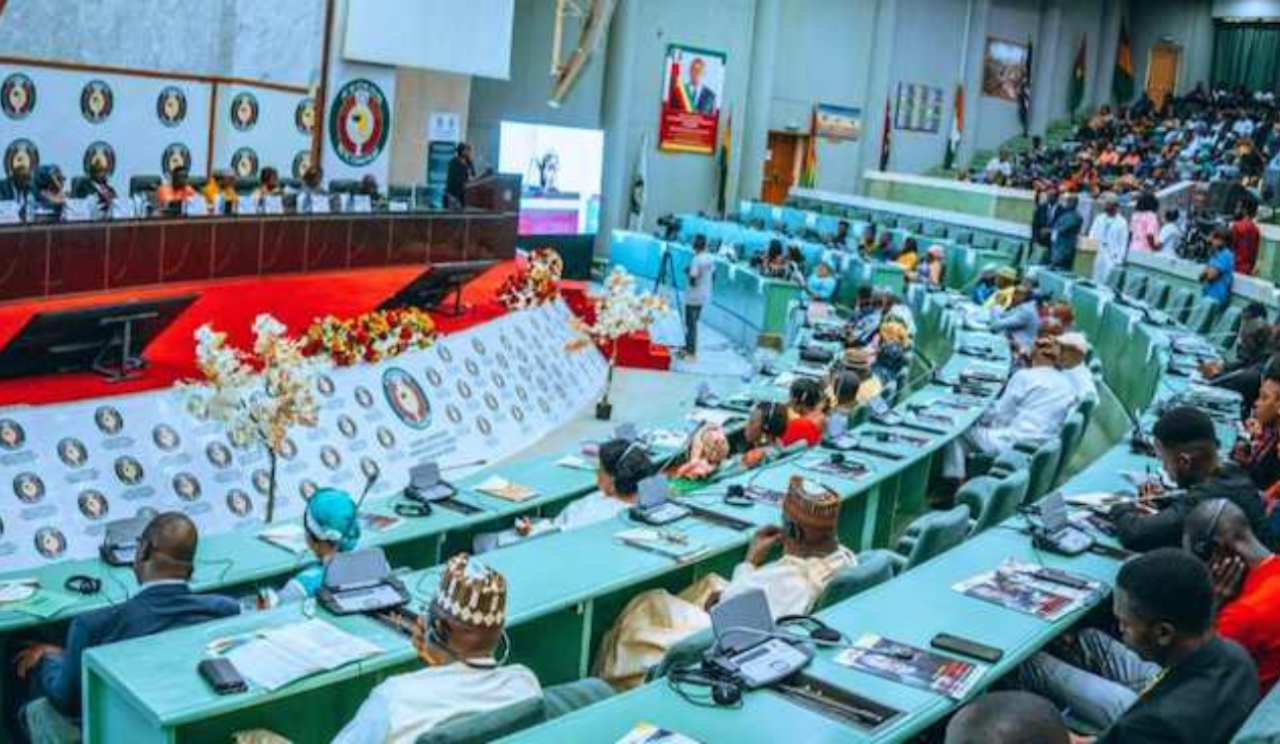
senting enforcement statistics for the region on Wednesday during World Human Rights Day, the Court’s Deputy Chief Registrar, Gaye Sowe, noted a persistent pattern of non-compliance among member states, with Nigeria accounting for the largest backlog. According to Sowe, Nigeria currently has 50 outstanding judgments yet to be enforced. “Nigeria has a total of 125 cases. Of these, 67 were dismissed, 10 enforced, and 48 remain unenforced. Adding recent developments brings the number to about 50,” he said. He explained that the court has delivered 492 judgments involving the 12 active ECOWAS member states, of which 192 are enforceable, meaning the member states or defendants are required to take specific actions. Sowe provided a breakdown of judgments by country: Benin: Total 19; dismissed 13; unenforced six; enforced 0 Cape Verde: Total 3; dismissed 2; unenforced 1; enforced 0 Côte d’Ivoire: Total 28; dismissed 19; unenforced 9; enforced 0 Ghana: Total 13; dismissed 6; unenforced 7; enforced 0 Guinea-Bissau: Total 1; unenforced 1 Guinea: Total 25; dismissed 7; unenforced 18; enforced 0 Liberia: Total 15; dismissed 10; unenforced 4; enforced 1 Nigeria: Total 125; dismissed 67; enforced 10; unenforced 50 Senegal: Total 35; dismissed 23; unenforced 9; enforced 3 Sierra Leone: Total 18; dismissed 6; unenforced 11; enforced 1 The Gambia: Total 13; dismissed 5; unenforced 5; enforced 2; 1 struck out Togo: Total 58; dismissed 26; unenforced 29; partially enforced 1; amicably settled 1; withdrawn 1 The ECOWAS Commission itself, which appears before the Court as a respondent, has 36 judgments against it: dismissed 18; enforced 14; unenforced 3; amicably settled 1; abandoned 1. Sowe highlighted that more than half of all judgments delivered since the Court’s inception have been dismissed, raising concerns about the nature of cases filed. He emphasized that outreach and sensitization in member states would continue to address this issue. He also noted that most member states have established competent national authorities to enforce court judgments, with only Benin and Cape Verde yet to do so. President of the ECOWAS Community Court of Justice, Ricardo Gonçalves, observed that the Court has delivered numerous judgments advancing human rights, including freedom of expression, assembly, education, and a healthy environment. However, most remain unimplemented by member states. He urged ECOWAS countries to fully enforce judgments, cooperate with national and regional human rights bodies, and ensure victims have access to justice. Gonçalves also called for stronger protection of civil society groups, the media, and human rights defenders. “The Court has issued progressive rulings covering civil, political, economic, social, cultural, and third-generation rights, holding states accountable for violations. Yet, without full implementation, the promise of human rights protection under the 2005 Supplementary Protocol remains unfulfilled,” he said.

Hisbah.jpg

3min2190
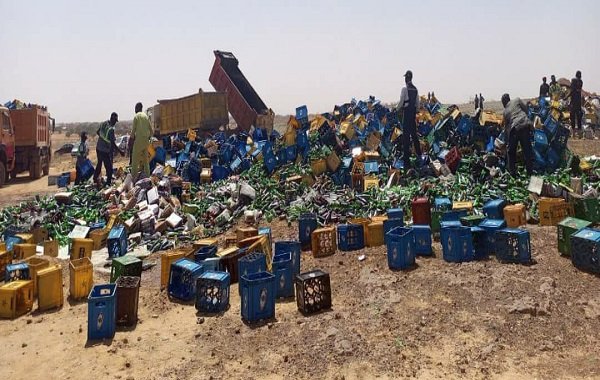
The Kano State Road Traffic Agency (KAROTA) has handed over three truckloads of assorted beer, worth millions of naira, to the Kano State Hisba Board. The vehicles, carrying 410 cartons of beer, were intercepted by KAROTA personnel during night patrols on major streets across Kano metropolis. According to a statement by the agency’s Public Relations Officer, Abubakar Sharada, the Managing Director of KAROTA, Faisal Mahmud Kabir, officially handed over the trucks to the Commander-General of Hisba. The shipment contained 4,920 bottles of beer, intended for distribution at various locations within the city. The Managing Director, represented by KAROTA’s Director of Administration and General Services, Mahmud Haido, explained that the seizure was part of the agency’s mandate to detect suspicious goods on the streets and report offenders to the appropriate security authorities. Haido assured that KAROTA would continue to monitor the importation of intoxicants that may pose health risks to citizens. Receiving the trucks, Hisba Commander-General Sheikh Aminu Daurawa commended KAROTA personnel for their vigilance and affirmed that due process would be followed before the final destruction of the impounded beer. Represented by the Head of the Intoxicants Unit, Sani Rimo, he added that the board would maintain collaboration with KAROTA to track and prevent the circulation of prohibited goods in the state. Kano is among northern Nigerian states that enforce Sharia regulations, including restrictions on the sale and consumption of alcohol. While Nigeria operates a secular federal system, several northern states began implementing Sharia-based laws in 1999–2000, with Kano establishing a formal enforcement structure shortly thereafter. The Kano State Hisba Board serves as the government-backed moral policing agency tasked with enforcing aspects of Sharia law, including alcohol prohibitions. The board routinely destroys seized alcoholic beverages and conducts joint operations with other state agencies. Established in 2012, KAROTA primarily manages traffic and enforces transport regulations in the state. However, the agency also participates in joint security operations and occasionally intercepts prohibited goods during traffic patrols or routine inspections.

Tech & Tools Desk11 December 2025
Police-stories-3.png

3min2010
The Police Service Commission (PSC), in partnership with the Nigeria Police Force (NPF), has launched the recruitment of 50,000 police constables, following approval by President Bola Tinubu. The recruitment drive aligns with the President’s directive to strengthen community policing, enhance internal security, and expand the police workforce. On November 26, 2025, President Tinubu declared a nationwide security emergency and instructed the Nigerian Police and Armed Forces to recruit additional personnel to address growing insecurity across the country. According to a statement by the PSC’s Head of Protocol and Public Affairs, Torty Kalu, the recruitment portal will be open to eligible Nigerians from December 15, 2025, to January 25, 2026. “The PSC, in collaboration with the NPF, is pleased to announce the commencement of recruitment of 50,000 Police Constables into the Nigeria Police Force, following the Presidential directive to strengthen community policing, boost internal security, and increase manpower,” the statement said. Applicants for the General Duty cadre must have GCE Ordinary Level, SSCE/NECO, or equivalent qualifications with at least five credits, including English Language and Mathematics, obtained in no more than two sittings. For the Specialists cadre, applicants must possess at least four credits, including English and Mathematics, obtained in no more than two sittings, along with a minimum of three years’ experience and relevant trade test certifications. All applicants must be Nigerian citizens by birth. Age requirements are 18 to 25 years for General Duty applicants and 18 to 28 years for Specialist candidates. General Duty applicants must also meet minimum height requirements of 1.67m for men and 1.64m for women. All applications are to be submitted online via the official portal.

James Obasi11 December 2025
Ghana-flag-wikipedia-e1546696893723.webp

4min6390
Ghana has deported three Israeli nationals in response to the alleged mistreatment and “unjustified deportation” of three Ghanaian travellers by Israeli authorities. The action was confirmed in a statement released on Wednesday by the Ghanaian Ministry of Foreign Affairs and shared on X by Ghana’s Foreign Minister, Sam Okudzeto. According to the statement, the three Israelis arrived in Accra earlier in the day but were immediately expelled after Ghanaian officials determined that Israel had unfairly targeted and traumatised Ghanaian travellers. “Following the ill-treatment and unjustified deportation of three Ghanaian nationals by Israeli authorities, the Government of Ghana has been compelled to respond by deporting three Israelis who arrived in Ghana earlier today,” the statement said. The ministry noted that the Chargé d’Affaires ad interim of the Israeli Embassy in Accra was summoned, as the ambassador is currently out of the country. Both governments have since agreed to seek an “amicable resolution” to the diplomatic dispute. Ghana reiterated its commitment to protecting the dignity of its citizens and those of other nations, stating, “Ghana deeply values relations with all friendly countries and expects our citizens to be treated with dignity and respect, just as other governments expect Ghana to treat their nationals.” The incident follows an earlier statement from Accra condemning the treatment of its citizens at Israel’s Ben Gurion Airport. Ghanaian authorities reported that seven travellers, including four members of a parliamentary delegation attending an international cybersecurity conference in Tel Aviv, were detained for hours without cause on December 7. While the four lawmakers were released after more than five hours following diplomatic intervention, the remaining three travellers were deported and have since returned to Ghana. Accra described Israel’s actions as “provocative, unacceptable, and inconsistent” with the longstanding relations between the two countries, which have lasted more than six decades. The ministry rejected Israel’s claim that the incident resulted from alleged non-cooperation by the Ghanaian Embassy in Tel Aviv, insisting that its mission had fully complied with international protocols. Prior to the retaliatory deportations, Ghana had warned that it was considering reciprocal measures. Israeli authorities have yet to issue a public response to Ghana’s action.

aids.jpg

5min7540
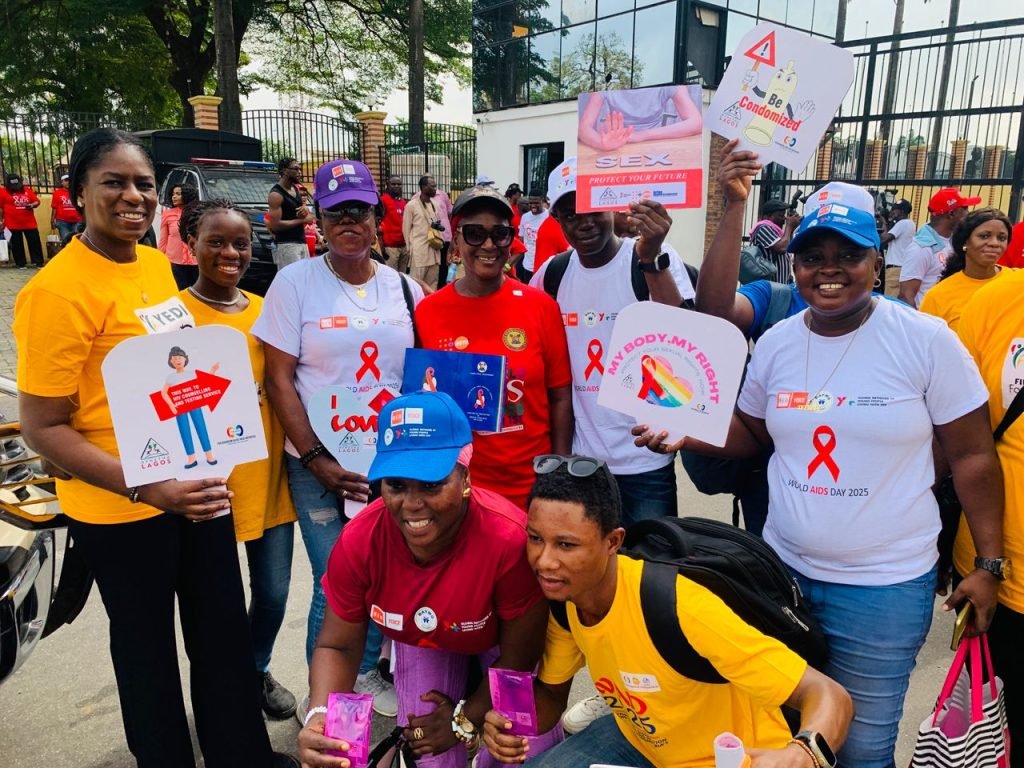
At least 500 residents of the Abete community in Yaba, Lagos State, have received free medical services through an outreach organised by the Youth Development and Empowerment Initiative to commemorate the 2025 World AIDS Day. The annual programme, held in partnership with Grassroot Soccer and supported by the FIFA Foundation, offered community members an opportunity to know their HIV status. The outreach, conducted at the Abete Playing Ground, provided free HIV testing, counselling and referrals. The initiative aimed to bridge gaps in testing while increasing local awareness of HIV prevention, treatment and stigma reduction. With the theme “Overcoming Disruption, Transforming the HIV Response,” the event also featured a football tournament, along with free malaria and hepatitis B screening and the distribution of medications. World AIDS Day, marked every December 1, is dedicated to raising awareness about HIV/AIDS, promoting global solidarity and assessing progress toward ending the epidemic. It also serves as a reminder of the ongoing need for access to treatment and support services. Speaking at the event, YEDI’s Executive Director, Adeoye Oluwatomisin, stressed the importance of early testing in achieving the global HIV 95-95-95 targets by 2030. The UNAIDS 95-95-95 goals aim for 95 per cent of individuals living with HIV to know their status, 95 per cent of diagnosed individuals to be on sustained treatment, and 95 per cent of those on treatment to achieve viral suppression by 2030. Oluwatomisin explained that the Abete community was chosen due to its high population density and increased risk factors for HIV infection. She noted that although prevalence rates are gradually dropping, new infections remain a major concern. She added, “Living with HIV is not a death sentence. People must be encouraged to know their status and understand the importance of reducing stigma.” Despite global reductions in funding, Oluwatomisin reaffirmed YEDI’s commitment to providing HIV-related interventions nationwide. She urged partners and donors to remain consistent in supporting Nigeria’s journey toward meeting the 2030 targets. “Our goal in Abete is to reach at least 500 people, and nationally, we aim to reach over one million Nigerians with messages on HIV screening, prevention and treatment. Beyond HIV testing, we are also conducting malaria and hepatitis B screenings, and anyone who tests positive is referred for appropriate care,” she said. According to the National Agency for the Control of AIDS, Nigeria recorded an estimated 1,400 new HIV infections each week and about 50,000 AIDS-related deaths in 2023, underscoring the need to strengthen prevention and treatment efforts. Medical experts note that HIV is primarily transmitted through unprotected sexual intercourse or the sharing of needles and other injection equipment. A doctor at the Lagos State University Teaching Hospital, Ikeja, Dr. Adeola Obasanya, emphasized the importance of knowing one’s HIV status, explaining that testing is the only reliable method of detection and that early treatment enables individuals to live healthy lives while preventing further transmission. Some beneficiaries at the outreach praised YEDI for providing free health screenings and vital health information.

Dr.-Olugbenga-Owoeye.webp

2min3100
President Bola Tinubu has approved the reappointment of Dr. Olugbenga Owoeye as the substantive Medical Director of the Federal Neuro-Psychiatric Hospital, Yaba, for another four-year tenure. A statement issued by the hospital’s Director of Administration, Dr. Adeyinka Antwi, noted that the renewed appointment takes effect from June 1, 2025. Owoeye’s initial tenure concluded on May 31, 2025, after which he continued in an acting capacity while awaiting confirmation from the Federal Ministry of Health and Social Welfare. Currently the most senior consultant in the facility, Owoeye has spent over two decades at the hospital. He graduated from Obafemi Awolowo University, Ile-Ife, in 1994 and became a certified psychiatrist in 2003. He later earned a Master’s degree and a PhD in Clinical Psychology from the University of Lagos in 2005 and 2009, respectively. He is affiliated with several professional bodies, including the Nigerian Medical Association, the Association of Psychiatrists in Nigeria, the Medical and Dental Consultants Association of Nigeria, the Nigerian Psychological Association, the Nigerian Institute of Management, and holds International Certified Addiction Professional (ICAP I & II) credentials. Owoeye has chaired numerous committees focused on improving mental health services and has secured multiple research grants. He has authored more than 30 publications and a book, and has participated in various trainings and conferences within and outside the country.  

cort.jpeg

1min2250
Justice Catherine Ogunsanya of the Ogun State High Court in Ijebu Ode has set aside the impeachment of Wale Adedayo as Chairman of Ijebu East Local Government. In her ruling on Monday, the judge also directed the local government to pay Adedayo N30 million in damages, along with all his outstanding entitlements as a former council chairman. Adedayo was removed from office in September 2023 by seven councillors after he wrote to former governor, Chief Olusegun Osoba, alleging diversion of local government funds. He had taken the matter to court, arguing that the impeachment process violated the law. Justice Ogunsanya held that the councillors failed to comply with the Ogun State Local Government Law of 2006, thereby rendering the impeachment invalid. Reacting to the judgment, Adedayo described the decision as a positive step for democracy, expressing gratitude to God for the outcome and stating that he served the people with sincerity.

Tech & Tools Desk11 December 2025
Tinubu-1.webp

4min5540
The senator representing Borno South, Ali Ndume, has commended President Bola Tinubu for recent security measures, particularly the improved kitting and enhanced remuneration for troops. He said the initiatives introduced following the declaration of a national emergency on insecurity are beginning to produce meaningful results. Ndume, a former Chairman of the Senate Committee on Army and a consistent advocate for stronger support for frontline personnel, stated this in a release issued in Abuja. His remarks follow the President’s renewed national security push aimed at reclaiming ungoverned territories and improving collaboration among security agencies. A key component of the new strategy is the directive to the Department of State Services to deploy its trained forest guards to dislodge bandits operating in forests and other remote areas. The President also reiterated that those fueling insecurity would no longer have safe havens, while efforts are underway to recruit additional personnel into both the Nigerian Police Force and the Nigerian Army to strengthen overstretched units. Ndume praised the deployment of forest guards and the improved synergy it has generated within the security architecture. He noted that their involvement has been a significant boost to military operations, explaining that their specialised training has complemented the efforts of the Nigerian Army. He also acknowledged the Federal Government’s recent improvements in troop welfare. However, he stressed that the current salary adjustments still fall short of what is obtainable among armed forces in neighbouring countries. According to him, despite progress, more should be done to align with regional standards. Ndume further pointed to notable upgrades in military gear, including new weapons, uniforms, protective helmets, boots, and bulletproof vests, describing these improvements as visible and impactful. Even so, he insisted that more resources must be directed toward combat needs. He called for increased procurement of attack helicopters, Armoured Personnel Carriers, and gun trucks to support operations in conflict-prone areas. Representing a region deeply affected by insurgency, the senator also commended Borno State Governor Babagana Zulum for his unwavering support to security agencies. Ndume noted that the governor has invested over N100bn in backing the Nigerian Army, the Civilian JTF, the Police, and other security organisations — contributions he said have reinforced federal efforts and accelerated stability in the state. He encouraged other northern governors to follow this example.

James Obasi11 December 2025
ndlea-1.jpg

3min4670
A non-governmental organisation, Health Promotion for People With Addiction and Suicide (HEPPWAS), has collaborated with the National Drug Law Enforcement Agency, the Rotary Club of Yenagoa City Centre, and Damaris Hotel and Suites to educate students on the dangers of drug abuse. More than 100 senior secondary school students of Government Secondary School, Obogoro, took part in the awareness programme on Tuesday. The event, themed “Sensitisation on Substance Use and Its Impacts on Youths’ Brain,” focused on the physical and behavioural consequences of drug misuse. The President and Chief Executive Officer of HEPPWAS, Prof. Izebeloko Jack Ibe, who is also a professor of Mental Health and Psychiatric Nursing at Niger Delta University, explained the damaging effects of drugs on the brain. Ibe, an indigene of Obogoro community, encouraged the students to pursue excellence despite challenges, noting that the brain does not regenerate once damaged. She emphasised that certain behavioural issues in young people, such as stubbornness and disrespect, are often linked to substance abuse. The NDLEA Assistant State Commander, Drug Demand Reduction Unit, Mr. Godwin Erepa, highlighted substances such as ice, fentanyl, cannabis, and local gin (ogogoro), warning that drug misuse contributes to crime, domestic violence, and other social problems. Another Obogoro native, Dr. Pawei Igodo, also advised the students to avoid drugs and concentrate on their education, reinforcing the harmful neurological effects of substance abuse. HEPPWAS Executive Secretary, Mr. Ben Ibe, noted that an estimated 14.3 million Nigerians use drugs, a situation he said is contributing to rising insecurity nationwide. The owner of Damaris Hotel and Suites, Dr. Boma Spero-Jack—who also serves as a security adviser to the Bayelsa State Governor, Senator Douye Diri—urged the students to take the teachings seriously. The Principal of Government Secondary School, Obogoro, Mrs. Dick Agbeyen, expressed gratitude to the organisers, suggesting that drug education should be formally included in the school curriculum. A student, Awake Dufaye Daniel, said the sensitisation programme was eye-opening, adding that he now understands the effects of drug abuse and misuse on the brain.