Blog - Edupreneur Select

Bring to the table win-win survival strategies to ensure proactive domination. At the end of the day, going forward, a new normal that has evolved from generation.
Tech & Tools Desk10 December 2025
wole-soyinka-1280x853.jpeg

5min6010
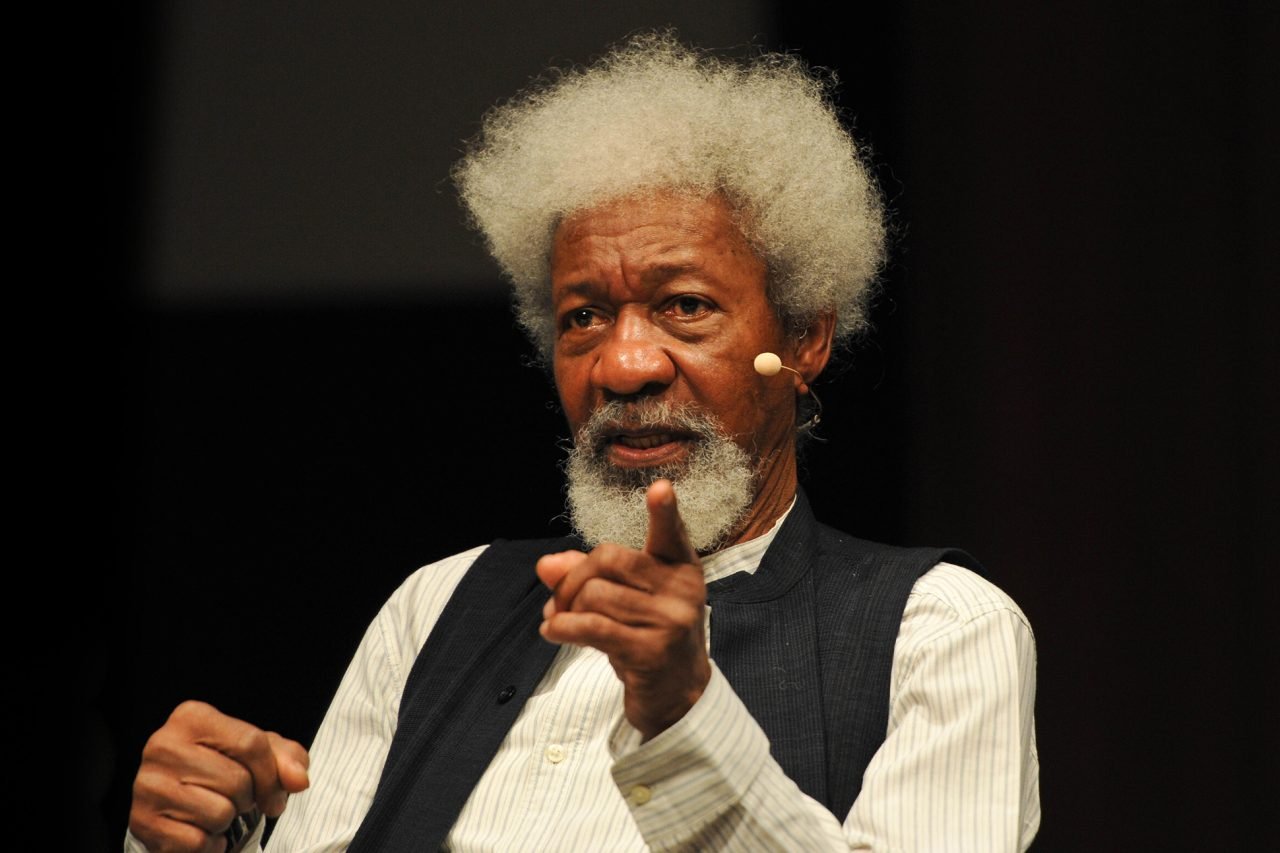
Professor Wole Soyinka has advised President Bola Tinubu to exercise greater caution in managing regional security, internal governance, and the allocation of state protection to individuals connected to power. He made the remarks during the 20th Wole Soyinka Centre for Investigative Journalism Awards held in Lagos on Tuesday. A viral four-minute video widely circulated on social media captured Soyinka recounting a recent incident in his Ikoyi hotel room that left him deeply concerned. He said he witnessed what he described as an unusually large security convoy assigned to a young man closely linked to the Presidency—an escort he claimed was “large enough to take over a small country.” The individual, he later discovered, was Seyi Tinubu, the President’s son. Soyinka said the incident troubled him enough to reach out to the National Security Adviser, Nuhu Ribadu. According to him, “I was so shocked that I immediately tried to reach the national security adviser… I told him what I saw and asked if it was normal for the child of a head of state to move around with such a heavily armed battalion.” He added that his own inquiries confirmed that this was reportedly the standard security arrangement around Seyi.“I was astonished,” he said, stressing that children of leaders must recognize that they are not elected officials and should not inherit the machinery of state power simply because of their proximity to authority. During the event—which also celebrated poet Odia Ofeimum and other honorees—Soyinka urged the President to reconsider the number of security operatives attached to his son. He joked that if a major uprising were to occur, perhaps Seyi should be deployed to handle it given the size of his escort, but he emphasised that the issue was one of national priorities, not humour. He argued that concentrating such a large security force around one individual is misplaced at a time when Nigeria is battling kidnappings, rural violence, insurgency, and widespread criminal attacks. Security assets, he insisted, must reflect the country’s urgent needs rather than privilege. Turning to the media, he commended journalists for their endurance but called for stronger editorial responsibility in a time of rampant misinformation. He warned that society could face serious conflict if social media continues to be misused, stressing that adherence to truth and verification remains one of the strongest safeguards against instability. The viral video continues to attract significant attention online, fuelling public debate on governance, accountability, and the deployment of state resources. Soyinka also used the occasion to comment on Nigeria’s role in the recently halted coup attempt in the Republic of Benin. He described the involvement as an unnecessary military venture and urged the government to prioritise the strengthening of democratic institutions instead of reflex military responses. Instability in neighbouring countries, he said, will inevitably affect Nigeria. He further criticised the ongoing demolitions in Lagos, noting that he has received disturbing images and testimonies from displaced families. While acknowledging that urban renewal may be necessary, he stressed that the dignity of affected residents must not be ignored. The video has continued to circulate widely on social media, prompting further discussion on leadership and public accountability. In late November, President Tinubu ordered the withdrawal of police officers attached to VIPs, instructing that they be redirected to core policing duties nationwide. As of Tuesday night, there has been no official confirmation or public response from the Presidency regarding the security details surrounding Seyi Tinubu.

James Obasi10 December 2025
Aboki-Danjuma-the-Imo-police-chief-with-officials.webp

3min8530
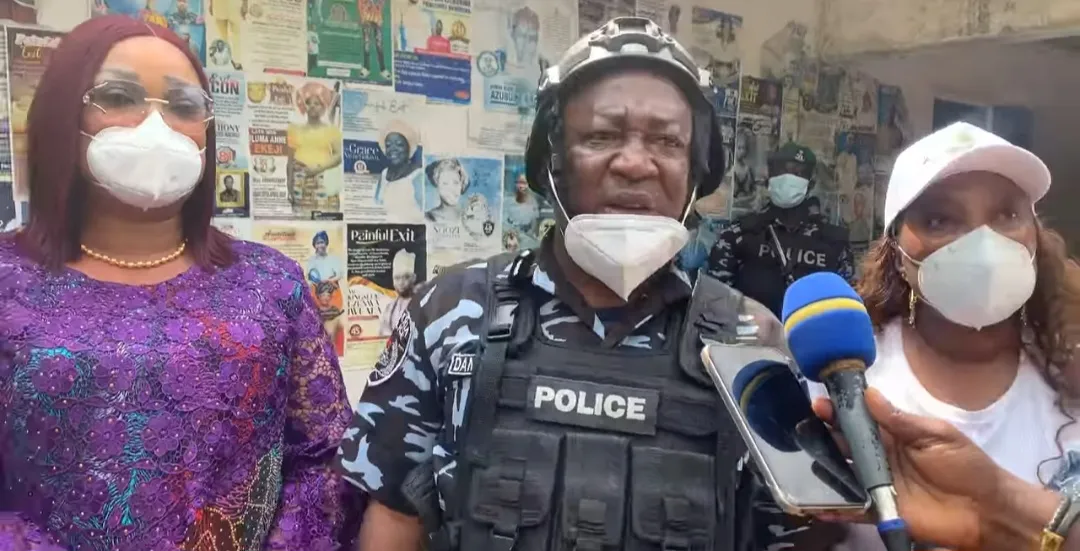
Amid rising incidents of kidnapping and violent attacks along the Owerri–Aba Expressway, the Imo State government has sealed a mortuary and hotel in Umuhu, Ngor Okpala Local Government Area, over alleged links to criminal activities. The Imo State Police Command has also declared the owner of the two facilities, Stanley Morocco Oparaugo, wanted for allegedly allowing his premises to be used as hideouts for kidnappers and other violent offenders.This was disclosed in a statement issued by the command’s spokesperson, Henry Okoye. On Saturday, the Commissioner of Police, Aboki Danjuma, visited the mortuary and hotel alongside the State Commissioner for Health, Dr. Chioma Egu; the Chief Pathologist of the Imo State Specialist Hospital, Dr. Ibeaja Okechukwu; members of the Ngor Okpala Vigilante Group led by Henry Ikpe; and the Chairman of Ngor Okpala LGA, Mrs. Chika Ibekwe. The facilities are located in Umuhu autonomous community, after the Ihitte junction. According to Okoye, officers found decomposed and mutilated bodies inside the mortuary, heightening suspicions of organ-harvesting activities.He added that forensic experts documented and secured evidence gathered during the inspection, assuring the public that all persons involved would be traced and prosecuted. The statement explained that the police team was acting on credible intelligence regarding Oparaugo, who is currently on the run. The suspect’s hotel and private mortuary were inspected and found to have allegedly been used by kidnappers and violent criminals. The discovery of mutilated corpses in poor conditions further intensified concerns about illegal organ harvesting. Following the findings, both facilities were sealed on the orders of the state government. A search was also carried out at the suspect’s residence, where significant exhibits were recovered.The statement stressed that ongoing investigations would ensure that every accomplice is identified and brought to justice. The police command added that additional security personnel have been deployed along the Owerri–Aba Expressway to ensure safer travel during the festive season.

aa-6-1280x731.webp

1min7720
Telecommunications company Glo has issued an apology to subscribers following a nationwide disruption to its data services that began on Tuesday morning, December 9, 2025. In an official statement, the company confirmed that the outage, which started at about 8:30 a.m., affected data connectivity across several locations nationwide. Glo said its technical team is actively working to resolve the fault and restore services as quickly as possible. The company acknowledged the inconvenience caused and expressed appreciation to customers for their patience and understanding. “We recognise how essential reliable connectivity is and sincerely apologise for the disruption experienced,” the statement said, while also thanking customers for their continued trust and loyalty. Glo also reached out to subscribers via its social media channels, reaffirming its commitment to promptly restoring full service.

James Obasi9 December 2025
aa-5.jpg

2min11590
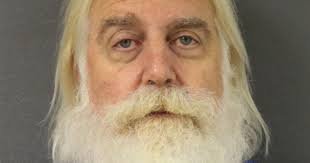
A 64-year-old man who worked as a professional Santa Claus in New Jersey has been arrested following allegations that he possessed and distributed child sexual abuse material, authorities said. The suspect, Mark Paulino of Hamilton Township, was taken into custody on Monday and charged with possession and distribution of child sexual abuse material, as well as endangering the welfare of a minor, according to reports. Mercer County officials stated that the investigation began on 4 December 2025, after detectives received intelligence about suspected uploads of illegal material from a residence in Hamilton Township. The inquiry subsequently led investigators to Paulino, a retired elementary school teacher. Police disclosed that Paulino had been presenting himself online as a former teacher and had recently worked as a “Santa for hire,” appearing at photo sessions and private, corporate, and organisational events a role that placed him in frequent contact with children. Due to the sensitive nature of the allegations and his regular access to minors through his work, detectives moved swiftly to obtain a search warrant. The warrant was executed on 5 December, during which officers seized several items of evidentiary interest. Paulino was arrested without incident. Prosecutors have filed a motion to have him held in custody pending trial, while investigations remain ongoing. Authorities have also appealed to the public to provide any relevant information.

aa-5.webp

7min7540
A treatment once considered the stuff of science fiction has succeeded in reversing aggressive, incurable blood cancers in some patients, doctors have revealed. The therapy works by precisely rewriting the DNA of white blood cells, transforming them into a cancer-killing “living drug” that hunts down and destroys malignant cells. The first child to receive the treatment whose case was first reported in 2022 remains cancer-free and now hopes to become a cancer researcher. Since then, eight more children and two adults with T-cell acute lymphoblastic leukaemia (T-ALL) have undergone the therapy, with almost two-thirds (64%) now in remission. T-cells normally act as the body’s defenders, searching for and eliminating harmful threats. In T-ALL, however, these cells become cancerous and multiply uncontrollably. For patients enrolled in the trial, standard treatments such as chemotherapy and bone-marrow transplants had already failed, leaving palliative care as the only remaining option. “I genuinely believed I was going to die and would never grow up to do the things every child deserves,” said 16-year-old Alyssa Tapley from Leicester. Alyssa became the first person in the world to receive the treatment at Great Ormond Street Hospital. Three years later, she is back to living a full life. The process involved destroying her existing immune system and rebuilding it from scratch. She spent four months in hospital and had to stay isolated from her brother to avoid infection. Her cancer is now undetectable. She only needs annual check-ups and is currently completing her A-levels, working towards her Duke of Edinburgh Award, learning to drive, and planning a future in science. “I’m looking at doing an apprenticeship in biomedical science and hopefully working in blood cancer research one day,” she said. The team from University College London (UCL) and Great Ormond Street Hospital used an advanced technique known as base editing. DNA is written in four chemical “letters”, or bases — adenine (A), cytosine (C), guanine (G) and thymine (T). The sequence of these bases forms the genetic instructions that control how the body develops and functions. Base editing allows scientists to target a precise point in the genetic code and chemically convert one DNA letter into another, effectively rewriting faulty instructions. Researchers aimed to harness the natural killing power of healthy T-cells and redirect it against the cancerous T-cells. This required a complex genetic redesign to prevent the therapeutic cells from destroying themselves or attacking the patient’s body. They began with healthy donor T-cells and made four key genetic changes: First, they switched off the cells’ normal targeting system so they would not attack healthy tissues. Second, they removed a surface marker called CD7 found on all T-cells to stop the modified cells from killing each other. Third, they made the cells resistant to a chemotherapy drug, allowing them to survive treatment. Finally, they programmed the engineered cells to hunt and attack any cells displaying the CD7 marker. As a result, the modified cells would destroy all other T-cells, whether healthy or cancerous, but not attack one another. The engineered cells are infused into the patient, and if no cancer is detectable after four weeks, the patient proceeds to a bone-marrow transplant to rebuild the immune system. “A few years ago, this would have sounded like science fiction,” said Prof Waseem Qasim of UCL and Great Ormond Street Hospital. “We effectively have to dismantle the whole immune system. It’s an intense and demanding treatment, but when it works, it works remarkably well.” The study, published in the New England Journal of Medicine, reports outcomes from the first 11 patients treated at Great Ormond Street and King’s College Hospital. Nine achieved deep remission and were able to proceed to bone-marrow transplantation. Seven remain disease-free between three months and three years after treatment. One of the most serious risks is infection while the immune system is suppressed. In two cases, the cancer cells lost their CD7 marker, allowing them to evade the treatment and return. “Given how aggressive this type of leukaemia is, these results are extremely striking,” said Dr Robert Chiesa from the bone-marrow transplant team at Great Ormond Street Hospital. “It’s very rewarding that we’ve been able to offer hope where there previously was none.” Dr Deborah Yallop, a consultant haematologist at King’s College Hospital, added: “We’ve seen remarkable clearance of leukaemia that previously seemed untreatable this is an extremely powerful approach.” Dr Tania Dexter, senior medical officer at the UK stem cell charity Anthony Nolan, said the results bring renewed hope: “For patients who previously had very low chances of survival, findings like these suggest that advanced treatments will continue to improve and reach more people.”

Tech & Tools Desk9 December 2025
aa-4.jpg

10min6150
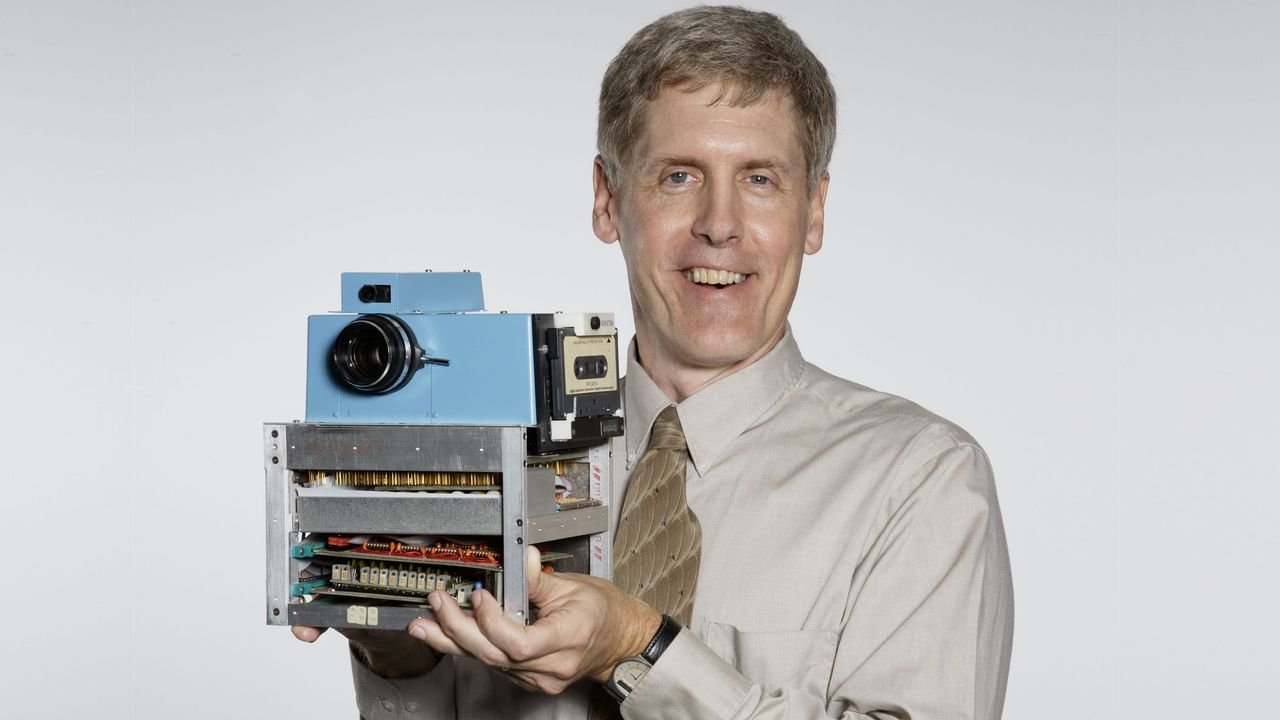
In 1975, a young engineer working inside Kodak took a photograph that would quietly change the world. That picture captured not on film but on a homemade electronic device marked the birth of the handheld digital camera and set photography on a path it could never return from. When Steve Sasson joined Eastman Kodak in 1973, the company stood as a towering symbol of American industrial innovation. Founded in the 1870s by George Eastman, Kodak had become practically synonymous with photography itself. People bought Kodak film, placed it inside Kodak cameras, developed the negatives using Kodak chemicals, and viewed the results on Kodak photographic paper. The company had even captured this seamless process in a famous slogan: “You press the button, we do the rest.” But Sasson, a newly hired electrical engineer, felt different from most of the people around him. He wasn’t trained as a chemist designing better films, and he wasn’t a mechanical expert crafting new camera bodies. He was fascinated by electronics and to him, the traditional photographic process felt slow, messy, and outdated. “When you started at Kodak, you were required to take photography lessons,” Sasson, now 75, recalled during a video interview from his home office in the US. “You had to learn how to expose film, develop it, and handle chemicals. Honestly, I found it very frustrating. You’d take a picture and then wait forever to see it.” Growing up watching Star Trek, Sasson imagined something better. “I kept thinking why not do everything electronically? Why not capture and store the image without any film at all?” Although no one had set out to invent a digital camera, the underlying technology had been evolving for years. Scientists already knew that certain metals could generate tiny electrical currents when exposed to light. This principle had been used in early light meters, including selenium-based cells. NASA’s Landsat satellites were already capturing crude digital images from space, and astronomers were using large, expensive computers to convert telescope data into pictures. The missing link arrived in 1969 when Bell Labs created the charge-coupled device (CCD), a special integrated circuit capable of storing and transferring electrical charges. While its inventors suspected it might one day help with imaging, they had not yet figured out how. By 1974, Fairchild Semiconductors had built the first commercial CCD a tiny, 100-by-100-pixel sensor. Still, no one had tried to use it to actually take and display a photograph. That changed when Sasson’s supervisor, Gareth Lloyd, casually handed the project to him. “I vividly remember him leaning on my filing cabinet and telling me, ‘I’ve got two small filler projects for you,’” Sasson said. One was related to modelling exposure systems for a movie camera. The second was simple: “Take a look at this new thing called a CCD.” Sasson was immediately hooked. His academic background included experiments with light-sensitive semiconductors, and he believed he now had enough pieces to create something entirely new. “I thought, all I need is a way to store a charge pattern from light an optical image,” he said. “It felt clean, elegant, and modern.” With no official budget and no formal approval, Sasson began building in secret. He scavenged parts from around Kodak’s labs, including a lens assembly he found in a used-parts bin. He sourced an analogue-to-digital converter from a cheap digital voltmeter instead of an expensive specialist component. “I basically stole everything,” he admitted. “Nobody had told me to build a camera.” The early CCD chips were extremely difficult to work with, requiring as many as 12 different voltage supplies. The slightest mistake meant no output at all. Even when it worked, the chip had a major flaw: the image degraded almost immediately due to a phenomenon called “dark current,” now known as electronic noise. Still, Sasson pushed on. He linked the sensor to a lens, created a system to convert light into digital data, and then faced a new challenge storage. With no modern memory options available, he used an audio cassette tape to store the raw digital information. But capturing the image was only half the battle. He also had to show it. So he built a separate playback system that converted the stored digital data into a signal a television could display. To do this, he needed a microprocessor technology that was still brand new and extremely expensive. He cleverly wrote a proposal asking for one under the pretext of “research.” To his surprise, it was approved. Together with colleague Jim Schueckler, Sasson spent over a year assembling the ever-growing device. By the end of 1975, the machine was ready. The camera was anything but elegant. It weighed about 8 pounds (3.6kg), was the size of a small appliance, and resembled a cobbled-together toaster more than a consumer product. But it worked. Sasson carried it into a nearby office and asked coworker Joy Marshall if he could take her photograph. She agreed, somewhat amused by what she viewed as an eccentric experiment from “the weird guys down the hall.” He pressed the shutter. The image was captured in 1/20th of a second, but took 23 seconds to record onto the cassette tape. Back in the lab, he loaded the tape into the playback unit and connected it to a television. Slowly, a crude image formed on the screen. Her head and hair were visible. Her shoulders appeared. But her face was badly distorted. Despite the flaws, Sasson and Schueckler were ecstatic. The structure of the image was there. It worked. Joy Marshall, standing in the doorway watching, simply said, “Needs work,” and walked away. After adjusting the circuit which at the time meant physically reversing wires instead of rewriting software the image improved. A real, recognizable picture had been taken and displayed without a single piece of film. This was the first handheld digital photograph in history. Word soon reached Kodak management, and Sasson began demonstrating his invention to executives across the company. Each time, he repeated the same routine: photographing people

aa-4.webp

3min8410
The Federal Government has disbursed N1bn as compensation to Cross River State residents whose properties were affected by the construction of the Lagos–Calabar Coastal Highway. This was disclosed by the Federal Controller of Works in the state, Yinka Onafuye, during an inspection tour of the Calabar–Itu Road and Sections 3A and 3B of the 750km highway by the Minister of Works, David Umahi. Onafuye said the compensation process is ongoing, noting that farmlands and buildings impacted by the project have been assessed and payments are already being made to beneficiaries through banks. He revealed that between 700 and 1,000 people from 12 communities in Akamkpa and Odukpani Local Government Areas have so far benefited, with total payments reaching N1bn. Speaking at Awi in Akamkpa Local Government Area, Minister Umahi highlighted key safety features of the highway, including relief stations, solar-powered street lighting and CCTV cameras, which are designed to improve security and enable quick emergency responses. He added that the project would include facilities at strategic locations to support travellers and security agencies. Umahi also said President Bola Tinubu remains committed to completing the coastal highway, describing it as a long-held vision that dates back more than two decades. The Managing Director of HITECH Africa Construction Company, Dany Aboud, assured that the firm would deploy more personnel and equipment to ensure both sections of the project are delivered within the 36-month contract timeline. Chairman of the Senate Committee on Works, Senator Mpigi Barinada, said the size and cost of the project were justified by the quality of work and the complex earthworks required due to the swampy nature of the terrain. Similarly, Dr Alex Egbona, who represents Abi/Yakurr Federal Constituency, said many residents were impressed by the pace of work, adding that the highway is expected to drive significant development across Cross River State.

aa-3.jpg

3min5350
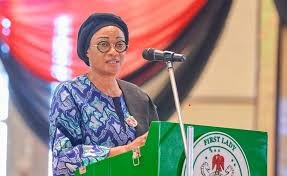
Nigeria’s First Lady, Senator Oluremi Tinubu, has expressed optimism about the country’s economic future, saying Nigeria will reach a level of prosperity that will enable it to lend money to other nations by 2026. She made this statement on Sunday in Ile-Ife, Osun State, shortly after being honoured with the chieftaincy title Yeye Asiwaju Gbogbo Ile Oodua during the ceremony marking the 10th coronation anniversary of the Ooni of Ife, Oba Adeyeye Ogunwusi. The event attracted several prominent dignitaries, including former President Olusegun Obasanjo, the wife of the Vice President, Nana Shettima, former First Lady Patience Jonathan, Governors Ademola Adeleke (Osun), Babajide Sanwo-Olu (Lagos) and Dapo Abiodun (Ogun), as well as former Speaker of the House of Representatives, Dimeji Bankole. Other notable attendees included former Ogun State Governor Ibikunle Amosun, Lagos State Deputy Governor Dr Obafemi Hamzat, Lagos Assembly Speaker Mudashiru Obasa, Osun Deputy Governor Kola Adewusi and former Osun First Lady Kafayat Oyetola. Traditional rulers present included the Sultan of Sokoto, Alhaji Sa’ad Abubakar, the Olu of Warri, Ogiame Atuwatse III, the Orangun of Ila, Oba Abdulwahab Oyedotun, and the Soun of Ogbomoso, Oba Ghandi Olaoye. Mrs Tinubu thanked the Ooni and the people of Ile-Ife for the honour, saying the country was entering a season of joy and progress. Speaking in a mix of Yoruba and English, she said Nigerians would soon witness remarkable achievements under President Bola Tinubu’s administration, adding that the nation would attain the level of prosperity needed to support other countries financially by 2026. In his remarks, Oba Ogunwusi said the First Lady had shown consistent support for the throne since his ascension and acknowledged the role played by former President Obasanjo in strengthening the institution. The Sultan of Sokoto offered prayers for the Ooni’s long reign and called for prayers for Nigeria’s leaders to guide the country in the right direction. Governor Adeleke praised the Ooni for modernising traditional leadership and projecting Yoruba culture globally. He said the Osun State Government would continue to partner with the palace to develop Ile-Ife as the cultural capital of the Yoruba people, noting that 14 roads had been completed in the town, with more projects ongoing, including the first-ever flyover in Ile-Ife.

Tech & Tools Desk8 December 2025
aa-3-1280x640.webp

3min4650
The Christian Association of Nigeria (CAN) in Niger State has said it has not yet received official confirmation regarding reports that 100 abducted students from Agwara have been released, but expressed hope that such development would be an answer to prayers. The Chairman of the state chapter of CAN and proprietor of St. Mary Private Catholic Primary and Secondary Schools in Papiri, Agwara Local Government Area, Bishop Bulus Yohanne, made this known in a statement on Sunday through his media aide, Daniel Atori. The school was attacked by bandits on November 21, 2025, during which at least 303 pupils, students, and teachers were abducted. Two days later, 50 pupils reportedly escaped and made their way back home. The National Security Adviser, Nuhu Ribadu, later visited the school and assured the management and parents that efforts were ongoing and that the abducted children were safe. Reacting to reports of the release of 100 students, Bishop Yohanne expressed cautious optimism, describing the news as a potential source of joy if confirmed. He said the association had continued to pray and wait for the return of the children but had not been formally notified of any release. Meanwhile, Nasarawa State Governor, Abdullahi Sule, and a retired senior military officer, Major General John Enenche, have commended the Federal Government and security agencies over reports of the students’ release aired by television stations. Governor Sule, during a live interview on a current affairs programme, described the development as encouraging and praised the coordinated security efforts said to have led to the reported breakthrough. Across Niger State, Christians observed a three-day period of fasting and prayers, organised by the state chapter of CAN, calling for the release of the remaining abducted victims. The prayer programme was held across all 25 local government areas and concluded at the 1st ECWA Church in Minna. Christians from different denominations gathered to pray for the freedom of the 265 children and teachers still in captivity, expressing concern over the length of their ordeal. Speaking at the event, Pastor Peter Ojo encouraged Nigerians to remain steadfast in prayer, while Rev. Ezekiel Ibrahim, representing Bishop Yohanne, urged citizens to set aside their differences and unite in seeking divine intervention. The Organisation of African Instituted Churches also expressed solidarity with the affected families, the school community and the Kontagora Diocese. Its Secretary, Sunday Ojimi, said the incident had caused deep pain but strengthened the resolve of the faithful to remain hopeful, adding that prayers would continue until the children and teachers are safely reunited with their families.

James Obasi8 December 2025
aa-2.jpg

4min5640
Gani Adams, the Aare Onakakanfo of Yorubaland, has expressed strong support for the creation of state police, describing decentralised policing as a critical step in tackling Nigeria’s growing security challenges. Speaking during an interview on Channels Television’s Sunrise Daily, Adams said he fully aligns with the Southern Governors’ Forum’s renewed push for state-controlled police as part of broader reforms to the nation’s security architecture. He also commended South-West governors for taking the lead on the initiative. According to Adams, the current centralised policing system is no longer sufficient, especially in the face of rising insecurity. He argued that fears of political misuse by state governors should not override the urgent need to protect lives and property, which he described as the primary duty of any government. He noted that one of the major flaws in the present system is the deployment of officers who lack familiarity with the communities they are assigned to. Adams stressed that effective policing depends on personnel who understand the local terrain, history and culture of the people they serve. Using his hometown of Arigidi-Akoko in Ondo State as an example, Adams said local residents have deep knowledge of forest routes, community networks and individuals with criminal records, making them better positioned to provide timely intelligence and respond to threats. He maintained that Nigeria’s three-tier system of government cannot function effectively with only a centralised police structure. According to him, federal, state and local governments must each be empowered to establish and manage their own policing frameworks for security to be effective. Calls for the establishment of state police have intensified in recent months amid worsening insecurity across the country. The Southern Governors’ Forum, Nigeria Governors’ Forum, traditional rulers, civil society organisations and security experts have repeatedly urged the Federal Government to decentralise policing. Several state governors, particularly in the South-West, have argued that the Nigeria Police Force is overstretched and unable to respond quickly to local security challenges. Regional outfits such as Amotekun in the South-West and vigilante groups in parts of the North have also emerged as temporary measures, further deepening the debate over constitutional reforms to allow state-controlled policing. Adams’ remarks have added to growing pressure on the Federal Government to adopt decentralised policing as part of wider reforms to strengthen Nigeria’s security system. President Bola Tinubu recently urged the National Assembly to review existing laws to enable states to establish their own police forces. In a statement issued on November 26 by his spokesman, Bayo Onanuga, the President said his administration would support state governments that have set up security outfits to protect their people from terrorists and criminal elements.