Blog - Edupreneur Select

Bring to the table win-win survival strategies to ensure proactive domination. At the end of the day, going forward, a new normal that has evolved from generation.
s2.png

5min7660
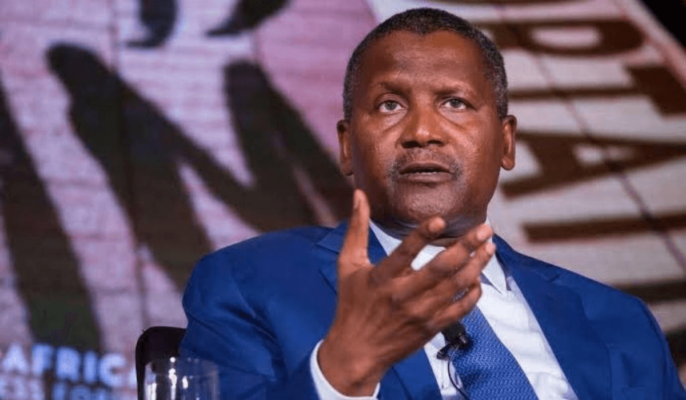
Chairman of the Dangote Group, Aliko Dangote, has assured Nigerians that the era of fuel queues during the Christmas and New Year holidays is over. Speaking to State House correspondents on Friday after meeting President Bola Tinubu at the Presidential Villa, Abuja, Dangote announced that his refinery has formally notified the Nigerian Midstream and Downstream Petroleum Regulatory Authority of its readiness to supply 50 million litres of Premium Motor Spirit (PMS) daily well above the country’s current consumption. “Since 1972, Nigeria has struggled with fuel queues. For the first time, we are ending them through local production, not imports,” he said. “Even while maintaining the refinery, there were no queues. I can assure Nigerians that fuel queues are now history.” Dangote added that the refinery will soon be producing surplus volumes, noting that by February it will supply 15–20 million litres more than national demand, enabling Nigeria to export fuel to neighbouring countries and reduce regional shortages. Industrial Growth and Refinery Expansion The industrialist also announced that local manufacturers, particularly those in the plastics sector, will now benefit from stable access to domestically produced feedstock, eliminating reliance on imports valued at about $400 million annually. He revealed plans to expand the refinery’s capacity to 1.4 million barrels per day by 2028, surpassing India’s Reliance refinery the world’s largest at 1.25 million barrels per day. “We’ve signed all necessary agreements. Construction piling starts before the end of January, and we will deliver on schedule,” he said. Dangote further disclosed plans to scale urea production to 12 million tonnes per year, positioning Nigeria to overtake Russia and Qatar as the world’s biggest producer. “Our aim is to supply the entire African continent,” he stated. Fuel Prices, Smuggling, and Economic Policy He attributed the recent drop in petrol and diesel prices to increased competition and reduced smuggling. “Prices are falling because we must compete with imports. Smuggling has gone down significantly, though not completely,” he said. Describing the refinery as a long-term national investment, Dangote noted: “We’re not here to recover $20 billion overnight. The legacy I want to leave is ensuring that Nigerians have what they need fuel, fertiliser, power.” Logistics, Ports, and New Deep-Sea Port Project Dangote also highlighted logistics challenges affecting Nigeria’s solid minerals industry, stressing that the country’s main ports are overstretched. “Apapa is full, Tin Can is full, and Lekki mainly handles containers. You can’t export coal or copper if there’s nowhere to ship from,” he said. To address this, he announced that the Group is developing what will become West Africa’s largest deep-sea port at Olokola, expected to be completed in two to two-and-a-half years. Backing Naira-for-Crude Policy and Call for Local Investment The business mogul expressed support for President Tinubu’s naira-for-crude policy, describing it as a patriotic effort to strengthen the currency, despite resistance from international oil companies. “It’s a teething problem, but it will be resolved, either through legislation or administrative action,” Dangote said. He dismissed fears about global competition, emphasizing that the refinery will succeed: “Our goal is to make Nigeria the refining hub of Africa. All African countries import fuel. We want what we consume to be produced here.” Dangote also endorsed the Nigeria-first industrial policy and urged wealthy Nigerians to invest in productive sectors rather than luxury assets. “If you have money for a private jet, invest in industries and create jobs,” he said, adding that domestic investors must lead the way for foreign investment to follow. “Nobody advertises a good restaurant when the food is good, word spreads.” He described his meeting with President Tinubu as a routine economic consultation, calling it “very fruitful.”
aa-1.jpeg

4min5850
A cancer patient and social media user, Mensah Omolola popularly known on X as AuntieEsther has ignited widespread debate after refusing a doctor-recommended blood transfusion, citing her beliefs as a Jehovah’s Witness. The decision has drawn criticism from Nigerians, especially following the more than ₦30 million raised publicly for her treatment. The fundraising was led by charity advocate Wisdom Obi-Dickson (@Wizarab10), who confirmed that ₦30.7 million had been collected as of December 1, 2025. In an update posted on her X account, Omolola said recent tests showed the cancer remained localized in her breast and armpit. She wrote: “My results don come out… Doc say she want to start chemotherapy but I go take injection. I respect everyone’s opinion but my family and I choose the injection and food wey go boost my blood.” She added that her doctor accepted the decision and would proceed gradually with her treatment plan. She also thanked Nigerians for their support, writing: “I appreciate everybody. Thank you… I am getting better. God bless.” Church Threatens Disciplinary Action The situation escalated after Obi-Dickson revealed that Omolola’s church had warned she could face disciplinary measures including possible disfellowshipping if she accepted a transfusion. According to him, doctors presented two options: A transfusion-supported procedure, which was affordable with the current funds, and A more expensive alternative designed to avoid transfusion. Omolola chose the second option in line with her religious doctrine. Obi-Dickson wrote that although this route would prolong treatment and significantly increase costs, her choice must be respected. He stressed that all donations would continue to be used exclusively for her medical expenses. However, he later expressed frustration, saying Omolola, her family, and church leaders were “uncompromising” in rejecting transfusion under any circumstance. He suggested that if religious convictions outweighed medical advice, it might be best for her church community to assume responsibility for future decisions. Supporters and Critics Clash Online Another supporter, media personality #AUNTYMUSE_, confirmed that Omolola’s refusal of transfusion was made clear from the outset even before donations began. She said doctors had provided two viable pathways and Omolola deliberately chose the non-transfusion option. Still, many Nigerians expressed anger, arguing that the donated funds should be redirected to other patients in urgent need. X user @Tmama_toma wrote: “She should leave the hospital and go to church for deliverance. Use the money for people who actually want treatment. Or return everything.” Another user, Hud Adeyinka Katayeyanjue, argued: “Belief shouldn’t end the life God is sustaining… Sometimes the most spiritual decision is to stay alive.” Reality TV star Tacha (Simply Tacha) criticized the situation bluntly: “If someone wants to die, let the person be… This isn’t religion anymore it’s madness.” Donation Transparency and Controversy Over Spending Obi-Dickson has continued to share financial updates to demonstrate transparency. In his latest post, he displayed a receipt showing ₦74,000 spent on soup and delivery after Omolola requested her preferred meal. He noted that the remaining balance as of December 1 stood at ₦30,776,252. “Aunty Esther wanted soup… That’s the bill. Thank you for your kindness,” he wrote. The case has intensified national debate on the balance between religious conviction and life-saving medical care, especially when public donations are involved. Many Nigerians have questioned whether faith-based decisions should affect the use of funds contributed with the intention of preserving life.

Tech & Tools Desk6 December 2025
aa-1280x640.jpeg

2min7510
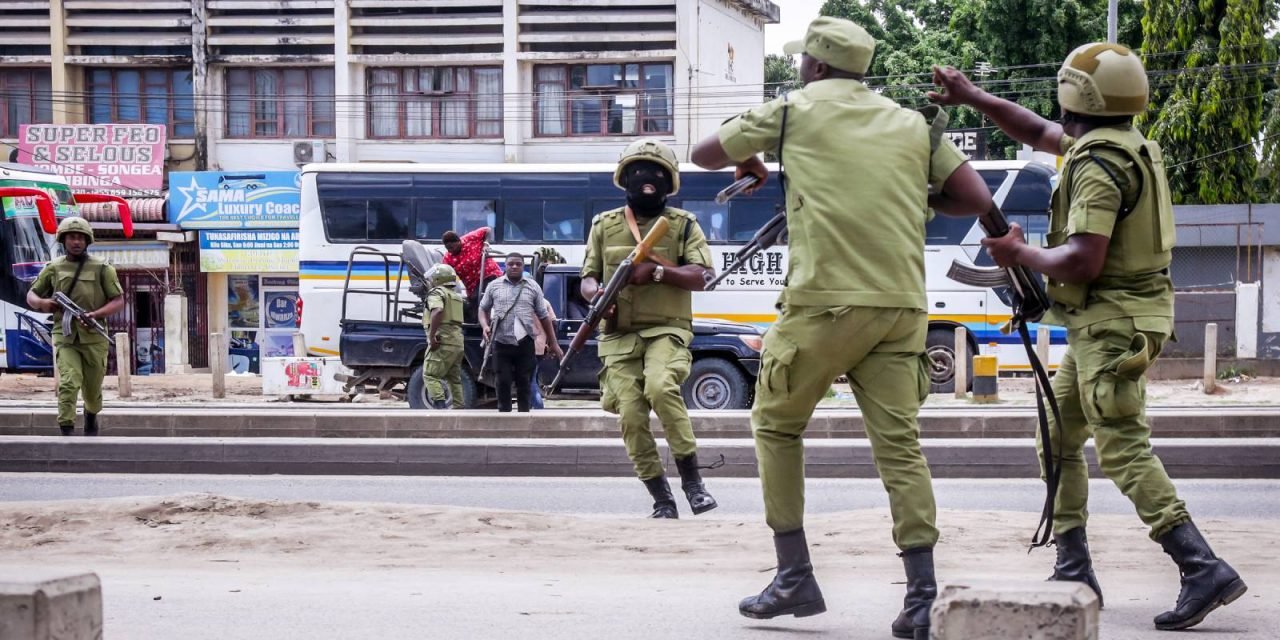
Tanzanian authorities have prohibited fresh nationwide demonstrations planned for next week, days after a violent security crackdown on election-related protests. Unrest broke out after the October 29 polls, with opposition groups accusing President Samia Suluhu Hassan of rigging the vote and orchestrating killings and abductions of political critics. Hassan was declared the winner with 98% of the vote. Opposition parties and human rights groups claim more than 1,000 people were shot dead during several days of clashes with security forces. The government has yet to release an official casualty figure. Despite efforts to restrict information, public anger continues to rise, and some groups had called for renewed protests on December 9. In a statement issued late Friday, police spokesperson David Misime said authorities had seen the mobilization on social media but noted that no formal notification had been submitted for any planned rallies. He said the proposed protests “no longer meet the legal requirements to be authorised,” citing “unlawful tactics” observed in recent days. “The Police Force hereby bans the planned demonstrations described as peaceful and indefinite,” the statement said, adding that the calls to protest were being coordinated using phone numbers and online accounts operated both inside and outside Tanzania, including anonymous platforms. The ban comes after Meta suspended the Instagram accounts of two Tanzanian activists who shared images of the violent crackdown. International concern is mounting, with the United States announcing it will “comprehensively review” its relationship with Tanzania in response to the election violence. AFP

James Obasi6 December 2025
aa-2.webp

6min6690
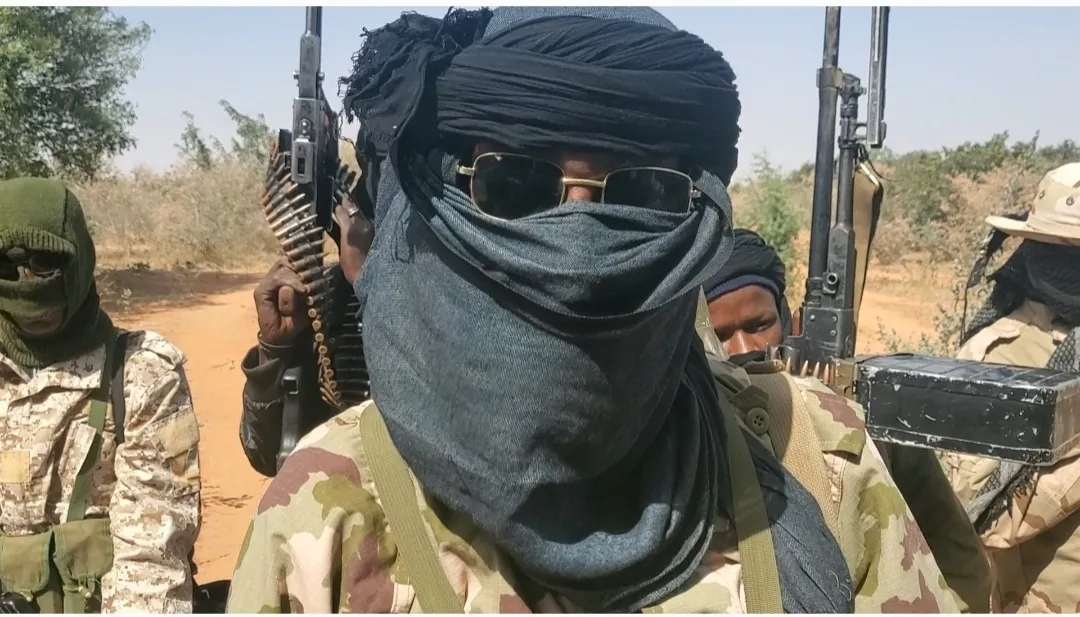
More than a decade after the 2014 abduction of over 200 Chibok schoolgirls an incident that drew global outrage Nigeria is again facing a wave of mass kidnappings on an unprecedented scale. Today, more than 7,000 citizens remain in captivity across at least seven states, as terrorist groups continue to unleash deadly attacks, sack communities, and abduct residents for ransom. Despite multiple military operations over the years, and even past international pressure such as former U.S. President Donald Trump’s warning to intervene over alleged religious persecution the violence has persisted. Thousands have been killed, many displaced to IDP camps, and countless others are still held in camps scattered across the northern region. From Sokoto to Zamfara, Niger to Kwara, Kaduna, Kogi, and Kano, men, women, children, farmers, students, and even traditional rulers have been abducted. Some have spent months in forest hideouts; others, years. What emerges from investigation is a stark portrait of a country where kidnapping has grown into a lucrative criminal industry and where paying ransom no longer guarantees release. Niger State: 376 Hostages Still in Captivity Niger State has witnessed a series of deadly attacks and mass abductions in recent months. At least 376 people are believed to still be held hostage. Recent incidents include: September 29: Passengers in two Toyota buses kidnapped along Zugurma–Ibbi Road. Multiple attacks in Mashegu and Shiroro LGAs, including the abduction of 42 people on November 15 and 24 farmers days later. The kidnapping of 315 pupils, students, and staff of St. Mary’s Catholic School in Agwara. Although 50 escaped, 265 remain in captivity. Even high-ranking officials have fallen victim: a serving commissioner kidnapped in September has not been released despite ransom payments. Kwara State: Monarch Among 12 Still Held In Kwara, at least 12 people, including the Oba Ojibara of Bayagan, remain in captivity. The monarch was abducted on his farm last weekend. Ten other residents kidnapped in Isapa are also still missing. Sokoto State: Over 500 Residents Held by Kidnappers Public affairs analyst Altine Guyawa reports that more than 500 residents are currently being held across 13 local government areas of Sokoto State. His breakdown shows: 260 victims in Goronyo, Sabon Birni, and Isa LGAs 36 hostages in Kware and Wurno 56 victims held in Rabah, Tureta, and Dange/Shuni 136 captives across Illela, Tangaza, Gudu, Binji, and Silame He also noted multiple terrorist camps inside Sububu Forest (Zamfara) and other locations run by notorious bandit commanders. According to him, the crisis reflects a near-total collapse of security in rural communities. Zamfara State: Over 6,000 Kidnap Victims in More Than 100 Camps Zamfara has become the epicenter of mass abductions, with community sources estimating more than 6,000 people still held across over 100 terrorist camps. Many victims have been detained for more than two years due to families’ inability to pay ransom. Others have been killed for failing to meet ransom demands even after payments were made. In July, 35 kidnap victims from Banga community were executed despite their families paying a ₦35 million ransom. Former hostage Ibrahim Sani Wuya, abducted in 2021, described spending seven months in captivity before regaining freedom after paying ₦5 million. He called on federal and state authorities to dismantle what he described as a “thriving kidnapping industry.” Kano State: 15 Victims Still Held In Kano’s Tsanyawa LGA, 15 people 13 women and 2 men remain in captivity following a series of weekend attacks that left an elderly woman dead. Bandits also raided communities in Shanono LGA, abducting about 10 more residents. None have been rescued. Kaduna State: Hostages Held for Months Although no official figure is available, recent reports indicate that several victims kidnapped as far back as June 2025 remain in terrorist camps within Rijana Forest and other parts of southern Kaduna. Kogi State: Many Still Missing Despite Rescue Operations Security forces in Kogi have rescued 13 victims in recent days, including recoveries by police, the Nigerian Army, and local hunters. However, many others such as members of the Cherubim and Seraphim Church in Ejiba, kidnapped during a Sunday service are still in captivity. Nigeria’s hostage crisis continues to escalate, deepening humanitarian suffering and raising fresh questions about the nation’s capacity to secure its territories. Communities across the affected states are calling for urgent, sustained government intervention before the situation deteriorates further.

aa-1.jpg

5min5370
The United Kingdom has rolled out two major economic reform programmes valued at £12.4 million to support Nigeria’s efforts toward macroeconomic stability, fiscal resilience, and private-sector growth. The initiatives—the Nigeria Economic Stability and Transformation (NEST) Programme and the Nigeria Public Finance Facility (NPFF)—were officially unveiled on Thursday at the British High Commissioner’s residence in Abuja. In her opening remarks, the Head of Development Cooperation at the British High Commission, Cynthia Rowe, described the launch as “an important step in the partnership between the UK and Nigeria.” She noted that the programmes were aligned with Nigeria’s economic priorities and were designed to reinforce ongoing reforms. “Together, these programmes signal a coherent and long-term UK commitment to Nigeria’s economic trajectory from stabilisation to reform and to growth,” Rowe said. Rowe explained that NEST, worth £4.9 million, would support macroeconomic stability, enhance the quality of reforms, and promote economic diversification. NPFF, valued at £7.5 million, would strengthen tax policy, public expenditure management, and debt strategy. Both programmes will complement the forthcoming UK-Nigeria Growth Programme, which aims to support market-driven reforms and equip Nigerian businesses to become more competitive, productive, and export-ready. Representing the Federal Government, Special Adviser to the President on Finance and the Economy, Sanyade Okoli, expressed gratitude for the support, describing it as timely and strategic. “A huge thank you to the British government for steadfast support and enduring commitment to Nigeria’s development,” she said, noting that the initiatives align closely with the government’s growth agenda. “This is the kind of support required to help us achieve our objectives.” The British Deputy High Commissioner in Lagos, Jonny Baxter, emphasised that the support forms part of a broader partnership that spans development finance and commercial collaboration. He highlighted the UK’s continued backing of Nigeria’s reform efforts despite the challenges. “We Recognise how challenging the reforms have been and the effort it has taken to maintain progress. We want to stand alongside you with that,” he said. Baxter added that macroeconomic stability, fiscal discipline, and sound policies were critical to restoring investor confidence. He also confirmed that the £12.4m support is a grant intended to provide technical assistance to Nigerian institutions. Mahesh Mishra, Head of the Growth, Trade and Investment Group at the British High Commission, said the reforms were already yielding visible results. “It’s good to see the naira stabilising, becoming more competitive, and Nigeria improving its rating,” he said. However, he stressed that reforms must ultimately improve livelihoods. “Reforms are not an end in themselves. The real goal is how to attract more private investment that will create jobs and raise the standard of living for the average Nigerian,” he added. The NEST and NPFF programmes are funded by the UK Foreign, Commonwealth and Development Office and implemented by Tetra Tech International Development Europe. NEST will run from 2025 to 2028, while NPFF will operate from 2025 to 2029. Both are designed to strengthen macroeconomic management, enhance fiscal stability, and reduce Nigeria’s reliance on external financing. In September 2025, the British High Commissioner to Nigeria, Richard Montgomery, noted that trade volume between the two countries had reached an unprecedented £7.9 billion. He credited the UK-Nigeria Enhanced Trade and Investment Partnership for removing non-tariff barriers and improving cooperation in key sectors. Similarly, in November 2025, the Nigerian-British Chamber of Commerce reaffirmed its commitment to working with the Federal Government to advance policies that support investment growth, economic competitiveness, and sustainable trade relations between both nations.

aa.jpg

3min3680
Three students from Education District II have won a combined cash prize of N2.2 million at the 21st Annual Lagos State Spelling Bee Competition (Secondary School Category), organised by the Office of Education Quality Assurance (OEQA) in collaboration with the New Era Foundation. The event also produced the one-day governor and deputy governor for the coming year. According to a statement issued on Friday by the Deputy Director of Public Affairs, OEQA, Adepeju Adeyemi, Etiyeyemonu Esther of Senior Model College, Igbokuta, Imota, emerged the overall winner and received N1 million. Awoyemi Dorcas of Ikosi Senior Secondary School, Ikosi–Isheri, and Salami Jumai Olaide of Angus Memorial Senior High School, Somolu, finished as first and second runners-up, receiving N700,000 and N500,000 respectively. In her goodwill message, the First Lady, Senator Oluremi Tinubu, represented by the Executive Secretary of the New Era Foundation, Barr. Grace Giwa, congratulated the winners and commended their dedication and discipline. “This positive feedback reaffirms my belief that investing in education is investing in the collective future of our young learners,” she said. The Lagos State Commissioner for Basic and Secondary Education, Mr. Jamiu Alli-Balogun, praised the students’ performance, noting that Lagos students consistently excel. He referenced the recent educational trip to Singapore by public school students as further proof of the state’s academic achievements. Representing the Head of Service, Mr. Olabode Agoro, the Tutor-General/Permanent Secretary of Education District I, Dr. Idowu Olufunke Oyetola, described the competition as a celebration of intellectual strength and perseverance. “Whether or not you go home with a trophy, you are symbols of excellence, courage, and commitment,” he told the students. The Tutor-General/Permanent Secretary of Education District III, Teacher Olusegun Olawale Osinaike, encouraged participants to embrace sportsmanship. “Every competition teaches us something valuable, and one of the greatest lessons is learning to rejoice with those who excel today,” he said. Dr. Sulaimon Ogunmuyiwa, Director of Private Education and Special Programmes at OEQA and Chairman of the Planning Committee, highlighted that the Spelling Bee goes beyond spelling words, stressing that preparation and focus play major roles in the contestants’ success. In her victory speech, overall winner Etiyeyemonu Esther described the achievement as deeply fulfilling and expressed hope that it would inspire other students, especially young girls. “Winning this competition shows that hard work truly pays off. I hope my success encourages others to aim high and never give up on their dreams,” she said.

Tech & Tools Desk5 December 2025
aa-1.webp

2min5520
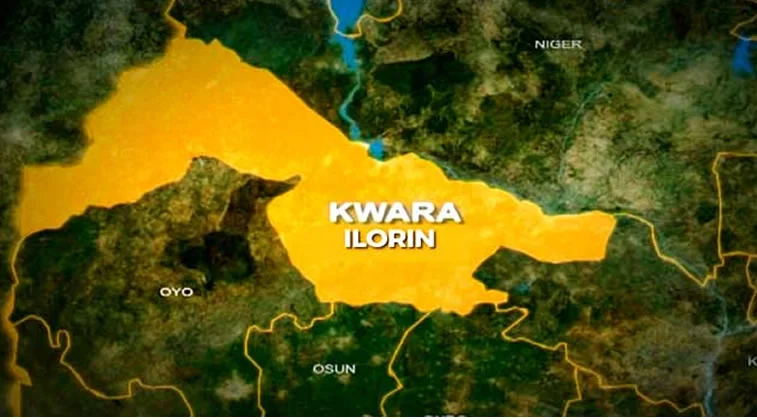
A medical doctor has been arrested by operatives of the Department of State Services (DSS) for allegedly transporting medical supplies from Sokoto State to suspected kidnapping gangs operating in Kwara State. The Kwara State Government confirmed the arrest in a statement posted on its official Facebook page on Friday. According to the statement, the suspect was intercepted in Jebba, Moro Local Government Area, after intelligence linked him to a network responsible for delivering medical items to armed groups across the region. “The Department of State Services has taken into custody a medical doctor who was ferrying drugs from Sokoto to kidnappers in parts of Kwara State,” the statement read. “The doctor was intercepted in the Jebba area following intelligence reports about the activities of the kidnappers and their couriers. “The secret service says the criminal gangs appear desperate for medical care following gunshot wounds sustained in encounters with security forces.” Security sources said that the arrest is part of a broader, intensified operation aimed at disrupting the logistics and medical support networks sustaining kidnapping cells in the North-Central region. One of the sources noted that kidnapping syndicates have recently stepped up efforts to secure medical treatment—especially for gunshot wounds suffered during clashes with security operatives—prompting security agencies to increase surveillance on the movement of medical supplies. Kwara, long considered one of the more peaceful states in the North-Central zone, has recently recorded a rise in insecurity, with incidents reported in Kaiama, Baruten, Ekiti, and parts of Moro LGAs.Border communities have been particularly vulnerable due to their proximity to vast forest belts that serve as hideouts for criminal gangs.

James Obasi5 December 2025
aa.webp

5min10040
Nigeria’s National Security Adviser, Mallam Nuhu Ribadu, has warned that individuals or groups seeking to exploit communities, spread terror, or undermine national security will face firm and coordinated action. He vowed that the government remains determined to defeat terrorism and restore peace nationwide. Ribadu made the remarks yesterday in Abuja at a dialogue on the whole-of-society approach to preventing violence in Northern Nigeria, organised by the National Peace Committee, The Kukah Centre and the Office of the National Security Adviser. He noted that despite its many challenges, Nigeria remains resilient, revealing that the country has secured 775 convictions in terrorism-related cases. “Each conviction represents a life restored and a community stabilised,” he said, stressing that sustainable peace requires meaningful collaboration between government institutions, security agencies, communities and the judiciary. Ribadu added that Nigeria remains the only functioning democracy in the Sahel region, insisting that the state is fully committed to law, order and the protection of citizens. He urged religious and traditional leaders to continue offering moral support as security personnel work under difficult conditions. “We will defeat terror. We will restore order. We will not give up, and we will not surrender,” he declared. Local Dynamics Drive Insecurity — NSA The NSA emphasised that security challenges often stem from local issues, and urged traditional rulers, community leaders, and state governments to take stronger roles in early conflict resolution. “When communities can resolve disputes themselves, the need for military deployment drastically reduces,” he said. Tinubu Swears in Gen. Musa as Defence Minister President Bola Tinubu has sworn in General Christopher Musa (retd) as the new Minister of Defence, charging him to apply his operational experience and strategic expertise to strengthen Nigeria’s defence system. Tinubu emphasised inter-agency cooperation, procurement transparency, personnel welfare and continued operational reforms as key priorities. Senior government officials, including service chiefs and the NSA, expressed confidence that Musa’s appointment marks a new phase in Nigeria’s security management. Gen. Musa: I’ll Do Whatever It Takes to Secure Nigeria Speaking after taking the oath of office, Gen. Musa said his top priority is to reposition the defence architecture and strengthen synergy among security agencies and citizens. “My immediate priority is to ensure Defence takes its rightful place. Security is everybody’s responsibility,” he said. Promising swift results, he assured Nigerians that decisive action would be taken to restore safety: “I will work, whatever it takes, to ensure that Nigeria is secured. In the shortest possible time, Nigerians will see results.” ‘Flush Out Terrorists’ — Bishop Kukah Tells Defence Minister Bishop Matthew Hassan Kukah, who attended the ceremony, urged the new defence minister to eliminate the terrorist threat and restore normalcy across the country. He noted that President Tinubu appears committed to repositioning the security sector and expressed optimism that Musa is “the right man for the job.” Kwara Monarch Still in Captivity Meanwhile, the kidnapped monarch of Bayagan-Ile in Ifelodun LGA, Kwara State, Alhaji Rafiu Salami, remains in captivity five days after his abduction. Community spokesperson, Alhaji Rafiu Lawal, dismissed viral reports claiming that hunters had rescued the monarch. “I personally spoke with Kabiyesi on December 4, and he confirmed that he is still with his abductors,” he stated. The community says its priority remains raising the ransom demanded, as no significant support has reportedly come from state authorities. Five Abducted Rivers University Students Regain Freedom In a positive development, police in Rivers State have rescued the five Rivers State University students kidnapped on Tuesday from the RSU Satellite Campus in Emohua. The operation, carried out by tactical teams in collaboration with other security agencies and local support, took place in Rumuodogo 2, Emohua LGA. Police spokesperson Grace Iringe-Koko confirmed that the victims were rescued unharmed and taken for medical examination. She added that efforts are ongoing to apprehend the fleeing kidnappers.

Sanwo.png

1min6490
LAGOS — The Lagos State government has issued a seven-day ultimatum to estate developers operating without approved layout plans to regularise their documents or face sanctions. Dr. Oluyinka Olumide, Commissioner for Physical Planning and Urban Development, led an on-the-spot sensitisation and warning exercise along parts of the Eti-Osa corridor, noting that the warning follows the expiration of a previously granted grace period for flagged estates. The state had earlier identified 176 illegal estate developments, mainly in the Eti-Osa, Ajah, Ibeju-Lekki, and Epe areas. Olumide emphasised that all estate promoters must secure proper approvals before carrying out land subdivision, sales, or construction. “The state government will no longer tolerate developments that undermine orderly and sustainable urban growth,” he said, stressing that the seven-day notice represents the final opportunity for compliance. He warned that estates failing to meet the deadline would face sanctions, including heavy fines or demolition, depending on the severity of the violation.      

cort.jpeg

3min7400
In his sworn testimony dated June 13, 2025, and presented in court on November 20, Simon claimed that Ms. Maria Mahat exploited his father’s declining mental health to influence him to act in ways that suited her interests. He further argued that any alleged marriage between his father and Mahat, prior to his parents’ official divorce on January 22, 2021, was invalid. Simon maintained that his father’s relationship with Mahat directly caused the deterioration of his relationship with his mother, ultimately leading to their separation and divorce. To support his claims, Simon submitted extensive documentation, including emails and other company records amounting to approximately 50 gigabytes of data, provided to him by his father’s former aide, Mike Luger. The defendants’ counsel challenged the validity of these documents, arguing that they were unreliable and inadmissible in court. On the first two days of hearings, lawyers debated the admissibility of the documents. Lead counsel to the defendants, Mrs. Funke Adekoya, SAN, described the evidence as “hearsay,” claiming it did not originate from the original maker or recipient, a view supported by co-counsels Etigwe Uwa, SAN, and Adeyinka Aderemi, SAN. However, Dr. Babatunde Ajibade, SAN, representing Simon, argued that the documents were fully tenable. After reviewing the facts, the trial judge ruled the documents admissible, allowing them to be formally submitted into evidence. During cross-examination, Adekoya, SAN, questioned Simon about his physical absence from his father, highlighting a perceived gap in their relationship. Simon, who left Nigeria at age nine to attend boarding school in the United Kingdom and had not seen his father since 2015, insisted that their bond remained strong, maintained through regular telephone contact. He cited several instances where his father created roles for him within his companies, visits to his workplaces abroad, and both parents attending his wedding in Australia as evidence of a cordial relationship. Uwa, SAN, representing Mahat, suggested the relationship gap between father and son existed prior to Mahat’s involvement. Aderemi, SAN, asked if Simon suffered from dementia, to which he responded negatively as his cross-examination concluded. Earlier in the proceedings, other witnesses, including Mr. Rakesh Lal, Project Manager of Sea Trucks Group in Singapore, and Marie-José Groenen, a niece of the deceased, also testified, pointing to instances that they say demonstrate the deceased was allegedly influenced by Mahat.