Blog - Edupreneur Select

Bring to the table win-win survival strategies to ensure proactive domination. At the end of the day, going forward, a new normal that has evolved from generation.
patient-hospital-senior-man-nurse-monitor-600nw-2475091965.webp

3min10230
Senior health professionals have emphasized that patients who understand and accept their diagnosis, remain calm, and follow medical guidance are more likely to recover faster and achieve improved treatment outcomes. Experts noted that acknowledging an illness and being aware of its progression and treatment options helps patients mentally prepare, adhere to medical advice, and avoid complications. According to the specialists, patients with a positive mindset and commitment to their treatment plan generally respond better to care, regardless of the severity of their condition. They encouraged individuals managing chronic illnesses such as cancer, diabetes, stroke, and hypertension to stay hopeful, warning that fear and negative thinking can hinder recovery. The United States National Cancer Research Institute reports that well-informed patients are more likely to follow treatment plans and recover from cancer faster than those who are not fully aware of their condition and options. “Once people accept that they have cancer, they may feel hopeless. However, patients who trust their treatment often experience better outcomes,” the institute noted. Dr. Juliet Ottoh, a Clinical Psychologist at the Department of Psychiatry, Lagos University Teaching Hospital, Idi-Araba, said successful treatment requires patient acceptance of their health condition. She explained, “When a person acknowledges that something is wrong, they remain calm and are open to the best treatment options available. Conversely, individuals who are irritable or irrational struggle to absorb or retain health information. A calm, receptive mindset allows a patient to reason with the doctor and engage effectively with the treatment plan. “If a patient is not calm, open-minded, and optimistic, it could delay recovery or lead to unsuccessful outcomes. In mental health, medication alone is not enough—without the right mindset, even the correct treatment may fail to work effectively.” Ottoh further highlighted the importance of attitude in treatment effectiveness, saying, “Acceptance and optimism significantly influence recovery. Two patients on the same medication can have very different outcomes depending on their adherence and mindset. A positive outlook helps the brain recognize and support the treatment process.” She advised patients to avoid negative thoughts during treatment, noting, “The brain drives the body’s responses. Positive thinking can reinforce treatment effectiveness, while fear and pessimism can undermine it. In many chronic conditions, it is often the negative mindset rather than the illness itself that impacts survival.” Dr. Amara Nwachukwu, a Lagos-based medical practitioner, added that knowledge about their health often improves patients’ emotional well-being. “Understanding their condition helps patients feel less anxious and better prepared for what lies ahead. Conversely, those unaware of their illness may experience frustration, agitation, or aggressive behaviour due to cognitive or physical limitations,” she explained.

Tech & Tools Desk4 December 2025

3min10800
The Vice Chancellor of Rivers State University, Nkpolu-Oroworukwo, Port Harcourt, Prof. Isaac Zeb-Obipi, has ordered an immediate suspension of lectures at the university’s Emuoha satellite campus after five students were abducted from their residence on Tuesday. In addition, the VC directed the prompt evacuation of all students from the Emuoha campus until further notice. According to reports, gunmen stormed an off-campus residence in Rumuchi/Rumuohia, Emuoha, firing sporadically before abducting the students. The attack sparked a student protest, with some marching to the VC’s office to voice concerns over the safety of their colleagues. Addressing the protesters, Prof. Zeb-Obipi condemned the attack and stated that the matter would be presented to Governor Siminalayi Fubara, the visitor to the university, for guidance and appropriate intervention. He emphasized that those responsible must be apprehended and punished, warning that failure to enforce consequences emboldens criminals. “Students at the Emuoha campus, if you can relocate, please do so, as lectures have been suspended. Our priority now is ensuring the safe return of the abducted students. Those behind this act must be found and brought to justice,” the VC said. Meanwhile, the Rivers State chapter of the National Youth Council of Nigeria (NYCN) has demanded the immediate and unconditional release of the abducted students. NYCN State Chairman Nwisabari Bani condemned the incident and called on the university to consider relocating students from the Emuoha campus to the main campus in Port Harcourt. Bani further urged the government, security agencies, traditional leaders, and community stakeholders to strengthen security measures in all communities hosting students. “The safety of our young people—the future scientists, engineers, leaders, and entrepreneurs—must not be compromised. Immediate, coordinated security reinforcement is essential,” he said. This marks the second student protest at the Emuoha campus over criminal attacks and harassment in the area. Rivers State University currently runs four satellite campuses—Emuoha, Etche, Ahoada, and Sakpenwa—established during the previous administration of Nyesom Wike.  

James Obasi4 December 2025
beans-1-605x375-1.jpeg

6min7210
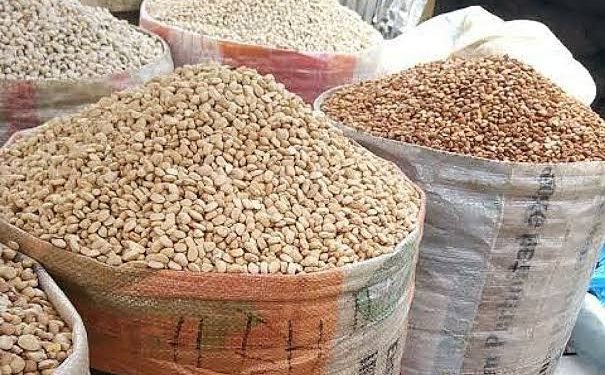
By Wale Akinselure Agricultural stakeholders have raised concerns that Nigeria continues to lose an estimated N543.75 billion ($362.5 million) in foreign exchange each year due to the ongoing ban on bean exports. The warning came during the two-day National Summit on Agroecology and Public-Private Partnerships on Agroecology, which concluded in Lagos on Tuesday. The European Union first imposed the ban in 2015, citing dangerously high levels of pesticide residues in Nigerian dried beans, which exceeded acceptable safety limits. The summit, organised by ActionAid Nigeria under its Strategic Partnerships for Agroecology and Climate Justice in West Africa, in collaboration with the Federal Ministry of Agriculture and Food Security, attracted over 300 participants both physically and virtually. In a communiqué read by Muhammed Rili, National Chairman of the Agricultural Development Projects Programme Managers’ Forum, the stakeholders emphasised that the export restriction has negatively affected Nigeria’s revenue, employment, and global market relevance. “Nigeria loses about N543.75 billion annually due to the beans export ban over the last eight years. Agroecology can help the country produce safe, high-quality agricultural produce for the global market. Every rejection of Nigerian produce is a direct loss to the economy and an increase in unemployment,” the communiqué stated. Rili was accompanied by Agricultural Development Programme managers, including Aderonke Toju of Lagos and Macaulay Koffi of Bayelsa, alongside Zainab Arah of the Small-Scale Women Farmers Organisation in Nigeria. The stakeholders highlighted that Nigeria’s food system is under severe pressure, facing climate shocks, rising production costs, land degradation, and growing vulnerabilities among women and youth farmers. They called for the adoption of agroecology—farming practices that promote ecological balance, biodiversity, and reduced chemical inputs—as a sustainable path to food security. “Nigeria’s food system faces intersecting crises that disproportionately affect smallholder farmers. Agroecology offers a scalable solution to rebuild soil health, strengthen livelihoods, and reduce dependence on synthetic chemicals,” the communiqué added. The summit further noted that agroecology offers multiple benefits, including climate resilience and reduced emissions, which should be quantified and incorporated into national development and climate policies. “Agroecology is not just an environmental necessity; it is an economic lifeline that Nigeria must prioritise,” the communiqué stated. The participants also expressed concern over health risks linked to pesticide use, citing global data showing that developing countries, including Nigeria, account for 99% of pesticide-related deaths despite using only 25% of the world’s pesticides. According to summit findings, 75% of smallholder women farmers surveyed in 2022 reported health issues such as respiratory distress, headaches, vomiting, and rashes from highly hazardous pesticides. Stakeholders urged the government to adopt a national food safety strategy that phases out toxic chemical pesticides, targeting a 50% reduction by 2030, 25% by 2040, and a maximum of 5% by 2050. Criticism was also directed at the 2025 federal budget, with participants noting that allocations for agroecology, biodiversity, and climate resilience were placed under the Office of the Secretary to the Government of the Federation rather than the agriculture and environment ministries, limiting effective coordination. Despite some increases in federal and state budgets for agroecology between 2020 and 2024, stakeholders said actual implementation remained weak, slowing the adoption of sustainable farming practices. They further noted that while Nigeria’s population continues to grow, agricultural land remains unchanged, highlighting the need for improved land-use technology and nutrient recycling. The summit recommended immediate reforms, including land tenure improvements, access to farmland for women and youth, increased funding for agroecology, establishment of community seed banks, and stronger extension services. Participants also emphasised the use of organic fertilisers and agroecological practices to improve farmer incomes and resilience in the face of climate change. Other recommendations included better pesticide legislation, increased agricultural research funding, support for organic fertilisers, and public-private partnerships to guarantee market access for agroecologically produced food. The event drew representatives from the House Committee on Agricultural Production and Services, the Federal Ministry of Agriculture and Food Security, ActionAid Nigeria, Small-Scale Women Farmers Organisation, Young Farmers in Nigeria, the All Farmers Association of Nigeria, Nigerian Agribusiness groups, and Agricultural Development Programme managers from all 36 states and the FCT.


5min11580
Akwa Ibom State Governor, Umo Eno, has signed an Executive Order banning the activities of masquerades on streets and highways across the state in the interest of public safety and order. The development was announced on Wednesday through a statement released via the Government House media platform. The governor had earlier disclosed the decision last week, citing repeated incidents in which masquerade activities allegedly led to the harassment of residents, extortion, and serious threats to public safety. Speaking while signing the order at the Government House in Uyo, Governor Eno directed security agencies to begin strict enforcement of the ban. “By the authority of my office as Governor of Akwa Ibom State, I hereby issue this directive. Anyone caught violating it will be arrested and prosecuted. These activities have been used to cause chaos in several local government areas. As the chief security officer of the state, I have directed the Commissioner of Police and other security agencies to enforce this order. Let people live in peace and without fear,” the governor stated. While acknowledging the cultural significance of masquerade traditions, Eno stressed that the restriction became necessary to curb rising insecurity, public disturbance, and disorder linked to street performances. The governor recalled several troubling incidents, including cases where masquerades halted traffic on highways, created panic, and even caused physical harm to residents. “Many of us have personally witnessed the disruption and embarrassment these activities cause. On our roads, vehicles are sometimes forced to stop suddenly, creating serious risks of accidents. Recently, a young woman was reportedly attacked and flogged by masqueraders. While I respect culture, every citizen has rights. No cultural practice should be used to harm others,” he said. Governor Eno also referenced existing legal provisions which require police clearance for masquerade activities, adding that such displays should be restricted to designated community locations. “If you want to display masquerades, do so in your village square and with proper approval. Do not take it to our streets and highways. Do not use it to disturb public peace,” he warned. He further urged residents not to take the law into their own hands or hide behind cultural practices to disrupt public order. “I am not banning culture. I am saying do not allow culture to become a tool for chaos. Restrict these activities to appropriate locations,” he added. The governor also linked the decision to his administration’s efforts to boost tourism and promote a peaceful image of the state under the ARISE Agenda. “We are working to position Akwa Ibom as a tourist destination. We must not create an atmosphere that scares visitors or suggests that disorder is tolerated,” he stated. Meanwhile, the Commissioner of Police, CP Baba Azare, commended the governor for what he described as a bold and timely decision. Azare noted that masquerade activities had increasingly posed security threats, led to violence, and disrupted legitimate daily activities in many communities. He added that the Executive Order provides a clear legal framework for enforcement. The police boss assured the governor that operational directives have already been issued to area commanders and tactical units to ensure full compliance with the order across all 31 local government areas of the state.

araabiaa.jpg

3min7080
The Federal Government has secured the release of three Nigerian citizens who were detained in Saudi Arabia over an alleged attempt to smuggle prohibited substances through Jeddah’s King Abdulaziz International Airport. The development was confirmed in a statement issued on Wednesday by the spokesperson of the Ministry of Foreign Affairs, Kimiebi Ebienfa. According to the statement, the three Nigerians — Abdulhamid Sadieq, Maryam Hussein Abdullahi, and Bahijah Aminu Abdullahi — were arrested in August 2025 after prohibited items were found in luggage that had been fraudulently linked to their flight tickets at the Mallam Aminu Kano International Airport, Kano, without their knowledge. Following their arrest, the Consulate General of Nigeria in Jeddah, led by Ambassador Muazam Nayaya, immediately engaged Saudi authorities and informed the headquarters in Abuja. The mission also requested the intervention of the National Drug Law Enforcement Agency (NDLEA) to assist with investigations. The Nigerian mission maintained constant communication with Saudi officials, ensured regular access to the detainees, and arranged legal representation for them throughout the investigation process. After thorough investigations, Saudi authorities cleared the three Nigerians of all allegations and released them on September 14 and 15, 2025. A temporary travel restriction placed on them during the investigation has now been fully lifted. The ministry disclosed that Maryam Abdullahi and Bahijah Abdullahi returned to Nigeria on November 5, 2025, while the travel ban on Abdulhamid Sadieq was lifted on December 2, 2025. Arrangements for his return to Nigeria are currently ongoing. The Ministry of Foreign Affairs expressed appreciation to the Saudi government for its cooperation and professionalism in handling the matter. It also acknowledged the critical roles played by the NDLEA and the Nigerian Consulate in Jeddah in securing a fair outcome. The ministry added that the successful resolution of the case reflects Nigeria’s continued commitment to the safety, dignity, and welfare of its citizens abroad, in line with the 4D Foreign Policy Doctrine of President Bola Ahmed Tinubu.

voterrrss.jpg

5min5370
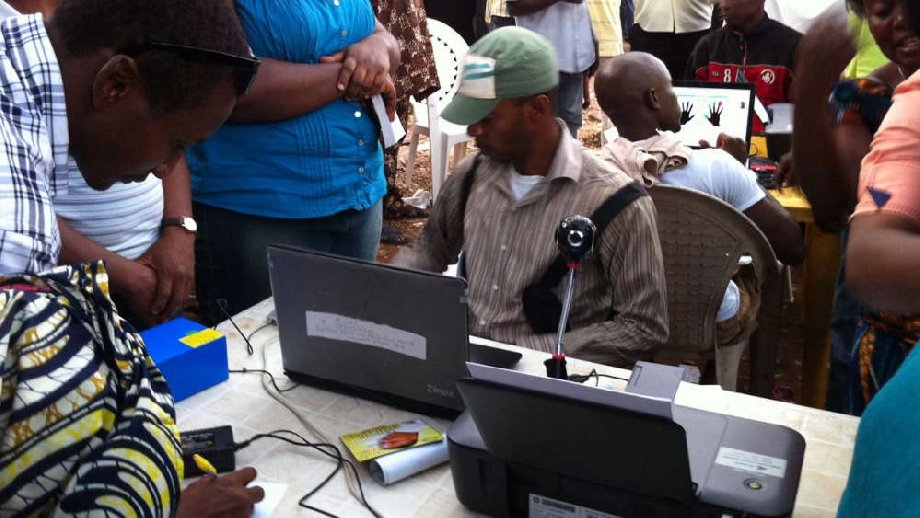
The Independent National Electoral Commission (INEC) has concluded the first quarter of its nationwide Continuous Voter Registration (CVR) exercise, clearing the way for the public display and review of the voter register. The initial phase of the exercise began with online pre-registration on August 18, 2025, followed by physical registration across all 774 local government areas and the Federal Capital Territory. The phase officially closed on Wednesday, December 10, 2025. This was disclosed in a statement issued on Wednesday by INEC’s Director of Voter Education and Publicity, Victoria Eta-Messi. INEC announced that the display of the voter register for public verification, claims, and objections will take place from December 15 to 21, 2025, in line with the provisions of Section 19 of the Electoral Act 2022. The exercise will be conducted at the respective local government offices where registration took place. The commission advised all newly registered voters, as well as those who transferred or updated their biodata, to seize the opportunity to carefully verify their information and raise any necessary objections. According to INEC, a total of 9,891,801 online pre-registrations were recorded nationwide by the end of the 13th week of the exercise. Out of this figure, 2,572,054 registrations have been fully completed, comprising 1,503,832 online registrations and 1,068,222 physical registrations as of November 28, 2025. The commission noted that voter registration activities remain suspended in Anambra State and the Federal Capital Territory due to ongoing electoral engagements, adding that new dates will be communicated in due course. Eta-Messi reaffirmed that the second phase of the CVR exercise is scheduled to resume on January 5, 2026, according to the commission’s earlier timetable. She emphasized INEC’s commitment to maintaining a credible, inclusive, and transparent voter register, calling on citizens to continue supporting the electoral process. Meanwhile, in Plateau State, female voters have taken the lead in collecting their Permanent Voter Cards (PVCs), reflecting strong participation among women in the electoral process. The state’s Resident Electoral Commissioner, Mallam Mohammed Abubakar Sadiq, disclosed this during a stakeholders’ meeting held in Jos on Wednesday. Sadiq explained that the CVR exercise in the state followed the national timetable, beginning with online pre-registration on August 18 and in-person registration on August 25. He described voter registration as a critical foundation of the electoral system. He revealed that within the three-month period, the state recorded 76,451 applications, with 25,290 new registrations successfully completed. According to him, 610 females have so far collected their PVCs, compared to 394 males. He added that 7,019 applicants are yet to be fully captured, with 44,142 reported incidents and over 101,200 PVCs still uncollected. The Plateau REC identified incomplete registrations and low PVC collection as major challenges and urged affected citizens to take full advantage of the voter register display period to review and correct their data. He expressed appreciation to traditional rulers, local government councils, political parties, security agencies, and the media for their role in mobilizing residents for the exercise. Sadiq also expressed concern over the extremely low turnout in PVC collection, noting that only 1,004 out of over 101,000 available PVCs had been collected in the last three months—representing less than one per cent. He reiterated that the second phase of voter registration will commence on January 5, 2026, and encouraged eligible voters to participate actively to avoid exclusion from future elections.

Tech & Tools Desk4 December 2025
us-tr.webp

5min5400
The United States Department of State has announced new measures aimed at addressing what it described as widespread killings and attacks against Christians in Nigeria, signaling that visa restrictions may soon be imposed on those linked to the violence. In a statement released on Wednesday, US Secretary of State Marco Rubio said Washington was responding firmly to what it considers persistent faith-based attacks carried out by extremist groups and armed militias in Nigeria and other regions. According to Rubio, the new measures are being implemented under Section 212(a)(3)(C) of the US Immigration and Nationality Act, which grants the government authority to deny visas to individuals who have directed, authorised, significantly supported, or participated in violations of religious freedom. The policy also allows for the extension of such restrictions to immediate family members where applicable. Rubio noted that these restrictions could apply to Nigeria and any other country where individuals or authorities are found to be complicit in religious persecution, stressing the United States’ growing concern over the safety of vulnerable faith communities. The announcement followed a high-level briefing by members of the US House of Representatives on Tuesday, where lawmakers raised concerns about the increasing scale of religious violence in Nigeria. The session was convened at the directive of President Donald Trump, who had earlier instructed the House Appropriations Committee to investigate reports of mass killings of Christians in the country. The briefing was led by House Appropriations Vice Chair and National Security Subcommittee Chairman Mario Díaz-Balart and included members of both the Appropriations and Foreign Affairs Committees, alongside experts on international religious freedom. Participants included lawmakers Robert Aderholt, Riley Moore, Brian Mast, and Chris Smith, as well as Vicky Hartzler of the US Commission on International Religious Freedom, Sean Nelson of Alliance Defending Freedom International, and Dr Ebenezer Obadare of the Council on Foreign Relations. Meanwhile, President Bola Tinubu has approved Nigeria’s delegation to a newly established US–Nigeria Joint Working Group, set up to implement security agreements reached during recent high-level engagements in Washington led by the National Security Adviser, Nuhu Ribadu. The renewed US attention follows escalating concerns over terrorism, banditry, and targeted attacks on Christian communities across parts of Nigeria, prompting stronger warnings from Washington about the protection of religious minorities. On October 31, 2025, President Trump placed Nigeria on the list of “Countries of Particular Concern” (CPC) over reported violations of religious freedom, particularly the killing of Christians. Nigeria had previously been designated a CPC in December 2020 during Trump’s first term, before the status was lifted under the administration of President Joe Biden. Following the renewed designation, President Trump stated on November 3 that his administration would consider possible military options to protect Christians facing violence in Nigeria. Further escalation occurred on November 20, when the US House Subcommittee on Africa convened a public hearing to review Nigeria’s redesignation as a Country of Particular Concern. Lawmakers examined the possible consequences of the action, including the likelihood of sanctions against Nigerian officials found to be complicit in acts of religious persecution.

James Obasi4 December 2025
EFCC-chairman-Ola-Olukayode.webp

4min4720
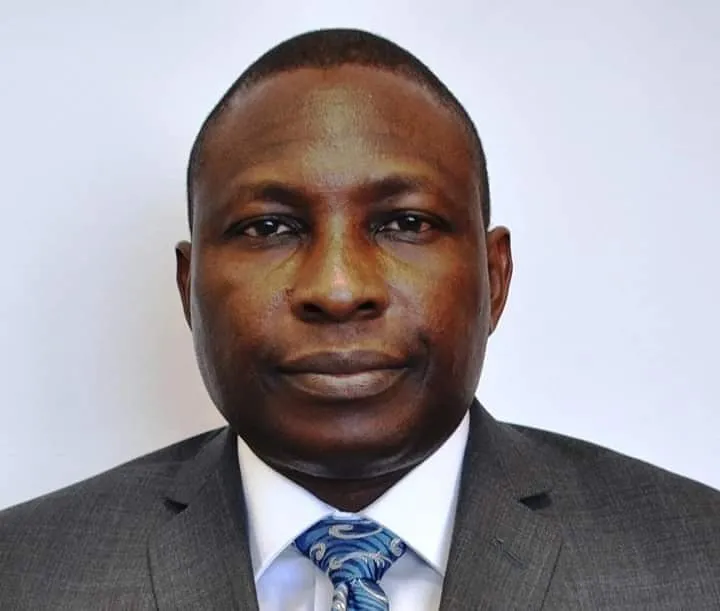
A Federal High Court sitting in Abuja has issued a formal warning to the Chairman of the Economic and Financial Crimes Commission (EFCC) over his alleged failure to comply with a judgment ordering the release of 27 properties earlier seized by the commission. The warning was conveyed through a Form 48, issued on Tuesday by the court registrar and personally addressed to the EFCC Chairman. The notice was sighted on Wednesday. In the notice, the court cautioned that failure to obey its ruling delivered on October 31, 2025, could expose the EFCC chairman to contempt proceedings. The judgment had directed the immediate release of the property documents to the lawful owners after the court found that the assets were wrongfully seized on the presumption that they were acquired with proceeds of crime. The Form 48 stated in part that despite being served with the court order, the EFCC had allegedly refused to release the documents as of December 2, 2025, thereby violating the lawful directive of the court. The notice warned that continued disobedience would amount to contempt. The 27 properties were initially placed under an interim forfeiture order obtained by the EFCC on March 13, 2025. The court had directed the commission to publicise the forfeiture order within 14 days for interested parties to show cause why the assets should not be permanently forfeited to the Federal Government. Following the publication, James Ikechukwu Okwete and his company, Jamec West African Limited, claimed ownership of 26 of the properties, while Adebukunola Iyabode Oladapo laid claim to one property located at No. 12, Fandriana Close, Wuse 2, Abuja. The claimants subsequently challenged the EFCC’s bid for final forfeiture. In her ruling on October 31, Justice Joyce Abdulmalik upheld the objections, dismissed the EFCC’s application for final forfeiture, vacated the interim forfeiture order, and directed the immediate release of the properties to their respective owners. The judge held that the affidavit presented by Okwete successfully established ownership of the contested assets. She also ruled in favour of Oladapo, noting that the EFCC raised no objection to her claim over the Wuse 2 property. Consequently, the court set aside the forfeiture order in its entirety and declared the EFCC’s application for final forfeiture spent. Meanwhile, counsel to Okwete and Jamec West African Limited, Serekowei Larry (SAN), has formally written to the EFCC chairman, accusing the commission of deliberately ignoring the court’s judgment. In a letter dated November 27, 2025, the senior lawyer stated that the judgment was served on the EFCC on November 14, but no action had been taken to comply. He further revealed that officials of the court’s Enforcement Unit visited the EFCC on November 26 to enforce the judgment, but were allegedly denied the release of the property documents. Larry described the refusal as a direct violation of the court order, stressing that openly disobeying court judgments undermines the principles of democracy and the rule of law. He added that his clients expected the commission to comply promptly before taking further legal steps.  

BOI-1280x852.webp

3min5570
The Bank of Industry (BOI) has announced that it disbursed over N1.27 trillion to businesses across 14 key sectors of the economy in 2024, supporting more than 900,000 jobs nationwide, both directly and indirectly. BOI’s Managing Director/CEO, Dr. Olasupo Olusi, disclosed this during Day 2 of the 10th Nigeria Energy Forum (NEF), held virtually in Lagos. Olusi was represented by Ms. Mabel Ndagi, BOI’s Executive Director for Public Sector and Intervention Programmes. Olusi highlighted that the bank’s interventions continue to play a crucial role in Nigeria’s industrial development, enabling businesses of all sizes to expand production, enhance value addition, and generate employment. Speaking on the implementation of the N200 billion Federal Government MSME Intervention Fund, managed by BOI, Olusi explained that the initiative provides affordable financing to small businesses through three components: N50 billion Presidential Conditional Grant Scheme (PCGS), N75 billion MSME Intervention Fund, and N75 billion Manufacturing Sector Fund. He added that the bank is increasing investments in green finance, circular economy initiatives, renewable energy integration, energy efficiency, and low-carbon industrial processes. According to Ndagi, BOI’s strategy demonstrates its leadership in financing renewable energy infrastructure, clean manufacturing, and climate-smart industrial practices. At the forum, All On, an impact investment company, also showcased efforts to promote clean energy innovation through the Tertiary Institutions Energy Innovation Challenge (TIEC 3.0). Ms. Jadesola Rawa, Senior Associate, Grants Management at All On, said the initiative, co-created with NEF, aims to accelerate student-led energy innovations for underserved communities. Mrs. Bamise Olanrewaju, NEF Director of Innovation, noted that winners of the challenge — Green Preserve (Cross River State University), AI Hybrid Agro Dryer (University of Lagos), and Keytric (University of Port Harcourt) — have made progress in product development, community engagement, and business structuring following mentorship support.

United-States-Citizenship-and-Immigration-Services-1021x580-2.webp

3min5360
Somali community and other immigrant groups, emphasizing that local The US government has suspended immigration applications for citizens of 19 countries, including Afghanistan, Yemen, and Haiti, according to an official memorandum issued Tuesday, marking a further tightening of the nation’s migration policies. The pause affects green card and citizenship processing for people from nations already subject to travel restrictions announced in June by President Donald Trump. Other countries on the list include Venezuela, Sudan, and Somalia. Senior US officials have indicated in recent days that immigration restrictions will be significantly tightened, following the shooting of two National Guard soldiers last week, which left one dead. The main suspect in the attack, an Afghan national, entered the United States during mass evacuations as foreign forces withdrew from Afghanistan in 2021. He pleaded not guilty to murder charges on Tuesday. The memorandum highlighted the role of the US Citizenship and Immigration Services (USCIS) in ensuring that immigrants are properly screened and vetted to protect public safety. It cited the recent attack as evidence of the consequences of insufficient screening and prioritization of expedient adjudications. President Trump, who campaigned on a promise to deport millions of undocumented migrants, stated on November 26 that he intended to “permanently pause migration from all Third World countries to allow the US system to fully recover.” US Homeland Security Secretary Kristi Noem also recommended expanding the list of countries under the June travel restrictions, calling for a comprehensive travel ban on nations she claims have contributed to security risks, without specifying all countries. Existing restrictions already cover Burundi, Chad, Republic of Congo, Cuba, Equatorial Guinea, Eritrea, Iran, Laos, Libya, Myanmar, Sierra Leone, Togo, and Turkmenistan. Meanwhile, US media reported that federal authorities plan to launch a major immigration enforcement operation in Minnesota targeting Somali immigrants, prompting resistance from local leaders. Minneapolis Mayor Jacob Frey reaffirmed the city’s commitment to the authorities would not cooperate with any operations that violate the city’s values.