Blog - Edupreneur Select

Bring to the table win-win survival strategies to ensure proactive domination. At the end of the day, going forward, a new normal that has evolved from generation.
cbnnnm.jpg

3min5260
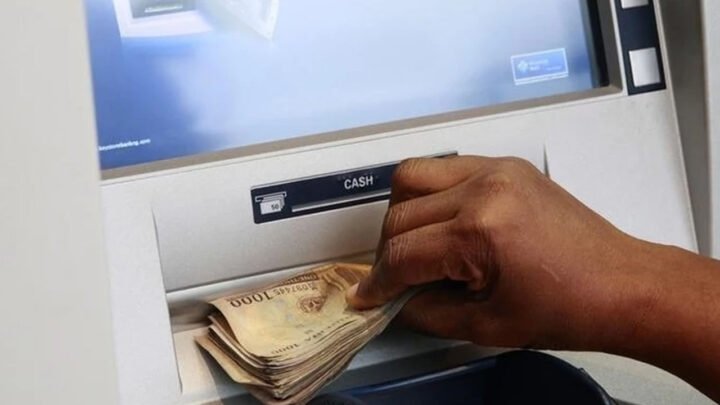
The Central Bank of Nigeria (CBN) has removed limits on cash deposits and raised the weekly cash withdrawal threshold across all channels to N500,000, up from N100,000. The changes were detailed in a circular to all banks titled “Revised Cash-Related Policies,” signed by Dr. Rita Sike, Director of the Financial Policy & Regulation Department. According to the CBN, the updates aim to reduce the rising cost of cash management, enhance security, and mitigate money laundering risks linked to Nigeria’s heavy reliance on cash. The bank explained that previous cash-related policies were designed to encourage electronic payments and reduce cash usage, but evolving realities made it necessary to revise and streamline these provisions. Effective January 1, 2026, the circular introduces key adjustments: the cumulative deposit limit has been removed, and fees previously applied to excess deposits will no longer be charged. The weekly withdrawal limit across all channels has been increased to N500,000 for individuals and N5 million for corporate customers. Withdrawals above these limits will incur excess withdrawal charges as outlined in the circular. The special monthly authorisation allowing individuals to withdraw N5 million and corporates N10 million once a month has been discontinued. For Automated Teller Machines (ATMs), daily withdrawals remain capped at N100,000 per customer, with a maximum weekly limit of N500,000, which counts toward the overall weekly withdrawal ceiling, including point-of-sale (POS) transactions. Excess withdrawals beyond the set limits will attract charges of 3% for individuals and 5% for corporate accounts, shared between the CBN (40%) and the operating bank or financial institution (60%). Banks are also required to load all currency denominations into ATMs, while the existing N100,000 cap on over-the-counter encashment of third-party cheques remains in place and will count toward the cumulative weekly limit. Additionally, banks must submit monthly reports to relevant supervisory departments, including the Banking Supervision, Other Financial Institutions Supervision, and Payments System Supervision departments. The CBN clarified that accounts of federal, state, and local governments, as well as those of microfinance banks and primary mortgage banks held with commercial or non-interest banks, are exempt from the new withdrawal and excess-fee rules. However, the long-standing exemption previously extended to embassies, diplomatic missions, and aid-donor agencies has been removed.

Tech & Tools Desk3 December 2025
JAILED-PERSONS.jpg

3min4260
A South African court has sentenced Nigerian national Victor Udoh and his South African accomplice, Vuyisekha Mzwakhe, to a combined 37 years in prison after finding them guilty of drug-related offences and other violations. The Oudtshoorn Regional Court handed Udoh, 33, a 22-year sentence — 20 years for drug trafficking and two years for immigration offences. Mzwakhe received a 15-year term for her role as a courier in the operation. Court documents reveal that the case began in 2021 when Mzwakhe contacted Udoh through a social-media platform, offering to transport items between major South African cities. Prosecutors said she willingly acted as a drug courier and later received funds from Udoh to cover travel and accommodation. Investigators traced the arrangement to a guesthouse in George, where a parcel was delivered to the pair on October 15, 2021. Police intercepted a taxi transporting the suspects to Oudtshoorn, recovering a box containing 743 grams of methamphetamine, known locally as “tik,” with an estimated street value of R260,050. During the trial, state prosecutor Hyron Goulding described Udoh as the coordinator of the operation, while Mzwakhe acted as a willing participant. Both defendants pleaded not guilty — Mzwakhe denying knowledge of the parcel’s contents, and Udoh challenging the legality of the search — but the court ruled that officers had proper authorization and that the suspects had consented to the search. The court also noted that Udoh had been residing unlawfully in South Africa for over five years after his 2016 asylum application was rejected. Mzwakhe, initially released on bail, was rearrested for failing to appear in court, while Udoh remained in custody throughout the five-year trial. The National Prosecuting Authority hailed the ruling, saying it demonstrates the justice system’s commitment to tackling drug-related crimes, which are a major driver of violence and community destabilisation. The sentencing comes amid increased scrutiny of transnational drug networks operating across Africa and Asia. Authorities in India recently announced the arrest of 50 Nigerian nationals in a large-scale operation targeting an international narcotics distribution network.  

James Obasi3 December 2025
trump-adm-1280x720.avif

2min1920
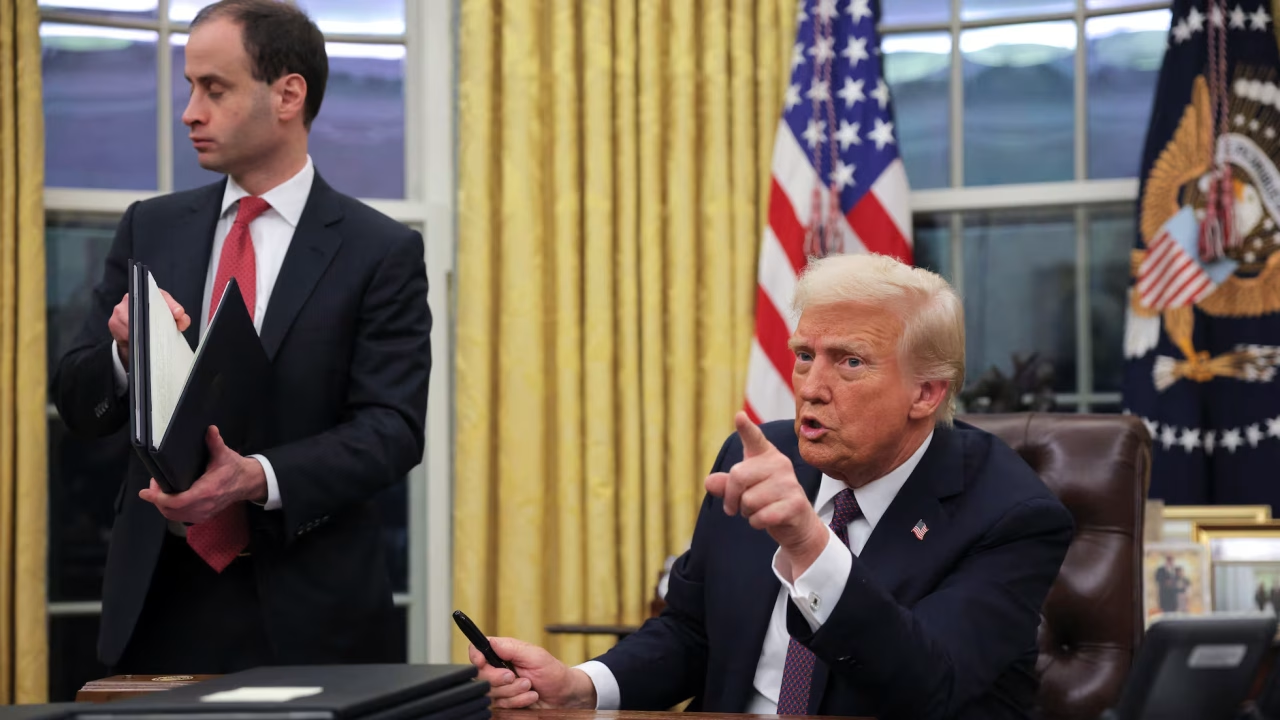
The U.S. Department of Justice has dismissed eight immigration judges in New York City, the National Association of Immigration Judges (NAIJ) confirmed on Tuesday, amid heightened tensions as the Trump administration intensifies efforts against undocumented migrants. All eight judges were based at 26 Federal Plaza in Manhattan, which houses courts handling cases of migrants seeking to regularize their status. For months, masked federal officers have patrolled the hallways of the Jacob K. Javits Federal Building, sometimes arresting migrants as they leave hearings. Press coverage of these operations, including images of scuffles and family separations, has drawn international attention, making 26 Federal Plaza a focal point of the administration’s immigration crackdown. The reasons behind the dismissals remain unclear. Nationwide, roughly 90 immigration judges have been dismissed this year out of about 600, according to reports. Advocacy groups suggest the move may be intended to replace outgoing judges with appointees more aligned with the administration’s immigration policies. The dismissals follow a weekend incident in Manhattan, where several dozen people gathered to prevent a potential Immigration and Customs Enforcement (ICE) raid targeting street vendors. Several arrests were made during the event. New York City, which designates itself as a sanctuary city, limits cooperation between local authorities and federal immigration enforcement, though it does not block federal operations entirely.

law-maker-us.jpg

4min2120
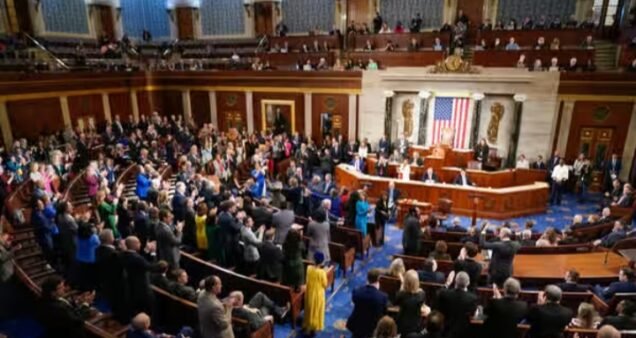
United States lawmakers were on Tuesday urged to pressure the Nigerian government to abolish Sharia law in the 12 northern states where it is currently practised and to dismantle the Hisbah religious-enforcement bodies, amid concerns that both systems are fuelling rising persecution against Christians. At a joint congressional briefing hosted by the House Appropriations Committee and the House Foreign Affairs Committee, Dr. Ebenezer Obadare, Senior Fellow for Africa Studies at the Council on Foreign Relations, warned that extremist groups are exploiting religious structures to expand violence and impunity. He told lawmakers that Boko Haram, the Islamic State West Africa Province (ISWAP), and radicalised Fulani militias “weaponise Sharia-based institutions and Hisbah operatives to advance extremist ideology, enforce forced conversions, and operate unchecked in many communities.” According to a statement from the Appropriations Committee, Obadare outlined a two-step policy direction: “First, work with the Nigerian military to neutralise Boko Haram. Second, the United States should encourage President Tinubu to make Sharia law unconstitutional in the twelve northern states where it has been in force since 2000 and to disband the various Hisbah groups attempting to impose Islamic law on all citizens regardless of their faith.” Obadare noted that the Nigerian government has shown some responsiveness to international pressure, citing recent air strikes on Boko Haram camps, the recruitment of 30,000 additional police officers, and President Bola Tinubu’s declaration of a national security emergency. “As recent events have shown, the Nigerian authorities are not impervious to incentives,” he said, emphasising that “Washington must keep up the pressure.” The bipartisan hearing, chaired by Appropriations Vice Chair Mario Díaz-Balart (R-FL), included testimony alleging state involvement in what some lawmakers described as “religious cleansing” in northern Nigeria and the Middle Belt. Witnesses highlighted recent incidents such as the November kidnapping of pupils and teachers from St. Mary’s Catholic School in Niger State, along with ongoing blasphemy prosecutions and widespread attacks. Stressing the core of the crisis, Obadare argued that “the deadliest and most serious threat confronting the Nigerian state today is jihadist terror,” insisting that any meaningful solution must centre on dismantling Boko Haram’s operational strength. “Every proposal to solve the Nigerian crisis that does not take seriously the need to radically degrade and ultimately eliminate Boko Haram as a fighting force is a non-starter,” he said.

Lekki-Epe-expressway.jpg

3min4380
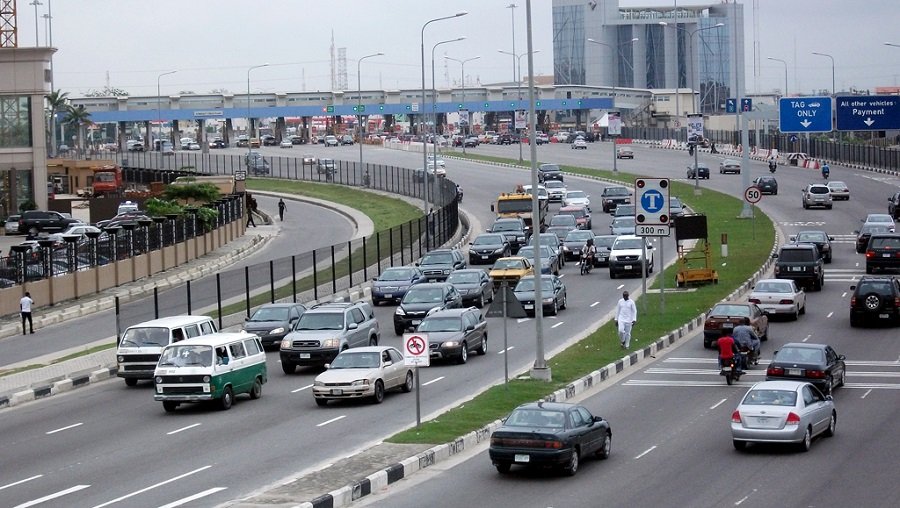
The Lagos State Government has instructed contractors working on the Eti-Osa/Lekki/Epe Expressway to leave the construction site on Thursday, December 4, 2025, and resume rehabilitation activities in January 2026. The directive is aimed at ensuring free traffic flow throughout the festive season. The suspension affects the stretch between Admiralty Way Junction and the Jubilee Bridge in Ajah, all within the Eti-Osa Local Government Area. The Commissioner for Transportation, Oluwaseun Osiyemi, disclosed this on Tuesday during an inspection of the project site. He was accompanied by the Special Adviser on Infrastructure, Engr. Olufemi Daramola, officials of the Lagos State Traffic Management Authority, and the project contractor, CRCC. Osiyemi explained that the temporary halt is necessary to reduce traffic congestion and allow uninterrupted vehicular movement during the Christmas and New Year period. In a related development, the state government has finalised plans to begin regulated bus operations on the Lekki–Epe corridor starting December 8, 2025. The first phase of the Lekki–Epe Bus Reform Scheme will deploy 229 high- and medium-capacity buses. According to the Lagos Metropolitan Area Transport Authority (LAMATA), which announced the launch on Tuesday via its official X handle, the new system will introduce structured, government-supervised bus services along key routes such as Ajah–CMS/Marina, Ajah–Obalende, Ajah–Oshodi, Ajah–Berger, and Ajah–Iyana Ipaja. One operator will handle express services, while others will run stage-by-stage routes to ensure wide commuter coverage. All buses will carry Lagos’ blue-and-white colours and be equipped with QR-enabled PTCS verification stickers, unique identification numbers, and Touch and Pay (TAP) systems for convenient cashless payments. LAMATA noted that the initiative aims to elevate safety, comfort, and operational discipline on the corridor, thereby offering commuters a more dependable and secure transportation experience. The rollout in this first phase will later be extended to Epe.  

masqurat-1280x640.webp

3min1360
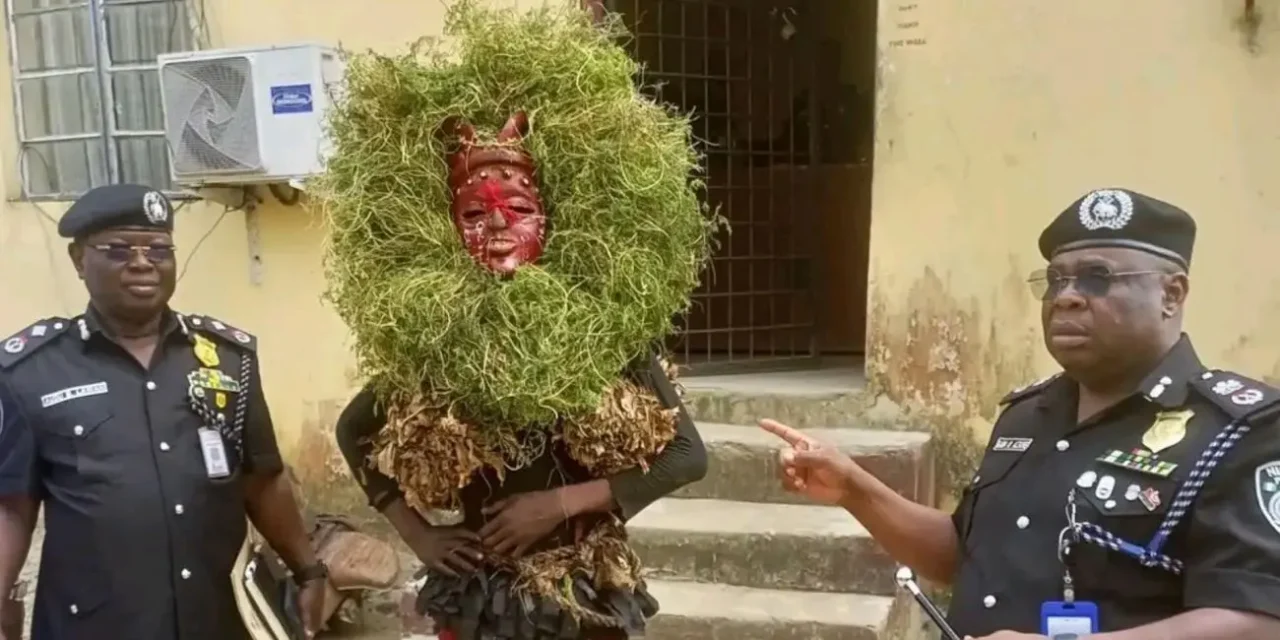
Akwa Ibom State Governor, Umo Eno, has signed an Executive Order prohibiting masquerade displays on streets and major highways across the state. The decision comes in response to increasing cases of harassment, extortion, and public disturbances attributed to masquerade activities in various communities. In a statement released on Wednesday, the governor—who first announced the ban last week—reiterated the directive while formally signing the order at Government House, Uyo, on Tuesday. He instructed the Commissioner of Police and all security agencies to ensure strict enforcement. “By the authority vested in me as Governor of Akwa Ibom State, I am directing that anyone caught will be arrested and prosecuted. These activities have caused havoc in some local government areas,” he said. “As the chief security officer of the state, I am mandating the police and other security agencies to arrest and prosecute offenders. This must stop terrorising residents and allow people to live in peace.” Governor Eno noted that although he respects cultural traditions, no practice should endanger lives or violate citizens’ rights. He recalled several troubling incidents, including a recent case where a young woman was stripped and flogged by masquerades. He added, “Culture is important, but it must not harm others. Everyone has rights that must be protected.” The governor explained that a 2022 law already requires police approval for such displays and emphasised that any masquerade celebrations must now be confined to village squares. “If you want to showcase masquerades, do it in your village square—not on the streets of Akwa Ibom. Public peace and order must be maintained,” he said. He urged residents to familiarise themselves with the new directive and warned against using cultural activities as a cover for disorder. He also encouraged support for tourism-friendly initiatives aligned with his administration’s ARISE Agenda, especially as visitor numbers are expected to rise during the festive season. “We are working to make our state a tourist destination. We must not create fear or give the impression that chaos is acceptable. This order is to restore peace and protect the public,” he added. Earlier, the Commissioner of Police, Baba Azare, praised the governor’s decision, calling it both timely and necessary. He said the order empowers security agencies to tackle violence, intimidation, and obstruction linked to masquerade activities across all 31 local government areas. He assured that enforcement has already begun, with clear instructions issued to area commanders and tactical units to ensure full state-wide compliance.

Tech & Tools Desk3 December 2025
northern-governors-750x375-1.webp

4min1740
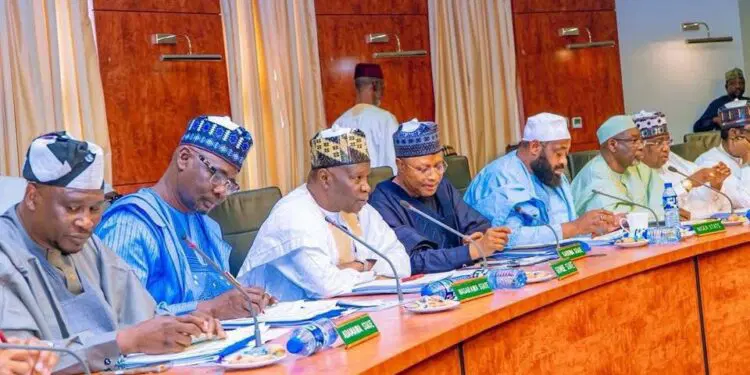
Northern governors have reiterated their commitment to prioritising the first 2,000 days of a child’s life, stressing that early investment is essential for peace, productivity, and long-term economic progress in the region. Their commitment followed a briefing by World Bank officials to the Northern Governors Forum, which reviewed strategies to improve the North’s “concerning childhood development indicators.” The World Bank’s Team Lead for Stunting and Early Years, Dr. Ritgak Tilley-Gyado, told the forum that Nigeria cannot build a competitive workforce or safeguard its economic future without confronting stunting, malnutrition, weak early learning foundations, and poor caregiving systems. She highlighted the urgent need for early stimulation, foundational education, and family empowerment to improve caregiving and expand women’s participation. “Investing in the first 2,000 days is not just about individual progress — it is an economic, social, and stability imperative,” she said. “This period is globally recognised as the cornerstone for brain development, nutrition, learning, and overall wellbeing.” Responding, Gombe State Governor and Chairman of the Forum, Inuwa Yahaya, described early childhood investment as “the most critical investment for ensuring peace, productivity, and a stronger northern economy.” He warned that the region “cannot afford to lose another generation” and emphasised the need for early years programmes tailored to local realities and frontline workers. Other governors shared similar views. Jigawa State Governor Umar Namadi pointed to the connection between poverty and poor childhood outcomes and praised the World Bank’s results-based financing approach. Niger State Governor Umaru Bago highlighted the importance of micronutrients and locally produced fortified foods. Plateau State Governor Caleb Mutfwang acknowledged the complexity of multisectoral reforms and pledged to strengthen evidence-based implementation. Zamfara State Governor Dauda Lawal added that although many challenges were inherited, the North now has “a genuine opportunity to change the narrative” through targeted early years investments. Earlier, the World Bank Country Director for Nigeria, Dr. Mathew Verghis, emphasised that state governments carry the biggest responsibility for delivery and must help shape a unified but locally driven early years agenda. He noted that improving outcomes requires collaboration across sectors such as health, nutrition, education, WASH, women’s empowerment, agriculture, food systems, and social protection. Verghis added that the process will be guided by evidence to ensure a nationally aligned and state-responsive platform rooted in local needs.

James Obasi3 December 2025
aso-rockk.webp

8min3730
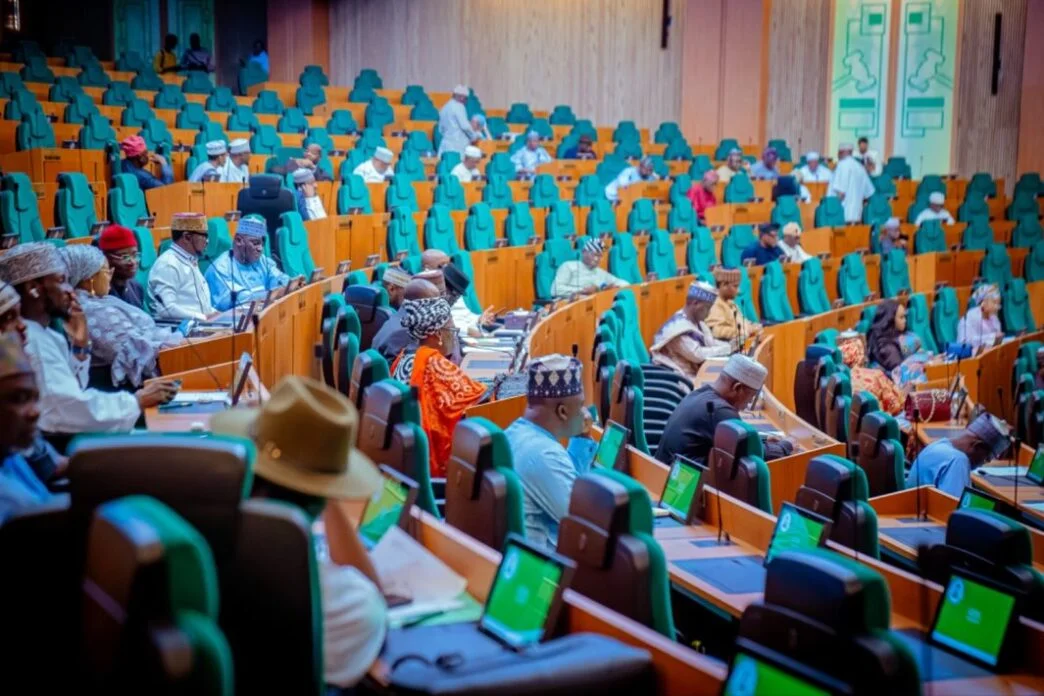
Committees of the United States Congress held a joint briefing on Tuesday in Washington, D.C., focusing on the continued kidnappings and reported persecution of Christians in Nigeria. The session followed President Donald Trump’s October 31 directive instructing the House Appropriations Committee to investigate what he described as the widespread killing of Christians in Nigeria and submit a report to the White House. In a related development, the Nigerian House of Representatives is scheduled to debate the nation’s security challenges on Wednesday (today). The congressional meeting, led by House Appropriations Vice Chair and National Security Subcommittee Chairman Mario Díaz-Balart, brought together members of the Appropriations and Foreign Affairs Committees alongside religious freedom experts. Attendees included Representatives Robert Aderholt, Riley Moore, Brian Mast, Chris Smith, USCIRF Chair Vicky Hartzler, Alliance Defending Freedom International’s Sean Nelson, and Dr. Ebenezer Obadare of the Council on Foreign Relations. Díaz-Balart opened the briefing by stressing that global religious freedom is “both a moral obligation and an essential American interest,” adding that no one should fear violence because of their faith. He reaffirmed his commitment to advancing policies that protect religious liberty and highlighted provisions already included in his FY26 funding bill. Aderholt described the situation in Nigeria as “a crisis that can’t be ignored,” emphasising the need for firm support for persecuted Christian communities. Moore linked the meeting to the administration’s recent redesignation of Nigeria as a Country of Particular Concern, warning that the world can no longer overlook the persecution of Christians. Mast framed the violence as a deliberate campaign of religious cleansing carried out by extremist groups seeking to drive Christians from their ancestral lands. He urged Nigerian authorities to disarm militias, resettle displaced families, and prosecute offenders. He also criticised what he described as authorities’ attempts to downplay the religious motivations behind the attacks, including the enforcement of blasphemy laws in some states. Obadare identified Boko Haram as the primary force behind the violence, calling jihadist extremism the most serious threat to Nigeria. He noted recent Nigerian military actions driven by renewed US pressure but called on Washington to sustain its leverage. He argued that US policy should focus on helping Nigeria defeat Boko Haram and pressuring President Tinubu to make Sharia law unconstitutional in states where it operates. Committee officials confirmed that a comprehensive report will be sent to President Trump with recommendations for addressing religious persecution in Nigeria and other regions. The briefing came amid deepening US–Nigeria security cooperation. President Bola Tinubu recently approved Nigeria’s delegation to the newly established US–Nigeria Joint Working Group, created to bolster counterterrorism operations, intelligence sharing, border protection, and civilian security coordination. At the session, House Foreign Affairs Africa Subcommittee Chairman Smith described Nigeria as “the ground zero of religious violence,” stating that Christians and moderate Muslims face constant danger. He criticised Nigerian authorities for what he called a culture of impunity. Expert witnesses highlighted ongoing kidnappings, forced conversions, and deadly attacks affecting multiple religious communities. Hartzler referenced recent abductions of schoolchildren and said religious freedom in Nigeria has worsened in 2025, urging stronger accountability from Nigerian authorities and improved use of US security assistance. Nelson recounted testimonies from Christian communities facing kidnappings and violence. On November 20, the US House Subcommittee on Africa held a public hearing to review Trump’s redesignation of Nigeria as a Country of Particular Concern—an action that could eventually result in sanctions for officials implicated in religious persecution. Meanwhile, Nigeria’s House of Representatives is expected to begin a debate on national security today. Deputy Speaker Benjamin Kalu announced this during Tuesday’s plenary. Bauchi lawmaker Mansur Soro also confirmed that the report on the state police bill will be presented this month. He noted that state assemblies have been asked to contribute to ongoing constitutional amendment proposals, including state policing, women’s reserved seats, fiscal federalism, and power devolution. Soro added that the state police bill has been adopted by the joint constitution review committees of both chambers. Once approved by two-thirds of state assemblies, it will be forwarded to the President for assent. Esan West/Esan Central/Igueben legislator Marcus Onobun reiterated his support for state policing, describing it as a national necessity due to evolving localised insecurity. He argued that state police would empower governors to address security challenges more effectively, provided that proper safeguards and oversight are in place. Public Accounts Committee Chairman Bamidele Salam also expressed support for state and local policing structures. Separately, President Tinubu met with Service Chiefs and heads of security agencies on Tuesday at the Presidential Villa in Abuja. The meeting came hours after he nominated former Chief of Defence Staff Gen. Christopher Musa (retd.) as Minister of Defence following the resignation of Abubakar Badaru. Senior military and security officials, including the heads of the Army, Air Force, Navy, Defence Intelligence, DSS, and Police, attended the briefing. Last week, Tinubu declared a nationwide security emergency after a surge in abductions, announcing measures such as recruiting 20,000 new police officers, deploying forest guards, and strengthening security in vulnerable religious institutions and schools. Abia State Governor Alex Otti was also seen arriving at the Presidential Villa, though it was unclear whether his visit was connected to the security meeting.


Dangote-Refinery.jpg

4min1310
Aliko Dangote, President and Chief Executive of Dangote Industries Limited, has criticised the crude supply practices of international oil companies, insisting that Nigeria has no reason to import crude or refined petroleum products if existing laws are properly enforced. During a visit by the South South Development Commission (SSDC) to the Dangote Petroleum Refinery and Fertiliser Complex in Lagos, Dangote highlighted that the Petroleum Industry Act (PIA) already sets a framework prioritising domestic crude supply. However, he noted that some operators exploit loopholes, undermining the law’s intent. He explained that many oil companies routinely divert Nigerian crude to their trading subsidiaries abroad, especially in Switzerland, forcing local refineries to buy from these subsidiaries at a premium of four to five dollars per barrel. “The crude is available; it’s not a shortage issue. But the companies divert everything to their trading arms, and we are forced to buy at higher prices, while we don’t benefit from any premium on our own products,” Dangote said. He revealed that he has formally written to the Federal Government, urging that royalties and taxes be calculated based on the actual price paid for crude, to prevent revenue losses and discourage practices that disadvantage local refiners. Dangote noted that NNPC remains the main supplier fulfilling domestic supply obligations, providing five to six cargoes per month, while the refinery needs up to twenty cargoes monthly from January to operate at full capacity. Describing the situation as “unsustainable for a country seeking genuine industrial growth,” he argued that Africa’s economic future depends on value addition rather than continuous raw material export. “It is alarming that while we exported 1.5 million tonnes of gasoline in June and July, imported products were still flooding the country. That is dumping,” he said. Responding to a report by the Nigerian Midstream and Downstream Petroleum Regulatory Authority (NMDPRA) showing the refinery supplied only 17.08 million litres of the 56.74 million litres consumed in October 2025, Dangote stated that the refinery exports its products when regulators allow such dumping. He pledged that the refinery would supply 50 million litres of petrol daily during the Yuletide season, with a total of 1.5 billion litres planned for December 2025 and another 1.5 billion litres for January 2026. Dangote praised President Bola Tinubu’s Nigeria First Policy but emphasised the need for legislative support to strengthen its impact. He said the president is committed to positioning Nigeria as a leader in Africa’s shift from raw material export to value-added production, job creation, and sustainable economic growth. He added that the company’s expansion strategy aligns with Africa’s rising demand for petroleum products, estimated at around four million barrels per day, while regional refining capacity remains below 1.5 million barrels. Addressing Nigeria’s ambition to achieve a one-trillion-dollar economy, Dangote said the goal is achievable through disciplined policy implementation, improved power generation, and revitalisation of the steel sector.

Adeleke-Osun-Governor-4-1045x696-1-601x400-1.png

2min1600
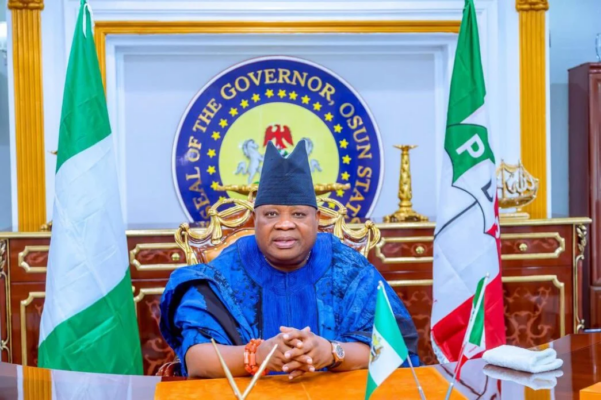
Less than 24 hours before the Peoples Democratic Party (PDP) governorship primary election, Governor Ademola Adeleke has resigned his membership from the party. The PDP Chairman in Osun State, Mr. Sunday Bisi, had earlier disclosed on Monday that the party would not hold the primary election on Tuesday as scheduled due to internal factional disputes. He also noted that Governor Adeleke was no longer interested in seeking the party’s nomination amid the crisis. However, a statement from the party’s national secretariat confirmed that the primary would proceed on Tuesday at the Atlantic Multipurpose Hall in the state capital. Meanwhile, a letter from Governor Adeleke, dated November 4, 2025, which surfaced on Monday evening, officially confirmed his resignation from the party. Addressed to the party Chairmen of Sagba Ward 2 in Ede, the letter cited the ongoing crisis within the PDP’s national leadership as the reason for his decision. Titled “Resignation of my Membership of the People’s Democratic Party (PDP),” the letter read:“Due to the current crisis of the national leadership of the People’s Democratic Party (PDP), I hereby resign my membership of the party with immediate effect. I thank the PDP for the opportunities given to me for my elections as a Senator representing Osun West and as Governor of Osun State under the party.”