Blog - Edupreneur Select

Bring to the table win-win survival strategies to ensure proactive domination. At the end of the day, going forward, a new normal that has evolved from generation.
uslamake4s.jpg

2min3980
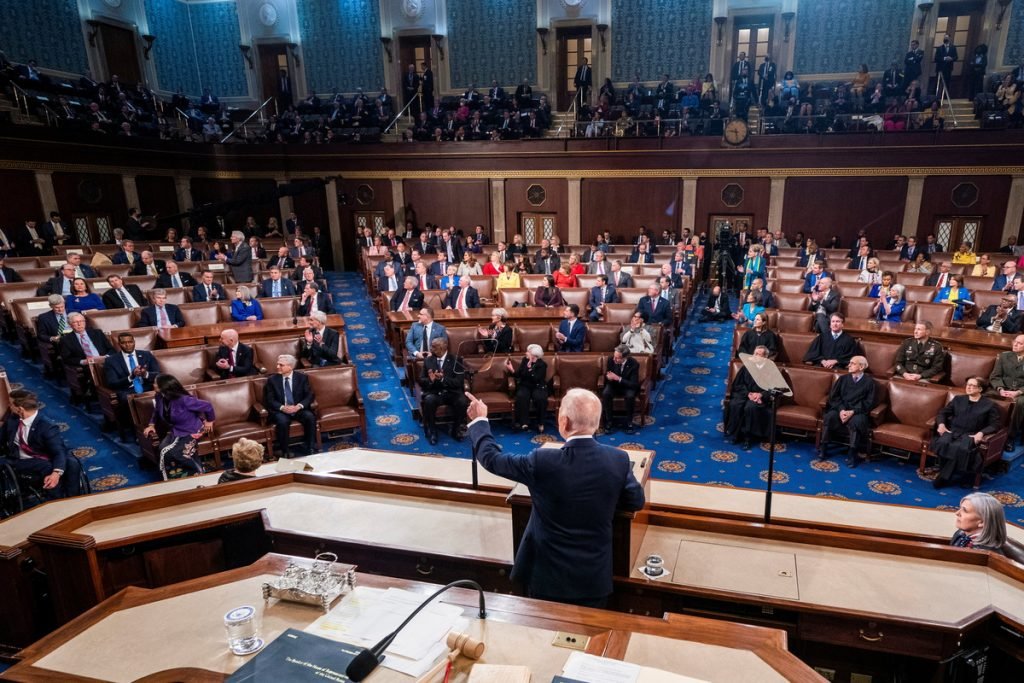
The United States House Appropriations Committee will host a joint congressional briefing on Tuesday to address the growing reports of violence and persecution against Christians in Nigeria, officials said. US Congressman Riley Moore shared that House Appropriations Committee Vice Chair and National Security Subcommittee Chairman Mario Díaz-Balart will lead the session, joined by members of the Appropriations, Foreign Affairs, and Financial Services Committees. Representatives from the US Commission on International Religious Freedom and other subject-matter experts are also scheduled to participate. The briefing aims to “highlight the escalating violence and targeted attacks on Christians in Nigeria” and collect testimony for a comprehensive report on the issue. The report will guide US legislative and executive actions to support vulnerable faith communities worldwide. Committee officials noted that the roundtable will provide lawmakers with crucial information about the challenges facing religious minorities in Nigeria and help shape informed policy decisions. The briefing coincides with strengthened security cooperation between the US and Nigeria. President Bola Tinubu recently approved Nigeria’s delegation to the new US–Nigeria Joint Working Group, which was established to implement security agreements following high-level talks in Washington led by National Security Adviser Nuhu Ribadu. The Joint Working Group, comprising senior ministers and security officials, focuses on counterterrorism, intelligence sharing, border security, and coordination on humanitarian and civilian protection measures. This initiative comes amid growing concerns over terrorism, banditry, and targeted attacks on Christian communities in Nigeria, prompting closer US monitoring and calls for enhanced measures to safeguard vulnerable groups.

Tech & Tools Desk2 December 2025
Vaccines-mpox.jpeg

6min6490
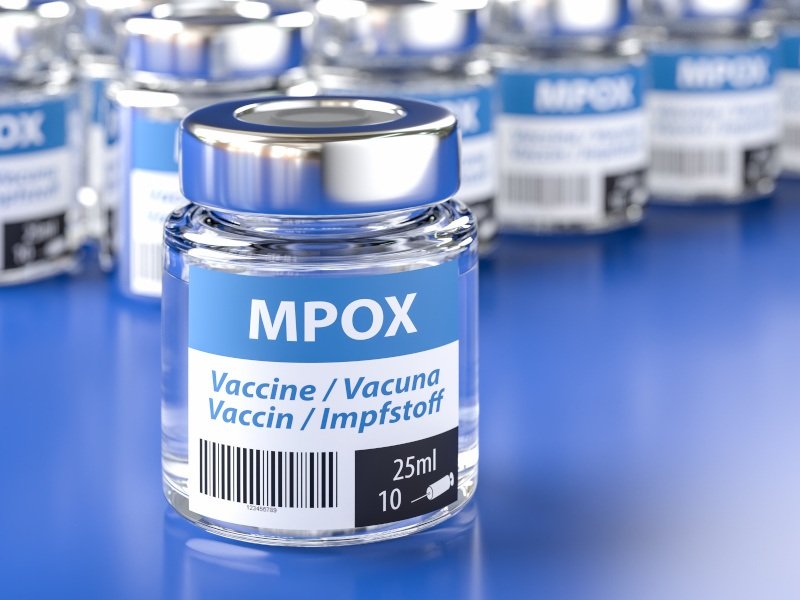
Health experts have raised concerns that Mpox, a viral disease that affects both humans and animals, continues to circulate in Nigeria, presenting an ongoing public health challenge. Despite progress made in controlling the disease, Nigeria still faces limited access to vaccines for high-risk populations, poor public awareness, misconceptions, stigma, and gaps in healthcare accessibility. The warnings were issued during a webinar titled, “Mpox Resurgence in Nigeria: Efforts, Challenges and Recommendations,” hosted by the CEO of Preventive Health Nigeria Advocacy Operations Ltd, Pharm Adekola Wojuola. According to the World Health Organization, Mpox—formerly known as monkeypox—can cause fever, headache, muscle aches, back pain, low energy, swollen lymph nodes, and a painful rash. Prof. Isaac Adewole, former Minister of Health and Senior Health Diplomacy and Policy Consultant at Africa CDC, stated that as of week 47 in 2025, Nigeria had recorded 1,623 suspected cases, 414 confirmed cases, and six deaths across 33 states. Only four states remain unconfirmed for Mpox. He noted that while no new deaths had been recorded in recent weeks, the disease continues to spread through close face-to-face contact, respiratory droplets, contact with contaminated objects, and can even occur during pregnancy or childbirth. Prof. Adewole emphasized that individuals without visible rashes can still transmit the virus. Characteristic symptoms include fever, skin rashes, and swollen lymph nodes, which may be mild or severe, particularly in children, pregnant individuals, and people with weakened immune systems, including those living with HIV, diabetes, or liver conditions. Lagos, Rivers, and Bayelsa have been identified by the Nigeria Centre for Disease Control (NCDC) as states requiring heightened vigilance. On prevention, Prof. Adewole stressed that there is currently no specific treatment for Mpox. Measures should focus on prevention, including avoiding close contact with infected persons, steering clear of animals that may carry the virus, proper protection for healthcare workers, frequent handwashing, and targeted vaccination for high-risk groups. He also highlighted the revised National Mpox Guidelines developed by the NCDC with WHO support, which include home-based care protocols allowing mild cases to be managed at home to reduce the burden on hospitals. Challenges remain due to limited resources, insufficient vaccines, stigma, and misinformation. Prof. Adewole called on government at all levels, non-governmental organizations, and other stakeholders to collaborate in addressing the outbreak. “Mpox is not over. It is still actively circulating in Nigeria. We need to improve vaccine distribution, raise awareness, combat misconceptions, and address underreporting due to stigma and limited access. No state is immune, and we must all act together,” he said. Dr. Sebastian Oiwoh, Consultant Physician, Dermatologist, and Venereologist at Irrua Specialist Teaching Hospital, noted that managing Mpox goes beyond healing lesions. Pigmentation changes, scarring, and psychological impacts may persist long after recovery. He highlighted both human-to-human and animal-to-human transmission, pointing to rope squirrels and sooty mangabey monkeys as possible virus carriers. Home-based care for mild cases requires a separate space and close linkage with primary healthcare providers. Dr. Oiwoh also warned that Mpox can affect the eyes, posing a risk of blindness if not treated properly. Proper lesion care, strong community engagement, vaccination advocacy, and inclusion of survivors in awareness campaigns are crucial to controlling the disease. Prof. Richard Adegbola, Microbiologist and Founder of RAMBICON Nigeria, emphasized that Mpox remains a global emergency, with Africa accounting for a significant share of the ongoing outbreak. While fatalities are manageable, they are higher in underserved areas, and pediatric cases are rising, mainly through household contact. He recommended integrated disease surveillance, expanded genomic sequencing, improved case management, and a national vaccination strategy targeting high-risk groups, including young children. Public education, trusted community influencers, and increased clinical trials in Africa were also highlighted as necessary measures. Prof. Adegbola urged sustained “one-health” approaches integrating human, animal, and environmental health to achieve effective control and support progress toward sustainable development goals. The webinar concluded that early diagnosis, proper lesion care, mental health support, and survivor-led advocacy are essential to reducing Mpox transmission and stigma in Nigeria.


James Obasi2 December 2025
Parents-PRT-must-eat-nutrients-Jordan-Provost-hero-055-2a412c23ec9a4168ba8f04675bd5a5aa-1280x853.jpg

6min2170
As children grow, their bodies and brains require a steady supply of the right nutrients to stay healthy, active, and sharp. Many parents often wonder what makes up a balanced diet that supports proper development. Nutrition experts recommend offering a variety of foods from all major food groups to ensure children receive the fuel they need. The United Nations Children’s Fund (UNICEF), in a 2023 nutrition report, emphasized that good nutrition is critical for early childhood development and provides children with the opportunity to reach their full potential. The report highlighted the importance of investing in essential areas during the first years of life to improve lifelong health, nutrition, and well-being. Prof. Wasiu Afolabi, former President of the Nutrition Society of Nigeria, advises parents to provide meals that supply adequate protein, vitamins, and essential minerals. Children need well-rounded nutrition to grow both mentally and physically, he explains. “Children require not just energy, but also protein, vitamins, and minerals,” Afolabi says, cautioning that poor dietary choices can hinder growth and overall development. He encourages parents to prioritise variety in meals. “If a particular food is costly, there are usually alternatives that provide the same nutrients. Combining affordable local foods can ensure children get all the essential nutrients they need,” he adds. Nutritionists stress that no single food provides all necessary nutrients at once. A colourful, diverse plate is the most effective approach. Specially formulated growing-up milk, such as Peak 456, also contains several essential nutrients in the right amounts to support healthy growth. Below are 10 essential nutrients every child needs: 1. ProteinProtein builds strong muscles, bones, and a healthy brain. Sources include lean meats, fish, eggs, beans, and nuts. 2. CarbohydratesCarbohydrates provide the energy children need to run, jump, and play. Whole grains like whole-wheat bread, brown rice, and sweet potatoes are excellent choices. 3. Healthy fatsHealthy fats help absorb vitamins, build brain cells, and keep children full. Examples include avocados, fatty fish such as salmon, and nuts (in moderation). 4. CalciumCalcium supports strong bones and teeth. Sources include dairy products like growing-up milk and cheese, as well as leafy greens like kale and broccoli. 5. IronIron is essential for red blood cells, which carry oxygen throughout the body. Adequate iron keeps children energized and focused. Sources include lean meats, beans, lentils, and fortified cereals. 6. Vitamin AVitamin A supports vision and strengthens the immune system. Foods rich in vitamin A include sweet potatoes, carrots, spinach, and broccoli. 7. Vitamin CVitamin C aids wound healing and immune function. Citrus fruits such as oranges and grapefruits, bell peppers, and strawberries are excellent sources. 8. Vitamin DVitamin D helps the body absorb calcium for strong bones. Sunlight exposure, fatty fish, and fortified milk are good sources. 9. FibreFibre promotes a healthy digestive system. Whole grains, fruits, and vegetables provide essential fibre for smooth digestion. 10. PotassiumPotassium helps regulate fluid balance and supports proper muscle function. Sources include bananas, potatoes, and leafy greens. By providing these key nutrients through a varied and balanced diet, parents can help their children grow strong, healthy, and ready to reach their full potential.

NIMR-fashola.jpg

5min3590
Former Lagos State governor and Chairman of the Board of Trustees of the Nigerian Institute of Medical Research (NIMR) Foundation, Babatunde Fashola, has urged the private sector and Nigerians to contribute funding to drive health innovations and medical research in Nigeria. Speaking at NIMR’s monthly media chat, Fashola emphasized that the country cannot rely solely on government allocations to finance medical research, stressing that private sector involvement is essential for the institute to fulfil its mandate. “For NIMR to achieve its objectives, the role of the private sector is crucial in mobilizing resources to complement government funding. The government cannot fund medical research alone,” he said. Fashola noted that while Nigeria possesses the intellectual capacity for cutting-edge research, financial support is lacking to meet global standards. He warned that without adequate attention, NIMR may struggle to compete with leading research institutes worldwide. He highlighted how well-funded research has historically transformed human health, citing inventions like eyeglasses and the discovery of penicillin as examples. “Eyeglasses exist because researchers dedicated time and resources to improving human welfare. Discoveries like penicillin significantly increased life expectancy. NIMR must be adequately funded to address Nigeria’s health needs,” he said. Fashola expressed concern about funding gaps that impede the development of homegrown solutions for diseases prevalent in Africa, such as diabetes, hypertension, and neglected tropical diseases. He revealed that the NIMR Foundation has mobilized N502 million for the institute—N352 million in donations and N150 million in grants—supporting four cycles of the Grantsmanship and Mentorship Training Programme (GMTP). So far, 120 researchers across Nigeria, including the Federal Capital Territory, have been trained, while 128 researchers, 40% of them women, have secured over $5.3 million in external grants. Fashola also announced the Foundation’s expansion into maternal and child health research, with plans to support doctoral and postdoctoral projects, fellowships, and other advanced scientific initiatives. He called for reforms to allow research funds to be kept in dedicated accounts to ensure uninterrupted project execution. “If Nigeria commits to stable funding and adopts accounting practices that do not disrupt research, the national research landscape will see significant improvement,” he said. In his remarks, NIMR Director-General, Prof. John Oladapo Obafunwa, acknowledged that the institute continues to face challenges with inadequate human resources and infrastructure. “Physical infrastructure can be addressed with funding, but building human capital requires sustained, long-term investment,” he said, emphasizing the importance of PhD and postdoctoral training, sabbaticals, and commissioned research. The Foundation’s Executive Secretary, Olajide Sobande, presented a four-year impact report (2021–2025), noting that assets had grown to N157 million as of September 30, 2025, despite not yet meeting the initial N10 billion fundraising target. He added that N295 million had been disbursed for research and training. Sobande also disclosed that the Foundation secured a £44,000 grant in 2025 to implement the GMTP without drawing from its principal fund, while 10 research groups are set to receive N25 million in primary research grants.

NESTLENigeria-bbby.jpg

3min2160
Nestlé Nigeria Plc has rejected claims by Swiss nongovernmental organisation Public Eye, which alleged that the company sells infant cereals in Africa with higher sugar content than in developed markets. The company said Public Eye has not provided the analysis supporting its claims, despite formal requests. Victoria Uwadoka, Nestlé’s Corporate Communications, Public Affairs and Sustainability Lead, disclosed this on Monday during a stakeholder engagement and facility tour at the company’s Agbara factory in Ogun State. The session included representatives from the Lagos State Consumer Protection Agency, the Ministry of Health, the Ministry of Agriculture, public health officials, and the media. Addressing the allegations, Uwadoka stressed that Nestlé’s Cerelac products contain no added sugar, with the sugar present coming naturally from the ingredients used. She noted that the sugar levels in the products are below the limits set by the global regulatory body, the Codex Alimentarius Commission. Uwadoka said, “The report claims there are added sugars, but the sugar content in all our cereals is below Codex standards. Our products meet or exceed all regulatory requirements, whether in Africa, Asia, or elsewhere. Codex standards are designed to protect health, and Nestlé ensures compliance globally.” She described the NGO’s report as “scientifically misleading,” arguing that it failed to account for naturally occurring sugars from grains and other ingredients. Nestlé has requested the details of Public Eye’s analysis but has yet to receive them. Uwadoka added that Nestlé is committed to offering products with zero sugar in Nigeria without compromising nutritional standards. Lucas Raheem, Director of Scientific Research and Development at LASCOPA, said the agency would only take action if the company breached existing regulations. The Codex Alimentarius and Nigeria’s Industrial Standards allow the inclusion of ingredients such as sucrose, fructose, glucose syrup, and honey in infant cereals, provided total added carbohydrates do not exceed 7.5 grams per 100 kilocalories, and added sucrose remains below 0.9 grams per kilocalorie.  

NAFDAC-Sachet-Alcohol-22.webp

3min1420
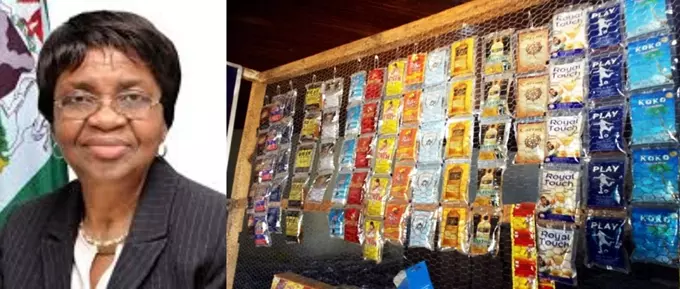
The Office of the Secretary to the Government of the Federation has requested a formal explanation from the Federal Ministry of Health regarding the planned December 31 enforcement of the ban on sachet alcoholic drinks and small PET bottle spirits by NAFDAC. The request came after renewed pressure from the National Assembly, which has repeatedly accused NAFDAC of moving ahead with the ban despite earlier legislative resolutions calling for a suspension. The demand for clarification was contained in a December 1 letter signed by the Permanent Secretary (General Services), Mohammed Danjuma, and addressed to the Coordinating Minister of Health and Social Welfare, Prof. Muhammad Pate, as well as the NAFDAC Director-General. Danjuma, writing on behalf of the SGF, Senator George Akume, referenced concerns raised by the House Committee on Food and Drugs Administration and Control, which noted that resolutions issued since 2024 had not been implemented. The committee’s letter dated November 13, 2025, triggered the call for an updated government stance. The Senate had earlier approved a December 31, 2025 deadline for the phase-out after a motion by Senator Asuquo Ekpenyong, who argued that the timeline aligned with global standards and was meant to reduce alcohol-related harm. He recalled that in 2018, the Health Ministry, FCCPC, NAFDAC and industry stakeholders signed a five-year agreement to discontinue sachet and mini-bottle alcohol due to rising youth addiction linked to low-cost, high-strength liquor. Manufacturers were granted an additional one-year moratorium in 2024 to clear existing stock, but some producers are now pushing for another extension. The House of Representatives had previously advised a suspension of the ban, citing unresolved stakeholder concerns. In its latest message, the House Committee insisted NAFDAC had not complied with the 2024 resolution and urged the Health Ministry to act accordingly. As the government awaits the ministry’s feedback, the SGF stressed the need for a “clear and informed position” before determining whether to proceed with or halt the December 2025 enforcement. With both the SGF and the National Assembly involved, the debate over the sachet alcohol ban is set to intensify as the deadline approaches.  

Tech & Tools Desk2 December 2025
Tinubu-1.webp

3min3580
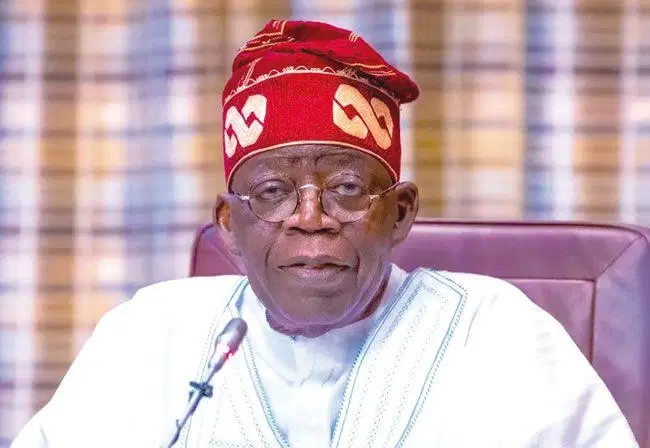
President Bola Tinubu is expected to announce a new Minister of Defence this week following the sudden resignation of Badaru Abubakar, who stepped down due to health concerns. Abubakar’s resignation, effective immediately, was formally communicated to the President in a letter dated December 1. The development was confirmed in a statement issued on Monday by Tinubu’s Special Adviser on Information and Strategy, Bayo Onanuga. According to the statement, the President has accepted Abubakar’s decision and expressed gratitude for his contributions. It also noted that Tinubu is likely to forward the name of a replacement to the Senate within the week, signalling that the selection process is already in motion. Abubakar, 63, previously served two terms as Governor of Jigawa State before his appointment as Defence Minister in August 2023. His departure comes at a critical time as the government is confronting escalating security challenges that recently led the President to declare a nationwide security emergency. The administration has rolled out new security measures, including plans to recruit 20,000 additional police officers, deploy forest guards, and strengthen protection for schools, churches, and mosques in high-risk areas. There had also been growing criticism from analysts who questioned Abubakar’s suitability for the role. Shortly before news of his resignation became public, President Tinubu held a private meeting at the State House with former Chief of Defence Staff, Gen. Christopher Musa (retd.). Musa, who retired on October 24, 2025, was seen arriving at about 7:03 p.m. before being escorted into the President’s office wing. Although the agenda of the meeting was not disclosed, it heightened speculation about potential candidates to replace Abubakar at the Ministry of Defence.

James Obasi2 December 2025
Doctors-1.jpeg

6min1350
The warning was issued in a communique released after an Extraordinary National Executive Council meeting held on Monday. The document was signed by NARD President Dr. Mohammad Suleiman, Secretary-General Dr. Shuaibu Ibrahim, and Publicity and Social Secretary Dr. Abdulmajid Ibrahim. According to the communique, the association suspended its 29-day strike on Saturday following the signing of a Memorandum of Understanding with the government, which requires full implementation of key agreements within four weeks. NARD stated that the suspension is strictly to allow time to monitor progress, stressing that any failure to meet the commitments would result in the immediate return to a “total, indefinite, and comprehensive strike.” The NEC reviewed the status of multiple agreements reached with the government. It noted that the Integrated Personnel Payroll and Information System has processed payments for the seven-month arrears of the 25–35 percent CONMESS review up to December 2023, with outstanding failed or omitted payments to be reconciled. On the 2024 accoutrement allowance, NARD reported that most payments have been made, but reconciliation for pending cases is still required. The association stated that the committee handling the case of the five disengaged resident doctors at the Federal Teaching Hospital, Lokoja, has submitted its report, with full reinstatement expected within two weeks from November 27, 2025. Regarding prolonged work and call hours, the NEC confirmed that an advisory discouraging excessive duties has been issued, and a taskforce is working on a formal duty-hour policy expected within two months. To address manpower shortages and burnout, the Minister of Health has directed the Office of the Head of the Civil Service of the Federation to conclude the one-to-one replacement process, with feedback due by November 28, 2025. On promotion arrears, the NEC said the list of affected doctors will be sent to the Budget Office and the Ministry of Finance within one month. For House Officers’ Scheme of Service exclusion, the National Salaries, Incomes and Wages Commission is expected to transmit necessary details to the Medical and Dental Council of Nigeria for implementation. The association added that the Ministry of Health is mandated to ensure universal application of CONMESS across all relevant MDAs, while a corrected circular on professional allowances has already been issued. It also emphasized that Chief Medical Directors must standardize locum engagements with a minimum six-month duration. The communique reported progress on specialist allowances for resident doctors following an OHCSF directive, and confirmed that the issue of downgrading entry level from CONMESS 3 to 2 has been resolved. NARD further highlighted delays in the Collective Bargaining Agreement process and urged the Ministries of Health, Labour, and Employment to speed up action. The association stressed the need for immediate settlement of outstanding salaries and arrears in several federal hospitals, including Otukpo, Owo, Ilorin, OAUTHC, and Uyo. It also called for urgent intervention in state teaching hospitals, particularly at the Benue State University Teaching Hospital. On special pension benefits under the NMA MoU, NARD said communication has been forwarded to the PENCOM DG ahead of committee deliberations. The NEC noted that the government has acknowledged the worsening state of health infrastructure and obsolete medical equipment, while other MoU issues are being addressed at various stages. The association resolved that the reinstatement of the five disengaged doctors in Lokoja must be completed within two weeks, while outstanding arrears, allowances, and related payments must be processed and paid within one month. It also directed its Central Taskforce Committee to finalize duty-hour and locum policy reforms within two months. NARD concluded that strict monitoring of compliance will continue throughout the four-week suspension period, warning that failure to fully implement all agreements will trigger a total and indefinite strike. It further noted that state and federal health institutions with unresolved issues should continue industrial action until credible commitments are made and all outstanding agreements are addressed.

children-risk.webp

3min2040
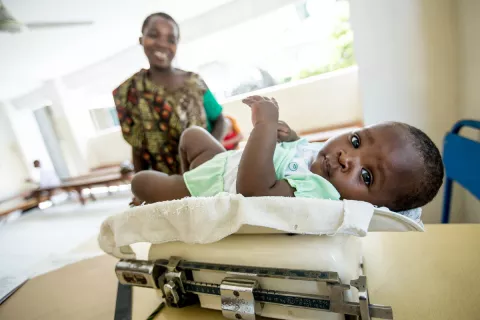
The United Nations Children’s Fund (UNICEF) has called on governments and partners to prioritise HIV services for mothers, children, and adolescents, warning that declining global funding is putting young lives at risk and could undo decades of progress. In a statement marking World AIDS Day 2025, UNICEF noted that children and adolescents living with HIV continue to face significant gaps in early diagnosis and access to antiretroviral treatment, which could worsen if investment in HIV programmes declines. World AIDS Day, observed annually on December 1, highlights the ongoing fight against HIV/AIDS, celebrates progress made, and draws attention to remaining gaps. The 2025 theme is “Overcoming Disruption, Transforming the AIDS Response.” UNICEF cited new modelling by UNICEF and UNAIDS showing that a 50 per cent reduction in programme coverage could result in an additional 1.1 million children acquiring HIV and 820,000 dying from AIDS-related causes by 2040. Even if current coverage is maintained, projections indicate 1.9 million new infections and 990,000 child deaths from AIDS by 2040. Anurita Bains, UNICEF’s Associate Director for HIV and AIDS, warned that persistent inequalities, particularly in treatment access for children, threaten to derail progress. “Countries acted quickly to cushion the impact of funding cuts, but ending AIDS in children is in jeopardy without focused action. The choice is clear: invest today or risk reversing decades of progress and losing millions of young lives,” Bains said. Global data from 2024 show that 120,000 children aged 0–14 acquired HIV, while 75,000 died from AIDS-related causes—approximately 200 deaths daily. Among adolescents aged 15–19, 150,000 became newly infected, with girls accounting for 66 per cent of cases. Only 55 per cent of children living with HIV received antiretroviral therapy in 2024, compared with 78 per cent of adults, leaving 620,000 children untreated. Sub-Saharan Africa remains the hardest hit region, accounting for 88 per cent of children living with HIV globally. Despite these gaps, UNICEF noted that sustained efforts have delivered measurable results. Between 2000 and 2024, HIV services prevented 4.4 million infections and 2.1 million AIDS-related deaths among children. Twenty-one countries and territories have been certified for eliminating vertical transmission of HIV and/or syphilis. UNICEF urged governments to integrate HIV care into broader health systems and ensure predictable, sustainable financing to protect gains and close treatment gaps for the world’s most vulnerable children

website-images-4-1-1280x744.png

7min7040
The European Union Ambassador to Nigeria and the Economic Community of West African States (ECOWAS), Gautier Mignot, has cautioned that foreign manipulation of information poses an increasing threat to democratic institutions and societal stability. He urged journalists to uphold professional standards as disinformation campaigns grow more sophisticated. Mignot spoke in Abuja on Monday during a one-day workshop on Foreign Information Manipulation and Interference (FIMI) organized for members of the Diplomatic Correspondents Association of Nigeria (DICAN). He noted that disinformation is steadily eroding public trust in governance and the media. “False information, regardless of its form or motive, undermines society. It damages media credibility, weakens confidence in public institutions, and diminishes people’s ability to make informed decisions,” Mignot said. He added that the consequences are particularly severe when false information is deliberately designed to mislead the public. Highlighting the role of journalists, the ambassador said they are increasingly targeted as gatekeepers of public knowledge. “Journalists control the flow of information to the public. It is unsurprising, therefore, that they are often frontline targets of FIMI,” he said. He further warned that modern digital tools have made it easier to fabricate texts, images, and videos, complicating efforts to distinguish between authentic and doctored content. “While technology has made communication faster and easier, it also allows deceptive content to spread quickly, often indistinguishable from genuine information,” Mignot explained. Citing a July 2024 European Parliament report, he noted that 85 per cent of people globally are concerned about disinformation, with 38 per cent of EU citizens viewing it as a threat to democracy. He added that Nigeria faces similar challenges, referencing a 2020 report by the Centre for Democracy and Development, which highlighted a significant increase in misleading content exacerbating ethnic and religious tensions. Despite these challenges, Mignot said disinformation offers traditional media an opportunity to reinforce credibility if accuracy is prioritized over sensationalism. “Media must remain reliable, fact-check information, and ensure research for truth leads research for scoops,” he said. He also highlighted how online disinformation increasingly spills into mainstream media, blurring lines between social media content and professional reporting. “It is becoming harder to distinguish between content shared on social media and information broadcast by print, radio, or television,” he noted. Mignot warned that deliberate information manipulation contributes to the spread of anti-democratic narratives in West Africa. “The glamorization of anti-democratic forces as heroes is a clear sign of the damage caused by information manipulation,” he said. The ambassador outlined EU-supported initiatives aimed at boosting media literacy and countering disinformation in Nigeria, including partnerships with fact-checking organizations like Dubawa, editor training programs, and opportunities for Nigerian journalists to participate in media literacy programs in Europe, including first-hand reporting from conflict zones. Explaining the selection of DICAN members for the workshop, he said, “As field reporters covering diplomatic and foreign affairs, you are key conduits of information between Nigeria and the world. Your commitment to combating disinformation makes you ideal participants for this capacity-building session.” Mignot expressed hope that the training would strengthen journalistic integrity and protect Nigeria’s democratic space. “I trust this session will enhance your professional skills and help you fulfill your critical responsibility to society,” he said. Also speaking at the workshop, Sebastian Babaud of the European External Action Service in Brussels described FIMI as a behavior pattern that threatens values, political processes, and international partnerships. He warned that disinformation can endanger both national and global security and requires coordinated responses. Foreign Information Manipulation and Interference have become a global concern over the past decade, driven by the rapid growth of digital technologies. Governments and research organizations have documented how state-linked and non-state actors use coordinated campaigns to polarize societies, undermine democratic processes, and weaken trust in media. The EU has responded through initiatives like the EUvsDisinfo project, launched in 2015 to track disinformation from foreign sources, and has expanded its policies to help member states and partner countries resist cross-border manipulation. Nigeria, with its large online population and diverse socio-political landscape, is considered one of the West African countries most exposed to politically motivated disinformation. Studies show that misleading content often exploits longstanding ethnic, religious, and regional divisions. During elections from 2015 to 2023, researchers observed spikes in fabricated stories, doctored videos, and coordinated online campaigns aimed at shaping political perceptions. Analysts note that these trends mirror global patterns, where domestic and foreign actors exploit digital platforms to influence political discourse. The EU and Nigeria have collaborated for years to strengthen governance, media freedom, and electoral integrity. Through its Abuja Delegation, the EU funds programs to improve fact-checking capacity, support investigative journalism, and enhance digital literacy among media professionals and young people. Partnerships with Nigerian organizations like Dubawa and the Nigerian Guild of Editors form part of a wider strategy to combat harmful information ecosystems.