Blog - Edupreneur Select

Bring to the table win-win survival strategies to ensure proactive domination. At the end of the day, going forward, a new normal that has evolved from generation.
Tech & Tools Desk30 November 2025
aa-22.jpeg

2min3760
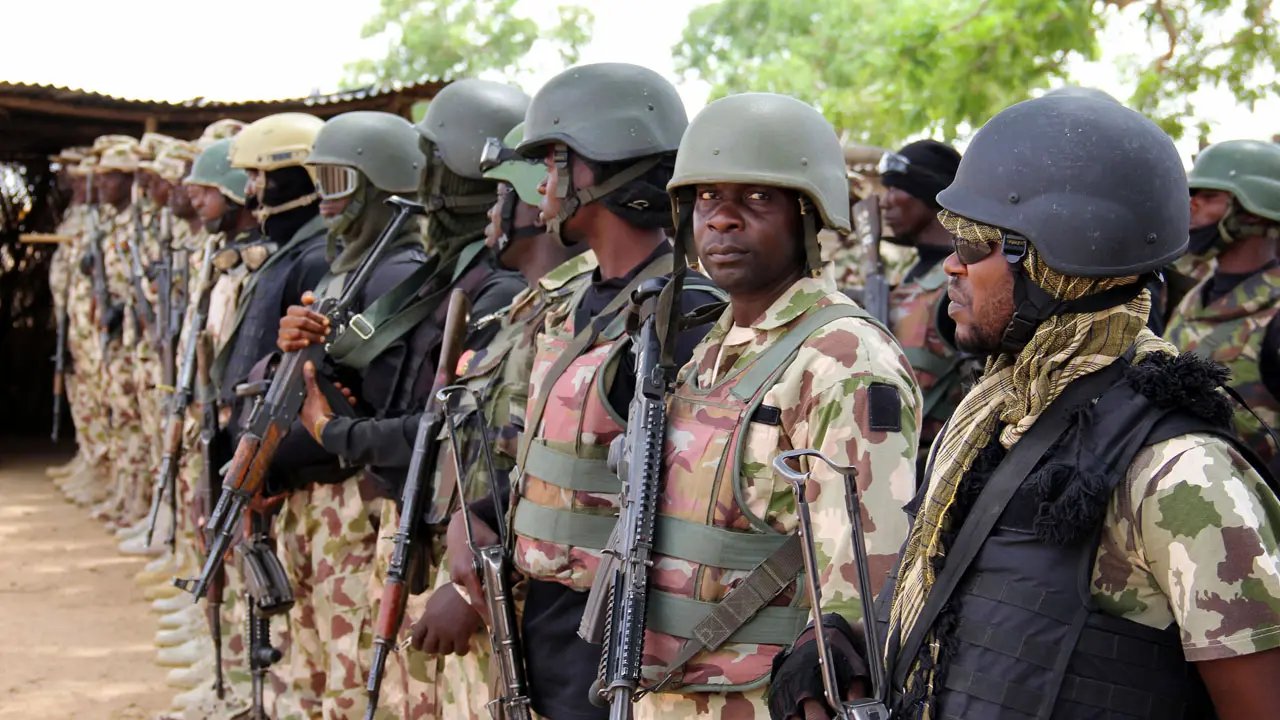
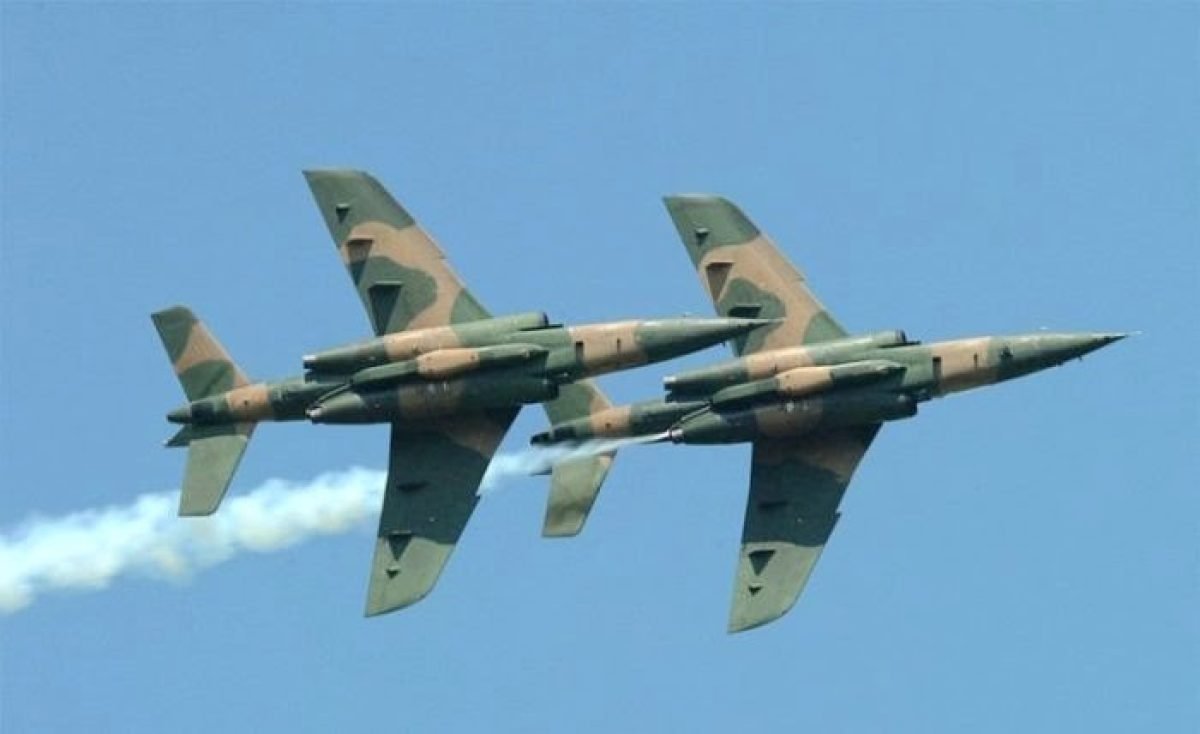
The Nigerian Air Force has achieved significant operational breakthroughs after a series of precision airstrikes destroyed terror hideouts in Katsina State and thwarted a coordinated ISWAP/Boko Haram assault in Chibok, Borno. The Director of Public Relations and Information for the NAF, Air Commodore Ehimen Ejodame, announced the developments in a statement on Sunday in Abuja. According to Ejodame, the strikes conducted under Operation FANSAN YAMMA and Operation HADIN KAI were guided by intelligence-led surveillance, enabling fighter jets to accurately hit targets and disrupt multiple hostile activities across both regions. He said the November 27 air interdictions in Katsina targeted the fortified camp of a notorious terrorist commander responsible for kidnappings, attacks and cattle rustling across Kankara, Faskari and Malumfashi. The first strike, carried out around 6:30 a.m., destroyed key structures and neutralised fighters attempting to escape after surveillance assets tracked their movement. A second strike later in the day hit another major hideout in Danfako, Faskari LGA, wiping out logistics hubs and operational facilities. “Several terrorists were killed, further weakening their network and restricting their freedom of action in the North-West,” he said. In Borno State, NAF air power provided critical support to troops of the 28 Task Force Brigade when ISWAP/Boko Haram militants launched a multi-pronged attack on Chibok. Four airstrikes were executed against regrouping and retreating fighters, inflicting heavy casualties and preventing the insurgents from reorganising. Ejodame said the coordinated air–ground operations overwhelmed the attackers, protected residents and averted what could have been a major security setback. He added that the NAF remains committed to precision strikes aimed at degrading terrorist capabilities and sustaining peace nationwide, with enhanced coordination with ground forces as a key priority.

James Obasi30 November 2025
aa-21.jpeg

4min2930
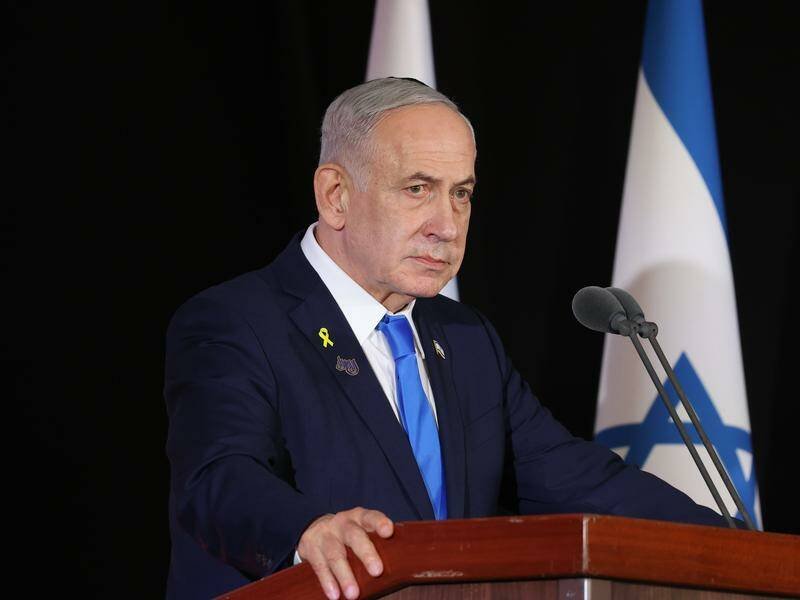
Israeli Prime Minister Benjamin Netanyahu, who is currently standing trial on multiple corruption charges, announced Sunday that he has formally requested a presidential pardon, arguing that the years-long legal battle is deepening national divisions. Netanyahu’s move comes after former U.S. President Donald Trump sent a letter earlier this month urging Israeli President Isaac Herzog to pardon the prime minister. Netanyahu has consistently denied any wrongdoing. “The trial in my case has been ongoing for nearly six years and is expected to continue for many more,” Netanyahu said in a video message. While insisting he wanted to see the process through to acquittal, he said the “national interest” now required a different path as Israel faces “enormous challenges.” He warned that the proceedings were “tearing us apart from within” and worsening the country’s internal rifts. The corruption cases have long polarized Israeli society. Netanyahu’s supporters argue the charges are politically motivated, while critics see them as evidence of deep-seated misconduct. Prosecutors accuse Netanyahu and his wife Sara of receiving over $260,000 in luxury gifts including cigars, champagne and jewelry from wealthy businessmen in exchange for political favours. He is also accused of seeking favourable media coverage in separate cases. Netanyahu said the recent demand that he testify three times per week was the “breaking point,” calling the requirement “impossible.” Ending the trial, he argued, would help reduce political tensions and encourage national reconciliation. President Herzog’s office confirmed it had received the request, calling it “extraordinary” and noting that the president would review all legal opinions before making a decision. Herzog previously signaled he might consider clemency, saying the case “weighs heavily on Israeli society.” Netanyahu, 76, is Israel’s longest-serving prime minister, having held office for more than 18 years across three terms. His current tenure began in late 2022, during which he pushed sweeping judicial overhauls that sparked months of mass protests until the Gaza war erupted in October 2023. He has said he intends to run again in elections due by the end of 2026. Opposition: A Pardon Requires an Admission of Guilt Opposition leaders sharply condemned the request. Yair Lapid urged Herzog not to grant clemency unless Netanyahu admits wrongdoing, expresses remorse and leaves political life altogether. Yair Golan of The Democrats echoed the sentiment, writing that “only the guilty seek pardon” and insisting that Netanyahu must accept responsibility and exit politics to “free the people and the state.” Coalition figures, however, rallied behind Netanyahu. Defense Minister Israel Katz called on Herzog to grant the pardon to heal a “deep rift” in society. Amid speculation that Netanyahu might soften judicial reforms in exchange for a deal, Finance Minister Bezalel Smotrich insisted his far-right Religious Zionism party would continue to pursue changes to the judiciary regardless of Netanyahu’s legal situation. Smotrich repeated his view that Netanyahu has been persecuted by a “corrupt judicial system.” AFP

aa-5.webp

2min2340
Retired senior military officers have dismissed reports that the Nigerian Army plans to forcibly conscript citizens aged 18 and above, stressing that such action would violate the Constitution. The officers noted that the Army has no legal authority to compel any Nigerian to enlist. Their reaction followed a viral post claiming that the Chief of Army Staff, Lt.-Gen. Waidi Shaibu, had threatened mandatory enlistment for youths who fail to volunteer for service. The Nigerian Army, through its Acting Director of Public Relations, Lt.-Col. Appolonia Anele, debunked the claim in a statement issued in Abuja last Friday, describing the allegation as false, misleading, and aimed at causing unnecessary fear among the public. Speaking on the matter, former Deputy Director of Defence Administration at Defence Headquarters, Commodore Kunle Olawunmi (retd.), said compulsory recruitment cannot be implemented without legislative approval. “You are talking about the military trying to conscript youths into the military. It is not something the military can do except it goes through the legislative arm. It is a constitutional requirement. It is not going to happen,” he said. He added that Nigeria is not officially at war, noting, “You can only be at war if it is so declared. If you are not at war, why would you want to conscript people into the army?” Olawunmi further advised that instead of considering forced enlistment, authorities should address internal challenges affecting morale and motivation within the military. Similarly, retired Army Colonel Yomi Dare affirmed that the Constitution does not permit forced recruitment. “The military cannot force anyone. This is a constitutional issue. It must go before the National Assembly, pass through all due processes, and become law before such a move can happen,” he said. Dare added that Nigerians should begin to view the military as a noble service deserving of commitment, recognition, and respect.

aa-20.jpeg

3min4860
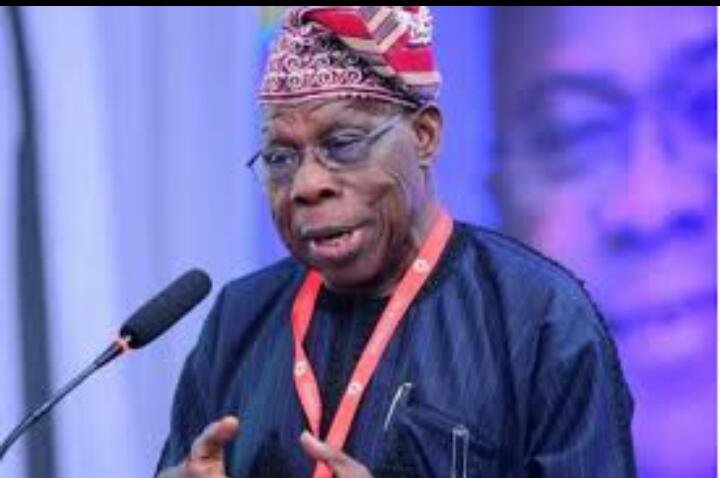
Former President Olusegun Obasanjo has rejected calls for dialogue with bandits, urging the Federal Government to adopt decisive measures and seek international support to tackle the worsening insecurity across the country. Speaking on Friday at the Plateau State Unity Christmas Carol and Praise Festival in Jos, Obasanjo criticised the government for negotiating and apologising to terrorists, noting that such approaches only embolden criminal groups. His comments come amid a surge in killings, abductions, and attacks on communities in the North. Recent incidents include the November 21 abduction of 315 students and 13 teachers from St Mary’s Catholic School in Papiri, Niger State, and the earlier kidnapping of 26 schoolgirls from Government Girls Secondary School, Maga, in Kebbi State. In another attack, bandits raided Palaita community in Shiroro LGA of Niger State, abducting 24 people, including pregnant women, from a rice farm. Between Monday night and Tuesday morning, about 20 people were also kidnapped in separate attacks in Kano and Kwara states. This followed the release of 38 worshippers abducted from Christ Apostolic Church, Oke-Isegun, after the Federal Government reportedly negotiated with their captors. In another incident on Tuesday, 10 people including a pregnant woman, nursing mothers, and children were seized in Isapa community near Eruku, Kwara State. Expressing frustration over the deteriorating security situation, Obasanjo argued that Nigerians have the right to seek help from the international community if the government fails in its constitutional duty to protect lives and property. “No matter your religion, your origin, or your profession, we Nigerians are being killed, and our government seems incapable of protecting us,” he said. “If our government cannot do it, we have the right to call on the international community to do for us what our government cannot.” Obasanjo added that advancements in modern technology have made it easier to track and eliminate terrorists, questioning why the government is not deploying available resources. “Before I left office, we had the capacity to identify and locate any criminal in Nigeria. What we lacked was the ability to apprehend them without moving by land or air. Now we have that capacity. With drones, we can take them out. Why are we not doing that? Why are we apologising? Why are we negotiating?” he asked.

Tech & Tools Desk29 November 2025
aa.png

3min5320
Access Bank has unveiled Detty Fusion, a pioneering consumer engagement and social impact platform designed to connect Nigerians to safe, seamless, and memorable festive experiences this December. The bank announced the launch in a statement. According to the statement, Detty Fusion rooted in Access Bank’s Corporate Social Responsibility agenda aims to spotlight SMEs, creative entrepreneurs, event organisers, and service providers across Lagos. The platform will boost their visibility while offering residents and visitors a curated calendar of lifestyle, entertainment, and cultural events throughout the festive season. Developed in partnership with the Lagos State Ministry of Tourism, Arts and Culture, the initiative supports a shared commitment to a safer, more coordinated, and vibrant yuletide period. At the unveiling, Access Bank’s Head of Mobility Business, Ishmael Nwokocha, reaffirmed the bank’s dedication to community development and strengthening the creative economy. “With Detty Fusion, we are creating an entertainment aggregator where users can explore event calendars, buy tickets, access discounts, and make secure, seamless payments during the festive season and beyond,” he said. Nwokocha added that the platform would further highlight Lagos’s status as Nigeria’s cultural and creative capital while boosting the visibility of its diverse cultural heritage. The Special Adviser to the Lagos State Governor on Tourism, Arts and Culture, Idris Aregbe, described the partnership as a major boost to the state’s THEMES agenda, noting that it will streamline activities, draw more visitors, and reinforce Lagos’s position as Africa’s entertainment capital. Similarly, the ministry’s Permanent Secretary, Mrs Adebopo Oyekan-Ismaila, applauded Access Bank for supporting tourism development, adding that the platform would help deliver a safe, world-class festive experience for both residents and tourists. Access Bank added that Detty Fusion will co-brand major December cultural events including Lagos Cultural Week, Culturalti, fashion shows, and other festivities—promising a more vibrant, secure, and organised holiday season. Users can sign up on the platform’s waitlist for all-access passes to parties, concerts, getaways, and exclusive “detty drops.”

James Obasi29 November 2025
aa-19.jpeg

2min4440
The National Agricultural Development Fund (NADF) is driving a new initiative to boost climate-smart agriculture in Nigeria through index-based insurance solutions and blended finance. In a statement issued on Friday, NADF said the effort will support the AGRA-backed project titled “Building Farmers’ Resilience through Innovative Insurance Models and Financial Instruments.” NADF Executive Secretary, Mohammed Ibrahim, explained that the organisation’s partnership with Leadway Assurance and Verdure Climate is designed to equip smallholder farmers with financial tools that safeguard them from climate risks, expand access to credit, and strengthen resilience across major crop value chains. “As climate change intensifies, bringing unpredictable weather and limiting farmers’ access to finance, innovative solutions like index-based agricultural insurance and blended finance have become indispensable,” Ibrahim said. He added that the rollout of index-based and Pay-at-Harvest insurance products would significantly boost investor confidence. According to NADF, the collaboration will integrate insurance with agricultural loans, scale credit-linked insurance for rice, soybean, and maize farmers in priority states, and embed climate-smart practices into NADF loan offerings. It also aims to deploy digital climate advisory services and build the capacity of business development service providers. Leadway Assurance described the partnership as a major step toward strengthening climate preparedness in the agricultural sector. Its Head of Agriculture Risk Solutions, Fatona Paul, commended NADF for providing “the policy anchor that initiatives like ours can build upon.” The initiative is part of AGRA 3.0, which seeks to expand access to finance, improve market linkages, introduce innovative insurance products, and build resilience for thousands of farmers between 2025 and 2027.

security.webp

3min5080
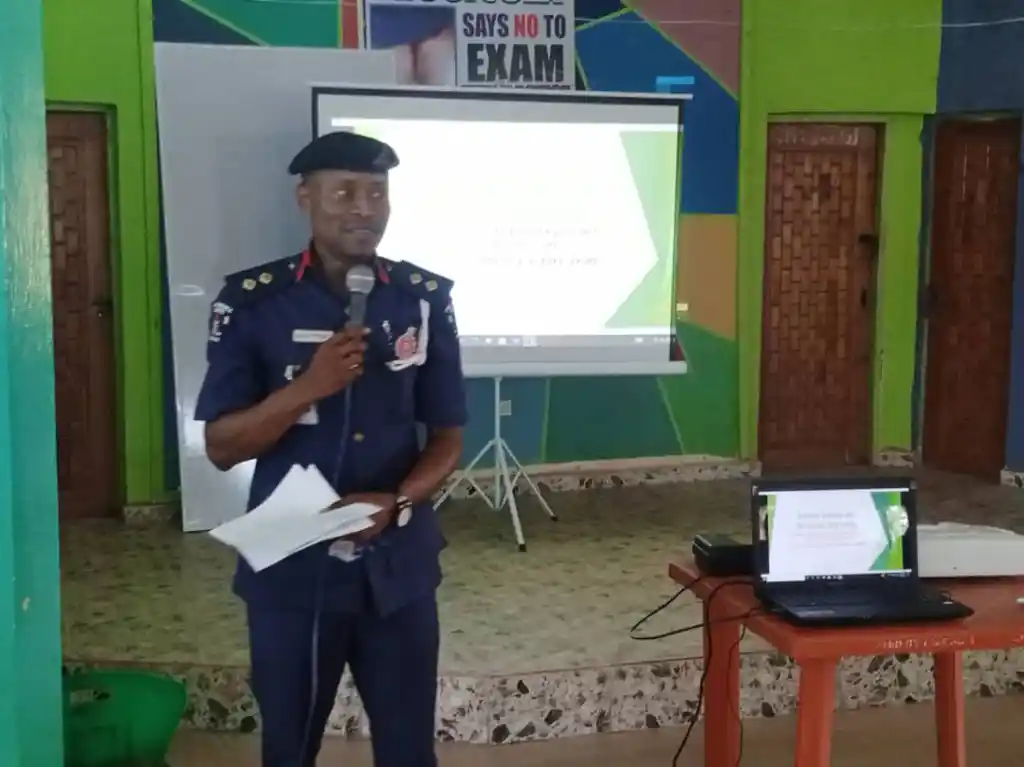
A group of Ondo State indigenes residing in France has urged the state government to incorporate security training into the school curriculum, aiming to equip students at all levels with military skills and security awareness. The recommendation came from the Ondo State Indigenes in Diaspora, France chapter, citing rising insecurity in the country, particularly affecting schools. The call was made in an open letter addressed to the state governor, Mr. Lucky Aiyedatiwa, signed by the group’s Coordinator, Mr. Akintoye Ogundoju. The letter stressed that the current security situation “demands proactive measures to equip our younger generation with essential military skills and security awareness.” It added: “The alarming rate of insecurity in Nigeria highlights the importance of fostering vigilance, resilience, and self-defense among citizens. By integrating military skills and security awareness into the curriculum at primary, secondary, and tertiary levels, students can be empowered to recognise, respond to, and mitigate security threats effectively. Ignorance in matters of security is a luxury we can no longer afford.” The group further emphasized that such training would provide students with knowledge of personal and community safety measures. “It would equip them with basic self-defense techniques and emergency response strategies, instill a sense of civic duty toward their communities, and build confidence and mental resilience to face challenges in a rapidly changing world,” the letter stated. Ogundoju noted that the proposal aligns with global best practices, where nations prioritise citizen safety from a young age. “Security education is not a luxury but a necessity, especially in a country facing multiple security challenges. By nurturing security consciousness in our youth, we are investing in a safer future for Ondo State and Nigeria at large. We urge the state government to take swift action to implement this proposal and set an example for other states to follow.” In a related development, the Commander of the Ondo State Security Network Agency (Amotekun Corps), Akogun Adetunji Adeleye, said the corps had intensified patrols of schools, especially boarding schools, in response to the rising cases of insecurity and child kidnappings. “Following recent security concerns, the corps has commenced enhanced patrols of all boarding schools in the state. In the past week, we’ve visited numerous schools to ensure their safety,” he said.

cbnn.webp

4min4600
The Central Bank of Nigeria (CBN) has directed all banks, payment service banks, and other regulated financial institutions to immediately withdraw any advertisements or promotional materials that fail to meet established consumer-protection and fair-marketing standards. The directive, outlined in a circular issued on Thursday and signed by Olubunmi Ayodele-Oni on behalf of the Director of the CBN’s Compliance Department, follows an industry review that highlighted inconsistencies in how institutions interpret disclosure, transparency, and marketing obligations under the Consumer Protection Regulations 2019 and the 2000 Guidelines on Advertisements by Deposit-Taking Financial Institutions. The CBN noted that many institutions continue to publish adverts that exaggerate benefits, omit key information, obscure risks, or rely on unaudited financial statements. Such practices, the regulator said, mislead customers, distort competition, and undermine the integrity of the financial system. The apex bank emphasised that all advertisements must be factual, balanced, and transparent. It also prohibited comparative, superlative, or de-marketing statements—whether direct or implied—and banned promotional inducements such as lotteries, lucky dips, prize draws, or other chance-based incentives that could pressure consumers into financial decisions without fully understanding associated risks. Under the tightened compliance framework, financial institutions are now required to submit detailed notifications to the CBN before releasing any advert or marketing material. The notification must include the advert’s duration, creative content, intended demographic and geographic targets, and written confirmation of internal clearance by both the compliance and legal departments. Institutions must also provide evidence that the product or service being advertised has already received CBN approval. The CBN clarified that this notification process is for monitoring purposes only and does not constitute prior approval or endorsement. Institutions remain fully responsible for ensuring compliance with all relevant laws and regulations. All non-compliant adverts must be withdrawn immediately. Within 30 days, institutions must submit a compliance attestation jointly signed by the Managing Director or Chief Executive Officer, the Executive Compliance Officer, and the Chief Compliance Officer, confirming that all current advertising and promotional practices meet regulatory requirements and internal governance rules. The regulator stated that from January 2026, it will conduct a follow-up review to assess industry compliance. Sanctions will be applied to any institution found violating the rules, in accordance with the Banks and Other Financial Institutions Act 2020 and the Consumer Protection Regulations. The CBN reaffirmed its commitment to promoting fairness, transparency, and responsible marketing practices across Nigeria’s financial system.  

Petrol-Pump.webp

2min1040
The Nigerian National Petroleum Company (NNPC) Limited has lowered the pump price of premium motor spirit (PMS), commonly known as petrol, at its retail outlets in Lagos and Abuja. A survey on Thursday indicated that petrol now sells for N900 per litre in Lagos and N940 per litre in Abuja, representing a N10 drop in Lagos from the previous N910 per litre and a N5 reduction in Abuja from N945 per litre. The adjustment follows a price cut by Dangote Petroleum Refinery three weeks ago, which reduced its ex-gantry petrol price to N828 per litre, influencing nationwide market rates. Earlier, on November 13, the Nigerian Midstream and Downstream Petroleum Regulatory Authority (NMDPRA) announced that the previously proposed 15% ad-valorem duty on imported petrol and diesel would no longer be applied. “It should also be noted that the implementation of the 15% ad-valorem import duty on Premium Motor Spirit and Diesel is no longer in view,” NMDPRA stated. President Bola Tinubu had initially approved the duty on October 21, but regulators later confirmed its reversal.

Tech & Tools Desk28 November 2025
08.jpeg

3min2450
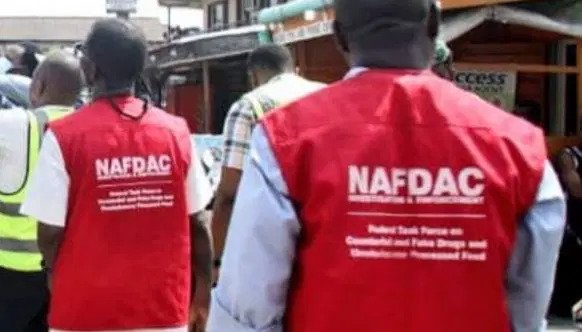
The National Agency for Food and Drug Administration and Control (NAFDAC) has warned operators and manufacturers in the Kano Free Trade Zone against producing substandard products or engaging in practices that could undermine Nigeria’s international standing. The agency’s Kano Coordinator, Kassim Ibrahim, made the remarks during a two-day investors and stakeholders meeting organized by the Kano Free Trade Zone, themed: “Strengthening Partnership for Efficient Service Delivery in the Free Trade Zone.” Ibrahim noted that NAFDAC is currently rated Maturity Level 3 (ML3) by the World Health Organization and stressed that the agency’s hard-earned reputation cannot withstand practices that compromise product quality. He explained that substandard products manufactured for domestic use or export do not only affect individual companies but also damage NAFDAC’s credibility and Nigeria’s reputation in global markets. “NAFDAC is now rated Maturity Level 3 by the WHO Global Benchmarking Tool, a status achieved through rigorous processes,” Ibrahim said. “Producing substandard products, even for export, directly impacts our rating because NAFDAC registration numbers appear on exported goods. Any deficiencies found abroad reflect on us and could undermine Nigeria’s standing.” He urged operators to ensure that all products—whether for local consumption or export—comply strictly with NAFDAC’s safety, quality, and efficacy standards. “Our call to manufacturers and investors in the Free Trade Zone is to adhere to rules and maintain standards to strengthen NAFDAC’s rating and, by extension, Nigeria’s global image,” he added. Ibrahim also revealed plans for unannounced inspections within the zone to enhance surveillance and curb malpractice. Speaking at the event, the Managing Director of the Nigeria Export Processing Zones Authority (NEPZA), Dr. Olufemi Ogunyemi, said the Kano Free Trade Zone generated N18.8 billion in revenue over 10 months. He noted that the zone itself contributed N1.8 billion, while Customs within the zone generated N17 billion, marking significant growth compared with the previous year. Represented by the Head of the Kano Free Trade Zone, Richard Bassey, Ogunyemi described the forum’s theme as timely, emphasizing its focus on removing operational and administrative barriers to ensure smooth and efficient zone operations.