Blog - Edupreneur Select

Bring to the table win-win survival strategies to ensure proactive domination. At the end of the day, going forward, a new normal that has evolved from generation.
James Obasi27 November 2025
armyyyyyy.jpg

5min2780
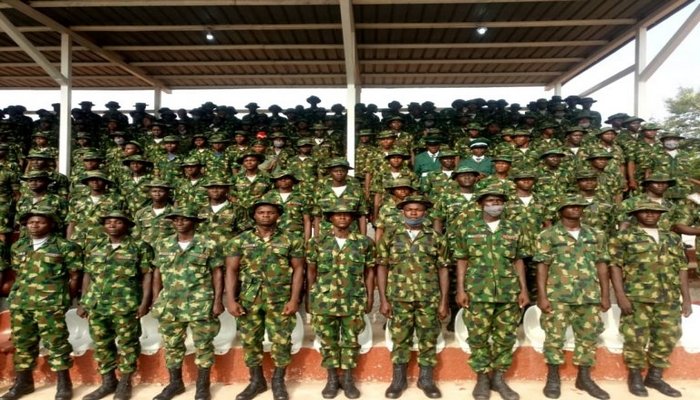
Former Deputy Speaker of the House of Representatives, Idris Wase, has revealed that suspected Boko Haram members and other criminal elements were previously identified on the recruitment lists of the Nigerian Army and police. He made the disclosure on Wednesday during a special plenary session focused on the state of national security. Wase, an All Progressives Congress lawmaker representing Wase Federal Constituency in Plateau State, warned that the infiltration of security agencies by criminally-minded individuals poses a serious threat to the country’s safety. He added that his claim can be corroborated by Muktar Betara, former Chairman of the House Committee on Defence and now Chairman of the Committee on the Federal Capital Territory. “My brother and friend, Honourable Betara, can attest to this. There were recruitment exercises where names of known Boko Haram members appeared on the shortlist. Armed robbers and other criminals were also among those cleared for the Army and police,” Wase said. The lawmaker urged caution in endorsing candidates for military and police recruitment, emphasizing that only credible and trustworthy individuals should be recommended. Speaking emotionally, Wase noted that he has lost a brother, cousin, and nephew to terrorist attacks. He said the North Central region bears about 52 percent of the country’s overall insecurity burden and recounted a distressing plea from a younger brother requesting relocation from their violence-affected community. Wase also called for a review of the presidential directive that withdrew police officers from VIP protection duties. While acknowledging the policy’s intent, he stressed that categories must be clearly defined to prevent unnecessary exposure of key officials to danger. Addressing the North-West Caucus, Sada Soli described the region’s insecurity as “complex and layered,” driven by criminality, environmental pressures, weak governance, and worsening economic conditions. He argued that a purely military response would not solve the crisis and called for a combined approach involving security operations, governance reforms, environmental management, and economic development. “Lasting peace depends on rebuilding trust in government, reforming land and livestock systems, and involving communities in shaping solutions,” Soli said. Speaking for the North-East Caucus, Muktar Betara described the region as the “ground zero of terrorism, insurgency, and recurring communal violence.” He recounted tragedies from the 2015 Baga massacre to recent bomb blasts that have claimed the lives of civilians and security personnel. “Our challenges are massive, but with coordinated action, commitment, and sound strategy, we can restore confidence and curb the spread of violence,” Betara said. South-South Senator Solomon Bob (PDP, Rivers) accused successive governments of lacking the political will to confront insecurity. “Since 1999, leadership failure has defined the response. Governments have chosen to placate terrorists, negotiating with killers instead of enforcing the law,” he said, adding that labelling terrorism merely as banditry diminishes the gravity of the crisis. In her contribution, Chairman of the House Committee on Women Affairs, Kafilat Ogbara, highlighted the devastating impact of insecurity on women and children, citing recent mass abductions in Papiri and Kamba. “These are not just security failures; they represent a breach of the state’s fundamental responsibility to protect lives and property,” she lamented.

Nigerian-medical-doctor.webp

5min2950
Healthcare professionals have called for an urgent reform of Lagos’ patient referral system, including the adoption of a real-time digital bed-availability platform, to address the persistent “no bed syndrome” in hospitals across the state. The call was made on Wednesday during the 2025 Opening Ceremony and Scientific Conference of the Medical Guild, Lagos State. Speaking on the conference theme, “The No Bed Conundrum and Safe Referral: Exploring an Integrated and Effective Referral System in Lagos,” Dr. Babayemi Osinaike, Head of Emergency Medicine at Lagos University Teaching Hospital (LUTH), stressed the need for technology-driven solutions to prevent avoidable deaths caused by delayed referrals. “My message to policymakers is simple: there are no federal or state patients in Lagos—there are only patients seeking care. A patient should be referred between Lagos hospitals seamlessly, without bureaucracy. Policies must ensure everyone receives appropriate care,” Osinaike said. He noted that overcrowding persists because many patients visit tertiary hospitals for conditions that could be managed at primary health centres or via virtual consultations. “Too many people come to hospitals for issues that can be handled online. COVID showed us that physical presence isn’t always necessary. Policies should allow patients with mild symptoms to consult doctors remotely,” he added. Osinaike advocated for a coordinated digital platform linking all Lagos hospitals—state, federal, and private—to update bed availability in real time. “People book flights online and compare availability across airlines. Hospitals should operate the same way. Doctors should be able to check beds at LUTH or LASUTH before making a referral. That alone will save lives,” he explained. He identified ignorance and poor connectivity between facilities as major obstacles to safe referral. “Referral is more than issuing a letter—it is a medical-legal process. Healthcare workers must contact the receiving doctor before referring a patient, yet many are unaware of this,” he said. He also urged stronger primary healthcare, describing PHCs as Lagos’ equivalent of the GP system. “If primary health centres function effectively, fewer people would need to visit LUTH or LASUTH. Many PHCs are underperforming—we must do better.” Speaking on the sub-theme “Workplace Situational Awareness: A Panacea to Improve Patient–Doctor Communication,” public health expert Dr. Olufemi Omololu highlighted poor communication as a major contributor to conflict, misdiagnosis, and litigation. “Patient overload, multitasking, cognitive strain, and misreading non-verbal cues all hinder communication. Situational awareness allows doctors to perceive their environment, understand patient emotions, anticipate crises, and prevent disputes, even among staff,” he said. Omololu stressed that situational awareness is vital for patient-centred care. “It helps doctors adapt communication to patient literacy levels, recognise emotional distress, and show empathy. Integrating this into healthcare training reduces errors, strengthens relationships, and improves safety,” he noted. He recommended simulation training, mindfulness, better clinic design, and structured communication protocols. In his remarks, Medical Guild Chairman Dr. Moruf Abdulsalam reaffirmed the Guild’s commitment to advocating for improved healthcare policies and doctors’ welfare. “The choice of this year’s theme reflects Lagos’ growing pressure on emergency care. The ‘no bed’ challenge directly affects patient outcomes, and our goal is to explore practical solutions that ensure no patient is left stranded,” he said.

aiiiii-delta.jpg

3min3500
Governor Sheriff Oborevwori of Delta State has called on the Manufacturers Association of Nigeria (MAN) to embrace Artificial Intelligence (AI) as a strategy to increase production and competitiveness. The Governor, represented by Mr. Jude Ochei, a Director in the state Ministry of Trade and Investment, made the appeal at the conclusion of MAN’s 39th Annual General Meeting on Tuesday in Asaba, the state capital. Oborevwori highlighted the importance of technological advancement, stating, “Digitalization, green energy, and artificial intelligence are shaping the future of manufacturing. We urge manufacturers to adopt these initiatives to enhance production.” He also noted Delta State’s collaboration with the Bank of Industry through a N1 billion loan scheme aimed at stimulating industrialization. “The state will soon pass a bill on industrial safety to ensure the protection of lives and assets in the manufacturing sector,” he added. Speaking at the event, MAN President, Mr. Francis Otunba, emphasized the rapid evolution of the global economy and the central role of the manufacturing sector. “The Fourth Industrial Revolution is here, and MAN must seize the opportunities it presents. Digital innovation is essential for sector growth, competitiveness, and productivity, and it can significantly increase our contribution to Nigeria’s GDP,” he said. Otunba urged the Federal Government to implement policies discouraging the importation of goods that are locally produced to reduce forex demand. He highlighted that digital technologies can help manufacturers optimize production, enhance supply chains, reduce costs, improve product quality, and create new products and services. He encouraged MAN members to adopt digital innovation, invest in new technologies, upskill the workforce, and collaborate with government, academia, and other stakeholders to drive industrial growth. Mr. Ehizogbe Osadolor, Chairman of MAN’s Edo/Delta branch, noted that automation, robotics, and AI are increasingly being used to improve efficiency and product quality while lowering operational costs. He acknowledged the challenges facing the sector, including the high cost of modern technologies, resistance to change among workers, and the need for ongoing training and skills development to keep pace with technological advancements.

kebbi-girls.jpg

4min3360
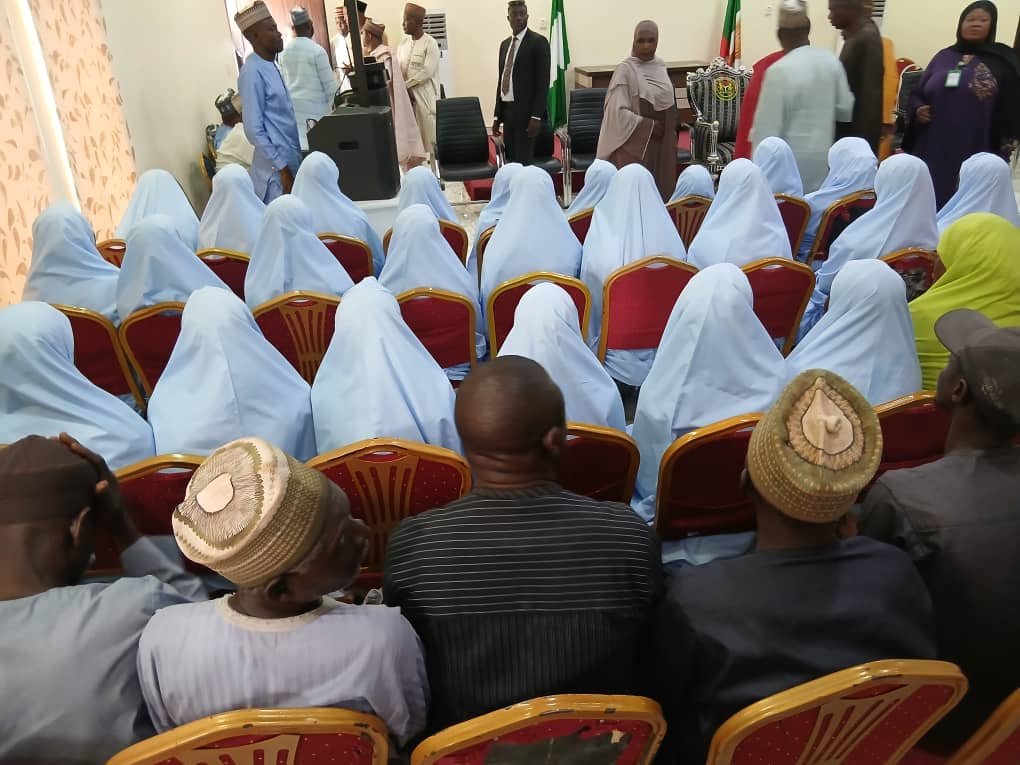
In Birnin Kebbi on Wednesday, the Government House was awash with emotion as parents embraced the 24 schoolgirls of Government Girls Comprehensive Secondary School, Maga, who were rescued after days in captivity. What began as a formal handover quickly became heartfelt family reunions. Governor Nasir Idris personally returned the girls to their parents, one by one, offering a moment of healing for a community that had endured sleepless nights of fear. Mothers wept openly, fathers whispered prayers of thanks, and the girls, who had undergone medical examinations, clung tightly to their families. Each embrace told a story of survival and resilience. Governor Idris, visibly moved, described the moment as “a triumph of faith, unity, and courage,” commending the joint military and security operations that secured the children’s release. He also acknowledged President Bola Ahmed Tinubu’s swift intervention, supported by top security officials, including the Minister of State for Defence, Bello Mohammed Matawalle. The governor encouraged parents to continue supporting their children’s education and reaffirmed Kebbi State’s free schooling policy from primary to tertiary levels. He confirmed that the rescued schoolgirls were in good health and unharmed during their captivity. Malam Illiyasu Garba, father of four of the abducted girls, described the handover as “the end of the darkest week of my life,” while Abdulkarim Abdullahi said the reunion renewed his faith in Nigeria. District Head Muhammad Sani Dantani praised the earlier deployment of armed soldiers to protect the school and ensure safety. Journalists were restricted from interviewing the girls to safeguard their wellbeing. Details regarding any ransom remain undisclosed. Meanwhile, APC National Chairman Prof. Nentawe Yilwatda assured families in Niger State that abducted students and teachers of St. Mary’s Catholic School would soon regain their freedom. Yilwatda visited the Christian Association of Nigeria (CAN) in Niger State and Governor Mohammed Bago, expressing solidarity and prayers for the victims. On a wider scale, the Coalition of Northern Groups (CNG) warned of a coordinated surge in violence across Northern Nigeria. In a statement, CNG National Coordinator Jamilu Charanchi claimed that both foreign and domestic actors were collaborating to destabilize the region. He condemned misinformation and criticized the closure of 47 Unity Schools in the North due to insecurity, describing recent attacks—including kidnappings in Kwara, Kebbi, Niger, and Zamfara, and the murder of a Brigadier General—as politically orchestrated rather than random acts of banditry. He called on the Federal Government to investigate and prosecute those spreading disinformation and fostering instability. Northern Nigeria has faced repeated attacks on educational institutions in recent days. On Monday, armed gunmen raided Government Girls Comprehensive Secondary School in Maga, abducting 24 students and killing the vice-principal. Just days later, St. Mary’s Catholic Primary and Secondary Schools in Papiri, Niger State, were attacked, with hundreds of students and staff kidnapped, although 50 pupils managed to escape. For Kebbi, the safe return of the girls represents more than a government achievement—it is a restored sense of hope and resilience for a community that has endured trauma and fear.  

Tech & Tools Desk27 November 2025
Bola-Tinubu66.png

2min8510
President Bola Tinubu has forwarded the names of three ambassador-nominees to the Senate for screening and confirmation. This move comes more than two years after the President ordered the recall of envoys serving in Nigeria’s 109 foreign missions. The Senate President, Godswill Akpabio, disclosed the transmission during Wednesday’s plenary. The nominees are Kayode Are (Ogun), Aminu Dalhatu (Jigawa), and Ayodele Oke. While presenting the letter, Akpabio noted that only three names were submitted for now, adding that more nominations are expected. Tinubu had withdrawn all Nigerian ambassadors in September 2023, four months into his tenure, stating that the decision was part of a full restructuring of the nation’s foreign service. Since then, embassies have been overseen by chargé d’affaires, who do not wield the full diplomatic authority accorded to appointed ambassadors. In April, the Minister of Foreign Affairs, Yusuf Tuggar, revealed that a list of proposed nominees had been awaiting presidential approval for over a year, attributing the delay to disruptions linked to the removal of fuel subsidy and the floating of the naira. Despite this explanation, questions have persisted over why an administration pursuing foreign investment, stronger trade relations, improved security cooperation, and infrastructural partnerships would leave key diplomatic posts vacant for such an extended period. The submission of the three nominees marks the first significant move toward rebuilding Nigeria’s diplomatic representation globally since the mass recall over two years ago.  

James Obasi27 November 2025
Timipre-Sylva1.jpg

4min2850
Former Minister of State for Petroleum, Chief Timipre Sylva, has written to the Economic and Financial Crimes Commission, requesting that a mutually agreed date be fixed for him to honour the agency’s invitation regarding an alleged $14.8m fraud case. In the letter, personally signed and addressed to the EFCC Chairman, Ola Olukoyede, he criticised the decision to declare him wanted, insisting he had never ignored any lawful invitation from the commission. Dated November 24 and acknowledged by the EFCC on November 26, the letter stated that Sylva is currently undergoing urgent medical treatment for a “life-threatening condition.” He explained that he is consulting his medical team to determine whether his treatment can be temporarily paused to enable his appearance before the commission. He appealed for a new date to be set, subject to medical clearance, so that he could appear physically and formally. He added that he believes the invitation is for genuine investigative purposes, noting that “only the living can appropriately, fully, and responsibly respond to any allegation,” which he firmly denied. Sylva referenced recent developments that he said placed him, his family, and associates under significant pressure—beginning with what he described as an unverified allegation linking him to a plot to undermine President Bola Ahmed Tinubu. He recalled that the situation escalated into a military raid on his Abuja residence, during which his drivers, security aides, and domestic staff were arrested and remain in custody. He further stated that despite these ongoing challenges, he was publicly declared wanted by the EFCC on Monday, November 10, 2025, over the alleged fraud. He maintained that he honoured an earlier EFCC invitation in December 2024 relating to the same matter, was granted administrative bail on self-recognition, and was never called back afterward. According to him, the announcement that he had been declared wanted came as “deeply surprising and profoundly unsettling.” Sylva rejected claims that he jumped bail, stating that no such incident occurred and that he never violated any bail conditions. He expressed concern that recent developments could give the public the impression of a political witch-hunt, noting that he appears to have been targeted since the current administration took office. The former minister, a member of the All Progressives Congress, has recently been associated with rumours of an aborted coup plot. His home in Abuja was raided by operatives believed to be military intelligence, after which he was declared wanted by the EFCC. During the raid, his younger brother Paga—his Special Assistant on Domestic Affairs—and his driver were reportedly arrested. His media aide, Julius Bokoru, later confirmed the raid but denied Sylva had any link to a coup plot, accusing unnamed political figures of mischief borne out of fear of his political influence. Bokoru also faulted the EFCC for declaring Sylva wanted, stating that he was never invited before the public announcement was made.

goldd.webp

3min5000
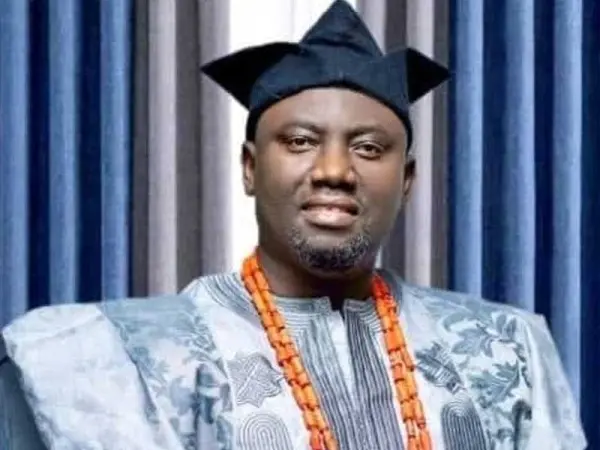
The Alaafin of Oyo, Oba Akeem Owoade, has revealed that 16 gold-plated beaded crowns were taken from the palace during the British invasion of Oyo in November 1895, describing them as vital symbols of Yoruba cultural, spiritual, and historical heritage. Oba Owoade made the disclosure while receiving the Director-General of the National Commission for Museums and Monuments (NCMM), Olugbile Holloway, at his Boroboro residence in Oyo town, Oyo State. According to the Alaafin’s Director of Media and Publicity, Bode Durojaiye, Holloway assured that the commission “will work diligently on the repatriation of Oyo artifacts, just as it has done for Benin.” Oba Owoade emphasised the significance of the stolen crowns, stating, “About 16 gold-plated beaded crowns were taken during the raid of the palace in November 1895. These artifacts are cultural symbols, carrying spiritual and historical importance, and their return is crucial for preserving our heritage and identity.” He highlighted that the old Oyo Empire was “a formidable political and military power, renowned for its administrative sophistication and cultural influence. Its artifacts, including sculptures, regalia, and other items, document the history, governance, and daily life of that powerful era.” Oba Owoade added that the removal of such artifacts during 19th-century British punitive expeditions reflects colonial aggression, serving as tangible reminders of how Britain asserted trade dominance and expanded its colonies. He stressed that as the traditional custodian of these cultural treasures, the Alaafin sees their return as a step toward cultural rejuvenation, national pride, and economic growth through cultural tourism. Archbishop Emeritus Ayo Ladigbolu provided historical context, noting that the stolen Oyo artifacts hold deep cultural, spiritual, and historical value, linking the Yoruba people to their powerful past. He said, “Their removal during colonial conflicts represents a historical injustice and a loss of identity. These objects are not merely art; they are essential for preserving heritage, identity, and the spiritual well-being of the community. They are vital for traditional ceremonies and festivals, and their absence diminishes the context and meaning of our cultural legacy.” Both the Alaafin and NCMM officials expressed optimism that ongoing repatriation efforts would restore a crucial part of Yoruba history and identity.        

taxxx.webp

6min6520
The Nigerian Tax Act, 2025, effective January 1, 2026, introduces reforms aimed at transforming the economy, promoting equity, improving the financial capacity of low- and middle-income earners, and closing Nigeria’s infrastructure gap. To ensure compliance, the Act prescribes penalties for various breaches, summarized below: Failure to Register N50,000 for the first month of default; N25,000 for each subsequent month. Failure to File VAT Returns N100,000 for the first month of default; N50,000 for each subsequent month. Failure to Keep Books N50,000 for companies. Failure to Grant Access for Technology Deployment N1,000,000 for the first day of default; N10,000 for each subsequent day. Failure to Use Fiscalisation System N200,000 plus 100% of tax due and interest at the prevailing CBN monetary policy rate. Failure to Deduct Tax 40% of the amount not deducted. Failure to Make Attribution N100,000 penalty. Failure to Remit Tax Deducted at source: Pay the tax withheld but not remitted, plus 10% administrative penalty per annum and interest at CBN rate. Self-accounted tax: Pay the unpaid tax, plus 10% administrative penalty per annum and interest at CBN rate. Conviction for Offences under the Act Imprisonment up to 3 years, or a fine of not less than the principal amount due plus a penalty of up to 50%, or both. Failure to Respond to Demands, Requests, or Notices N100,000 on the first day; N10,000 for each subsequent day. Failure to provide requested tax information, documents, or records: N200,000 first day; N10,000 for each subsequent day. Non-compliance with Legal Arrangements, Rules, or Circulars N1,000,000 on the first day of default; N10,000 for each subsequent day. Additional penalties may apply, including suspension or revocation of operating licenses. Failure to Stamp Documents 10% of unpaid duty plus interest at prevailing CBN rate. Failure to Disclose Facts in a Dutiable Instrument N100,000, or on conviction, a fine of N50,000 or imprisonment up to 3 years, or both. Failure to Notify Change of Address N100,000 for the first month; N5,000 for each subsequent month. Fraud Related to Stamps Imprisonment up to 3 years or a minimum fine of N2,000,000, or both. Offences by Authorised or Unauthorised Persons Fine of 200% of the sum in question, or imprisonment up to 3 years, or both. Inducement of an Authorised Officer Individual: N500,000; Corporate body: N2,000,000; or imprisonment up to 3 years, or both, plus tax payment. Use of Weapon in Committing Tax Offences Carrying a weapon: imprisonment up to 5 years. Injuring a tax officer while armed: imprisonment up to 10 years. Impersonation of an Authorised Officer Fine up to N1,000,000, or imprisonment up to 3 years, or both. Aiding and Abetting an Offence N1,000,000 or imprisonment up to 3 years, or both. Obstruction of Tax Officials Obstructing, assaulting, or impeding officers: N1,000,000 administrative penalty; on conviction, fine up to N1,000,000 or imprisonment. This framework ensures accountability, discourages tax evasion, and promotes effective enforcement of tax laws in Nigeria.

UNICEF.webp

6min3090
The United Nations Children’s Fund (UNICEF), the Nigerian Guild of Editors, and child rights advocates have called for urgent, coordinated action to address the obstacles preventing Nigerian children from fully enjoying their rights, including access to education, healthcare, clean water, and protection. With insecurity in the North forcing widespread school closures, the stakeholders emphasised the need for stronger measures to safeguard children from attacks. Speaking at a World Children’s Day symposium held on Tuesday at the Sheraton Hotel, Ikeja, the representatives of UNICEF and media leaders urged full implementation of the Safe Schools Declaration and stressed prioritising children’s mental and physical well-being. They called on the Federal Government to treat the worsening insecurity as an urgent national emergency and to protect children from violence while encouraging journalists to amplify children’s voices through accurate reporting. The event, themed “Equipping the Nigerian Child for the Future: How Prepared Are We?”, addressed growing concerns over children’s safety, education, nutrition, and health. Mr. Eze Anaba, President of the Nigerian Guild of Editors, described Nigeria as being in a “state of emergency” over the deteriorating conditions affecting children. He noted that recent attacks and abductions show children have become primary victims of violence, warning that the bloodshed must stop. “Nigeria has over 220 million people, half of whom are children. What happens to our children affects the entire nation,” he said, expressing concern over the country now having the world’s highest number of out-of-school children. He urged media professionals to prioritise evidence-based reporting on child rights and protection issues, emphasising the importance of amplifying the voices of the voiceless and practising solution-oriented journalism. Anaba called for stronger collaboration among media, civil society, UNICEF, and government agencies, pledging his personal commitment to advocating for the rights and safety of Nigerian children. UNICEF Nigeria Representative Ms. Wafa Saeed highlighted that millions of children remain unvaccinated and face acute malnutrition, revealing that three out of four 10-year-olds are unable to read and understand a simple text. She stressed the need to accelerate the implementation of the Safe Schools Declaration and invest in routine immunisation, quality education, nutrition, and child protection to build a stronger future for all Nigerian children. Mr. Michel Deelen, Consul General of the Kingdom of the Netherlands in Lagos, said many Nigerian schools lack roofs, water, sanitation facilities, and teachers, describing the situation as unacceptable. He reaffirmed the Netherlands’ support for UNICEF and stressed that functioning schools are critical for national progress. Mr. Lanre Idowu, Chairman of the Diamond Awards for Media Excellence (DAME), urged the media to provide deeper, human-centred reporting that goes beyond episodic coverage, stressing that protecting children today guarantees Nigeria’s future. During the panel session moderated by Dr. Chinonso Egemba (Abroko Doctor), UNICEF Deputy Country Representative Ms. Ronak Nkan explained that resource allocation is guided by evidence, pointing out stark regional disparities. While almost 90 percent of Lagos households have access to safe water, only 3 percent do in Kebbi State. She emphasised that all children, regardless of birthplace, deserve equal opportunities and that investments focus on those most deprived. Mrs. Mariam Fitumi Shaibu, Deputy Director at the Federal Ministry of Women’s Affairs, highlighted government initiatives for out-of-school children, including the National Commission for Out-of-School Children, the Adolescent Girls Initiative for Learning and Empowerment (AGILE), and the Lumina Project. She also announced a National Policy on Menstrual Health and Hygiene, currently under review, aimed at reducing absenteeism among girls. Mr. Henshaw Ogubuike, Director of Public Communication at the National Orientation Agency, said the Ministry of Information has intensified nationwide campaigns to promote child rights and safety, leveraging state offices and federal centres to counter misinformation and raise awareness.  

Tech & Tools Desk26 November 2025
Ogun-State-Health-Commissioner-Dr.-Tomi-Coker.jpg

4min4110
The Ogun State government has reported notable progress in the fight against HIV/AIDS, with officials stating that 96 per cent of people living with the virus in the state are aware of their status. The Health Commissioner, Tomi Coker, disclosed this on Tuesday while delivering the keynote address at the 2025 World AIDS Day celebration, held at the Olusegun Osoba Press Centre, Oke-Mosan, Abeokuta. The event was themed “Overcoming Disruption, Transforming the AIDS Response.” Coker noted that over 30,000 residents are currently receiving free antiretroviral therapy (ART) at health facilities across the state. HIV testing and counselling services have also been expanded to all 20 Local Government Areas, bringing care closer to communities. “Ninety-six per cent of people tested in Ogun State know their HIV status, and 78 per cent of those are on treatment. The prevention of mother-to-child transmission programme has been strengthened, helping more mothers give birth to HIV-free children,” she said. Coker explained that the state is working to achieve the UNAIDS target of 95:95:95 by 2030. She highlighted that recent deliberations at the National Council on Health proposed lowering the age for voluntary HIV testing to 14 years, which aligns with Ogun’s status as a tertiary education hub. She attributed the state’s progress to the commitment of the Ogun State Agency for the Control of AIDS (OGSACA), implementing partners, and dedicated health workers. The Commissioner outlined the state’s two-year strategic plan (2025–2027), which aims to eliminate mother-to-child transmission of HIV, strengthen health systems, promote community-led responses, and ensure sustainability through domestic resource mobilisation. While acknowledging ongoing challenges, including new infections, stigma, declining global funding, and service disruptions, Coker emphasised the importance of collective action to reduce HIV prevalence to the bare minimum. Speaking at the event, the Special Adviser to the Governor on Health, Rotimi Ogungbe, stressed the need to strengthen advocacy, monitor progress, and address funding gaps. The Permanent Secretary, Ministry of Health, Kayode Oladeinde, called for local ownership and institutionalisation of HIV response efforts rather than reliance on external assistance. According to the Nigeria National HIV/AIDS Indicator and Impact Survey (NAIIS), the national HIV prevalence stands at 1.4 per cent, reflecting ongoing efforts to provide effective antiretroviral treatment for people living with HIV/AIDS across the country.