Blog - Edupreneur Select

Bring to the table win-win survival strategies to ensure proactive domination. At the end of the day, going forward, a new normal that has evolved from generation.
James Obasi23 November 2025
aa-14.jpeg

2min2770
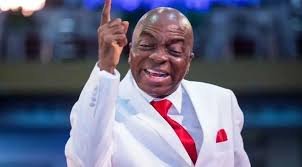
Presiding Bishop of the Living Faith Church Worldwide, David Oyedepo, has renewed a warning he first issued 15 years ago over Nigeria’s rising insecurity, following recent church attacks that left several worshippers dead and others abducted. Speaking during the 4th Pre-Shiloh Encounter Service on Sunday, as monitored by Vanguard, Oyedepo expressed deep alarm over the country’s security situation. “Developments in the past two weeks, particularly in Nigeria, are extremely worrisome,” he said. “There is an urgent need for prayer to stop these killings once and for all. Innocent blood is crying out for justice… and all perpetrators will answer for their actions.” Reaffirming his connection to the nation, he added: “No one is more Nigerian than I am. We all have ancestral roots, but no power exceeds the power of God.” Calling for intensified intercessory prayers, Oyedepo urged church members to hold midnight prayer sessions, saying: “Every member must be awake for at least one hour before violence descends into anarchy. A church was invaded during worship, people were killed and abducted yet nothing happened? The God of justice is rising.” He referenced scripture to underscore his message, noting that Nigeria’s destiny is spiritually anchored: “When God steps in, human pride collapses. Nigeria will not descend into chaos. These are hard truths coming from the burning spirit of a prophet.” Citing Psalm 85:8, he added: “When God speaks, His word brings peace. I’ve been shouting this for 15 years, and God has prompted me to speak again.” Condemning the surge in killings, kidnappings, and terrorism, Oyedepo said the church will continue praying for justice. He encouraged members to “raid the camp of the wicked” through midnight prayers, anoint their homes, and stand against attacks on churches. “Don’t politicise human life; it is immoral,” he said. “Let’s unite our hearts and pray from 12am to 1am. Every assault on the church will be met with divine justice.”

images-1.jpeg

4min6520
The United States chapter of the All Progressives Congress has called on American lawmakers to strengthen security collaboration with Nigeria rather than impose sanctions over concerns related to religious freedom and rising violence. The USA Chairman of the party, Prof. Tai Balofin, made the appeal on Thursday while addressing the U.S. House Foreign Affairs Subcommittee on Africa during discussions on Nigeria’s redesignation as a “Country of Particular Concern.” His remarks were later shared with the public on Friday. Speaking to Chairman Chris Smith and other members of Congress, Balofin acknowledged the suffering experienced by Christian communities in Nigeria but urged U.S. lawmakers to take a balanced and fact-based approach to the country’s security challenges. He argued that most recent violence is driven primarily by criminal banditry, mass kidnappings, and resource conflicts—not religious extremism. According to him, the dominant threat has shifted from Boko Haram’s religious insurgency to widespread criminal activities that affect both Muslims and Christians, noting that more than 60 per cent of abductions recorded in 2025 in states like Zamfara, Katsina, and Kaduna occurred in predominantly Muslim communities. Balofin outlined what he described as significant security gains under President Bola Tinubu, attributing them to increased military deployments, the use of U.S.-supplied Super Tucano aircraft, and operations such as Operation Accord. He claimed these efforts had led to the neutralisation of numerous criminal leaders, the rescue of thousands of hostages, and a 28 per cent reduction in communal violence fatalities this year. He urged Congress to support ongoing cooperation by adopting three measures: – establishing a joint U.S.–Nigeria Religious Freedom and Security Working Group; – expanding USAID-funded community resilience programmes; – and creating a transparent Victims of Violence Trust Fund for all affected communities. Balofin cautioned that sanctions could weaken existing security partnerships and empower extremist groups. He added that, as Nigeria approaches the 2027 elections, genuine suffering is increasingly being politicised. He appealed to lawmakers to promote “the full truth” rather than narratives influenced by politics or selective reporting. He said, “Chairman Smith, you have long been a defender of persecuted Christians worldwide, including in Nigeria. Today, I am asking that you continue championing the full truth and supporting a strong U.S.–Nigeria partnership that protects people of all faiths.” He concluded by expressing appreciation “on behalf of President Tinubu and 220 million Nigerians who simply want peace.” Balofin’s presentation came a day after U.S. lawmakers heard testimony from a survivor of the June 2025 Yelwata attack in Benue State. Speaking virtually, the survivor, Msurshima Apeh, recounted how she witnessed the killing of her five children during an attack by suspected armed herdsmen. She described how the assailants locked residents inside the camp before attacking with machetes and firearms, later setting parts of the shelter ablaze. Apeh said she escaped by climbing a tree while her children cried below as they were killed. She eventually fled through the bush and was later rescued. The attack, which occurred in June, left numerous civilians and five security personnel dead. Several homes and market stalls were destroyed, with some families completely wiped out.

kanu88.jpg

4min4110
Security has been reinforced at the Sokoto Custodial Centre following the transfer of the convicted leader of the Indigenous People of Biafra, Nnamdi Kanu, to the facility. Kanu was sentenced to life imprisonment on Thursday by the Federal High Court in Abuja after being found guilty of terrorism-related offences. In his judgment, Justice James Omotosho directed that Kanu be moved to a “protective prison,” stating that the Kuje Custodial Centre was unsuitable due to past security breaches. Kanu’s lawyer, Alloy Ejimakor, later claimed that his client had been relocated to Sokoto, expressing concern that the move placed him far away from his legal team, family members, and supporters. Although officials at the Sokoto Custodial Centre did not confirm his presence, heightened security activity around the facility indicated preparations for a high-profile inmate. Armed personnel were positioned at key locations within and outside the prison, and residents reported seeing truckloads of soldiers enter the premises an unusual sight in the area. The spokesperson for the Nigerian Correctional Service, Jane Osuji, confirmed that Kanu was in the agency’s custody but declined to reveal his exact location due to the sensitivity of the case. Wife, Sowore confirm transfer Kanu’s wife, Uchechi Okwu-Kanu, announced on her X handle that her husband had arrived at the Sokoto facility, expressing displeasure that some supporters circulated the information before notifying her. Activist and publisher Omoyele Sowore also said Kanu had been “secretly” moved to Sokoto and argued that the transfer placed him at greater risk. Meanwhile, the Minister of State for Foreign Affairs, Bianca Odumegwu-Ojukwu, urged calm and described the development as unexpected. She appealed to Nigerians, especially those from the South-East, to avoid actions that could escalate tensions, noting that resolving the matter would require wide consultations with political, religious, and traditional leaders. Ohanaeze, MASSOB reject sentence Several Igbo socio-cultural groups, including Ohanaeze Ndigbo, the Igbo National Council, and the Movement for the Actualisation of the Sovereign State of Biafra, condemned the life sentence imposed on Kanu. Ohanaeze, in a statement by its National Publicity Secretary, Ezechi Chukwu, described the ruling as “a setback to justice” and warned that it could further worsen instability in the South-East. President-General John Azuta-Mbata called on President Bola Tinubu to seek a political resolution, arguing that Kanu’s prolonged detention had contributed to insecurity and youth unrest in the region. The Igbo National Council, led by Chilos Godsent, alleged that the judgment was part of an “ethno-political agenda” and urged Tinubu to grant Kanu a presidential pardon. The Ohanaeze Youth Wing also criticised the ruling, calling it discriminatory, while MASSOB leader Uchenna Madu dismissed the sentence as politically motivated. Kanu was first arrested in 2015 on charges including treasonable felony. After fleeing the country, he was re-arrested in Kenya and brought back to Nigeria in 2021.

Tech & Tools Desk22 November 2025
Bola-Tinubu66.png

3min3640
Former Nigerian Ambassador to the Philippines, Yemi Farounbi, has urged President Bola Tinubu to fulfil his security commitments as outlined in his inaugural address on May 29, 2023. Farounbi warned that the growing wave of insecurity and emerging external threats require urgent and decisive government action. He noted that while President Tinubu implemented some of his early promises including fuel subsidy removal and the unification of foreign exchange rates these policies, though praised by some, triggered inflation and economic hardship for many Nigerians. He added that newer reforms such as tax restructuring are gaining recognition, even though their long-term impact will only become evident by 2026. The former envoy stressed that rising insecurity and global uncertainties, including reported international threats involving former U.S. President Donald Trump, make it crucial for the administration to prioritise the safety of Nigerians. Citing Tinubu’s inaugural assurances that his government would “mend and heal” the nation, Farounbi said many citizens are still waiting to see those promises reflected in everyday life as communities continue to experience killings, kidnappings and displacement. He also referenced the President’s pledge that Nigeria would remain a safe and secure home for all, urging the government to demonstrate this commitment to those living under constant threat from groups such as ISWAP, ISGS and other militant organisations. Farounbi reminded the President of his vow to defend the nation from terrorism and all forms of criminality, noting that Nigerians had expected concrete progress against Boko Haram and other violent groups. He expressed disappointment that the promised overhaul of the country’s security doctrine and architecture has not yet been implemented. He argued that Nigeria’s size and diversity make a single centralised police structure ineffective, advocating instead for the creation of state and local government police formations as part of a decentralised security system. According to him, many Nigerians believed President Tinubu who showed political courage in removing the fuel subsidy would apply the same determination to restructuring the security sector, despite likely pushback from entrenched interests within existing agencies. Farounbi urged the President to revisit his commitments to Nigerians and take decisive steps to reform the security system, emphasising that repeating outdated approaches would not produce different results. He noted that several citizens expect the new security architecture to reflect decentralisation, devolution and localisation, even though resistance from established security bodies is inevitable. He added that Nigerians still believe Tinubu can deliver on his promises but insisted that immediate action is necessary.

James Obasi22 November 2025
asuu-strike.jpg

3min3690
The Nigeria Labour Congress has announced that its leadership will meet to determine the next steps as the ultimatum it issued to the Federal Government over the looming industrial action in public tertiary institutions expires today. The acting Secretary-General of the NLC, Benson Upah, confirmed this during an interview in Abuja on Friday. The NLC, after meeting with unions in the tertiary education sector, had given the Federal Government a one-month deadline to resolve the persistent issues affecting universities, polytechnics and colleges of education. NLC President, Joe Ajaero, explained after the meeting that the government was given four weeks to conclude all negotiations across the sector, noting that the challenges extended beyond ASUU alone. He stressed that the era of signing agreements without implementation was over. With the ultimatum now expired, Upah reaffirmed the Congress’ commitment to maintaining stability in tertiary institutions, stating that relevant organs of the NLC would meet and decide on the next line of action. Meanwhile, the National Association of Nigerian Students has called on the Federal Government to take urgent and lasting steps to prevent an interruption of academic activities in public universities. The Assistant Secretary-General of NANS, Adejuwon Olatunji-Emmanuel, urged the government to address the concerns raised by ASUU, warning that any strike would negatively affect millions of students. He noted that since the start of the current administration, students had enjoyed a stable academic calendar a level of consistency not experienced since 1999 and said this progress must be protected. Olatunji-Emmanuel further appealed for constructive dialogue and swift resolutions to ensure campuses remain open. ASUU had suspended its two-week warning strike on October 22 and issued a one-month deadline for the Federal Government to meet its demands. The deadline expired on Friday. The union’s demands include a review of the 2009 ASUU–Federal Government agreement, payment of outstanding salaries and earned allowances, and release of the university revitalisation fund. ASUU warned it would resume strike action without notice if meaningful progress was not made. However, Minister of Education, Tunji Alausa, recently insisted that the government had met the union’s demands, adding that the President had directed that no strike should occur in public universities. He noted that negotiations were ongoing and that efforts were being made to ensure students remain in school.

DIPHTHERIA.jpg

4min4710
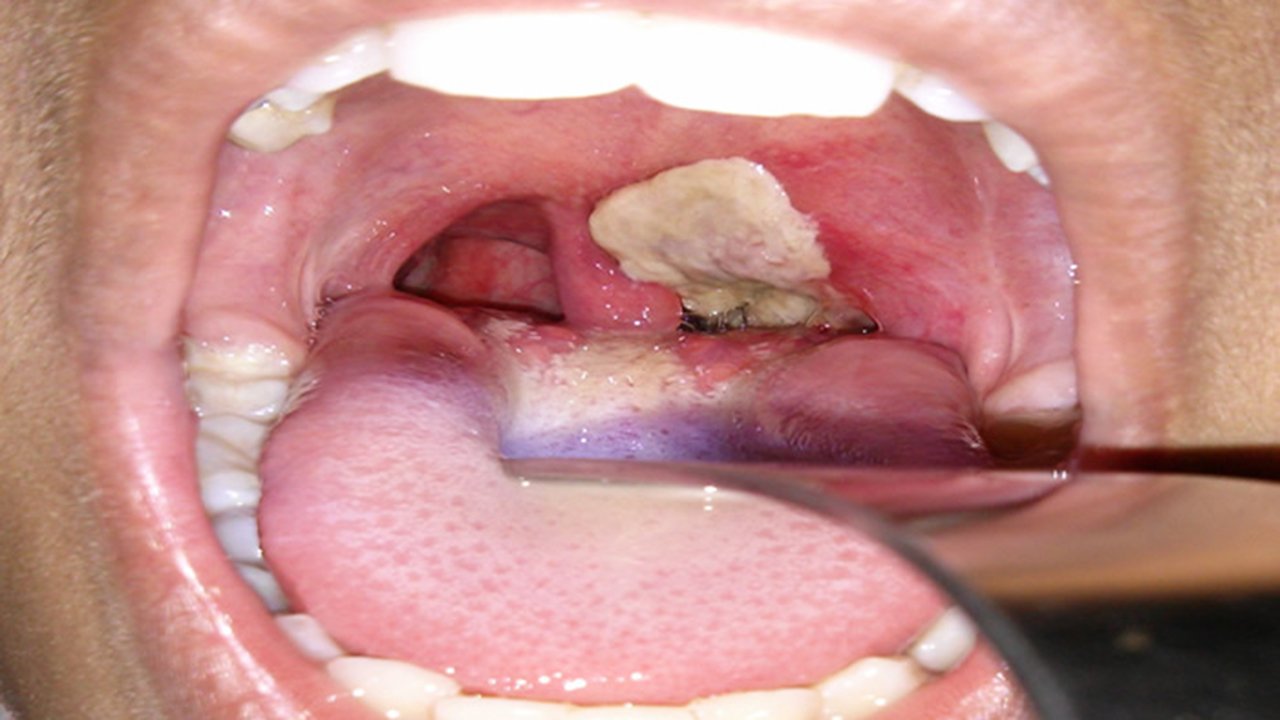
Médecins Sans Frontières (MSF), also known as Doctors Without Borders, has intensified its emergency response to diphtheria in collaboration with state health ministries since August, following a sharp increase in cases in Borno, Kano, and Bauchi states. In a statement released on Friday, MSF said hundreds of suspected cases reported by Disease Surveillance and Notification Officers (DNSOs) over the past three months have overwhelmed health facilities, revealing gaps in treatment capacity and vaccine coverage. Diphtheria, caused mainly by toxin-producing Corynebacterium diphtheriae, is a serious bacterial infection affecting the nose, throat, and sometimes the skin. It can manifest as laryngitis, pharyngitis, or tonsillitis, often accompanied by an adherent membrane over the tonsils, pharynx, or nose. Severe cases may result in heart complications (myocarditis). Treatment relies on antibiotics and Diphtheria Antitoxin (DAT). According to the Nigeria Centre for Disease Control and Prevention (NCDC), between May 2022 and May 2025, Nigeria recorded 43,743 suspected diphtheria cases across 37 states and 360 Local Government Areas. “Without prompt treatment, diphtheria can be fatal in up to 50 per cent of cases,” said MSF Medical Coordinator Dr. Halarou Assoumana. “Even with care, it remains deadly in five per cent of patients, highlighting the urgent need for early diagnosis, antitoxin availability, and strong vaccination coverage.” MSF noted several challenges hindering the response, including low routine immunization rates, limited access to DAT, staff shortages, and gaps in surveillance and data collection. In Bauchi State, MSF-supported activities at the Diphtheria Treatment Centre (DTC) at Abubakar Tafawa-Balewa University Teaching Hospital (ATBUTH) recorded 295 admissions between August 21 and November 9, 2025. The surge led to the opening of an additional treatment centre at a specialist hospital. In Kano State, MSF began supporting interventions for suspected cases in October, following a previous response from January 2023 to April 2024. By early November 2025, over 2,300 patients had been hospitalised, with more than 400 admissions recorded between October 6 and November 2. Severe cases are being prioritized at the Infectious Disease Hospital, with referrals to Aminu Kano Teaching Hospital for specialized care. Dr. Jerome Ntarima, MSF’s Emergency Project Medical Referent, said most patients arrive with advanced complications, and many deaths are already reported in the communities they come from. In Borno State, MSF has conducted routine sensitization, community-based surveillance, risk communication, and referrals. Between early July and late October 2025, 2,553 patients with suspected diphtheria were managed, including 1,651 through home-based care and 902 admitted to isolation wards at the University of Maiduguri Teaching Hospital in partnership with the state Ministry of Health. “Diphtheria remains a recurring threat in Nigeria,” MSF said, urging national authorities, partners, and donors to scale up vaccination coverage and ensure consistent access to DAT, antibiotics, and essential medical supplies. Strengthening surveillance systems, investing in the health workforce, and retaining trained staff are also critical to controlling the disease and preventing future outbreaks.

hospital.webp

3min2440
Iwosan Investments Limited has acquired Paelon Memorial Hospital, a leading multi-specialist healthcare facility in Lagos, as part of its strategy to enhance Nigeria’s healthcare sector through strategic investments and improved service delivery. The Co-founder and CEO of Iwosan Investments, Fola Laoye, said the acquisition aligns with the group’s long-term goal of establishing a network of high-quality, patient-centered medical institutions across the country. Laoye described Paelon Memorial Hospital’s 15-year history as “a legacy of excellence,” praising its founder, Dr. Ngozi Onyia, and her clinical team for setting “a gold standard for patient-focused care” in Nigeria. “We are excited to welcome Paelon Memorial Hospital to the Iwosan Group. Dr. Onyia’s vision, integrity, and collaborative approach align perfectly with our values. By joining forces, we can broaden service offerings, enhance patient experiences, and advance healthcare in Nigeria,” she said. Laoye added that while each facility within the Iwosan group will retain its unique identity, they will operate under a unified framework that enables shared systems, expertise, and administrative support. Paelon Memorial Hospital, the first African hospital to achieve SafeCare Level 5 certification, is recognized for its evidence-based practices and high clinical standards. Dr. Onyia said joining the Iwosan Group marks a new chapter for the hospital. “For 15 years, Paelon has focused on delivering compassionate, ethical, and evidence-based care. Partnering with Iwosan allows us to extend this vision on a larger scale, leveraging greater resources and a wider professional network,” she said, expressing optimism that the partnership will benefit patients, staff, and the wider healthcare system. Iwosan Investments confirmed that it will continue expanding its footprint across Nigeria through new projects and acquisitions, maintaining a commitment to investing in healthcare infrastructure and talent to increase access to quality medical services nationwide.    

diabetes-600x400-1.jpg

3min3010
Professor Femi Fasanmade, an Endocrinologist at Lagos University Teaching Hospital (LUTH), has declared that diabetes is no longer a death sentence and called on employers to provide more supportive work environments for people living with the condition. He made the remarks during the World Diabetes Day programme organised by the Endocrinology, Diabetes & Metabolism Unit of LUTH’s Department of Internal Medicine in Idi-Araba, themed “Diabetes and the Workplace.” Fasanmade explained that when properly managed, diabetes “has no negative effects on life expectancy or quality of life,” but noted that many Nigerians still experience complications due to late diagnosis, poor management, and workplace challenges. “Before the discovery of insulin, diabetes was essentially a death sentence, with patients surviving only a few weeks or months. Today, with early diagnosis, proper intervention, and a supportive environment, people with diabetes can live full, productive lives,” he said. The professor noted that Nigeria has an estimated five to seven million people living with diabetes, adding that “seven out of every 10 people with diabetes are employees.” He stressed the crucial role of the workplace in diabetes prevention and management, highlighting that many employees still face stigma, discrimination, and limited access to healthcare. “The theme draws attention to the challenges faced by employees with diabetes at work. Employers must provide access to medical check-ups, allow staff to attend appointments, and offer healthy meal options and recreational facilities,” he said. The event featured free diabetes screenings, educational materials, expert talks on prevention and management, and a diabetes awareness walk from Hall 36 within the hospital. World Diabetes Day, observed annually on November 14, honours Sir Frederick Banting, credited with discovering insulin, which transformed diabetes treatment and significantly improved life expectancy. Fasanmade urged Nigerians to take charge of their health through regular screenings, a balanced diet, physical activity, and adherence to medical guidance. “Diabetes affects people at all stages of life. With proper care and support, it does not have to limit anyone’s potential,” he said, calling on governments, organisations, and families to actively promote awareness, early detection, and continuous care for those living with the condition.

UNICEF-Calls-for-Stronger-Child-Rights-Commitments.jpg

4min3450
The United Nations Children’s Fund (UNICEF) has urged the Lagos State House of Assembly to take decisive action to improve the lives of children in the state by passing laws that protect their rights and ensure their well-being and education, amid a global decline in support for child rights. Celine Lafoucriere, Chief of UNICEF’s Lagos Field Office, delivered the message on Thursday during the World Children’s Day Policy Dialogue with Legislators & Children’s Arts Exhibition. This year’s World Children’s Day, observed annually on November 20 under the theme “My Day, My Right,” serves as a global call to action for children and marks the anniversary of the Convention on the Rights of the Child. The event encourages schools, communities, and institutions to engage with and support children. Lafoucriere, who accompanied children from various schools across the state to the Assembly complex in Alausa to present their demands, reminded lawmakers of their critical role. “These children are here because they believe you can help. You have the power to change their lives today. This is where laws are made, budgets are approved, and priorities are set. Every child you invest in becomes healthier, smarter, and more productive. Every child you protect is one less person trapped in poverty or crime. Every child you empower is a future leader who builds a better Lagos,” she said. She urged lawmakers to prioritise all children’s rights, including identity, protection, education, health, nutrition, and access to water, noting that guaranteeing these rights through adequate budget allocations is a constitutional duty, not a favour. Lafoucriere expressed concern over the global situation for children, highlighting that cuts in funding could result in 4.5 million additional child deaths by 2030 and six million more children being out of school by 2026. She stressed that while over 200 million children need urgent help worldwide, resources are shrinking—but Lagos can chart a different path. “When you commit to children, you deliver. Lagos has already shown progress, particularly in birth registrations, which are among the best in Nigeria. We hope to hear specific commitments from Honorable Members on improving schools, expanding digital learning, building health centers, strengthening health insurance schemes, and creating space for children’s voices in decision-making,” she said, reaffirming UNICEF’s readiness to support the state in fulfilling the rights of every child. Responding, Abiodun Orekoya, Chairman of the House Committee on Youths and Social Development, commended UNICEF for its unwavering dedication to children. He encouraged the young participants to aspire to leadership roles, stay away from drugs, and realise their full potential, emphasizing that UNICEF’s continuous support contributes to a brighter future for all children. World Children’s Day is UNICEF’s global day of action for children, by children, celebrating the adoption of the Convention on the Rights of the Child and giving children a platform to speak about their lives, hopes, and rights.

Tech & Tools Desk21 November 2025
Fuel-Hike.jpg

3min2470
The Lagos State Government has issued a renewed warning to market operators against unsafe fuel storage and smoking within market premises, as the Lagos State Safety Commission on Thursday extended its awareness campaign to Ayangburen Sabo Market in Ikorodu. The commission reaffirmed its commitment to achieving “zero incidents, zero loss, and a safer Lagos for all.” The campaign, themed “Promoting Safety Culture in Markets,” was led by the Director-General of the commission, Mr. Lanre Mojola. He noted that with the Yuletide approaching, markets such as Sabo play a crucial role in the state’s economy, making safety preparedness essential. Represented by the Director of Administration and Human Resources, Dr. Nike Akindele, Mojola expressed concern over recurring market fire incidents in Lagos, many linked to preventable causes such as unsafe electrical wiring, generator misuse, improper storage practices, and lack of emergency preparedness. He stressed that the commission is working to address these issues through continuous sensitisation and the deployment of Market Safety Marshals, who will act as the first line of defence in identifying hazards and coordinating emergency responses. “Safety is a shared responsibility,” the DG said. “I urge all shop owners to ensure proper electrical wiring, avoid overloading sockets, and switch off appliances after business hours. Every shop must have at least one functional fire extinguisher. Traders should also refrain from open flames, unsafe fuel storage, and smoking within the market.” The awareness session included lectures by safety and fire prevention experts. Yinka Adebiyi delivered the first lecture, titled “Safety in the Marketplace,” encouraging traders to be more safety conscious, turn off electrical appliances when not in use, and avoid storing hazardous or substandard materials that could ignite fires. A key highlight of the event was the inauguration of 12 Market Safety Marshals for Sabo Market. In her remarks, the Iyaloja General of Sabo Market, Alhaja Mutiat Ojulari, pledged to convey the safety messages to absent traders and ensure that all market members adopt safer practices.