Blog - Edupreneur Select

Bring to the table win-win survival strategies to ensure proactive domination. At the end of the day, going forward, a new normal that has evolved from generation.
Nnamdi-Kanu-1nk-e1761209319678.jpg

3min2750
The family of jailed Indigenous People of Biafra (IPOB) leader Nnamdi Kanu has rejected the recent judgment delivered by Justice James Omotosho of the Federal High Court, Abuja. In a statement issued on Monday and signed by Emmanuel Kanu on behalf of the Okwu Kanu family, they said they were speaking “with heavy hearts but absolute clarity” regarding the court’s decision. The family noted that “we raised several legal points in court, including Section 36(12) of the Constitution, Supreme Court decisions on repealed laws, and previous directives related to earlier charges.” They emphasised the importance of constitutional safeguards, stating, “No person shall be convicted unless the offence is defined in a written law in force at the time,” citing previous Supreme Court rulings that uphold this principle. They also expressed concerns about the legal reasoning in the ruling, particularly regarding the use of transition or savings clauses. According to the family, such clauses may not apply in Kanu’s case because “Mazi Nnamdi Kanu’s matter was not pending.” They noted that the Court of Appeal had previously discharged and acquitted him, which, in their view, terminated all charges. The subsequent case before Justice Omotosho, they argued, constituted “a new case, commencing de novo,” and could not be “saved” by a transition clause. The family further highlighted constitutional protections under Section 36, stressing that “the right to be tried only under laws in force, to be informed of the exact charges, and not to be convicted under repealed or non-existent laws cannot be overridden.” They added, “No transition clause can override Section 36. No statute can override the Constitution. No judge can override the Supreme Court.” The statement concluded with a call for strict adherence to the Constitution and established legal procedures, noting, “All proceedings should align with existing laws and procedures.” Justice Omotosho had sentenced Kanu to life imprisonment on counts one, two, four, five, and six, opting for life imprisonment rather than the death penalty. He was also given a 20-year jail term on count three and a five-year term on count seven, both without the option of fines, after being convicted on all seven counts of terrorism offences.  

James Obasi24 November 2025
Okirika.jpg

4min4980
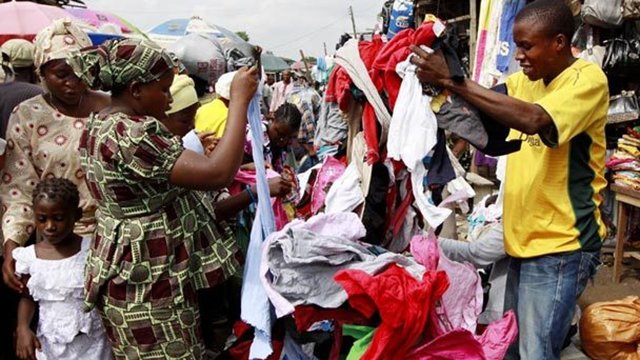
Until the late 2000s, okrika sellers—commonly known as bend-down boutiques—mainly served those who couldn’t afford brand-new clothes. Back then, used clothes imported from abroad were cheap and considered the choice of the poor. Over time, however, people realised that these clothes often lasted longer than new ones. Gradually, wealthier buyers took over the market, pushing prices up and sidelining the poor. But with the ongoing economic downturn, both rich and poor have returned to the same market—though now, even seeing the clothes isn’t guaranteed. Importers struggle to bring them in, and clearing goods at the ports has become extremely costly. Foreign used clothes are generally treated as contraband in Nigeria and are often seized by customs. To bypass this, many sellers resort to smuggling via roads or waterways, often at night, paying heavily for the risk. Previously, such methods had a 90% success rate, but tighter scrutiny has made them less effective, forcing sellers to spend even more to bring in okrika. Currently, a bale of high-grade okrika costs between N500,000 and N600,000, a sharp rise from N50,000 just a few years ago. Lower-grade bales go for N200,000 to N300,000. As a result, most bend-down boutiques now mainly sell Nigerian used clothes. Maxwell Okechukwu, an okrika seller, explained that bales often contain mixed sizes, making it challenging to sell adult clothes if smaller sizes dominate a bale. “A bale might have office wears in small sizes, which is difficult if you specialize in evening or club wears. Selling okrika is risky, and without enough capital to buy bales, it’s better to select items carefully or avoid the business entirely,” he advised. Mrs. Helen Akugbe, another seller, said she now sources used clothes locally and markets them as London-used clothes. “I used to sell bales from the UK, US, and China, but due to rising costs, I now rely on Nigerian used wears. I buy gowns, tops, skirts, and other items at low rates and resell them. Most of my customers prefer African prints and lace for church and events.” Mrs. Saidat Akinsola, a boutique owner, said she was surprised to see Nigerian used clothes being sold as okrika. “I recently bought neat children’s clothes, pyjamas, and Ankara prints marketed as okrika. The seller explained that well-to-do people often bring their children’s used clothes to sell, many hardly worn. The Ankara gowns were beautiful, and I bought a few items for my son. “Growing up, receiving used clothes from neighbours was a cherished moment. That tradition is fading because everything is monetized. People now sell almost anything for survival. May God save us,” she lamented.

Hiv-Screening-1280x731.jpg

2min1700
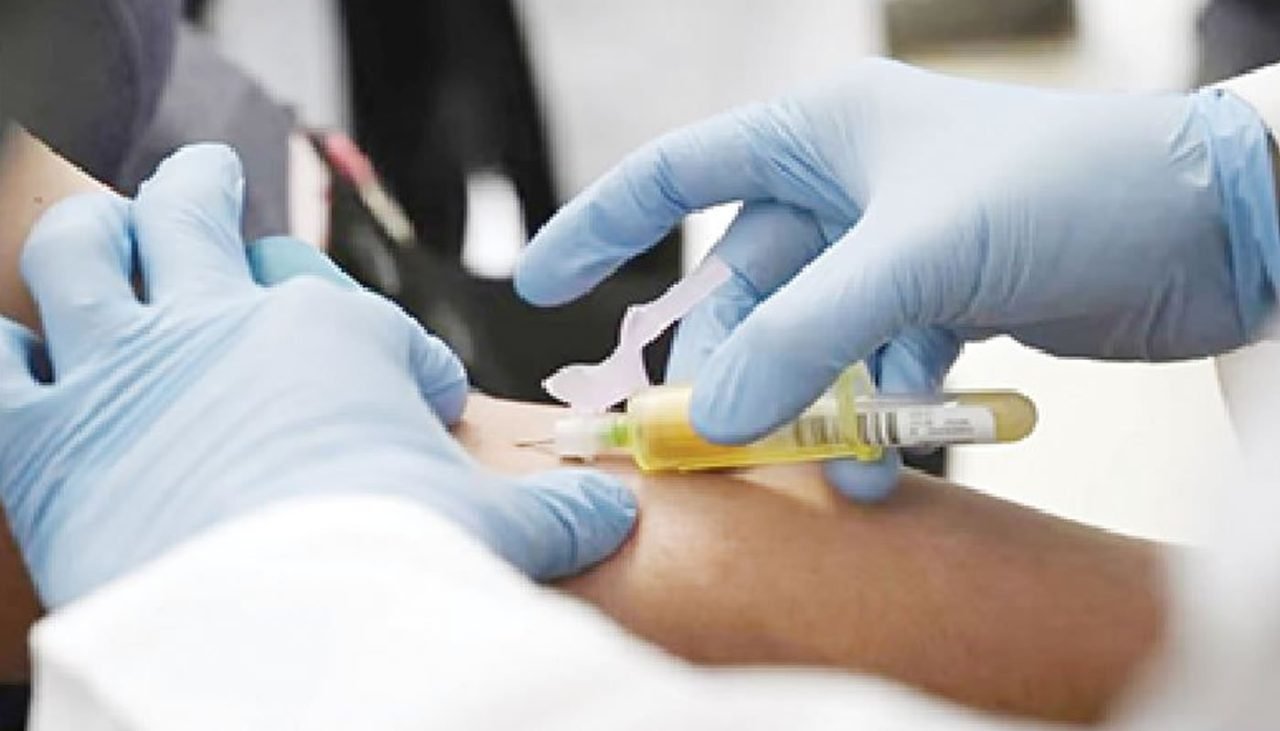
The Federal Ministry of Health and Social Welfare has cautioned the public against a fake graphic circulating online that falsely claims HIV prevalence in Port Harcourt has “increased to 86%.” In a statement posted on X on Sunday, the ministry clarified that the figures being shared are completely inaccurate and do not reflect any official health data. It stated, “No state in Nigeria has an HIV prevalence rate anywhere close to the numbers being circulated. The Ministry did not issue any such alert, and the wording, figures, and format of the graphic are inconsistent with official communication.” The ministry added that accurate HIV data is available through the National AIDS and STIs Control Programme, the National Agency for the Control of AIDS, and official publications of the ministry. The fake graphic, designed to look like an official advisory, falsely claims that HIV rates in Port Harcourt jumped from 43% to 86%, with hundreds of thousands of men and women affected, and that 40% of cases involve individuals aged 16 to 25. It also ends with a misleading “public announcement” calling the city unsafe. The ministry urged Nigerians to ignore the fabricated message, avoid spreading unverified health information, and rely solely on credible government sources for updates. It reaffirmed its commitment to providing accurate, evidence-based health information to safeguard the wellbeing of citizens.  

who.jpeg

4min3490
Nigeria currently tops Africa in reported diphtheria cases, recording 8,587 confirmed infections and 884 deaths between January 1 and November 2, 2025, according to new data obtained from the World Health Organisation. The WHO report shows that Nigeria continues to account for the highest burden of diphtheria in the region. It noted that the country recorded 12,150 suspected cases within the same period, spread across 240 Local Government Areas in 30 states. Only three per cent of confirmed cases were verified through laboratory testing, with most diagnosed clinically. Médecins Sans Frontières (Doctors Without Borders) recently announced that it has expanded its diphtheria response in partnership with state ministries of health, following a significant rise in cases in Borno, Kano, and Bauchi. MSF said hundreds of suspected cases reported over the past three months have overwhelmed health facilities, exposing major gaps in treatment capacity and vaccination coverage. Children and adolescents remain the most affected group, with the WHO warning that more than two million children in Nigeria are under-immunised or have received no vaccines at all. The agency highlighted that low vaccination coverage is fuelling transmission. Reactive vaccination campaigns have been carried out in Imo, Kaduna, and Lagos, but challenges persist, including vaccine shortages, weak infection control, delayed lab confirmation, and limited communication materials. The WHO added that discussions are ongoing with Gavi, the Vaccine Alliance, to secure additional support. WHO/UNICEF immunisation estimates for 2024 show 71 per cent coverage for the first DTP dose and 67 per cent for the third. Across Africa, several countries are also battling diphtheria outbreaks: Algeria recorded an outbreak in Skikda province in October 2025, reporting 13 suspected cases, eight confirmed, and two deaths, mainly among unvaccinated individuals. Chad reported 4,462 suspected cases and 47 deaths, with only four confirmed due to laboratory limitations. Guinea has documented 476 suspected cases and 123 deaths since June, with over 80 per cent occurring in Siguiri district. Mali confirmed 430 suspected cases and 29 deaths across seven regions, with rapid spread from three to 30 affected districts in six weeks. Mauritania recorded 849 suspected cases, 318 confirmed, and 33 deaths, with most cases among children and adolescents aged five to 19. Niger reported 1,926 suspected cases and 122 deaths, primarily in Agadez, Diffa, and Zinder. South Africa has reported 106 cases, including confirmed respiratory infections and asymptomatic carriers across five provinces, with the Western Cape most affected. Between January 1 and November 2, 2025, the WHO African Region recorded 20,412 suspected diphtheria cases and 1,252 deaths across eight member states. Of these, 9,864 cases were confirmed through laboratory tests, clinical diagnosis, or epidemiological links. Women, children aged 5–18, and young adults under 30 remain the most affected, reflecting wide immunity gaps. The WHO described the resurgence of diphtheria in multiple countries as a major public health concern, prompting its classification as a grade two emergency. Response efforts are being challenged by global shortages of diphtheria antitoxin and limited laboratory capacity. The organisation stressed that effective control requires coordinated action involving case detection, surveillance, laboratory confirmation, clinical care, infection prevention, community engagement, and strong routine immunisation systems.  

A-Federal-High-Court-in-Abuja.jpg

3min1260
The Federal High Court has requested the arrest and investigation of a blogger who published a false claim that Justice James Omotosho narrowly escaped an assassination attempt following his conviction and life sentencing of IPOB leader Nnamdi Kanu. The misleading report, shared on Facebook, alleged that the judge was attacked on Saturday morning—two days after delivering the judgment—and was rushed to a hospital while security operatives secured the scene. In a statement issued on Sunday, the Chief Registrar of the Federal High Court, Sulaiman Hassan, dismissed the story as completely untrue. The statement, titled “Rebuttal to False Publication by ‘Celebrity Blogger’ on the Alleged Assassination Attempt on Justice James Omotosho of the Federal High Court,” stressed that the claims were fabricated. Hassan said, “The attention of the Federal High Court has been drawn to a publication alleging that Justice James Omotosho survived an assassination attempt following the life sentence imposed on Nnamdi Kanu. We categorically state that the report is false and unfounded. The public is urged to disregard it and avoid spreading misinformation.” He called on security agencies to investigate the matter, noting that such reports can create public panic and erode confidence in the judiciary. According to him, the seriousness of the allegation suggests it may have been intended to intimidate the court. He urged security and regulatory authorities to identify those behind the publication and prosecute them under relevant laws, including those on cybercrime, defamation, and misinformation. Justice Omotosho had, on Thursday, convicted Kanu of terrorism charges and sentenced him to life imprisonment. Although the law allows a death sentence, the judge opted for leniency, citing his Christian faith and referencing Matthew 23:23. He also ordered that Kanu be kept in protective custody outside Kuje Correctional Centre, barred him from using digital devices unless monitored by the Office of the National Security Adviser, and directed that the radio transmitter used by IPOB be forfeited to the Federal Government. Kanu has since been transferred to the Sokoto Correctional Centre.

Tech & Tools Desk24 November 2025
bauchi.jpg

3min6160
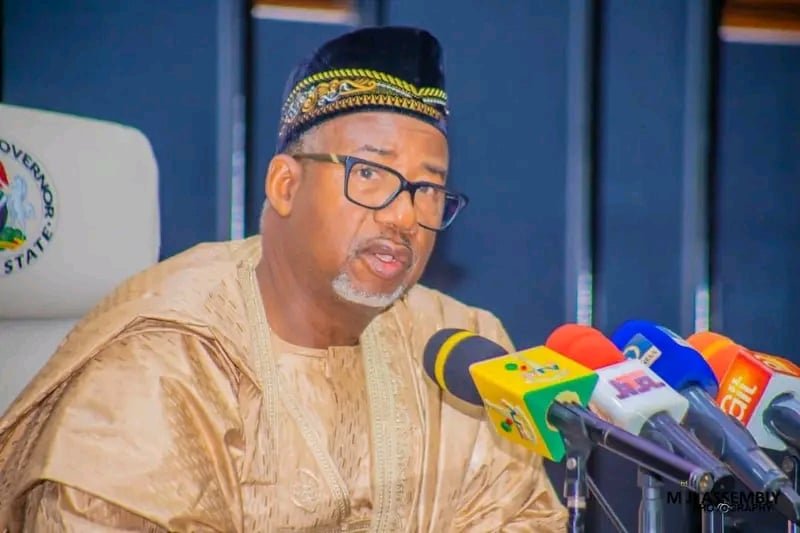
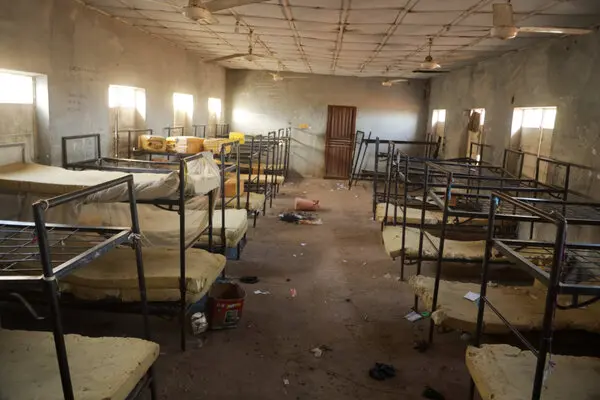
The Bauchi State Government has ordered the immediate shutdown of all schools across the state due to rising security threats. The directive covers all primary, secondary, and tertiary institutions — including those owned by the Federal Government as well as privately run schools. The announcement was issued on Sunday by Jalaludeen Usman, the Information and Public Relations Officer of the state Ministry of Education. He explained that the decision was taken after extensive consultations and in response to “serious security concerns affecting the safety of students, teachers, and school communities statewide.” He noted, “Although difficult, this decision became necessary. The safety of our children remains our highest duty. Every student deserves to learn in an environment that is safe, stable, and free from fear.” Usman called on parents, guardians, school owners, and other stakeholders to stay calm, assuring them that steps were being taken to resolve the situation. He added that the government is working closely with security agencies to restore normalcy and ensure academic activities resume once it is considered safe. The ministry also urged residents to remain alert and report any suspicious behaviour, stressing that timely information is vital for community safety. Usman reaffirmed that the government would continue to provide updates as developments unfold. The closure comes amid recent abductions of secondary school students in Kebbi and Niger states, which have increased tension among parents and authorities across the northern region. On Friday, the Federal Government also directed the temporary closure of 41 unity schools following the surge in abduction cases nationwide.

James Obasi24 November 2025
oby-Ezekwesili.webp

3min1870
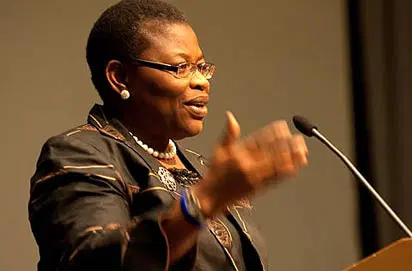
A former Minister of Education and co-convener of the Bring Back Our Girls Movement, Oby Ezekwesili, has blamed Nigeria’s worsening insecurity and the repeated mass abductions of schoolchildren on what she called “cancerous, systemic corruption” that has weakened national institutions. In a post on her X handle on Monday, she said corruption had eroded the country’s core values to the point where crucial institutions, including the military and judiciary, had become “deeply compromised and unable to carry out their responsibilities.” According to her, “Endemic corruption gradually ate up the very values on which they were founded and rendered them the impotent institutions we now know.” She warned that the country is now facing the full consequences of years of neglecting good governance. Citing data from UNICEF and Save the Children, she noted that more than 1,680 students were abducted in 70 attacks between 2014 and 2022, and another 816 students in 22 attacks from 2023 to November 2025. Reflecting on over a decade of advocacy following the Chibok schoolgirls’ abduction, Ezekwesili said public outrage “no longer feels adequate,” stressing that the recurring kidnappings reflect state failure, not isolated incidents. She described the persistent attacks as “proof of state collapse in its most basic duty — protecting our children.” She argued that ten years after the Chibok tragedy, the Federal Government could no longer claim ignorance or inexperience. “What we have is deliberate negligence, and deliberate negligence is a crime,” she stated. Ezekwesili added that any government that fails to rescue abducted students or properly secure schools “admits it is governing without legitimacy.” “Enough said,” she concluded.

trump-vv.jpg

3min1810
Former U.S. President Donald Trump has again criticised the Nigerian Federal Government over what he described as targeted attacks on Christians in the country. Speaking in an audio clip aired on Fox News Radio’s The Brian Kilmeade Show on Friday, Trump accused Nigerian authorities of failing to address ongoing violence and warned that U.S. financial support to Nigeria could be withdrawn if the situation persists. “I think Nigeria is a disgrace. The whole thing is a disgrace. They are killing people by the thousands. It is a genocide, and I am really angry about it,” Trump said in the recording, alleging that the Nigerian government has been ineffective in curbing the killings. He claimed that U.S. subsidies to Nigeria may be halted if the violence continues unchecked. “We give a lot of subsidy to Nigeria. We are going to end up stopping. The government has done nothing. They are very ineffective. They are killing Christians at will,” he added, insisting that the issue had not received sufficient international attention until he spoke out. Trump has previously labelled Nigeria a Country of Particular Concern over alleged attacks on Christians, asserting that Christianity in the country faces an “existential threat.” He warned that if the Nigerian government fails to act, the American response would be “fast, vicious, and sweet.” His latest comments heightened diplomatic tensions, prompting the Nigerian government to dispatch a delegation to Washington for high-level discussions. U.S. Defense Secretary Pete Hegseth met with Nigeria’s National Security Adviser, Nuhu Ribadu, at the Pentagon on Thursday, where he reportedly urged stronger action against attacks on Christian communities. Additionally, U.S. Congressman Riley Moore held talks with the Nigerian delegation on Wednesday in Washington, DC, describing the discussions as “frank, honest, and productive,” with a focus on counterterrorism cooperation and protecting vulnerable populations. Members of the Nigerian delegation included Minister of State for Foreign Affairs Bianca Ojukwu; Inspector-General of Police Kayode Egbetokun; Attorney-General of the Federation Lateef Fagbemi (SAN); Chief of Defence Staff Gen. Olufemi Olatunbosun Oluyede; and Chief of Defence Intelligence Lt. Gen. Emmanuel Undiendeye, among others.

aa-4.webp

2min1770
The Kebbi State Government has ordered the immediate closure of all public and private primary and secondary schools amid rising security threats, marking one of the most extensive education shutdowns the state has seen in recent years. The directive also extends to all state-owned tertiary institutions, except the College of Nursing Sciences, Birnin Kebbi. The decision was announced in a joint statement issued on Sunday in Birnin Kebbi by the Commissioner for Basic and Secondary Education, Halima Bande, and the Commissioner for Higher Education, Issa Abubakar-Tunga. Bande said the move became necessary due to “recent disturbing cases of attacks in parts of the state,” stressing that the safety of students and staff remains the government’s top priority. “Closing all secondary schools public and private is a precaution we cannot overlook given the current security realities,” she said. The shutdown affects hundreds of schools across all 21 local government areas, including government day schools, boarding schools, and private institutions. Anxiety had been mounting among parents following recent attacks on communities and the abduction of schoolgirls in Maga. Abubakar-Tunga explained that the government’s decision followed recommendations from security agencies. “We cannot expose students to avoidable risks. All administrators of affected institutions must comply immediately. A new resumption date will be announced once the security situation improves,” he stated. Tertiary institutions ordered to close include Kebbi State Polytechnic, Dakingari; Abdullahi Fodio University of Science and Technology, Aliero; College of Health Sciences and Technology, Jega; Adamu Augie College of Education, Argungu; and the School of Remedial Studies, Yauri. The commissioners clarified that only the College of Nursing Sciences and Midwifery, Birnin Kebbi, will remain open. They urged school authorities and the general public to remain calm and cooperate with government directives as security agencies intensify operations across the state.

Tech & Tools Desk23 November 2025
aa-15.jpeg

2min2170
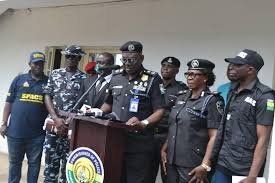
The Commissioner of Police in Anambra State, Ikioye Orutugu, has directed the enforcement of heightened security measures across schools and churches as part of a proactive effort to prevent threats and maintain a safe atmosphere for learning and worship. In a statement on Sunday, Police Public Relations Officer Tochukwu Ikenga said the CP ordered Area Commanders, Divisional Police Officers, and Tactical Units to intensify patrols, step up intelligence-led operations, and deepen collaboration with community stakeholders to ensure seamless security coordination statewide. Ikenga noted that the move aligns with the Command’s broader strategy to curb insecurity and avert any breakdown of law and order. He added that Orutugu commended the increasing safety awareness among residents, praising Ndi Anambra for their vigilance, cooperation, and commitment to looking out for one another. “The Commissioner reiterated the Command’s dedication to protecting lives and property and assured residents that the Police will continue to adapt and improve security strategies to meet emerging challenges,” the statement said. This development comes after it was reported on November 2 that the Anambra Police Command had received Advance Tactical Teams from Force Headquarters to bolster security ahead of the forthcoming governorship election. Addressing journalists in Awka at the time, Orutugu said the deployment approved by the Inspector-General of Police, Kayode Egbetokun was part of a strategic plan to reinforce local formations with additional personnel and advanced technical resources, including helicopters and drones for aerial surveillance.