Blog - Edupreneur Select

Bring to the table win-win survival strategies to ensure proactive domination. At the end of the day, going forward, a new normal that has evolved from generation.
aa-8.jpeg

1min8900
The Nigerian Education Loan Fund (NELFUND) has issued a warning over a fraudulent message circulating online that falsely claims the student loan registration portal is now open. The misleading post directs applicants to an unauthorised third-party link, which NELFUND has confirmed is fake and should be avoided. In a statement shared on its official X handle on Tuesday, the agency urged students and the general public not to click the link or submit any personal information. It stressed that the legitimate registration portal can only be accessed through NELFUND’s verified platforms. The Fund also advised applicants to remain vigilant, verify all announcements through its official website and social media accounts, and report any suspicious links or messages purportedly from NELFUND. The advisory is part of NELFUND’s broader efforts to protect applicants and maintain the integrity of the student loan application process.

aa-10.jpeg

2min2840
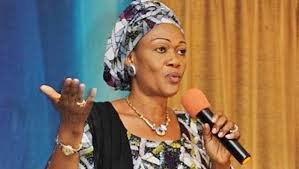
The First Lady, Sen. Oluremi Tinubu, has urged Nigerians to take collective responsibility for safeguarding children from sexual exploitation and abuse. She made the call in Abuja on Tuesday during the commemoration of the World Day for the Prevention of and Healing from Child Sexual Exploitation and Sexual Abuse 2025. According to the News Agency of Nigeria, this year’s theme is “Strengthening the Protection of Children Against Sexual Exploitation and Sexual Abuse Through Evidence-Based Policy Making.” Mrs Tinubu appealed to parents, caregivers, community leaders, and institutions to prioritise the safety and wellbeing of every child, stressing that no child should grow up in fear or danger. “As a nation, we must ensure that every child grows up free from fear and harm,” she said. “I call on government agencies, civil society, traditional and religious leaders, parents, and young people to work together to create a protective environment where children can feel safe to thrive. “We are reminded that protecting children must go beyond words and good intentions. It requires informed action driven by accurate data, research, and effective policies. May God protect all our children.” Observed annually on November 18, the World Day for the Prevention of and Healing from Child Sexual Exploitation and Sexual Abuse was launched by the Council of Europe in 2015 as a global call to action to prevent abuse, prosecute offenders, and support survivors. The United Nations formally recognised the observance in 2022 to boost awareness and reduce stigma around child sexual abuse.

Tech & Tools Desk18 November 2025
aa-9.jpeg

4min2940
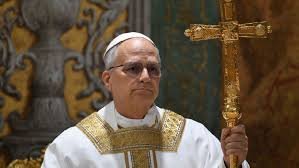
Pope Leo has raised fresh concerns over increasing violence, discrimination, and persecution targeting Christian communities in several countries, including Nigeria, Mozambique, Sudan, Bangladesh, and the Democratic Republic of the Congo (DRC). His warning comes amid renewed scrutiny following the U.S. designation of Nigeria as a Country of Particular Concern over allegations of targeted attacks on Christian populations. The United States has sharply criticised Nigeria’s handling of repeated assaults on predominantly Christian communities. Last month, U.S. President Donald Trump warned of potential diplomatic and military consequences if the violence persisted, directing the Department of War to prepare possible response options, saying any intervention would be “fast, vicious, and sweet.” In a message shared on his official X account, the Pope lamented ongoing attacks on Christian groups and worship centres worldwide, urging the international community to act collectively in pursuit of peace. “In various parts of the world, Christians suffer discrimination and persecution. I think especially of Bangladesh, Nigeria, Mozambique, Sudan, and other countries from which we frequently hear of attacks on communities and places of worship,” he wrote. The Pontiff also offered prayers to victims of recent atrocities, particularly families in the Kivu region of the DRC, where numerous civilians were recently killed. “God is a merciful Father who desires peace among all His children. I accompany in prayer the families of Kivu… Let us pray that all violence may cease and that believers may work together for the common good,” he added. Nicki Minaj to Address UN on Alleged Persecution of Christians in Nigeria Meanwhile, American rapper Onika Maraj-Petty (Nicki Minaj) is expected to speak today at a United Nations event in New York, where she will address reported jihadist attacks on Christians in Nigeria. She will appear alongside U.S. ambassador to the UN, Michael Waltz, and Alex Bruesewitz, a senior adviser to President Trump and organiser of the event. The development was first reported by Time magazine’s senior political correspondent Eric Cortellessa. Ambassador Waltz praised Minaj as “not only arguably the greatest female recording artist, but also a principled individual who refused to remain silent in the face of injustice,” adding that he appreciated her willingness to spotlight “atrocities against Christians in Nigeria.” Minaj, responding via X, said she was honoured by the invitation and would “never stand down in the face of injustice,” noting that her platform carried a purpose beyond entertainment. The UN event follows President Trump’s claim that a “Christian genocide” is underway in Nigeria, as well as his announcement that the country will be formally designated a Country of Particular Concern. Minaj publicly supported Trump’s stance. Nigeria’s federal government has repeatedly rejected allegations of religious persecution, insisting that the nation’s security challenges are driven by criminal activities rather than faith-based motives. Despite this, U.S. officials have continued to express alarm over the situation.

James Obasi18 November 2025
aa-9.jpg

2min2290
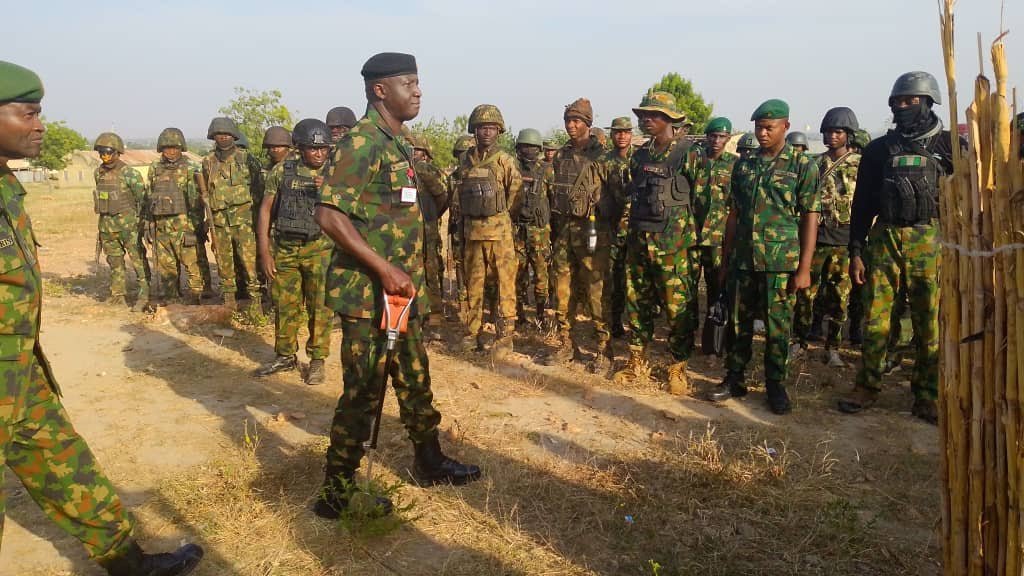
The Chief of Army Staff, Maj. Gen. Waidi Shaibu, has directed troops under Operation FANSAN YANMA to ramp up search-and-rescue efforts for the schoolgirls abducted in Kebbi State. Bandits had attacked Government Girls Comprehensive Senior Secondary School, Maga, on Monday, killing the vice principal, Hassan Yakubu Makuku, and kidnapping 25 students. According to counter-insurgency expert Zagazola Makama, the army chief arrived in Kebbi on Monday alongside senior officers from the Army Headquarters. Shaibu met with frontline commanders, ordering sustained, round-the-clock operations until every abducted student is found. He stressed that determination and intelligence-driven missions were key to defeating the criminals. “You must continue day and night. We must find these children,” he told the troops, urging commanders to act decisively on intelligence and maintain full commitment to the mission. Shaibu also held separate meetings with local vigilantes and hunters assisting security forces. He underscored the need for stronger collaboration, citing their deep knowledge of the terrain. “If we have people like you working with us, your intelligence will guide us. Your hunters should move through every part of these forests soldiers will join you,” he said, assuring them of military support and vowing that bandits would not be allowed to scare children away from school. Earlier, the army chief visited the traditional ruler of Danko, Abubakar Allaje, and the school’s principal, Rabi Magaji, to offer condolences. Shaibu reaffirmed the military’s commitment to rescuing the abducted girls unharmed. “We are fully committed. The safety of these children is a national priority, and every resource is being deployed to bring them home safely,” he said.

child-with-fever.webp

3min2920
The Sokoto State Government has heightened surveillance after eight laboratory-confirmed cases of Dengue fever were reported in Sokoto metropolis, including Sokoto North and Sokoto South Local Government Areas. In a public health advisory on Sunday, the Ministry of Health alerted all public and private health facilities about rising cases of fever and severe malaria-like symptoms in several communities. Health workers were urged to intensify case detection and strengthen monitoring systems. The Commissioner for Health, Dr. Faruk Abubakar, said swift measures had been taken to prevent further spread of the mosquito-borne disease, highlighting that initial symptoms often resemble malaria but require different clinical management. “All healthcare workers are placed on high alert and asked to consider Dengue fever in patients presenting with fever, headache, joint pains, body pains, or rash—especially when malaria tests are negative or symptoms persist despite treatment,” the advisory stated. The ministry directed all facilities to notify Local Government Disease Surveillance and Notification Officers of suspected cases immediately and ensure prompt sample collection for laboratory confirmation. Abubakar also cautioned clinicians against using NSAIDs such as ibuprofen and aspirin in suspected Dengue cases, recommending paracetamol instead due to the higher risk of bleeding associated with the infection. The state government emphasised strict adherence to infection prevention and control measures, safe waste disposal, and intensified community awareness campaigns to eliminate mosquito-breeding sites. Health workers were encouraged to report unusual fever spikes, clusters, or deaths promptly to the Disease Surveillance Office or the State Epidemiology Unit. “We urge all health workers to stay vigilant and work closely with public health authorities to manage and report cases promptly,” the commissioner said, commending their commitment to public health. Dengue fever, spread by the Aedes mosquito, has been resurging in parts of Nigeria, prompting increased monitoring across the country.

clubleg.jpg

4min3270
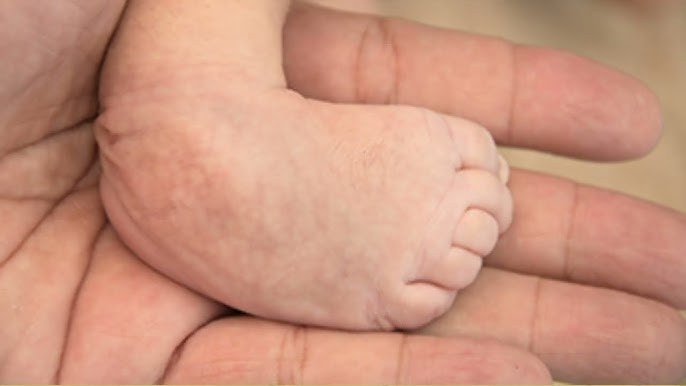
Orthopaedic surgeons in Nigeria have urged parents to seek early medical intervention for infants born with clubfoot, stressing that prompt treatment can prevent lifelong disability. Experts warned against attributing the congenital deformity to spiritual attacks or divine punishment, noting that timely care ensures full correction. They said persistent myths and misconceptions continue to deny many children access to treatment, worsening social stigma and long-term disability. Untreated clubfoot can result in chronic pain, difficulty walking, social discrimination, and limited educational and economic opportunities. According to the Cleveland Clinic, clubfoot is a congenital condition in which a baby’s foot or feet turn inward. Approximately one in every 1,000 babies is born with clubfoot, making it one of the most common congenital foot deformities. “Clubfoot occurs due to abnormalities in the tendons connecting muscles to bones. The tendons in the leg and foot are shorter and tighter than normal, causing the foot to twist. Around half of affected babies have both feet involved,” the clinic explained. In Nigeria, at least 10,000 children are born with clubfoot each year, according to the non-governmental organisation Nigeria Clubfoot Treatment Partners. While the exact cause remains unknown, genetics and environmental factors—such as family history, maternal smoking, alcohol intake, and certain medications during pregnancy—may contribute. Professor Mike Ogirima, a leading Orthopaedic and Trauma Surgeon, said idiopathic clubfoot, present at birth, is the most common form seen by specialists and is treatable. He emphasized that early intervention significantly improves outcomes. “Idiopathic clubfoot accounts for 80 to 90 per cent of cases, and it may also be hereditary. Acquired clubfoot can occur due to trauma, infection, or poliomyelitis, and treatment depends on the underlying cause,” Ogirima explained. Modern treatment focuses on non-surgical methods, particularly the Ponseti method, which involves gentle, serial manipulations of the foot over several weeks. Ogirima said this approach can correct even severe cases in up to 95 per cent of infants. Despite increased awareness, he noted that social stigma and myths about clubfoot remain widespread, causing delays in seeking treatment. “Some parents still believe the deformity is a punishment from God or linked to witchcraft. This has led many to consult traditional bone setters instead of orthopaedic specialists,” he said. Late presentation often necessitates surgery, increasing costs and complexity. “The earlier a child is brought for treatment, the easier, cheaper, and more effective the intervention,” Ogirima added. He also advised pregnant women to avoid alcohol, folic acid deficiency, radiation exposure, and non-prescribed medications, warning that these factors may increase the risk of congenital defects. Dr. Peace Amaraegbulam, Consultant Orthopaedic Surgeon and President of Nigeria Clubfoot Treatment Partners, described clubfoot as the most common musculoskeletal birth defect in Nigeria. “Without treatment, children walk on the sides of their feet, leading to pain, discrimination, and reduced opportunities in life,” she said.


nnnnnnn-1.jpg

3min5220
Operatives of the National Drug Law Enforcement Agency (NDLEA) intercepted 396,000 capsules of tramadol at Aliyu Mustapha International Airport, Yola, on Friday. The seizure comes less than a week after the agency recovered over 171,000 tramadol capsules in separate operations across Niger, Benue, and Taraba states. Announcing the development on Sunday, NDLEA spokesperson Femi Babafemi said a 50-year-old suspect, Ahmed Isyaku Nda, was arrested in connection with the offence. “In Adamawa state, NDLEA operatives recovered 396,000 tramadol capsules from Ahmed Isyaku Nda, 50, at Aliyu Mustapha International Airport, Yola. Meanwhile, 785kg of skunk was seized from the warehouse of a drug dealer at large in Asob Maraba Karu, Nasarawa state,” the statement said. In a related operation, Babafemi confirmed the arrest of a wanted drug baron operating under the guise of a businessman and hotelier. “The 42-year-old, Ibemesi, MD/CEO of Franc CJ Ibemesi Nig. Ltd, was arrested at his Daisy Garden Hotel in Isolo, Lagos. At his warehouse, authorities recovered 42 jumbo bags and four cartons of Loud, a strain of cannabis, weighing 1,762.8 kilograms. Cash seized included $11,600, 2,000 British pounds, 2,200 euros, and 50 Canadian dollars,” he said. Additionally, NDLEA foiled an attempt by a drug syndicate in Orita-Apeje, Araromi-Okeodo forest reserve, Ife South LGA, Osun State, to distribute 11,135kg of processed skunk following days of surveillance. Two trucks used to transport the drugs—a Volvo truck (WWR 29 XA) and a Mercedes truck (AWK 713 YZ)—were seized, and seven suspects were arrested, including Lucky Abiodun, Julius Amos, Victor Ngbikili, Sunday Oduegwu, Ibrahim Akanni, Eze Godstime, and Fred Ifeanyichukwu. NDLEA Chairman/Chief Executive Brig. Gen. Mohamed Buba Marwa (rtd.) commended the officers involved in the operations and urged personnel nationwide to continue implementing the agency’s coordinated drug control strategy. The agency has also strengthened international collaboration, working with the US DEA and the UK’s National Crime Agency to identify those responsible for a consignment worth over N338bn recently intercepted at the PTML Terminal of Tin Can Island Port, Lagos.

UNICEF_ForEveryChild_White_Vertical_RGB_ENG-e1527338866957.jpg

3min6310
Nigeria is one of the riskiest countries for children facing climate threats, yet remains poorly prepared, according to a new report by the United Nations Children’s Fund (UNICEF). The report, titled “The Nigerian Child 2025,” highlights that gaps in infrastructure, policy, and emergency response leave children dangerously exposed when disasters occur. Nigeria faces increasing climate-related challenges, including floods, droughts, desertification, and extreme heat. These environmental pressures disproportionately affect children, who are among the most vulnerable populations. “Systemic gaps in infrastructure, policy, and emergency response leave children exposed when disasters strike. Family incomes collapse under these pressures, and children pay the price through malnutrition, missed schooling, and illness. Air pollution adds another danger, with Nigeria recording the world’s highest rate of pneumonia deaths from pollution among children under five,” the report said. The study further notes that poor access to clean water and sanitation worsens the impact. Millions of families rely on contaminated water sources, exposing children to diseases such as diarrhoea and cholera, particularly in rural and low-income communities. Open defecation remains common, making basic hygiene nearly impossible. Children from low-income families are especially affected, often living in areas hardest hit by climate change while having the fewest resources to cope. Water shortages or crop failures lead to hunger, school absenteeism, and illness. Girls are particularly impacted, spending long hours fetching water or caring for siblings, often at the expense of their education and well-being. The report also highlights that schools and health facilities often lack basic water, sanitation, and hygiene services. Without clean water, safe toilets, or handwashing stations, children face challenges in staying healthy and attending school regularly. Girls face additional difficulties managing their menstrual health, and health centres struggle to provide proper care, leaving communities underserved.

Tech & Tools Desk17 November 2025
alcoholic-drinks-2.jpg

4min3970
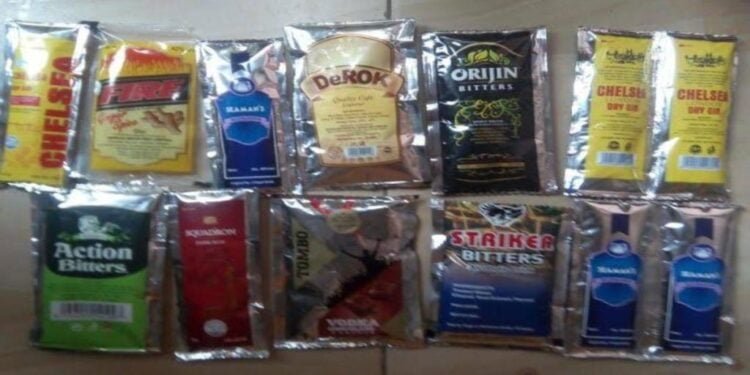
The Network for Health Equity and Development (NHED) and Corporate Accountability and Public Participation Africa (CAPPA) have voiced their support for the National Agency for Food and Drug Administration and Control (NAFDAC) over its decision to ban the production and sale of alcoholic beverages in sachets, PET bottles, and glass bottles of 200ml and below, effective December 2025. In a joint statement on Sunday, the organisations described the ban as a long-overdue public health intervention crucial for protecting children, youths, and other vulnerable groups. According to NAFDAC, the measure aims to curb the growing misuse of cheap alcoholic drinks among youths and drivers, which has been linked to domestic violence, road accidents, school dropouts, and other social vices. While the Manufacturers Association of Nigeria (MAN) warned that the ban could lead to the loss of up to five million jobs and negatively affect investment, NHED and CAPPA dismissed these claims as exaggerated and prioritising profit over public health. “We reject in its entirety the claims by MAN that the ban will trigger a loss of over N1.9tn in investment and lead to the retrenchment of over 500,000 workers. These figures are inflated, unverifiable, and a familiar scare tactic used by alcohol and tobacco corporations globally whenever governments regulate harmful products,” the statement read. The organisations highlighted that sachet alcohol production is largely mechanised and requires minimal human labour. They criticised manufacturers for continuing production despite a multi-year phase-out period ending in December 2025 and accused the industry of using economic misinformation to undermine evidence-based public health policies. NHED’s Technical Director, Dr Jerome Mafeni, emphasised the urgency of prioritising lives over profits. “The long-term social and economic costs of alcohol-related harm—violence, reduced productivity, rising healthcare costs, and addiction—far outweigh any short-term gains manufacturers seek to protect. It is unacceptable that children can purchase high-concentration alcoholic products for as little as N100,” he said. CAPPA Executive Director, Akinbode Oluwafemi, noted that NAFDAC’s action aligns with global best practices. “No responsible public health agency would permit continued marketing of products designed to encourage unrestricted, on-the-go, and underage drinking. We commend NAFDAC for resisting corporate pressure and urge other government agencies to support seamless implementation of the ban,” he said. Both organisations called on President Bola Ahmed Tinubu, the National Assembly, and other authorities not to yield to corporate influence or delay the life-saving policy. They also urged the introduction of complementary alcohol control measures, including taxation, stricter marketing regulations, clear labelling, and nationwide awareness campaigns. “NAFDAC’s ban is the right policy at the right time. NHED and CAPPA stand resolutely with the agency and with all Nigerians committed to a healthier, safer, and more responsible society,” the statement added.

James Obasi17 November 2025
pope3.jpg

2min3230
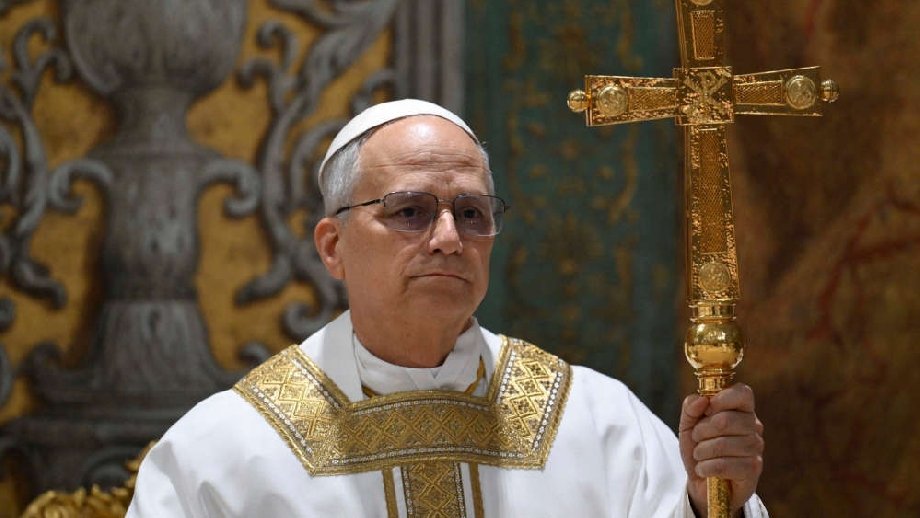
The head of the Catholic Church and Sovereign of Vatican City, Pope Leo XIV, has listed Nigeria among countries where Christians frequently face attacks, alongside Bangladesh, Mozambique, and Sudan. On Sunday, the pontiff used his official X account to express concern over recurring assaults on Christian communities and places of worship worldwide, calling for prayers for peace and unity among all believers. “In various parts of the world, Christians suffer discrimination and persecution. I think especially of Bangladesh, Nigeria, Mozambique, Sudan, and other countries from which we frequently hear of attacks on communities and places of worship. God is a merciful Father who desires peace among all His children,” he wrote. The Pope also asked for prayers for the families in Kivu, Democratic Republic of the Congo, where recent massacres have claimed civilian lives. “Let us pray that all violence may cease and that believers may work together for the common good,” he added. The statement comes amid growing international attention on Nigeria after US President Donald Trump, on October 31, designated the country as a “Country of Particular Concern” over alleged attacks on Christians, warning that the Nigerian government must act to stop the killings or face possible US military intervention against jihadist groups. The Federal Government has repeatedly rejected claims of a systematic “Christian genocide,” describing them as false, misleading, and a misrepresentation of the country’s security challenges. Adding to the debate, US Congressman Riley Moore criticized President Bola Tinubu’s assertion that Nigeria does not promote religious persecution, claiming that conditions on the ground contradict the President’s public statements.