Blog - Edupreneur Select

Bring to the table win-win survival strategies to ensure proactive domination. At the end of the day, going forward, a new normal that has evolved from generation.
Tech & Tools Desk13 November 2025
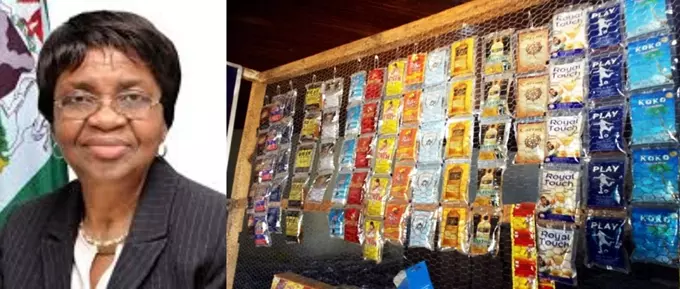
NAFDAC-Sachet-Alcohol-22.webp

5min2440
The Manufacturers Association of Nigeria (MAN) has raised concerns that the National Agency for Food and Drug Administration and Control’s (NAFDAC) plan to ban the production and sale of alcoholic beverages in sachets and small PET bottles by December 31, 2025, could jeopardize over N1.9 trillion in investments and put around 5.5 million jobs at risk. MAN’s Director-General, Segun Ajayi-Kadir, warned that the NAFDAC-driven directive would significantly impact indigenous manufacturers and destabilize the economy at a time when the manufacturing sector is beginning to recover. “This policy could lead to the loss of over N1.9 trillion in investments, mainly from Nigerian companies, resulting in the retrenchment of more than 500,000 direct employees and approximately five million indirect jobs across contracts, marketing, and logistics,” Ajayi-Kadir said in a statement on Wednesday. He described the ban as “unfair and contrary to industry consensus,” noting that it contradicts resolutions reached during the validation of the draft National Alcohol Policy in October 2025. He emphasized that the Senate’s decision followed NAFDAC’s position without proper stakeholder consultation, despite the agency’s involvement in the multi-sectoral validation process led by the Ministry of Health. Ajayi-Kadir recalled that the enlarged committee, which included NAFDAC, law enforcement, and industry representatives, had agreed on “progressive alternatives” to a total ban. These measures included stricter enforcement, licensing of liquor outlets, enhanced product monitoring, and nationwide campaigns to discourage underage alcohol consumption. He criticized the Senate for imposing an outright ban without holding public hearings or engaging relevant stakeholders, contrasting it with the House of Representatives’ more consultative approach, which recommended a one-year extension and stakeholder validation. MAN also disputed claims that sachet alcoholic beverages are widely abused by minors, citing government-backed studies showing no such evidence. Ajayi-Kadir noted that manufacturers have invested over N1 billion in responsible-drinking campaigns across the media. He warned that a total ban could drive the market underground, creating opportunities for illicit and unsafe alcohol products. “Prohibiting the product would open the floodgates to unregulated substances that fall outside the control of relevant agencies,” he said. He added that sachet alcohol provides an affordable option for adults with low purchasing power, and banning it would reduce consumer choice while benefiting foreign and smuggled brands over local producers. Ajayi-Kadir called for regulatory measures based on control and monitoring rather than prohibition, stating: “Once a product has established demand and is legal, effective regulation is the most sustainable way to manage access, not outright banning.” He urged the Senate to rescind its order and NAFDAC to suspend implementation of the ban, recommending the swift adoption of the validated National Alcohol Policy and its multi-sectoral framework. “We appeal to the Senate to withdraw the order on sachet alcohol and for NAFDAC to halt enforcement from December 31, 2025. Sudden regulatory shifts threaten legitimate manufacturers and millions of value-chain operators,” he said. Ajayi-Kadir reaffirmed MAN’s commitment to public safety and regulatory compliance, emphasizing that unsafe products should be removed based on empirical evidence, not emotion. NAFDAC Director-General, Mojisola Adeyeye, has argued that cheap alcoholic drinks in sachets and small bottles are being misused among youths and drivers, citing their link to domestic violence, road accidents, school dropouts, and other social vices. She warned that the products’ affordability and concealability have made them widely accessible, contributing to public health and safety concerns.

James Obasi13 November 2025
Nnamdi-Kanu-1nk-e1761209319678.jpg

4min2610
The detained leader of the banned Indigenous People of Biafra (IPOB), Nnamdi Kanu, has filed an appeal at the Abuja Division of the Court of Appeal, seeking to prevent the Federal High Court from delivering judgment in his ongoing terrorism trial. Justice James Omotosho of the Federal High Court had scheduled November 20 for judgment in the case, which has been ongoing since 2015. The date was set on November 7 after Kanu was given multiple opportunities to enter his defence. Earlier, Kanu dismissed his legal team and opted for self-representation, arguing that the charges against him were invalid. In a no-case submission, he claimed that the Terrorism Prevention and Prohibition Act under which he was charged had been repealed, and he sought his release. However, Justice Omotosho dismissed his submission and repeatedly allowed him chances to defend himself before fixing November 20 for judgment. Kanu’s request to adjourn the judgment indefinitely on Tuesday was denied. Following this, Kanu approached the Court of Appeal on Wednesday, requesting that the lower court be restrained from proceeding with the scheduled judgment. He noted that he had filed a notice of appeal against the September 26 ruling dismissing his no-case submission and ordering him to defend against the terrorism charges. In the appeal, with the Federal Government as the respondent, Kanu contended that the lower court erred in dismissing his no-case submission without addressing the legal and jurisdictional validity of the charges. He argued that the Terrorism Prevention and Prohibition Act had been repealed, rendering the charges invalid. He also claimed that the judge failed to consider constitutional questions regarding jurisdiction. Kanu further alleged that Justice Omotosho did not properly assess the prosecution witnesses’ evidence or cross-examinations to determine whether it had been discredited. He stated that his right to call 23 witnesses was denied, as the court ruled this could only be done in the final judgment, effectively limiting his ability to defend himself. He warned that if the Court of Appeal does not halt the judgment, he risks being unlawfully convicted, making his appeal “a mere academic exercise.” In a 13-paragraph affidavit, Kanu also raised issues of non-compliance with a Supreme Court ruling on the invalidity of count seven of the charges and the failure to apply the mandatory test under Section 303 of the Administration of Criminal Justice Act (ACJA) 2015. He noted that the Supreme Court had clarified that count seven is no longer an offence in Nigeria. Kanu emphasised that his appeal raises significant constitutional issues, highlighting that counts one to six are based on a repealed statute, meaning no valid charges exist. He argued that granting the application would cause no prejudice to the Federal Government, while refusing it would deny him his constitutional right of appeal. No hearing date has yet been set by the Court of Appeal for Kanu’s motion.

road-close.jpg

4min1820
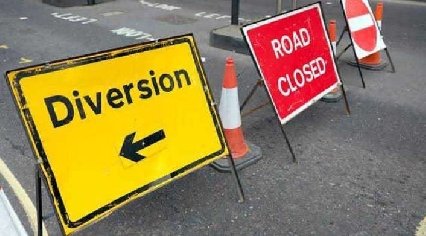
The Lagos State Government has announced the commencement of road rehabilitation works along the Lekki-Ajah corridor, beginning Saturday, November 15, 2025, and running until Wednesday, July 15, 2026 — a duration of eight months. In a statement issued on Wednesday by the Commissioner for Transportation, Mr. Oluwaseun Osiyemi, the government explained that the project is aimed at enhancing road infrastructure and improving traffic flow along one of the state’s busiest routes. According to Osiyemi, the rehabilitation will be carried out in two phases to minimize disruption for residents, businesses, and motorists, with preliminary works already underway. Phase 1: Lekki 1st Toll Gate to Lekki 2nd Toll GateThis phase will cover seven sections of the expressway. During the construction, one of the two lanes will be closed while the other remains open to traffic. Upon completion of the first lane, work will shift to the second. The commissioner assured that motorists traveling to Lekki and Ajah will still have access throughout the duration of this phase. Phase 2: Lekki 2nd Toll Gate to Ajah Under-BridgeThe second phase will focus on four sections of the road, with necessary diversions implemented to ensure continued traffic movement. Motorists from Ajah heading towards Lekki will use one lane while repairs are ongoing on the other. Once completed, work will switch lanes, allowing for a consistent traffic flow toward Ajah. Traffic AdvisoryThe state government appealed to road users for patience and cooperation during the rehabilitation period, stressing that the temporary inconvenience would lead to long-term benefits. “Some portions of the road will be partially closed during the repairs. Motorists are advised to be patient and comply with traffic management instructions,” the statement noted. Osiyemi reaffirmed that the project reflects Governor Babajide Sanwo-Olu’s commitment to sustainable urban mobility and infrastructural renewal across Lagos. He urged commuters to plan their movements in advance and adhere to the guidance of traffic officers deployed to maintain order. Earlier in September, the government commenced rehabilitation on another section of the Eti-Osa/Lekki/Epe Expressway, stretching from Admiralty Way Junction to Jubilee Bridge, as part of ongoing efforts to enhance road infrastructure across the state.

trump-2.jpg

5min2440
President Donald Trump on Wednesday signed legislation officially ending the longest government shutdown in U.S. history — a 43-day impasse that crippled federal operations and left hundreds of thousands of government workers without pay as both parties traded blame. The Republican-controlled House of Representatives voted mostly along party lines to approve a Senate-passed bill reopening key federal departments and agencies. Many Democrats voiced disappointment, describing the outcome as a retreat by their party leadership. Speaking from the Oval Office, Trump criticized Democrats as he signed the measure, calling on Americans to remember the episode during next year’s midterm elections. “Today we send a clear message that we will never give in to extortion,” Trump said, surrounded by Republican lawmakers, including House Speaker Mike Johnson, who earlier accused Democrats of inflicting unnecessary suffering for political gain. The newly signed package funds military construction, veterans’ affairs, the Department of Agriculture, and Congress through next fall, while extending funding for the rest of the government until the end of January. About 670,000 furloughed federal employees will return to work, and another 670,000 who worked without pay — including tens of thousands of air traffic controllers and airport security staff — will receive their owed wages. The agreement also reinstates federal employees dismissed during the shutdown, with air travel expected to gradually normalize nationwide. Trump claimed Democrats’ actions cost the country $1.5 trillion, though economists dispute that figure. The Congressional Budget Office estimates the economic loss at around $14 billion. House Speaker Johnson and Republican leaders faced tight margins with their slim majority, while Democratic leaders, frustrated by what they saw as a Senate concession, urged members to oppose the bill — a stance most maintained. Although public polls suggested Americans largely supported Democrats during the standoff, analysts say Republicans may have emerged in a stronger position following the resolution. For weeks, Democrats had refused to reopen the government without an agreement to extend pandemic-era tax credits that made health insurance more affordable. The deadlock broke after a small group of moderate senators negotiated a compromise with Republicans, allowing a Senate vote on health care subsidies but with no guaranteed follow-up in the House. The development has exposed divisions within the Democratic Party, as leaders face backlash for ending the shutdown without major policy wins. Party strategists, however, argue the standoff drew national attention to health care — an issue they hope will energize voters ahead of the 2026 elections. “We’ve elevated the conversation about the Republican health care crisis, and we’re not stepping back,” said House Minority Leader Hakeem Jeffries in a television interview. Meanwhile, Senate Majority Leader Chuck Schumer faces criticism from progressives for failing to keep the party united. Prominent Democratic figures, including California Governor Gavin Newsom, Illinois Governor J.B. Pritzker, and former Transportation Secretary Pete Buttigieg, have publicly condemned the deal, calling it weak and disappointing.

Tinubu_Petrol-Pump-1280x720-1.jpg

2min1950
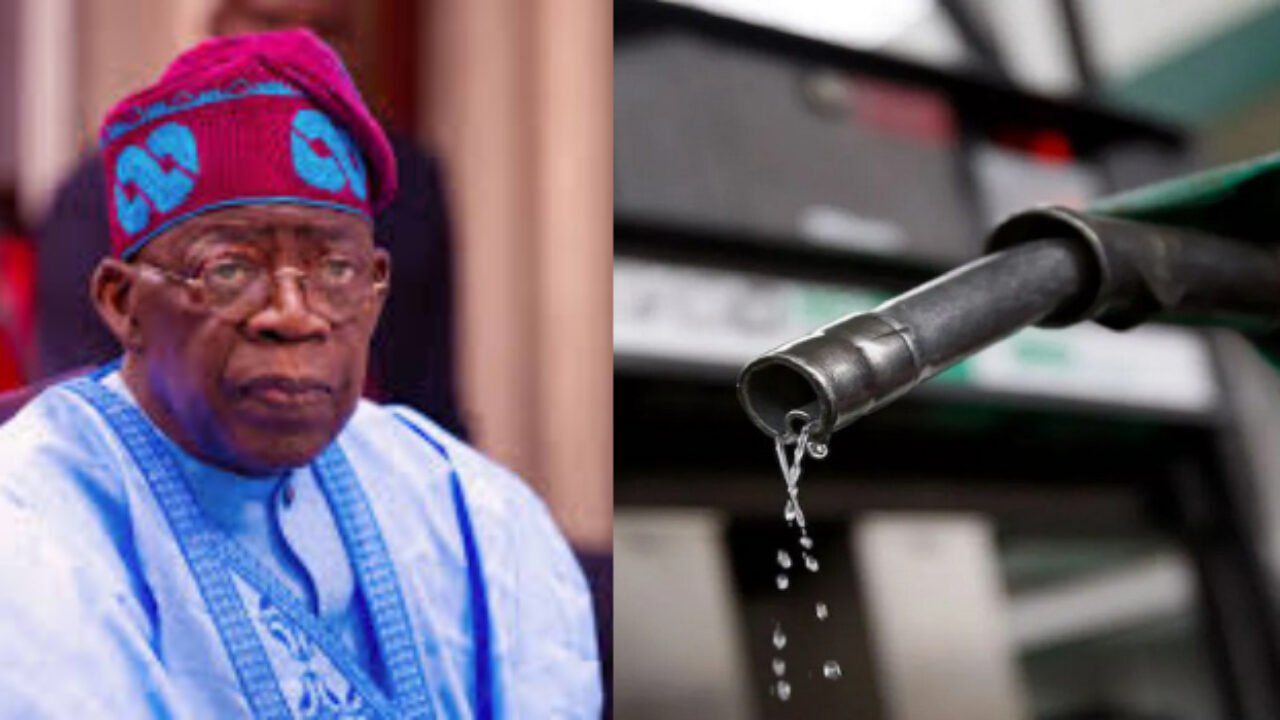
The Nigerian Midstream and Downstream Petroleum Regulatory Authority (NMDPRA) has announced that the planned implementation of the 15 per cent ad-valorem import duty on imported Premium Motor Spirit (PMS) and Automotive Gas Oil (diesel) has been suspended. In a statement shared on its official X handle on Thursday, the Director of Public Affairs, George Ene-Ita, clarified that “the implementation of the 15 per cent ad-valorem import duty on imported Premium Motor Spirit and Diesel is no longer in view.” The authority further assured Nigerians that there is adequate availability of petroleum products across the country, maintaining supplies within the acceptable national sufficiency threshold during the current peak demand period. According to the statement, there is “a robust domestic supply of petroleum products (AGO, PMS, LPG, etc.) sourced from both local refineries and importation to ensure timely replenishment of stocks at storage depots and retail outlets.” NMDPRA cautioned against hoarding, panic buying, or arbitrary increases in fuel prices, noting that such actions are unnecessary given the current market stability. It added that the authority will continue to closely monitor the situation and take appropriate regulatory measures to ensure uninterrupted supply and distribution nationwide. While commending stakeholders in the downstream and midstream sectors for their continued cooperation, the NMDPRA reaffirmed its commitment to sustaining energy security and ensuring a stable fuel supply across Nigeria.

Tech & Tools Desk13 November 2025
fuel-2.jpeg

3min3910
The Nigerian Midstream and Downstream Petroleum Regulatory Authority (NMDPRA) has appealed to Nigerians to stay calm and avoid panic buying of petroleum products, assuring that there is sufficient supply across the country. In a statement dated November 12 and signed by the Director of Public Affairs Department, George Ene-Ita, the agency noted that petroleum products are available “within the acceptable national sufficiency threshold during this peak demand period.” According to the NMDPRA, there is a “robust domestic supply of petroleum products (AGO, PMS, LPG, etc.) sourced from both local refineries and importation to ensure timely replenishment of stocks at storage depots and retail outlets.” The authority cautioned against hoarding or any artificial price increase, stressing that such actions are unwarranted given the current supply situation. It further clarified that the proposed 15% ad-valorem import duty on imported Premium Motor Spirit (PMS) and Automotive Gas Oil (Diesel) is no longer being implemented — a decision expected to ease market pressure and help stabilise pump prices. Reiterating its oversight responsibility, the NMDPRA assured that it would continue to monitor supply and distribution closely to prevent disruptions, especially during this high-demand period. The statement also commended industry stakeholders for their continued cooperation and reaffirmed the agency’s commitment to maintaining energy security across the nation. Meanwhile, Nigeria’s crude oil output rose slightly to 1.401 million barrels per day in October 2025, according to data from the Organisation of Petroleum Exporting Countries (OPEC). The figure represents a small increase from 1.39 million barrels per day in September but remains below the country’s OPEC quota of about 1.5 million barrels per day. This marks the third consecutive month that production has stayed under the assigned target.

James Obasi13 November 2025
custom-2.jpg

4min3360
In a renewed move to strengthen regional cooperation and improve border management, the Nigeria Customs Service (NCS), Kebbi Area Command, has reinforced its partnership with the Benin Republic Customs Service along the Tsamiya/Sebgana border corridor. The engagement took place on Wednesday when a Nigerian delegation, led by the Customs Area Controller, Comptroller Mahmoud Ibrahim, and the Commanding Officer of 1 Battalion, Nigerian Army, Major Shola Moses, paid a working visit to their Beninese counterparts at Sebgana. Upon arrival, the team was received by Comptroller Arouna Dramane, Head of the Wara Border Command, Republic of Benin, alongside Beninese Customs officers, Kebbi Command personnel, and other key border stakeholders. In a statement issued on Thursday by the command’s spokesperson, Mustapha Mubarak, Comptroller Ibrahim highlighted the importance of collaboration between both nations’ security agencies to curb cross-border crimes and safeguard shared boundaries. “Security is a collective responsibility. Our visit aims to strengthen cooperation, enhance intelligence sharing, and foster operational synergy for the safety of our officers, government assets, and border communities,” he stated. He reaffirmed the NCS’s commitment to promoting peaceful coexistence and ensuring that legitimate trade between both countries thrives in a secure and well-coordinated environment. In his remarks, Comptroller Dramane praised the Kebbi Area Command for the initiative, describing it as a welcome development that would enhance mutual understanding and operational efficiency. “This visit marks a positive step towards deepening the friendship between our two services. We remain committed to sustaining this collaboration for improved border security and economic cooperation,” Dramane noted. The Beninese Customs chief later conducted the visiting delegation on a tour of their facilities as part of a familiarisation exercise. The meeting concluded with goodwill exchanges and a renewed pledge from both sides to uphold peace, security, and continuous cooperation along the Nigeria–Benin border corridor. It will be recalled that in March 2024, the NCS reopened the international border in Kamba town, Dandi Local Government Area of Kebbi State, to facilitate the resumption of cross-border trade between Nigeria and neighbouring Niger and Benin Republics. The decision followed the Federal Government’s directive to reopen the nation’s borders with Benin Republic after a seven-month closure and the subsequent lifting of sanctions on Niger Republic by ECOWAS.

n.jpeg

4min5960
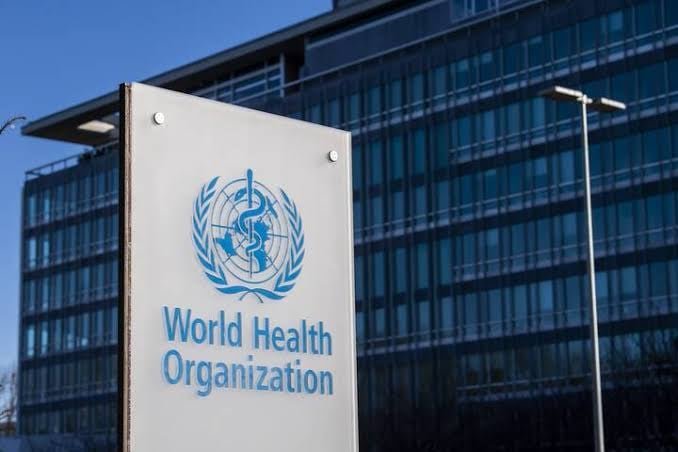
WHO strengthens Enugu healthcare training with donation of equipment The students and management of the Enugu State College of Nursing, Parklane and Awgu, received a major boost as the World Health Organization donated a wide range of training equipment to enhance the schools’ capacity and improve health service delivery. The donated items include two 15-seater Toyota Hiace buses, two Mikano diesel generators, 145 desktop computers, five suction machines, eight sets of 3D electronic boards, 13 Sharp three-in-one photocopiers, as well as laboratory, training, nursing, and hostel equipment. The handover ceremony, held Monday at the Enugu State Government House, was part of the Equipment Support for Health Training Institutions (ESHTI) project, funded by the United Kingdom’s Foreign, Commonwealth and Development Office (FCDO). WHO Country Representative and Head of Mission Nigeria, Dr. Pavel Ursu, said the donation reflects a shared commitment between WHO, the Enugu State government, and FCDO to strengthen Nigeria’s health workforce. He noted that the contribution followed a thorough infrastructure assessment of both campuses. Dr. Ursu stated, “We formally hand over essential training materials and equipment to support Enugu State’s ongoing efforts to enhance its health workforce and improve health service delivery. Together, we are investing strategically in the health system by empowering health workers with better training infrastructure.” He commended Governor Ifeanyi Mbah for his investments in health, including digital transformation of facilities, equipping over 360 health centers with tablets, internet, and Electronic Health Record (EHR) systems, and instituting real-time data dashboards for clinical monitoring. Governor Mbah praised WHO and FCDO for their support, promising to utilize the equipment to train more than 1,000 nurses annually. He also revealed plans to establish new nursing colleges in Nsukka and Orji River to expand healthcare training in the state. FCDO Nigeria Health Advisor, Dr. Ebere Anyachukwu, said the donation would strengthen efforts to improve the quality and effectiveness of the health workforce in Enugu State. Speaking at the event, the Commissioner for Health, Prof. George Ugwu, highlighted that the equipment, including smart boards and electronic libraries, would enhance the quality of nursing education and provide students and teachers access to modern research resources. The Special Adviser to the Governor on Health Matters, Dr. Yomi Jaye, added that the donation signifies recognition of the state’s transformed nursing institutions, which are now being prepared for further accreditation in Public Health and Midwifery by 2026. Dr. Jaye concluded, “These resources will be instrumental in training competent nurses equipped to meet

President-Bola-Ahmed-Tinubu-768x512-1.jpg

4min2410
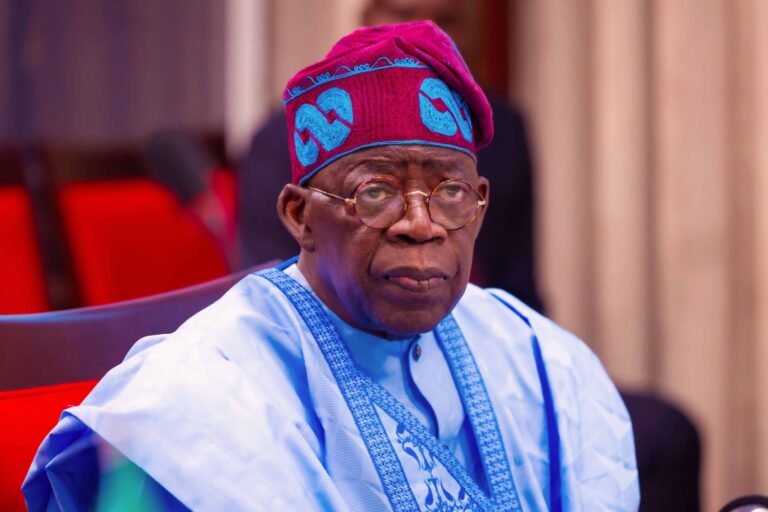
The All Progressives Congress (APC) and former Social Democratic Party presidential candidate Adewole Adebayo clashed on Tuesday over calls for President Bola Tinubu to step down amid rising insecurity in Nigeria. Adebayo, speaking at the National Electoral Reforms Summit 2025 in Abuja, aligned with former U.S. President Donald Trump’s recent comments on killings in Nigeria, claiming that the government had failed in its constitutional duty to protect lives. “If citizens are dying in large numbers, the government has failed its primary responsibility. President Tinubu can either use the security forces to tackle terrorists or resign,” Adebayo said. He also alleged that some actors within the system benefit from the ongoing insecurity and warned against framing the crisis along religious or regional lines, describing it as a national security issue rather than a Christian-Muslim debate. He accused the government of exploiting the security situation for financial gain while asserting that the Nigerian Armed Forces are capable of restoring order if allowed to operate professionally. Reacting, APC Deputy National Organising Secretary Nze Chidi Duru dismissed the call for resignation as a personal opinion that does not reflect the electorate’s mandate. “This is his view, and he is entitled to it. The President holds the mandate of the majority of Nigerians. Only the electorate can effect such a change,” Duru said. He added that the government is aware of security challenges and is actively addressing them, stressing that progress in protecting lives and property will become increasingly visible in the coming weeks and months. The exchange comes amid renewed diplomatic engagement between Abuja and Washington after Trump claimed that Christian communities in Nigeria face an “existential threat,” prompting the Nigerian government to reopen discussions to clarify its position. Meanwhile, Senior Advocate of Nigeria Prof. Yusuf Ali warned that the country’s national security policies are harming citizens, particularly vulnerable groups, instead of providing protection. Speaking at the Gavel International Annual Lecture and Awards 2025 in Lagos, he said current counter-terrorism and law enforcement strategies have deviated from constitutional safeguards, resulting in widespread violations of citizens’ rights. “The poor, women, children, and internally displaced persons are often the unintended victims of security operations,” Ali said. He stressed that genuine security requires respect for human dignity, rule of law, and social justice, adding that force alone cannot achieve lasting peace. Ali also criticised aspects of the Terrorism (Prevention and Prohibition) Act 2022, which allow prolonged detention without trial, describing them as unconstitutional and incompatible with Nigeria’s international obligations. He warned that laws meant to fight terrorism should not become tools of terror. “Security measures must protect citizens, not turn them into victims. The Constitution exists to safeguard both peace and crisis,” he added.  

CUP-LEG.webp

2min2840
The Straight Child Foundation has reported notable progress in its clubfoot treatment programme, successfully enrolling 101 children for care in October 2025. Operating 22 clubfoot clinics across 11 states, the foundation said most of the children treated were under 12 months old, giving them a higher likelihood of full recovery with timely intervention. Speaking in Umuahia, Abia State, the Foundation’s CAST Coordinator, Mr. Uchenna Egbe-eni, stated that the programme remains dedicated to improving children’s mobility and overall quality of life. He explained that children received an average of 4.7 casting sessions before undergoing tenotomy, a key procedure in clubfoot treatment, with over 93 per cent starting tenotomy in line with international best practices. Egbe-eni added that dropout rates were low, standing at 3.8 per cent for children in the casting phase and 6.4 per cent during the bracing phase, as the foundation continues to prioritise retention and completion of treatment. To strengthen clinical capacity, the foundation conducted basic Ponseti training at Edo State University Teaching Hospital, Auchi, and CAST training in Itumbuzo, Bende Local Government Area of Abia State. Supportive supervisory visits and data quality assessments were also carried out at University of Uyo Teaching Hospital, University of Calabar Teaching Hospital, and Rhema University Teaching Hospital, Aba. Acknowledging the support of partners, including MiracleFeet Incorporated, Egbe-eni reaffirmed the foundation’s commitment to expanding access to quality clubfoot services nationwide. He urged parents to seek early treatment to ensure the best outcomes for affected children, emphasising that the organisation is focused on ensuring every child born with clubfoot in Nigeria receives timely and appropriate care.