Blog - Edupreneur Select

Bring to the table win-win survival strategies to ensure proactive domination. At the end of the day, going forward, a new normal that has evolved from generation.
aa-8.jpg

3min2060
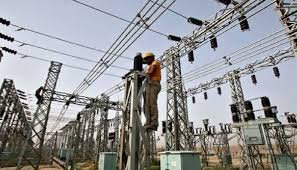
The Minister of Power, Adebayo Adelabu, has stated that the Federal Government, under President Bola Tinubu, is taking steps to curb frequent power grid collapses and improve the stability and reliability of the national grid. Adelabu made the remarks in Uyo, Akwa Ibom State, on Friday while speaking with journalists at the maiden retreat of the Nigerian Independent System Operator (NISO) themed “NISO on the Move.” Represented by the Permanent Secretary of the Ministry, Alhaji Muhammadu Mamman, the minister said the current administration has adopted new approaches aimed at strengthening the grid and reducing nationwide power outages. He explained that the establishment of NISO was part of government efforts to introduce reforms within the power sector. Nigeria has long faced recurring grid failures linked to ageing infrastructure, inadequate maintenance, limited funding, and vandalism factors that have led to frequent blackouts and forced homes and businesses to rely on generators and other costly alternatives. Adelabu said, “Since the commencement of this administration, things have been done differently. The creation of the Nigerian Independent System Operator is one of the initiatives introduced to stabilise the grid, minimise outages, and expand access to electricity. This retreat provides an opportunity for stakeholders to review practices and ensure they are adopting improved methods to strengthen the sector.” Chairman of the NISO Board of Directors, Dr. Adesegun Akin-Olugbade, commended the agency’s staff for their commitment, noting that their efforts contributed to the successful synchronisation of the Nigerian grid with the West African Power Pool (WAPP). He highlighted the role of NISO personnel in maintaining grid stability, promoting fair market operations, and representing Nigeria in regional partnerships. According to him, the synchronisation achieved through enhanced coordination and professional system operations allowed Nigeria, Niger, and parts of Benin and Togo to operate on a unified frequency with the rest of West Africa for four uninterrupted hours. The Managing Director of NISO, Abdul Mohammed, said the organisation was established to support government reforms by encouraging private-sector investment and ensuring better utilisation of existing infrastructure. Addressing concerns about the sector’s performance despite significant financial commitments, he said the power industry is highly capital-intensive and that historical investments have not been sufficient to achieve the level of reliability expected by consumers.

Tech & Tools Desk15 November 2025
aa-7.jpg

2min4750
The Nigerian Association of Resident Doctors (NARD) has urged the Federal Government to conclude the long-pending Collective Bargaining Agreement (CBA) as the association’s indefinite strike entered its 15th day on Saturday. NARD also called for an urgent review of the Consolidated Medical Salary Structure (CONMESS), which it described as outdated. In a statement posted on X on Saturday, the union said it had waited for a formal CBA that would provide clear work terms and appropriate remuneration. It noted that ongoing delays had continued to affect doctors’ welfare and morale. The strike, which began earlier this month, has affected 91 hospitals nationwide, including federal teaching hospitals, specialist centres, and federal medical facilities, resulting in widespread service disruptions. NARD said its 19-point demand list was necessary to support both medical professionals and the healthcare system. The demands include: payment of arrears under the CONMESS structure, release of the 2025 Medical Residency Training Fund, timely payment of specialist allowances, recognition of postgraduate qualifications, and improved working conditions. President Bola Tinubu has directed the Ministry of Health to work toward resolving the strike, stating that the government is already addressing several of the issues raised by the doctors. Despite this directive, NARD said delays in completing the CBA process and adjusting salaries continue to affect doctors, many of whom are dealing with rising living costs while providing essential medical services.

James Obasi15 November 2025
President-Bola-Ahmed-Tinubu-768x512-1.jpg

5min7740
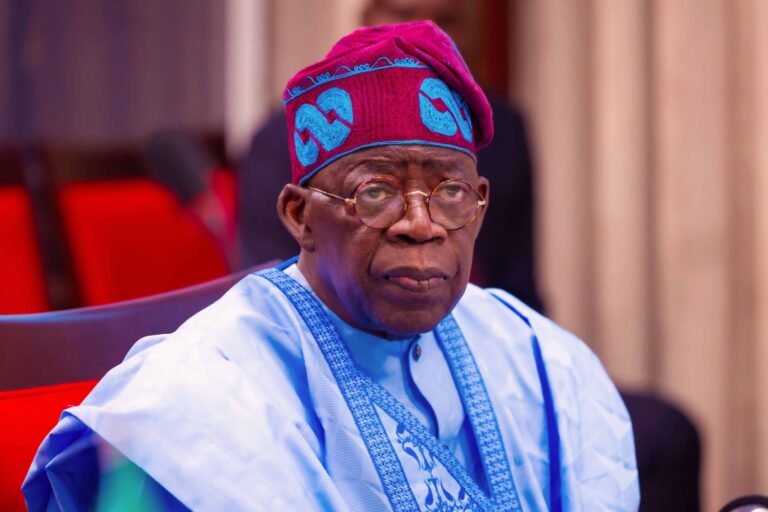
What began as a routine inspection quickly escalated into high drama on the streets of Abuja, as residents gathered with phones raised uncertain whether they were witnessing lawful enforcement or an impending inter-agency showdown. FCT Minister Nyesom Wike arrived at the contested site with a heavy security entourage, insisting he was there to inspect an ongoing construction project on land originally designated for park and recreation use. The property had been allocated to Santos Estate Limited but was allegedly converted for residential purposes without due approval. Wike said he also came to support Development Control officials who had earlier been “obstructed by military personnel” and to “prevent lawlessness and enforce land-use regulations.” Lieutenant Yerima: Calm at the Flashpoint At the center of the standoff stood Lt. A.M. Yerima calm, composed and unshaken. As tempers rose between soldiers and the Minister’s security aides, Yerima repeatedly ordered: “Ajuwaya!” calling his troops to stand down. His restraint prevented a clash that could have become a national embarrassment. But the standoff persisted. Wike pushed for access, citing FCTA authority, while Yerima maintained the property was properly documented and that he was acting under orders. When Wike snapped at him, calling him a “fool,” Yerima’s measured response captured on video spread nationwide within minutes: “I’m an officer. I have my integrity. I am not a fool; you can’t shut me up.” The Land at the Heart of the Storm The dispute centers on two parcels: Park No. 161, Cadastral Zone A03, Garki II Green Area Plot 1946 (A, B, C), Cadastral Zone B13, Gaduwa FCTA documents showed both had been legally allocated. A July 7, 2025 letter nullified previous approvals on Park 161, while a May 17, 2022 correspondence detailed lawful subdivisions of the Gaduwa land. Later reports that some approvals may have been revoked further ignited public debate. Nation Divided The confrontation triggered nationwide arguments about power, respect, uniforms, and the limits of civilian authority. Anonymous military sources described the incident as avoidable. Human rights activists praised Yerima for resisting intimidation. Retired service chiefs, including Lt. Gen. Tukur Buratai and Gen. Lucky Irabor, criticized the Minister’s language, warning that public disparagement of officers undermines national security. Veterans’ groups threatened protests if Yerima faced sanctions, while political figures like Osita Chidoka said Wike should have followed proper institutional channels. Analyst Farooq Kperogi called the standoff a clash between “an unstoppable force and an immovable object,” praising Yerima’s composure. Not all views favored the officer APC chieftain Joe Igbokwe condemned Yerima’s conduct, alleging entrenched interests opposed to Wike’s reforms. Admiral Gambo’s Shadow Observers linked Yerima’s composure to the discipline instilled under former Chief of Naval Staff, Vice Admiral Awwal Zubairu Gambo. His tenure saw major reforms, including Nigeria’s removal from the global piracy-prone list and the commissioning of new naval vessels. Wike Responds Addressing the media, Wike maintained he had “no problem with the military” and that his comments were misunderstood. “No officer should carry out an illegal order,” he said, urging journalists to avoid sensational reporting and stressing he was simply enforcing the law. Tinubu Intervenes, Bulldozer Withdraws President Bola Ahmed Tinubu received widespread commendation for his quick, behind-the-scenes intervention that helped defuse the tension. By Thursday, the bulldozer stationed at the disputed Gaduwa site finally withdrew prompting applause from residents who lined the streets. The moment symbolized a public yearning for fairness, order, and decision-making rooted in due process rather than personal power.

aa.avif

2min2710
South Korean police are seeking to detain a truck driver who ploughed into a traditional market, killing two people and injuring 19 others, authorities said on Friday. The incident occurred on Thursday in Bucheon, Gyeonggi Province, when a man in his sixties drove a one-ton cargo truck into shoppers and market stalls. Police have requested a detailed analysis of the vehicle’s event data recorder by traffic and forensic experts to help determine the cause of the crash. “We have applied for an arrest warrant for the suspect on charges of causing death and injury under the Act on Special Cases of Traffic Accidents,” a local police official said. The suspect was questioned for about two and a half hours, the official added, noting that the warrant request reflects “the seriousness of the offence.” According to a police report, the truck reversed before suddenly accelerating forward for about 130 metres (approximately 425 feet) through narrow market lanes. Most of the injured victims were between 50 and 70 years old, the National Fire Agency confirmed. Local media reported that the driver claimed to suffer from moyamoya disease, a rare blood vessel disorder for which he takes prescribed medication. However, he insisted the condition “has nothing to do with driving and does not affect my ability to drive.” Mass-casualty road accidents are uncommon in South Korea, a country known for its well-maintained roads and strict vehicle safety standards.

aa-3.jpeg

3min1120
The Joint Admissions and Matriculation Board (JAMB) on Thursday administered a computer-based promotion examination for 6,000 directorate-level officers under the Federal Civil Service Commission. In the Federal Capital Territory, the exercise was held at JAMB’s CBT centre in Kogo, Bwari Area Council. Speaking during the exercise, JAMB Registrar, Prof. Ishaq Oloyede, revealed that the examination was simultaneously conducted for candidates in the United Kingdom, United States, India, and Egypt. He described the initiative as a bold step by the Federal Civil Service Commission, noting that the reliance on CBT would help reduce anxiety associated with technology. “I think it’s important to emphasise that this is a very bold initiative by the Federal Civil Service Commission, driven by visionary leadership,” he said. “Many candidates arrived apprehensive, as if operating a computer was beyond them, but the system is simple. If you can use a phone, you can take this exam it’s just A, B, C, and you don’t even need the mouse.” Oloyede added that the exam’s deployment across four countries demonstrated JAMB’s capacity to manage large-scale CBT operations globally. He noted that initial nervousness among candidates quickly gave way to confidence after they settled in. “When I entered the hall, many were anxious, but once the instructions became clear, they relaxed. I interacted with several of them, and they were smiling,” he said. Also speaking, Dr. Hussaini Adamu, Commissioner representing the FCT and Niger on the Federal Civil Service Commission, expressed satisfaction with the process. He disclosed that the exercise began on Wednesday, with about 1,500 candidates participating across three sessions. “My assessment is that this has been an excellent exercise. It reflects JAMB’s decades of experience. Although candidates were initially tense, many now prefer the CBT method to the old pen-and-paper system. It is transparent and efficient,” he stated. Adamu added that CCTV cameras monitored the halls to prevent malpractice, noting that the environment was secure, well-cooled, and properly organised. Chairman of the Federal Civil Service Commission, Prof. Adetunji Olaopa, said this was the first time the commission would adopt CBT for promotion examinations. He commended the flawless conduct of the test for the 6,000 director-level candidates. “It is a modest step, but highly significant for us,” he said. “Computer-based testing is already widely accepted, but this is our first attempt. We had confidence because we partnered with JAMB, an institution with decades of expertise. With Professor Ishaq Oloyede leading the process—someone known for integrity and results—we knew we were in safe hands.”

Tech & Tools Desk14 November 2025
aa-5.jpg

4min2880
The Academic Staff Union of Universities (ASUU), Akure Zone, has accused the Federal Government of misrepresenting the state of negotiations with the union and condemned the continuous establishment of new universities, describing them as “crisis centres.” Speaking during a press briefing at Obafemi Awolowo University, Ile-Ife, on Thursday, ASUU Akure Zonal Coordinator, Prof. Adeola Egbedokun, criticised the Federal Government for approving new universities despite its own seven-year moratorium on creating additional tertiary institutions. The moratorium, approved during a Federal Executive Council meeting chaired by President Bola Tinubu, was meant to address concerns over the proliferation of poorly funded and under-utilised universities, polytechnics, and colleges of education. However, nine new universities including one in Epe have since received approval. Egbedokun, joined by chairmen of ASUU branches across the Akure Zone, expressed disappointment that existing universities remain severely underfunded while the government continues adding new institutions. He said, “A few months ago, the government announced a seven-year moratorium on creating new tertiary institutions. One of our longstanding demands is an end to the reckless proliferation of universities at both federal and state levels. Rather than expand, why not fund what already exists? “It was agreed that for seven years, no new licences would be issued. But just days ago, we heard that a new university had been approved. The government must stand by its word. Is seven years suddenly the same as seven days?” On the stalled renegotiation of the ASUU–FG agreement, Egbedokun noted that the union rejected the salary adjustments proposed by the government, describing them as “tokenistic and insulting,” adding that such an offer would neither stem the brain drain nor restore dignity to the profession. “In clear terms, the union has rejected the offer of a 35% increase on the current salary of academics. While some progress has been made in non-monetary areas, the core issues of salary and conditions of service remain unresolved and require bold intervention,” he said. He criticised the “deliberate distortion of facts” by some government officials, stressing that partial payment of promotion arrears dating back to 2017, and the delayed release of third-party deductions owed to members, should not be paraded as achievements. With less than a month left in the window given to the government to act on the union’s demands, Egbedokun urged the authorities to “act with clarity, commitment, and integrity to reach a comprehensive and lasting resolution.” “Nothing short of a fair and respectable living wage for Nigerian academics is acceptable. The surest way to secure Nigeria’s future is to invest meaningfully in education,” he added. The union reiterated its demands, including: completion of the renegotiation of the 2009 ASUU–FGN Agreement, payment of outstanding 25/35% salary arrears, settlement of promotion arrears, release of withheld third-party deductions, and sustainable funding for universities. Failure to respond, he warned, could lead to industrial action across campuses. ASUU leaders present at the briefing included Prof. Anthony Odiwe (OAU), Prof. Bamidele Mogaji (FUTA), Prof. Sola Afolayan (EKSU), Dr. Abraham Oladebeye (UNIMED), Dr. Abayomi Fagbuagun (FUOYE), Dr. Babatope Ogundare (BOUESTI), and Dr. Bosun Ajisafe (Adeyemi Federal University of Education, Ondo). Meanwhile, the Federal Ministry of Education recently clarified that presidential approval for the Federal University of Science and Technology, Epe, Lagos State, was granted before the Federal Executive Council announced the seven-year moratorium. Minister of Education, Tunji Alausa, confirmed that the universities in Epe, Kachia, and Ogoniland were approved “through a Presidential Executive Memo prior to the FEC’s decision.”

James Obasi14 November 2025
aa-2.webp

3min8040
The wife of the Anambra State Governor, Dr. Nonye Soludo, has urged Nigerians to take collective and decisive action against the growing diabetes burden in communities across the country. In a statement released on Friday to mark World Diabetes Day, Dr. Soludo warned that diabetes remains a major public health challenge, noting that “official data shows that more than three million Nigerians are currently living with the disease.” She emphasized the critical role of lifestyle choices in preventing and managing the condition. “Tackling the diabetes epidemic requires joint effort,” she said. “Routine medical checks are vital, but the most important step is paying closer attention to how we live. Lifestyle choices can either save or destroy.” Highlighting the impact of diet, she lamented the increasing consumption of unhealthy foods. “Much of what we eat today is harming our bodies. We must be more intentional about what we consume food, drinks, everything. Healthy Living begins with what we put on our plates,” she said. Dr. Soludo added that the rising cases of diabetes are tied to the preference for processed and unhealthy foods over natural options, urging families to “rethink their choices” in order to curb the disease. Her comments come weeks after she led a ‘Healthy Living Walk’ across various communities in Anambra State to promote fitness, healthy eating, and disease prevention. The walk, which kicked off in Aroma, Awka, drew government officials, health workers, students, and residents. She reiterated that physical activity remains a powerful tool for preventing illnesses, stressing the importance of good nutrition for both children and adults. “Part of our Healthy Living initiative is sustained advocacy for physically fit, safe, and healthy communities. I begin my day with a walk, and this culture is spreading across Anambra,” she said. According to her, the ‘Healthy Living With Nonye Soludo’ initiative now sees local governments and communities organizing regular morning exercises. “I’m pleased that our people are embracing it because health is the greatest wealth,” she added. Dr. Soludo concluded by encouraging residents to prioritise their wellbeing. “Whatever you do in life, your health should come first. I’m happy to see Anambra people taking ownership of their health. We do this every Saturday, and many communities now do the same.”

asuu-strike.jpg

4min2940
The Academic Staff Union of Universities (ASUU) has urged the Federal Government to use the remaining 10 days of the one-month window granted to it to fully resolve outstanding issues between the parties. This directive emerged from ASUU’s National Executive Council meeting held at Taraba State University, Jalingo, on November 8–9, as highlighted in a statement issued on Wednesday by the union’s President, Prof. Chris Piwuna. The union said the warning became necessary after some government officials were accused of undermining negotiations through statements that misrepresented the government’s offers and the status of agreement implementation. ASUU had suspended its two-week warning strike on October 22, giving the Federal Government a one-month period to meet its demands, which expires on November 22. The demands include the review of the 2009 ASUU-Federal Government agreement, payment of outstanding salaries and earned allowances, and release of the university revitalisation fund. The union warned that it would resume industrial action without further notice if no meaningful steps are taken within the period. In the statement, ASUU called on the government to adopt comprehensive measures to improve the living and working conditions of Nigerian academics. The union noted that the way government actions and proposals have been presented so far shows insincerity and misrepresents the true status of negotiations. The statement said, “ASUU NEC regrets that government officials are undermining the negotiation process by misrepresenting offers and implementation of agreements. Partial payment of promotion arrears dating back to 2017, or the release of third-party deductions, are at best confidence-boosting measures and cannot be framed as the core issues of the negotiations. The way government presents its implementation does not reflect reality and signals risks to the renegotiation process. The remaining days of the one-month window must be used effectively to achieve a holistic resolution, especially to improve academics’ living conditions.” While acknowledging progress in some non-monetary aspects of the negotiations, ASUU maintained that salary and conditions of service require a more comprehensive approach. The union also rejected the government’s proposed salary offer, describing it as grossly inadequate. “Members of NEC observed with concern the government’s failure to prioritise education, treating it as a commercial good rather than a social good essential for national development,” the statement read. “The proposed salary increment is insufficient to address the ongoing brain drain and longstanding challenges in university education.” ASUU also disputed the government’s claim of insufficient funds, arguing that the real issue is a lack of political will. The union cited revenue data showing a substantial increase in both federal and state government receipts in recent years, noting that political will, not finances, has hindered the resolution of negotiations. The union appealed to traditional rulers, opinion leaders, students, the Nigeria Labour Congress, and civil society groups to continue pressuring the government to meet its obligations and ensure that lecturers receive a living wage.

400x225_334449.webp

4min2560
A group, Ogoni Business Owners in America (OBOA), has raised concerns over ongoing environmental degradation in Ogoniland despite claims that over $1 billion has been spent on its cleanup. In a statement released on Wednesday from Uyo, Akwa Ibom State, the group’s president, Chief Anthony Waadaah, described the state of the region as “an unimaginable betrayal of the sacred cause for which Ken Saro-Wiwa and the Ogoni Nine gave their lives.” The statement, titled “Ken Saro-Wiwa Lives On: The Unfinished Struggle for Justice, Dignity, and Accountability in Ogoniland,” commemorated the anniversary of the execution of Saro-Wiwa and eight other Ogoni leaders on November 10, 1995, by the late Gen. Sani Abacha’s regime. Waadaah lamented that decades after their deaths, Ogoniland remains polluted, its rivers contaminated, and its people impoverished. “Over $1 billion has been spent in the name of the Ogoni cleanup project under HYPREP. Yet, if you walk through Ogoniland today, it does not look like a place where such an enormous amount has been invested. The water is still polluted, the soil poisoned, the air toxic, and our people continue to suffer preventable diseases,” he said. The group accused the Hydrocarbon Pollution Remediation Project (HYPREP) of betraying the ideals of Saro-Wiwa’s struggle, claiming the agency has become “a conduit for corruption and political patronage” rather than a vehicle for environmental restoration. Waadaah alleged that politicians and contractors have hijacked the project for personal gain. “HYPREP, which was meant to heal our land, has become a tool for contracts and kickbacks, harassing those who expose corruption instead of cleaning Ogoniland,” he added. He further claimed that millions have been spent lobbying media outlets to suppress accountability, including efforts to silence a local radio and television program, Bua Bee Ogoni, which monitored the cleanup project. “They can kill the channels of communication, but they cannot kill the message,” Waadaah asserted. The OBOA president accused HYPREP of misleading Nigerians and the international community into believing significant progress had been made, while the reality on the ground remains one of polluted rivers, abandoned communities, and broken promises. Waadaah called on the Federal Government to order a forensic audit of all funds released for the cleanup and to investigate reports that an additional $300 million from the Nigerian National Petroleum Company Limited is missing. Regarding the recent delegation sent by President Bola Tinubu to engage Ogoni stakeholders, Waadaah warned against any attempt to reopen oil operations in the area before full cleanup and accountability are achieved. “Do not rush to reopen oil operations in Ogoniland. First, clean the land. Second, account for the $1 billion spent and the missing $300 million. Third, rebuild the trust that has been eroded for decades,” he said. Efforts to reach HYPREP Project Coordinator, Prof. Nenebarini Zabbey, were unsuccessful, as calls and messages were not returned at the time of reporting.

OPEC.jpg

3min4590
Nigeria’s average crude oil production inched up to 1.401 million barrels per day in October 2025, according to the Organisation of Petroleum Exporting Countries (OPEC) Monthly Oil Market Report released on Wednesday. The figure represents a small increase from 1.39 million barrels per day in September but remains below the country’s OPEC production quota of approximately 1.5 million barrels per day. This marks the third consecutive month Nigeria has failed to meet its assigned target, the last shortfall occurring in July 2025. The underproduction comes as the Minister of State for Petroleum Resources (Oil), Heineken Lokpobiri, plans to request a higher OPEC quota at the organisation’s upcoming meeting. Lokpobiri stated that the current quota no longer reflects Nigeria’s true production capacity and that the country will make a case for an increase to at least two million barrels per day. “The OPEC quota is reviewed periodically, and at the upcoming annual meeting, we will push for a higher allocation for Nigeria. Now is the right time to make the case for a quota of two million barrels per day or more,” the minister said. OPEC data indicate that Nigeria averaged 1.444 million barrels per day in the third quarter, down from 1.481 million barrels in the second quarter and 1.468 million barrels in the first quarter. The numbers reflect ongoing challenges in maintaining stable production, despite government initiatives and new upstream investments. Globally, OPEC reported that oil supply in October exceeded demand by 500,000 barrels per day, reversing the 400,000-barrel deficit recorded in September. The increase was driven mainly by non-OPEC producers, with the United States contributing more than half of the 890,000-barrel rise in global output. The report highlights the balance the market is trying to achieve between slowing global demand growth and steady production increases from non-OPEC countries, which has kept oil prices volatile, fluctuating between $82 and $86 per barrel in recent weeks. Monthly production figures in Nigeria showed further volatility, with output peaking at 1.529 million barrels per day in April before gradually declining to 1.401 million barrels per day by September. These fluctuations underscore persistent operational and sectoral challenges, despite efforts to boost production and attract investment in the upstream oil sector.