Blog - Edupreneur Select

Bring to the table win-win survival strategies to ensure proactive domination. At the end of the day, going forward, a new normal that has evolved from generation.
Tech & Tools Desk10 November 2025
school.jpg

3min2230
The second edition of the U-16 Mainland 3×3 Basketball Tournament for secondary schools took place on Saturday in Ikeja, featuring public and private schools from Lagos Mainland competing for top honours on the court. Organised by Onaopepo Adu, Senior Special Assistant to Governor Babajide Sanwo-Olu on Sports Marketing and Administration, the event forms part of a broader youth-development initiative combining competitive sports, digital innovation, and community-level talent development. This year’s tournament welcomed 16 school teams, up from 12 last year, with 64 basketball players and 8 student gamers participating. For the first time, an eSports component allowed students to compete virtually in an NBA-themed video game contest. In the boys’ competition, Ilupeju Senior Grammar School edged Topfield College 12-11 to claim the title. The girls’ category saw Topfield College dominate, defeating Dansol High School 22-2. Hosts Avi-Cenna International School finished third in both boys and girls events, while the eSports tournament concluded in a thrilling two-point game, with Avi-Cenna narrowly overcoming Wellspring College 59-57. Adu highlighted the importance of providing platforms for young athletes, saying, “We brought private and government schools together to identify talent. Two MVPs from last year’s edition were invited to the NBA Junior Cup. We want more students to gain such opportunities, and potentially pursue professional careers.” He added that the tournament’s expansion into digital sports reflects a commitment to modernising youth engagement: “We are not just focusing on the court; the eSports edition allows students to compete and showcase their skills digitally.” Senior Special Assistant on Sports, Damilare Orimoloye, praised the collaboration between private and public schools: “It is encouraging to see athletes from different backgrounds come together. Poor performance in a single game doesn’t define a player—they develop through competition and experience.” Players and coaches also commended the organisers for providing quality kits and raising the overall standard of the tournament. The inaugural edition, held in December 2024, featured schools from Lagos Island.

James Obasi10 November 2025
Petrol-Pump.webp

4min2230
The member representing Ipokia/Idiroko constituency in the Ogun State House of Assembly, Bisi Oyedele, has called on President Bola Tinubu to lift the ban on supplying petroleum products to communities within 20 kilometres of Nigeria’s borders. Oyedele, popularly known as Citiside, made the appeal in a statement on Sunday, highlighting the hardships the policy has caused residents in border areas. He described the restriction as “outdated, unjust, and counterproductive to the economic survival of residents in Ogun West senatorial district.” The lawmaker also renewed calls for the revival of the Ogun State Polytechnic, Ipokia, a project initiated in the later years of former Governor Ibikunle Amosun’s administration but left unfinished. He made the remarks during the inauguration of several constituency projects across Ipokia Local Government, which was attended by the Speaker of the Ogun State House of Assembly, Oludaisi Elemide, other lawmakers, political leaders, royal fathers, and community stakeholders. The inaugurated projects included the renovated Primary Health Centre, Iporan; a three-classroom block at IPLG Primary Schools in Ijofin and Ojuroko, Idiroko; and four motorised boreholes in Ihunbo, Vatipa, Ibatefin, and Oniro-Agude. Speaking at the event, Oyedele noted that the restriction, introduced more than five years ago to curb smuggling, had become a source of suffering for law-abiding residents. He recalled that in November 2019, the Federal Government, through the Nigeria Customs Service, directed that fuel should not be supplied to stations within 20 km of the borders to safeguard the economy. “This 20 km petroleum restriction has lost its purpose. Instead of stopping smuggling, it has punished residents who can no longer access fuel for their vehicles, businesses, and homes. I am appealing to the Federal Government to lift this outdated policy and provide relief to our people,” Oyedele said. He described Ipokia Local Government as a region with significant economic potential, especially as a gateway linking Ogun State to the West African corridor, but lamented its neglect in infrastructure and connectivity. Oyedele also urged the federal and state governments to fast-track the Ipokia–Badagry Link Bridge, calling it “an economic lifeline that will boost commerce between Ogun, Lagos, and neighbouring West African nations.” He reiterated the need for the immediate take-off of Ogun State Polytechnic, Ipokia, calling it “a beacon of hope for our youth” and expressed confidence that Governor Dapo Abiodun would ensure the project becomes part of his enduring legacy. Oyedele praised Abiodun for his people-oriented leadership and enabling environment that allows lawmakers to deliver meaningful projects, and also commended Senator Solomon Adeola (Yayi) for his ongoing support for Ogun West, describing him as “a visionary leader with far-reaching impact across all sectors.” In their goodwill messages, royal fathers and community leaders lauded Oyedele’s accessibility, humility, and commitment to development, noting that his tenure has restored public confidence in political representation.

soldiers-troops-army-e1622629206152.jpg

3min2990
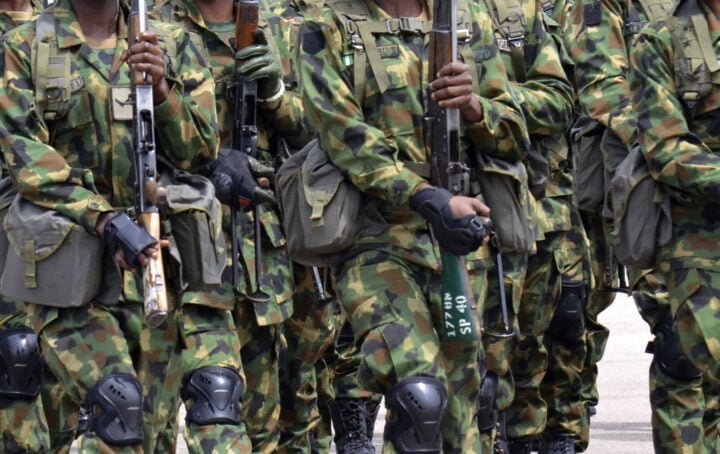
The Nigerian Army has clarified the circumstances surrounding a viral video showing a confrontation between its personnel and Anambra State Deputy Governor, Dr. Onyekachukwu Ibezim, during Saturday’s governorship election in Awka. The video, which circulated widely on social media, shows the deputy governor questioning the presence of soldiers at Ukwu Oji Umubele, Awka Ward 5, asking who authorised their deployment and whether they were supposed to be involved in the election process. A background voice in the clip also alleged that the soldiers were trying to seize election materials and kidnap presiding officers—claims immediately denied by the officer in charge. In a statement shared on the Army’s X account on Sunday night, Lt. Col. Olabisi Ayeni, Acting Deputy Director, Army Public Relations, 82 Division, said the video misrepresented the events. He explained that the soldiers were deployed in response to a distress call from NYSC officials and other INEC staff at the polling unit. “To clarify, at approximately 2020 hours (8:20 pm), an officer of the 302 Artillery Regiment (General Support) received a report that NYSC officials and corps members were being held hostage by suspected political thugs following the unexplained disappearance of the collation officer assigned to the unit,” the statement read. “In line with the Army’s constitutional duty to support civil authorities and protect citizens, a rapid response team of two officers and 12 soldiers was promptly deployed to the scene.” Upon arrival, the troops encountered a tense situation involving several political figures, including the deputy governor, who questioned their presence. Despite the provocation, the soldiers maintained professionalism and successfully rescued the corps members and INEC officials, escorting them safely to the INEC office where collation continued without further incident. The Army emphasized that the viral video lacked context, stating that the deployment was a humanitarian and security intervention intended to protect lives and ensure a peaceful election. The statement added that “any contrary interpretation is baseless, misleading, and regrettable.” To improve future coordination, the Army noted the behaviour of some political actors during the incident and said it would engage with the Anambra State Government. The statement reiterated the military’s commitment to neutrality and the protection of democratic institutions, urging the public to disregard false narratives surrounding the event.

Shehu-Sani1.jpg

3min2900
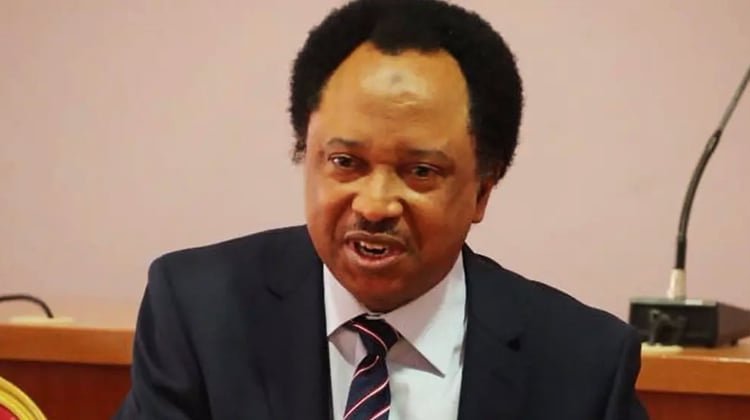
Former Kaduna Central Senator, Shehu Sani, has advised Nigerians and other Africans affected by the recent mass visa revocations in the United States to return home before facing possible action from US Immigration and Customs Enforcement (ICE). In a post shared on his X (Twitter) account on Monday, Sani warned that regardless of how long one resides abroad, they will eventually be reminded that it is not their true home. He wrote: “Nigerians and other thousands of Africans whose visas were recently revoked by President Trump should hasten to leave the country and return home before they get arrested by ICE.No matter how long you live in the comfort of your adopted home, you will someday be reminded that it’s not your father’s house.” Sani’s advice follows reports that the US State Department has revoked at least 80,000 visas since January 2025 under President Donald Trump’s administration — more than double the figure recorded in the previous year. According to the report released last Thursday, the revoked visas include 16,000 linked to driving under the influence, 12,000 for assault, and 8,000 student visas. Other grounds for cancellation reportedly include terrorism support, criminal offenses, public safety concerns, overstays, and actual terrorism-related cases. Although the nationalities of those affected were not specified, a previous statement from the US government in August indicated that over 6,000 student visas were revoked due to overstays and legal violations, including a few cases tied to terrorism support. In recent months, the United States has also tightened its visa policies. In July, the US Embassy directed applicants for F, M, and J non-immigrant visas to make their social media accounts public as part of enhanced background checks. That same month, it announced a major policy revision affecting Nigerian applicants, including shorter validity periods for several visa categories.

allocation.png

5min5690
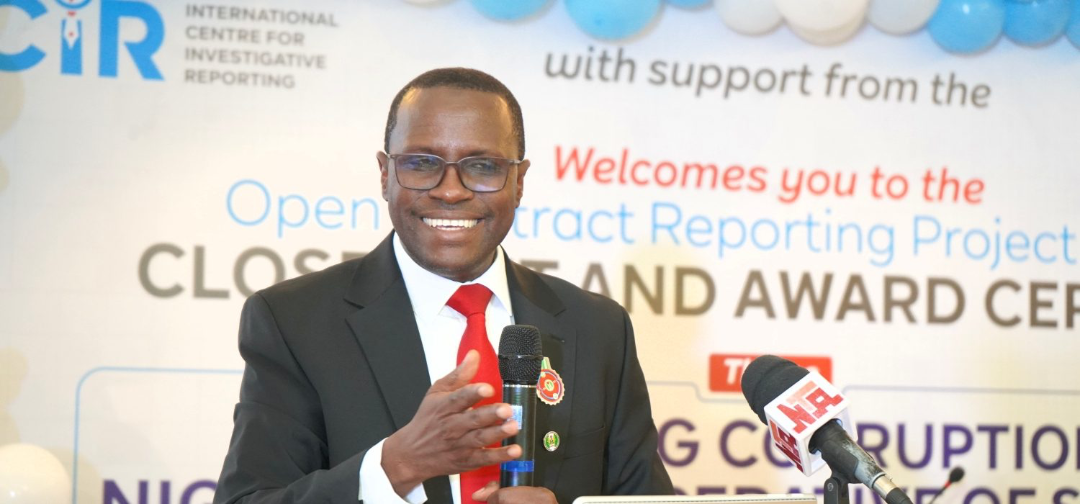
JOS — The Independent Corrupt Practices and Other Related Offences Commission (ICPC) and several federal agencies have disclosed that there is no verifiable evidence confirming that local government allocations from the Federation Account are reaching the councils directly. This revelation sheds light on a long-suspected irregularity in Nigeria’s local government financing and reinforces public concerns over poor transparency, weak accountability, and limited autonomy at the grassroots level, despite constitutional guarantees and court rulings supporting such independence. The finding was made during a capacity-building workshop on the Local Government Accountability Framework (LGAF) for the 17 Local Government Chairmen in Plateau State, held in Jos. The workshop was organized by the Rule of Law and Anti-Corruption (RoLAC) Programme, funded by the European Union and implemented by the International Institute for Democracy and Electoral Assistance (International IDEA). Representatives from key governance and anti-corruption bodies—including the ICPC, Code of Conduct Bureau (CCB), Fiscal Responsibility Commission (FRC), Bureau of Public Procurement (BPP), and the Federal Ministry of Justice (FMoJ)—participated in the event. Speaking at the session, Clifford Oparaodu, Executive Secretary of the ICPC, expressed concern that, despite a Supreme Court judgment affirming local government autonomy, there remains no consistent framework for tracking actual allocations. “When funds are released from the Federation Account, they pass through the State Joint Local Government Accounts. Many councils do not know the exact amounts they are entitled to and simply accept what is given to them. This practice makes effective planning difficult and erodes accountability,” Oparaodu stated. He added that although the ICPC cannot enforce judicial rulings, the Commission is deeply concerned that non-compliance with such decisions continues to hinder transparency and grassroots development. He emphasized the need for greater inter-agency collaboration to ensure that public funds serve their intended purpose. Emmanuel Uche, RoLAC Programme Manager, noted that democracy cannot thrive without transparency and accountability, while Umar Yakubu, LGAF Coordinator, lamented the continued financial dependence of local governments on state governments. “There is still no proof that allocations reach the councils directly. Funds continue to flow through state-controlled joint accounts, giving governors discretionary power over their use. Until citizens begin to demand openness, development at the grassroots will remain stagnant,” Yakubu said. He further revealed that local governments collectively receive about 20 percent of total revenue from the Federation Account. However, weak accountability mechanisms and minimal citizen engagement have prevented these resources from improving essential services such as education, healthcare, and infrastructure. Officials from the CCB reminded participants—mainly Directors of Finance—of the need for integrity and transparency in public service, guiding them on proper asset declaration processes to prevent corruption and illicit wealth accumulation. Similarly, representatives of the Federal Ministry of Justice highlighted the importance of the Freedom of Information (FOI) Act in promoting openness, while the BPP cautioned that over 60 percent of public funds flow through procurement channels—an area vulnerable to corruption if transparency is lacking. The FRC reaffirmed that accountability and prudent management of public resources are constitutional responsibilities, not optional practices, stressing that fiscal discipline remains a cornerstone of sustainable governance.

Tech & Tools Desk10 November 2025
Tinubu-1.webp

5min6020
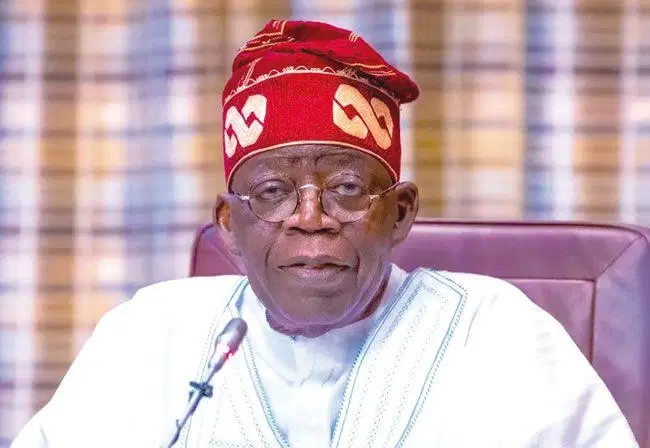
ABUJA — The Primate of the Church of Nigeria (Anglican Communion), Most Rev. Henry Ndukuba, has urged the Federal Government to seek international assistance if it cannot curb the escalating killings, kidnappings, and violence across the nation. He warned that Nigeria’s security crisis has reached a breaking point and can no longer be ignored. Ndukuba made the call during the consecration of fifteen new bishops in Abuja, where he spoke on the growing insecurity and moral decline in the country. His remarks followed recent concerns expressed by world leaders over the persistent attacks on Christians and the increasing threats to religious freedom in Nigeria. “The persecution of Christians and the violence happening in this country are undeniable,” Ndukuba stated. He lamented the continued abduction of clergymen, disclosing that several pastors and their families remain in captivity without any resolution. “As I speak, some of our pastors have been kidnapped along with their families from their churches, and they have yet to be released. If the authorities cannot handle the situation, it is only right for them to seek help,” he said. The Primate also expressed concern over the moral decay among young people, emphasizing that the character of today’s youth will determine the nation’s future. He called on parents to instill discipline and godly values in their children, adding that Nigeria’s youth possess the intelligence and creativity to overcome present challenges. “As a church, we continue to pray for our young people, invest in them, and nurture them. That is why we established the ‘Joshua Generation’ mission—to raise a generation that stands firm in faith and purpose,” he explained. Ndukuba expressed optimism that Nigerian youths, if properly guided, would rise above the difficulties surrounding them and fulfill their divine potential. “We believe they will stand strong, take up their responsibilities, and by faith, conquer their promised land,” he added. Speaking on the newly consecrated bishops, the Primate urged them to embrace patience, sacrifice, and steadfastness in their service, reminding them that leadership in the church requires humility and endurance. “This is a sacred calling,” he said. “When Jesus calls us to follow Him, He calls us to die to self, take up our cross, and remain faithful to His mission.” He prayed that God would strengthen the bishops in their new roles, guiding them to teach the Word faithfully and serve as true shepherds of the flock. “My prayer is that He who has called them will sustain them, lead them through life, and make them instruments in His hands to feed the flock, proclaim the gospel, and uphold the truth boldly and faithfully,” Ndukuba concluded. The newly consecrated bishops include: Ven. Samuel O. Ogunmiluyi (Irele Ese-Odo), Ven. Francis O. Bankole (Ekiti South), Ven. Boma P. Briggs (Kalabari), Ven. Ebenezer A. Adewole (Lagos South West), and Ven. Benjamin E. Idume (Ozoro). Others are Ven. Olubode A. Otenaike (Idanre), Ven. David Michson (Ikom), Ven. Gershinen P. Dajur (Keffi-Karshi), Ven. Luka B. Allu (Nasarawa), Ven. Ifeanyi V. Akunna (Ogoja), Ven. Ebenezer Familoni (Oyo South), Ven. Solomon Adewumi (Oyun), Rev. Canon Rika G. Ibrahim (Takum), and Ven. Ayuba Kanta (Zuru).

James Obasi10 November 2025
foodstuff-in-Nigeria.jpg

7min2540
The great Indian leader and freedom advocate made that statement before his assassination in 1948, at a time when his country—now split into at least three nations—was facing a food crisis far worse than what Nigeria is going through today. It can equally be said that millions of Nigerians are so hungry now that even God would have to appear to them as a loaf of bread or a bowl of rice to be recognized. I was only four years old in 1948, so I had to speak with older people and consult historical records to understand what the food situation was like then. Surprisingly, Nigeria was a net exporter of food during that period, even though about 99% of Nigerians were illiterate and the University of Ibadan had just opened its doors. Back then, the total number of Nigerian university graduates was barely 1,000. Today, UI alone produces over 5,000 graduates annually, and our universities collectively add more than 120,000 to the labour market each year. But what is the value of this “educated manpower” if we cannot feed ourselves? India, during the same period, produced even more graduates than Nigeria. Yet, while India transformed from a food-deficit nation to a major food exporter, Nigeria moved in the opposite direction—from a food exporter to a food-dependent nation. We already know part of the reason: Nigeria found oil, India did not. But there’s a deeper truth—Indian leaders and their educated citizens applied intelligence to development; Nigerians did not. “Food is national security, food is economy; it is employment, energy, history. Food is everything,” said Chef José Andrés, founder of World Central Kitchen. Many people don’t realize that food is essentially stored energy, and no matter how powerful or wealthy one is, no one can live without eating. My understanding of food security deepened during Buhari’s first tenure as Military Head of State in 1984–85. Like most city dwellers, I once thought farming was only for villagers—until Buhari compelled food and beverage companies to start producing their own raw materials. Suddenly, firms like Guinness and Nestlé had to take farming seriously, and people like me were drawn into the reality of agriculture. From growing sorghum for breweries, it wasn’t long before the focus shifted to feeding the nation. A personal tragedy—the passing of my eldest brother—brought me back to Lagos, where I realized that the future of Nigeria’s food security depends on educated young people who can quickly learn and apply new agricultural methods. But to make that happen, we must first return to the land. My visit to India in 1983 for a poverty-alleviation conference proved invaluable. That was where I first heard about urban farming, which seemed laughable at the time, given the vast farmlands available. Few predicted that population growth and development would drastically shrink farmland. Today, India has over 30 million urban and suburban farmers cultivating food on rooftops, balconies, and even twenty-storey buildings. Vegetables like tomatoes, lettuce, and cucumbers now grow alongside flowers on balconies, and sunflower seeds are pressed into vegetable oil. So, what stops Nigerians from doing the same? As Alexander Pope said, “Pride, the never-failing vice of fools.” Sadly, many Nigerians, especially in the South, are too proud to farm. I once lived with a friend in Kano who had half an acre of unused land behind his official residence. For years, he never thought to grow anything. When I began planting tomatoes, lettuce, and peppers in that yard, friends mocked me. They called me “Baba Agbe”—the old farmer. But six months later, the laughter stopped when our backyard overflowed with vegetables and chickens. Even then, those with bigger spaces refused to follow suit. Their excuse was, “Food is cheap in the North.” Today, food is no longer cheap, yet their backyards remain bare. Habits, indeed, are more powerful than logic. Now, rural farmlands are unsafe due to insecurity, and millions of farmers have fled. Still, people with available land in cities refuse to grow food, waiting instead for the government to act—as if politicians are the ones going hungry. The harsh truth is that even if a bag of rice costs ₦1 million, those in power will still eat; it’s the rest of us who will starve. The only logical solution is to grow what we can—wherever we can. Urban farming isn’t just possible; it’s necessary. Once you start, you’ll never want to stop, because it teaches self-reliance and resilience. So, what can governments do?First, lead by example.Second, seek expert guidance to launch urban agriculture programs. With the right plan, every state, local government, and ward can begin to see real impact within six months. Gradually, the number of participants can grow to one million urban farmers within a year. At over 80, I may not live to see that vision fully realized—but if we act now, Nigeria can still reach the promised land of food security and self-sufficiency.


aa-4.jpg

5min8310
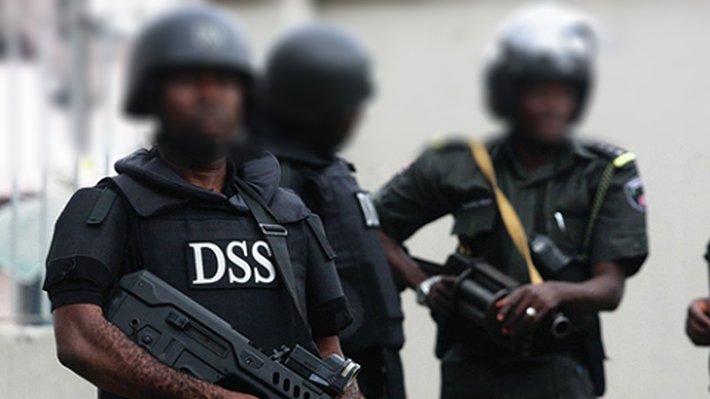
Fresh details have emerged on why the Federal Government dismissed 115 personnel of the Department of State Services (DSS). According to credible security sources, the affected officers were found guilty of offences capable of undermining the integrity and professionalism of the secret police. The offences reportedly included fraudulent practices, gross indiscipline, certificate forgery, and leakage of classified information. “Some of them even leaked official information, which is a serious breach,” a senior source said. Earlier in the week, the DSS announced the dismissal of the officers in a statement on its official X handle, warning members of the public to refrain from engaging in any official dealings with the affected personnel. The service also published their names, photographs, and dates of dismissal. The decision came just three weeks after two former DSS officers, Barry Donald and Victor Godwin, were arrested for impersonating operatives to defraud unsuspecting citizens. Internal Cleansing Drive Multiple insiders confirmed that the move is part of an ongoing internal reform aimed at restoring discipline within the agency. A senior official disclosed that the Director-General of the DSS, Adeola Ajayi, has embarked on a “cleansing exercise” to sanitize the service. “Some of the dismissed officers had become liabilities, threatening the agency’s integrity. Complaints were received from outside the service, and after investigation, they were found guilty. The DG is determined to restore the DSS to its core values,” the source said. Some of the dismissed personnel reportedly had pending disciplinary cases before Ajayi assumed office. Others, who had been queried during the tenure of former DG Yusuf Bichi, allegedly repeated similar offences and were dismissed after fresh reviews. Another insider explained that some officers travelled abroad in search of greener pastures without properly resigning from the service. “About 15 to 20 per cent of them are already outside the country. They were dismissed for improper resignation. The DG wants to instil stricter discipline and end the culture of impunity,” the source added. Forgery and Misrepresentation Investigations also revealed that several of the dismissed officers were found to have used forged documents to secure employment. A top official said some presented certificates from unaccredited institutions or used religious study certificates as academic qualifications. “Some used fake birth certificates; others attended schools in Benin Republic for only a few months and presented those as degrees. There were even cases of people using Arabic or mosque certificates as equivalents of university degrees,” the source explained. He added that the decision to publish their names and photos was to prevent the dismissed operatives from using the DSS identity to commit crimes or defraud the public. Part of Broader Reforms — Ex-DSS Director A former DSS Director, Mike Ejiofor, described the mass dismissal as part of ongoing reforms within the service. “The officers were subjected to disciplinary procedures before the decision was made. It’s an administrative matter aimed at strengthening internal discipline,” Ejiofor said. Security Expert Faults Publication of Officers’ Photos Security analyst Kabir Adamu, Managing Director of Beacon Consulting Limited, criticised the DSS for publicly releasing the identities of the dismissed personnel, describing the move as a breach of counter-espionage principles. “Publishing their names and photos exposes them to danger and contradicts the principle of counter-espionage,” Adamu said. He warned that the dismissed operatives could become targets for revenge attacks or recruitment by hostile foreign agencies and non-state armed groups. “Some of them participated in covert operations that led to arrests. Exposing them publicly removes their protection and makes them vulnerable. It also risks them being exploited or recruited by foreign intelligence networks,” he cautioned. Adamu added that the dismissed officers may now struggle to reintegrate into society. “They may find it impossible to secure employment again. Their lives have effectively been ruined. While dismissal for wrongdoing is understandable, public exposure of their identities was unnecessary and risky,” he said.

aa-3.jpg

3min3810
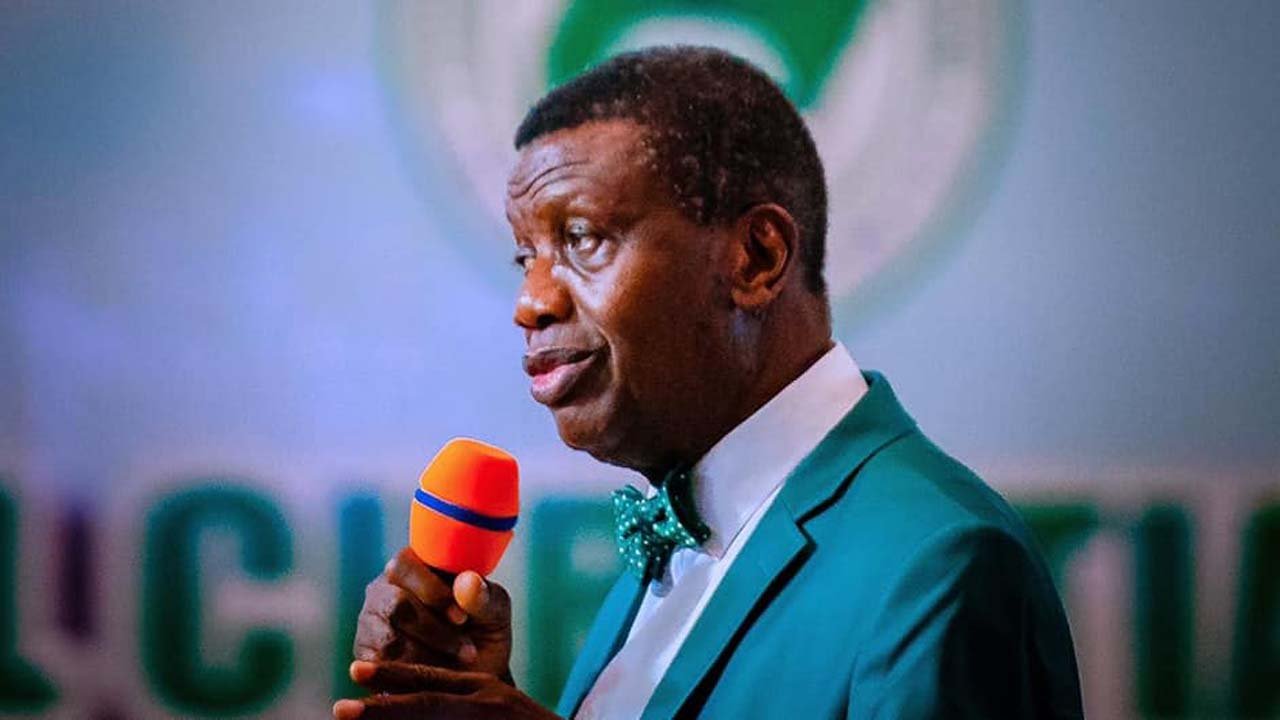
Lagos — The General Overseer of the Redeemed Christian Church of God (RCCG), Pastor Enoch Adeboye, has advised President Bola Tinubu to diplomatically appeal to U.S. President Donald Trump for a 100-day grace period to tackle insurgency and insecurity in Nigeria. Speaking during the November edition of the Holy Ghost Night at the Redemption City, Adeboye said the proposed window would enable the President to give the nation’s Service Chiefs and security agencies a 90-day ultimatum to completely eliminate terrorism or resign if they fail. “If the U.S. should attack us, China is not coming to defend us, Russia won’t defend us. The so-called world powers will talk and condemn, but they will not help us,” Adeboye said. The cleric urged President Tinubu to issue firm directives to the Service Chiefs, insisting that they must not only go after terrorists but also target their financiers and sponsors, regardless of their social or political standing. “When giving orders to the Service Chiefs this time around, he should make it clear that they are to eliminate both terrorists and their sponsors, no matter how influential they may be,” he stressed. Adeboye recalled a similar intervention during the administration of former President Muhammadu Buhari, when he privately advised the late leader to take decisive action against the worsening security situation. “Some of you will remember that the President once gave the Service Chiefs three months to end Boko Haram or resign. It’s not permitted to say who gave him that advice,” he said. “He acted on it but didn’t follow through. When the three months elapsed and the problem persisted, I went to see him. Unfortunately, he’s not alive now to confirm the details.” The revered preacher lamented that Buhari failed to enforce his ultimatum despite initial progress by the security agencies. He urged the Tinubu administration not to repeat the same mistake. Adeboye also cautioned that Nigeria must not depend on external powers for defence, reiterating that the nation’s unity and survival depend on its ability to confront terrorism with internal resolve and leadership discipline. “We must understand that no foreign country will fight our battles for us. This government must act swiftly and decisively to end insurgency once and for all,” he concluded.

Tech & Tools Desk9 November 2025
t-t.jpg

3min4250
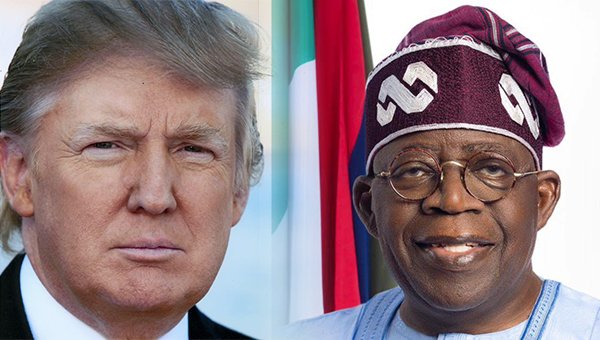
Osogbo, Osun State — A chieftain of the All Progressives Congress (APC) in Osun State, Olatunbosun Oyintiloye, has called on religious, political, and community leaders across the country to rally behind President Bola Tinubu in the ongoing battle against terrorism and insecurity. Speaking with journalists in Osogbo on Sunday, the former lawmaker urged Nigerians, irrespective of political or religious affiliations, to unite in defending the nation’s sovereignty and overcoming the current wave of security challenges. Oyintiloye expressed concern over recent comments by U.S. President Donald Trump, who threatened to deploy American troops to Nigeria over alleged killings of Christians. He described the statement as a matter of national concern, stressing that Nigerians must close ranks to safeguard the country’s independence and territorial integrity. “We must come together and rally behind the President at this critical period. Our political or religious affiliations do not matter now what we need is unity and collective action to protect the sovereignty of our dear country,” he said. While acknowledging the efforts of President Tinubu and the security agencies in combating terrorism and banditry, Oyintiloye noted that the security challenges predated the current administration. He maintained that Nigeria has never been at war with any particular religion and called for restraint in public discourse. The APC stalwart also urged opposition figures to be cautious in their comments, warning that divisive rhetoric could worsen the situation. “This is not the time to play opposition politics. Whatever happens to Nigeria affects everyone. Our hopes and aspirations depend on the continued existence of this country,” he said. Oyintiloye further appealed to the newly appointed service chiefs to justify the confidence reposed in them by the President and to intensify efforts toward defeating insurgents. He also welcomed U.S. concerns over Nigeria’s security but advised against foreign military intervention, suggesting instead that the U.S. share intelligence and provide logistical support to aid Nigeria’s internal security operations. “Getting foreign support in terms of intelligence and equipment will be good, but the deployment of foreign soldiers could complicate the situation,” he warned. “What President Tinubu needs at this time is the full support of all Nigerians.” Recall that on November 1, 2025, President Donald Trump announced via social media that he had directed the U.S. Department of Defense and the Pentagon to prepare for potential military action in Nigeria, citing what he described as widespread killings of Christians. He also threatened to halt all U.S. aid and assistance if the Nigerian government failed to act.