Blog - Edupreneur Select

Bring to the table win-win survival strategies to ensure proactive domination. At the end of the day, going forward, a new normal that has evolved from generation.
Kogi-State-Polytechnic.jpg

2min3150
The Academic Board of Kogi State Polytechnic, Lokoja, has approved the results for the 2024/2025 academic session. According to a statement on Tuesday by the school’s Director of Public Relations and Protocol, Uredo Omale, the approval was made during the 127th Academic Board meeting held on Monday. “The Board has reviewed and approved the second-semester results of ND II and HND II students across various departments and programmes. A total of 56 students graduated with Distinctions, including 20 in the National Diploma (ND II) and 36 in the Higher National Diploma (HND II) programmes,” Omale said. The meeting, held at the Academic Office Complex, was chaired by Professor Salisu Usman, who commended the Central Result Verification Committee, led by Deputy Rector Dr. Samuel Olowo, for their thorough and professional review. He also praised the Deans of Schools, Heads of Departments, and the Director of the Information Technology Resources Centre (ITRC) for their dedication throughout the results processing period. “The Rector expressed sincere appreciation to His Excellency, Alhaji Ahmed Usman Ododo, for creating an enabling environment for education in the state. The support of the state government has played a key role in strengthening the Polytechnic’s academic structures and infrastructure,” Omale added. Usman encouraged graduating students to be proud ambassadors of the institution and urged current students to stay focused on their studies. He reaffirmed the management’s commitment to transparency, academic integrity, and the overall development of students across all disciplines.

united-kingdom-flag-white-background_187299-37027.avif

2min4230
Britain’s unemployment rate rose unexpectedly to 5 percent in the third quarter, reaching its highest level since early 2021, official figures revealed Tuesday ahead of the government’s upcoming budget. The rate climbed from 4.7 percent in the second quarter, the Office for National Statistics (ONS) reported, exceeding analysts’ forecast of 4.9 percent for July to September. ONS Director of Economic Statistics Liz McKeown noted that the number of people on payroll has been falling, with revised tax data showing declines for most of the past 12 months. The figures add pressure on Prime Minister Keir Starmer’s Labour government, which continues to struggle in popularity 16 months after the last general election. “There will be no pre-budget comforts to take from today’s employment data,” said Isaac Stell, an analyst at Wealth Club. “Not only has the unemployment rate increased, but wage growth continues to shrink. With budget speculation at its peak, businesses are delaying hiring and investment decisions until there is more clarity on the economic outlook.” Analysts suggested that the weaker employment data could increase the likelihood of the Bank of England cutting its main interest rate at its December monetary policy meeting, providing some relief. Finance Minister Rachel Reeves has indicated that the upcoming budget will include tax increases aimed at reducing government debt and funding public services.

James Obasi11 November 2025
alcoholic-drinks-750x375-1.jpg

3min2880
The National Agency for Food and Drug Administration and Control (NAFDAC) has announced that the production and sale of alcoholic beverages in sachets and bottles smaller than 200 millilitres will be prohibited starting December 2025. The agency’s Director General, Mojisola Adeyeye, made the announcement during a press briefing in Abuja on Tuesday, explaining that the move aims to curb the misuse of cheap alcoholic drinks among youths and commercial drivers. “The widespread availability of high-alcohol-content beverages in sachets and small bottles has made them easily accessible, affordable, and easy to conceal, leading to misuse and addiction among minors and drivers. This public health challenge has been linked to increased domestic violence, road accidents, school dropouts, and other social vices,” Adeyeye said. The directive follows a Senate resolution issued on Thursday mandating NAFDAC to enforce the total ban by December 2025, with no further extensions permitted. The resolution came after extensive debate on a motion sponsored by Senator Asuquo Ekpenyong (Cross River South), who expressed concern over NAFDAC’s repeated postponements despite rising public health and social concerns. Ekpenyong noted that previous deadlines set by the agency for 2023 and 2024 had been extended, which he said encouraged manufacturers to lobby for more time. He warned that further delays would undermine public trust and Nigeria’s commitment to international health and safety standards. Adeyeye explained that NAFDAC had previously agreed on a phased withdrawal of sachet and small-bottle alcoholic drinks through a Memorandum of Understanding with stakeholders, but earlier deadlines had been postponed from 2023 to 2025. She stressed that the Senate’s latest resolution is final and warned manufacturers, distributors, and retailers to prepare for full compliance ahead of the enforcement date. She emphasized that the ban is a protective public health measure, not punitive. “This ban is aimed at safeguarding the health and future of our children and youth. It is based on scientific evidence and public health considerations. We cannot continue to compromise the well-being of Nigerians for short-term economic gain. The health of a nation is its true wealth,” Adeyeye stated.

trump_with_airplanes.jpg

4min5080
The Minister of Information and National Orientation, Mohammed Idris, has stated that diplomatic engagement between Nigeria and the United States is ongoing and producing positive results amid recent tensions. The remarks follow US President Donald Trump’s claims last month that Christianity in Nigeria faces an “existential threat” from radical Islamist groups. On his Truth Social platform, Trump said “thousands of Christians are being killed” and designated Nigeria a “country of particular concern,” directing the Pentagon to develop “options for possible military measures” against terrorist groups in Nigeria. His comments were condemned by the Nigerian government and drew concern from the international community. President Bola Tinubu rejected the allegations, affirming that Nigeria guarantees freedom of religion and protects the rights of all faiths, while China and Russia urged the US to respect Nigeria’s sovereignty. In an interview on Sky News’ The World With Yalda Hakim, Idris said communication channels between Abuja and Washington have been re-established and are proving effective. A statement by the minister’s media aide, Rabiu Ibrahim, confirmed the development. “Channels of communication have been opened; we are talking to them, and I believe they are gaining a clearer understanding of the situation,” Idris said. “Most of the information circulating seems to stem from a lack of proper understanding of the diversity and complexity of our challenges.” The minister also alleged that some US lobby groups have links to a proscribed separatist organisation in Nigeria and are providing misleading information to American authorities. “We are observing a direct connection between certain US lobbyists and a banned terrorist group in Nigeria, and they have reached out to high-level officials in the US to advance their agenda,” he said. Idris reaffirmed Nigeria’s commitment to its longstanding security partnership with Washington and called for continued collaboration in combating terrorism. “While we face security challenges, the United States has historically assisted Nigeria in addressing these issues. We are calling on them to partner with us again to ensure lasting peace in our country,” he said. The minister also urged the US to better understand Nigeria’s realities, expressing concern over some figures and assessments circulating abroad. “We want to clarify the situation and appeal for recognition of the complexity and diversity of our context,” he stated. Idris questioned the reliability of the data supporting claims of religious intolerance in Nigeria, saying, “Some of the assumptions are based on data that cannot withstand scientific scrutiny.” He reaffirmed that the Nigerian constitution guarantees religious freedom and emphasized that, despite ongoing conflicts, Nigeria remains a multi-faith nation and that the unrest is not driven by religious persecution.

millitary-2.jpg

4min2740
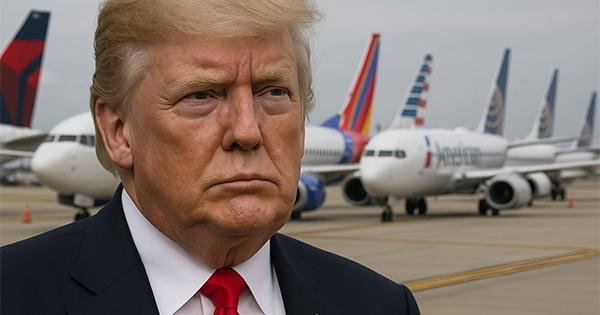
An additional 2,300 US flights were cancelled on Monday as President Donald Trump threatened pay reductions for air traffic controllers calling in sick amid the government shutdown. Trump criticized absent aviation workers as unpatriotic, prompting the National Air Traffic Controllers Association (NATCA) to praise members working without pay as “unsung heroes” and urge Congress to end the shutdown immediately. “Enough is enough,” the union said. The situation underscores growing pressure on the aviation sector as the record-breaking shutdown reached day 41. The air traffic control system, already strained by understaffing, now faces a surge in passengers with Thanksgiving travel approaching. In addition to Monday’s cancellations, over 8,700 flights involving US airports were delayed, according to FlightAware, while more than 1,100 flights scheduled for Tuesday have already been scrapped. Last week, the administration ordered 10 per cent flight reductions at dozens of major airports due to “staffing triggers.” Trump took to social media to warn that controllers who do not return to work “will be substantially ‘docked’” and called for all air traffic controllers to get back to work immediately. He also proposed a $10,000 bonus for “GREAT PATRIOTS” who remained on duty during the shutdown. Union president Nick Daniels described a potential congressional deal as a “step in the right direction,” stressing that air traffic controllers should not be used as political leverage during the shutdown. NATCA released a statement praising controllers for continuing to perform one of the most demanding jobs in the world without pay, often working six-day weeks and ten-hour days. Democratic Congressman Rick Larsen criticized Trump’s comments, calling them “nuts” and highlighting the dedication of controllers keeping the aviation system operational. Trump later reiterated the bonus proposal during a Fox News interview but admitted uncertainty over funding sources, saying, “I don’t know. I’ll get it from someplace…I always get the money from someplace.” Prospects for ending the longest shutdown in US history improved as enough Senate Democrats joined Republicans to pass a government funding bill through January. However, Daniels cautioned that after a 2019 shutdown, it took two and a half months for all controllers to receive back pay, raising concerns about what will happen when the next funding bill expires on January 30. Controllers like Amy Lark, who attended the NATCA event, described the personal toll of missed paychecks. “Yesterday, my kids asked me how long we could stay in our house. Having to answer that question was heartbreaking,” she said. The shutdown and staffing cutbacks are also affecting travelers. At Miami International Airport, passenger Jack Nicks said, “I have other friends who are flying today. They’ve already had three flight changes. So it’s a little rough.”

Tech & Tools Desk11 November 2025
Coronation-Group.png

4min2440
The Managing Director and Chief Executive Officer of Coronation Insurance Plc, Olamide Olajolo, has emphasized the need for responsible use of artificial intelligence (AI) in transforming Africa’s insurance sector. Speaking at the Africa Financial Industry Summit 2025 during a roundtable discussion titled “Smart Insurance: Sharpening up Claims, Risk Modelling and Operations with AI and Insurtech,” Olajolo highlighted how disciplined innovation can reshape claims management, risk modelling, and operational efficiency across the continent. The session, moderated by Mohamed Ali Jebira of Deloitte, featured key industry figures, including Bernard Ohemeng-Baah, Deputy Commissioner of Ghana’s National Insurance Commission. Discussions centered on how AI and insurtech are driving smarter data utilization, automation, and improved customer experiences within the insurance ecosystem. Olajolo identified claims processing as the area where AI currently has the most measurable impact, noting that automation is reducing claim turnaround times and improving accuracy. “AI delivers the fastest and most visible results in claims,” he said. “From automated image recognition for vehicle damage to predictive fraud detection, AI shortens claim cycles while enhancing fairness. Between 60 and 70 per cent of major global insurers have already integrated AI into claims management.” He further explained that machine learning is transforming underwriting by enabling real-time risk assessment that combines behavioural, environmental, and financial data. This, he said, promotes fairer pricing and broader inclusion, especially for underserved markets. However, Olajolo cautioned against rapid AI adoption without strong ethical and regulatory frameworks. He disclosed that Coronation Insurance has, on several occasions, delayed AI rollouts to ensure data protection and compliance. “We’ve had to strengthen data governance and transparency to ensure both customers and regulators can trust how algorithms make decisions,” he stated. Olajolo also noted that many African insurers remain stuck at the pilot stage because they treat AI as a technology experiment instead of a business transformation tool. “To achieve scalable success, AI initiatives must be linked to clear business outcomes—such as improved underwriting accuracy or reduced fraud—and must be driven by top leadership,” he explained. On human capital development, he stressed that talent remains a decisive factor in successful AI integration. He advocated a balanced strategy combining collaboration with insurtech firms, selective outsourcing, and building internal capabilities. “Human capability is the cornerstone of AI adoption,” he said. “The best insurers combine external partnerships for innovation, outsourcing for technical expertise, and in-house development for long-term control of data and customer relationships.” Olajolo concluded by stressing that responsible AI adoption should be guided by discipline, empathy, and trust—values that align with Coronation’s vision for the future of smart insurance in Africa. The session was part of AFIS 2025’s broader agenda on digital transformation and innovation as catalysts for Africa’s financial independence and sustainable growth.  

James Obasi11 November 2025
nnpc.jpg

3min3510
The Presidency is set to restructure asset ownership within the Nigerian National Petroleum Company Limited (NNPC) amid concerns over the company’s declining oil output. This was disclosed by the Special Adviser to the President on Energy, Olu Verheijen, on Monday at the ongoing Nigerian Association of Petroleum Explorationists (NAPE) Conference in Lagos. Verheijen presented a comprehensive plan to revitalise Nigeria’s oil and gas industry while promoting energy security and sustainable growth. She noted that achieving the target of producing three million barrels of oil per day will require performance-based management and questioned NNPC’s capacity to deliver significant output growth. According to her, NNPC Exploration and Production Limited currently produces only about 220,000 barrels daily — less than 10 per cent of Nigeria’s total production. She expressed concern over the firm’s ability to finance and execute major drilling campaigns, pointing out that unlike the era when international oil companies operated onshore, joint venture partners can no longer shoulder NNPC’s financial burden. Verheijen emphasised the need for courage to restructure asset ownership and bring in operators with proven technical expertise, financial strength, and strong governance practices. She stated that meaningful progress requires performance-based leadership, not sentiment. Highlighting what she called the “four R’s” framework — reserves, revenues, reliability, and responsibility — Verheijen explained that Nigeria must rebuild investor confidence by ensuring transparency and competitiveness. She noted that since 2023, under President Bola Tinubu’s leadership, efforts have been made to restore clarity in the sector and attract investments. She urged Nigeria to move quickly to secure exploration and production investments, stressing that global competition for capital is intense. Verheijen added that the Tinubu administration has already unlocked over $8 billion in final investment decisions through projects such as Ubeta, Bonga North, and HI, with another $20 billion in view. She further stated that the government’s revenue strategy goes beyond exports, focusing also on domestic value creation through gas-to-power projects, LPG and CNG expansion, petrochemicals, fertiliser production, and refining to reduce fuel imports. Meanwhile, the Chairman of NNPC Limited, Ahmadu Kida, said the company’s goal is to become Africa’s leading energy brand within five years. He noted that the NNPC aims to earn the trust and pride of Nigerians, symbolising national strength and achievement.

importation-1280x640.png

4min2690
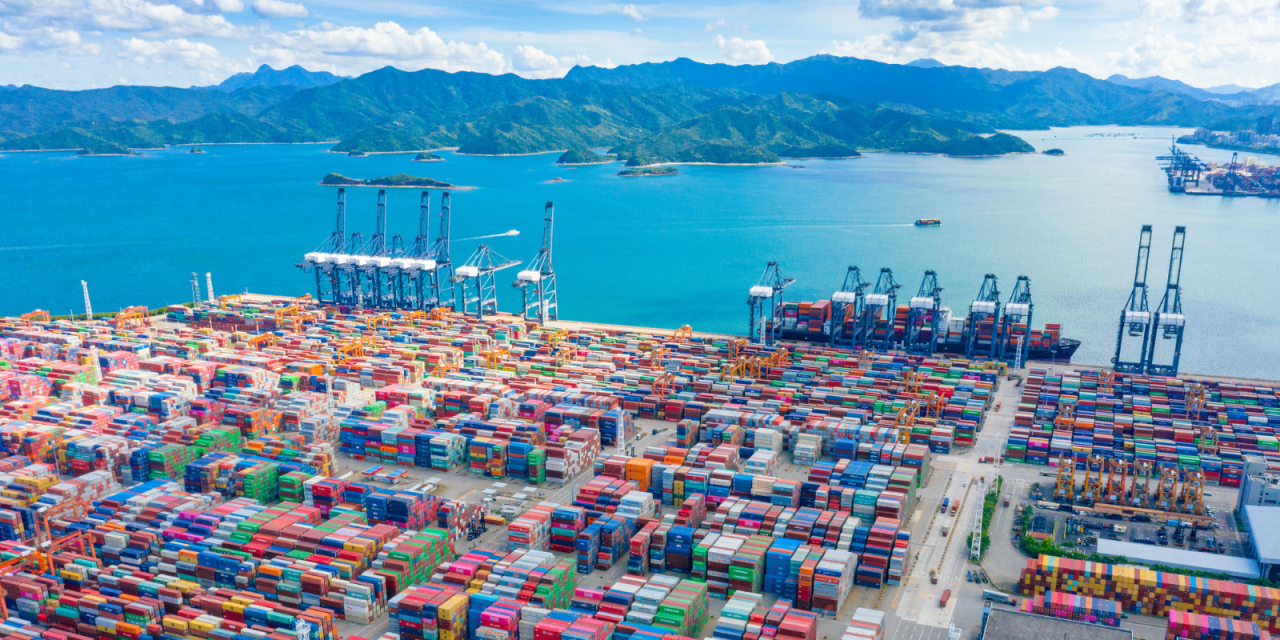
As the Christmas season nears, licensed agents in Nigeria’s maritime sector have reported a significant slowdown in import activity, with declines ranging from 40 to over 50 per cent. Some industry players estimate reductions as high as 80 per cent, while others place the drop between 63 and 70 per cent. In separate interviews on Sunday, Mr. Pius Ujubuonu, former interim National President of the Association of Nigerian Licensed Customs Agents, explained that multiple factors have contributed to the slowdown. “No doubt, cargo throughput has dropped significantly, mainly due to foreign exchange challenges. As of August, importation fell by about 62 to 65 per cent, and it may have dropped further to around 65 to 70 per cent in the past few months,” Ujubuonu said. He also highlighted planning issues and inconsistent government policies as key obstacles. “Importation is influenced by decisions made months in advance. Policy somersaults, especially in fiscal and trade regulations, have impacted imports more than infrastructure issues,” he noted. Ujubuonu warned that importation levels could fall even further. Emeka Okonkwo, former Secretary-General of the National Association of Government Approved Freight Forwarders, agreed that imports have slowed but suggested the decline is less severe. “Importation has dropped, but not as much as 80 per cent. The fall is likely between 40 and 50 per cent. Normally, imports rise during Christmas, but limited liquidity and reduced consumer demand are affecting operations,” he said. Mr. Ugochukwu Nnadi, a member of the Elders of Maritime Agents and Associations, also confirmed the slowdown. “Import activity is very low. Most shipping companies have only one or two ships berthing until year-end. Ports are no longer congested as they used to be, and uncertainties around government tax policies are making importers cautious. Compared to previous years, activity has dropped by over 80 per cent,” Nnadi explained. In contrast, Mr. Frank Ogunojemite, National President of the Africa Association of Professional Freight Forwarders and Logistics of Nigeria, disputed claims of declining imports. “There is no drop. Importation has actually increased, considering rising freight charges from China. If imports were down, shipping rates would have fallen. My data indicates the market is stronger this year than last,” he said. The slowdown in maritime imports reflects wider challenges in Nigeria’s automobile market. National Bureau of Statistics (NBS) data show that passenger car imports fell sharply, reflecting weaker consumer purchasing power and lower transport sector activity. According to NBS foreign trade data, passenger vehicle imports in the first half of 2025 totaled ₦479.26bn, down 9.69 per cent from ₦530.67bn in the same period of 2024. The downward trend has continued since 2023, when total imports fell from ₦1.47tn to ₦1.26tn in 2024, a 14.29 per cent drop. Quarterly data show imports in Q1 2025 at ₦224.58bn and Q2 at ₦254.67bn, compared with ₦238.73bn and ₦291.93bn in the same quarters of 2024, underscoring the persistent slowdown. Dealers and analysts cite foreign exchange constraints, high import duties, and declining consumer purchasing power as key factors making car ownership increasingly unaffordable for households and businesses.


african-1280x720.jpeg

4min6260
Manchester United striker Bryan Mbeumo continued his fine form at the weekend, scoring his fourth goal in as many matches as he opened the scoring in a 2-2 Premier League draw against Tottenham Hotspur. The 26-year-old Cameroonian will now turn his focus to the 2026 World Cup qualifiers, with the Indomitable Lions facing the Democratic Republic of Congo on Thursday in an African play-off. A win in Rabat would set up a final against Gabon or Nigeria three days later, with a spot in the intercontinental play-offs next March at stake. ENGLANDBryan Mbeumo (Manchester United)Mbeumo netted his sixth goal of the season, heading in from a cross by Ivory Coast winger Amad Diallo in the 32nd minute against Tottenham. The Cameroonian is gaining momentum following a slow start after his mid-year transfer from Brentford. Idrissa Gueye (Everton)The Senegalese midfielder scored early in Everton’s 2-0 victory over Fulham, converting a rebound from a James Tarkowski header. Gueye’s goal, his second of the season, keeps him on track to surpass last season’s tally of four goals. Ibrahim Sangaré (Nottingham Forest)The Ivory Coast midfielder scored his first goal for Forest in a 3-1 win over Leeds at the City Ground. Sangaré’s strike in the 15th minute gave Sean Dyche’s side the lead, with further goals from Morgan Gibbs-White and Elliot Anderson securing the club’s first league win since the opening weekend. GERMANYYan Diomandé (RB Leipzig)Diomandé extended his scoring run for Leipzig with an early goal in a 3-1 Bundesliga defeat to Hoffenheim. The 18-year-old Ivorian has now scored in three consecutive games and added three assists over the same period. FRANCEPierre-Emerick Aubameyang (Marseille)Gabon captain Aubameyang scored after a precise cross from Matt O’Riley to seal a 3-0 home win over Brest. The victory temporarily placed Marseille at the top of Ligue 1, though they finished the weekend second, two points behind PSG. Mamadou Sangaré (Lens)The Mali international scored as Lens defeated Monaco 4-1. He was fouled just before half-time, leading to a red card for Folarin Balogun, and then scored in stoppage time before the break to extend Lens’ lead.

coach.webp

2min2170
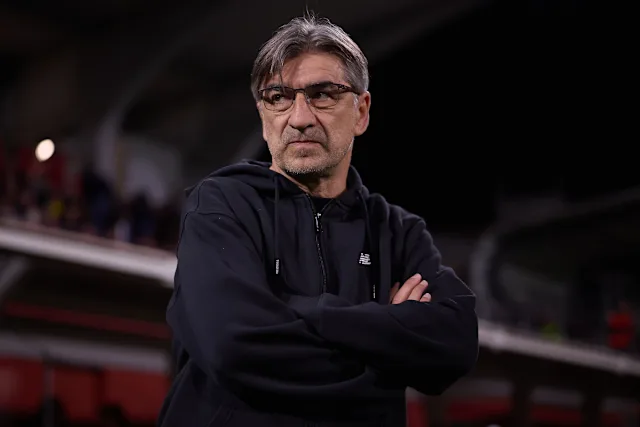
Atalanta are reportedly close to parting ways with head coach Ivan Jurić, with Raffaele Palladino expected to take over the Serie A club. According to an X post by Fabrizio Romano on Monday, Romano wrote: “Plan confirmed: Atalanta are on the verge of sacking Ivan Jurić to appoint Raffaele Palladino as new head coach.” The club, renowned for its attacking style and strong domestic and European performances, has struggled with inconsistency at the start of the season, prompting management to make a change. Palladino, a former Atalanta player and current youth coach, is expected to be officially appointed in the coming days. The 41-year-old has earned a strong reputation within the club’s academy and is seen as a promising choice to stabilize the first team while preserving Atalanta’s playing philosophy. Jurić, who previously managed Torino, joined Atalanta with ambitions of building on the club’s recent achievements. However, the team’s underwhelming start has intensified pressure from fans and the board. While Atalanta has not yet made an official announcement, sources indicate that both sides are in the final stages of negotiations to formalize the coaching change