

 Zara Lianne
Buhari’s Burial: A Tribute That Unleashed Political Controversy
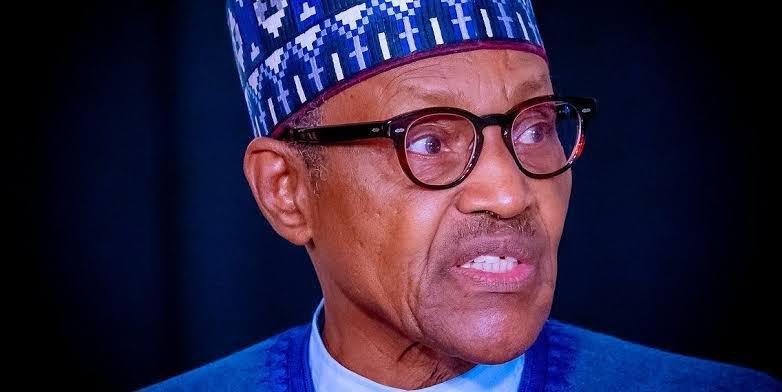
The death of former President Muhammadu Buhari has sparked a wave of national mourning and also stirred political conversations ahead of the 2027 elections. As tributes poured in from across the country, questions arose over the motives behind some of the gestures, especially regarding the relationship between Buhari and his successor, President Bola Tinubu, as political actors begin to position themselves to inherit the late leader’s political base.
In both life and death, Buhari remained an influential figure within Nigerian politics, particularly among members of the All Progressives Congress (APC) and the African Democratic Congress (ADC). Ahead of the 2027 general elections, both parties appear to be jostling to consolidate support from Buhari’s followers.
Buhari reportedly passed away at around 4:30 p.m. on July 12 in a London hospital at the age of 82. President Tinubu took charge of arrangements, from the announcement of the former President’s passing to the burial. He sent Vice President Kashim Shettima to the UK to accompany the late leader’s remains back to Nigeria. Tinubu himself received the body in Daura and paid his last respects, bowing before the remains in a gesture that captured national attention.
However, notable political figures such as former Vice President Atiku Abubakar, Labour Party’s 2023 presidential candidate Peter Obi, and former Kaduna State governor Nasir El-Rufai were noticeably absent during the funeral proceedings. Likewise, former Vice President Yemi Osinbajo was largely sidelined, with some observers claiming he was reduced to a bystander throughout the burial.
After the funeral, Tinubu convened a special meeting of the Federal Executive Council in honor of the late President. Buhari’s son, Yusuf, was present. As part of the tributes, the University of Maiduguri was renamed Muhammadu Buhari University.
While some praised the President for leading the nation in mourning, others questioned his motives. Critics pointed to what they described as a previously strained relationship between Tinubu and Buhari. They recalled statements made by Tinubu and his aides since taking office blaming Buhari’s administration for Nigeria’s economic difficulties as evidence of this tension.
During a public address in Anambra State in May 2025, Tinubu had stated that he inherited a broken economy and nearly insolvent public finances, citing lingering subsidies and a disorganized foreign exchange system. Before Buhari’s death, many within the APC reportedly kept their distance. It wasn’t until opposition figures began visiting Buhari at his Kaduna home that the APC leadership and governors followed suit.
Some close to Buhari felt that he was unfairly treated by the Tinubu administration. One former minister argued that Buhari’s contributions to Tinubu’s rise to power had not been acknowledged in any tangible form, such as appointments or formal recognition.
The ADC also accused Tinubu of political opportunism, arguing that it was disingenuous to criticize Buhari’s legacy for months only to honor him after his death. According to the party, the same administration that had blamed Buhari for Nigeria’s current challenges was now trying to align itself with his legacy for political gain.
In response, a presidential spokesperson dismissed these accusations, accusing the opposition of using the burial to seek relevance. He stated that while Tinubu showed respect and leadership, others were exploiting the moment to score political points.
Other political voices offered more balanced perspectives. One opposition party spokesperson noted that it is normal for a sitting president to lead the burial of a predecessor. Whether the action was politically motivated or not, he said, was left for the public to judge especially in light of the previously publicized tensions between the two leaders.
Another political figure expressed doubts over the sincerity of Tinubu’s gestures, saying there were signs of a rift and a lack of closeness between the two. He highlighted how even during the funeral, a senior adviser to Tinubu publicly defended the President on social media in response to remarks about the 2015 election, while Buhari had not yet been buried.
He also criticized Tinubu for not visiting areas like Mokwa in Niger State, where hundreds are reportedly missing, suggesting that a truly compassionate leader should show empathy across all regions and situations not only in politically significant moments.
In contrast, an official from a Tinubu-aligned grassroots organization defended the President’s actions, describing them as dignified and exemplary. According to him, Tinubu acted with national interest and maturity, choosing unity over division.
He insisted that Tinubu and Buhari shared mutual respect, even if they had disagreements, and that honoring Buhari in death was consistent with Tinubu’s approach to leadership. The burial, he said, was not about politics, but about upholding the dignity of the office and respecting a former leader.
He concluded by accusing critics of misinterpreting leadership decisions through a political lens, arguing that the President’s actions reflected the responsibilities of his office and the need for national healing.

