Category: Refined Living

aa-2.jpg

3min5580
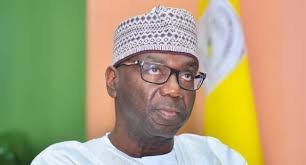
The Kwara State Government has announced the reopening of schools across the state from Monday, citing significant improvements in the security situation following sustained operations by security forces against bandits and other criminal elements. The decision was disclosed in a statement issued on Sunday by the Press Secretary of the Ministry of Education and Human Capital Development, Peter Amogbonjaye, quoting the Commissioner for Education, Lawal Olohungbebe. School authorities across the state have since been formally notified. According to the statement, the government believes the situation has improved considerably, though vigilance remains necessary. It noted that security operations are ongoing to consolidate recent gains, while efforts are also being made to strengthen community resilience alongside kinetic operations by security agencies. The reopening comes months after the state government ordered the closure of schools in November 2025 due to rising security concerns, particularly in border communities and forested areas affected by banditry and kidnapping. At the time, the government said the closures were a precautionary measure aimed at protecting students, teachers and school workers amid fears of possible attacks on educational institutions. The security situation had deteriorated late last year, prompting increased troop deployment and joint security operations in affected local government areas. Only weeks ago, the Kwara State College of Education, Oro, was also shut down following security threats in the area, forcing students to vacate the campus and disrupting academic activities. The development heightened concerns among parents, education stakeholders and residents about the safety of schools in the state. However, the state government said recent sustained military and security operations have led to the neutralisation of several criminal elements and the restoration of relative calm in previously affected areas. Security agencies are maintaining a strong presence in vulnerable communities, while intelligence gathering and community engagement have been intensified to prevent a resurgence of attacks. The government urged parents, teachers and school administrators to cooperate with security agencies and remain alert, assuring residents that measures have been put in place to guarantee the safety of learners and education workers across the state.

Tech & Tools Desk1 February 2026
aa-1.jpg

3min3570
French technology giant Capgemini has announced plans to sell its US subsidiary following backlash over its work for the US Immigration and Customs Enforcement (ICE) agency. The decision comes after mounting pressure from French lawmakers over a contract signed by Capgemini Government Solutions, which provided services to help locate individuals for ICE enforcement operations. The controversy has intensified amid international scrutiny of ICE’s activities, particularly in Minnesota. Public outrage has grown following the fatal shootings of US citizens Renee Nicole Good and Alex Pretti by immigration agents in Minneapolis, incidents that sparked nationwide protests and renewed criticism of ICE practices. Records show that since 18 December, Capgemini Government Solutions has been contracted to provide “skip tracing services for enforcement and removal operations” a process used to track individuals whose whereabouts are unknown. The subsidiary was due to receive more than $4.8m (£3.5m) for the contract, which runs until 15 March, and holds a total of 13 contracts with ICE. In a statement, Capgemini said it had been unable “to exercise appropriate control over certain aspects of this subsidiary’s operations to ensure alignment with the Group’s objectives,” adding that the divestment process would begin immediately. Criticism of ICE has intensified in recent weeks, particularly after the killing of 37-year-old Alex Pretti, the second US citizen fatally shot since immigration agents expanded enforcement operations in several cities under President Donald Trump’s renewed push to increase deportations. While Pretti was killed by Border Patrol officers an agency that works alongside ICE Good was shot by an ICE agent. ICE has detained thousands since Trump returned to the White House, with enforcement actions increasingly carried out in public spaces, often triggering confrontations with protesters. Capgemini CEO Aiman Ezzat said on LinkedIn that the company had recently become aware of the nature of the ICE contract through public sources, noting that its scope “raised questions compared to what we typically do as a business and technology firm.” The revelations drew sharp reactions in France. Finance Minister Roland Lescure called on Capgemini to be transparent about its dealings with ICE, while left-wing MP Hadrien Clouet urged sanctions against French companies collaborating with the agency. Founded in 1967, Capgemini is one of France’s largest listed companies, employing more than 340,000 people worldwide and valued at about €22bn (£19bn).

Tech & Tools Desk1 February 2026
aa.avif

4min8840
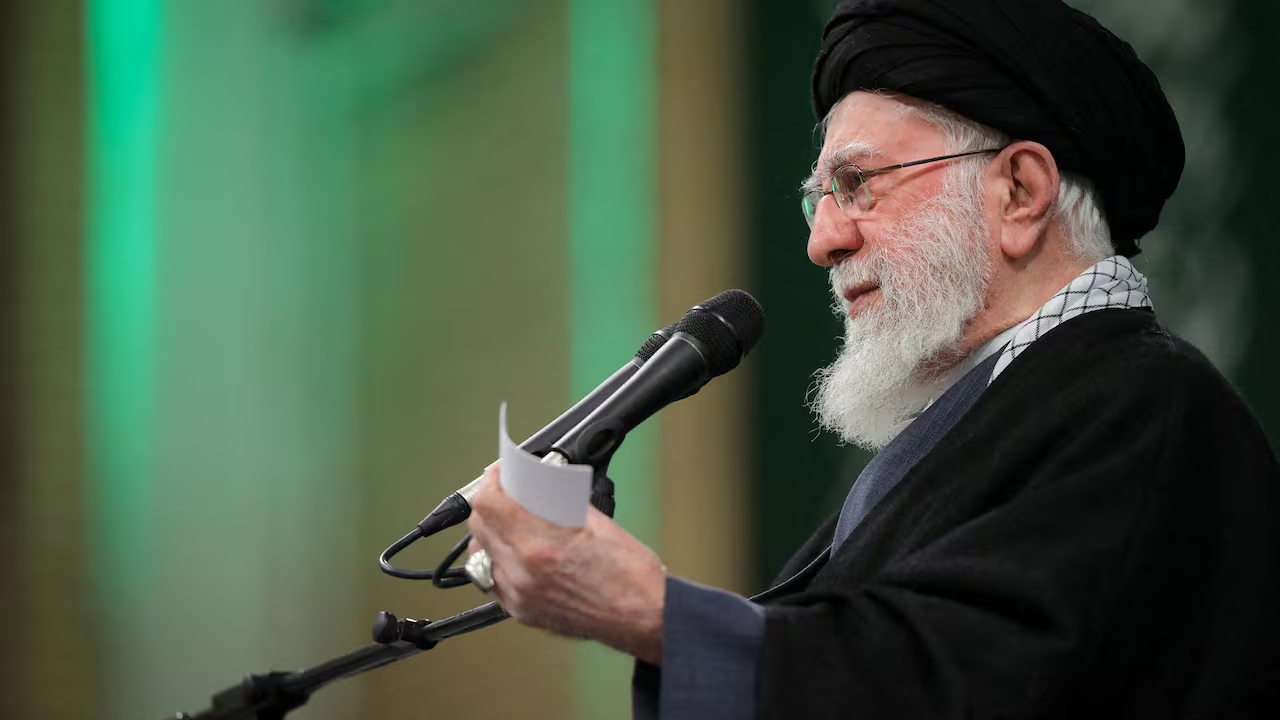
Iran’s Supreme Leader, Ayatollah Ali Khamenei, has warned that any military attack on the country would trigger a wider regional conflict, amid continued US military build-up near Iran. “The Americans should know that if they start a war, this time it will be a regional war,” Khamenei was quoted as saying by the semi-official Tasnim news agency. The warning comes as US President Donald Trump said Iran was engaged in “serious discussions” that he hoped would lead to an “acceptable” outcome. Iran’s top security official, Ali Larijani, also confirmed that a framework for negotiations was progressing. Tensions have risen after Trump threatened intervention over Iran’s nuclear ambitions and its violent crackdown on anti-government protests. As part of its military posture, the US has deployed the aircraft carrier USS Abraham Lincoln to the region, with US Central Command confirming operations in the Arabian Sea. Khamenei dismissed the US show of force, saying Iran would not be intimidated. “[Trump] regularly says that he brought ships… The Iranian nation shall not be scared by these things,” he said. Iran had earlier been expected to conduct a two-day live-fire naval exercise in the Strait of Hormuz, a vital global shipping route. However, Reuters quoted an Iranian official on Sunday as saying the Revolutionary Guards Corps (IRGC) navy had no plans for such drills. About one-fifth of the world’s traded oil passes through the Strait of Hormuz, which at its narrowest point is about 33 kilometres wide between Iran and Oman. Iran has previously threatened to close the waterway if attacked. The US has cautioned Iran against any “unsafe and unprofessional behaviour” near American forces in the region, a warning dismissed by Iran’s Foreign Minister, Abbas Araghchi. He accused Washington of attempting to dictate how Iran’s armed forces operate within their own territory. Meanwhile, two explosions in Iran over the weekend heightened public anxiety. Local authorities said a blast in the southern port city of Bandar Abbas, which killed one person and injured 14 others, was caused by a gas leak. Tasnim denied social media claims that an IRGC naval commander was targeted. In a separate incident in the south-western city of Ahvaz, at least four people were killed in another explosion, which officials also blamed on a gas leak, according to Iran’s Tehran Times. On Thursday, Trump said he had warned Iran it must meet two conditions to avoid US military action: abandon nuclear ambitions and stop killing protesters. The US-based Human Rights Activists News Agency says it has confirmed more than 6,300 deaths since unrest began in late December, while another 17,000 reported deaths are under investigation. The Norway-based Iran Human Rights group has warned the final toll could exceed 25,000. Protesters have told the BBC that the crackdown by security forces was unprecedented. Khamenei, however, accused protesters of attacking police, the IRGC and public facilities, saying, “The coup was suppressed.”

Ifunanya Okafor1 February 2026
aa.jpg

3min8290
Delta State Governor, Mr Sheriff Oborevwori, has urged graduates of the Delta State College of Health Sciences and Technology, Ofuoma-Ughelli, to deploy their skills in service to humanity, professionalism and compassion. The governor gave the charge during the institution’s 8th convocation ceremony held on Saturday. He was represented by the Commissioner for Higher Education, Prof. Nyerhovwo Tonukari, who congratulated the graduands on the successful completion of their programmes and encouraged them to contribute meaningfully to society. Oborevwori also advised the graduates to pursue further academic and professional development, while commending the Governing Council and management of the college for organising a convocation ceremony after a long interval. Speaking at the event, Prof. Tonukari conveyed the goodwill of the governor and expressed optimism that Oborevwori would personally attend the institution’s next convocation ceremony. In her welcome address, the Provost of the college, Dr Odiete Eravweroso, described the ceremony as historic, noting that it was the first convocation held under her leadership since her appointment in August 2025. She said the event brought together graduates from 2017 to 2025, many of whom had waited several years to formally receive their certificates. “This convocation represents closure, restoration and the fulfilment of a long-awaited academic right,” she said, while thanking the Delta State Government and other stakeholders for their support. Dr Odiete disclosed that a total of 5,922 students graduated during the period, urging them to uphold professionalism, discipline and compassion in their careers. She assured that the college would continue to strengthen accreditation standards, improve infrastructure and promote staff development. Earlier, the Chairman of the Governing Council, Dr Chris Oharisi, congratulated the graduates, describing the ceremony as a celebration of diligence and perseverance. He reminded them that health practice is both a privilege and a sacred trust, as their decisions directly affect lives. Highlights of the ceremony included the conferment of certificates, National Diplomas and Higher National Diplomas on 5,922 graduates, presentation of awards to best graduating students, conferment of fellowship and distinguished personality awards, and group photographs.

aa-10.jpg

2min8110
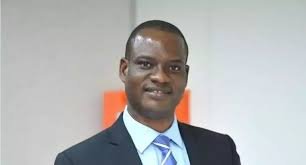
Chairman of the Presidential Committee on Fiscal Policy and Tax Reforms, Taiwo Oyedele, has called on Nigerians to ensure they file their annual tax returns on or before March 31, stressing that compliance is mandatory for both employers and individual taxpayers. Oyedele made the appeal during a webinar organised for HR managers, payroll officers, CFOs and tax managers in partnership with the Joint Revenue Board. Speaking in the session, he noted that while some employers have already submitted annual returns for their employees, others still have only a short window to do so, including filing projections of staff remuneration. He expressed concern over the low level of compliance with self-assessment filing among individuals, describing it as a major weakness in Nigeria’s tax system. According to him, in many states, even the most advanced, fewer than five per cent of taxpayers file their returns. Oyedele clarified that employees are still required to file tax returns even when their employers deduct taxes at source, stressing that this obligation exists under both the old and new tax laws. He assured taxpayers that efforts are ongoing to simplify the filing process, adding that everyone regardless of income level is required to submit returns for the previous fiscal year by March 31. Oyedele also disclosed that under the new tax regime, businesses benefiting from tax incentives must now declare such incentives in their filings, in line with new disclosure requirements aimed at improving transparency and compliance.

aa-9.jpg

4min4730
Chairman of the Presidential Committee on Fiscal Policy and Tax Reforms, Taiwo Oyedele, has said the widely discussed “power of substitution” in Nigeria’s tax framework is neither new nor unusual, noting that it has long existed in the law. Oyedele made the clarification during a webinar on the implementation of the Tax Reform Acts for HR professionals, payroll managers, CFOs and tax managers, organised in collaboration with the Joint Revenue Board. Speaking during the session, he explained that the power of substitution enables tax authorities to act when taxpayers fail to file returns or when declared income does not align with available information such as bank transactions, property purchases or foreign travel records. According to him, misconceptions around the provision stem from a lack of awareness. He said the power has been part of tax legislation for decades and is a standard practice globally, though it may be referred to by different names such as garnishment orders or third-party agency in other jurisdictions. Oyedele outlined the procedure, noting that tax administration begins with self-assessment. If a taxpayer fails to file returns or provides information that conflicts with verified data, the tax authority is required to notify the individual and request an explanation. Where no response is provided or the explanation is unsatisfactory, the authority may issue an assessment based on available information, which the taxpayer has the right to challenge. He explained that taxpayers can object to an assessment within a specified period, and the tax authority is obliged to review the objection and amend the assessment where necessary. If disagreement persists, the matter can be taken to the tax tribunal, and subsequently to higher courts, including the High Court, Court of Appeal and, in some cases, the Supreme Court, before any tax liability becomes final and enforceable. Oyedele stressed that only after all appeal processes are exhausted and a taxpayer still fails to pay within the stipulated time can the tax authority direct third parties, including banks holding the taxpayer’s funds, to remit the owed amount to the government. He dismissed claims that tax authorities can arbitrarily debit bank accounts, insisting the process cannot occur without the taxpayer’s knowledge, as multiple notices and opportunities to respond are provided. He added that the new tax legislation strengthens safeguards against abuse by expanding access to dispute-resolution mechanisms such as tax tribunals. On compliance, Oyedele urged employers to file annual tax returns for their employees and encouraged individuals to submit their self-assessments, noting that compliance levels remain extremely low across many states. He emphasised that employees are still required to file returns even if taxes have already been deducted by their employers. He also said businesses benefiting from tax incentives must now disclose such incentives in their tax filings. Oyedele concluded that successful implementation of the reforms would benefit individuals, businesses and investors alike, adding that households would gain from lower income taxes and the removal of VAT on basic consumption items.

aa-7.jpg

3min4120
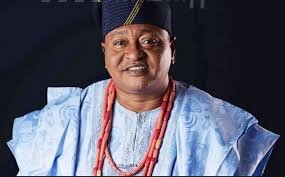
The King Kosoko Royal Family has rejected as false and misleading a petition challenging the appointment of veteran actor Babajide “Jide” Kosoko as the Oloja of Lagos-elect, insisting the process followed tradition, family consensus and due procedure. In a statement, the family said the petition submitted to the Lagos State Government by a faction of the Akinsanya Olojo-Kosoko ruling house does not represent the position of the King Kosoko Royal Family and should be ignored. According to the family, there is no dispute over the Oloja stool. They explained that Jide Kosoko’s appointment was a lawful step taken to resolve a long-standing irregularity after Prince Abiola Olojo Kosoko, named Oloja-elect in 2020, was not installed as of 2026. The statement said the decision to withdraw Abiola and appoint Jide Kosoko was reached collectively by the heads of the family branches after careful deliberation on the matter and its impact on the family’s unity and legacy. It also described the petition as “hypocritical and misleading,” noting that its alleged authors, Prince Surajudeen Abiodun Olojo-Kosoko and Prince Theophilus Olojo-Kosoko, were present at the meeting where the decision was unanimously taken. The family disclosed that the meeting was held on Saturday, January 24, 2026, at the residence of the Olori Ebi General, Mutiat Ashabi Ali-Balogun, and was attended by key family stakeholders, including Prince Olojo Kosoko. Jide Kosoko was subsequently presented to the wider family at a general meeting at Iga Kosoko on Tuesday, January 27, 2026. Responding to claims of external influence, the family dismissed suggestions that the Oba of Lagos played any role in the appointment, stressing that Oba Rilwanu Akiolu neither selected nor imposed the Oloja-elect on the family. The King Kosoko Royal Family called on Lagos State Governor Babajide Sanwo-Olu and the public to disregard the petition, describing it as driven by personal grievances rather than tradition or law. While acknowledging the right of aggrieved parties to seek legal redress, the family maintained that its decisions remain final and binding.

Tech & Tools Desk31 January 2026
aa-6-1280x720.jpg

5min4170
One of the first people in the UK to receive Elon Musk’s Neuralink brain implant has described the experience as “magical”, saying the technology has given him renewed hope and could transform life for people with severe paralysis. Sebastian Gomez-Pena, a volunteer in the UK’s first trial of the Neuralink device, said the implant has been life-changing since an accident left him paralysed from the neck down. “It’s a massive change in your life when you suddenly can’t move any of your limbs,” he said. “This kind of technology gives you a new piece of hope.” Seb was studying medicine when the accident happened. He is now one of seven participants in the UK safety and reliability trial. The Neuralink chip, connected to 1,024 electrodes implanted in his brain, was fitted during a five-hour operation at University College London Hospital. The procedure involved British surgeons and Neuralink engineers, with the electrodes inserted by the company’s specialised robotic system designed to place microscopic threads into delicate brain tissue. The electrodes were positioned around four millimetres into the part of Seb’s brain that controls hand movement. Signals from his brain are transmitted through ultra-thin threads to the chip, which sends data wirelessly to a computer. Artificial intelligence software then learns to interpret those signals, allowing Seb to control a cursor on a screen simply by thinking about moving his hand or fingers. “When I think about moving my hand, it’s amazing to see that something actually happens,” he said. “You just think it and it does it.” During a demonstration, Seb navigates his laptop with ease, opening files, highlighting text and scrolling through documents as smoothly as someone using a mouse or trackpad. The neurosurgeon leading the UK trial, Mr Harith Akram, said the level of control achieved so far is remarkable. “It’s mind-blowing to see how much control he has,” he said, adding that the technology could become a “game-changer” for people with severe neurological disabilities who currently have very limited options to regain independence. Neuralink’s technology has taken nearly a decade to develop, combining advanced implants, surgical robotics and AI systems. The first human implant took place in the US two years ago, and a total of 21 people across the US, Canada, the UK and the UAE have now received the device. All participants have severe paralysis caused by spinal injuries, strokes or neurodegenerative conditions such as ALS. While results from the trials have not yet been published in peer-reviewed journals or submitted to regulators, early indications are encouraging. Some users can already type on virtual keyboards by thought alone, while others have used robotic arms to feed themselves. In addition to restoring movement, other trials are exploring whether similar implants could help people regain speech after stroke or brain injury. The company has also outlined longer-term ambitions, including research into restoring vision and even allowing users to control humanoid robots remotely. Despite its promise, experts caution that larger and longer trials are still needed to prove the technology’s safety, reliability and long-term benefits before it can be approved for widespread use. For now, progress depends on volunteers like Seb, whose determination is helping to push the boundaries of what brain-computer technology might one day achieve.

Ifunanya Okafor31 January 2026
aa-4.jpg

3min4660
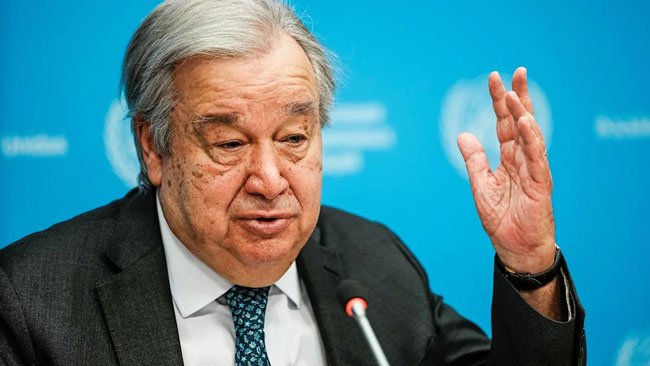
The United Nations is facing the threat of an “imminent financial collapse” as member states fail to pay their mandatory contributions, Secretary-General António Guterres has warned. In a letter to all 193 member states, Guterres said the UN’s financial crisis is deepening and could leave the organisation without sufficient funds by July, severely disrupting programme delivery. He urged countries to either settle their assessed fees in full and on time or agree to a fundamental overhaul of the UN’s financial rules to avert collapse. The warning follows decisions by several countries to withhold payments, including the United States the UN’s largest contributor which has refused to fund the organisation’s regular and peacekeeping budgets and withdrawn from multiple UN agencies it has described as a waste of taxpayer money. Other member states are also in arrears or have declined to pay altogether. Although the UN General Assembly approved limited reforms to the organisation’s financial system in late 2025, the UN continues to face a severe cash shortage. The situation has been worsened by a rule requiring the UN to refund unspent funds, even when those funds were never received. Guterres described this as a “double blow” that forces the organisation to return money it does not have. According to the secretary-general, only 77% of assessed contributions were paid in 2025, leaving a record level of unpaid dues. “We cannot execute budgets with uncollected funds, nor return funds we never received,” he said, noting that the UN was compelled this month to return $227m as part of its 2026 assessment. At UN offices in Geneva, cost-cutting measures are already visible, with escalators switched off and heating reduced in an effort to conserve cash. The funding crisis is having tangible consequences across the UN system. The human rights office has warned that serious abuses may go uninvestigated due to a lack of resources. In Afghanistan, UN Women has shut down mother and baby clinics, while the World Food Programme has reduced food rations for refugees fleeing the conflict in Sudan. Guterres said the UN has weathered financial crises before, but stressed that the current situation is “categorically different” and poses a direct threat to the integrity and functioning of the entire organisation.

asia-markeet.avif

5min4320
Asian stocks fell on Friday amid renewed concerns over heavy investments in artificial intelligence, while gold and silver pulled back after hitting record highs. Oil prices also eased on hopes of a de-escalation in US-Iran tensions. Markets have experienced significant volatility this week as investors navigated a weaker dollar, renewed tariff warnings, potential US government shutdown risks, and geopolitical uncertainty. Optimism in the tech sector around AI had supported equities earlier, boosted by strong earnings reports from companies including Meta, Samsung, and SK hynix. However, sentiment was dented on Thursday after Microsoft reported a surge in AI infrastructure spending, raising concerns about the time it might take for firms to see returns on these investments. Analysts also cautioned that tech valuations could be stretched following a long rally. “Microsoft suffered its worst session since the COVID-era crash, falling 12 percent and accounting for over two-thirds of the S&P 500’s decline,” noted Rodrigo Catril of National Australia Bank, citing rising investment costs, slower growth in Azure cloud services, and a longer path to monetising AI. Wall Street closed mostly lower, with the Dow being the sole gainer. Asian markets also struggled amid speculation that US President Donald Trump may nominate former Fed governor Kevin Warsh—known for his hawkish stance on interest rates—as the next Federal Reserve Chair. Major Asian indices in Hong Kong, Shanghai, Tokyo, Sydney, Singapore, Taipei, and Bangkok all declined, while Seoul, Manila, and Wellington posted gains. European markets were mixed, with Paris flat following slower-than-expected growth in France, London opening lower, and Frankfurt rising. In Indonesia, Jakarta rebounded after a two-day sell-off triggered by MSCI concerns over market transparency. MSCI warned that if sufficient improvements were not made by May 2026, it could reduce Indonesia’s weighting in its Emerging Markets Indexes and potentially reclassify the country from Emerging Market to Frontier Market status. Gold eased to around $5,150 an ounce after reaching a peak above $5,595, while silver fell to $106 from over $121. Precious metals were also pressured by a slightly stronger dollar, despite recent weakness influenced by Trump’s comments supporting a lower dollar. Investors remain alert to developments in the Middle East after the US sent a naval presence to the region and issued warnings to Iran over nuclear negotiations. Crude contracts fell over 1 percent after spiking as much as 5 percent the previous day, reflecting ongoing fears of conflict in the oil-rich region, which could drive prices higher and increase inflationary pressures. In Washington, the US Senate moved closer to a vote on a funding bill to prevent a government shutdown after a standoff over immigration policy. Current federal funding is set to lapse at midnight Friday. Key figures: Tokyo – Nikkei 225: DOWN 0.1% at 53,322.85 Hong Kong – Hang Seng: DOWN 2.1% at 27,387.11 Shanghai – Composite: DOWN 1.0% at 4,117.95 London – FTSE 100: DOWN 0.2% at 10,150.97 WTI crude: DOWN 1.7% at $64.32 per barrel Brent crude: DOWN 1.6% at $68.50 per barrel Euro/USD: DOWN at $1.1940 from $1.1962 Pound/USD: DOWN at $1.3781 from $1.3800 Dollar/Yen: UP at 153.74 from 153.04 Euro/Pound: DOWN at 86.63p from 86.67p New York – Dow: UP 0.1% at 49,071.56