Category: Refined Living

stamerr.webp

5min3360
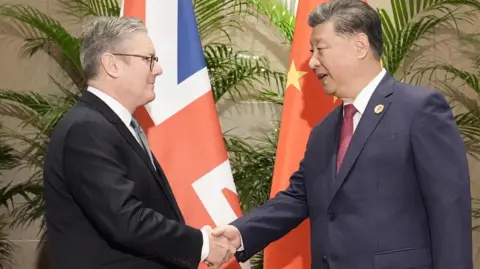
Sir Keir Starmer’s visit to China this week signals a potential end to the diplomatic “ice age” that has characterised UK–China relations in recent years. Both leaders are facing domestic economic pressures and are exploring new opportunities for trade and investment. For Sir Keir, the first UK prime minister to visit China since Theresa May in 2018, the trip offered a platform to showcase British strengths in sectors such as finance, pharmaceuticals, healthcare, clean energy, and automotive manufacturing. President Xi Jinping sought to demonstrate that China remains a reliable partner for Western economies amid ongoing global trade tensions. While no comprehensive free trade agreement was reached, the visit marked a cautious but tangible reset of UK–China economic ties. Agreements covering visas, services, healthcare, green technology, and finance, combined with revived dialogue, could enhance access for British firms to Chinese markets and attract greater Chinese investment in the UK. Key agreements and deals AstraZeneca announced plans to invest $15 billion (£11 billion) in China over the next four years, expanding research and pharmaceutical manufacturing—its largest investment in the country to date. In the energy sector, British company Octopus Energy is entering the Chinese market through a partnership with local firm PCG Power, developing a digital platform for trading electricity. The project aims to improve efficiency in the power system and support China’s renewable energy expansion. The deal allows Octopus Energy to access China’s growing market for clean energy and digital trading solutions. China also agreed to halve tariffs on Scotch whisky, a move projected to generate £250 million for the UK economy over five years. Sir Keir described the reduction as “proof that pragmatic international engagement brings benefits at home,” highlighting whisky’s importance to Britain’s drinks sector, with exports exceeding £5 billion annually. Another outcome of the trip was visa-free travel for British citizens visiting China for up to 30 days for holidays or business, putting the UK on par with around 50 other countries. Both sides also committed to cooperate on disrupting migrant-smuggling networks, a key priority for the UK government. Benefits for China For Beijing, renewed ties with the UK signal that it remains a dependable partner for Western economies, despite US trade tensions. The reset ensures Chinese exporters of high-value goods, including electric vehicles, solar panels, and clean energy products, maintain access to the UK market, while also creating opportunities for Chinese investment in British services, finance, and green technology. Chinese media framed the visit as a step toward transforming the “potential of China–UK cooperation into tangible achievements” benefiting both countries. British firms highlighted the mutual benefits of expanded partnerships, including opportunities to deliver affordable, secure, and clean energy solutions to both markets. Challenges remain Foreign businesses continue to note challenges in operating in China, citing red tape, complex regulations, and limited transparency, which can complicate investment and create uncertainty. Despite these challenges, Sir Keir’s visit reflects a pragmatic approach to boosting economic growth while managing geopolitical risks. He has emphasised that the UK does not need to choose between Washington and Beijing, framing the reset as a way to strengthen domestic growth while balancing international relationships. At the UK–China Business Forum in Beijing, Sir Keir described his meetings with Xi as “very warm” and stressed the significance of agreements on visa-free travel and whisky tariffs, which provide British firms with enhanced access to the Chinese market and help build mutual trust and respect. The visit is part of a broader trend of European and Commonwealth leaders engaging with Beijing to diversify trade partners and secure new markets amid US trade unpredictability. Countries including France, Canada, and Finland are closely monitoring the deals the UK and others are negotiating with China to remain competitive in attracting investment and accessing the world’s second-largest economy.

uk-starmeer-1280x839.jpg

5min6250
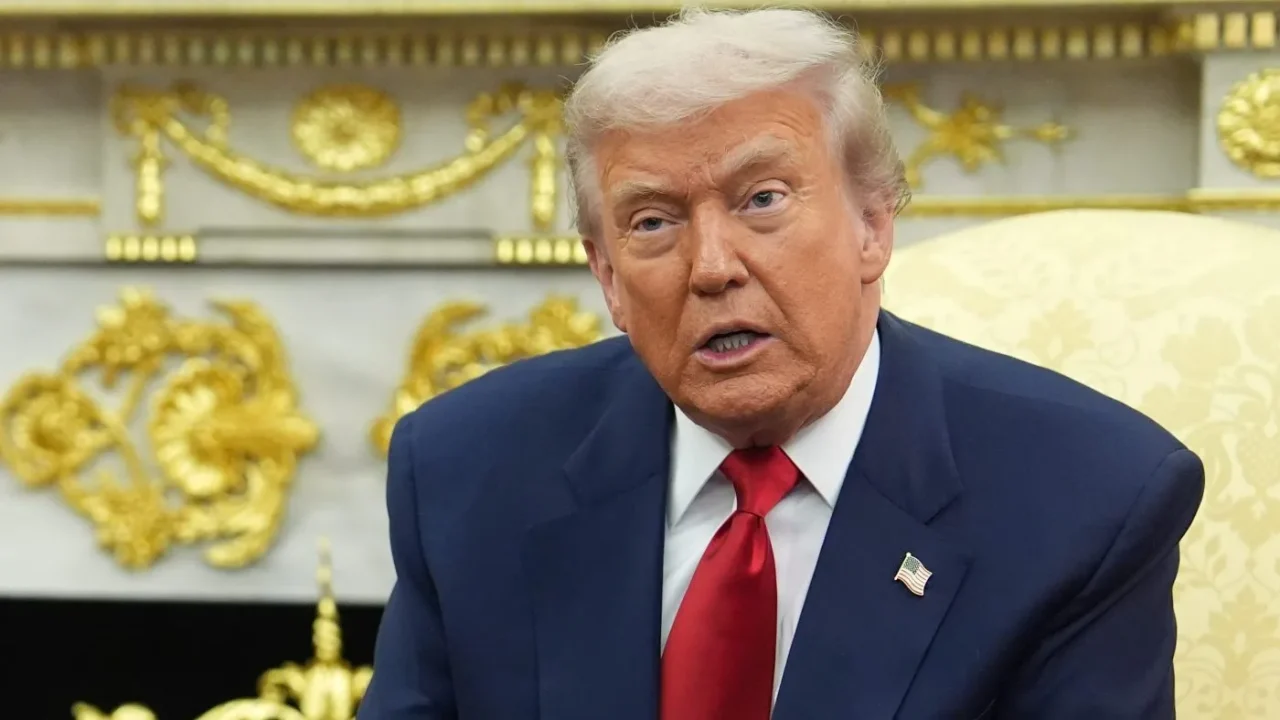
Donald Trump described it as “very dangerous” for the UK to engage in business with China, as Prime Minister Sir Keir Starmer arrived in Shanghai on the third day of his visit to the country. The US president’s comments followed the announcement of agreements aimed at boosting trade and investment between the UK and China, made after Sir Keir’s meeting with Chinese President Xi Jinping. Speaking at the premiere of a documentary about his wife Melania on Thursday, Trump referred to Xi as a “friend” and said he knew the Chinese president “very well.” UK Business Minister Sir Chris Bryant countered Trump’s warning, calling it “wrong” and describing it as “bonkers, frankly, for the UK to ignore China’s role on the world stage.” He added, “Of course, we engage with China with our eyes wide open.” Bryant also noted that Trump is scheduled to visit China in April. Downing Street stated that Washington had been informed in advance of Sir Keir’s trip and its objectives. At the Melania film premiere, a reporter asked Trump about UK-China business ties, to which he gave only brief remarks before pivoting to a warning about Canada. “It’s even more dangerous, I think, for Canada,” Trump said, adding that the country “is not doing well” and “you can’t look at China as the answer.” Earlier this week, Trump threatened tariffs on Canada over deals struck with China during Prime Minister Mark Carney’s visit to Beijing. Meanwhile, Sir Keir described the UK-China relationship as being in a “good, strong place” following his talks with Xi at the Great Hall of the People. “The meetings provided just the level of engagement we hoped for,” he said on Friday at the UK-China Business Forum in Beijing. “We warmly engaged and made real progress, because the UK has a huge amount to offer.” Several agreements emerged from Sir Keir’s visit, including visa-free travel arrangements, lower tariffs on UK whisky, and a £10.9 billion investment by AstraZeneca to build manufacturing facilities in China. Another agreement on tackling organised crime and illegal immigration will see the UK and China share intelligence to track people-smuggling networks, noting that inflatable dinghies used in small boat crossings often contain parts sourced from China. Other deals included cooperation to reduce red tape for UK exporters and collaboration on health challenges such as antimicrobial resistance. In 2025, the US was the UK’s largest single-country trading partner, with China ranking fourth, according to the Department for Business and Trade. Chris Torrens, chair of the British Chamber of Commerce in China, described Sir Keir’s visit as “successful” and said it made sense for the UK to engage China, one of its largest trading partners. He also noted that other Western leaders had recently visited Beijing or planned to do so, and highlighted that the US itself may conduct trade deals with China this year. Sir Keir arrived in Shanghai on Friday morning, concluding his China visit before traveling to Tokyo to meet Japanese counterpart Sanae Takaichi for a working dinner. The visit has drawn criticism from opposition MPs over potential risks to UK national security and concerns over Xi’s human rights record. China has faced UN accusations of serious human rights violations against Uyghurs and other mostly Muslim ethnic groups and has been criticised over the treatment of Hong Kong media tycoon Jimmy Lai, who is facing life imprisonment. Shadow Home Secretary Chris Philp accused Sir Keir of “kowtowing to President Xi” and trading “national security for economic crumbs off the Chinese table.” Earlier this month, the government faced similar criticism for approving China’s plans for a large new embassy in central London. Security Minister Dan Jarvis said intelligence agencies were “integral” to that decision and confirmed that any associated risks were being appropriately managed.

Tech & Tools Desk30 January 2026
Police-Service-Commission-1.webp

4min5080
The Police Service Commission (PSC) has approved the promotion of 26,119 Inspectors to the rank of Assistant Superintendent of Police II, alongside the advancement of senior officers to higher positions. The announcement was made on Thursday by PSC spokesperson Torty Kalu, following the commission’s third plenary meeting. According to the statement, the commission also ratified the promotion of Assistant Inspector-General of Police Funsho Adegboye to Deputy Inspector-General of Police, as well as the elevation of Commissioners of Police Danjuma Aboki and Dansabo Idi to the rank of Assistant Inspector-General of Police. “The Police Service Commission has approved the elevation of one DIG, two AIGs, and over 26,000 Inspectors following its third plenary meeting,” the statement read. It added, “Assistant Inspector-General of Police Funsho Adegboye has been promoted to Deputy Inspector-General of Police. Commissioners of Police Danjuma Aboki and Dansabo Idi were promoted to Assistant Inspector-General of Police after a rigorous merit-based process, including written examinations and oral interviews conducted by the Commission.” Kalu noted that the promotion of the 26,119 Inspectors was based on their performance in the recently concluded Departmental Selection Board Examination. “In a landmark decision reflecting its commitment to career progression, the Commission also approved the promotion of 26,119 Inspectors to Assistant Superintendent of Police II,” he said. Before his promotion, Adegboye served as Assistant Inspector-General of Police in charge of the Police Mobile Force at the Force Headquarters, Abuja. His career includes roles in Operations, Training, and Administration, as well as command positions such as Divisional Police Officer, Area Commander in Ijero and Ile-Ife, Deputy Commissioner of Police Operations in Ondo State, and Commissioner of Police in Homicide, the Force Intelligence Department, and Edo State Command. He has also participated in United Nations missions in Kosovo, Liberia, Timor, and Somalia. Aboki previously served as Commissioner of Police in charge of the Imo State Police Command, while Idi was Acting Assistant Inspector-General of Police overseeing Research and Planning at Force Headquarters, Abuja. Idi’s prior postings include Divisional Police Officer in Kebbi and Kaduna, Officer-in-Charge of the Criminal Investigation Branch in Kebbi, Area Commander in Yauri, Owo, Awe, and Kosoboso, Commander of the 63 Police Mobile Force in Ikorodu, Deputy Commissioner of Operations for Zone 1, Lagos, Commandant of the Police College, Kaduna, and Commissioner of Police, Investment, Force Headquarters, Abuja. Congratulating the newly promoted officers, PSC Chairman DIG Hashimu Salihu Argungu (retd.) reaffirmed the Commission’s commitment to transparency and merit-based promotions, urging the officers to view their elevation as a call to greater responsibility and service. He also commended the PSC Standing Committee on Nigeria Police Force Matters, led by DIG Taiwo Lakanu (retd.), for its role in the examinations and interview processes. In December 2025, the PSC had approved the promotion of 774 senior police officers to higher ranks.

Ifunanya Okafor30 January 2026
house-of-rep.png

3min4500
The House of Representatives has urged the Federal Government to tackle poverty more effectively by coordinating and harmonising the implementation of various poverty reduction programmes across the country. The resolution followed the adoption of a motion of urgent public importance moved by Yobe State lawmaker Mrs. Khadija Ibrahim during Thursday’s plenary session. Recent estimates indicate that about 139 million Nigerians, or 61 per cent of the population, live below the national poverty line. Projections suggest this could rise to 141 million by 2026 due to economic pressures such as inflation and slow growth. The country is also facing severe food insecurity, with the United Nations World Food Programme projecting that 35 million Nigerians will experience acute food insecurity in 2026—the highest in Africa. Highlighting the challenges faced by vulnerable groups, Ibrahim said, “Millions of Nigerians cannot afford basic food items and essential services, worsening food insecurity and malnutrition, particularly among women, children, the elderly, and internally displaced persons.” She emphasised that the North-East, a predominantly agrarian region, is the most affected. “For several years, farming activities were severely disrupted due to insurgency, displacement of rural populations, destruction of farmlands, and loss of productive assets,” she said. While security has improved in the region, many farmers remain unable to resume full agricultural activities due to limited access to inputs, financing, extension services, irrigation facilities, storage, and other infrastructure needed for agricultural recovery. Ibrahim warned that failing to fully reintegrate displaced farmers into recovery programmes could deepen poverty and hunger, heighten dependency, and negatively impact national food security, economic stability, and peace-building efforts. Following the motion’s adoption, the House urged President Bola Tinubu’s government to strengthen and harmonise national initiatives on poverty reduction, food security, and post-conflict agricultural recovery, with particular focus on agrarian communities affected by insecurity. The House also directed the Federal Ministry of Agriculture and Food Security, in collaboration with relevant ministries, departments, and agencies, to fully integrate North-East farmers into ongoing recovery programmes. Recommended measures include timely access to farm inputs, credit support, extension services, mechanisation, irrigation, storage, and value-chain development to restore livelihoods and boost food production. Additionally, relevant House committees were tasked with intensifying oversight on agricultural recovery, poverty alleviation, and food security interventions, especially in conflict-affected areas, and reporting back to the House for further legislative action.

italia.jpg

4min6720
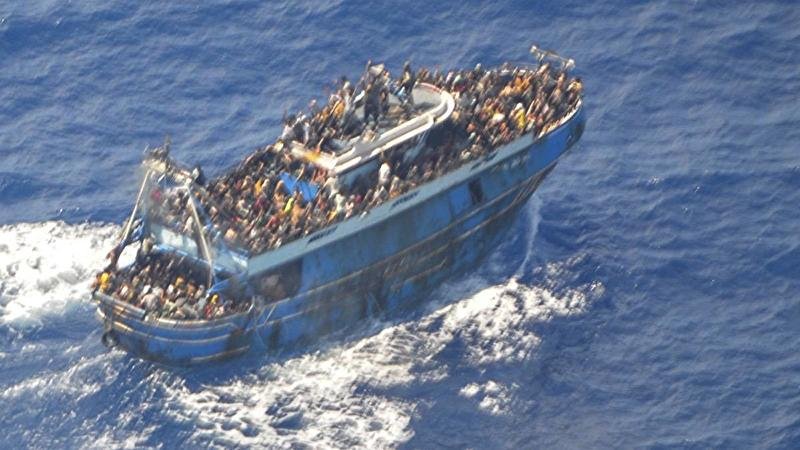
Six members of Italy’s police and coastguard are set to stand trial on Friday over a 2023 shipwreck that claimed at least 94 migrant lives, accused of failing to intervene in time. The disaster off the southern Calabrian coast was Italy’s deadliest in a decade and drew criticism of Prime Minister Giorgia Meloni’s hardline policies toward migrants arriving by boat from North Africa. Thirty-five children were among those killed when the vessel struck rocks near the tourist town of Cutro on February 26, 2023. Four officers from Italy’s Guardia di Finanza (GDF) financial crimes police and two coastguard members face charges of involuntary manslaughter and “culpable shipwreck,” a crime under Italian law for negligence leading to a shipwreck. The overcrowded boat had departed from Turkey carrying migrants from Afghanistan, Iran, Pakistan, and Syria. Approximately 80 passengers survived, while dozens of bodies washed ashore. Many coffins, brown for adults and white for children, were placed in a nearby sports hall. Authorities have said additional victims may never be found. The charges stem from a search-and-rescue operation that prosecutors say never took place, despite the vessel being tracked for hours. A Frontex aircraft had spotted the boat in distress roughly 38 kilometres from the coast and alerted Italian authorities. However, a GDF vessel dispatched to assist reportedly turned back due to rough weather, and the migrant boat ultimately capsized on the rocks. Prosecutors allege that the police failed to communicate critical information to the coastguard, while the coastguard did not obtain essential details from police that might have prompted a faster response. Liborio Cataliotti, the lawyer for defendant Alberto Lippolis of the GDF, said his client was “very calm” ahead of the trial. Lippolis, who oversaw the air and naval command centre from a different part of Calabria, is being held accountable for subordinates not providing sufficient information. All defendants operated from control centres distant from the shipwreck site. Charities involved in Mediterranean search-and-rescue operations, including SOS Humanity and Mediterranea Saving Humans, are civil parties to the case. They have argued that the tragedy highlights Meloni’s government policy of treating migrant boats as law enforcement issues rather than humanitarian emergencies. Judith Sunderland, acting deputy director for Europe and Central Asia at Human Rights Watch, said the trial concerns not only the individual officers but also “Italian state policies that prioritise deterring and criminalising asylum seekers and migrants over saving lives.” Following the tragedy, Meloni attributed responsibility primarily to human traffickers and announced stricter penalties for those causing migrant deaths. Two men accused of trafficking the migrants — a Turkish and a Syrian national — were sentenced to 20 years in prison in 2024. Later that year, two Pakistanis and a Turk were convicted for lesser roles in the journey, receiving sentences of 14 to 16 years. Around 66,000 migrants arrived in Italy last year, similar to 2024, down from over 157,000 in 2023. However, many continued to perish while attempting the crossing. The UN’s International Organization for Migration (IOM) reported at least 1,340 deaths in the central Mediterranean last year. Recently, the IOM expressed concern for more than 50 people missing after a shipwreck off Libya during Storm Harry, and one-year-old twin girls were reported missing after their boat encountered rough weather on a journey from Tunisia to Italy.

trum-1.jpg

2min3850
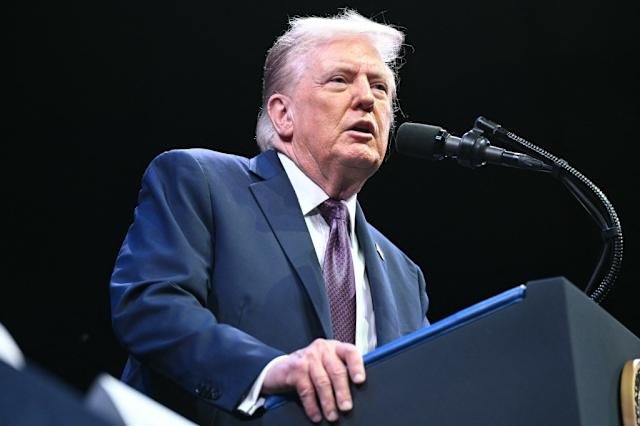
President Donald Trump filed a lawsuit on Thursday against the US Internal Revenue Service (IRS), seeking $10 billion over alleged leaked tax returns that he claims caused harm to his business. The lawsuit, filed by Trump in his personal capacity along with his two eldest sons, Eric and Donald Jr., and their family business, The Trump Organization, alleges that the IRS and the US Treasury Department “had a duty to safeguard and protect Plaintiffs’ confidential tax returns.” Trump’s tax returns were the subject of intense public scrutiny during his first term in office after he declined to release them as a candidate, breaking with longstanding precedent. According to the lawsuit, the tax documents were leaked to the press by Charles “Chaz” Littlejohn, a former IRS employee, between May 2019 and September 2020. “Defendants have caused Plaintiffs reputational and financial harm, public embarrassment, unfairly tarnished their business reputations, portrayed them in a false light, and negatively affected President Trump and the other Plaintiffs’ public standing,” the filing in Miami federal court stated. Littlejohn pleaded guilty in 2023 to releasing Trump’s tax returns and is serving a five-year sentence. Reports in September 2020 indicated that Trump, who had repeatedly declined to make his tax returns public, paid only $750 in federal income tax in 2016 and 2017 and none at all for 10 of the preceding 15 years. This is not the first time Trump has pursued legal action against the federal government. He previously sought $230 million from the US Department of Justice over investigations related to classified documents and efforts to overturn the 2020 election results.

sowoore.webp

4min6100
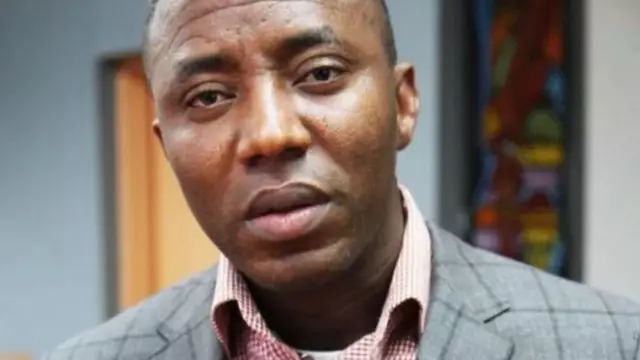
The Northern Ethnic Youth Group Assembly has called for the prosecution of politician and former African Action Congress presidential candidate Omoyele Sowore over the alleged leaking of video footage from an ongoing court proceeding involving the Department of State Services (DSS). The group accused Sowore of contempt of court and violating national security laws by allegedly circulating a video showing his lawyer cross-examining a DSS operative in a cyberbullying case filed against him by the agency. In a statement signed by its spokesperson, Alhaji Ibrahim Dan-Musa, the group described the leaked footage as “contempt of court, a mockery of our judicial system and, above all, a serious breach of national security.” The group claimed the video — allegedly leaked by Sowore — revealed the identity of a DSS operative, violating the National Security Agencies Act (1986) and the Official Secrets Act (1962). “In the United States, where Sowore lived for decades, revealing the identity of a secret service agent is a violation of the Intelligence Identities Protection Act and constitutes a serious crime,” the statement said. “In Nigeria, exposing the identity of a secret service operative who has sworn an oath of secrecy is a breach of both the National Security Agencies Act (1986) and the Official Secrets Act of 1962,” it added. According to the group, Sowore and his legal team should have been aware of the seriousness of their actions. While he is currently standing trial for alleged cyberbullying, the leaked footage could expose him to additional criminal liability. “Sowore and his lawyer should have known better. By leaking footage that reveals a DSS operative, he could now face prosecution under the National Security Agencies Act (1986) and the Official Secrets Act (1962),” the statement read. The group further emphasised that ignorance of the law is not a defence. “DSS personnel are bound by a strict oath of secrecy to protect national security, official documents, and classified information — which is why the agency is sometimes referred to as ‘secret police,’” it said. It added that violations of these laws carry severe penalties. “The punishment for breaching these laws includes up to 20 years’ imprisonment, as well as fines and asset forfeiture,” the statement noted. The group also urged the Federal High Court, presided over by Justice Mohammed Umar, to treat the matter as direct contempt of court and impose appropriate sanctions. “This disrespectful conduct must not go unaddressed. We respectfully urge the court to impose appropriate sanctions on the defendant, who attempted to turn the chambers of the court into a spectacle,” the group said. “It is important to send a clear message that Nigeria’s judicial system must be respected.” The video clip, approximately 12 minutes long, has since gone viral on social media. It shows Sowore’s lawyer, Marshal Abubakar, cross-examining a DSS operative, capturing objections raised by counsel to the DSS, Akinlolu Kehinde (SAN), as well as a ruling by the trial judge. Attempts to obtain responses from Sowore or his lawyer were unsuccessful, as neither had replied to calls or messages at the time of filing this report.

Tech & Tools Desk30 January 2026
NAFDAC-Sachet-Alcohol-22.webp

4min4710
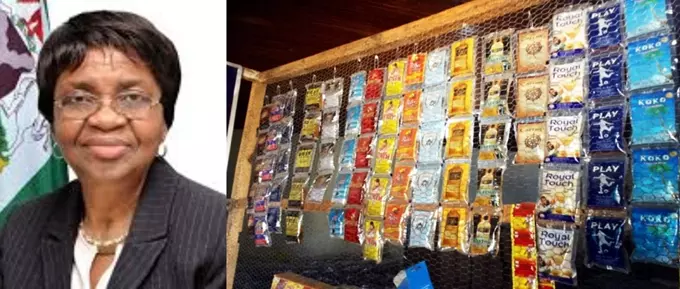
The National Agency for Food and Drug Administration and Control (NAFDAC) has resumed enforcement of the prohibition on the production and sale of alcoholic beverages packaged in sachets and in plastic or glass bottles smaller than 200 millilitres. The agency clarified that it has not shut down any alcohol manufacturing companies, explaining that the directive strictly targets the sale of alcohol in sachets and small-sized containers due to public health concerns. In a statement issued on Thursday, NAFDAC’s Director-General, Prof. Mojisola Christianah Adeyeye, said the renewed enforcement is intended to protect children, adolescents and young adults from the harmful effects of alcohol consumption. According to her, the enforcement aligns with a resolution of the Senate of the Federal Republic of Nigeria and falls within the agency’s public health responsibilities. She noted that the widespread availability of high-alcohol-content drinks in sachets and small containers has made alcohol cheap, easily accessible and easy to conceal, contributing to increased cases of underage drinking, addiction, domestic violence, road accidents, school dropouts and other social problems. Adeyeye added that warning labels such as “Not for children” have proven ineffective, as many parents are unaware that their children consume sachet alcohol due to its small size and low cost. She cited reports from schools highlighting troubling incidents, including a case where a student reportedly said he could not sit for an examination without first consuming sachet alcohol. NAFDAC recalled that in December 2018, the agency, alongside the Federal Ministry of Health and Social Welfare and the Federal Competition and Consumer Protection Commission, entered into a five-year Memorandum of Understanding with alcohol manufacturers to phase out sachet and small-volume alcohol packaging by January 31, 2024. The deadline was later extended to December 2025 to allow manufacturers time to exhaust existing stock and adjust their production processes. The Director-General said the current Senate resolution is consistent with the terms of that agreement and Nigeria’s commitment to the World Health Assembly’s Global Strategy to Reduce the Harmful Use of Alcohol. She stressed that the ban is intended to protect public health rather than punish businesses, noting that scientific evidence supports the move. Adeyeye emphasised that alcohol products packaged above 200ml remain approved by NAFDAC, adding that the restriction applies only to spirit drinks sold in sachets and small containers. The renewed enforcement has triggered reactions from industry groups, labour unions and members of the public. The Manufacturers Association of Nigeria and other stakeholders, including the Food and Beverage Tobacco Outgrowers and Bottlers, have criticised the policy, describing it as inconsistent and potentially harmful to the economy. On January 23, members of the Distillers and Blenders Association of Nigeria, the Nigerian Labour Congress and the Trade Union Congress staged a protest at NAFDAC’s Lagos office, warning that the directive could lead to job losses affecting millions of Nigerians. While acknowledging these concerns, NAFDAC urged manufacturers, distributors and retailers to comply fully with the directive, stating that no further extension will be granted beyond December 2025. The agency said it will continue working with relevant government bodies to intensify nationwide awareness campaigns on the dangers of alcohol misuse. NAFDAC reaffirmed its commitment to ensuring that only safe, wholesome and properly regulated products are available to Nigerians.

Ifunanya Okafor30 January 2026
trumppp-1280x720.webp

1min3710
United States President Donald Trump said on Friday that the man killed by US federal agents in Minneapolis last week was an “agitator and perhaps an insurrectionist.” In a post on Truth Social, Trump said the individual’s reputation had declined following the release of a video allegedly showing him shouting and spitting at a calm and controlled ICE officer. The president was referring to footage said to capture the man in a confrontation with federal agents 11 days before he was killed.

Bola-Tinubu66.png

3min7980
President Bola Tinubu has launched a 10-year, $250 million initiative aimed at restoring livelihoods and empowering Nigerians displaced by floods and other climate-related disasters. The programme, called the Climate-Resilient Livelihoods Empowerment Programme for Displaced Populations (CLEP4DPS), was announced during his opening remarks at a special event on climate-induced mobility, held under Nigeria’s chairmanship of the Rabat Process. The gathering brought together global leaders and development partners to explore the links between climate change, migration, security, and development. According to a statement on Wednesday by Yomi Odunuga, Special Adviser on Media and Publicity to the Secretary to the Government of the Federation, President Tinubu, represented by the Secretary to the Government of the Federation, Senator George Akume, explained that the programme will focus on long-term empowerment rather than short-term relief. The CLEP4DPS will support displaced persons through initiatives in climate-smart agriculture, renewable energy entrepreneurship, climate data and digital employment, green value chains, as well as dedicated leadership tracks for women and youth. “The programme is built on the premise that economic empowerment is a critical form of climate adaptation,” the President said, highlighting a shift from temporary humanitarian responses to people-centred solutions that strengthen resilience and protect human dignity. He added that the programme complements other government interventions under the Renewed Hope Agenda, including the Global Flood Disaster Management Project, which focuses on early warning systems, resilient infrastructure, disaster coordination, and community engagement. He also noted ongoing support for displaced families through targeted relief, resettlement initiatives, and the Resettlement City Project, which provides planned communities with access to basic services and livelihood support. Describing climate change as a major driver of human mobility, Tinubu stressed that for Nigeria, climate-induced displacement is a lived reality. He cited the 2022 floods, which affected over 4.4 million people and displaced roughly 2.4 million across more than 30 states, as well as recurrent flooding, coastal erosion, desertification, and environmental degradation in areas like the Lake Chad Basin. These factors, he noted, have undermined livelihoods and forced communities to migrate. Calling for stronger international collaboration, the President emphasized that climate-induced mobility is a global challenge requiring inclusive partnerships, evidence-based policymaking, and sustained dialogue within frameworks like the Rabat Process. He expressed gratitude to partners including Switzerland, the European Union, and the International Centre for Migration Policy Development, hoping the engagement would translate into actionable initiatives linking climate action, migration governance, and sustainable development.