Category: Refined Living

Cavista-.jpg

2min10410
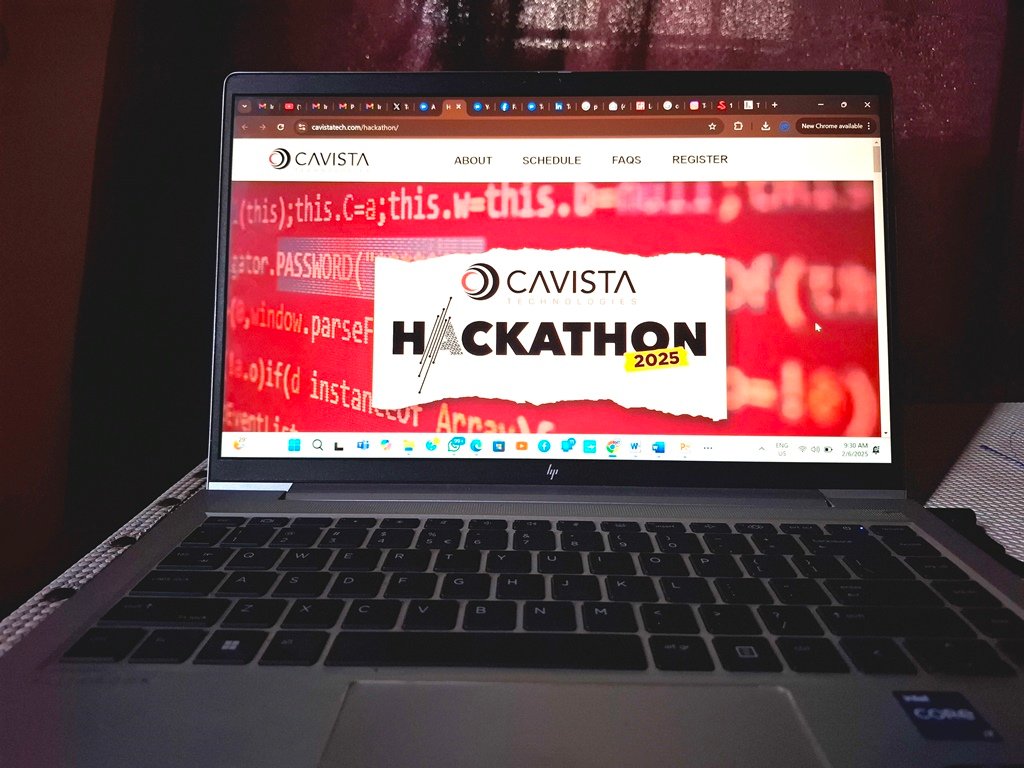
Cavista Technologies, a subsidiary of Cavista Holdings, has announced the return of its annual hackathon in Lagos, set to host the fourth edition aimed at discovering and nurturing Nigeria’s next generation of tech talent. The two-day event will take place on 21–22 February 2026 at the Welcome Centre Hotel, Ikeja, bringing together undergraduate students from selected tertiary institutions in Lagos State and surrounding areas. Participants will work in teams to develop innovative solutions to real-world challenges during a 24-hour hackathon spread across the event. Applications are open to undergraduates with technology skills and a passion for problem-solving. Interested students can apply through the Cavista Technologies website, with shortlisted candidates forming the competing teams. Winners and runners-up will share cash prizes worth millions of naira. Oyebola Morakinyo, General Manager of Cavista Technologies, said the 2026 edition would build on the success of previous events and expand to include students from six tertiary institutions in Lagos and nearby regions. “Our goal is to discover, empower, and celebrate Nigeria’s tech talents by providing a platform where young innovators can showcase creativity and problem-solving skills. This initiative promotes collaboration, entrepreneurship, and digital transformation,” Morakinyo said. The 2026 hackathon will feature mentorship from technology leaders, including Iyinoluwa Aboyeji, co-founder of Andela and Future Africa, and is supported by the Ministry of Youth Development. The event will also run simultaneously in Cavista Technologies’ offices in the United States, India, and Botswana. Key industry stakeholders expected at the Lagos event include Minister of Youth Development Ayodele Olawande, alongside technology experts and other industry leaders.

Tech & Tools Desk14 January 2026
multichoice-1.jpg

2min9860
MultiChoice Nigeria has named Kemi Omotosho as its new Chief Executive Officer, succeeding John Ugbe, the company announced on Monday. The appointment takes effect from January 2026, marking a leadership change at the pay-TV operator after nearly 15 years under Ugbe, who guided the business through major shifts in Nigeria’s media and entertainment industry. Ugbe retired following a tenure that saw MultiChoice Nigeria navigate rapid digital transformation, evolving consumer habits, and growing competition in the pay-TV and streaming sectors. Omotosho brings over 20 years of experience in media, telecommunications, and digital services across Nigeria and sub-Saharan Africa. She has held several senior positions within the MultiChoice Group, including Executive Head of Customer Value Management in Nigeria, Group Executive Head of Customer Value Management for the Rest of Africa, and most recently, Regional Director for Southern Africa, overseeing operations in seven countries. On her appointment, Omotosho highlighted Nigeria’s strategic importance to the Group and expressed enthusiasm for leading the business at a key moment. “It is a privilege to lead MultiChoice Nigeria at this critical time. Nigeria remains one of the Group’s most dynamic and strategic markets,” she said. “I look forward to working with our teams and partners to strengthen consumer relationships, promote local storytelling and the creative economy, and build a future-ready organisation that delivers sustainable value.” The company noted that the leadership transition followed a structured process to ensure continuity and stability in its Nigerian operations.

fuel-Petrol-Pump-750x375-1.jpg

3min5180
The Federal Government has strengthened regulatory oversight in the downstream petroleum sector with the enforcement of a 0.5 per cent levy on the wholesale price of petroleum products and natural gas, as outlined in the newly published Midstream and Downstream Petroleum Operations Regulations, 2025. Under the regulations, petroleum product suppliers are required to collect and remit the levy from wholesale customers, making compliance a condition for licensing and continued operation in the sector. Section 47 of the Petroleum Industry Act establishes the Authority Fund, which will receive funds from various sources, including “0.5 per cent of the wholesale price of petroleum products sold in Nigeria, collected from wholesale customers.” The NMDPRA clarified that suppliers, not the regulator, are responsible for collecting the levy from wholesale customers for both imported and locally refined products. The levy is calculated as 0.5 per cent of the wholesale price and forms part of the overall cost. It must be remitted to the Authority Fund within 21 days of the month following the sale. Suppliers are also required to pay an additional 0.5 per cent of the wholesale price of petroleum products and natural gas to the Midstream and Downstream Gas Infrastructure Fund, following the same collection and remittance rules. Suppliers must include the levies in purchase agreements, invoices, receipts, and any other documentation evidencing the sale of petroleum products or natural gas. They are also required to submit monthly reports to the NMDPRA detailing volumes sold, prices, wholesale customers, and supporting documentation. Upon verification of payment, the NMDPRA will issue receipts to suppliers, who must provide copies to wholesale customers. The regulator will monitor wholesale points to ensure compliance with the issuance of quantity and quality certificates and the reconciliation of products sold. Non-compliance will attract sanctions, including an administrative penalty of 10 per cent of unpaid levies per month and possible suspension of the supplier’s licence or operations until all dues are settled. This move reinforces the Federal Government’s efforts to tighten oversight, ensure proper revenue collection, and maintain accountability in the downstream petroleum sector.

NGX12.webp

3min7310
The Nigerian Exchange Limited extended its bullish momentum on Tuesday as strong demand for key stocks lifted total market capitalisation by N1.66tn, reflecting positive investor sentiment in the equities market. At the close, total market capitalisation rose to N106.18tn from N104.52tn in the previous session, while the All-Share Index gained 1.59 per cent, settling at 165,837.33 points compared with 163,244.69 points on Monday. Market activity was mixed during the session, with 1.13 billion shares valued at N33.54bn traded across 49,181 deals. This represented a 2 per cent decline in volume and a 17 per cent drop in the number of deals compared with the prior trading day. Turnover, however, surged by 75 per cent, reflecting increased participation in higher-priced stocks. Overall, 128 equities were active, with market breadth strongly positive as 55 stocks gained and 13 declined, showing broad-based buying across sectors. MTN Nigeria led the gainers with a 10 per cent rise to close at N605.00 per share, followed by PZ Cussons Nigeria, which also gained 10 per cent to N58.30. E-Tranzact International advanced 10 per cent to N18.15, Caverton Offshore Support Group rose 10 per cent to N7.70, and DEAP Capital Management & Trust Plc gained 10 per cent to N3.63. Ellah Lakes Plc appreciated by 9.97 per cent to N17.10. On the losers’ side, Universal Insurance Company Plc led with a 6.25 per cent decline to N1.20, followed by Prestige Assurance Company, which fell 5.81 per cent to N1.62. Regency Alliance Insurance dropped 5.17 per cent to N1.10, Academy Press Plc lost 5.06 per cent to N7.50, and Royal Exchange Plc declined 3.98 per cent to N1.93. Austin Laz & Company Plc also fell 2.94 per cent to N3.96. In trading volumes, Sovereign Trust Insurance Plc topped the chart with 344 million shares exchanged, followed by Access Holdings Plc (86.2 million), E-Tranzact International (61.1 million), and Linkage Assurance Plc (49.9 million). Analysts attributed the market rally to sustained demand for large-cap and fundamentally strong stocks, particularly in telecoms and financial services. They noted that the rise in turnover despite lower volumes indicates increased investor interest in higher-value equities and that the ability to sustain gains could bolster market confidence and encourage further participation in the near term.

terrif.jpg

2min7860
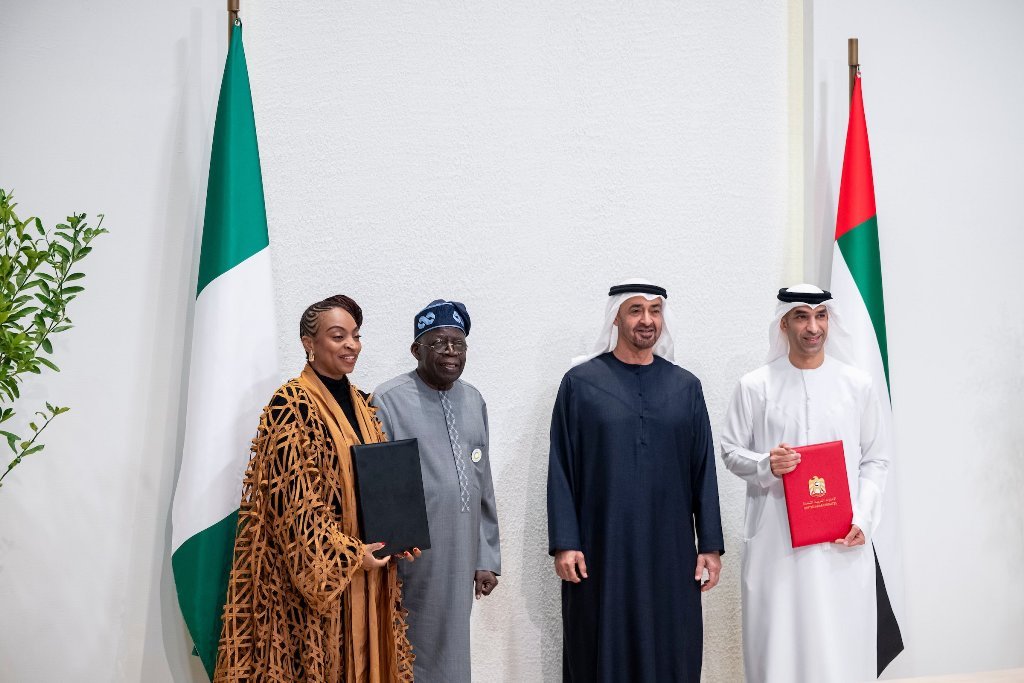
Nigeria and the United Arab Emirates have removed tariffs on more than 13,000 products under a new trade agreement, aimed at expanding market access for Nigerian goods, businesses, and professionals. The Federal Ministry of Industry, Trade, and Investment announced that Nigeria has eliminated tariffs on 6,243 UAE-imported products, while the UAE has removed tariffs on 7,315 Nigerian products. The Comprehensive Economic Partnership Agreement (CEPA), signed in January 2026, is designed to boost non-oil exports, attract investment, and support economic diversification. For Nigeria, tariffs on 3,949 products were removed immediately, with 2,294 products set for phased elimination over five years. The country excluded 123 products from liberalisation. The UAE removed tariffs on 2,805 products immediately, with 1,468 products phased out within three years and 3,042 over five years, while prohibiting 593 products. The CEPA covers agricultural, industrial, and manufactured goods. For example, the UAE will immediately lift tariffs on fish, cereals, oil seeds, fruits, raw hides, cotton, pharmaceuticals, chemicals, and paper products, while phasing out tariffs on cocoa, coffee, machinery, vehicles, and apparel. Nigeria will immediately remove tariffs on mineral fuels, machinery, vehicles, electrical equipment, and iron and steel, while phasing out tariffs on fish, fruits, vegetables, and apparel over five years. The agreement also opens doors for services and investment flows. Nigeria has commitments covering 99 services across 10 sectors, while the UAE covers 108 services across 11 sectors. Nigerian businesses can explore trade opportunities in the UAE and establish corporate entities there under the pact. The Federal Government said the agreement strengthens Nigeria’s position as a preferred destination for investors, accelerates non-oil exports, and aligns with obligations under the World Trade Organization, AfCFTA, and ECOWAS trade frameworks. Relevant agencies, including the Nigeria Customs Service and the Nigerian Export Promotion Council, will work to implement the agreement and support increased trade and investment between the two countries. Exporters and investors have been advised to consult the Ministry of Industry, Trade, and Investment for details on product coverage, rules of origin, and export procedures.

Tech & Tools Desk14 January 2026
TURKISSH.jpg

3min7320
Turkish Airlines has renewed its sports partnership with a new three-year agreement, reinforcing its long-standing commitment to professional golf and international sports sponsorship. Under the deal, the airline will continue as title sponsor of the Turkish Airlines Open, a key event on the DP World Tour held annually in Antalya. The airline first took on the title sponsorship in 2013, attracting global stars including Tiger Woods, Rory McIlroy, Justin Rose, Sergio Garcia, and Tyrrell Hatton. In addition to professional golf, Turkish Airlines organizes the Turkish Airlines World Golf Cup, the world’s largest amateur golf tournament, which this year took place across 122 destinations in 83 countries. The agreement ensures the tournament’s place on the international golf calendar for the next three seasons, providing continuity for players, fans, and the broader golfing community. Turkish Airlines emphasized that the partnership aligns with its broader strategy of using sport to connect globally. “This agreement goes beyond branding; it represents long-term investment in sport, tourism, and international engagement. Golf allows us to showcase Türkiye as a world-class destination while reaching millions of fans worldwide,” the airline stated. DP World Tour Director of Tournament Business, Mark Casey, welcomed the extension, highlighting that the National Golf Club will continue to offer players a challenging and rewarding experience. National Golf Club General Manager Hasan Ceylan described hosting the event as a landmark moment, noting that the course, designed by former Ryder Cup player David Feherty and Seniors Tour player David Jones, is fully equipped for a world-class championship. Turkish Airlines CEO Bilal Ekşi said the renewed sponsorship demonstrates the airline’s commitment to sports and Türkiye’s growing role as a global hub for tourism and international events. “We are proud to once again be the title sponsor of a prestigious international event like the Turkish Airlines Open. This tournament showcases the unifying power of sport while reflecting Türkiye’s vision as a global center for sports and tourism. Turkish Airlines remains dedicated to supporting athletes and contributing to our nation’s global brand,” Ekşi said.

James Obasi14 January 2026
NGX12.webp

2min5540
The NGX Pension Broad Index, which tracks pension-compliant equities on the Nigerian Exchange, delivered a return of 59.72 per cent in 2025, outperforming the wider market represented by the NGX All-Share Index. Exchange data showed that the index closed the year at 2,917.84 points, up from 1,826.89 points at the end of 2024. Over the same period, the All-Share Index rose by 51.19 per cent, underscoring the stronger performance of stocks eligible for pension fund investments. Designed in line with the investment guidelines of the National Pension Commission, the Pension Broad Index serves as a benchmark for Pension Fund Administrators seeking regulatory compliance while targeting competitive returns. The index features a diversified range of equities spanning financial services, telecommunications, consumer goods, industrials, and energy. Analysts attributed the index’s strong showing to its broad sectoral exposure, which supported performance amid heightened market activity and improving investor sentiment. In 2025, the Pension Broad Index outpaced the All-Share Index by over 850 basis points, highlighting the ability of pension-compliant equities to generate solid, risk-adjusted returns over the long term. Market watchers noted that the results reflect the increasing impact of pension assets on Nigeria’s capital market and the importance of transparent, rules-based indices in portfolio construction and long-term retirement planning. The Nigerian Exchange stated that it will continue collaborating with the National Pension Commission and Pension Fund Administrators to advance market education, data analytics, and the development of pension-focused investment products aimed at expanding participation in the equities market.

Saudi-Arabian-Airline.webp

3min5120
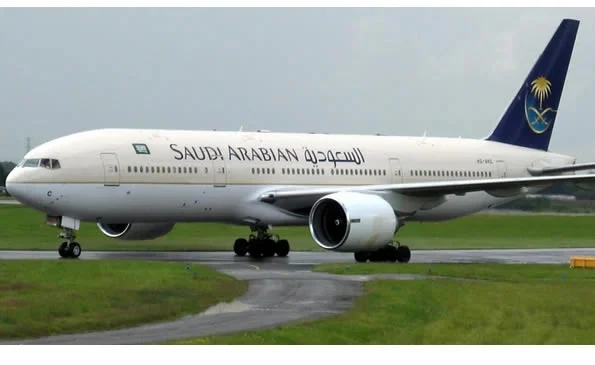
Saudi Airlines has faced widespread criticism after leaving 401 Kano-bound passengers stranded at Nnamdi Azikiwe International Airport, Abuja, for nearly 48 hours, sparking tension and raising security concerns. The Nigerian Civil Aviation Authority (NCAA) confirmed that adverse weather in Kano forced the airline to divert to Abuja but noted that the airline failed to make proper arrangements to transport passengers to their final destination. NCAA spokesperson Michael Achimugu, who shared a statement on his verified X handle on Monday, said he was personally involved in managing the situation. He described the ordeal as one of the most challenging moments in his career. “Yesterday, I had to turn back from my trip to the barber after receiving reports of a credible threat of extreme violence from stranded Saudi Airlines passengers in Abuja,” Achimugu said. He explained that other airlines also diverted to Abuja due to the same weather conditions, but unlike them, Saudi Airlines reportedly returned to its base without ensuring that its passengers were accommodated or flown onward. Achimugu recounted being surrounded by over 200 frustrated passengers, many of whom had waited for hours without clear information on onward travel. “I stood among more than 200 angry passengers, calming, advising, and resolving disputes. This is the most adrenaline-charged part of my role. It requires tact, firmness, and teamwork, and it can be risky because some passengers are extremely agitated,” he said. He added that one particularly angry passenger even threatened him physically, but he managed to de-escalate the situation through dialogue. While Saudi Airlines does not operate a base in Abuja, which complicated logistics, the NCAA emphasized that the situation could have been handled more professionally. Achimugu also met with the Saudi Ambassador to Nigeria, stressing that no airline can operate in the country without complying with consumer protection regulations. Thanks to coordinated efforts, the stranded passengers were eventually flown to Kano in batches on three UMZA-operated flights. The first flight carried 74 passengers and four crew members. The second flight transported 73 passengers and four crew members. The final flight took 34 passengers. In total, 189 passengers were successfully transported to Kano. The NCAA stated that Saudi Airlines has committed to compensating the affected travelers. “This concludes a nearly 48-hour disruption that began as a force majeure event, worsened due to poor passenger management, and ultimately ended with effective teamwork from the minister to the DGCA and all Consumer Protection Officers,” Achimugu said.

DOCTORR.jpeg

5min8060
Medical experts have warned that residing in homes with asbestos roofing and ceilings, as well as lead-containing paints and pipes, may put individuals at risk of chronic headaches, abdominal pain, lung cancer, infertility, and developmental issues in children. The physicians explained that while asbestos was commonly used in Nigerian homes between the 1970s and 1990s due to its affordability, prolonged exposure to asbestos and lead-based materials can have lasting harmful effects on the nervous, respiratory, and reproductive systems. Experts emphasised that pregnant women and children are particularly vulnerable to lead exposure, which can result in developmental delays, behavioural issues, and serious health complications. According to the World Health Organization, asbestos is a potent carcinogen responsible for a significant portion of occupational cancer deaths. Exposure to asbestos is linked to lung, larynx, and ovarian cancers, mesothelioma, and asbestosis. Combined exposure to asbestos and tobacco smoke further elevates the risk of lung cancer. National regulations, including Section 14 (I) of the National Environmental (Construction Sector) Regulations, 2011, prohibit the use of asbestos in construction. Section 13 (8) also bans lead-based paints in building structures. In 2018, the Lagos State Government issued warnings about the cancer risks associated with asbestos ceilings. Research shows that asbestos-containing materials were widely used in Nigeria’s construction industry from the 1970s to the 1990s, including in roofing sheets, ceiling panels, cement pipes, flooring, window putty, and other structural components. The affordability of these materials and weak regulatory enforcement allowed their widespread use. Even after the ban, asbestos roofs and ceilings remain in older homes, particularly those built over 30 years ago. Dr. Ekaete Tobin, a Public Health Physician at Irrua Specialist Teaching Hospital in Edo State, said that while asbestos was a cost-effective option decades ago, people living in homes with these materials face serious health risks. She noted that lead, commonly used in paints and pipes, can contaminate air and water, causing neurological, hematological, and reproductive harm. “Lead in pipes can leach into drinking water, accumulating in the blood and causing anaemia, chronic fatigue, headaches, memory loss, irritability, and poor concentration,” Tobin explained. “Pregnant women exposed to lead risk complications that can affect fetal development, while children are vulnerable to behavioural and developmental issues.” She added that undamaged asbestos poses minimal risk but becomes hazardous when broken, torn, or during replacement. “Replacement should be carried out by experts with respiratory protection and proper ventilation. Safer alternatives, such as PVC ceilings, should be considered.” Tobin advised residents to maintain hygiene and minimize exposure to dust from old materials. “Washing hands before meals, wet cleaning floors, and using modern, lead-free paints reduce exposure risks,” she said. Dr. Olusina Ajidahun, a physician of Internal Medicine, highlighted that homes built in the 1960s and 1970s often contain lead-based paints, pipes, and asbestos ceilings. Prolonged exposure can cause lead poisoning in children, resulting in headaches, constipation, weakness, and memory problems. Asbestos components also increase the risk of lung cancer, especially for builders or individuals frequently handling the material. Ajidahun explained that lead accumulates over time, affecting multiple body systems. Gastrointestinal accumulation can cause persistent abdominal pain and constipation, while neurological accumulation may trigger chronic headaches and memory issues. Lead exposure also raises the risk of infertility and can cause stillbirths or developmental issues in children. He urged individuals living in such homes who experience related symptoms to seek medical evaluation and treatment. Ajidahun further recommended health, safety, and environmental surveys to ensure that high-lead materials are not used in residential construction, alongside public education and the demolition of old homes with asbestos, lead-containing pipes, and paints.


Tech & Tools Desk13 January 2026
PROCESS-FOOD-1280x729.jpg

5min4590
Nutritionists have urged parents to limit their children’s consumption of processed foods, warning that excessive reliance on packaged snacks and sugary meals could expose children to nutrition-related health problems. Experts explained that many processed foods are high in sugar, salt, and unhealthy fats but lack the essential nutrients needed for growth and brain development. Regular intake, they said, could increase the risk of obesity, weakened immunity, and early onset of non-communicable diseases. The United Nations Children’s Fund (UNICEF) recently highlighted that children’s diets worldwide are rapidly shifting toward ultra-processed foods. In its December 2025 report on UPFs and children, the agency noted that traditional meals are increasingly being replaced by diets dominated by highly processed products. UNICEF warned that these foods are designed to maximize profit rather than nutrition, combining sugars, fats, salt, and additives that stimulate brain reward pathways and encourage overconsumption. “Children and adolescents with diets high in ultra-processed foods face a higher risk of overweight, obesity, and related cardiometabolic conditions,” UNICEF said, noting that the consequences of childhood obesity often persist into adulthood, contributing to chronic conditions such as type 2 diabetes, cardiovascular disease, and certain cancers. Prof. Wasiu Afolabi, former President of the Nutrition Society of Nigeria, emphasized that healthy eating habits formed in childhood are critical for long-term well-being. He advised parents to prioritize home-cooked meals made from fresh, local ingredients over processed options. Describing processed foods as industrially manufactured products, Afolabi noted that overfeeding children with such items can negatively affect their health. He acknowledged that children naturally enjoy these foods but stressed moderation. “Children have a strong taste for these foods, but parents must limit their consumption,” he said. “Examples include breakfast cereals, biscuits, pastries, snacks, and pasta. Frequent consumption can establish habits that increase the risk of obesity and related diseases later in life.” Afolabi recommended replacing processed foods with nutrient-rich alternatives such as meat, dairy, fruits, and vegetables. “It’s not about eliminating processed foods entirely but making healthier choices to build strong food habits. Excessive intake of sugary drinks, snacks, and processed meals can increase the risk of obesity, diabetes, cancer, and cardiovascular disease in adulthood,” he said. He also encouraged parents to read nutritional labels and choose foods lower in sugar, salt, and unhealthy fats. “Pay attention to protein, fibre, vitamins, and cholesterol content. Prioritize fruits, vegetables, meat, and dairy products, which are rich in essential nutrients for children,” Afolabi added. Prof. Beatrice Ogunba, a Public Health Nutrition expert at Obafemi Awolowo University, supported this advice, emphasizing the importance of homemade meals over processed foods. “Homemade foods retain nutrients that are often lost during processing. To maintain health, we need to reduce sugar, salt, and fatty foods,” she said. Similarly, Dr. Temilade Babatunde warned that diets high in processed foods, often called pro-inflammatory diets, can increase the risk of heart disease. She explained that pro-inflammatory foods—such as processed meats, refined sugars, fried foods, and items high in saturated and trans fats—can trigger chronic inflammation in the body, potentially damaging the heart and blood vessels and increasing the risk of heart failure. “A diet rich in processed foods, added sugars, and unhealthy fats promotes inflammation, which can lead to heart disease and heart failure. Moderation and healthier alternatives are essential to protect children’s long-term health,” she said.