
Category: Refined Living

aa.webp

3min4460
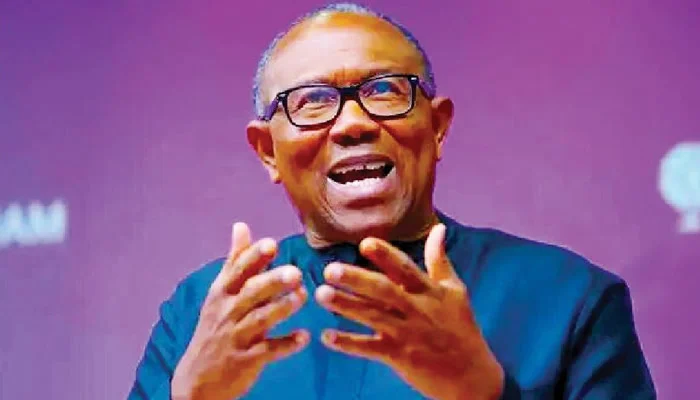
A faction of the African Democratic Congress (ADC), led by its National Chairman, Nafiu Bala Gombe, has rejected reports that former Labour Party presidential candidate, Peter Obi, has defected to the party. On Thursday, the faction distanced itself from Obi’s alleged registration at the ADC’s Enugu zonal office, describing the process as unconstitutional and invalid. The group, which claims to be the authentic national leadership of the party, said the exercise violated established membership procedures. Obi had announced on Wednesday that he had joined the ADC at an event held at the Nike Lake Resort in Enugu State, where he called on Nigerians and opposition groups to form a broad coalition to “rescue Nigeria from poverty, disunity and democratic decline.” However, in a New Year statement issued in Abuja, Gombe said the clarification became necessary due to what he described as misleading information in the public space regarding ADC membership registration. He stressed that the party is guided by order, discipline and strict adherence to its constitution, noting that membership registration is clearly defined and begins at the ward level. “It has come to our attention that a certain Mr Peter Obi was reportedly registered at a party zonal office in Enugu. The National Working Committee categorically states that this does not conform with the constitutional procedures of the ADC,” Gombe said. According to him, prospective members must register at their respective wards in their state of origin or residence, after which a valid membership card is issued. He added that the party’s constitution does not permit registration at zonal or national offices. “Any registration carried out outside the ward level is irregular and invalid,” he said, adding that the party has commenced an investigation into the alleged breach of due process. The faction urged party members and the general public to disregard claims suggesting alternative channels for joining the ADC, insisting that ward-level registration remains the only recognised method. Gombe’s position came a day after the Julius Abure-led National Working Committee of the Labour Party described Obi’s defection to the ADC as a “liberation.” The party’s National Publicity Secretary, Obiora Ifoh, said the Labour Party regretted presenting Obi as its presidential candidate in the 2023 election, adding that his exit merely formalised a long-standing political rift. Efforts to obtain a reaction from the David Mark-led ADC leadership were unsuccessful, as the party’s spokesperson, Bolaji Abdullahi, did not respond to calls.

Tech & Tools Desk2 January 2026
bank-1.jpg

5min6690
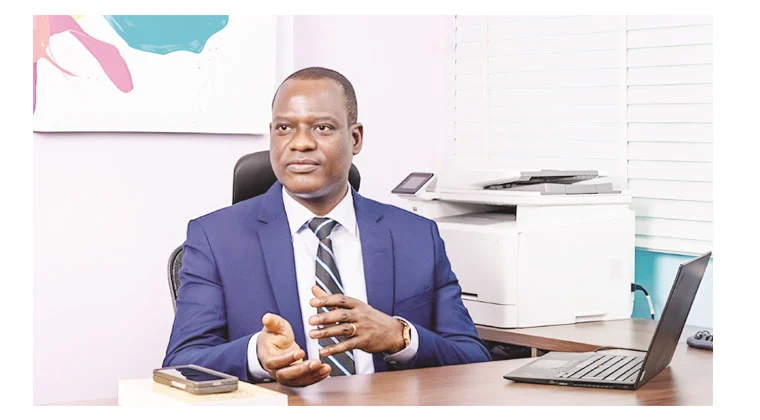
Nigeria’s banking sector recorded an increase in bad loans in 2025 following the Central Bank of Nigeria’s (CBN) withdrawal of regulatory forbearance measures introduced during the COVID-19 pandemic, according to the apex bank’s latest macroeconomic outlook report. The report showed that the industry’s non-performing loan (NPL) ratio rose to an estimated seven per cent, exceeding the prudential benchmark of five per cent. The CBN attributed the rise to the expiration of temporary reliefs that had allowed banks to restructure pandemic-affected loans without immediately classifying them as non-performing. With the withdrawal of these measures, several restructured facilities were reclassified as bad loans, pushing the industry-wide NPL ratio above the regulatory threshold. Despite the increase, the CBN said the financial system remained broadly stable in 2025, supported by strong capital buffers and ample liquidity across the sector. The average liquidity ratio stood at about 65 per cent, well above the 30 per cent minimum requirement, while the capital adequacy ratio was recorded at 11.6 per cent, exceeding the 10 per cent regulatory threshold. According to the bank, these indicators demonstrate the capacity of Nigerian lenders to absorb shocks. The CBN linked the sector’s resilience to robust interest income, ongoing digital transformation, and the current recapitalisation programme. The recapitalisation policy, which significantly raises minimum capital requirements, is expected to strengthen banks’ balance sheets and enhance their ability to finance larger projects in the real economy. The CBN noted that this exercise, alongside macro-prudential guidelines and stronger regulatory oversight, helped sustain market confidence during the year. The report also highlighted a generally bullish capital market, reflecting renewed investor interest in the financial sector. However, it cautioned that rising NPLs point to emerging vulnerabilities, particularly as higher interest rates and challenging economic conditions affect borrowers’ repayment capacity. The CBN warned that a sharp rise in non-performing loans could weaken asset quality and pose systemic risks, underscoring the need for close credit risk monitoring and sustained prudential discipline. It recommended deeper integration of the Global Standing Instruction framework across financial institutions to improve loan recovery and strengthen credit discipline. The bank added that improved repayment performance would support MSME and retail lending, reduce operational losses, and help banks build stronger capital buffers. Monetary conditions remained tight for most of 2025, as the CBN prioritised price and exchange rate stability, with only a slight easing of the Monetary Policy Rate in September after signs of improved macroeconomic stability. Looking ahead, the CBN said the outlook for the banking sector remains positive but stressed that lenders must strengthen risk management, diversify loan portfolios, and maintain robust capital positions to guard against future shocks. It added that the recapitalisation programme, together with reforms in the foreign exchange market and tax administration, forms part of broader efforts to consolidate macroeconomic stability and boost investor confidence in 2026. In a June 2025 circular signed by the Director of Banking Supervision, Olubukola Akinwunmi, the CBN directed banks operating under regulatory forbearance to suspend dividend payments, defer executive bonuses, and halt investments in foreign subsidiaries or new offshore ventures. The measure, the bank said, was aimed at strengthening capital buffers and balance sheet resilience during the transition out of forbearance. The directive remains in place until affected banks fully exit the forbearance regime and their capital adequacy and provisioning levels are independently verified to be compliant with regulatory standards. An independent financial report supporting the CBN’s action estimated that several banks still have significant forbearance-related exposures in their loan books, while others have already fully provided for or written off such exposures. In absolute terms, these exposures were estimated to run into several hundred million dollars for some lenders. The report noted that, in some cases, the scale of forbearance exposure could raise concerns around compliance with single obligor limits, reinforcing the importance of the CBN’s cautious supervisory approach.

James Obasi2 January 2026
aa.jpeg

2min7710
Tension is building among freight forwarding operators in Nigeria’s maritime sector following the commencement of a new tax regime on Thursday, January 1, 2026. Industry practitioners say some shipping companies have already begun internal consultations over possible increases in freight charges, raising concerns across the logistics value chain. The new tax regime forms part of a wide-ranging overhaul of Nigeria’s tax system by the Federal Government, aimed at simplifying taxation, improving compliance, boosting revenue efficiency, and reducing the burden on low-income earners. The reforms are a key element of the government’s broader fiscal strategy to modernise the tax framework and strengthen the country’s economic competitiveness, with the January 1, 2026 implementation date reaffirmed despite earlier political debate. Commenting on the impact of the reforms on the maritime industry, the Head of Shipping, Air and Terminal Logistics at the National Association of Government Approved Freight Forwarders, Ugochukwu Nnadi, disclosed that at least two shipping companies had held meetings to review their pricing strategies. According to him, the discussions are driven by concerns about the financial implications of the new tax measures and a desire to prepare ahead of full enforcement. Similarly, the Apapa Chapter Chairman of the National Council of Managing Directors of Licensed Customs Agents, Abayomi Duyile, said the tax policy would have a direct effect on freight forwarders’ operations. He explained that most costs associated with cargo clearance such as shipping, terminal, and ancillary charges are documented and would now attract additional tax liabilities, increasing overall operating expenses. Duyile, however, opposed any immediate hike in freight charges, urging shipping companies to delay such decisions until further consultations are held with industry stakeholders later in January. He warned that sudden increases could heighten tensions at the ports, noting that recent fare adjustments have already placed significant strain on operators.

aa-17.webp

2min6610
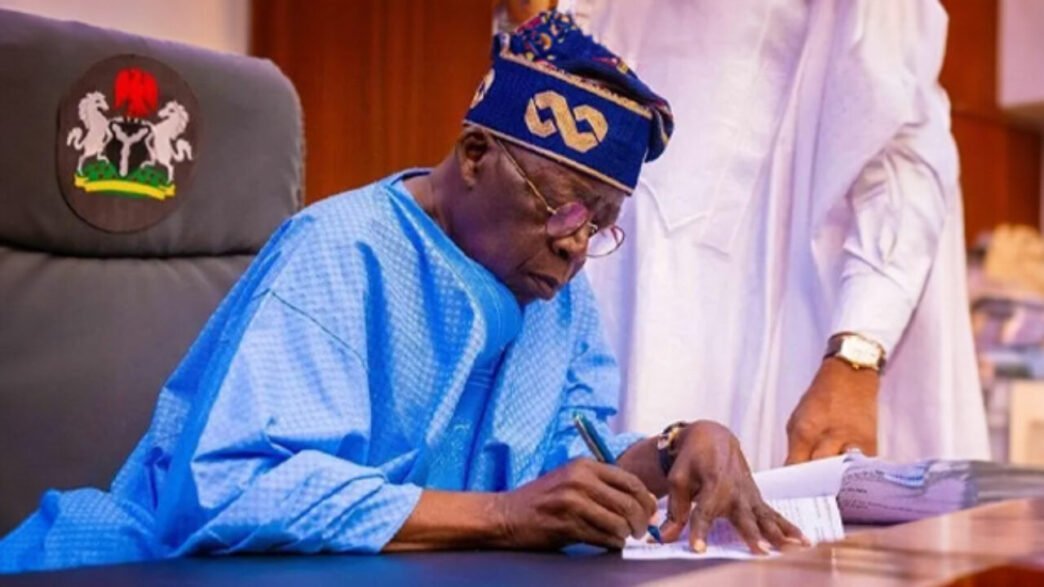
The Chairman of the Presidential Committee on Fiscal Policy and Tax Reforms, Mr Taiwo Oyedele, has reassured Nigerians that the new tax laws set to take effect from January 1, 2026, will not permit automatic deductions from personal bank accounts. Speaking during Channels Television’s end-of-year programme, 2025 In Retrospect: Charting a Pathway to 2026, Oyedele explained that the reforms are built on a self-declaration system, not direct debits or account monitoring. He dismissed widespread claims that government agencies would track or withdraw funds from individuals’ bank accounts, stressing that taxpayers will only be required to declare their income at the end of the tax year. According to him, the framework is designed to be simple, transparent and fair, particularly for small business owners and low-income earners. He noted that individuals would declare their income and applicable tax themselves, while those exempt from tax would also make a declaration confirming their status. Oyedele added that the reforms would make the tax system more progressive, ensuring vulnerable individuals and small-scale entrepreneurs are no longer disproportionately taxed. Meanwhile, President Bola Tinubu has reiterated that the implementation of the new tax laws, including those enacted in June 2025 and others scheduled for January 2026, will proceed as planned. The President described the reforms as a historic opportunity to create a fair, competitive and resilient fiscal system, emphasising that the laws are meant to strengthen the social contract rather than increase taxes. Tinubu also called on stakeholders to support the implementation phase, noting that the reform process has reached a critical delivery stage with no major issues identified to warrant delays.

aa-31.jpeg

2min3590
Secretary, Prof. Tukur Muhammad-Baba, described the President’s position as regrettable, stressing that the controversies surrounding the Tax Reform Bills remain unresolved. He said the President should address the serious concerns raised by the bills, noting that the issues being highlighted are both valid and important. According to him, Nigerians are particularly troubled by the apparent differences between what was passed by the National Assembly and the version that was later gazetted. Muhammad-Baba emphasized that citizens deserve clarity on what the National Assembly approved and why discrepancies exist, describing the matter as one that touches on credibility and integrity and must be properly resolved. He noted that there were signs the National Assembly had begun examining the issue and insisted that due process should be allowed to take its full course in the national interest, given that the outcome affects all citizens as key stakeholders. He also revealed that the ACF leadership was reviewing developments and would soon make its official position known. Reflecting on earlier deliberations on the tax laws, he said the ACF had put forward important recommendations that were incorporated into the versions passed by the National Assembly. He expressed disappointment that these efforts now appeared to have been undermined, adding that such an approach falls short of democratic standards.

Tech & Tools Desk31 December 2025
aa-30.jpeg

3min7550
According to the Presidency, Oyedepo was a key member of the Federal Government’s legal team in the landmark Process and Industrial Developments Limited (P&ID) case against the Federal Republic of Nigeria, which culminated in a decisive victory for Nigeria in October 2023 at the London High Court. In a judgment delivered on October 23, 2023, Justice Robin Knowles set aside an arbitral award of over $11 billion that P&ID had secured against Nigeria. The court found that the award was obtained through fraud, bribery, perjury, and serious abuse of the arbitral process. The original award, valued at $6.6 billion in January 2017, had risen to more than $11 billion due to accumulated interest, representing nearly one-third of Nigeria’s annual budget at the time. Justice Knowles held that P&ID and its legal representatives engaged in grave misconduct, including bribing Nigerian officials, presenting false evidence, and improperly obtaining and retaining confidential government documents. He concluded that the arbitration process was fundamentally flawed and failed to uncover the truth. The court also criticised the handling of privileged materials by P&ID’s lawyers, describing their conduct as indefensible. Nigeria’s legal team, which included Oyedepo, successfully argued that enforcing the award would be contrary to public policy. The court accepted this position, refused enforcement, and ultimately nullified the entire award. The administration described the outcome as a major relief, sparing Nigeria from a financial burden that could have severely undermined government spending on education, healthcare, and infrastructure. Prior to his appointment, Oyedepo spent over 15 years at the Economic and Financial Crimes Commission, where he specialised in prosecuting complex economic and financial crimes. He also served as Head of the Monitoring Unit, earning a reputation as one of the country’s most effective financial crimes prosecutors. His service was recognised with several honours, including Outstanding Staff of the Year in 2014 and Best Financial Crimes Prosecutor in 2019. He has handled several high-profile cases involving senior public officials and corporate executives accused of corruption and economic sabotage. Oyedepo is a law graduate of the University of Ilorin, was called to the Nigerian Bar in 2008, and was conferred with the rank of Senior Advocate of Nigeria in 2022. The Presidency stated that he is expected to apply his expertise to strengthen federal prosecutions, reduce dependence on external legal counsel, and promote consistency in the government’s legal strategies. The Director of Public Prosecutions is the chief officer responsible for federal criminal prosecutions, operating under the supervision of the Attorney-General of the Federation. The role includes overseeing all criminal prosecutions initiated by the Federal Government, providing legal advice on such matters, representing the government in criminal appeals, coordinating with state prosecution authorities on interstate cases, and advising on international criminal cooperation.

James Obasi31 December 2025
aa-29.jpeg

1min3510
The EFCC recently apprehended several individuals involved in vandalism and brought them, along with the recovered items, to the ministry. Authorities urged Nigerians to protect public infrastructure with the same care they give their personal property, emphasizing that these facilities exist for the benefit of the public. They also encouraged citizens to take responsibility for public assets and report anyone found damaging them to security agencies. In response, the President of the Association of Scrap and Waste Pickers, Lagos State, Friday Oku, stated that the association strongly condemns all acts of vandalism. He further called on the government to formalize the scrap and waste-picking sector by creating a registry of operators and issuing identity cards to legitimate members. Oku added that the association has already begun in-house registration and the issuance of identity cards to members who contribute a small fee, providing a formal means of identification.

Tech & Tools Desk30 December 2025
aa-1.png

3min4460
Justice Emeka Nwite of the Federal High Court, Maitama, Abuja, has ordered the remand of the immediate past Attorney-General of the Federation and Minister of Justice, Abubakar Malami, SAN, alongside his wife, Hajia Bashir Asabe, and their son, Abubakar Abdulaziz Malami, at the Kuje Correctional Facility pending the hearing and determination of their bail application. The Economic and Financial Crimes Commission (EFCC) on Tuesday, December 30, 2025, arraigned the trio on allegations of money laundering amounting to N8,713,923,759.49. They are facing a 16-count charge bordering on conspiracy, procuring, disguising, concealing and laundering proceeds of unlawful activities, contrary to the Money Laundering (Prevention and Prohibition) Act, 2022. At the commencement of proceedings, prosecution counsel, Ekele Iheanacho, SAN, informed the court that the matter was for arraignment and prayed that the charges be read and pleas taken. Defence counsel, J. B. Daudu, SAN, raised no objection, following which the charges were read to the defendants. One of the charges alleges that Malami and his son, between July 2022 and June 2025, procured Metropolitan Auto Tech Limited to conceal the unlawful origin of over N1.01 billion domiciled in a Sterling Bank account. Other counts accuse the defendants of conspiring to disguise and indirectly control proceeds of unlawful activities amounting to several billions of naira through accounts linked to Meethaq Hotels Limited and other entities. After the defendants pleaded to the charges, the prosecution indicated readiness for trial and requested a trial date. Iheanacho also disclosed that the prosecution had been served with a bail application by the defence and sought time to respond. In response, Daudu urged the court to grant bail orally, arguing that the offences were bailable and that the Administration of Criminal Justice Act does not mandate that bail applications be made in writing. The prosecution opposed the oral application, insisting that bail should be determined based on affidavit evidence and stressing the seriousness of the alleged offences and public interest considerations. Ruling on the matter, Justice Nwite held that the prosecution must be given adequate opportunity to respond to the bail application. He consequently ordered the remand of the defendants at the Kuje Correctional Centre and adjourned the case to January 2, 2026, for hearing of the bail application.

aa-16.webp

2min2480
The Lagos State Traffic Management Authority (LASTMA) has rolled out a 24-hour traffic monitoring operation with the deployment of 1,700 officers across the state. The initiative, tagged Operation Ember Months Stability, was disclosed by LASTMA General Manager, Olalekan Bakare-Oki, during an interview with the News Agency of Nigeria on Monday in Lagos. According to Bakare-Oki, the officers are stationed across the state’s five divisions, focusing on major routes with heavy vehicular movement. He explained that the agency began full-scale 24-hour traffic management about seven weeks ago. To strengthen operations, LASTMA recently deployed an additional 850 officers to the Ikoyi, Victoria Island and Lekki-Ajah corridors, bringing the total number of personnel in those areas to 1,700. The officers operate in three shifts: morning (6:00 a.m. to 2:00 p.m.), afternoon (2:00 p.m. to 10:00 p.m.), and night (9:00 p.m. to 6:00 a.m.). Bakare-Oki said the agency has also mobilized about 800 traffic management tools, including channelizers, barriers, traffic lights, batteries and reflective jackets. He noted that the 24-hour monitoring has improved response time to traffic incidents, especially during late-night and early-morning hours, leading to quicker removal of obstructions and reduced travel time for residents. The LASTMA Rescue and Emergency Department, he added, has intensified patrols on major routes, ensuring that traffic disruptions are promptly cleared between 11:00 p.m. and 5:00 a.m.

aa-15.webp

2min9230
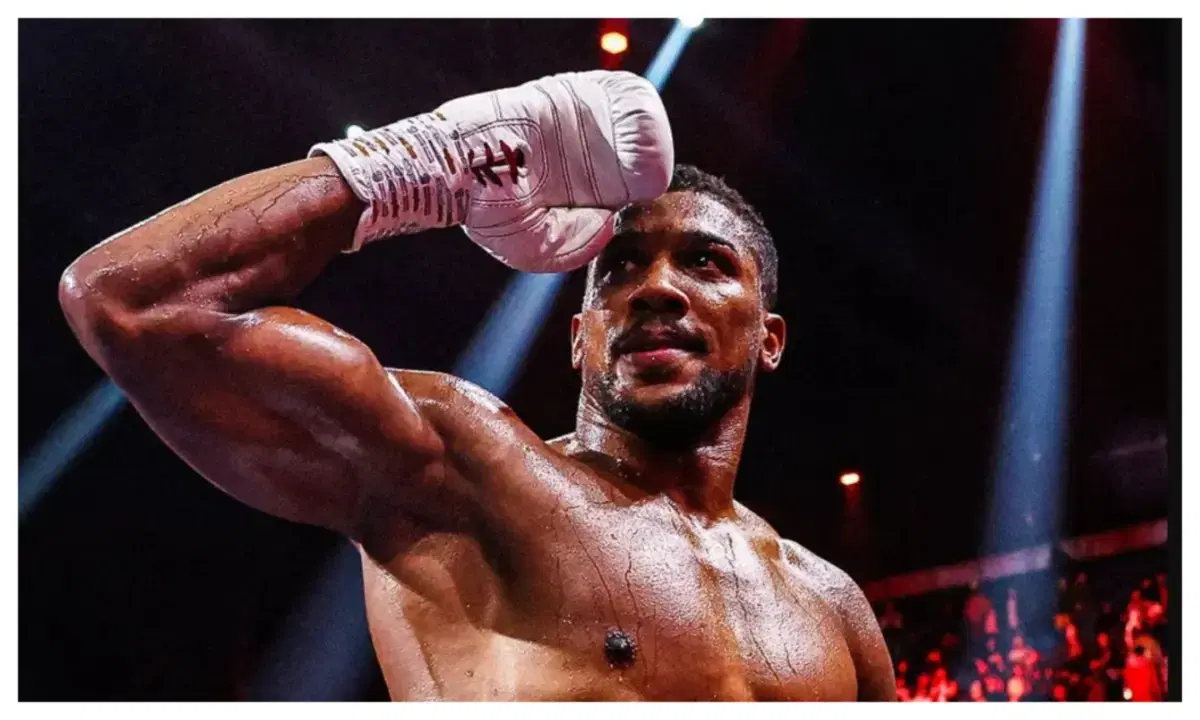
The Deputy Head of Mission of the British High Commission, Simon Field, has visited world heavyweight boxing champion Anthony Joshua at a Lagos hospital following a fatal road accident on the Lagos–Ibadan Expressway. During the visit, Field met with Joshua and held discussions with Ogun State Governor Dapo Abiodun and Lagos State Governor Babajide Sanwo-Olu, as British authorities continue to follow developments related to the incident. The British High Commission confirmed that it was formally notified of the accident and remains in close contact with the hospital and the Ogun State Government. It also stated that the families of the deceased have been reached through the Mission. The accident occurred around midday on Monday and involved a Toyota Lexus vehicle conveying Joshua and three other passengers. Two occupants of the vehicle lost their lives and were identified as Ayodele Kelvin Olu, a 36-year-old Nigerian-British citizen, and Gami Sina, a 36-year-old British citizen. Governor Abiodun visited the hospital shortly after the incident and was later joined by Governor Sanwo-Olu. Both governors remained at the facility for several hours to oversee the situation and ensure Joshua received appropriate medical care. Abiodun stated that he personally supervised Joshua’s treatment alongside his Lagos counterpart and expressed satisfaction with the quality of care provided by the medical team. The Ogun State Government confirmed that Joshua was in stable condition and responding well to treatment. Other senior officials who visited the hospital included the Inspector-General of Police, Kayode Egbetokun, and the Director-General of the National Sports Commission, Bukola Olopade. President Bola Tinubu was briefed on the incident and subsequently spoke with Joshua, his mother, and Governor Abiodun. The President conveyed his sympathies and condolences, urging unity and mutual support during the difficult period. Authorities have ordered a full investigation into the circumstances surrounding the accident, with assurances that findings will be made public upon completion. The government stated that further updates would be provided as necessary.