

 Lifestyle & Wellness Desk
Cooking Gas Price Surges To ₦1,200 Per Kg Despite Marketers’ Efforts
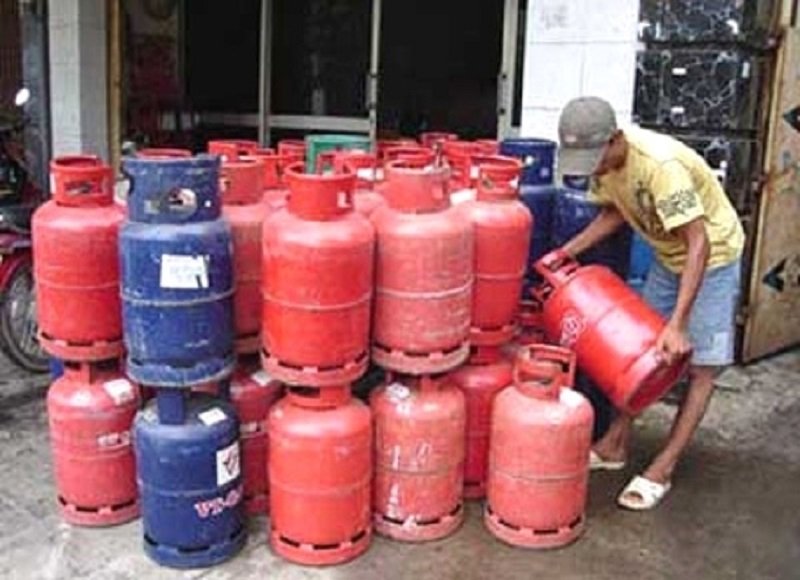
The price of Liquefied Petroleum Gas (LPG), popularly known as cooking gas, has remained high despite marketers’ earlier assurances that it would drop to between ₦950 and ₦1,000 per kilogram.
A market survey across several gas stations in Lagos on Sunday showed prices ranging from ₦1,200 to ₦1,400 per kilogram. At Gasland in Igando, Ikotun, and Mac Rich Gas Plant in Cele-Okota, the price stood at ₦1,200 per kg, while other outlets sold for ₦1,300 and ₦1,400 depending on location.
Operators, who preferred not to be named, said, “Last month, we sold at ₦900 to ₦950 per kg. Now, we retail at ₦1,200 per kg. That’s the current reality in the country. We can only hope prices drop in the coming weeks.”
Findings also revealed that retailers purchasing in bulk quantities of 150 to 200 kilograms pay about ₦1,104 per kg.
In a phone interview, the outgoing President of the Nigerian Association of Liquefied Petroleum Gas Marketers (NALPGAM), Mr. Olatunbosun Oladapo, attributed the sustained price hike to a backlog of unsupplied products, maintenance challenges, and refinery logistics. However, he expressed confidence that stability would return soon.
He explained that the entry of Seplat Energy’s gas supply into the market, along with increased output from the Dangote Refinery and other ongoing gas infrastructure projects, would ease supply pressures and help stabilise prices across the country.
Speaking at the Association’s 38th Annual General Meeting (AGM), Oladapo noted that Nigeria’s LPG consumption had grown from 900,000 metric tonnes in 2021 to 2 million metric tonnes in 2025.
“About four years ago, national LPG consumption stood between 900,000 and 1 million metric tonnes. Today, it has doubled to 2 million metric tonnes. By the first quarter of next year, we expect it to hit 3 million metric tonnes per annum,” he said.
He credited the growth to increased private investment, collaboration with government agencies, and greater public acceptance of gas as a household energy source. With continued policy support and industry participation, Oladapo expressed optimism that the association’s long-term target of achieving 6 million metric tonnes annually is within reach under the Federal Government’s Decade of Gas initiative.

