

 Lifestyle & Wellness Desk
Economy: More Nigerians Now Invest in Storing Farm Produce Than Saving in Banks
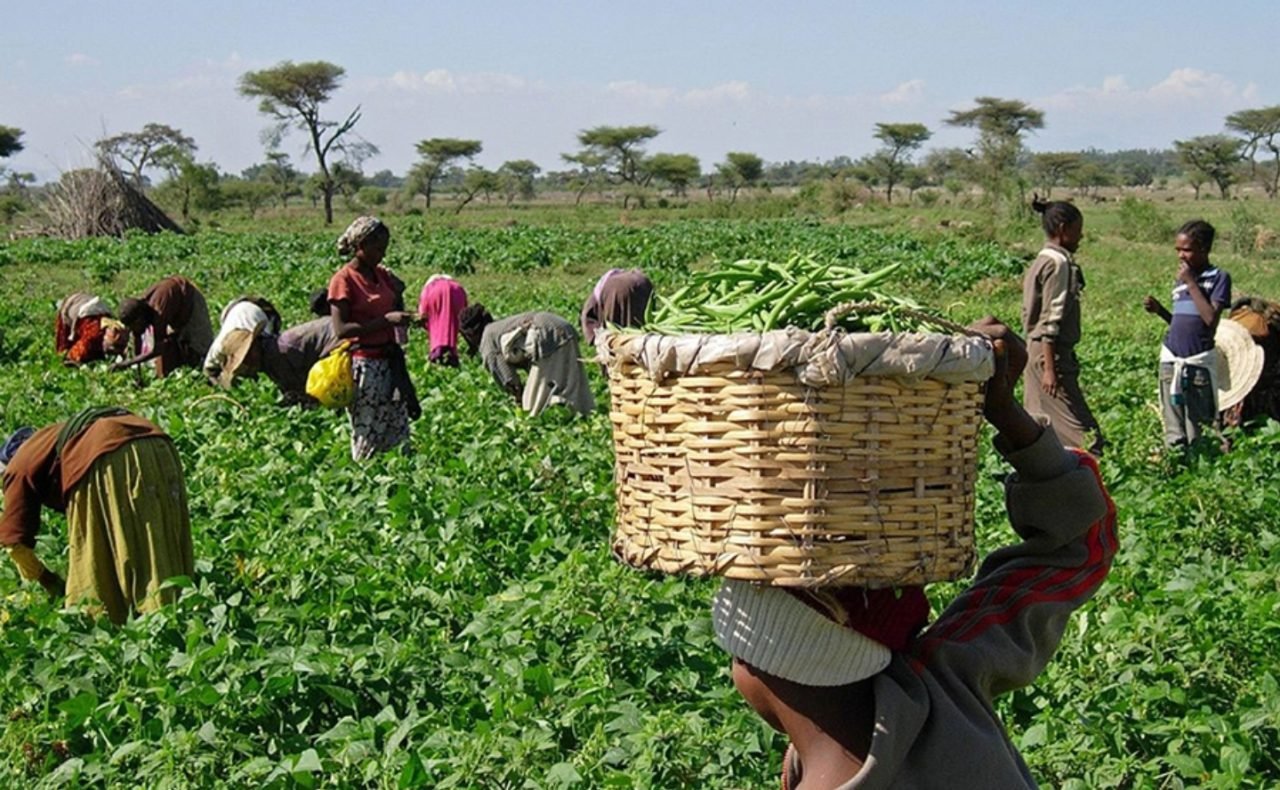
It appears that the era when Nigerians relied heavily on banks or investment firms for saving money is gradually fading. Many people are now turning to traditional methods of investment, particularly in farm produce storage, as a more profitable alternative.
Recent findings show that a growing number of Nigerians are buying agricultural products in bulk, storing them until they become scarce and prices rise, and then selling for profit.
For some, this approach has become a lifeline in the face of economic hardship.
Ahmedu Memunat, a tailor, shared her experience:
“Before now, I used to save all my money in the bank throughout the year and earned almost nothing in return. But this year, a friend introduced me to the palm oil business. I invested ₦400,000, and within a few months, my money doubled. Many of my friends are doing the same to survive. I plan to continue with this alongside my tailoring work.”
This age-old saving method, once common in rural communities, is now being revived by modern Nigerians seeking better returns. While it requires patience — since stored goods may take months to appreciate — the eventual profit keeps investors motivated.
Mrs. Sadiat Akhigbe, a civil servant, also adopted the idea:
“I never thought I’d go into such a business. A few months ago, a colleague gave me ₦500,000 to keep for her until December. Around that time, a friend told me about buying and reselling Ogbono (African bush mango). I decided to try it with the money. Thankfully, it paid off — I made enough profit to return the capital and still had gains. I plan to do it again next year.”
Further investigation revealed that many participants fund these ventures through thrift contributions (locally known as ajo or esusu), which allow them to collect lump sums to invest in goods.
One hairdresser, Mrs. Okoli Judith, explained:
“I join two thrift groups and take an early turn so I can collect the money, buy goods, and store them. It’s not easy — I have to sacrifice a lot — but when I finally sell, I can take care of my family and bills. My husband also contributes, and together we reinvest. It’s about teamwork and survival.”
She added that limited access to credit facilities has forced many small business owners to explore such alternatives.
“The banks won’t give small individuals like us loans without collateral, and even if they do, the interest rates are too high. So, this is the best way for us to make our money work,” she said.

